
Note: This website was automatically translated, so some terms or nuances may not be completely accurate.
 dentsu × Riot Games Conference 2023 Report [2/2]
Corporate Marketing Utilizing Esports: The Keyword is "Community"
This series discusses the current state and potential of esports in Japan. The second installment focuses on corporate marketing utilizing esports.
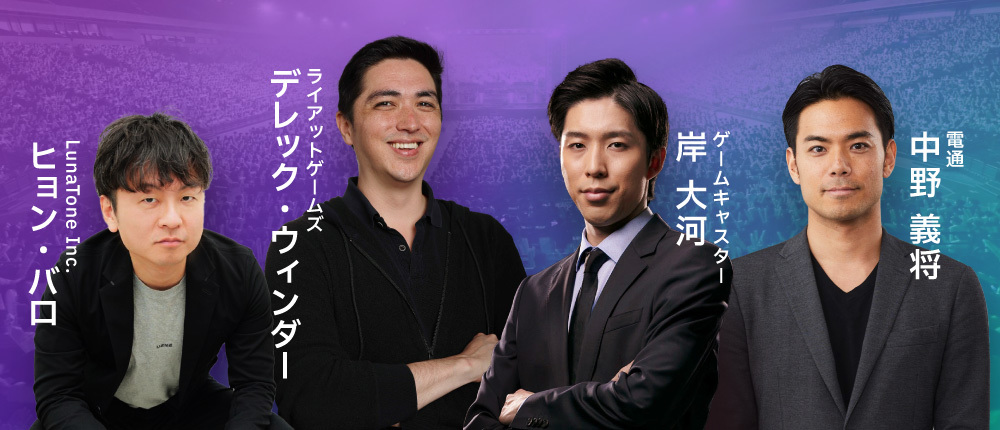
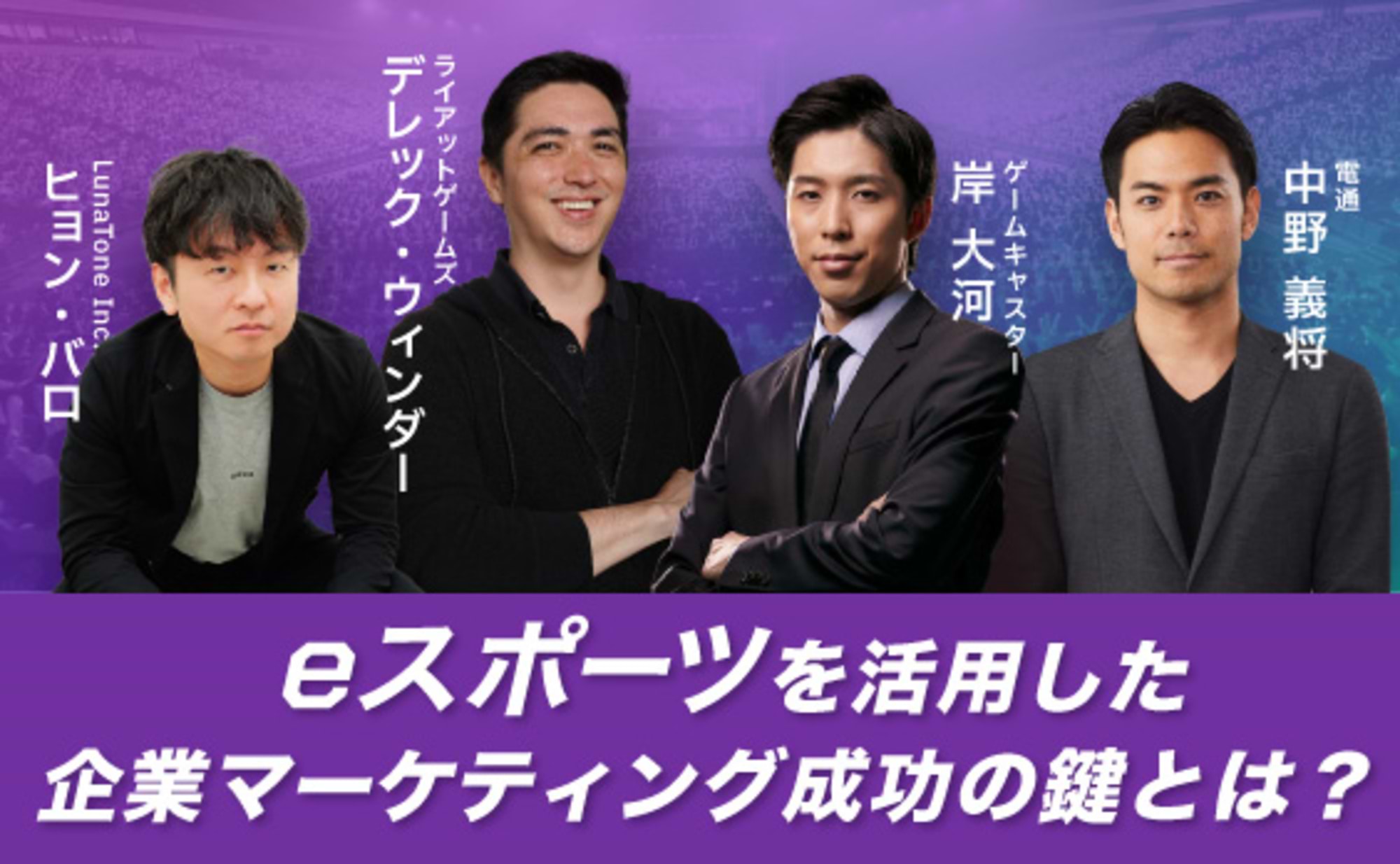
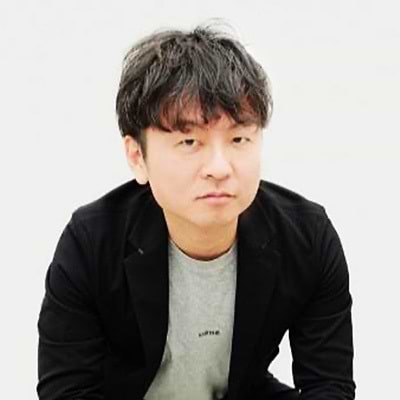
Hosted by Baro Hyun, CEO of LunaTone Inc., a company handling numerous esports consulting projects, the panel featured Derek Winder from Riot Games, a leading esports company; Yoshimasa Nakano from Dentsu Inc., involved in esports marketing; and Taiga Kishi, an esports game caster. They exchanged views on the topic.
*This article is edited and compiled based on the panel discussion held at the dentsu×Riot Games conference on June 8.
Corporate Marketing Utilizing Esports: Progressing Globally
Hyun Baro: Thank you for joining us today. First, please introduce yourselves and share your respective missions.
Derek Winder (hereafter Derek): I serve as Director of Commercial Partnerships for Riot Games APAC. Our mission is to keep delivering amazing experiences to our fans. We prioritize the community surrounding esports—fans, players, teams—and connect that community with companies and brands. We call this "Authenticity." That is Riot Games' mission.
Nakano: I belong to Dentsu Inc.'s Content Business Design Center. This department's mission is to contribute to the gaming industry by promoting esports, supporting advertisers in their esports marketing efforts, and sharing gaming case studies across Dentsu Group's global network.
Hyun Baro: Thank you. Depending on the topic, we'll also be incorporating comments from Taiga Kishi, a former top esports player and current game caster who is moderating this conference, as we proceed with the panel discussion.
First, regarding esports sponsor activation. Could you share some global case studies?
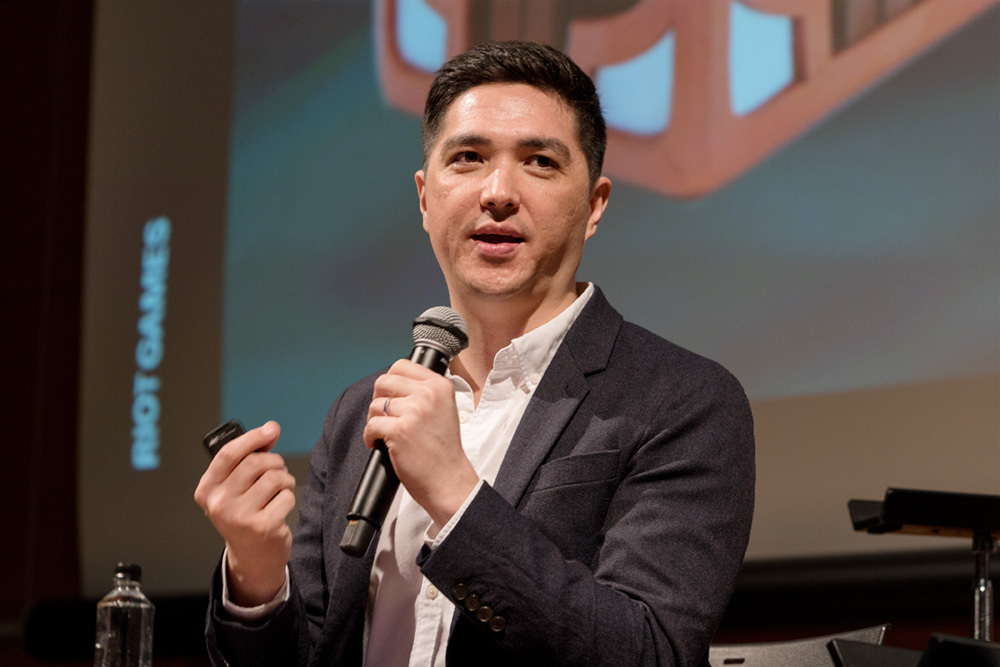
Derek: One luxury jewelry brand commissioned an original trophy, an essential element in esports. Furthermore, they displayed this trophy at their flagship store in New York, creating an opportunity for fans to see it in person. I believe this was incredibly exciting for esports fans.
Another luxury fashion brand created an original trophy box to house the trophy. Through mutual collaboration, they also implemented original skins (clothing or equipment) inspired by their brand for characters within the game. Conversely, the brand created and sold luxury apparel and bags inspired by the game. All these items became highly sought-after, rare pieces.
We've also conducted various collaborations with other brands, including creating stages for esports world championship events and selling partner products featuring IP collaborations on their packaging in retail stores.
Hyun Baro: Thank you. As an esports fan, there are so many exciting examples. When Japanese companies become sponsors, I imagine "VALORANT" is a prime target. Could you tell us what makes "VALORANT" so appealing to sponsors?
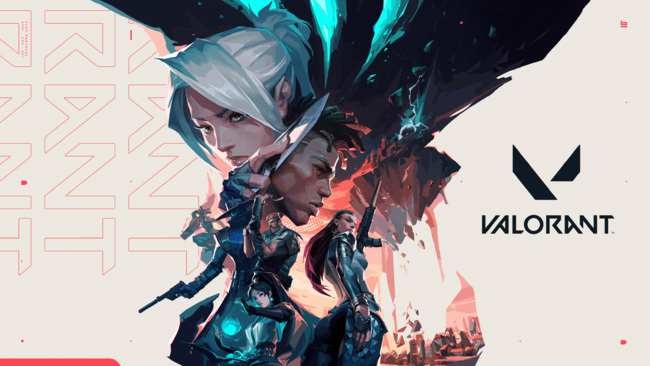
Derek: For example, one brand not only places products at the venue but also sponsors the largest international tournament for students. It's incredibly exciting every year and has become a fantastic initiative where players, fans, and brands all resonate.
Other examples include fashion brands commissioning high-quality suits and jackets for streamers to wear on broadcasts, and food delivery companies engaging fans and influencers by inviting them to international "VALORANT" tournaments. This was an interesting initiative aimed at expanding the user base.
In other words, it's not just about displaying logos or product placement. It embodies the "Authenticity" we deeply value—putting the esports community first and connecting that community with companies and brands. Crucially, this can be executed in various forms tailored to each company or brand, offering flexibility.
Hyun Baro: I understand that each company has different challenges and brand characteristics, but this means sponsorship activations can be implemented using various methods tailored to those specific needs.
Mr. Kishi, I'd like to hear your perspective. From your position as a game caster, what kind of activations would you recommend for sponsoring companies and brands?
Kishi: I think many brands are successfully integrating with esports.
From the perspective of spectators and viewers, they come to tournaments to watch the matches, so they want to see the games start quickly. Therefore, I think approaches that avoid the common practice of spending a lot of time introducing sponsors before the matches are more suitable.
Fundamentally, since we have an audience of gaming enthusiasts, incorporating fun gaming elements during breaks, or approaches like the fashion brand Derek mentioned earlier that creates custom clothing, would be more effective. These methods align with fans and blend naturally into the esports experience.
Japan is poised to become a key market shaping the future of APAC
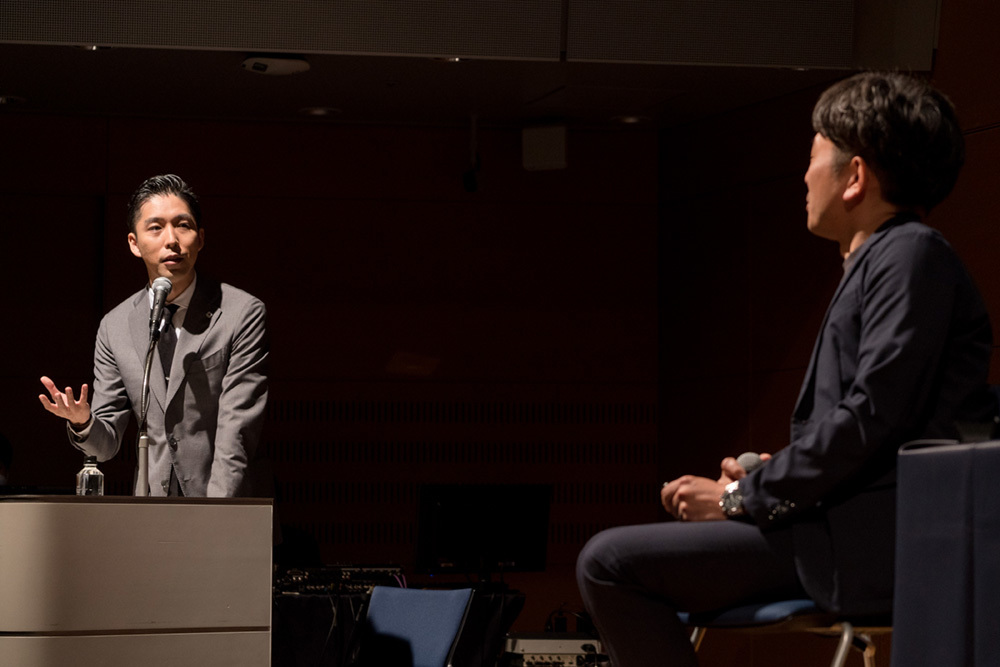
Hyun Baro: Next question: Derek, you observe various global markets. How do you currently view the Japanese market?
Derek: I believe it's the fastest-growing market within APAC and one that will shape the future. As Mr. Fujimoto and Hyun Baro from Riot Games mentioned, Japan is currently experiencing rapid growth. We at Riot Games, together with our partner Dentsu Inc., want to take on the challenge of how we can accelerate this growth.
Hyun Baro: Especially, the excitement around "VALORANT" in Japan is truly remarkable, isn't it? From your perspective as a former professional esports player, what do you find most appealing about "VALORANT"?
Kishi: There are so many appealing aspects, it's hard to pinpoint just one... First, from a player's perspective, the sound effects when defeating enemies change based on the weapon and level. It's incredibly exhilarating to play, and as a caster, it makes it easy to deliver commentary that gets the audience hyped. Also, the league system offers a high volume of matches, and the clear progression path makes players envision what kind of player they want to become in the future.
Furthermore, I think the character design in VALORANT is incredibly detailed. The stories and character settings are crafted to resonate with Gen Z, tailored to specific countries and regions. I believe that's a key reason for its popularity among Gen Z. For example, even within English, accents vary drastically by region. That kind of meticulous attention to detail feels quintessentially VALORANT.
Hyun Baro: I see, so VALORANT itself has features that resonate well with Gen Z.
The Keywords for Corporate Marketing: "Community" and "Authenticity"
Hyun Baro: Next, I'd like to ask Mr. Nakano. From your perspective working in esports marketing, what do you consider the most important aspect of esports marketing?
Nakano:I think the keyword is "kaiwai" (community), which President Fujimoto mentioned last time. "Community" refers to the space where Gen Z finds their interests and sense of belonging. It encompasses everyone involved in that space as one interconnected community. In esports, players, teams, streamers, casters, and fans all form one "community," collectively driving the current excitement around esports.
Understanding these "communities" is crucial. Esports already has a massive audience, so simply running ads might be sufficient in terms of reach. But whether the message truly resonates with that audience is another matter entirely. Understanding the "community" and communicating effectively with it is paramount.
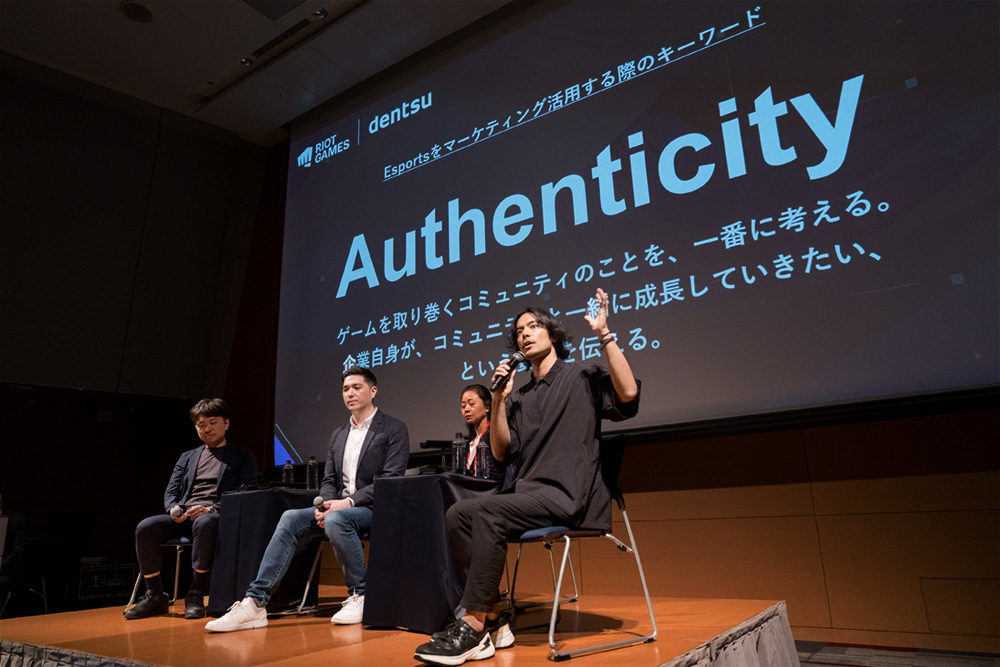
Nakano: Another extremely important concept is "Authenticity." I believe Derek mentioned this earlier. Understanding the "community" and prioritizing that community. It's crucial for the company itself to convey a stance of wanting to grow together with the community.
They can see right through superficial efforts. They'll perceive it as insincere. Instead of trying to cover things up awkwardly, it's vital to understand the community and approach sponsorship initiatives and presentation with a mindset focused on doing what's best for that community. That's the kind of communication that resonates directly with them.
Hyun Baro: Could you elaborate a bit more? What kind of contribution can Dentsu Inc. make in esports marketing?
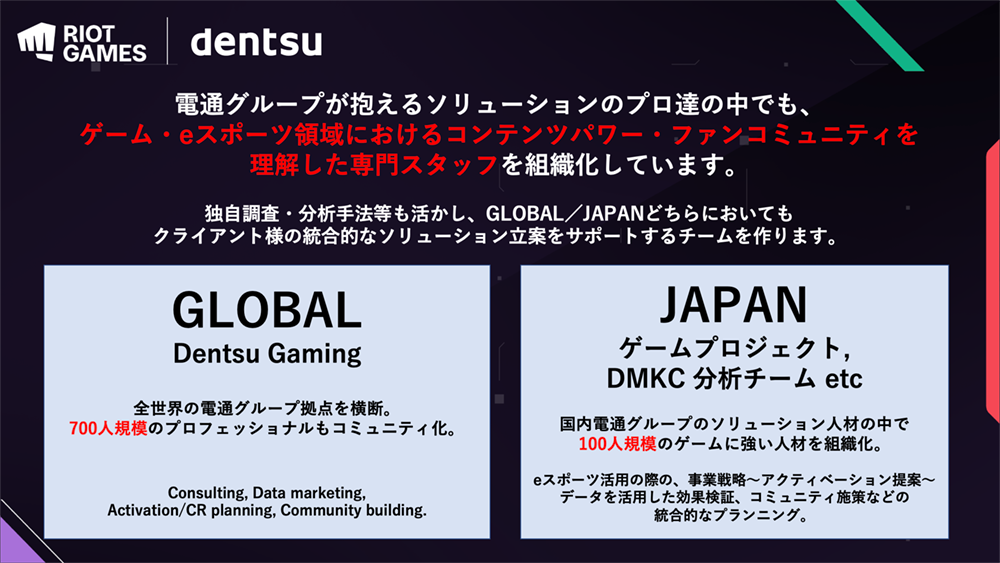
Nakano: We see ourselves as the bridge between that "community" and the companies. The Dentsu Group has many advertising communication professionals. Among them are genuine fans who shed tears at esports venues and wear team gear to work. We, who are both advertising communication professionals and esports fans, understand the community and bridge it with corporate needs. To do this, we assemble the optimal team, design the most effective and efficient plan, and execute it. That is what we at the Dentsu Group can contribute.
We can build such teams not only in Japan but globally. In Japan, we have the "Game Project" organization. This is a cross-group company team of over 100 highly strategic professionals. It enables planning leveraging our accumulated expertise in the gaming domain.
Globally, we have the 'Dentsu Gaming' organization. Dentsu Group has approximately 60,000 employees across about 140 countries worldwide. This enables communication planning not only in Japan but also in countries like the US, UK, and Singapore. Approximately 700 professionals in communication from these countries, who are also passionate about games, are gathered here. We can provide support with the optimal team tailored to corporate needs and specific "communities."
Hyun Baro: Thank you. Finally, please share a closing remark.
Derek: Everyone, thank you so much for today. I believe many of you have developed an interest in esports. Please, go see it with your own eyes.
Nakano: Today's conference reaffirmed how crucial it is to prioritize what's best for the fans.
Hearing Riot Games reaffirm their mission—"to be player-first and deliver the best experience to fans"—made me realize that the leading company driving esports is tackling it with precisely that mindset. Esports marketing is challenging. Reaching Gen Z isn't straightforward either. That's precisely why that mindset is crucial—it's the essence of esports.
Thank you for today!
For inquiries:
Dentsu Inc. Content Business Design Center Esports Division
Kanahara, Matsuoka
Email: e-sports@dentsu.co.jp

Was this article helpful?
Share this article


Newsletter registration is here
We select and publish important news every day
For inquiries about this article
Author

Derek Winder
Riot Games
Director of Commercial Partnerships – APAC
Yoshimasa Nakano
Dentsu Inc.
Content Business Design Center
GM
Articles by this person

Taiga Kishi
Game caster
Baro Hyun
LunaTone Inc.
CEO