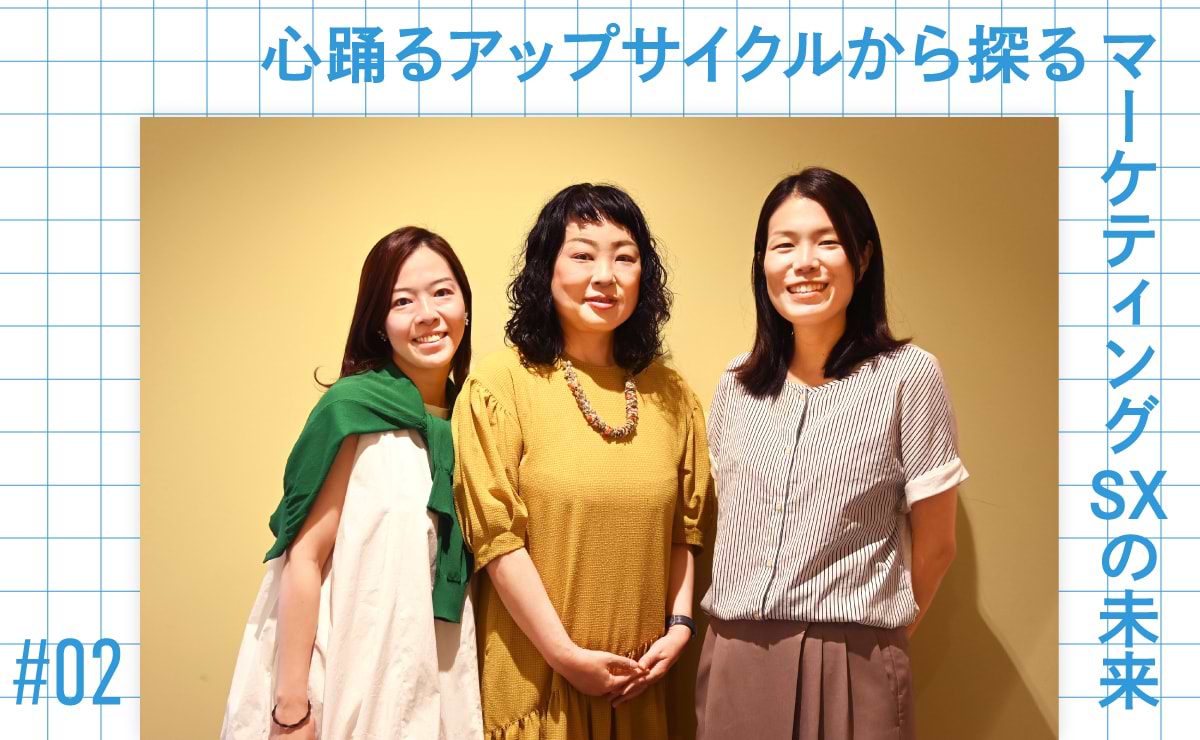
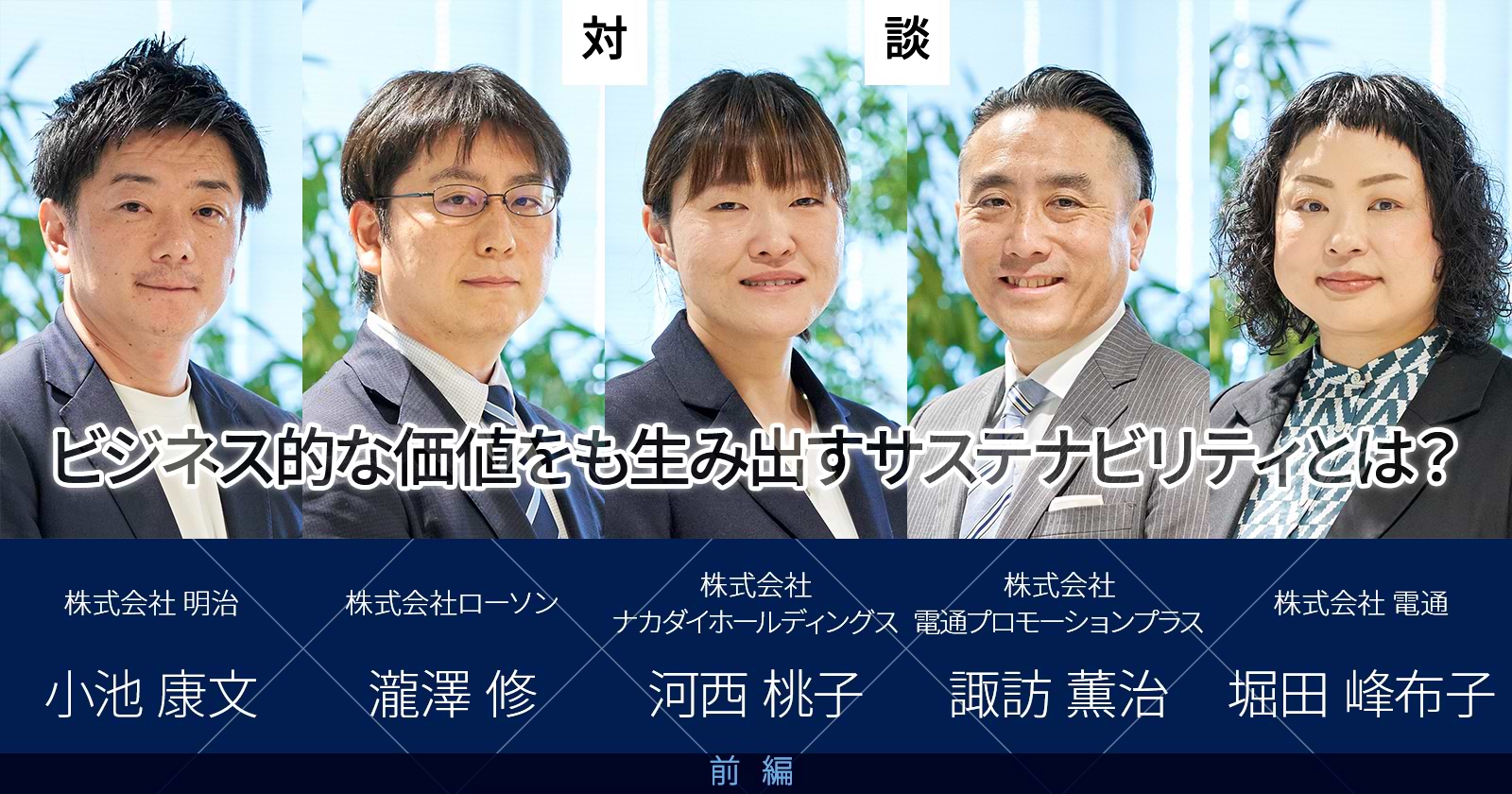
This article focuses on the aftermath of the pilot. In Part 1, Yasufumi Koike of Meiji, Osamu Takizawa of Lawson, Momoko Kasai of Nakadai Holdings, along with Kaoru Suwa of DENTSU PROMOTION PLUS INC. (who designed the platform) and Mineko Hotta of Dentsu Sustainability Consulting Office, discuss internal and external reactions and future prospects.
Empathy for a New Approach Balancing Resource Recovery and Business
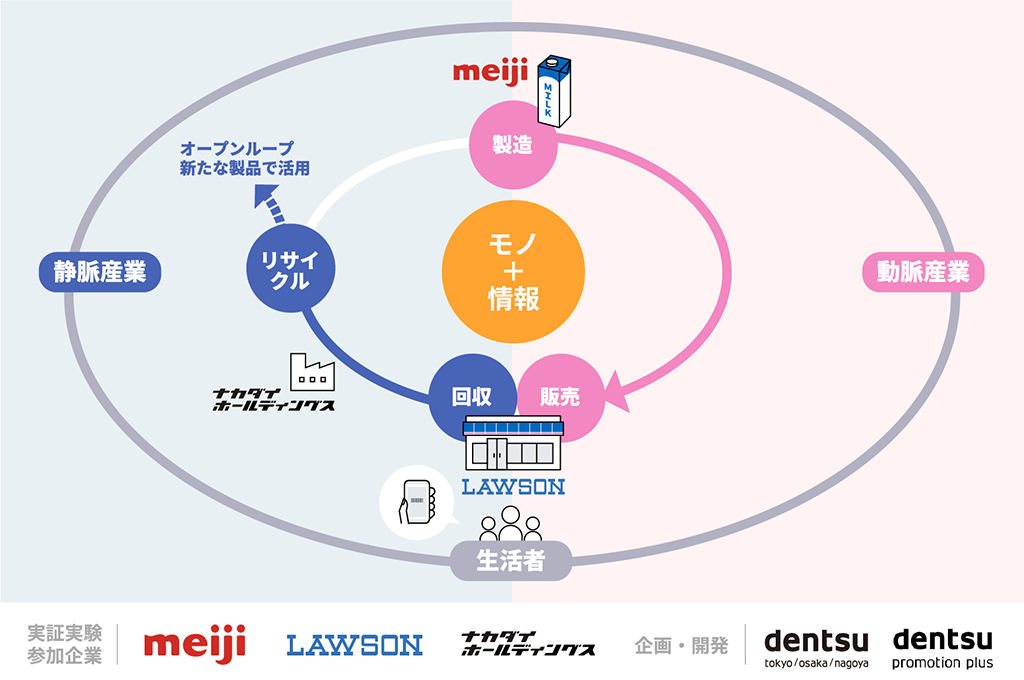
Mechanism of the "Don't Let It End Here PLATFORM" Circular Platform Pilot Project
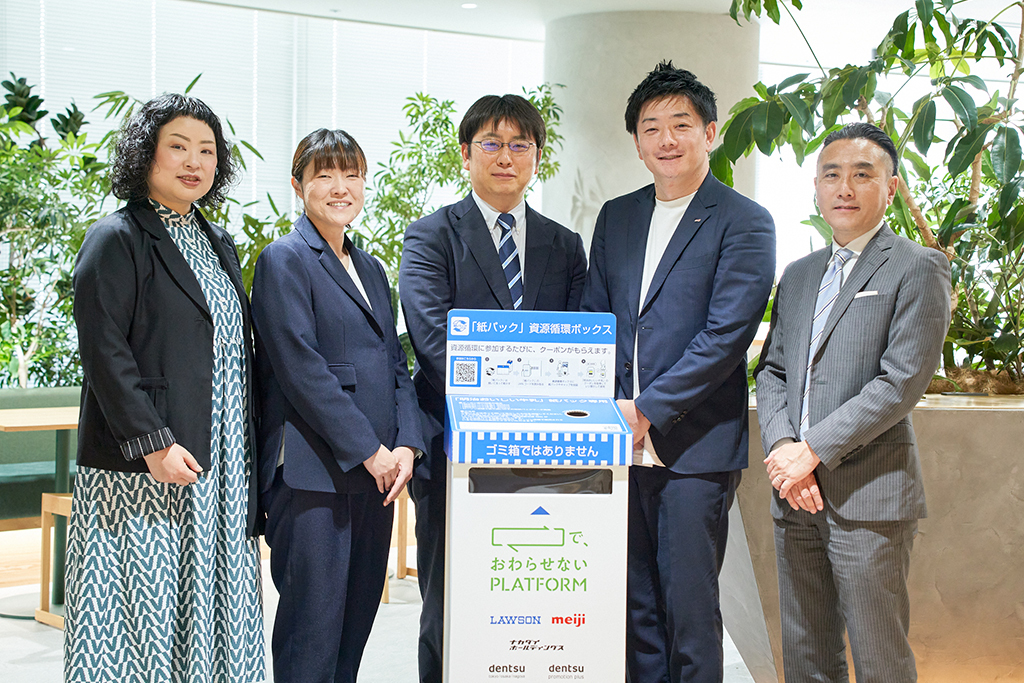
Hotta: The "Don't Let It End Here PLATFORM" works like this: Consumers deposit paper cartons (like Meiji Delicious Milk) and plastic caps from products sold at Lawson stores into resource recycling boxes installed at Lawson locations. When they deposit the cartons, the system scans the JAN code on the carton. By depositing into the recycling box, consumers can obtain coupons for Meiji Delicious Milk.Meiji, Lawson, and Nakadai Group, could you share why you participated in this pilot project?
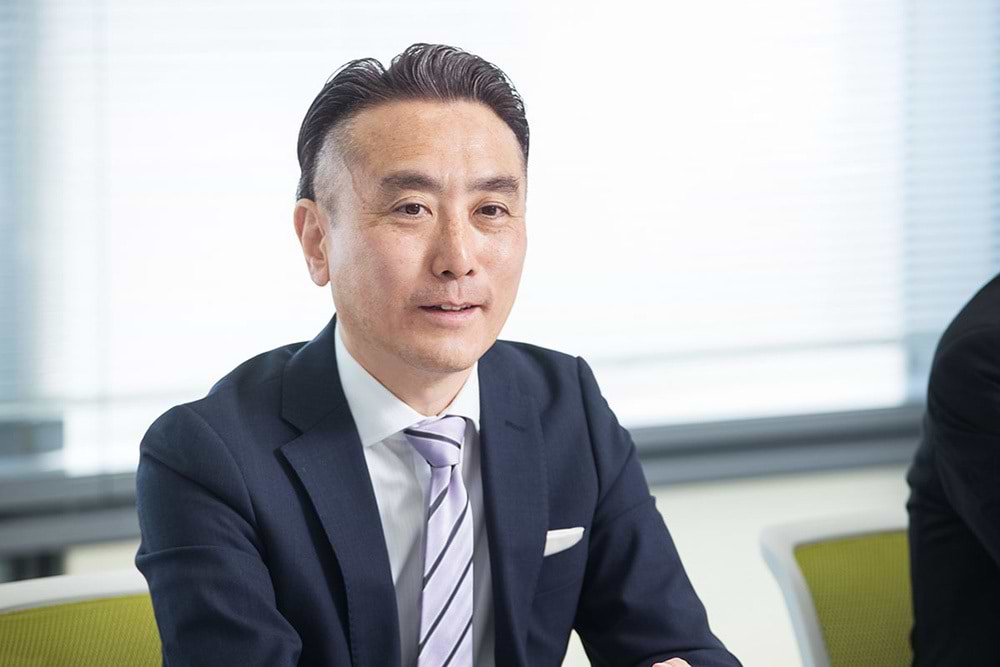
Koike: For Meiji, the idea of creating a sales promotion pathway starting from empty container collection felt novel and interesting.While "Meiji Oishii Milk" hasn't heavily used coupons or price promotions in the past, we judged this mechanism aligns well with the product's concept and our goal of sustainable dairy farming. Additionally, the pilot took place during the year-end and New Year holidays, coinciding with school winter breaks. During these long vacations, school lunch milk demand drops, inevitably leading to milk that cannot be processed. In that sense, we also hoped it could help boost milk sales.
Takizawa: At Lawson, we aim to realize a sustainable society. We believe it is highly meaningful to utilize our stores not only for purchasing goods and using services but also as recycling hubs, thereby contributing to resource circulation.Our company has set targets to reduce CO2 emissions by 50% (compared to 2013 levels), reduce plastic packaging by 30% (compared to 2017 levels), and reduce food waste by 50% (compared to 2018 levels) by 2030.To achieve these goals, we are promoting various initiatives such as developing lids that allow drinking without straws, switching to paper-based cup materials, and introducing sharing services. Participating in this proof-of-concept experiment is part of these efforts.
Lawson, Inc. Mr. Osamu Takizawa
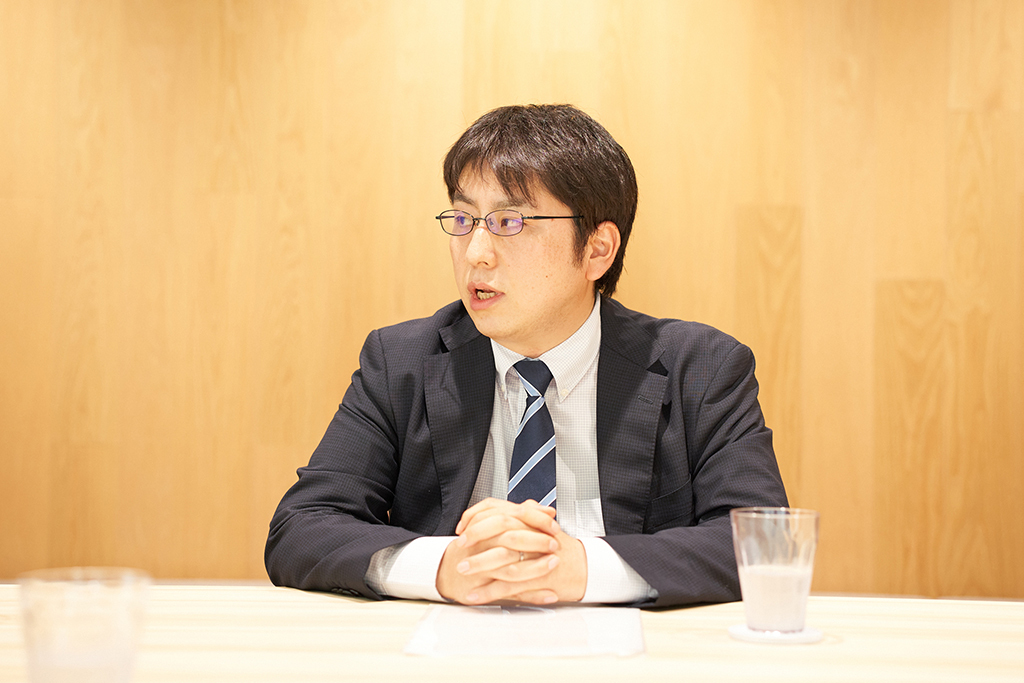
Kawashi: At the Nakadai Group, we operate a waste recycling business under the banner of "Realizing a Circular Society Through Business." While also handling consulting related to recycling, we believe collection is the most critical point in building a circular society. We were interested in this new approach, which promotes collection by combining it with sales promotions.Where do the benefits of participating in resource collection lie for both companies and consumers? Furthermore, knowing the data associated with collected items in advance represents significant value for us as recyclers.
The "Sustainable Customer" Visualized Through the Proof-of-Concept Experiment and Challenges in Realizing a Circular Society
Hotta: What insights or discoveries did each of you gain through the pilot project?
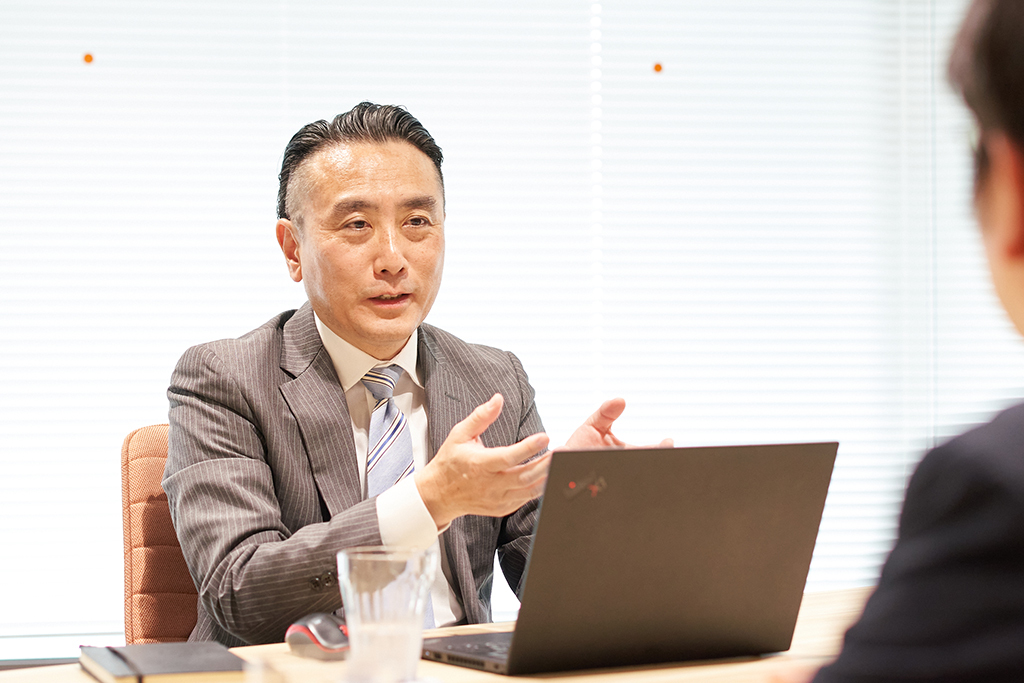
Suwa: At DENTSU PROMOTION PLUS INC., which positions itself as the "No. 1 Partner for Sales Promotion Solutions," we discussed the circular platform with many clients when recruiting participating companies. What struck me was how many companies showed a higher level of interest in sustainable initiatives than we had anticipated. While some companies faced internal hurdles preventing participation, we sensed a growing awareness across society. The number of media features on the initiative was also remarkably high.
Kaiji Suwa, DENTSU PROMOTION PLUS INC.
Takizawa: The landing page views also showed us that many consumers are interested. While the collection volume of paper cartons didn't reach our expectations—due to the limited number of participating stores (only three) and the fact they were all downtown locations—we gained valuable insights for future improvements. For example, selecting stores in residential areas with high milk purchases could likely increase customer participation.
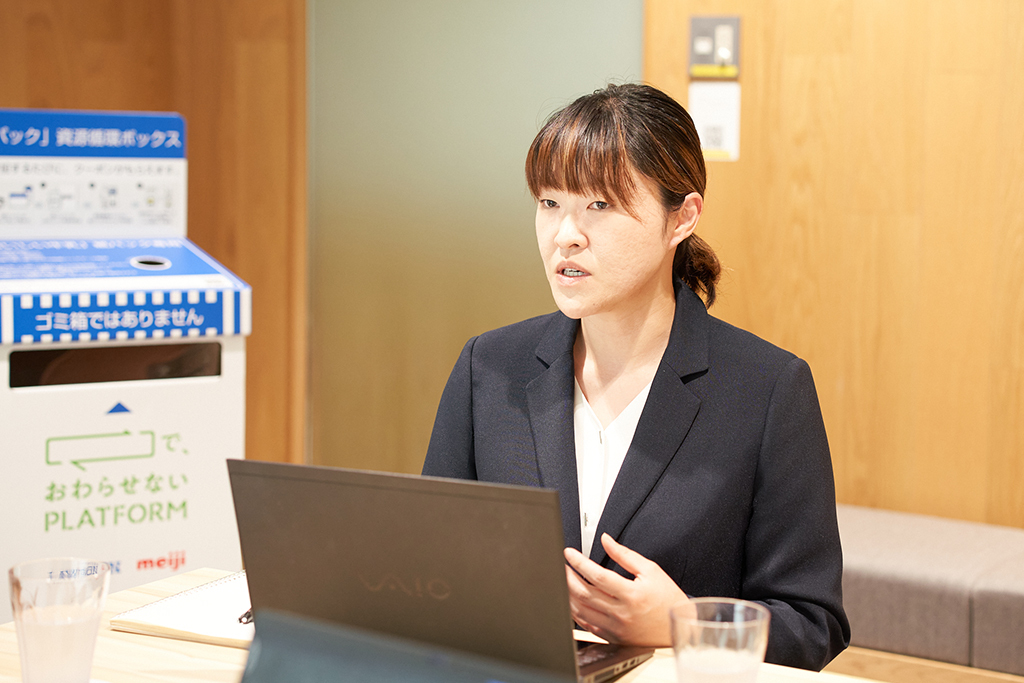
Kawanishi: As the team responsible for paper carton collection and analysis, we were concerned about non-carton waste being placed in the resource recycling boxes. However, such instances were rare, and the cartons brought in were generally in very clean condition. It was positive to see the numbers visualize that a certain number of " sustainable customers " – those who resonate with corporate sustainability initiatives and continue purchasing – indeed exist.
Additionally, this time, consumers scanned the paper carton's JAN code with their smartphones and received coupons when they placed it in the resource recycling box. Data linkage allowed us to grasp in real time which stores had what quantities of which collected items, which was also beneficial from the perspective of transport efficiency.
Ms. Momoko Kasai, Nakadai Holdings Co., Ltd.
Hotta: The key point is that real-time data linkage allows the decision to skip collection on days when materials aren't accumulated, leading to cost savings for recyclers too. Such social contribution initiatives often face the hurdle that they don't directly generate revenue for participating companies, so creating an efficient, rational system is crucial. In fact, explaining the concept to the administration was a painstaking task, essential for building the foundation that lets everyone participate with confidence.
Kawanishi: To realize this system, we needed to clearly explain to the government that we were collecting paper cartons "not as waste, but as resources to be recycled." Since general waste is supposed to be processed by municipalities, it fundamentally cannot be sent outside the jurisdiction of the local government. This creates challenges like being unable to collect items we want to recycle or reduced transportation efficiency.
Hotta: To address these issues, we visited about five locations, including Tokyo Metropolitan Government, to explain the project. Moving forward, we recognize the need to involve not just companies but also government agencies to expand this framework.
Suwa: The coupon redemption rate was notably high compared to other promotional measures, wasn't it?
Hotta: That's right. I think the high loyalty of consumers who buy "Meiji Oishii Milk" fundamentally influenced this. I also sensed a strong affinity between this sustainable initiative and the loyal customer base – those who have affection for the company and brand, supporting product and service sales over the long term. How was the response within Meiji?
Koike: At Meiji, we've established "Integrating Sustainability with Business" as a theme in our mid-to-long-term plan. The question is how the business side perceives the cost of pursuing sustainability. Until now, we struggled to find a balance between sustainability and business operations. However, through this pilot project, enthusiasm grew that we might discover the potential for integration.
Our company produces organic milk through a circular dairy farming system: we turn cow manure into compost to make organic feed, use that feed to raise cows for milk, and then recycle the manure again... We feel there's potential to see something new if we integrate sales and collection into this cycle.
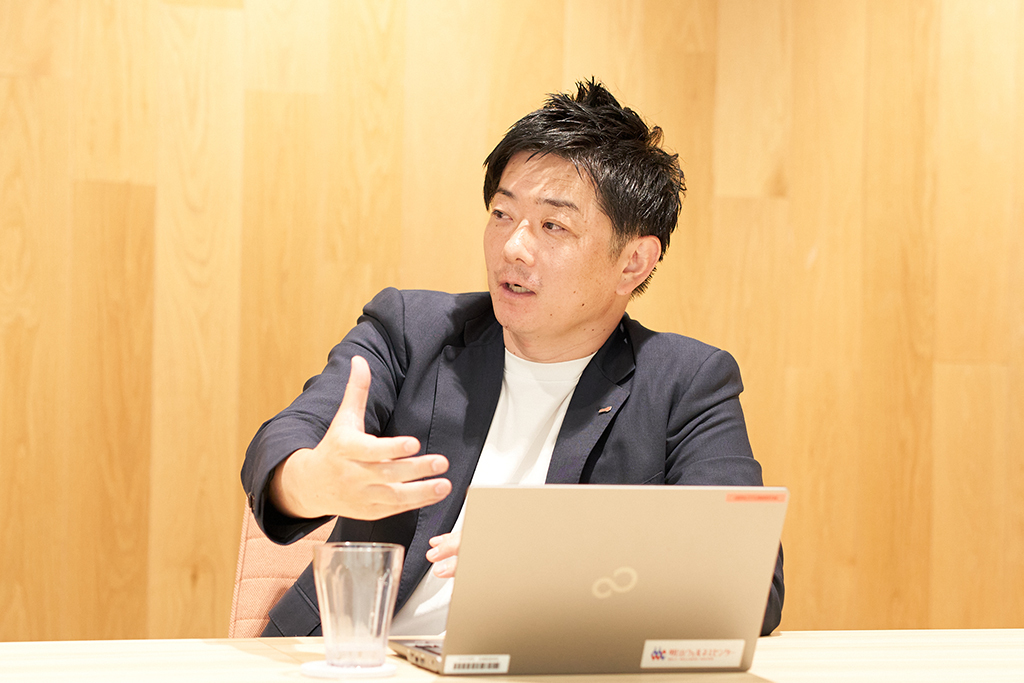
Meiji Co., Ltd. Yasufumi Koike
Realizing a Circular Society Through Collaboration Between Primary and Secondary Industries
Hotta: Finally, following this demonstration experiment, could you share the future outlook for each company's circular economy activities?
Ms. Mineko Hotta, Dentsu Inc.
Takizawa: Leveraging Lawson's advantage of having 14,000 stores nationwide, we should be able to collect large quantities of various resources, not just paper cartons. We want Lawson, a familiar presence for many consumers, to serve as a hub for promoting environmental protection initiatives.
Koike: By recycling items we currently cannot recover, such as the small PET bottles from our hit product "Meiji Probio Yogurt R-1" and the paper containers from "Meiji Bulgarian Yogurt," we can create further value. While we have milk delivery routes from our dairy stores, we currently only collect glass bottles. We want to utilize these resources to drive new sustainable innovation.
Kawashi: Realizing the circular economy directly connects to Nakadai Group's business. However, simply focusing on the recycling side of the industry won't solve everything. It's crucial to collaborate with manufacturers and other upstream industries to build a circular scheme. We want to leverage this scheme for social implementation and connect it to business opportunities.
Hotta: It's not just about "sustainability measures that benefit society"; we need to ensure they generate genuine business value. The significant response to this pilot project has reaffirmed the importance of that approach.
This pilot experiment aimed to build a collaborative relationship accessible to both businesses and consumers. It not only clarified which demographics resonated and participated, making the target audience visible, but also highlighted areas for future improvement. Moving toward realizing a circular economy, the project now advances to its next phase.
In the second part, Dentsu Inc.'s business producer, who worked alongside Meiji and Lawson, joins the discussion. They will share the journey to realizing the project and explore the vision for a sustainable society achievable through business.
Global Daily Business Division Milk & Beverage Marketing Department
Group Leader
Responsible for marketing commercial milk and beverage products such as "Meiji Delicious Milk" and "Meiji Go for it! Anpanman," as well as the home delivery business utilizing exclusive dealers. Engaged in expanding milk consumption, developing high-value-added beverages, and realizing sustainable dairy farming and processing. A martial artist with championship experience in full-contact karate tournaments.
Osamu Takizawa
Lawson, Inc.
Marketing Strategy Division, Digital Marketing Department
Assistant Manager
After gaining experience in payment and logistics within the e-commerce industry, joined Lawson, Inc. in 2012. Responsible for establishing logistics for the company's e-commerce business and building a store-based home delivery platform. Assigned to the current department in 2018. Currently responsible for introducing sharing services such as mobility sharing and mobile battery sharing to effectively utilize store premises.
Seeking work that involved interacting with many people and things, I joined Nakadai Corporation in 2011. For things: I planned and managed events and workshops to establish the Factory brand. Currently at Mono Factory Corporation, I engage in corporate training planning and consulting on building circular schemes, working through various entities within the Nakadai Group.
Kaoru Suwa
DENTSU PROMOTION EXE INC.
Regional Headquarters
For many years, I have served as a planning and production producer for clients across diverse sectors including beverages, food, finance, and automotive. In recent years, I have been responsible for the entire CX domain, encompassing digital sales promotions in collaboration with platform providers and retail promotions leveraging purchase data.
After working as a product designer for a major electronics manufacturer, he oversaw product design and UX design at a telecommunications company. He then served as a manager for product branding, marketing, and PR targeting the Japanese market at a global manufacturer. After joining Dentsu Inc., he was seconded to Dentsu Live Inc. in 2025 and is currently active primarily in the circular economy field. He has received numerous awards, including the iF Design Award, Red Dot Design Award, and Good Design Award. Certified Human-Centered Design Specialist by HCD-Net, Certified Ergonomics Specialist by the Japan Ergonomics Society. Good Design Award judge from 2022 to 2025.





 Material Innovation!
![[SB 2026 Tokyo] What Is Required of Corporate Sustainability Communicationsのサムネイル](https://cdn.speedsize.com/e7df76a9-4406-40f5-bc97-57e7c2c2d99d/https://cdn.dentsu-ho.com/834def09-4013-422a-a14f-45c659fd7b82/gbc33_top.jpg/f_auto,w_3840)