
Note: This website was automatically translated, so some terms or nuances may not be completely accurate.
 Living in the Age of Social Design [6/7]
Social Systems Fostering Social Design
Takato Fukui
Dentsu Inc.
London is said to be a place where public consciousness has always been strong. It is the birthplace of the National Trust system, where individuals pool donations to purchase land for nature conservation. Museums and galleries are operated through donations and open to the public free of charge. This history of citizens themselves winning mechanisms to improve society likely feeds into their confidence and pride.
Beyond that, London boasts robust social systems accelerating social design. For instance, there are tax incentives for social projects. Even without an organizational structure like an NPO, if a project is recognized as having high social value, the government properly evaluates and supports it.
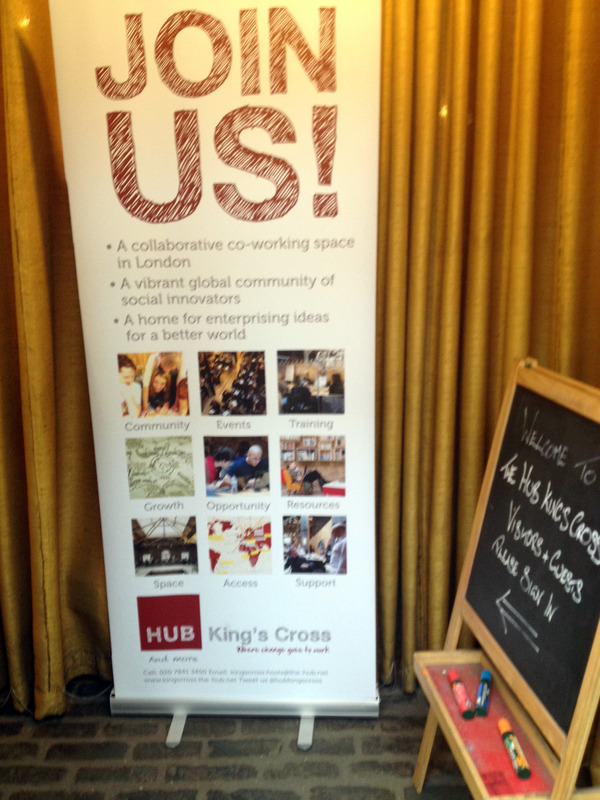
Recently, a membership-based shared office called The Hub (hereafter Hub London) was established. It's gaining attention as a creative space where individuals, primarily freelancers and small business owners interested in social issues, gather, connect, and network. The City of London has invested a substantial 20% stake in Hub London. Even more surprisingly, over a dozen employees from the national broadcaster BBC are registered as individual members. Places where information converges and people connect on a level playing field are also where social design emerges. Both the government and the media highly value this movement.
It is precisely because people possess a daily social mindset—one conscious of the public sphere—that social elements naturally integrate into design. Because the potential of design is understood, sophisticated creative products and services are increasingly embraced by the market.
Symbolically representing this was the work "Dumb Ways to Die," created for Melbourne Railways' fatal accident prevention campaign, which won numerous awards at this year's Cannes Lions. This video, featuring adorable characters singing and dancing, contained elements of cynical expression and dark humor. Yet it garnered attention across numerous media, including television, was shared globally, and actually achieved results in preventing fatal accidents. Cases where creativity is freely exercised on such highly public and sensitive social themes are almost unheard of in Japan. I felt that cultivating a social environment receptive to creativity also contributes to enhancing social design.
Was this article helpful?
Share this article


Newsletter registration is here
We select and publish important news every day
For inquiries about this article
Back Numbers
Author
Takato Fukui
Dentsu Inc.
Business Creation Center