Note: This website was automatically translated, so some terms or nuances may not be completely accurate.
 【Continued】Local Gurgle [203/208]
"Why not try making salt in Tokyo?"
Last time, I shared a story about someone who has been very supportive during my long career at Dentsu Inc. Of course, I've also enjoyed many client relationships that have blossomed into friendships beyond work.
Daigo Arai, whom I met during my research days at a certain food company, is one such person. He once appeared in this column as "Young D, currently training in Kochi to challenge himself with ginger cultivation in Lithuania." When I heard he was getting married, I eagerly headed to Kochi.
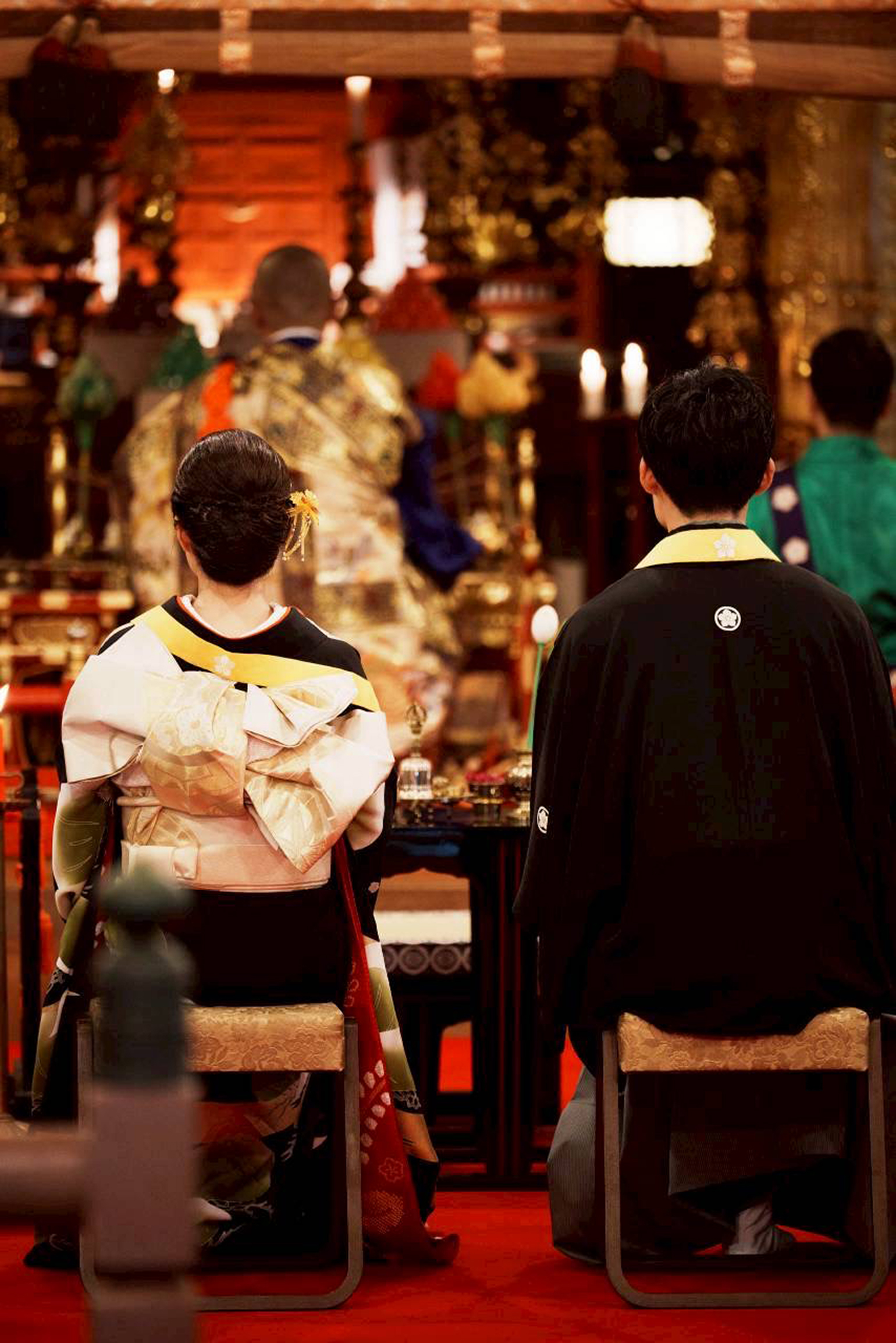
The ceremony at Iwamotoji Temple, the 37th temple on the Shikoku pilgrimage route, was warm and heartfelt. The natural ayu sweetfish grilled over a charcoal brazier under the starry sky at his new home in Tosa-yama is also unforgettable. But visiting the salt-making workshop "Yama Shio Kozō" (Mountain Salt Boy), which he kindly arranged for me, is another cherished memory.
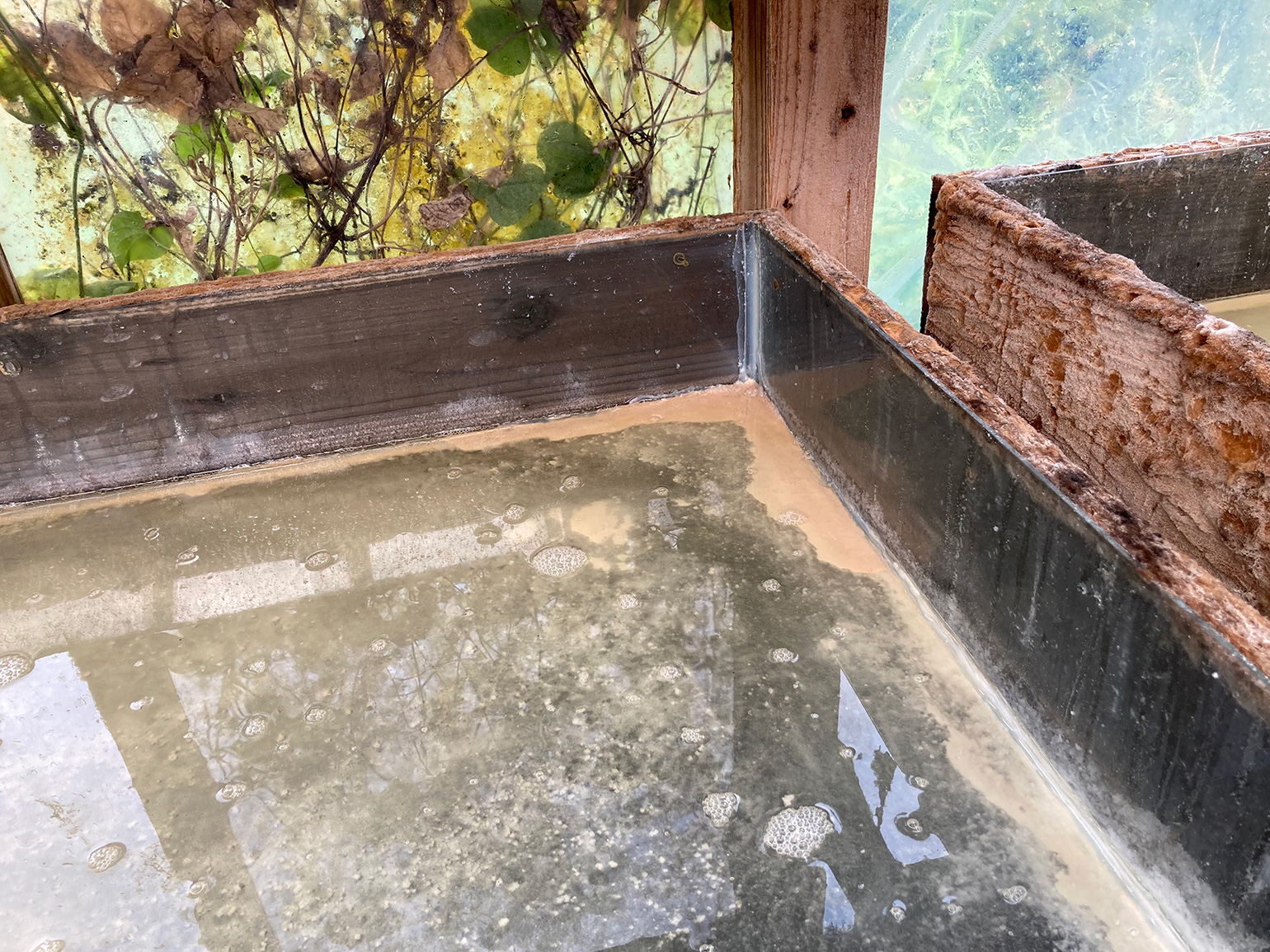
Kochi Prefecture is famous for its "sun-dried salt," made by concentrating and crystallizing seawater using only the power of the sun and wind, without any heating like boiling. However, as far as I know, most saltworks are located along the coast.Since seawater has a salinity of 3.5%, producing just one kilogram of salt requires nearly 30 kilograms of seawater. Logically, it makes more sense to have factories near the coast. So why is "Yama Shio Kozou" made in a mountain village, far from the sea and close to the clear waters of the Shimanto River?
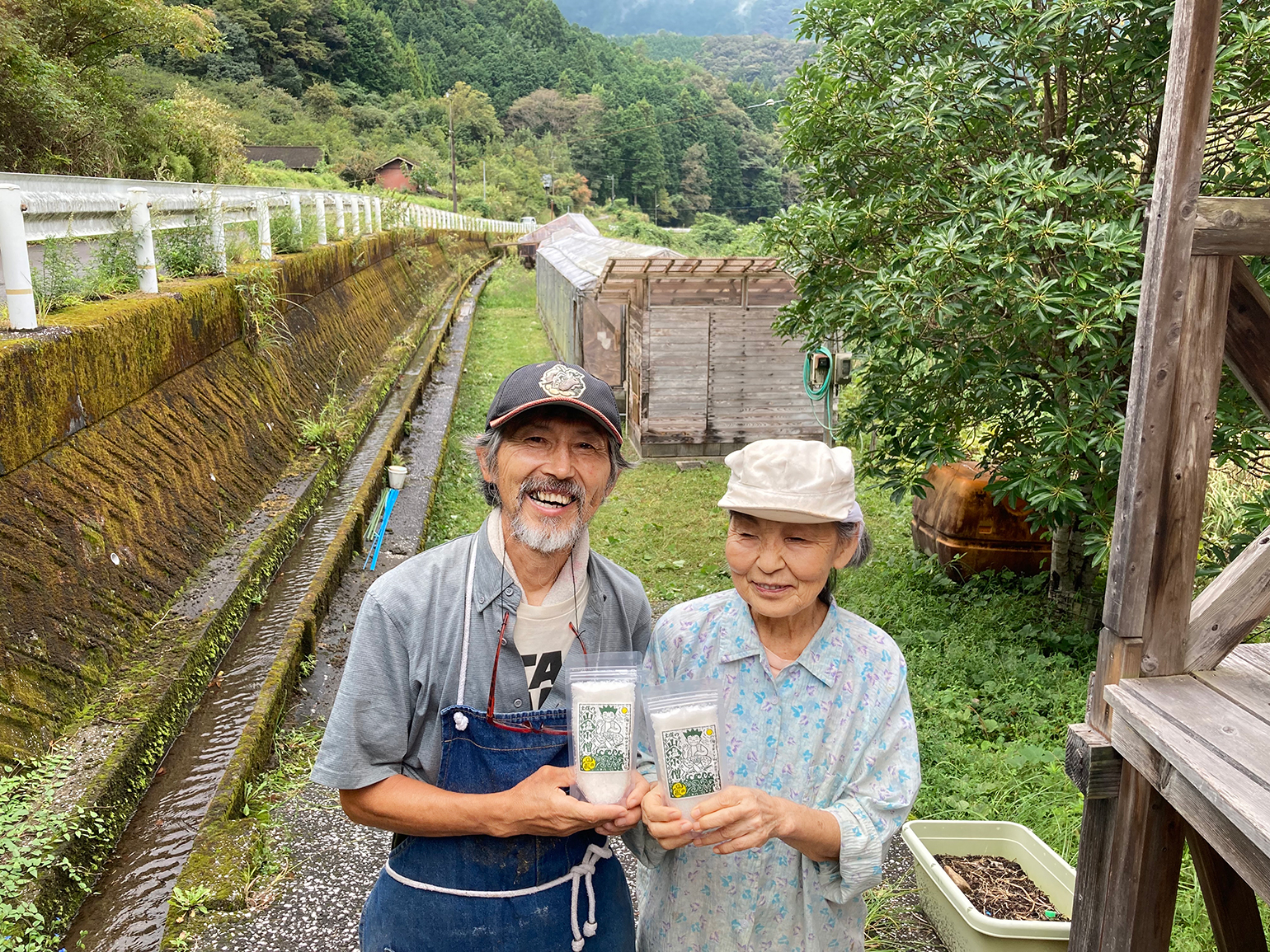
Actually, Mr. Morisawa, the producer, started making salt near the sea initially. He noticed that while the sun-drenched greenhouse gets extremely hot, especially in summer, the salt near the floor—where temperatures are slightly lower—turns out better than the salt near the ceiling, which crystallizes faster due to the high heat.
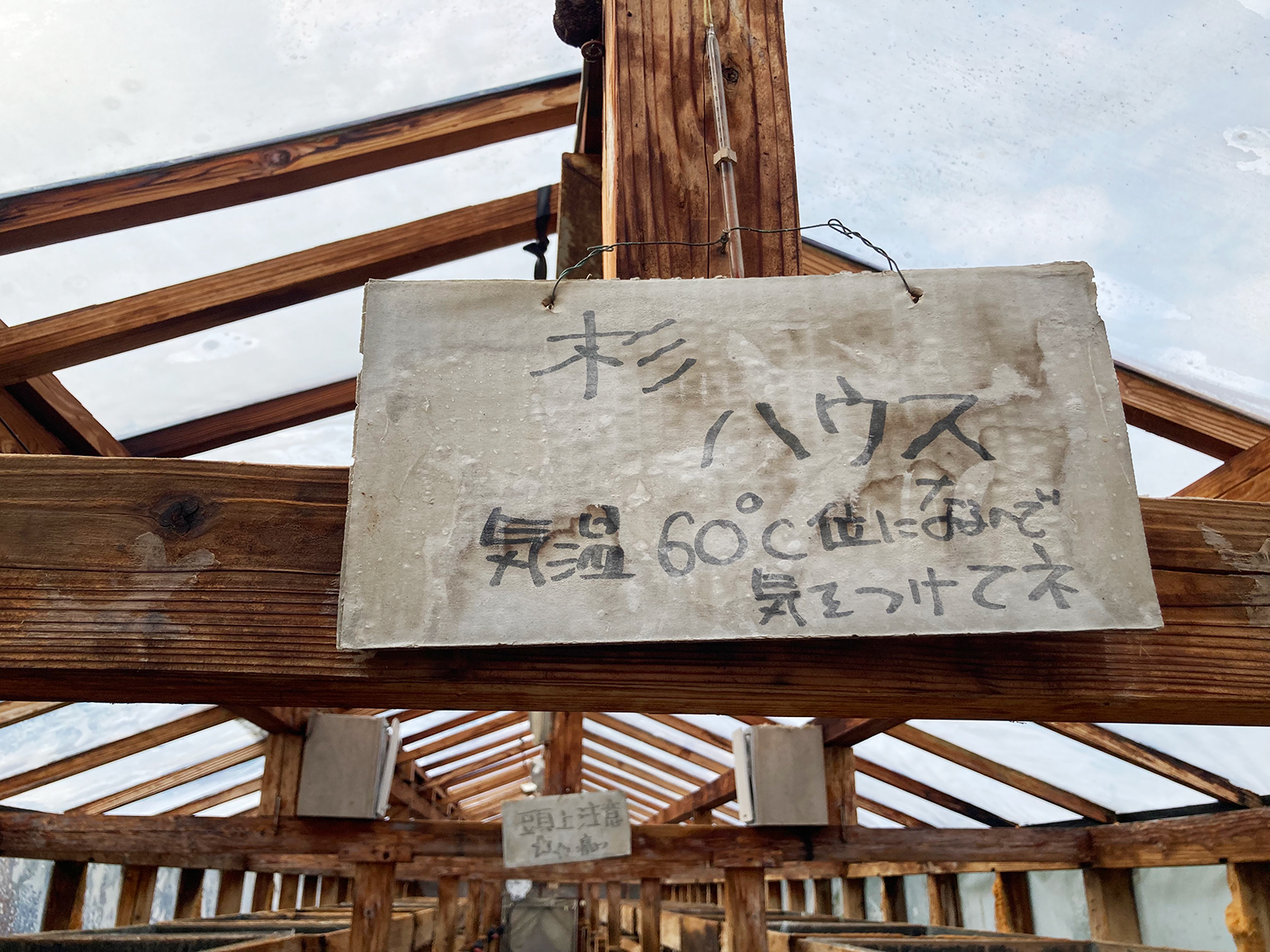
This led to the challenge: "Could the mountains, where temperatures don't get too high even in summer, actually be better suited for salt production?" It's easy to imagine how difficult this path became, requiring consideration of issues like salt damage.
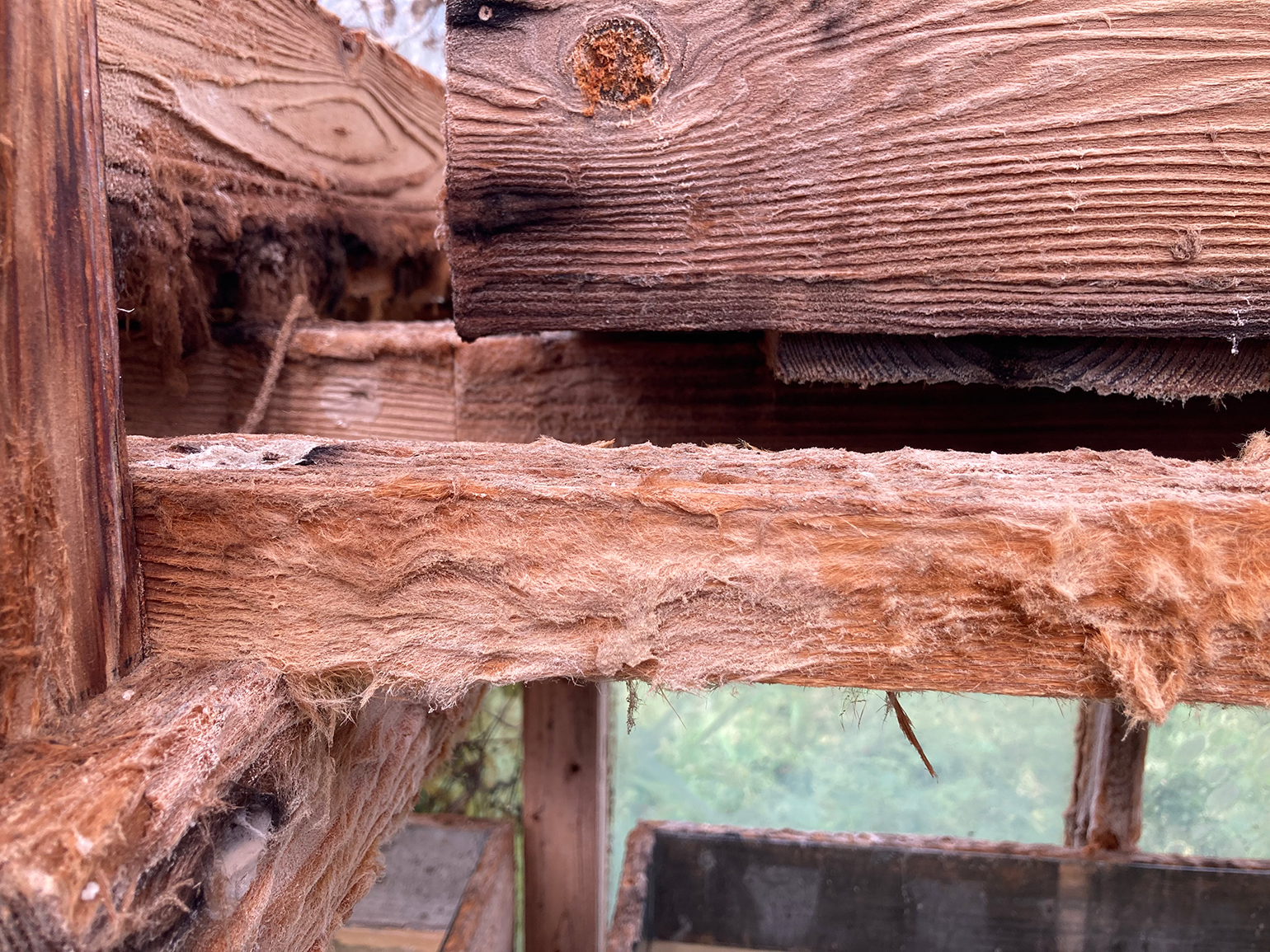
Overcoming these hurdles likely stemmed from his scientific background—graduating from Kagawa University's Faculty of Agriculture and working as a prefectural employee—combined with a flexible mindset: "Ultimately, it's the sun, the wind, and the resident microbes in the greenhouse that do the work." Indeed, when asked about the hardships and tricks of the trade, Mr. Morisawa simply laughs and says, "...It's all a matter of feel."On the other hand, the cedar and cypress pillars supporting the greenhouse have a unique character, revealing his meticulous attention to material selection.
But when the conversation turned to the concept of "local salt," a spark lit up in Morisawa's eyes. "If you leave seawater in a sunny spot, you can make salt. It takes a bit of patience, but it's not that difficult for anyone. So, Mr. Yamada, why don't you try making Tokyo salt right here in the 23 wards?"
This proposal made my heart skip a beat. Imagine enjoying Edo-style tempura like conger eel or whiting with Edo-style salt – how delightful that would be! But then, Edo-style salt... Hmm, would that really work...? Thinking about it, Tokyo Bay is like a mirror reflecting Tokyo life. I truly want to savor salt from Tokyo's 23 wards with all my heart.
Another thought that came to mind was the "cheese" story I heard from Mr. Maeda, who appeared last time. Recently, "domestic craft cheese" has been gaining momentum, even making great strides in international awards. Among these, there are initiatives making cheese right in the heart of Tokyo using Tokyo-produced raw milk – essentially "local cheese." Especially with natural cheese, which is sensitive to the stress of transportation, it makes sense to produce it where it's sold.
Edo's city of eight hundred and eight districts, also called "Four Riyo in Every Direction." And there's the saying, "No illness within four riyo" (meaning eating locally sourced ingredients keeps you healthy). Local production for local consumption. The body and the land are one. Just like the highly regarded "Tokyo local cheese," I found the concept of "Tokyo local salt" deeply appealing.
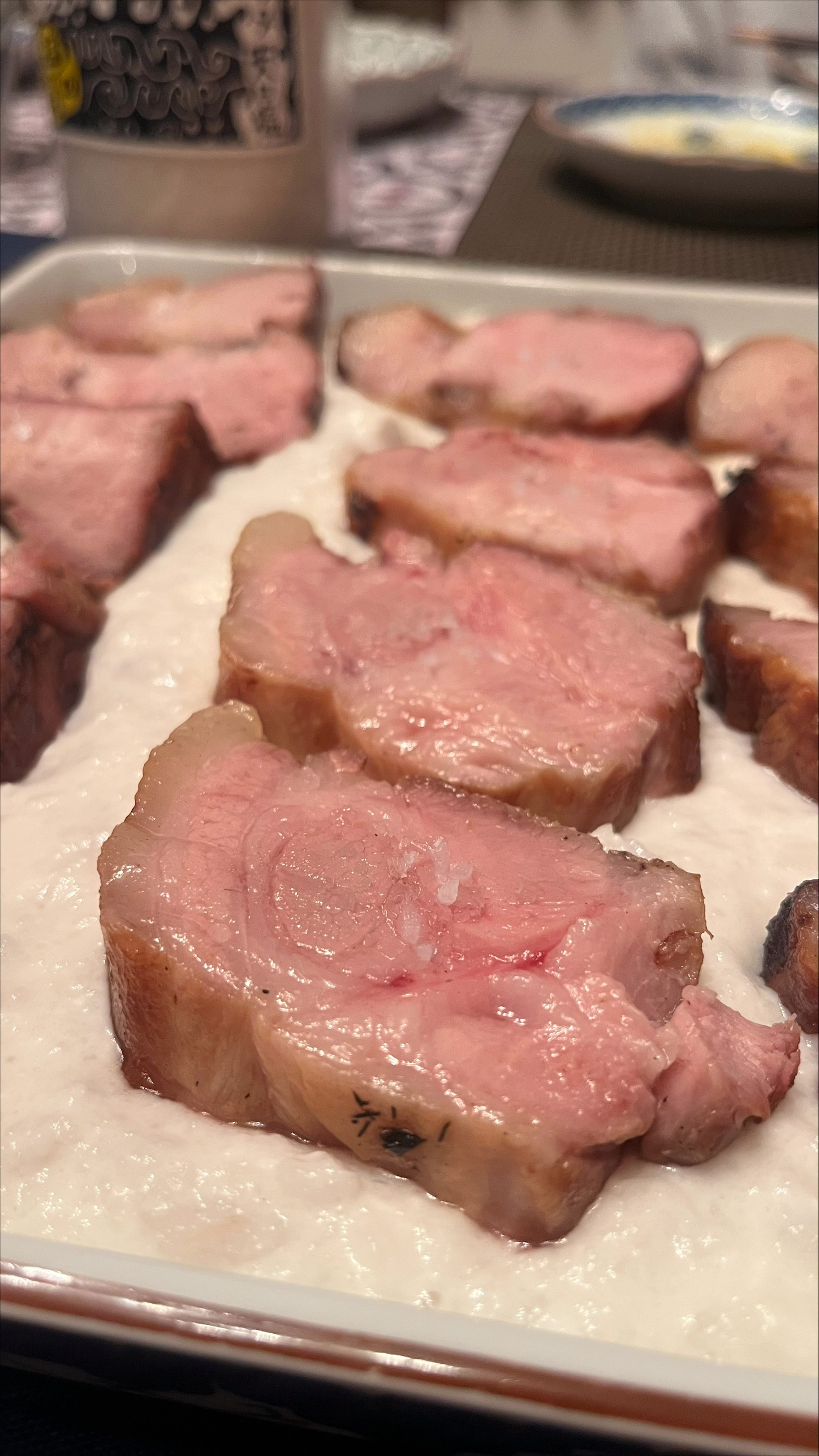
Saying all that, my actual dinner table features grilled domestic pork shoulder loin bought at the local supermarket—its origin unclear—sprinkled with Yamashio Kozo salt. And a sip of Shizuoka's famous sake, "Hakuin Masamune." Considering the staggering time and effort required to make this salt, I probably should have paired it with meat and sake from Kochi. But I have a feeling Mr. Morisawa would just say, "...Oh well, it's fine," and forgive me.
Please, enjoy!
 For more details on Sōo Yamada's "Indwelling Creators" project, click the logo.  |  |
Was this article helpful?
Share this article


Newsletter registration is here
We select and publish important news every day
For inquiries about this article
Back Numbers

Author

Sōo Yamada
Dentsu Inc.
First CR Planning Bureau
Creative Director