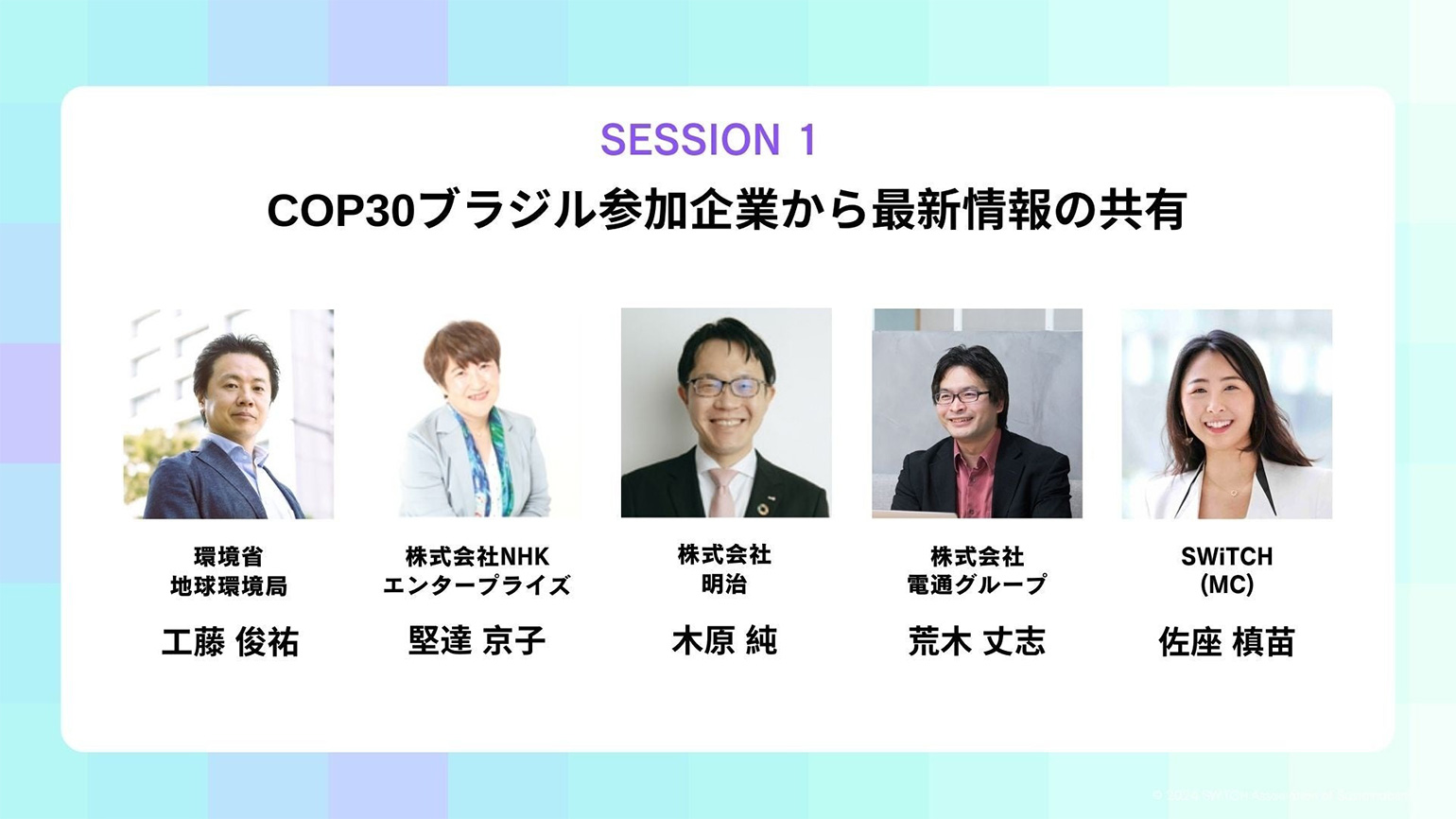
The international conference "COP30," where discussions on climate change countermeasures took place, was held in Belém, Brazil, in November 2025.Held in this location near the Amazon, COP30 brought together diverse participants from around the world, including government officials, businesses, and civil society organizations. At SHIBUYA COP, held after COP30, companies that participated in COP30 discussed what happened on the ground and what insights participants brought back.
SHIBUYA COP A session event (organized by SWiTCH, General Incorporated Association) held immediately after COP to share and discuss the latest global information on climate change. The theme for this 5th edition was "IN UNISON: Connecting Across Generations and Industries to Cool Shibuya." This article provides a digest of the content from Talk Session 1 at SHIBUYA COP 2025: "Latest Information Sharing from Companies Participating in 'COP30 Brazil'."
*This article has been edited and supplemented based on the talk session content.
Amazon Indigenous Peoples Bring Real Sense of Crisis to COP30
Saza: First, I'd like to ask everyone who participated in COP30 to briefly introduce themselves and share what role they played and what messages they conveyed on the ground.
Kudo: I work in the Global Environment Bureau at the Ministry of the Environment, handling international cooperation in decarbonization and environmental fields. While I also support Japanese companies in gaining market share in environmental sectors, one of my main responsibilities was managing the Japan Pavilion at COP. My role is to communicate Japanese companies' environmental technologies and the Japanese government's environmental policies and initiatives to the world.
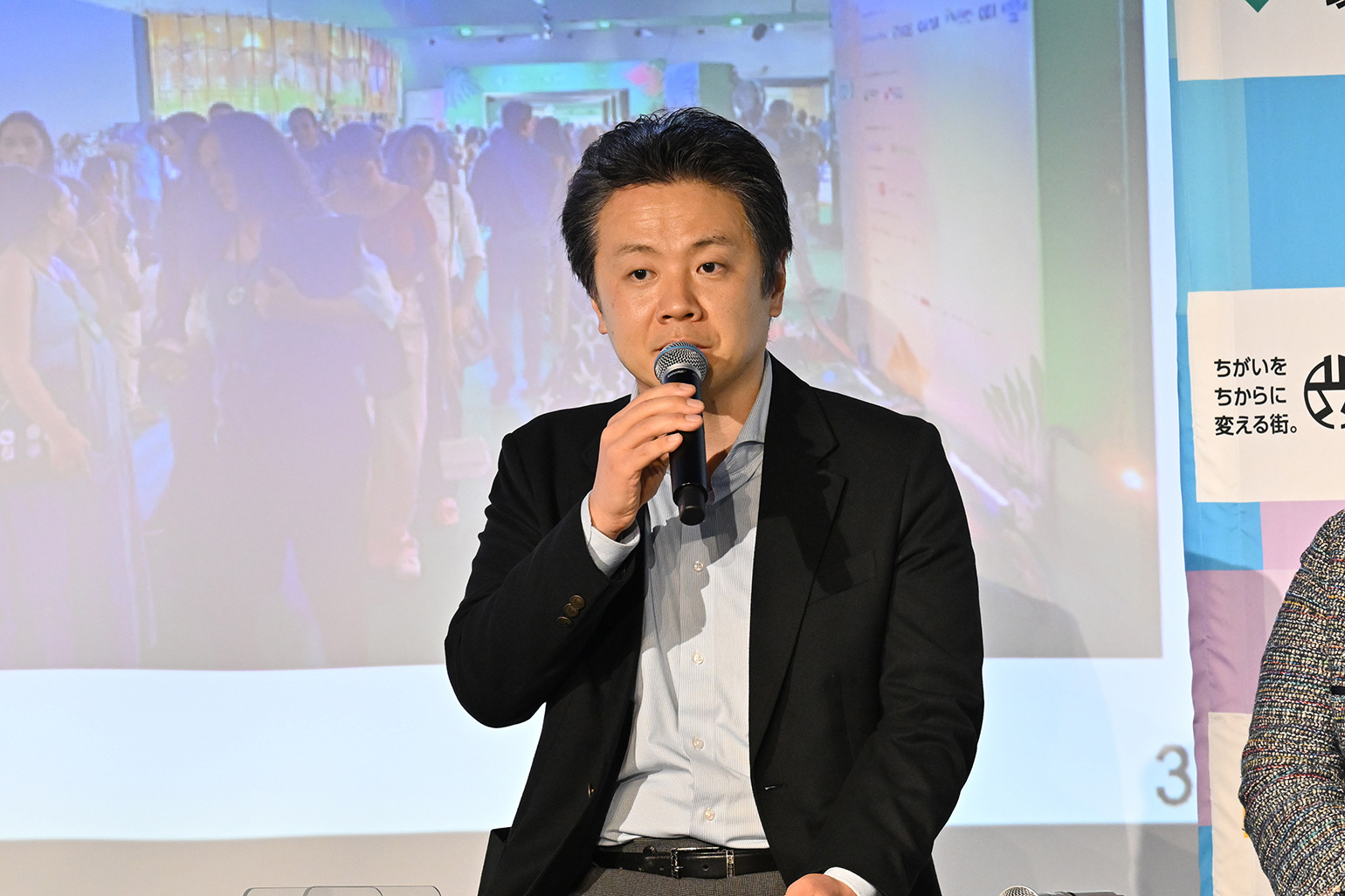
Mr. Shunsuke Kudo, Global Environment Bureau, Ministry of the Environment. "At the Japan Pavilion, we showcased various technologies from different companies—including measures against global warming, mitigation and adaptation, and circular economy approaches—attracting people from many countries," he explains.
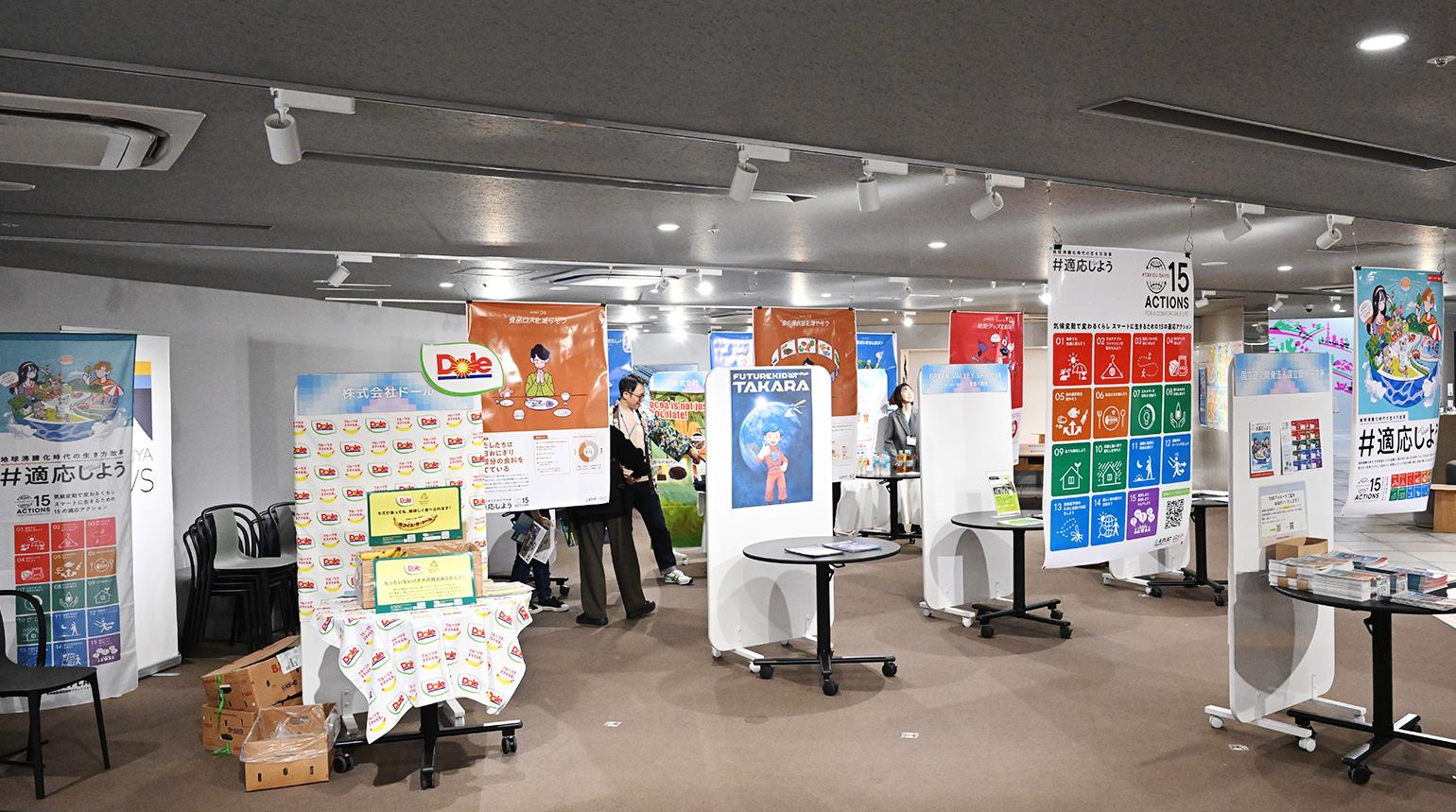
Kyoko Katatatsu: At NHK Enterprises, I produce programs focused on climate change and environmental issues. While I've covered COPs before as a reporter, this time I hosted a session at the Japan Pavilion seminar titled "Stopping the Climate Crisis: Awareness Activities and Environmental Education Through Stakeholder Collaboration." I also promoted the short animated film "FUTURE KID TAKARA," which supports environmental education, at the UN SDGs Pavilion.
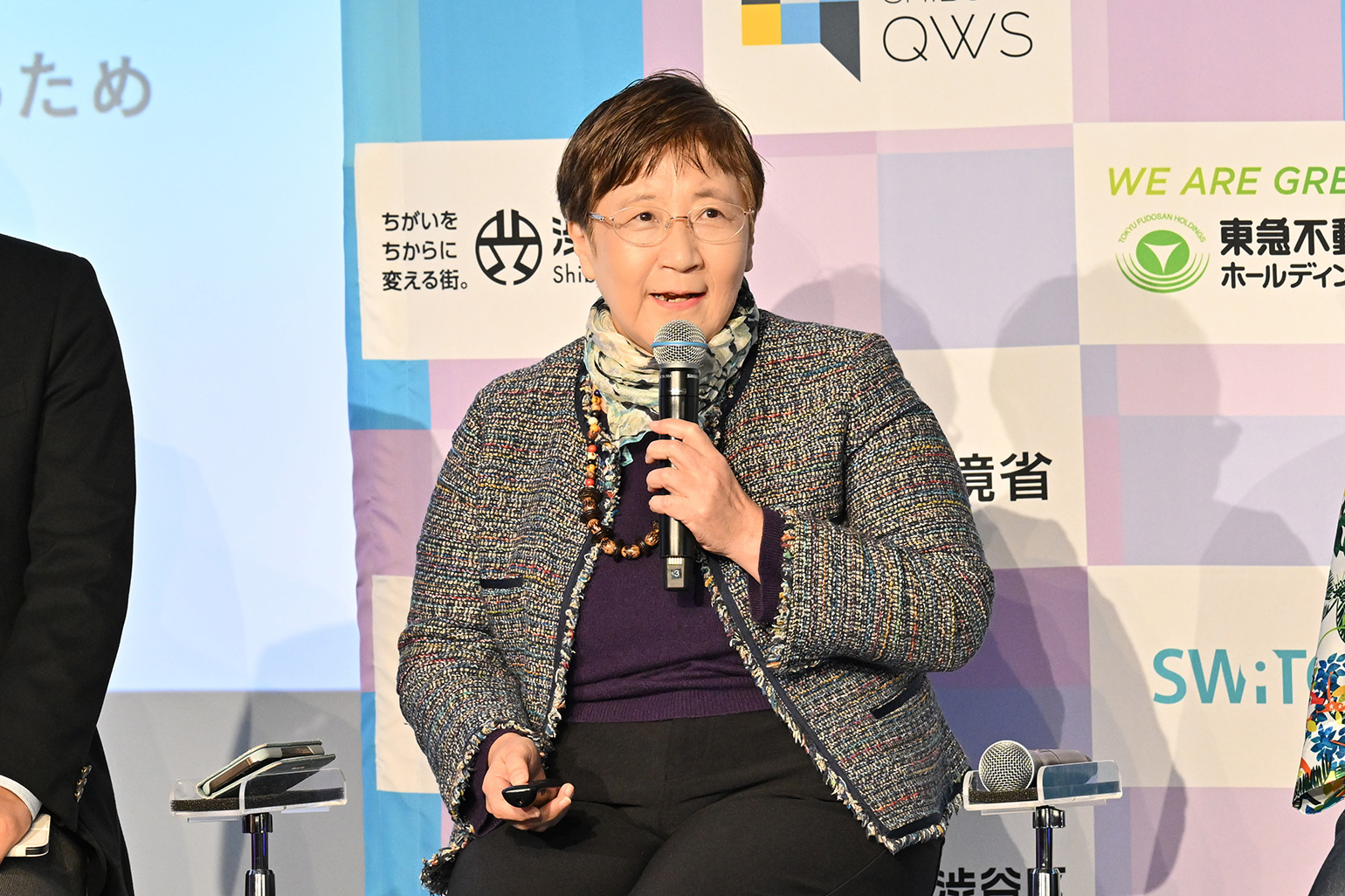
NHK Enterprises' Kyoko Kenda. "At this COP held in the Amazon, the interactions with indigenous peoples were particularly memorable," she said.
Kihara:I oversee cocoa sustainability initiatives at Meiji. This time, we showcased examples contributing to the circular economy and biodiversity, such as "Cocoa Biodegradable Plastic" made by upcycling unused cocoa parts, and the world's first "Cocoa Ceramide." The biodegradable plastic seemed particularly relatable to those concerned about climate change. We received feedback like, "It's amazing technology that can create so many different items from unused parts of cocoa."
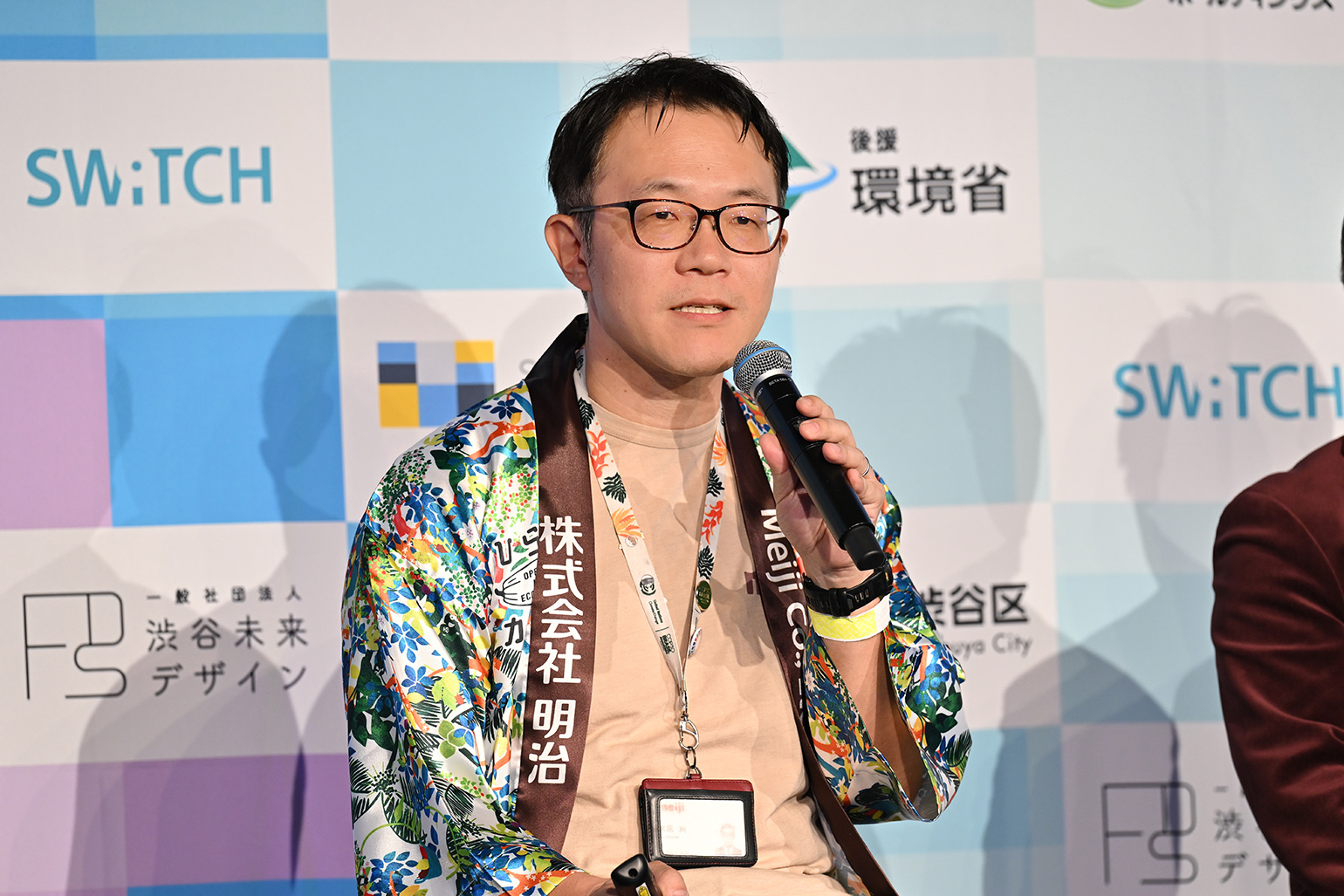
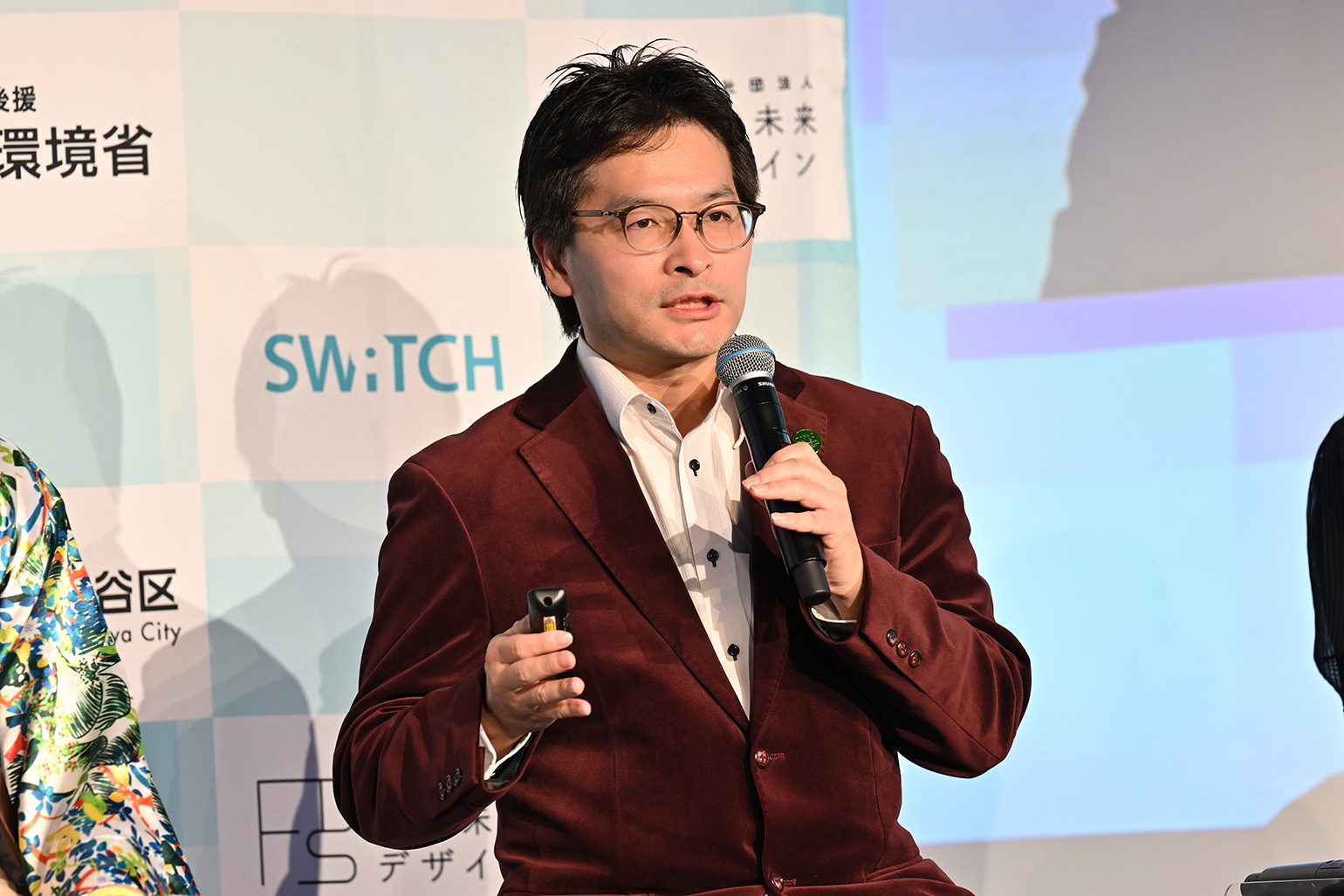
Jun Kihara, Meiji. Promotes "Open Up, Cacao."—a vision to pioneer the future of cacao and for all those involved in it through creating new value beyond food.
Araki: I belong to the Group Sustainability Office at Dentsu Group. I've attended COP several times. This time, I focused on the Japan Pavilion while networking and touring the entire event. The Japan Pavilion was highly popular and bustling, but the pavilion that left the strongest impression among the national pavilions was South Korea's. Their content explored how traditional arts are impacted by climate change. This is equally applicable to Japan's traditional arts and crafts, and I found it an interesting approach.
Dentsu Group, Takeshi Araki. This year's COP featured numerous pavilions not only from countries but also from organizations, with many opportunities for dialogue among various stakeholders.
Saza: COP30 was held in Belém, a city at the mouth of the Amazon River. What were your impressions of Belém as the host location?
Kudo: During preparations, I was honestly concerned whether people would visit the pavilions due to challenges like access, security, and accommodation. However, the result was that, while not as high as the previous COP in Baku, Azerbaijan, many visitors came to the Japan Pavilion, reaffirming the strong interest in Japan's technology and policies. The Japan Pavilion, showcasing numerous technologies, is unique, and many people tell us they "look forward to it every time."
Kanda: COP30 was dubbed the "Nature COP," and I was struck by the large number of indigenous peoples attending. Just before heading to COP, I produced a program titled "The Shock of the Amazon's 'Disappearance' - Can We Protect the Rainforest at COP30?" Seeing the Amazon forest firsthand made me keenly aware that "this richness absolutely must be protected." However, it's regrettable that we couldn't establish a roadmap for phasing out fossil fuels this time.
Kihara: Meiji originally supports a cacao farm in Tomé-Açu, a town near Belém. We dispatch employees there to work on sustainable cacao cultivation through agroforestry※1 and research and development of varieties and fermentation techniques.Perhaps because Belém and Tomé-Açu are close, the high level of understanding about agroforestry left a strong impression. After COP ended, I visited the farm in Tomé-Açu to see agroforestry in action. Agroforestry, which involves intercropping multiple plants, offers benefits like resilience to weather fluctuations and pest risks, as well as stable income, making it a globally recognized approach.
*1 Agroforestry = A system combining agriculture/livestock with forestry
Araki: In terms of differences from previous COPs, pavilions focused on themes related to the food supply chain—agriculture, food, nutrition—were particularly prominent. As Mr. Kihara mentioned, there was a strong message about considering food without wasting anything, aiming to improve nutrition and access to food through this approach. I also sensed heightened interest in "adaptation"※2. While past Japanese pavilions focused mainly on showcasing "mitigation" technologies, the adaptation sector has expanded significantly in recent years. Many other national and organizational pavilions also prominently featured messages about adaptation.
※2 "Mitigation" and "Adaptation" = Climate change countermeasures are broadly divided into "mitigation," which reduces greenhouse gas emissions causing climate change, and "adaptation," which avoids or reduces damage from impacts of climate change already occurring or predicted for the future.
"Dialogue, Science, and Adaptation" – Crucial Precisely Because Time is of the Essence
Saza: Next, looking back on COP30, I'd like to ask about keywords you heard frequently on-site and points that left a strong impression.
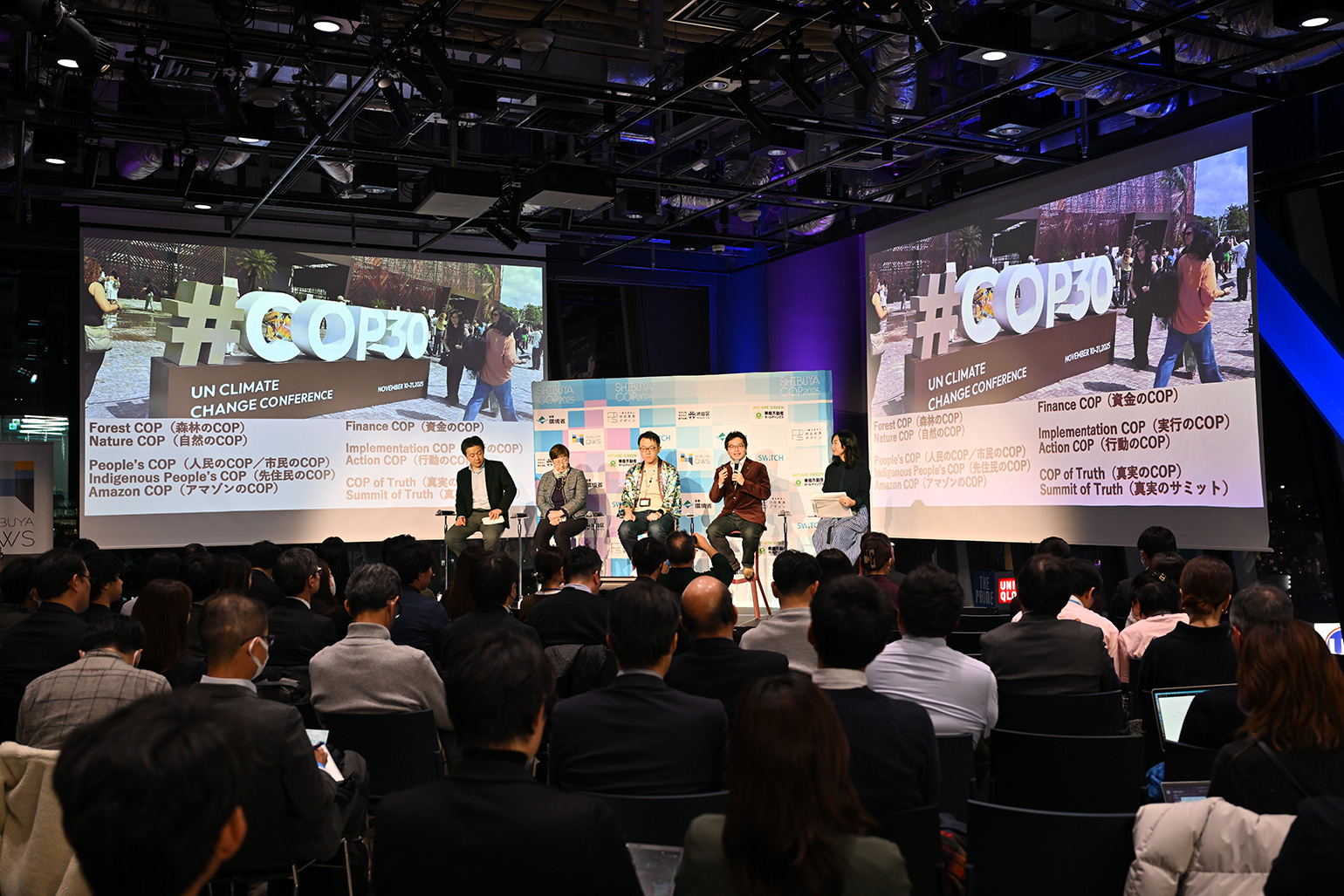
Araki: This year's COP was called many things – the "Nature COP," "Forest COP," "Indigenous Peoples' COP," "Finance COP," "Action COP," and "Truth COP" – but I felt it encompassed all these elements.Many messages and events were framed from the perspective of how climate change and environmental issues directly impact real lives. Personally, I felt this was a "COP for survival." It was a COP that conveyed the urgency: lives are being profoundly affected by climate change, and that's precisely why we must engage in dialogue and confront the problems head-on.
Saza: There were also reports of indigenous peoples suddenly arriving at the venue that day, conveying a sense of urgency greater than before.
Participants were seen listening intently to speakers discussing COP30 and climate change countermeasures.
Kandatsu: I think calling it the "COP of Truth" is symbolic. Amidst voices claiming "climate change is a lie," there was a strong emphasis on how seriously we can listen to scientists. Many seminars led by scientists were also held. While the current deforestation rate in the Amazon stands at 17%, some scientists warn that exceeding 20% risks the Amazon's forest dying off. Although the TFFF (Tropical Forest Fund) was established, many countries are not contributing funds, making its future challenging.Rather than turning a blind eye thinking "it's on the other side of the world, so it doesn't concern us," we should be aware that much of the corn, soybeans, and livestock feed we consume is imported from Brazil. And we need to recognize that these foods are also produced by clearing the Amazon forest. I personally felt I needed to take this issue more personally.
Kihara: Engaging with people from diverse countries—Africa, Latin America, Asia—was an invaluable experience. While we proposed climate mitigation and upcycling, we haven't fully grappled with the next theme: adaptation. A farmer in São Tomé asked, "My cacao is carbon-neutral, so why don't you put that on your products?" This made me realize companies need to fundamentally shift their thinking in product development and marketing.
Taking positive action for climate change
Saza: Finally, after COP30, please share what each of you took away and your thoughts for the future.
Kudo: UN Secretary-General Guterres has repeatedly stated that "the era of negotiation on climate change is over. It's time for action." The mechanisms are already in place, and the rules are set. We are now at the stage of how to implement them. This is also a significant opportunity from a business perspective. How to address "adaptation," how to advance resource circulation, how to reduce environmental impact – there are countless angles, and I believe Japanese companies have elements where they can excel.I sincerely hope Japan as a whole will contribute to the world while also achieving economic success, and I want to support that cooperation.
Kanda: On the ground, many environmental activists were livestreaming. You don't need to go to Brazil to see what's happening locally or witness the Amazon's reality. I hope COP sparks interest in climate change and environmental issues. Nobody wants to say, "Last summer was cooler," about increasingly hot summers, right? So let's think together about how to stop this and how to adapt.
Kihara: I'm glad I took the action to participate in COP30. I don't know if what we're doing is right. I don't know if what everyone is doing is big or small. But I think it's about how our actions ultimately impact climate change, so first and foremost, taking action, moving forward, is what matters.
Araki: What made me want to get involved in environmental work was Sevan Suzuki's message during her speech at the 1992 Rio Earth Summit: "Please stop destroying things you don't know how to fix."At this COP in Belém, Brazil—the same location as the Rio Summit—I felt like I received that very message directly from the indigenous peoples of the Amazon. While there remains a significant gap in negotiations and efforts between nations, and even if temporary overshoots are anticipated, I want to develop activities and businesses that can help limit the temperature rise to 1.5°C.
Saza: COP also provides a venue for close dialogue with the world's leading executives and politicians. For environmental issues, there is likely no other forum besides the climate change COP that offers such opportunities. By conveying the passion participants bring back from such a venue, I hope we can inspire positive action on climate change countermeasures.
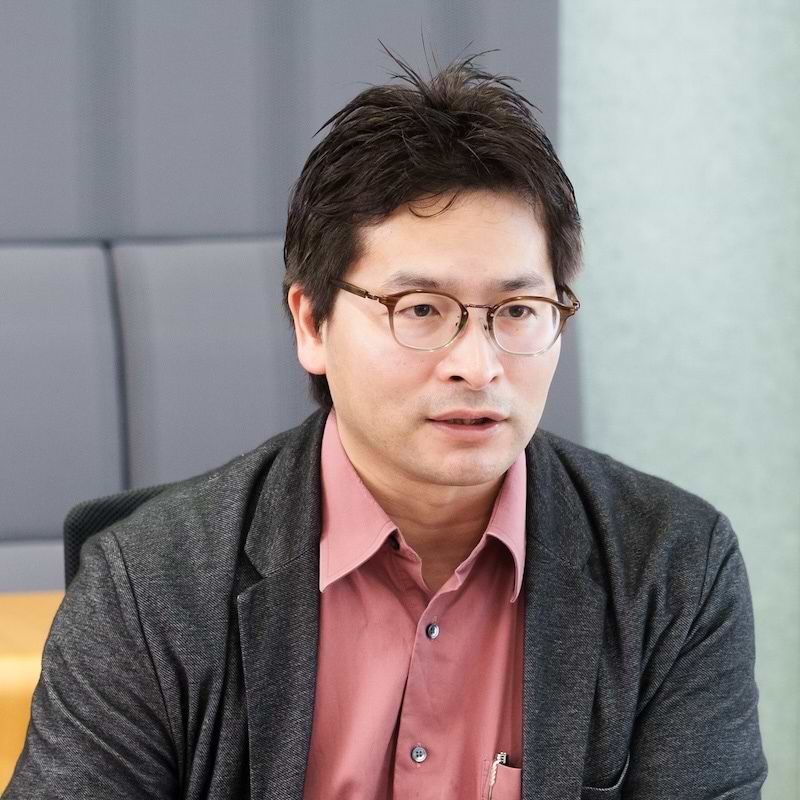
Since joining the company, I have been engaged in public sector work. I possess particular expertise in environmental policy and have been involved in numerous projects supporting and collaborating with both central government ministries and private companies in the decarbonization field. Furthermore, I launched the "Decarbonization Initiative for Marketing" to advance decarbonization within the Dentsu Group itself, the advertising industry, and marketing solutions. I am actively promoting cross-industry collaboration and cross-sector activities.