Note: This website was automatically translated, so some terms or nuances may not be completely accurate.
LGBTQ+ and Advertising Expression: Insights for Better Creativity from Guideline Implementation

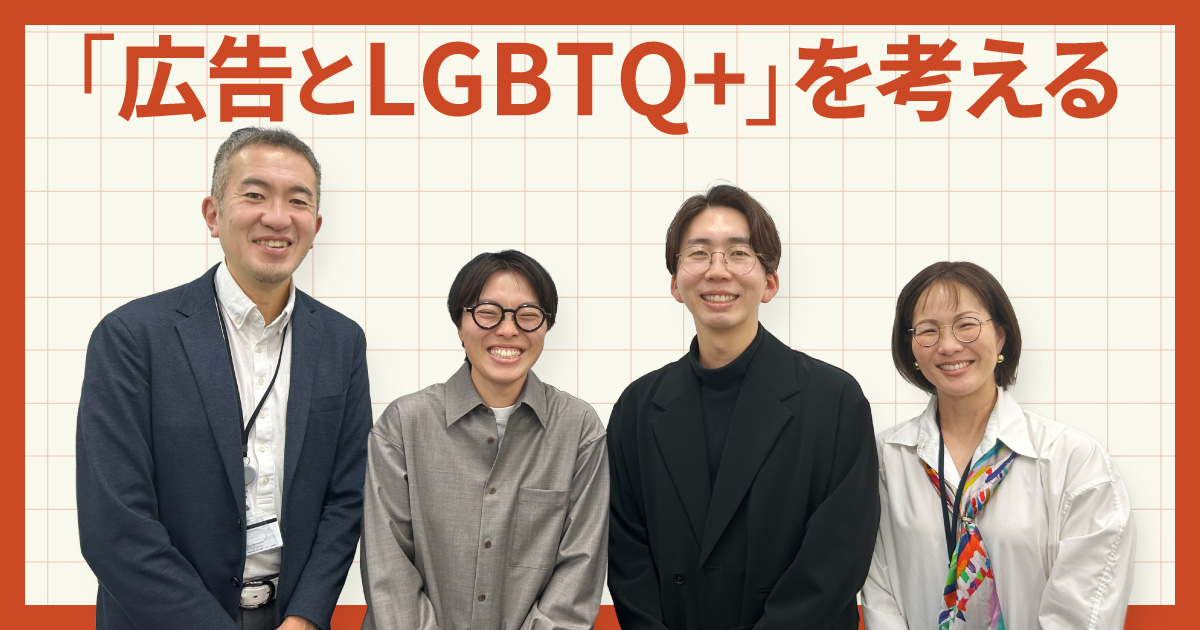
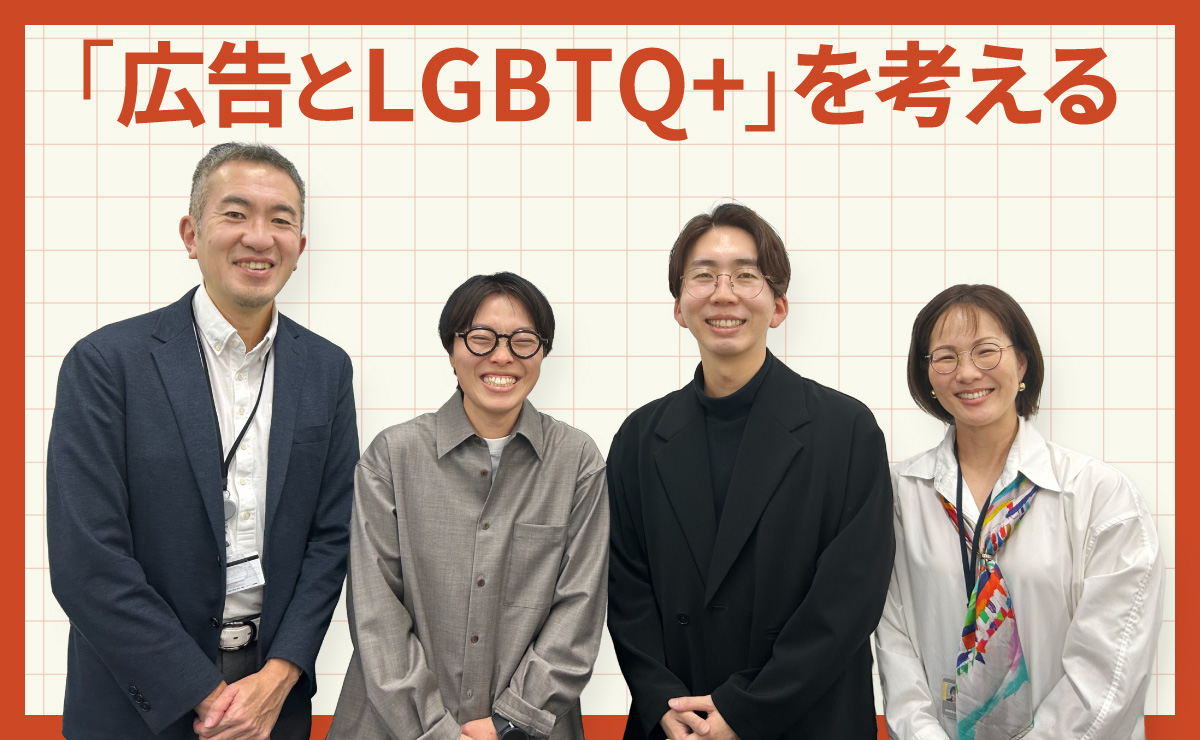
dentsu Japan announced the guidebook " Advertising and LGBTQ+ " for advertising creators in June 2025 as part of its efforts to promote LGBTQ+ inclusion in the advertising industry. This guideline compiles considerations for diverse sexual minorities in advertising expression and tips for better creative production.
In December 2025, an event held with the cooperation of the Japan Advertising Association (JAAA) DE&I Committee brought together member companies involved in creative production. They exchanged views with experts and creators on how to apply these guidelines in practice and how to consider the impact advertising has on society.
Advertising expressions significantly influence societal values and perceptions of diversity. However, the current reality often involves LGBTQ+ individuals being "invisible," making their presence difficult to perceive. Drawing from discussions at this event, we highlight perspectives we wish to share with society at large regarding unconscious biases held by advertising creators and key points requiring consideration in expressions.
<Table of Contents>
▼Avoiding the "Invisibility" ofLGBTQ+Individuals: The Role Advertising Should Play
▼What Considerations Are Required in Advertising Expression? Practical Points Learned from Guidelines
▼Reflecting the Voices of Those Affected: Creating Advertising That Resonates with Everyone
▼Applying Lessons to Practice and Sustaining Sincere Communication
To Prevent the "Invisibility" of Those Affected: The Role Advertising Should Play
According to a 2023 survey by the Dentsu Group, LGBTQ+ individuals account for 9.7% of the Japanese population. This figure is nearly identical to the combined percentage (9.86%) of people with the top 10 most common surnames in Japan, including "Sato," "Suzuki," "Takahashi," and "Tanaka."
While many people likely feel that surnames in the top rankings are "indeed commonly seen," what impressions do you hold about LGBTQ+ individuals?
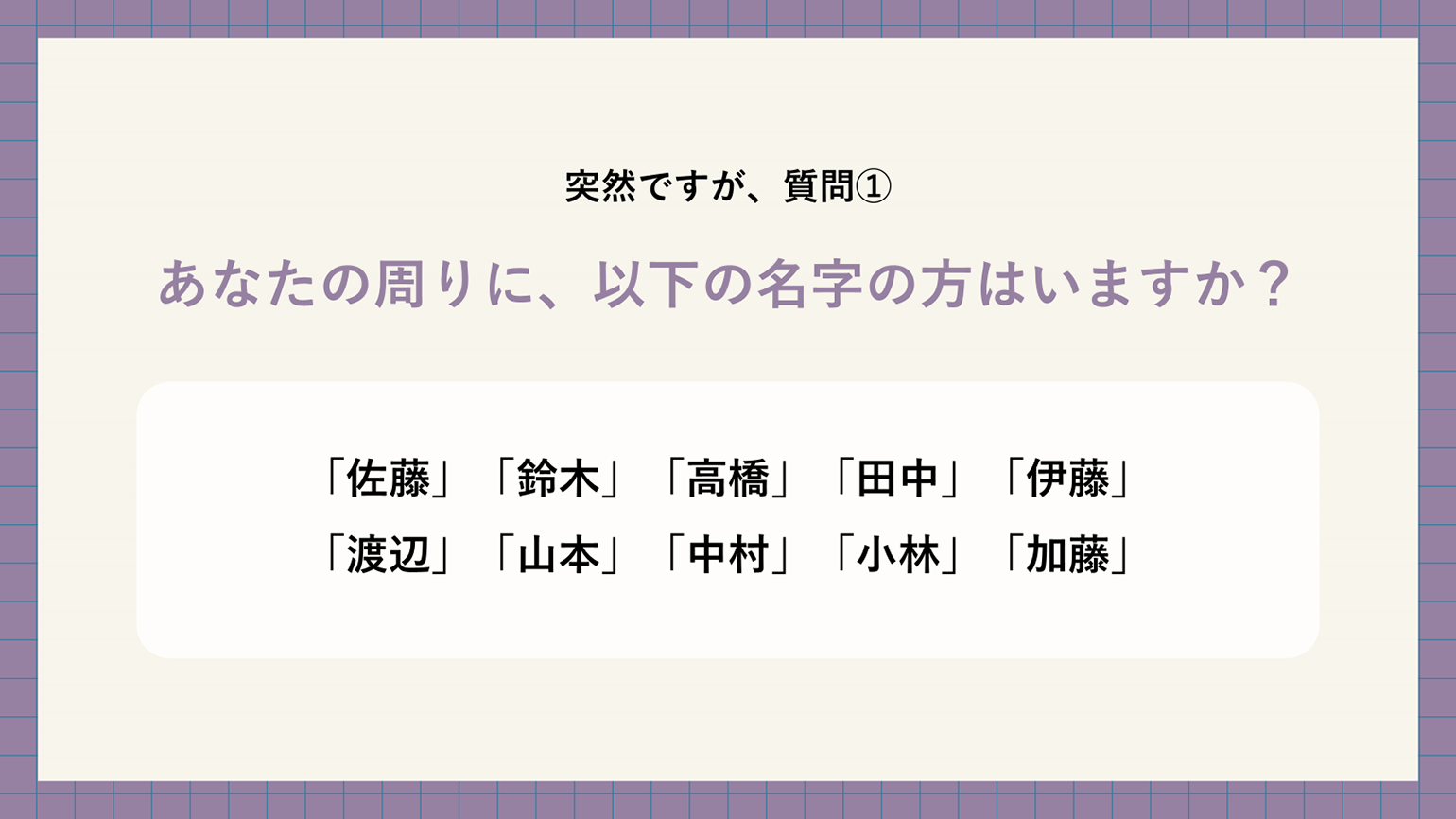
Many may feel "there are no LGBTQ+ individuals around me," but in reality, they are simply "invisible" and undoubtedly exist nearby. Even in advertising and communications, the presence of LGBTQ+ individuals is often overlooked, leading to their exclusion from representations.
This "invisibility" not only reinforces societal prejudice and misunderstanding but also creates psychological burdens and feelings of isolation for those directly affected.
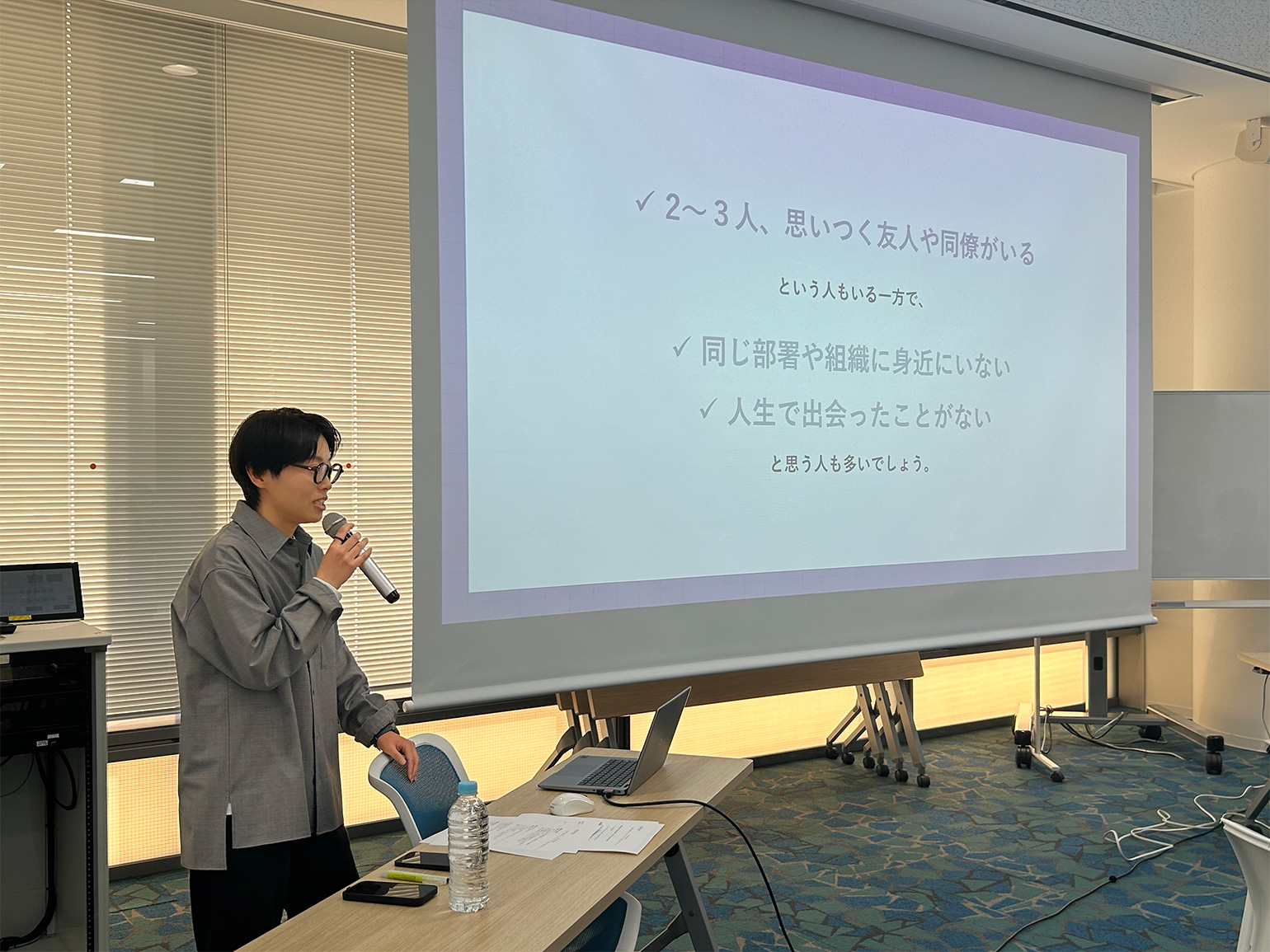
At the event's opening, Yū Sugiyama from the dentsu Japan DEI Office, a member of the guidebook "Advertising and LGBTQ+" production team, pointed out: "A major challenge is that advertising creators unconsciously overlook the existence of LGBTQ+ individuals, which is one factor hindering inclusion across society."
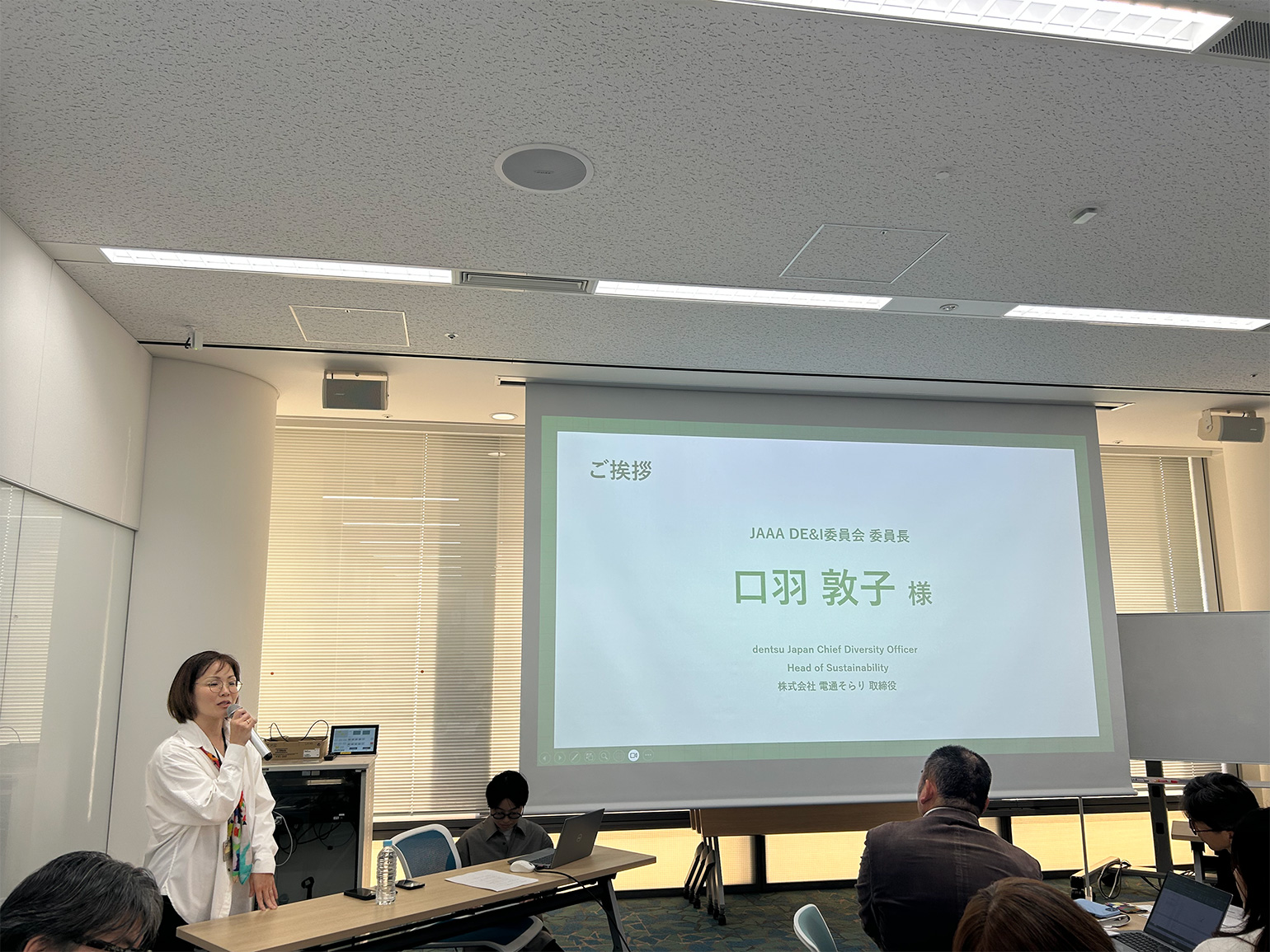
Additionally, Atsuko Kuchiba, Chair of the JAAA DE&I Committee and Chief Diversity Officer at dentsu Japan, stated, "We who work in advertising communications have a responsibility to accurately reflect society's diversity, including LGBTQ+ individuals, and to communicate inclusive expressions."
What Considerations Are Required in Advertising Expression? Practical Points Learned from Guidelines
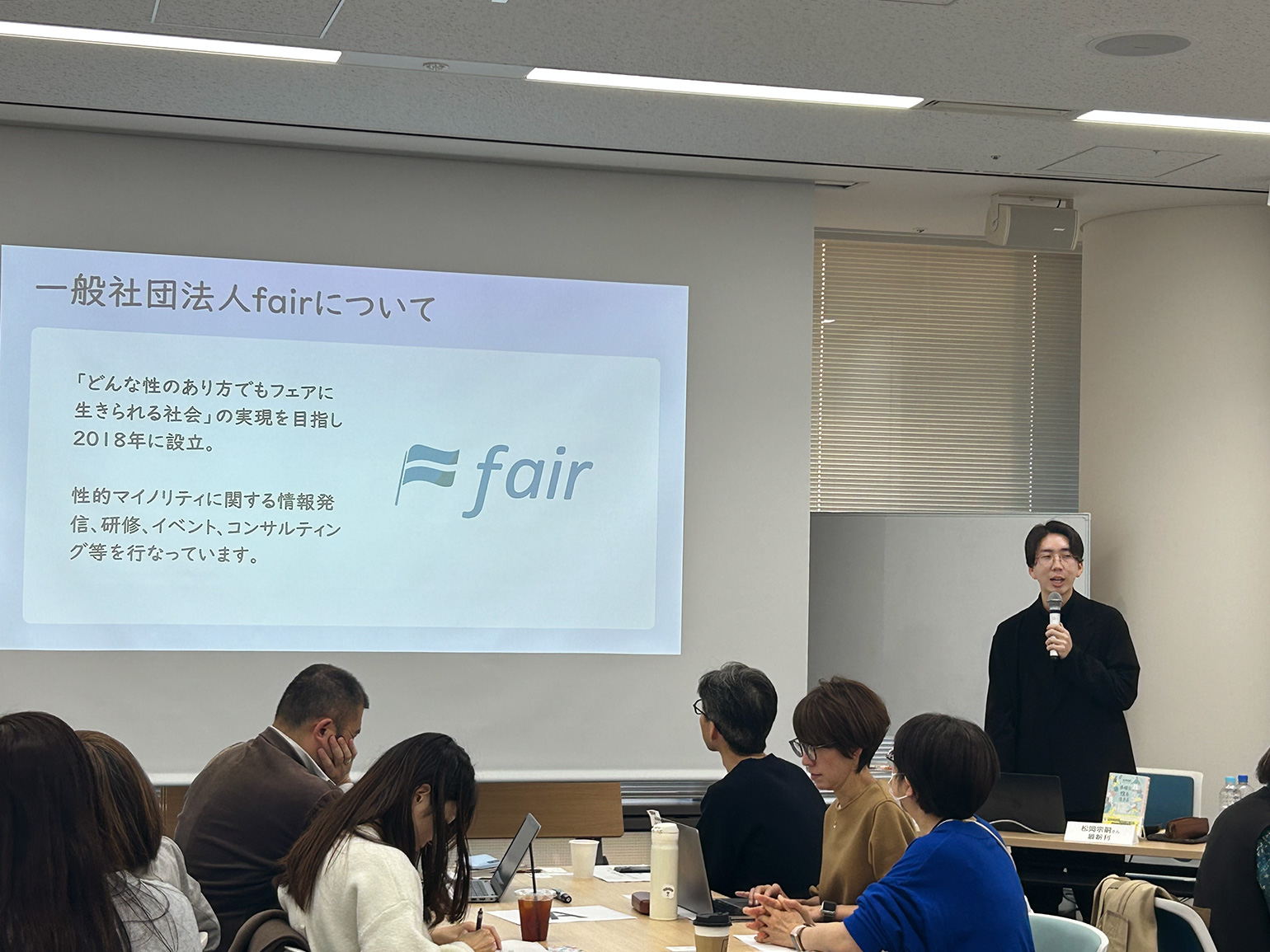
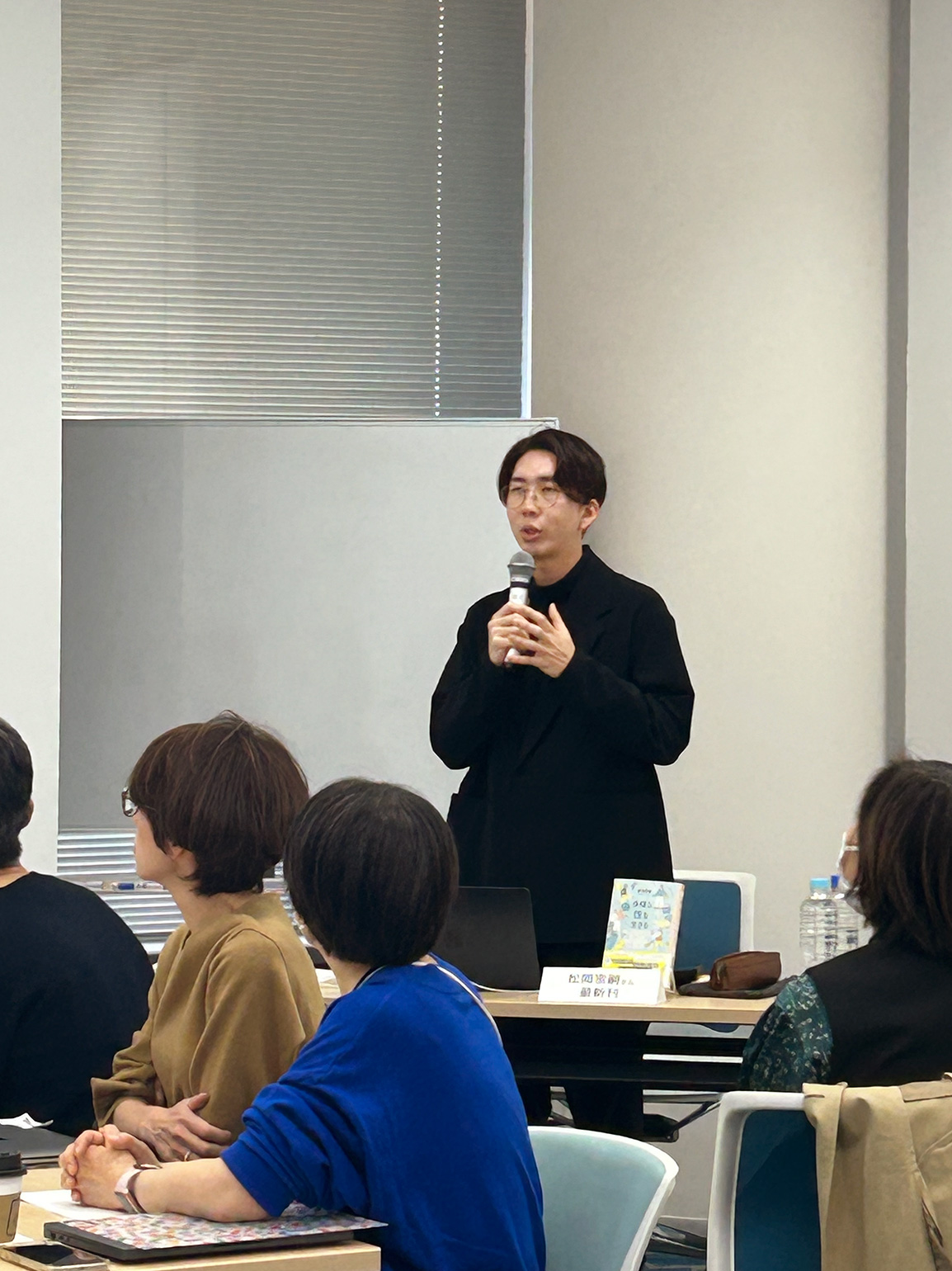
At the event, Mr. Muneji Matsuoka of the General Incorporated Association fair, who continues to share information across various media as an expert on sexual minorities, explained key points for consideration in advertising expression under the title "Advertising Expression Surrounding Sexual Minorities."
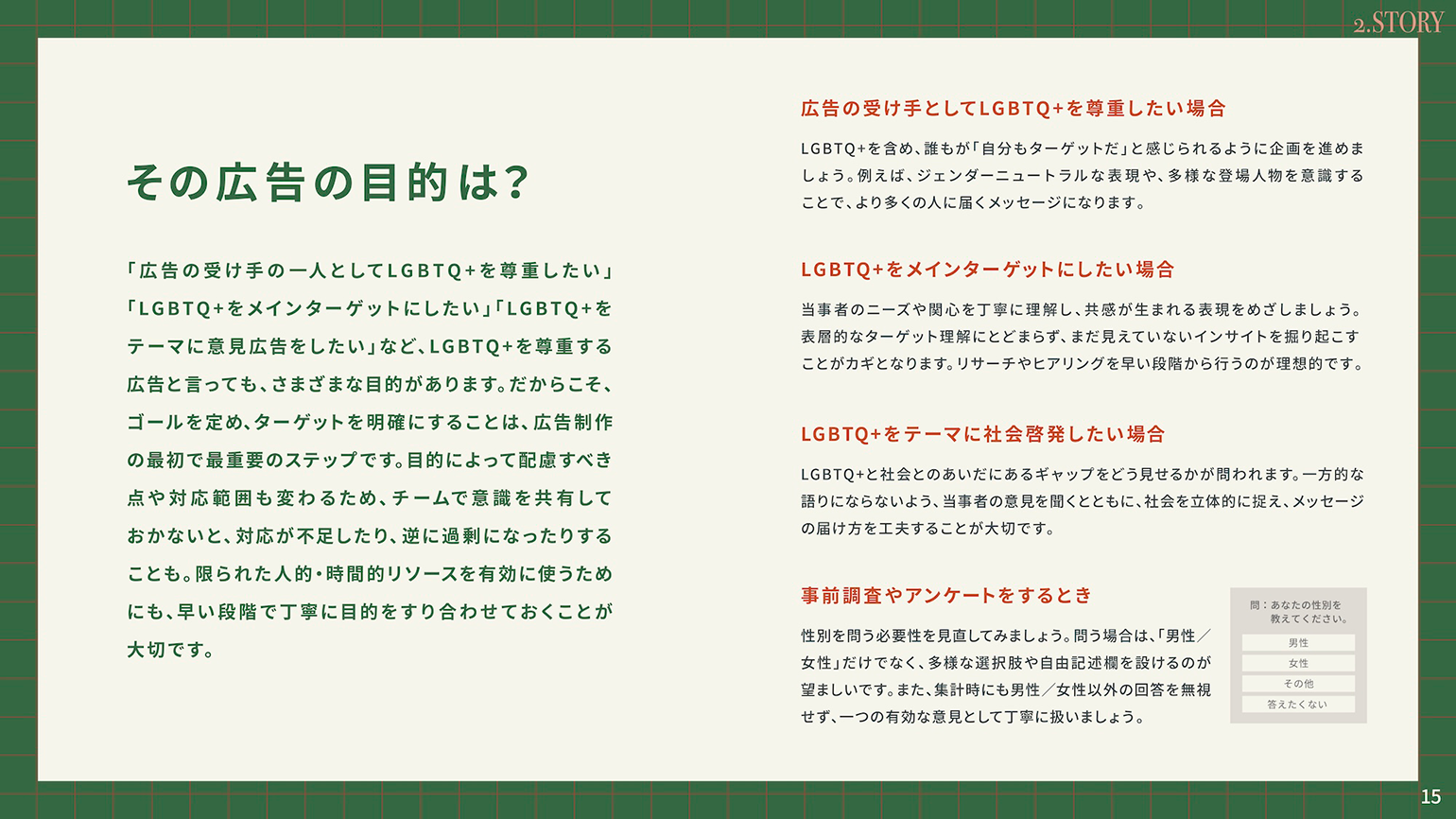
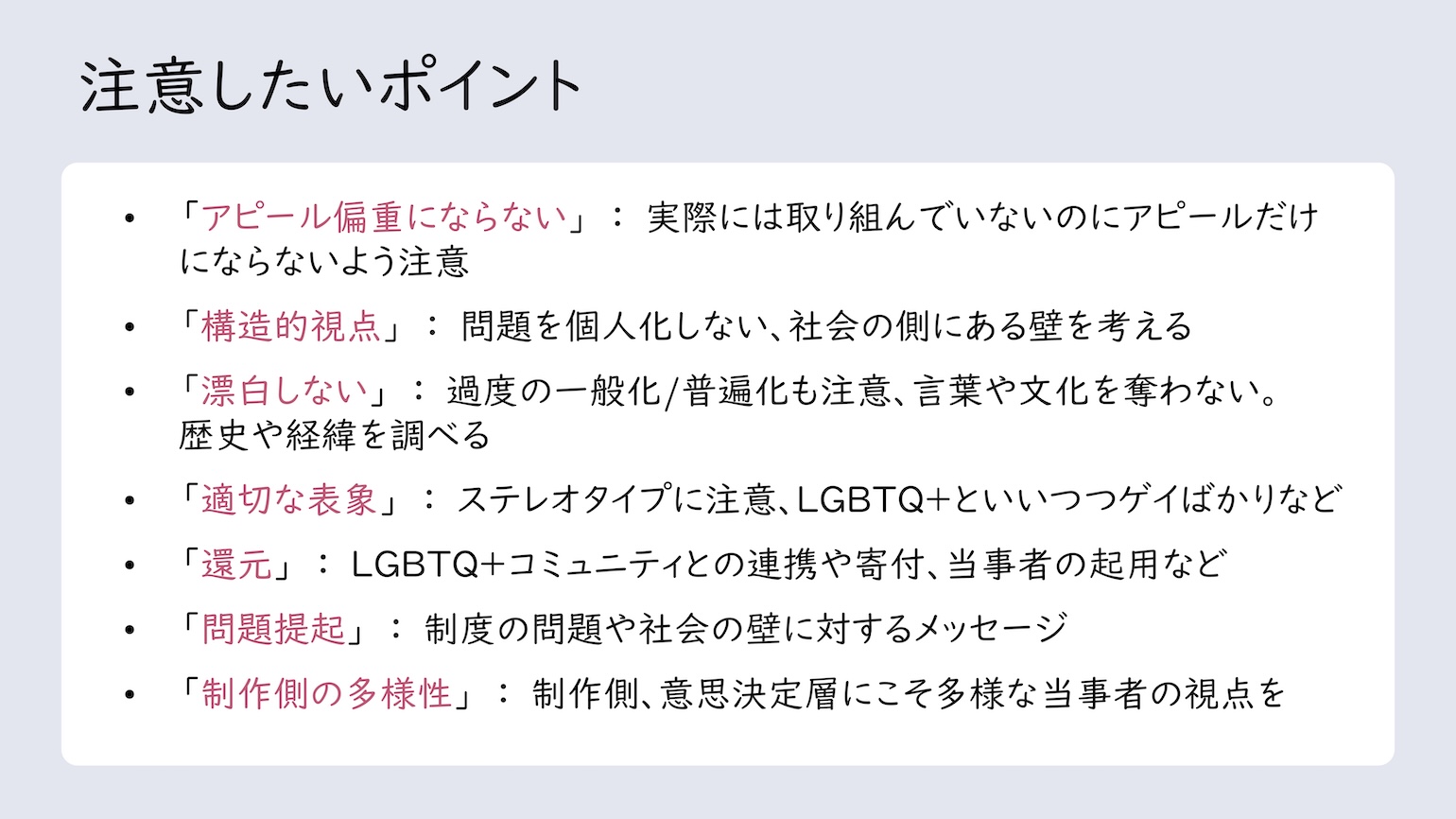
■Point 1: Does it show consideration for real unequal systems and social conditions?
In advertising expression, it is crucial to accurately grasp real-world systems and social conditions and reflect them in the message.
Mr. Matsuoka cited a wedding industry advertising campaign as an example. He praised the inclusion of diverse couples and LGBTQ+ individuals in the casting as "a positive initiative demonstrating a concrete commitment to promoting inclusion."
However, he explained that considering the current system where same-sex couples are not legally recognized as married, the ad had a problem: while it spoke positively about various partnership forms, it ultimately appeared to contribute to systemic inequality.
Particularly, the inequality within the marriage system is a profoundly serious issue for LGBTQ+ individuals. Expressions that trivialize or ignore real-world difficulties risk contributing to their oppression. Simultaneously, such approaches risk undermining the ad's credibility and persuasiveness. Therefore, it is essential to carefully verify the actual social context from the planning stage and reflect it in the expression.
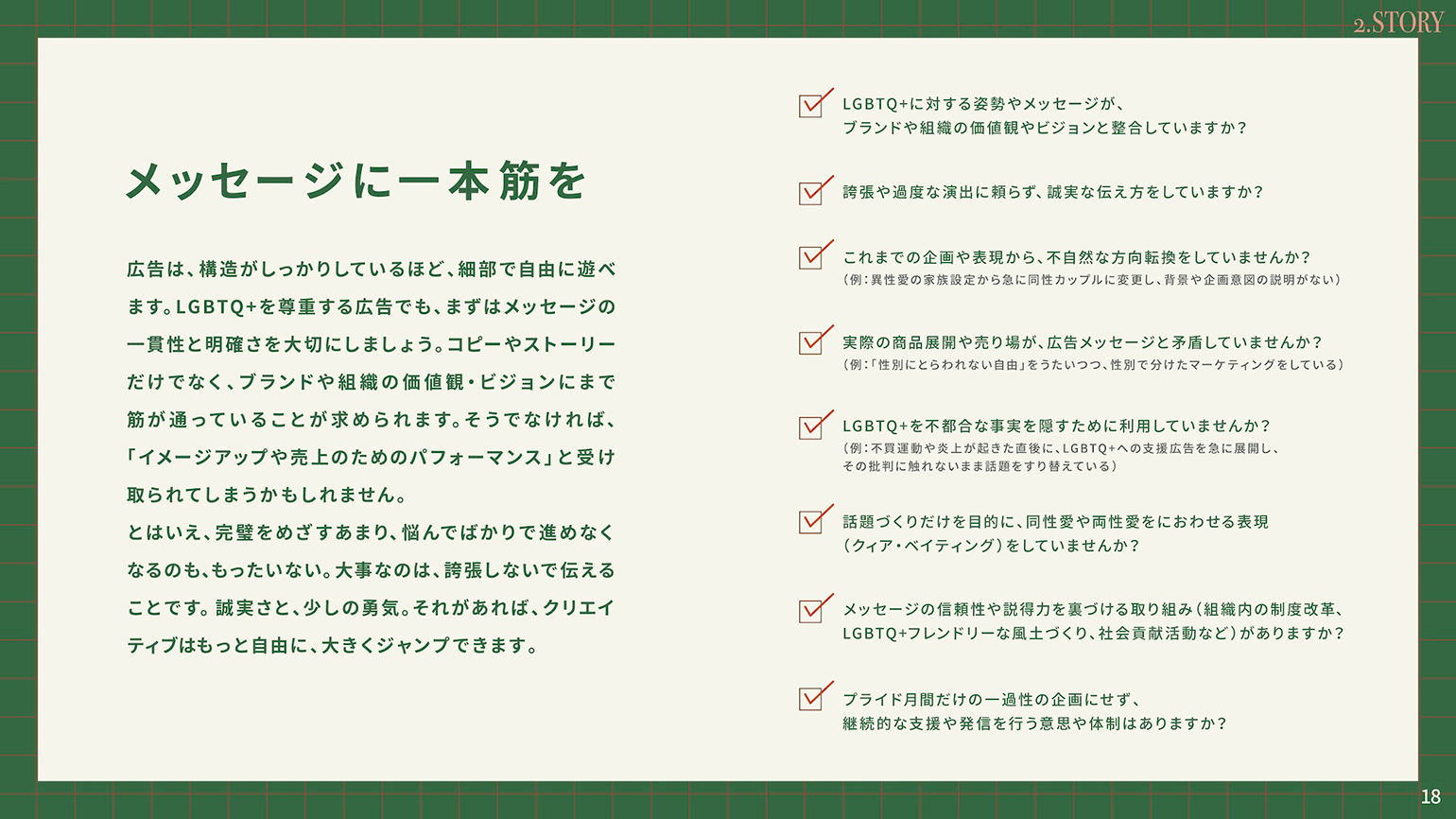
We also introduced the concept of "pinkwashing," where companies use LGBTQ+ support as a cover to conceal inconvenient truths, or appear to support LGBTQ+ individuals without undertaking substantive initiatives.
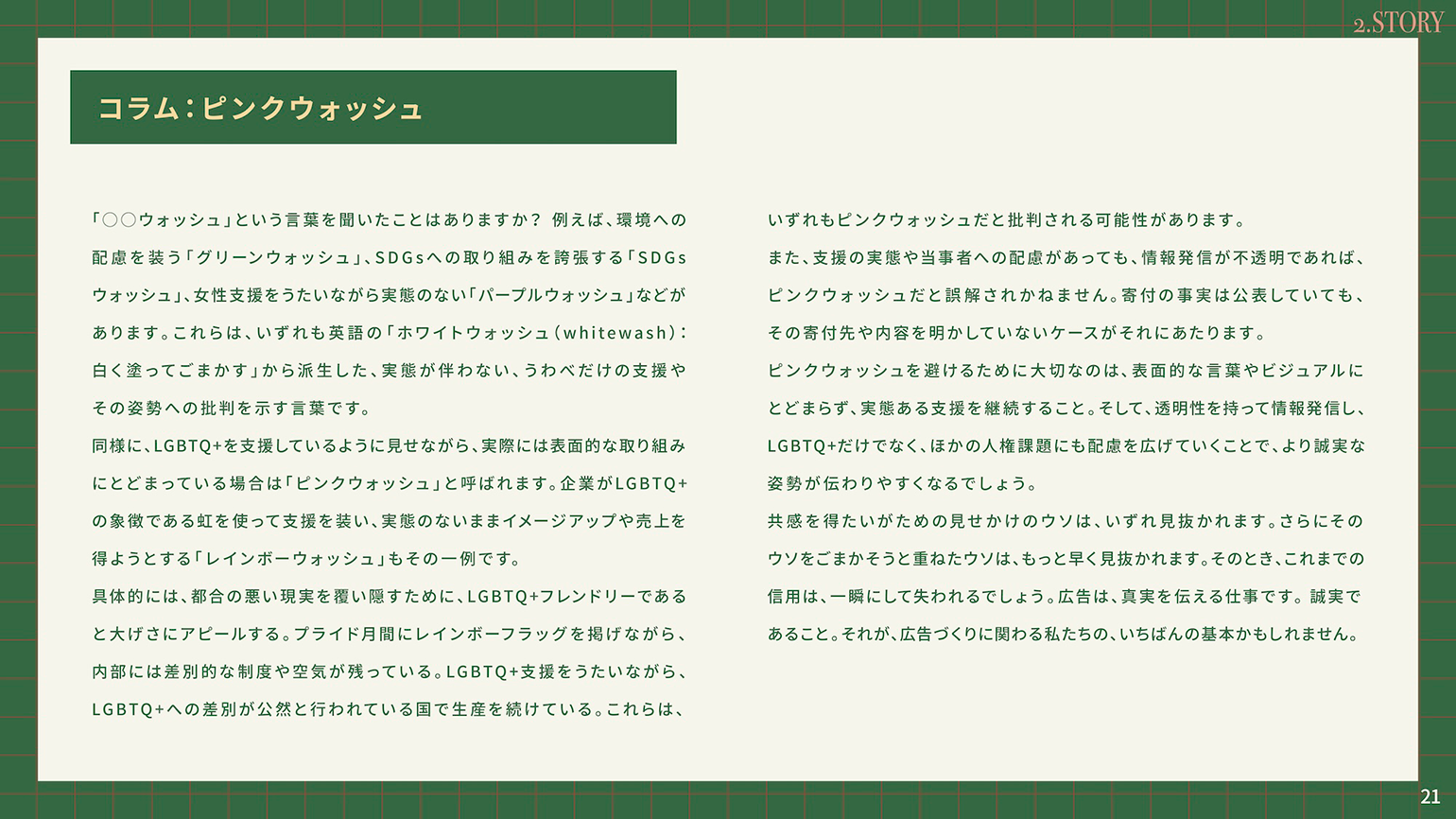
■Point 2: Clearly Communicate Social Issues and Messages
Clearly communicating social issues and messages aimed at solving them through advertising can also lead to greater empathy and support.
Mr. Matsuoka cited an advertising campaign as an example, introducing creative work that expressed a desire to realize the happiness of people of diverse genders and sexualities in real society. He noted that explicitly declaring support for the legalization of same-sex marriage and expanding social action through SNS and other channels resulted in widespread resonance.
"Sincerely conveying social issues and the voices of those directly affected, while demonstrating a commitment to addressing these challenges as a society, can be one way to gain support from a broad spectrum of people, including the LGBTQ+ community," he pointed out.
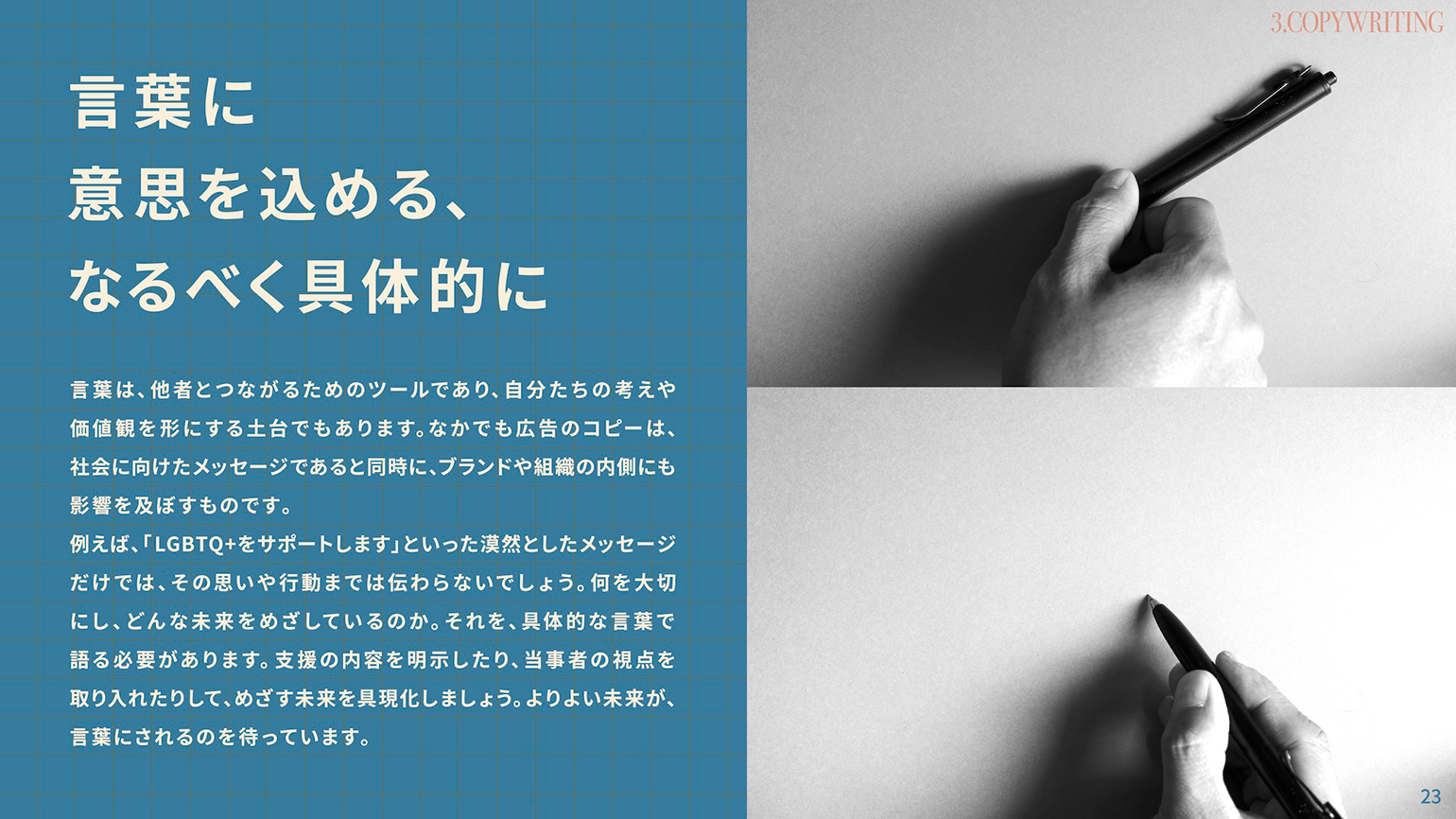
■Point 3: Avoid Superficial Stunts for Buzz
Refrain from casually incorporating suggestive elements related to homosexuality solely to generate buzz or attract attention. Such tactics are often labeled "queerbaiting" and frequently perceived as exploiting LGBTQ+ themes for attention without genuinely engaging with the underlying issues.
Furthermore, when using words or symbols with special meaning to the LGBTQ+ community—such as "Pride," "Rainbow," or "Coming Out"—accurate understanding is essential. Misusing their meanings or lacking consideration for their historical context can lead to misunderstandings that the use is merely for product promotion or creating buzz, potentially inviting criticism.
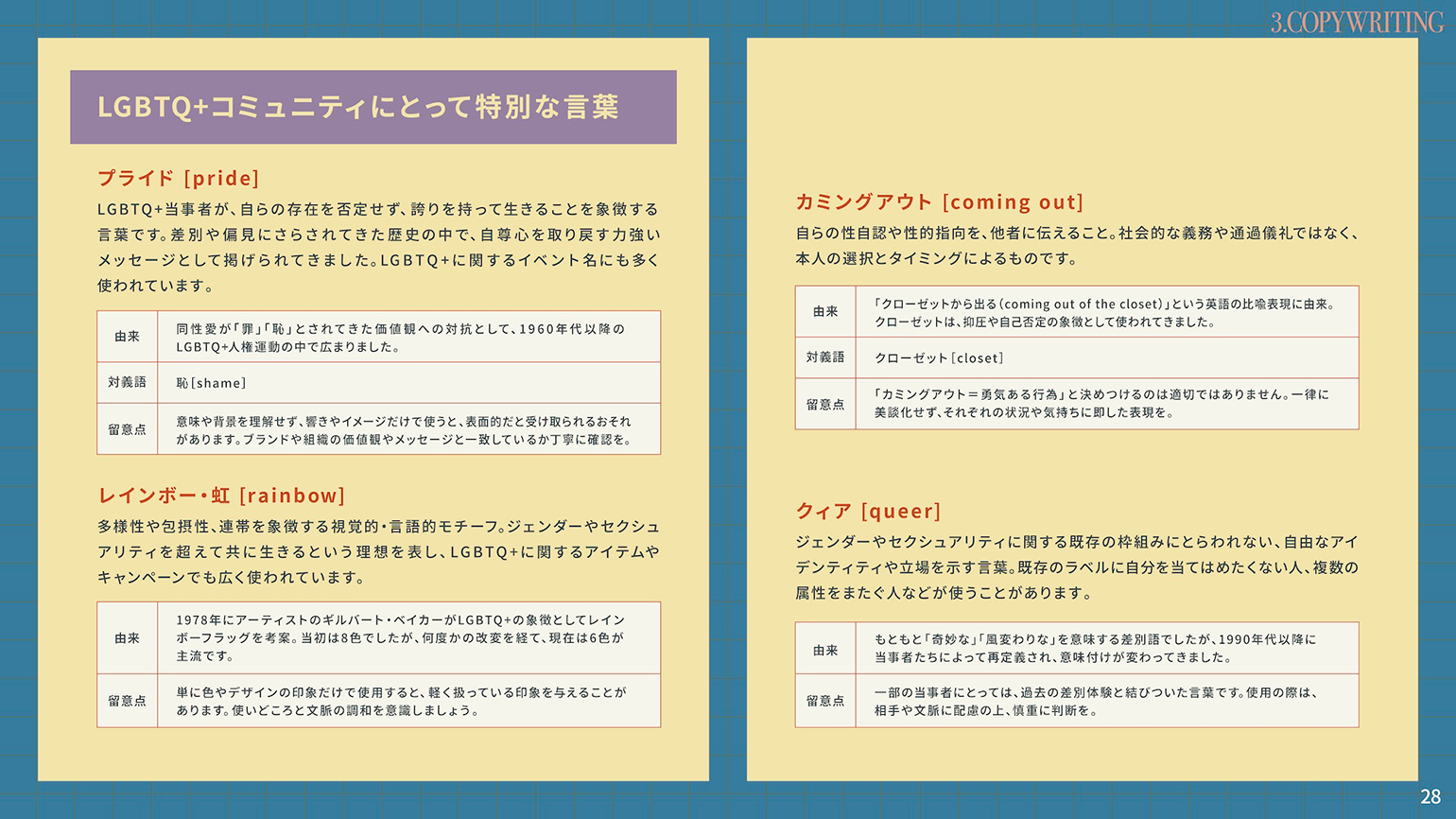
It is crucial for advertising creators to fully understand the background and meaning behind such words and imagery, striving for sincere expression grounded in the perspective of those directly involved.
Reflecting the voices of those directly involved to create advertising expressions everyone can relate to
To convey through advertising the vision of a society where everyone can exist authentically, it is vital to depict a broad spectrum of gender and sexuality without singling out LGBTQ+ individuals. Effectively incorporating LGBTQ+ characters naturally within ads featuring diverse casts, or casting LGBTQ+ individuals themselves, can be impactful.
Furthermore, incorporating the perspectives of individuals directly involved in the production process facilitates expressions grounded in real-world challenges and diverse values. Having individuals directly involved in the planning team, conducting interviews with them from the planning stage, and collaborating with organizations or experts with deep understanding of the community can also lead to more sincere expressions.
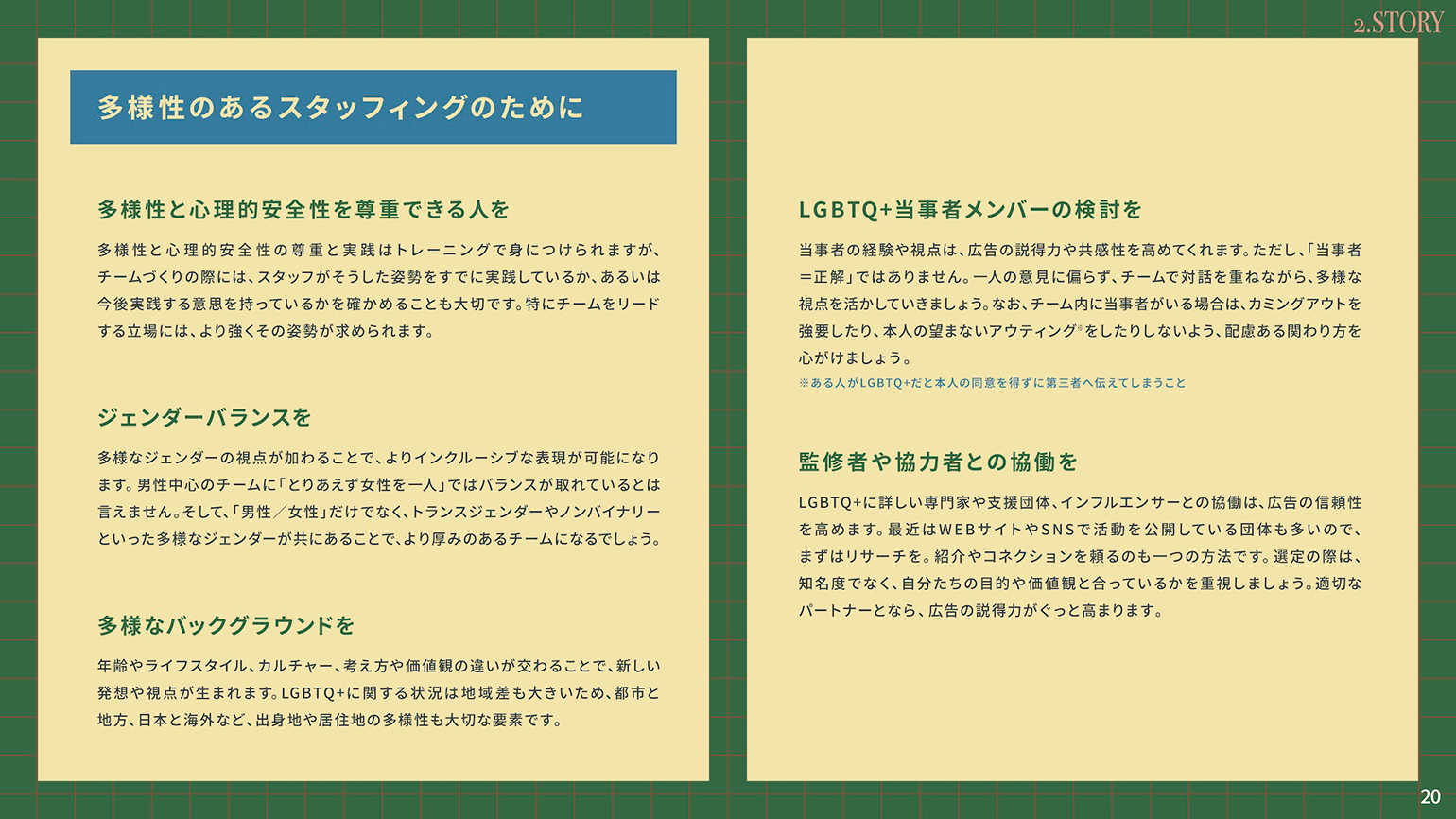
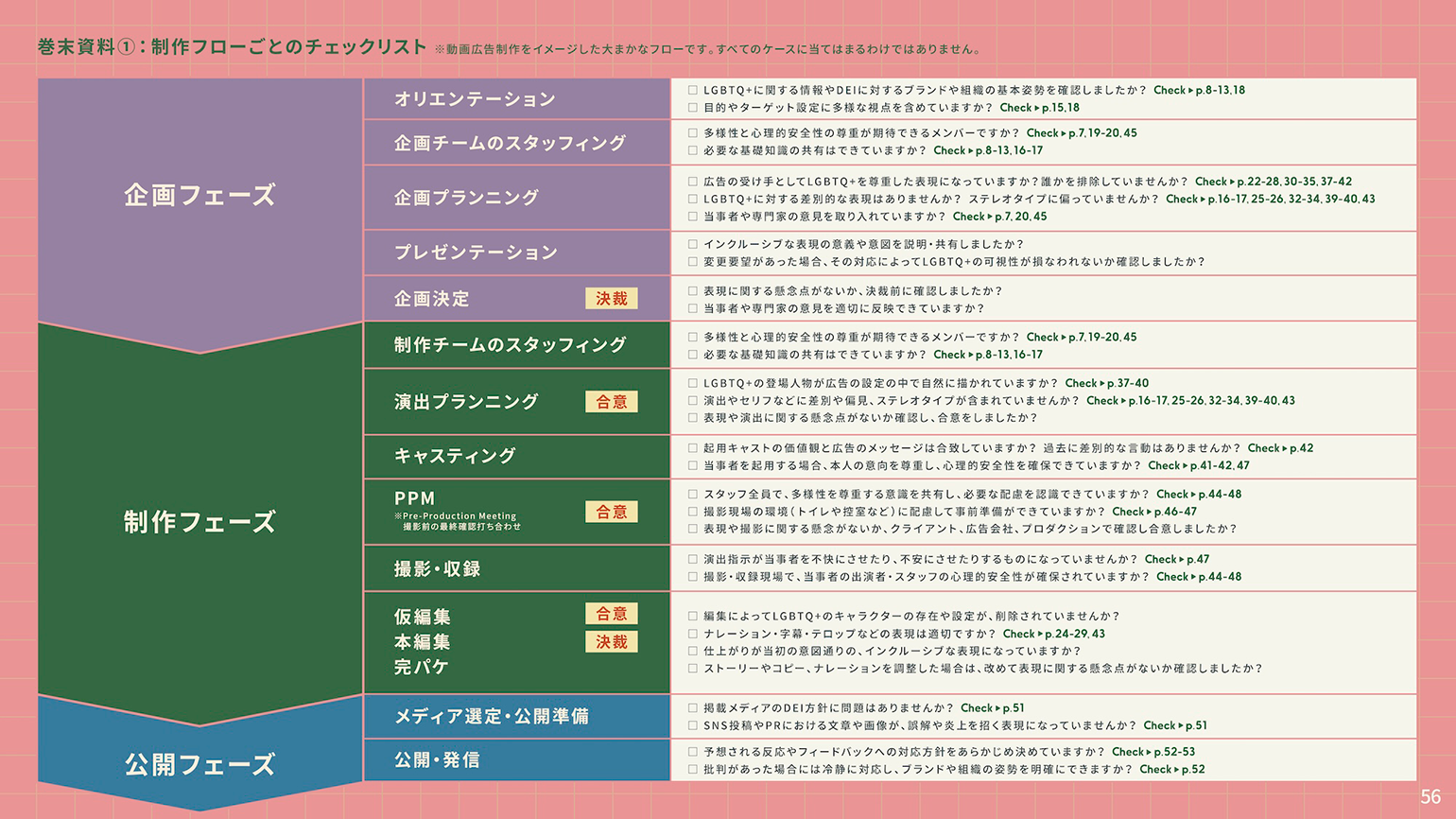
On the other hand, in creative production, it's crucial to be mindful of unconscious biases and superficial portrayals. The "Advertising and LGBTQ+" guidelines compile key considerations and checklists for such care. Mr. Matsuoka urges practitioners to utilize them when facing uncertainties in their work.
He also addressed recent trends and challenges. In the US, movements opposing DEI and LGBTQ+ rights are gaining strength, creating a climate of caution around diversity respect. Matsuoka stated, "This is a pivotal moment testing Japanese companies' mindset and stance. Each individual must understand the importance of respecting diversity and reflect this in their output."
Amid this, within Japan, there's a growing movement of LGBTQ+ individuals actively stepping into the spotlight. Content featuring LGBTQ+ individuals is increasing, such as films casting numerous transgender actors. Influencers, especially among younger generations, are also increasingly open about their LGBTQ+ identities. The trend of "actively employing individuals from the community in communication efforts" is gaining momentum.
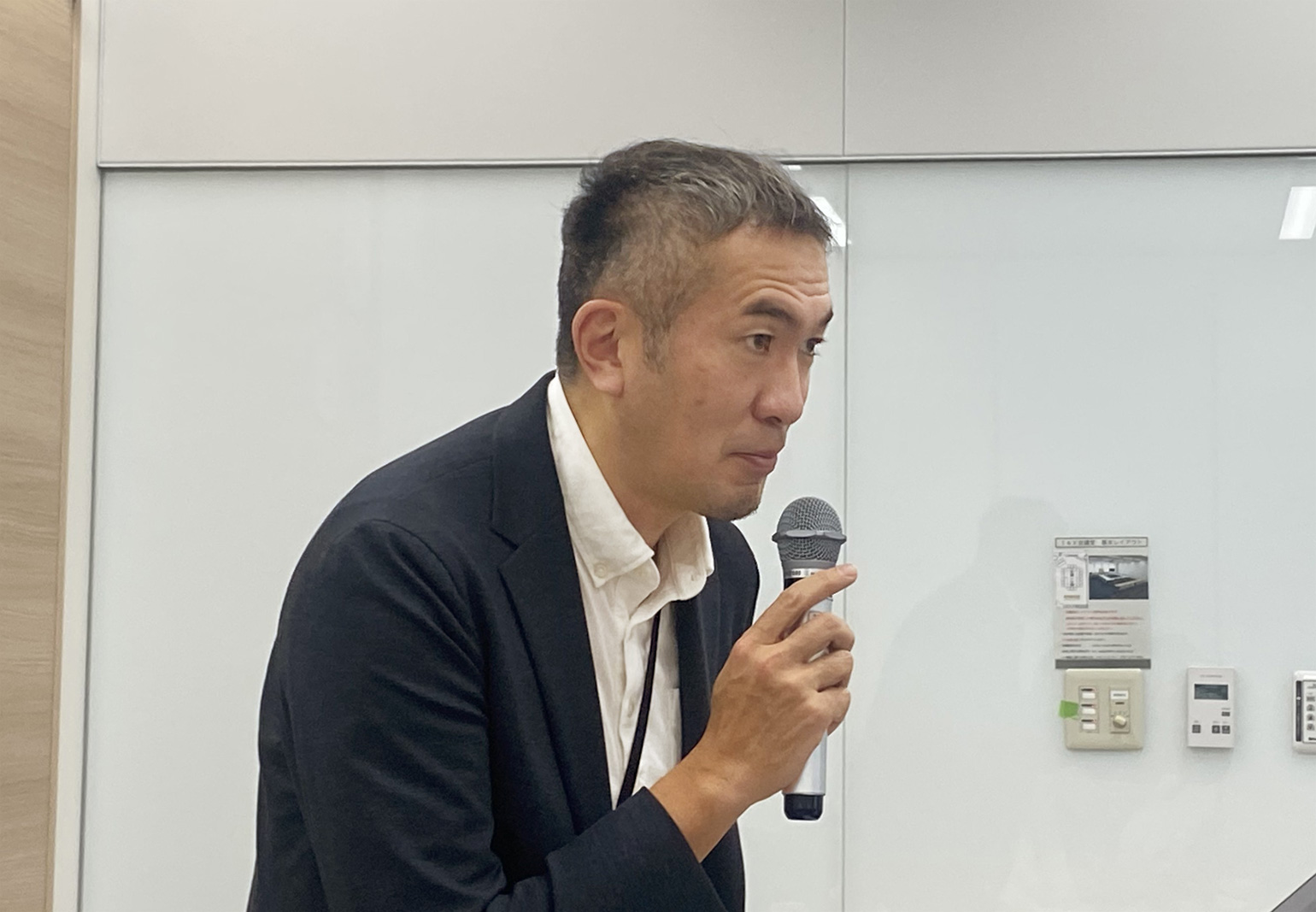
Next, Ryohei Manabe, Executive Officer and Executive Creative Director at Dentsu Inc., took the stage. Reflecting on a Pride Month project he was involved in, he shared a message for the creative industry."During the production process, we repeatedly sought confirmation from experts. However, we regret that at the project's start, no LGBTQ+ individuals were included among the production staff, which ultimately led us down a detour. This experience reaffirmed the importance of maintaining a sincere attitude and continuing to learn," he commented.
Applying Learning to Practice and Continuing Sincere Communication
The latter half of the event featured advertising case studies from the bridal industry, where participants discussed challenges and improvement strategies identified during the lecture in small groups.
Each group pointed out the challenges of representation, such as: "For LGBTQ+ individuals, marriage often feels like a pipe dream. Even when beautiful visuals convey positive messages, they frequently diverge from reality." "One problem with the criticized case was the absence of LGBTQ+ individuals on the production team. However, we also felt that even with such representation, the team might not have recognized the issue."
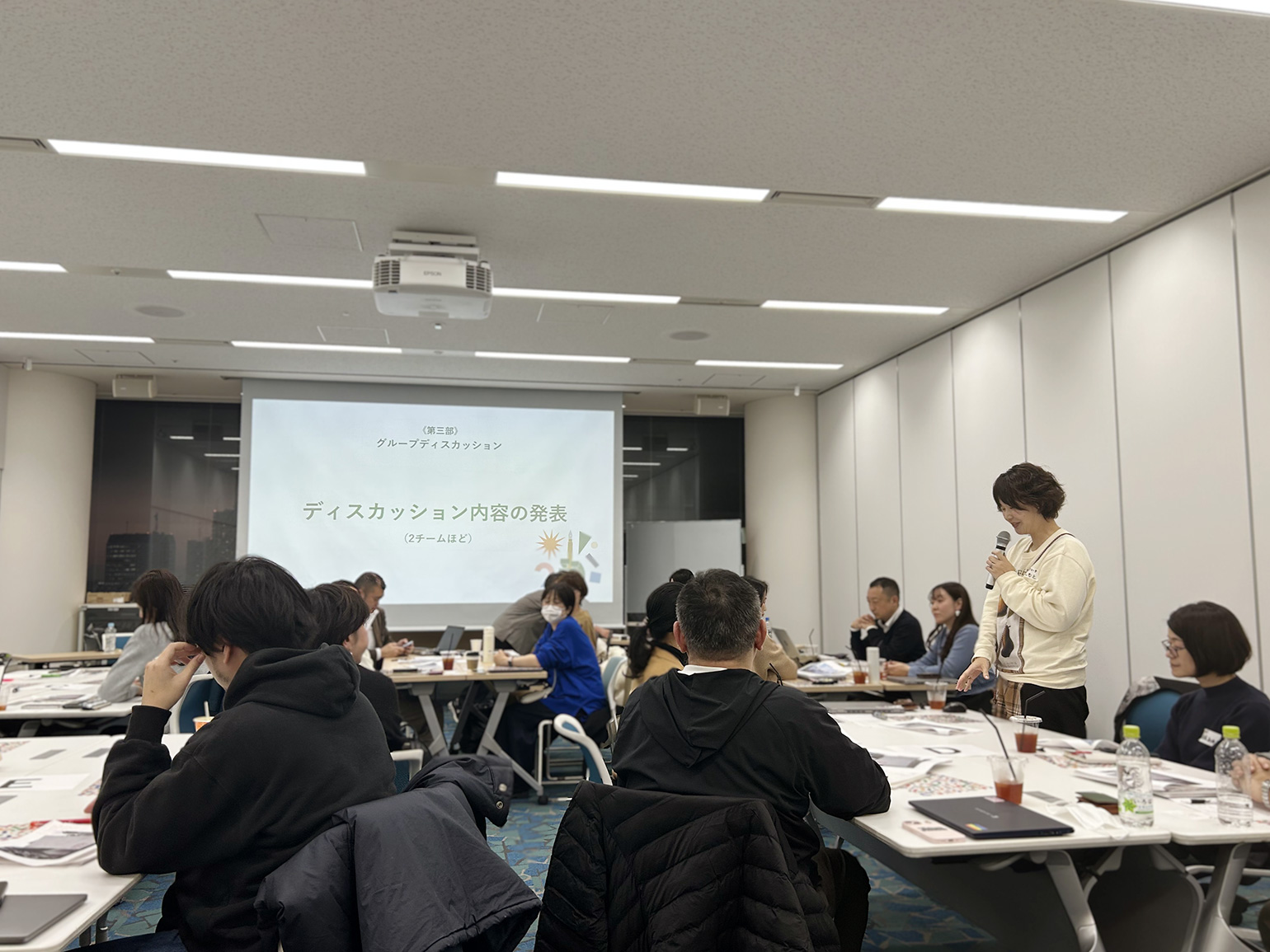
Other opinions included: "If companies had clearly communicated their specific support activities, might they have been received more favorably?" and "The client, as the advertiser, likely intended their message to be received positively by the community. Don't we, as advertising creators, have a responsibility to guide the project to success without diminishing that passion?"
Drawing from his experience improving advertising expressions, Mr. Matsuoka advised, "First, it's crucial to clearly state our own activities and stance, and carefully convey the voices of those directly affected and the real challenges they face." He explained that communicating concrete actions alongside social messages enhances the credibility and persuasiveness of advertising.
Mr. Manabe also commented, "If we clearly communicate concrete initiatives and actions, even if criticism arises, voices of support will inevitably emerge. I was reminded of the importance of combining actual actions with our messaging, rather than relying solely on creative expression."
Furthermore, Mr. Kuchiba urged, "No one can produce a perfect solution with a single output. What matters is continuing to create sincerely, incorporating the voices of those directly affected, alongside diverse team members. Please take what you learned today back to your own workplaces and apply it to your future practice. And let's continue collaborating to transform the industry."
Matsuoka also offered encouragement, concluding the event: "I sense prejudice against LGBTQ+ individuals is fading, especially among younger generations. I believe media and advertising's coverage of diverse sexual identities has significantly influenced this shift. Creativity has the power to move society. Please keep creating better expressions moving forward."
The information published at this time is as follows.
Was this article helpful?
Share this article


Newsletter registration is here
We select and publish important news every day
For inquiries about this article
Author

Yoko Iinuma
Dentsu Inc.
Marketing Division 8
Planner