Cancer is a disease that affects one in two Japanese people, making it a very common illness. While information on treatment and prevention is increasingly available, it remains an area where understanding of those affected has not advanced due to lingering prejudice.
" LAVENDER RING " is a project for cancer survivors—those living with cancer—jointly operated by volunteers from the NPO Cancer Net Japan (CNJ), Shiseido, and Dentsu Inc.
This time, we introduce the "High School Idea Festival" project, where LAVENDER RING and Minato City worked together with high school students on the theme of raising awareness about cervical cancer prevention, using creative ideation as their approach.
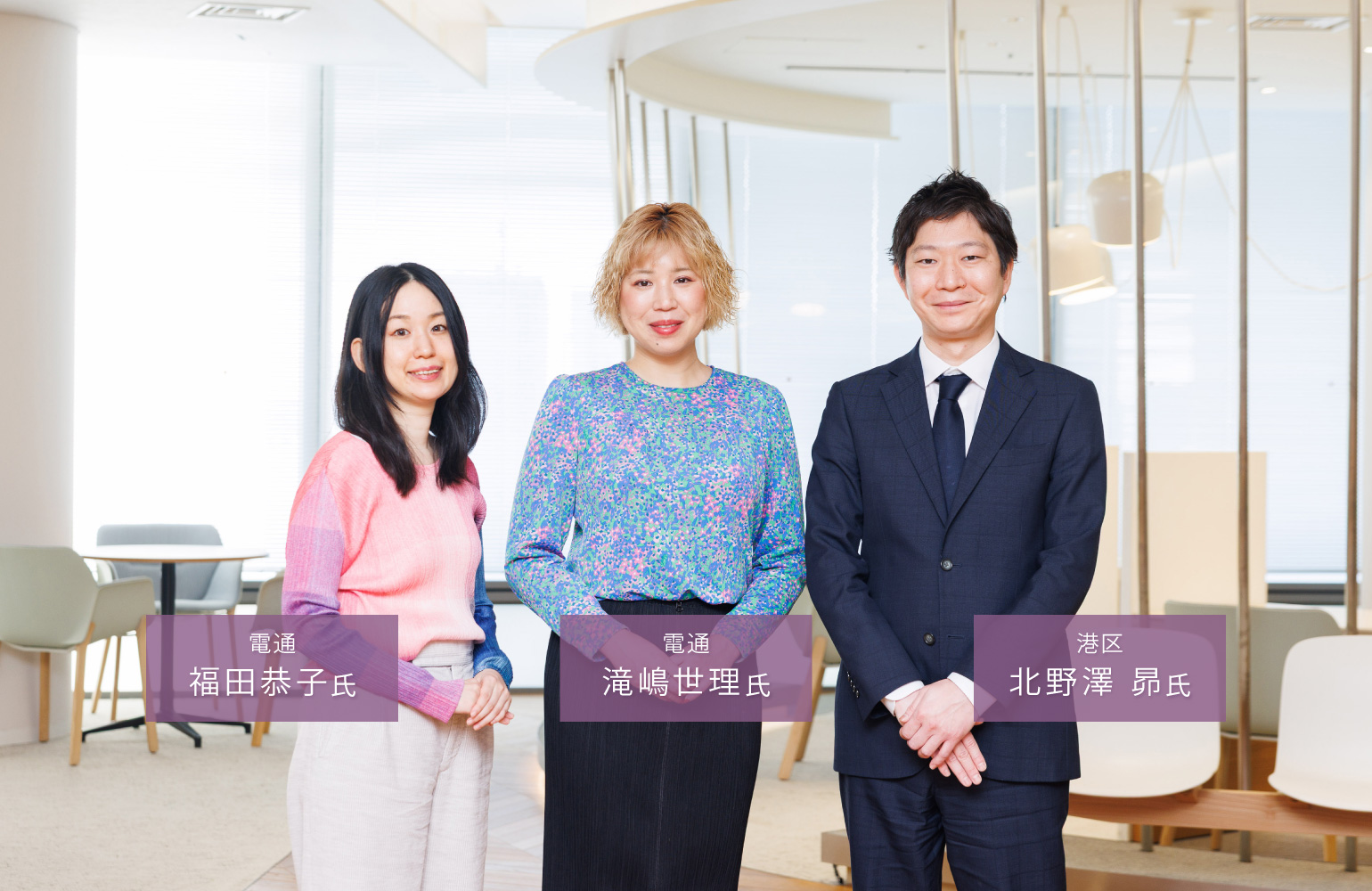
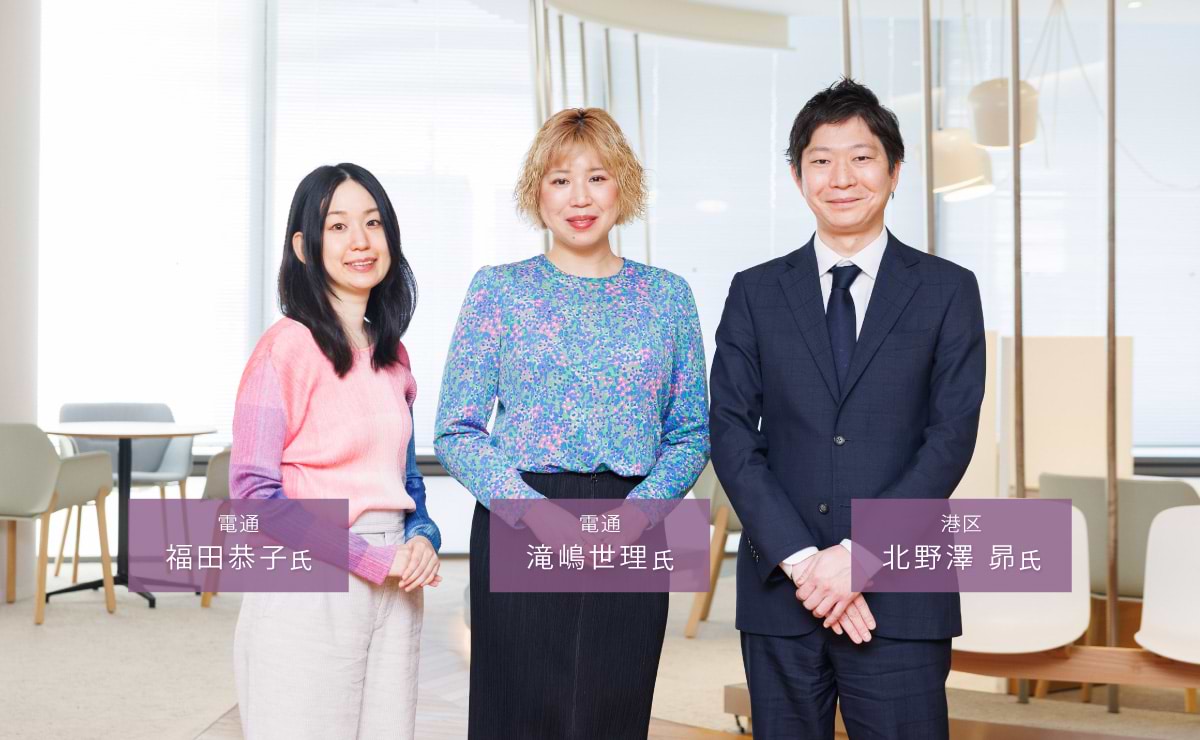
We spoke with Ms. Seri Takishima from Dentsu Inc.'s 4th Creative Planning Bureau and Ms. Kyoko Fukuda from the Sustainability Consulting Office, who were involved from the project's inception, along with Mr. Subaru Kitanozawa from the Health Promotion Division of Minato Ward Health Center. They shared the project's background, key insights gained, and future prospects.
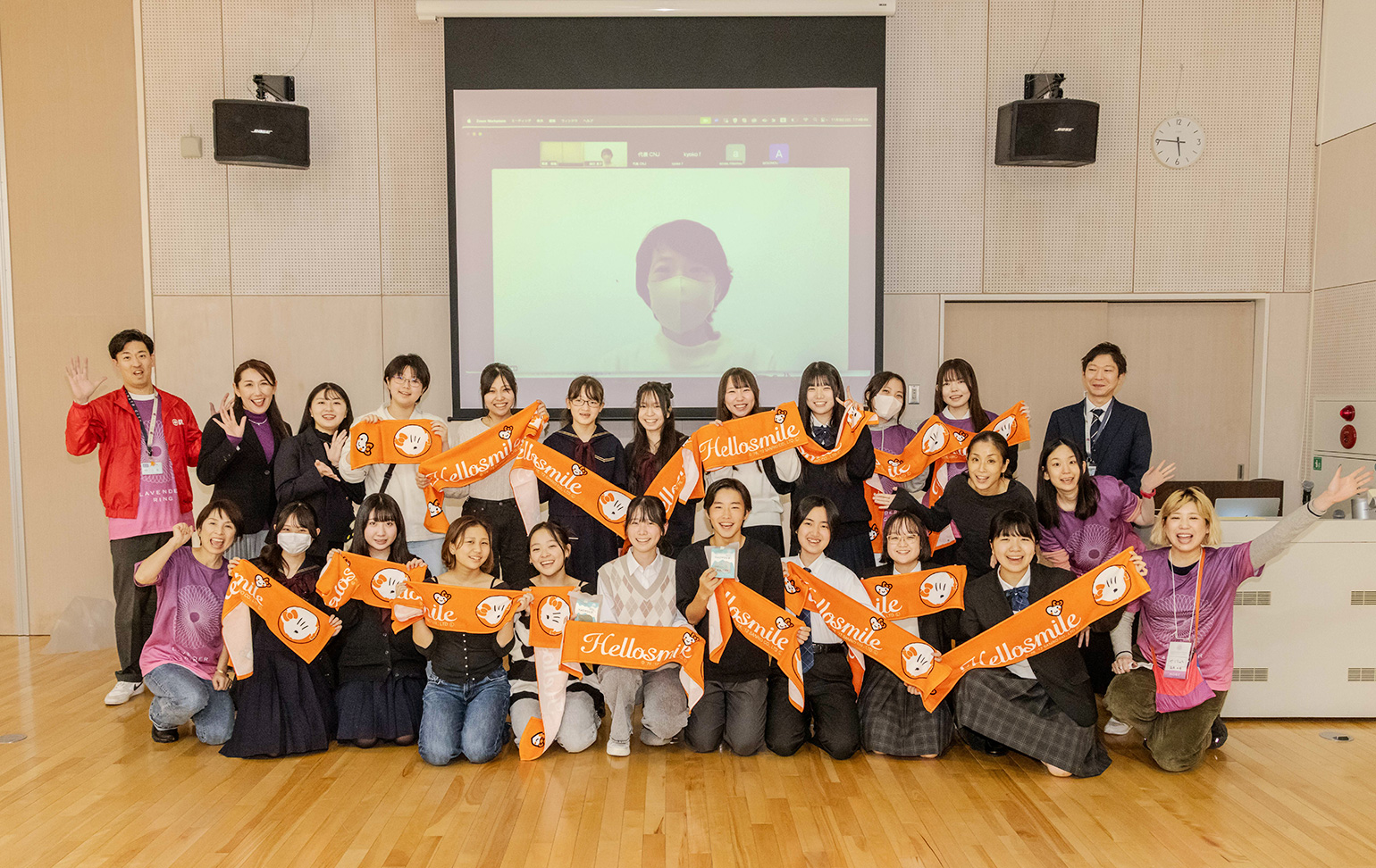
What is the"High School Idea Festival #Thinking Together About Cervical Cancer"? A project where high school students participate in teams to devise and present ideas, such as stickers, aimed at promoting cervical cancer prevention and screening awareness. Co-hosted by LAVENDER RING and Minato City.The fourth iteration was held in November 2025. Following approximately one month of preparation starting from the pre-event input session, the presentations (idea pitches) took place on November 9. Participants included 18 high school students from 7 schools (7 teams), 5 judges, and 8 mentors.
The realization of information disparities was the starting point for this project
――First, could you tell us about the background leading to the launch of the "High School Idea Festival"?
Takishima: This is personal, but at age 35, I was diagnosed with cervical dysplasia. I knew the term "cervical cancer," but it felt like someone else's problem—something I vaguely remembered from news stories about celebrities who had it.When I had medical tests to determine which type of HPV (Human Papillomavirus) I was infected with, it turned out to be a type associated with a high risk of developing cervical cancer. This meant I had to visit the hospital for check-ups every two to three months. During one of these visits, my doctor mentioned that there was a vaccine available to prevent HPV infection. I was filled with regret – I hadn't known about the vaccine existed, and I wished I had gotten screened earlier. I thought, if I could go back to when I was eligible for the vaccine, I would tell my younger self about it.
My own experience motivated me to feel that younger generations need to know more about cervical cancer, leading me to plan this project.
Fukuda: I was diagnosed with dysplasia at age 27. Further tests revealed I had a high-risk HPV type, just like Takishima-san, and I started regular check-ups. Around that time, I heard that a slightly older colleague in my department had gotten the vaccine at her parents' suggestion, paying about ¥100,000 out-of-pocket (*1). That made me realize the information gap. Later, Takishima-san invited me to join the project on the operational side.
*1 = HPV vaccination became a publicly funded ("free") "preventive vaccination" starting April 2013. Currently, girls equivalent to 6th grade elementary school through 1st year high school (ages 12-16) can receive it free of charge as part of their municipality's regular vaccination program. The number of doses required varies by vaccine type and starting age, but generally 2-3 doses are necessary.
――Why did you decide to co-host with Minato City?
Takishima: Minato Ward has a project called "Cross-Border Workers" that brings together local companies. Meeting the ward's corporate liaison officer through that project led to our co-hosting events like " LAVENDER RING DAY " and a poster exhibition in 2019. Building on this existing collaboration, and considering this project targets high school students as a public initiative, we reached out to Minato Ward.
Kitanozawa: Minato Ward also promotes cervical cancer screenings and HPV vaccinations. Screenings start at age 20, but we face the challenge that young adults in their 20s and 30s, who tend to have lower health awareness, have lower screening rates compared to other age groups. Part of the reason, as Mr. Takishima and Mr. Fukuda themselves experienced, is that information isn't reaching them. This meant we needed not only accurate information dissemination but also innovative ways to communicate it.
Therefore, we decided to collaborate with LAVENDER RING, whom we had worked with on events like "LAVENDER RING DAY," and move forward while learning their communication methods.
Additionally, the lifting of the suspension on active recommendation for the HPV vaccine starting in 2022 provided a tailwind.Furthermore, the national policy "Health Japan 21 (Third Phase)" launched in fiscal year 2024 incorporates the "life course approach" concept. This approach emphasizes that the health status of a given age group is shaped by the lifestyle habits of the preceding generation. Aligning with this concept, Minato City has also established a direction to provide health education starting with children in the generation preceding the age group targeted for screening.
※2= In 2013, following reports of adverse reactions, the national government temporarily suspended active promotion of the HPV vaccine. However, after safety was reconfirmed, active promotion resumed in 2022.
Not only high school students from Minato Ward, but also students from Japan and abroad!
――Since 2021, the event has been held four times. What kind of students have participated?
Takishima: The first event was in 2021 during the COVID-19 pandemic. It was before the resumption of vaccine promotion, but high school students who recognized the importance of knowledge for protecting their own bodies and health participated. Although it was held online, participants came not only from Minato Ward but also from places like Hokkaido and Wakayama within Japan, and even from Singapore overseas. Precisely because it was during the pandemic, I think it allowed them to see society from a different perspective, like teaming up with people from other schools online.
Fukuda: The second session in 2022 was also affected by the pandemic, and we debated whether to hold it in person or online.
Takishima: While online had advantages like freely forming teams with high schoolers from various regions and countries, we also considered the value of in-person human interaction. Given the theme of cervical cancer, we thought it would provide an opportunity to discuss personal matters, so we chose an in-person format for the second session. Minato City provided a facility, and the judges attended in person. The ability for direct communication after each team's presentation was also beneficial.
For the third session in 2024, as the pandemic subsided and high school students became busier than anticipated, we kept the presentations in-person but made the orientation hybrid. We adjust the implementation style according to the circumstances at the time.
――How did you recruit the students?
Fukuda: We asked Minato Ward to reach out primarily to high schools within the ward.
Kitanozawa: Initially, we presented it as one of several opportunities the ward offered to schools. However, applications weren't increasing as expected, so we switched to individual outreach. We contacted the designated liaison teachers by phone, visited them in person to explain the program directly, and then had the teachers explain it to the high school students.
With each session, the students' outputs evolved
――Regarding presentation outputs: The first and second sessions allowed free expression without constraints, but from the third session, idea expression was standardized to stickers. How did the students' outputs change?
Takishima: For the first session, I believe the social context—it was before the renewed vaccine recommendation—also played a role. The main focus was on how to turn the input information itself into ideas. Many teams focused on devising contact points for the target audience.
By the second session, they began viewing the theme as a series of campaigns and started developing stories. The third session coincided with the start of the vaccine re-recommendation campaign. With more information available and the high school students having gained some knowledge, I felt the "quality" of the ideas changed. Elements like creating characters or incorporating what's currently popular among high school students emerged. It seemed more teams were able to internalize the challenge as something personally relevant.
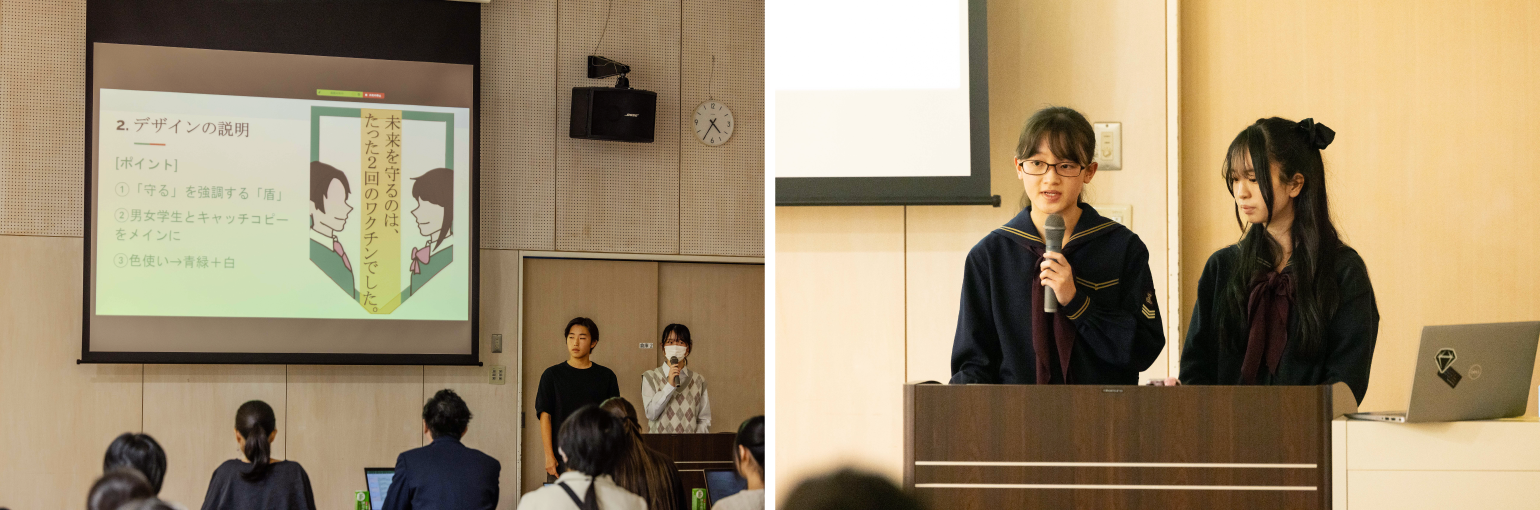
In the fourth session, alongside creative approaches like character design, some teams focused on streamlining the orientation content precisely because more information was available. For example, the 9-valent HPV vaccine, which protects against 9 HPV types, requires either two or three doses depending on age. Some teams chose to focus their approach on the specific point that "two doses are required for those aged 15 and under," demonstrating a reinterpretation of the information.
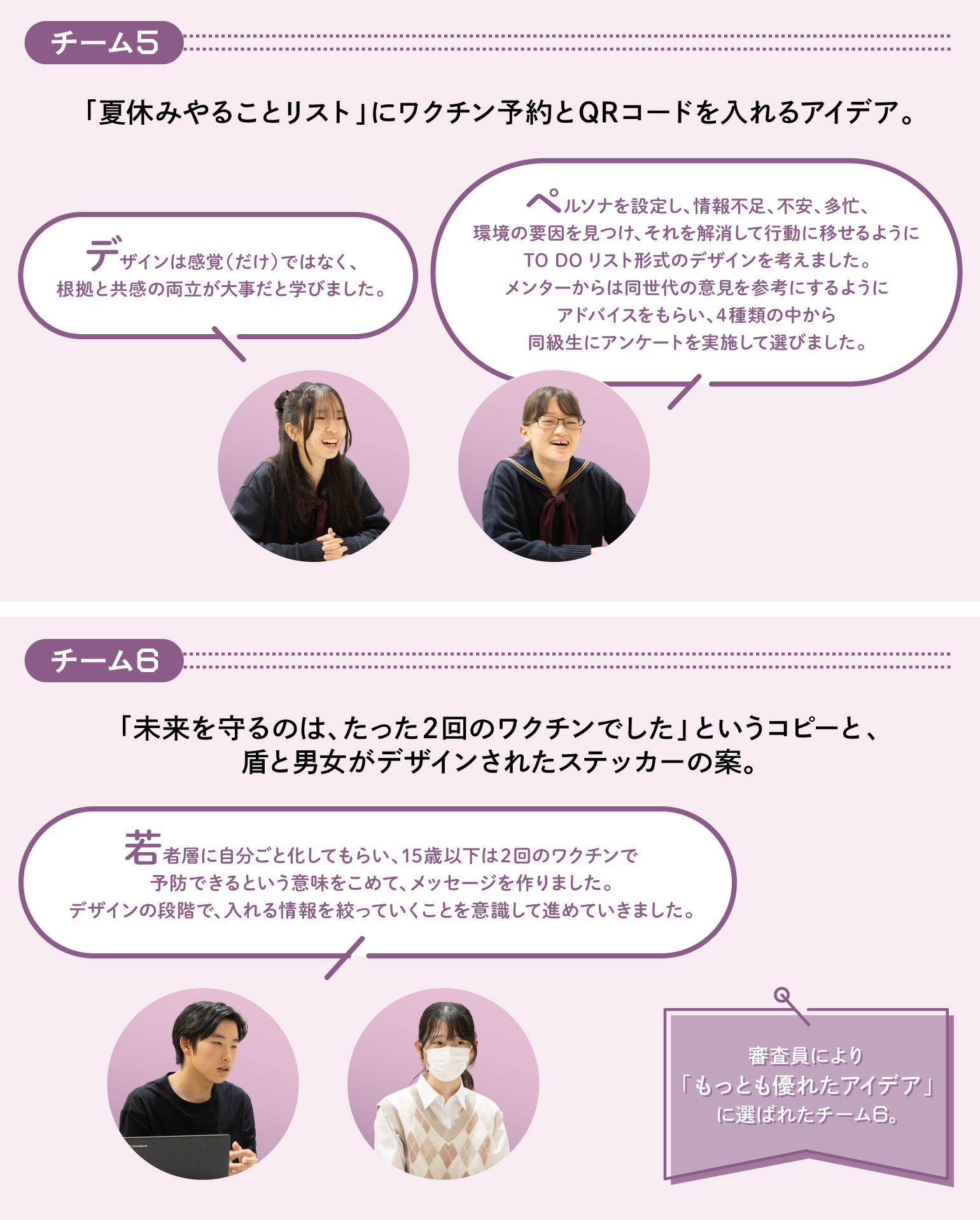
Presentations by Team 6 (left) and Team 5 (right) from the fourth session.
Fukuda: For the third and fourth sessions, using stickers as the theme helped narrow the focus, leading to a tendency for teams to express their unique perspectives more strongly.
Kitanozawa: I was impressed by the high level of commitment from the participating high school students and their enthusiastic engagement within such a short timeframe.
Key points and impressions shared by participating high school students after their presentations.
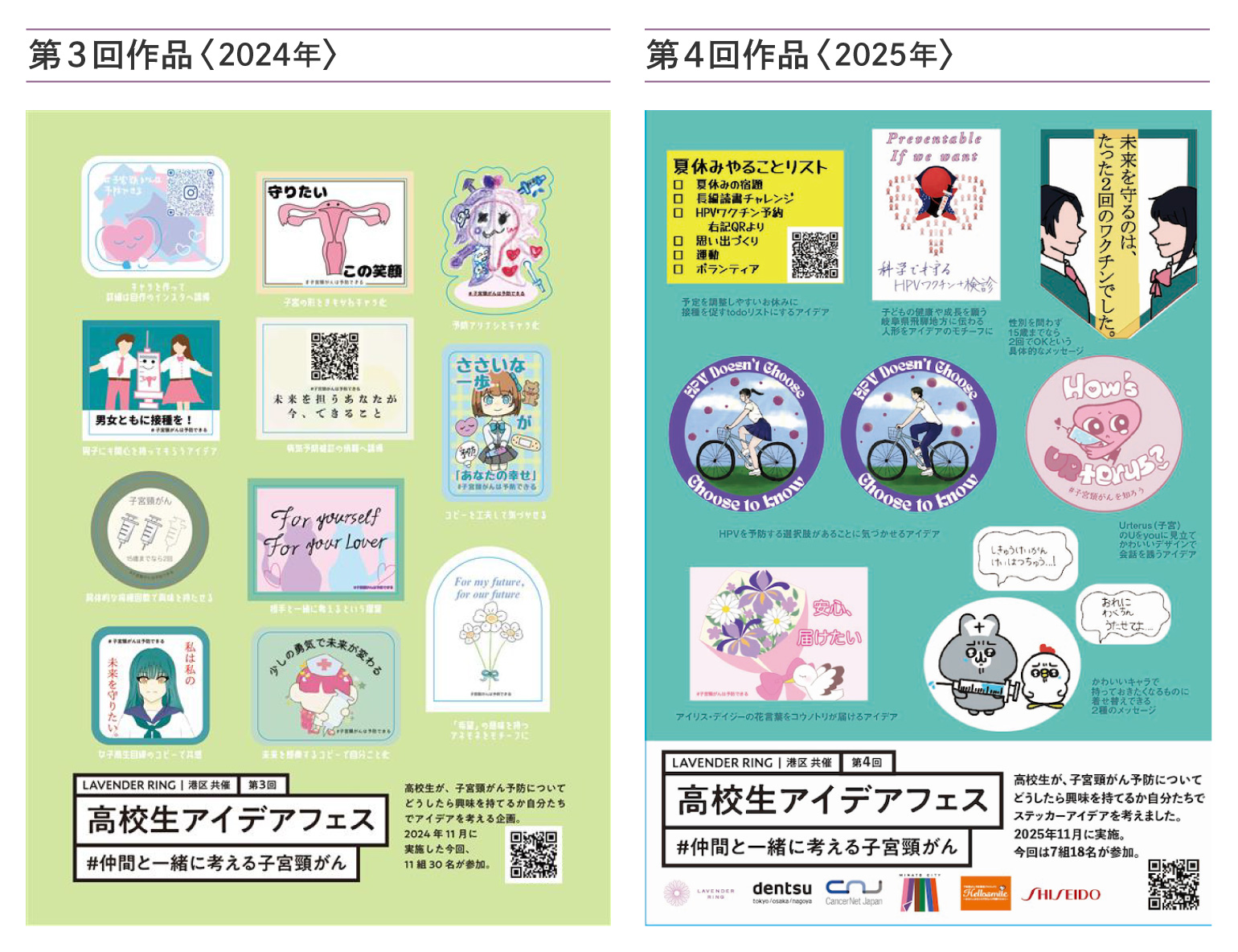
Actual works created by the high school students.In the 4th session, the team selected for the "Best Idea" received facial cleanser from Shiseido Japan, and all participants received original goods from the cervical cancer prevention awareness project "HelloSmile."
――A major feature of the "High School Idea Festival" is that leading creators, such as art directors and copywriters from Dentsu Inc., serve as mentors to support each team's idea development.
Takishima: That's right. They offer advice from a professional perspective on ideas and direction, making it a valuable experience for the high school students. Starting with the third event, we established a system allowing mentors and students to communicate directly, which increased the flexibility of the mentoring.
Interestingly, changes weren't limited to the students; mentors also experienced shifts. Some mentors realized they knew surprisingly little about cervical cancer or the HPV vaccine after participating. Others were influenced by the high schoolers' perspectives and their approach to using AI.
For those in their 40s and above—the generation of these high school students' parents—vaccines didn't exist when they were students. Learning about them through opportunities like this can shift their awareness. Thanks to being involved in this project, I consulted with a doctor and went to get vaccinated at my own expense.
Starting with the "High School Idea Festival," we want to expand the circle of health promotion.
――What future developments are planned?
Takishima: When we started this project, our ultimate goal was a day when awareness about cervical cancer was so widespread that the Idea Fest wouldn't be needed. We hoped Japan could reach a state like Australia, where prevention and vaccination are commonplace, aiming for eradication in about ten years.
When everyone takes ownership, they can decide whether to get vaccinated, start going for regular screenings, and ultimately increase the ways they protect themselves. We want to increase those opportunities. While our target is high school students, we also want to focus on increasing the knowledge of the adults involved.
Fukuda: By increasing the number of people connected to the "High School Idea Festival," we hope its impact will spread beyond generations and regions, reaching all of Japan.
Takishima: For example, I envision creating alumni networks and communities from the "High School Idea Festival." Eventually, I hope students can seek advice in a third-place setting, neither school nor home. I aim to build a system where this hub connects to various groups, organizations, and even doctors.
Kitanozawa: For Minato City, we have two perspectives: short-term and long-term. At the High School Idea Festival, students went through input, group work, and presentations, ultimately creating stickers. Short-term, we aim for students to take these back to their classes and share the process.
Long-term, since the participants of the "High School Student Idea Festival" will become eligible for cervical cancer screenings in a few years, we want to evaluate what impact this experience has on their future screening behavior. As an administration, we also aim to have them utilize the knowledge and experience gained at the festival to become health leaders active in their communities. There are also facilities conducting cancer prevention awareness activities, so as Mr. Takishima mentioned, we'd like to explore creating loose networks, like alumni associations.
Takishima: People interested in this kind of thing are likely to be interested in social issues too. It would be great to gradually expand the theme of health and include areas beyond cancer.
Fukuda: Communicating with others also contributes to maintaining health. There should be many things we can do locally, and it would be great if we could create places where people feel happy just by living there.
Kitanozawa: Minato City is working to promote health across all generations, from infants and children to adults and seniors. When supporting senior health, we often hear that "social participation is crucial." We've held the "High School Idea Festival" four times now, successfully reaching the younger generation we previously found challenging to engage. Moving forward, we want to expand this circle by increasing participation and building the health of the next generation.
■Comments from Co-organizing Organizations Involved in Project Promotion
【Comment 01】 Tomoya Kosuge, Corporate Collaboration Promotion, Planning Section, Planning and Management Department, Minato City Historically, when government and businesses collaborated on projects, it was almost always based on a client-contractor relationship. However, this "High School Idea Festival" embodies the philosophy of collaborating across boundaries—beyond government and business—to solve social issues together in a win-win relationship. We plan to expand this approach beyond health into other fields.
【Comment 02】 Cancer Net Japan (NPO), Cervical Cancer Awareness Officer, Yuko Tada Recently, "proactive preventive healthcare" has gained prominence. This "High School Student Idea Festival" is precisely an initiative to spread preventive knowledge aimed at reducing the number of women who will develop cervical cancer in the future. For example, if getting vaccinated becomes the catalyst for establishing a relationship with a gynecologist at a young age, it can lead to future cervical cancer screenings and make it easier to consult about gynecological matters. I feel the innovative ideas generated by high school students at this Idea Festival, with their diverse perspectives, possess the power to engage those around them. The fact that male students are also participating with interest gives hope for the spread of preventive awareness. I hope for a society where it becomes commonplace for young men and women to correctly understand cervical cancer and prevention for themselves and their partners.
Minato Public Health Center, Health Promotion Division Manager
Section Chief
2006年入区。令和3年同課健康づくり係長を経て2025年4月から現職
Seri Takishima
Dentsu Inc.
Creative Transformation Division 2, Creative Planning Bureau 4
Creative Director/General Manager
After roles in sales, strategic planning, a secondment to Shiseido, and time at NY Firstborn, now in current position. An integrated creative professional who unravels client challenges from a consumer perspective, planning and executing across methods including video, graphics, events, and digital campaigns. Participated in LAVENDER RING from its founding with the mission: "Bring smiles to all cancer survivors."
Sustainability Consulting Office, Future Creative Department
Creative Planner/Business Designer
After working as a management consultant, joined Dentsu Inc. As a Creative Planner/Business Designer, involved in global branding, design consulting for new ventures, and digital promotion. Strengths lie in sustainability for building a better future and fields requiring cutting-edge technological understanding.