
Note: This website was automatically translated, so some terms or nuances may not be completely accurate.
 #DEI Communication [5/5]
JR Hokkaido is connecting the dots of its DEI initiatives.
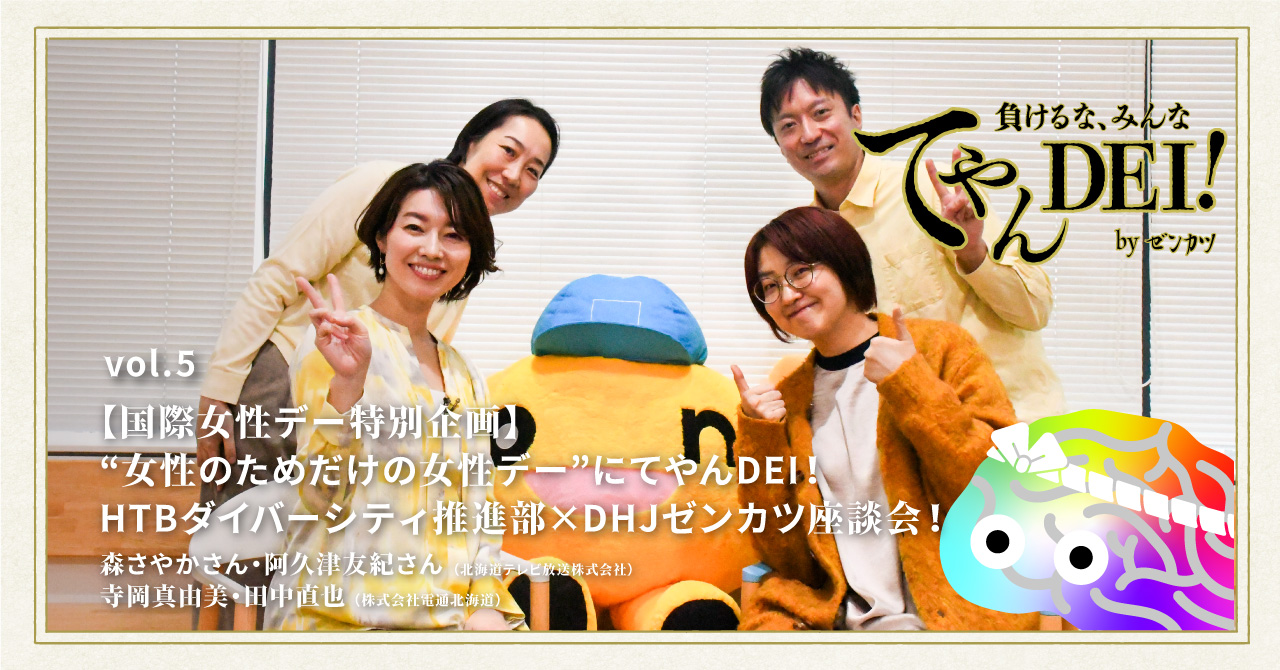
This series asks individuals and organizations practicing "DEI-focused communication" how they cultivate a DEI mindset that combines literacy and action. In this installment, we present the case of Hokkaido Railway Company (hereinafter JR Hokkaido).
As infrastructure, passenger rail services are indispensable to people’s daily lives. Whether in railway operations or urban development projects, the concept of “leaving no one behind” is essential.
Accompanying JR Hokkaido’s DEI initiatives this time were Akira Masuyama of Dentsu Inc., Naoya Tanaka of Dentsu Hokkaido Inc., and Mayumi Terakawa. We will also explain how these three members of “dentsu DEI innovations”—a cross-organizational DEI unit within Dentsu Inc.—provided support.
<Table of Contents>
▼The “DEI Tailwind” Spreading Across Hokkaido
▼Dentsu Inc. Supports JR Hokkaido’s DEI Training (Mayumi Teraoka’s Perspective)
▼Encouraging Personal Connection Through Fundamentals and Case Studies (Akira Masuyama’s Perspective)
▼Supporting Companies Through DEI Partnerships (Naoya Tanaka’s Perspective)
The “DEI Tailwind” Spreading Across Hokkaido
In Hokkaido, against the backdrop of a recovery in inbound tourism and a growing momentum for railway and urban redevelopment, there is a greater demand than ever for DEI considerations in the workplace and in services.
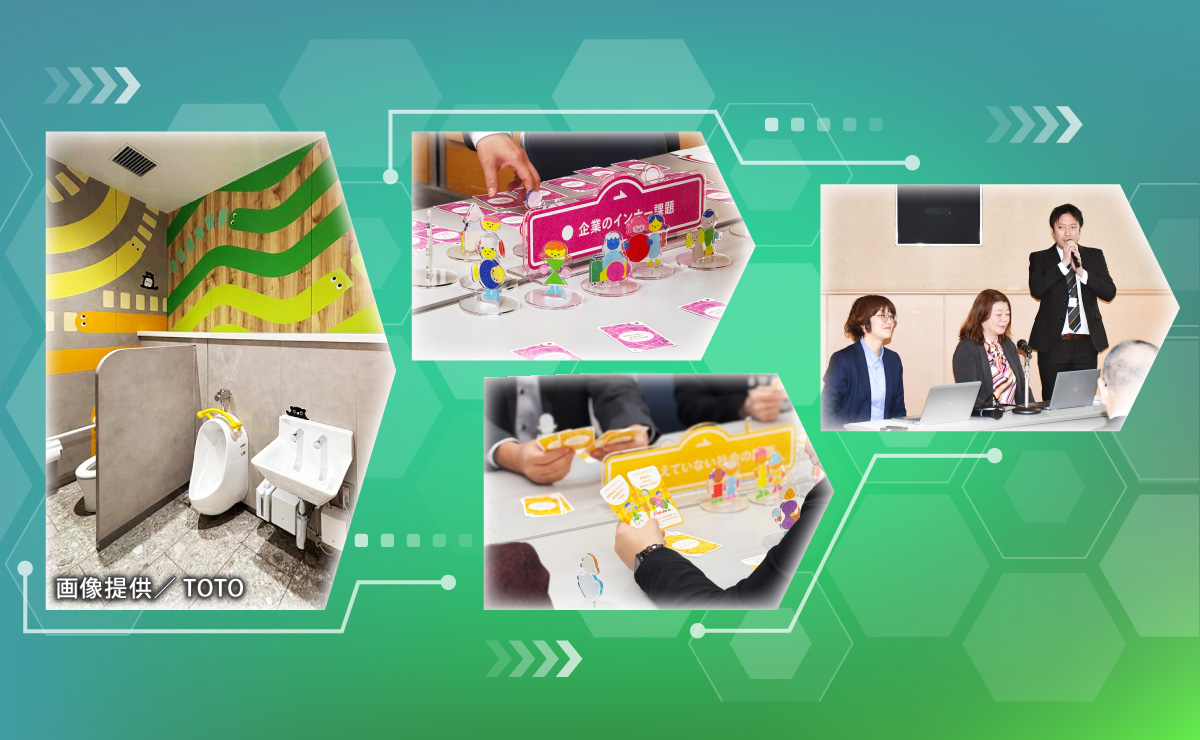
Amid this trend, the “Renovation of Restrooms Inside the Ticket Gates at Sapporo Station” stands out as a symbolic DEI initiative by JR Hokkaido.
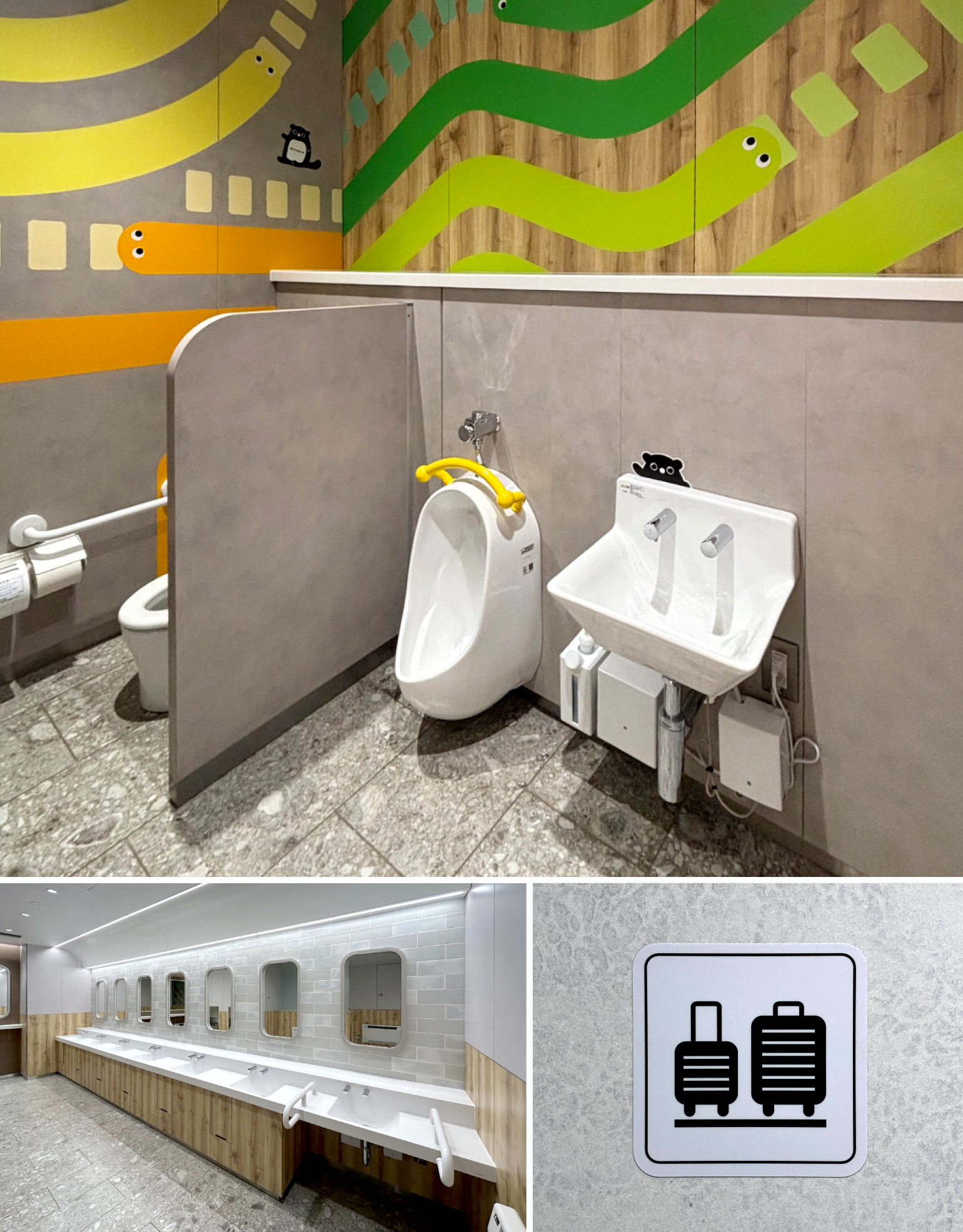
At Sapporo Station, Hokkaido’s largest terminal station, preparations are underway for the extension of the Hokkaido Shinkansen to Sapporo. In line with these developments, an internal open-call project was launched in March 2025, targeting 70 employees from the architecture department.
Reflecting the ideas from this initiative, the restrooms inside the conventional line ticket gates have been renovated to include new children’s restrooms, powder rooms in the men’s restrooms, and self-contained shared restrooms.
Prioritizing cleanliness and warmth, the design ensures ease of use for a diverse range of people from Japan and abroad, including families with children, seniors, and travelers. The concept of “warm and welcoming restrooms for a diverse range of customers” has also raised internal awareness of DEI and won an award (*).
*Received the Encouragement Award and the Public Vote Award (first place) in the Architectural Works category of the 2025 JTA (Japan Toilet Association) Toilet Grand Prix. This marks the first time a railway company has been selected for this award. From https://info.jp.toto.com/com-et/jirei/2611/
Below, three employees of Dentsu Inc.—Teraoka, Masuyama, and Tanaka—explain this latest DEI challenge by JR Hokkaido, following the renovation of the restrooms inside the ticket gates at Sapporo Station. We also share how we supported the project and insights on fostering a DEI mindset.
Dentsu Inc. Supports JR Hokkaido’s DEI Training (From Mayumi Teraoka’s Perspective)
I typically work as a planner and creative at Dentsu Hokkaido Inc., while also participating in “Zenkatsu,” a volunteer-driven DEI project aimed at promoting the active participation of all Dentsu Hokkaido Inc. employees (*).
Furthermore, through dentsu DEI innovations, I have organized hands-on sessions to promote awareness and utilization of the various DEI solutions offered by Dentsu Inc. This allowed me to learn, even while based in Hokkaido, what solutions the Dentsu Group offers and who specializes in each area.
Through Zenkatsu, in addition to publishing the DEI series “Teyan DEI!” on Dentsu Hokkaido Inc.’s official Note account “Hokkaido Kika Club,” we are focusing our efforts on solving DEI challenges, particularly regarding women’s empowerment in Hokkaido, where the Gender Gap Index remains persistently low.
To date, Zenkatsu has built a relationship with the JR Hokkaido Development Division through various cross-industry exchanges related to DEI.
*Dentsu Hokkaido Inc. Official Note: "Teyan DEI!" by Zenkatsu https://note.com/kikakulove/m/m7ae9e37e9c62
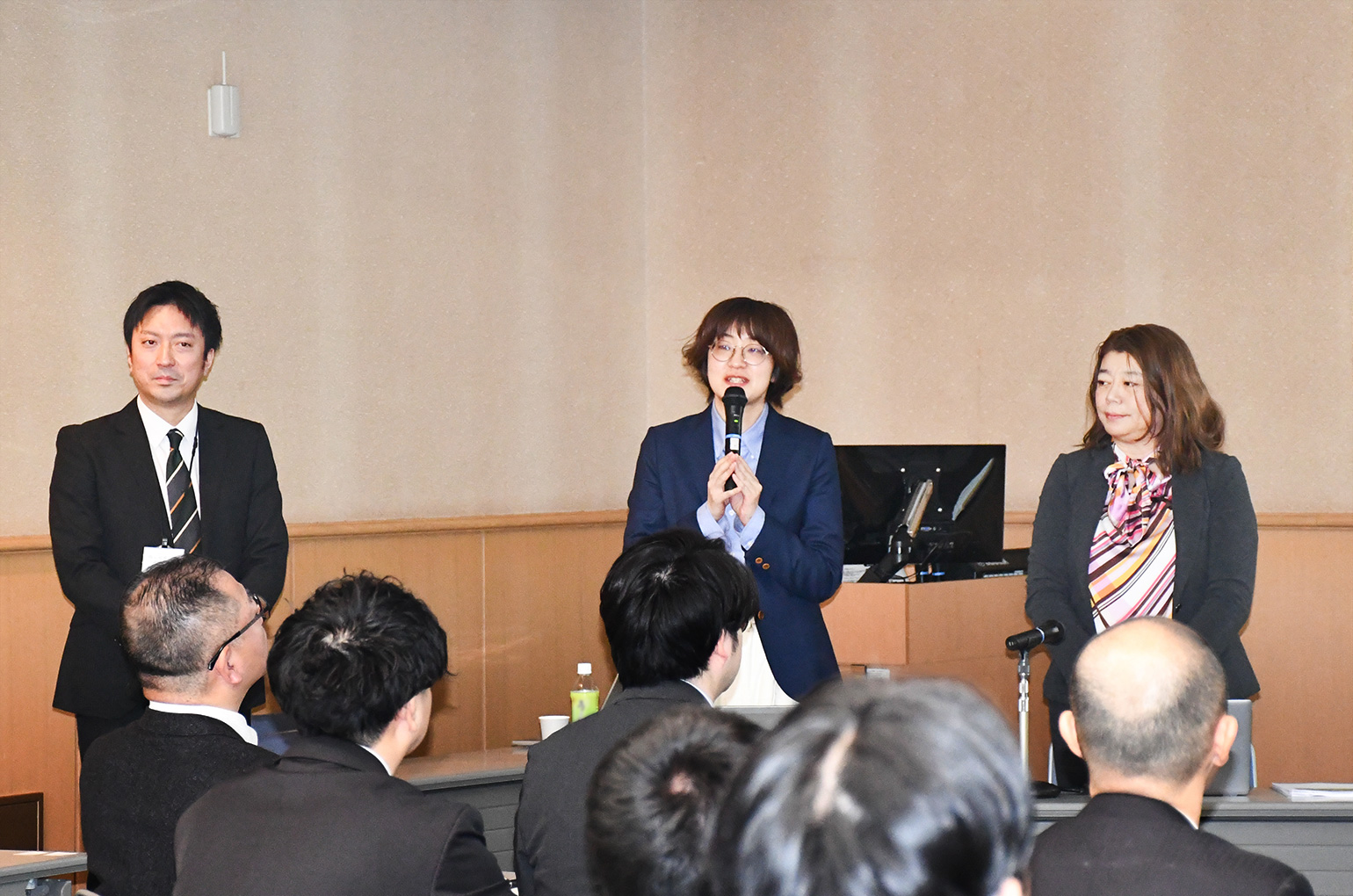
Inspired by these interactions, a group of volunteers from JR Hokkaido approached us to discuss internal DEI training. Responding to their desire to “initiate DEI transformation both internally and externally from the Development Business Headquarters,” we proposed a series of seminars and workshops.
For this project, I took on the role of producer, overseeing the overall process. I formed a team with Masuyama, who has extensive experience in DEI seminars and workshops, and Tanaka (also a Zenkatsu member), who works on DEI initiatives in HR at Dentsu Hokkaido Inc. We also brought in the business producer in charge of JR Hokkaido to develop content tailored to JR Hokkaido’s DEI awareness efforts and the company’s internal and business challenges.
There were two reasons for adopting this approach. First, I wanted to build on the connections formed through past activities at Zenkatsu and Dentsu DEI Innovations and bring them to fruition in the best possible way. Second, while many Dentsu Hokkaido Inc. members still view DEI as an “internal matter,” I wanted them to realize that “DEI is not just an internal initiative, but also connects to work that improves our clients and society at large.”
We also wanted the volunteer members of JR Hokkaido—who were undertaking DEI training for the first time—to feel that this initiative would have a positive impact both inside and outside the company. To achieve this, we carefully listened to their challenges and held numerous meetings.
First, we held a basic seminar so that even those who were asking, “What is DEI?” could participate with enthusiasm. For the subsequent workshop, we proposed implementing the “Cocokara Journey” (*), which comprehensively addresses a wide range of issues.
*Cocokara Journey =
A workshop-based solution to support DEI promotion
https://www.dentsu.co.jp/news/release/2022/0627-010529.html
Having actually implemented it this time, I truly felt that the “Cocokara Journey” is extremely helpful for identifying client challenges and driving business growth. In the sense that it allows us to explore ways to solve organizational challenges and provide value to society, I also feel that we have taken a step forward as an IGP (Integrated Growth Partner), a role championed by dentsu Japan. Since I’ve taken on the role of “IG Planner” (*) this year, I felt this even more strongly.
*IG Planner = Integrated Growth Planner. A strategic planner who supports clients’ business growth beyond just advertising.
Connecting these three elements—Dentsu Hokkaido Inc.’s consistent focus on clients, Zenkatsu’s steady accumulation and communication of DEI initiatives, and the insights gained by dentsu DEI innovations through the development of creative and engaging solutions like “Cocokara Journey”—was a major achievement for me this time.
Fostering Personal Connection Through Fundamentals and Case Studies (Akira Masuyama’s Perspective)
Given my extensive experience with DEI seminars, I served as the instructor for a DEI seminar held within JR Hokkaido’s Development Business Headquarters, representing dentsu DEI innovations.
Although Hokkaido and Osaka, where I am based, are far apart, we held numerous remote preparatory meetings. Furthermore, on the day before the seminar, we collaborated with a group of volunteers from JR Hokkaido on setup and rehearsals, making preparations for JR Hokkaido’s first-ever DEI training session.
On the day of the event, approximately 90% of the Development Business Division employees participated in this inaugural DEI training. We could sense their strong determination to “unite as an organization, take DEI seriously as a personal responsibility, and tackle it as a business challenge,” which made us at Dentsu Inc. feel a renewed sense of purpose.
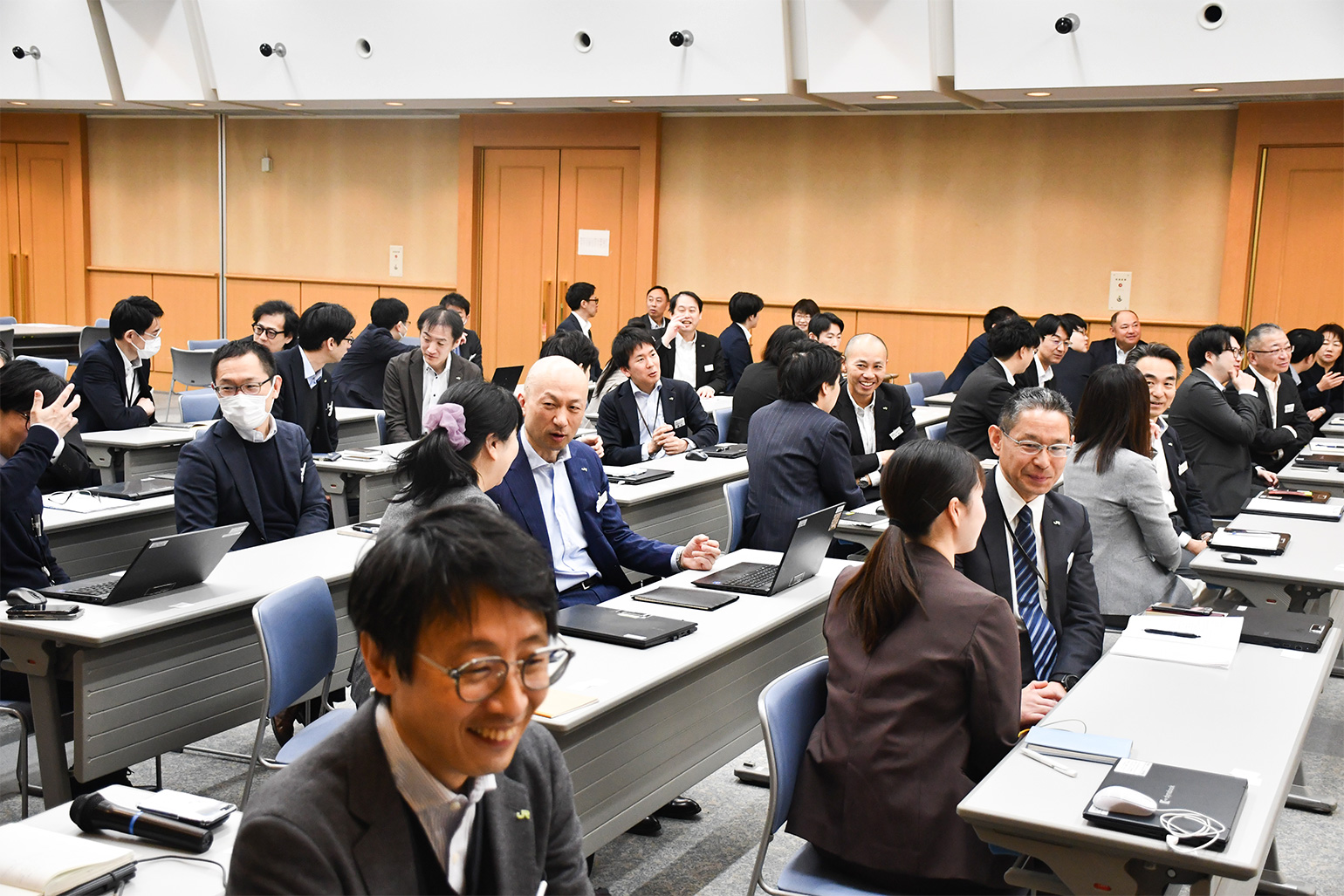
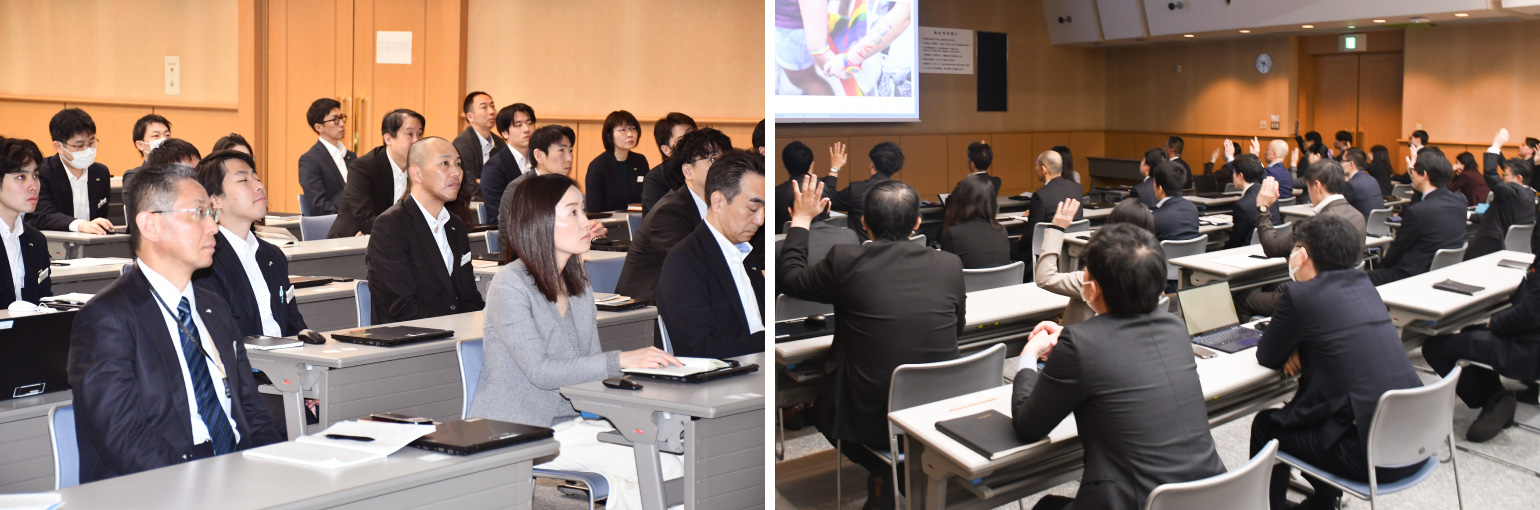
The seminar began with an icebreaker where participants were instructed to converse based on the rule of excluding common demographic labels such as gender, age, and job title. By setting this rule to exclude such attributes and instead discussing hobbies or favorite books, the exercise aimed to help participants recognize and free themselves from “unconscious biases” tied to those labels. It was designed to let them experience how this leads to the creation of new relationships and forms of communication.The surprise of realizing, “I can actually have such a lively conversation with this person!” helps broaden one’s own perspective.
Tense expressions gradually softened, and the atmosphere became so lively that conversations seemed to go on forever. It was evident that positive communication was already taking place within the company.
In the DEI basics seminar, we explained DEI (Diversity, Equity, and Inclusion) in a way that encouraged each participant to relate the concepts to their own lives as much as possible.
For example, in the topic of universal design—which is essential for urban infrastructure—we considered the DEI challenges hidden within a stylish grand staircase.

As an example of a situation requiring reasonable accommodation,
- “Barrier-free” refers to retrofitting with elevators
- "Universal design" involves installing escalators from the outset
- “Inclusive design” is based on accessibility for “everyone,” so various stakeholders participate from the design phase
We shared these concepts.
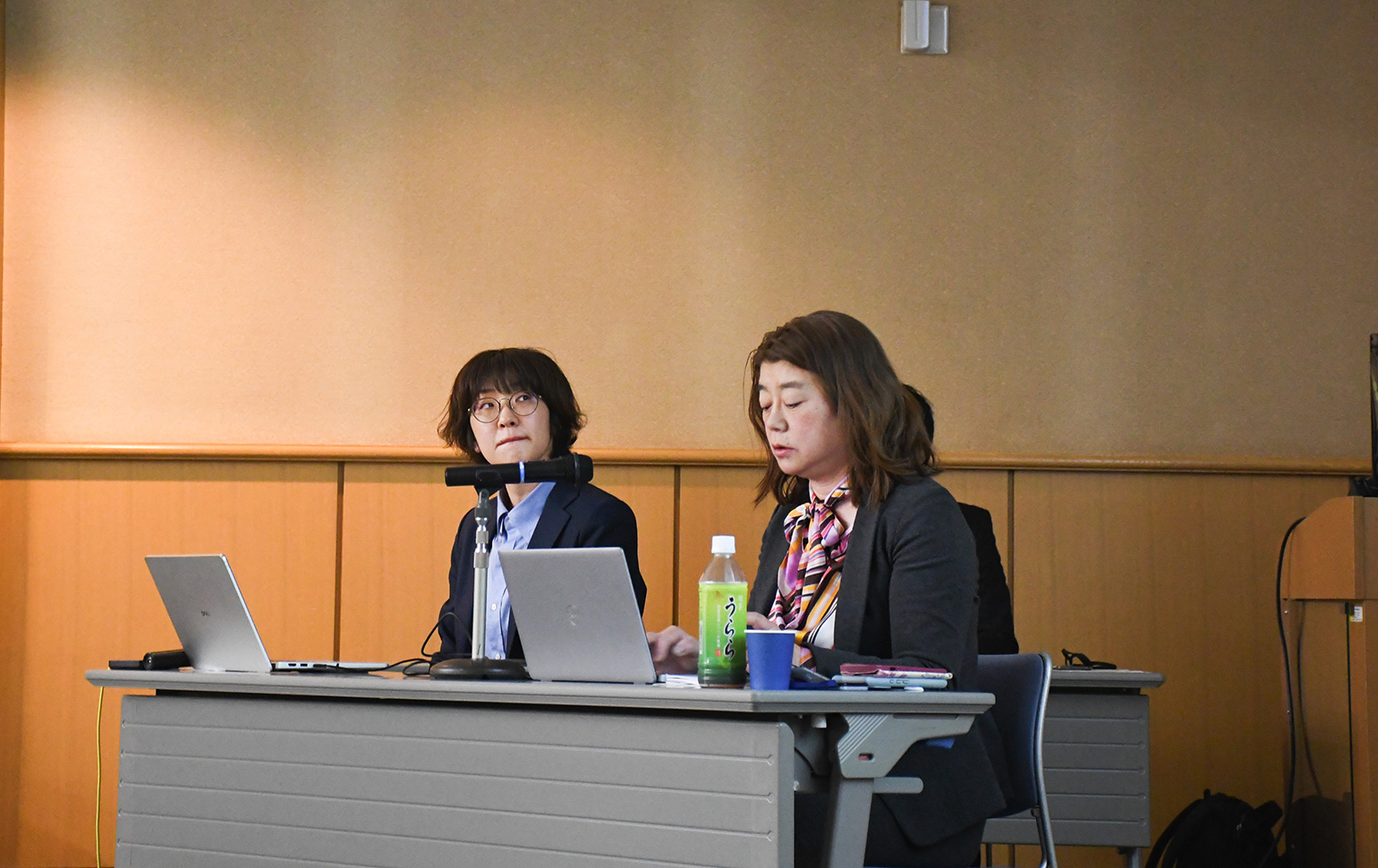
Additionally, in a session on the second day following the seminar—timed to coincide with International Women’s Day—we presented case studies of women’s empowerment, focusing on companies with ties to Hokkaido. These ranged from examples of former state-owned, large-scale enterprises with business models similar to JR Hokkaido to specific Hokkaido-based companies.
In the section on familiar advertising examples, we introduced commercials that reflect the realities of an aging society, same-sex partnerships, and single-parent households. This led to feedback that participants realized DEI is a more everyday issue than they had previously thought.
In the disability section, the lecture began with mini-quizzes to verify data, such as “What percentage of the Japanese population has a disability?” and in the gender section, “What percentage of the Japanese population is LGBTQ+?” Grasping objective facts serves as an opportunity to reconsider what “everyone” means in the broadest sense.
We also received feedback stating that the DEI philosophy—"There are as many definitions of 'normal' as there are people"—was felt to be essential not only for work but also as a fundamental principle for interpersonal relationships.
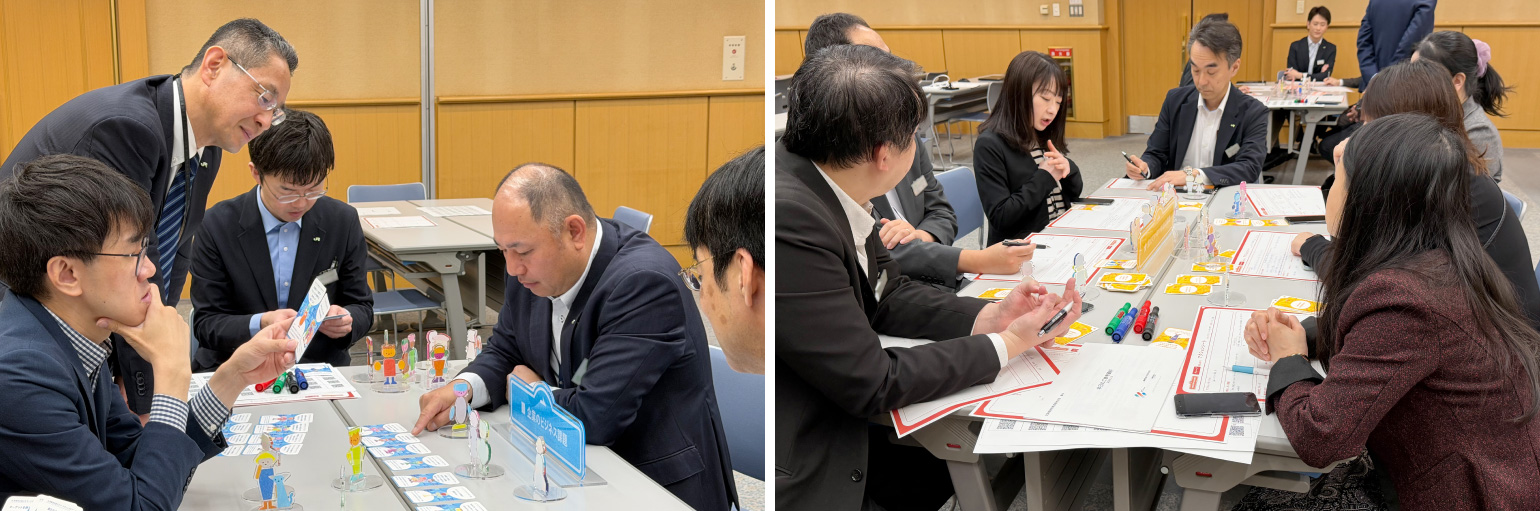
Next, using this DEI seminar as a guide, participants took on the “Cocokara Journey,” a card-game-style DEI solutions workshop. The common theme for this workshop was “DEI challenges JR Hokkaido must address and their solutions.”
Divided into five teams, participants discussed concrete actions using cards and topics—such as “societal challenges,” “corporate challenges,” and “challenges faced by those directly affected”—based on their individual interests and relevance to their work.
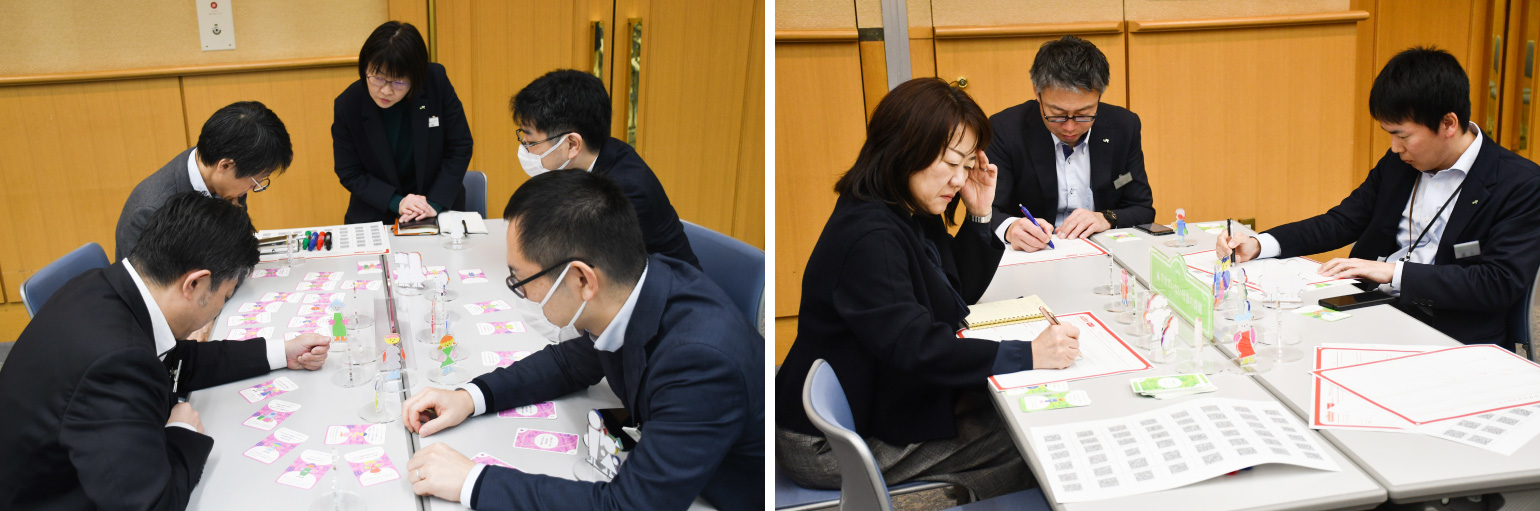
The cards include QR codes linking to various DEI-related articles. For example, one of the cards under “Unresolved Social Issues” links to an article titled “Video Games That Boost Motivation and Confidence in the Elderly,” offering insights into the kinds of activities society can provide.
As Mr. Teraoka mentioned in his segment, the Kokokara Journey is an effective method for connecting “company challenges,” “societal challenges,” and “stakeholder challenges.” Once again, the session became a lively forum where ideas inspired by daily work were actively exchanged.
Supporting Companies Through DEI (Naoya Tanaka’s Perspective)
In my daily work at Dentsu Hokkaido Inc., I promote DEI from an HR perspective. For many years, I have been responsible for everything from identifying internal challenges—such as “difficulties in the workplace”—to planning and implementing initiatives. Drawing on my experience in obtaining public certifications related to DEI, I observed the discussions among the JR Hokkaido team members while keeping in mind concrete KPI settings and the concept of accompanying them through the process.
At the end of the workshop, each team shared their identified challenges and presented concrete action plans one after another—plans that could be implemented immediately while still taking a management perspective into account.
Examples of these action plans included:
- Opening company buildings as community spaces for local children, providing community kitchens and activities to contribute to the local community
- Creating new value by fostering communication between the railway and development divisions
A wide range of ideas emerged, from those that could be implemented immediately to those representing the first steps toward addressing broader management challenges.
By having each individual think about and discuss how to leverage the assets and resources held by the company and teams across departmental boundaries, new businesses and value can be created. DEI may be the key to drawing out the perspectives, insights, and ideas of all internal stakeholders.
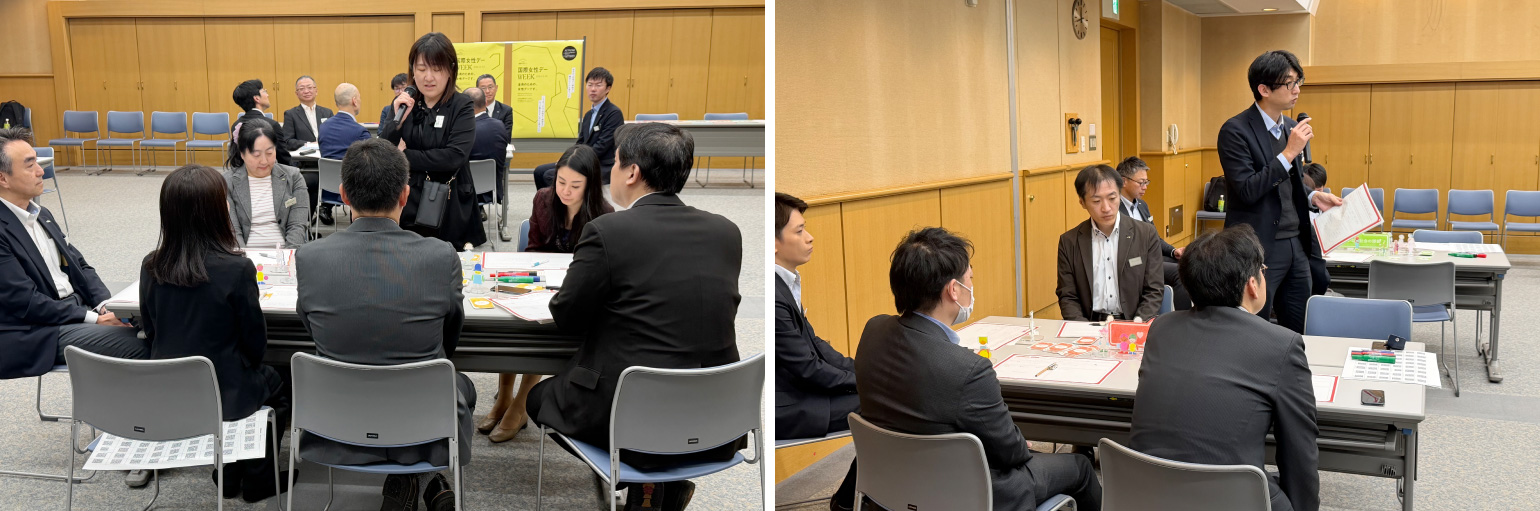
In the survey, over 80% of participants expressed satisfaction regarding both “changes in DEI awareness before and after the seminar” and “impressions of the seminar and workshop,” a pleasing result that indicates we were able to provide valuable insights for JR Hokkaido’s DEI reform.
We also see significant results in the fact that even those who answered in the pre-survey that they “lacked confidence in their DEI literacy” or “attended because the company recommended it” reported after the seminar and workshop that their “perspective had broadened” and their “interest had increased,” indicating that they were able to internalize the broad theme of DEI from their own unique perspectives.
What surprised even us—having conducted numerous training programs—was the high volume of open-ended responses.
“I realized that DEI is a very important concept in Japan, where the population is declining and aging.”
“It was great to be able to update my values through the seminar.”
“Hearing the perspectives of various people during the workshop was very helpful.”
“I felt that regularly reflecting on and discussing DEI—both individually and as a group—is the first step toward deepening our understanding.”
These comments show that participants understood DEI as a personal issue and that sharing opinions during the workshop further broadened their perspectives.
This time, as Dentsu Inc. members led the training, we were reminded of the importance of not stopping at the training itself, but of connecting it to “next steps.” In addition to identifying internal and business challenges within the company during the session, we need to connect the dots—using “DEI awareness” as the key to transforming both the company and society—to create a clear roadmap.
It is important to establish the necessary structures by obtaining public certifications such as “Eruboshi” and “Kurumin,” and it is equally important to address the challenges faced by each individual so that people from diverse backgrounds can experience “inclusion.”
At dentsu Japan, while advancing initiatives across the entire group, we will support corporate DEI actions from both internal and business perspectives, drawing on insights gained through practical experience.
Was this article helpful?
Share this article


Newsletter registration is here
We select and publish important news every day
For inquiries about this article
Back Numbers
Author
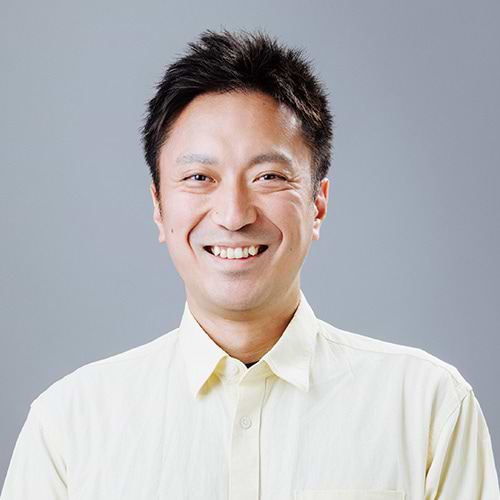
Naoya Tanaka
Dentsu Hokkaido Inc.
Management Administration Bureau, General Affairs and Human Resources Department
Articles by this person
Mayumi Teraoka
Dentsu Hokkaido Inc.
Experience Production Bureau, Growth Planning Department
IG Planner
Articles by this person
Akira Masuyama
Dentsu Inc.
Marketing Division 6
Creative Director
