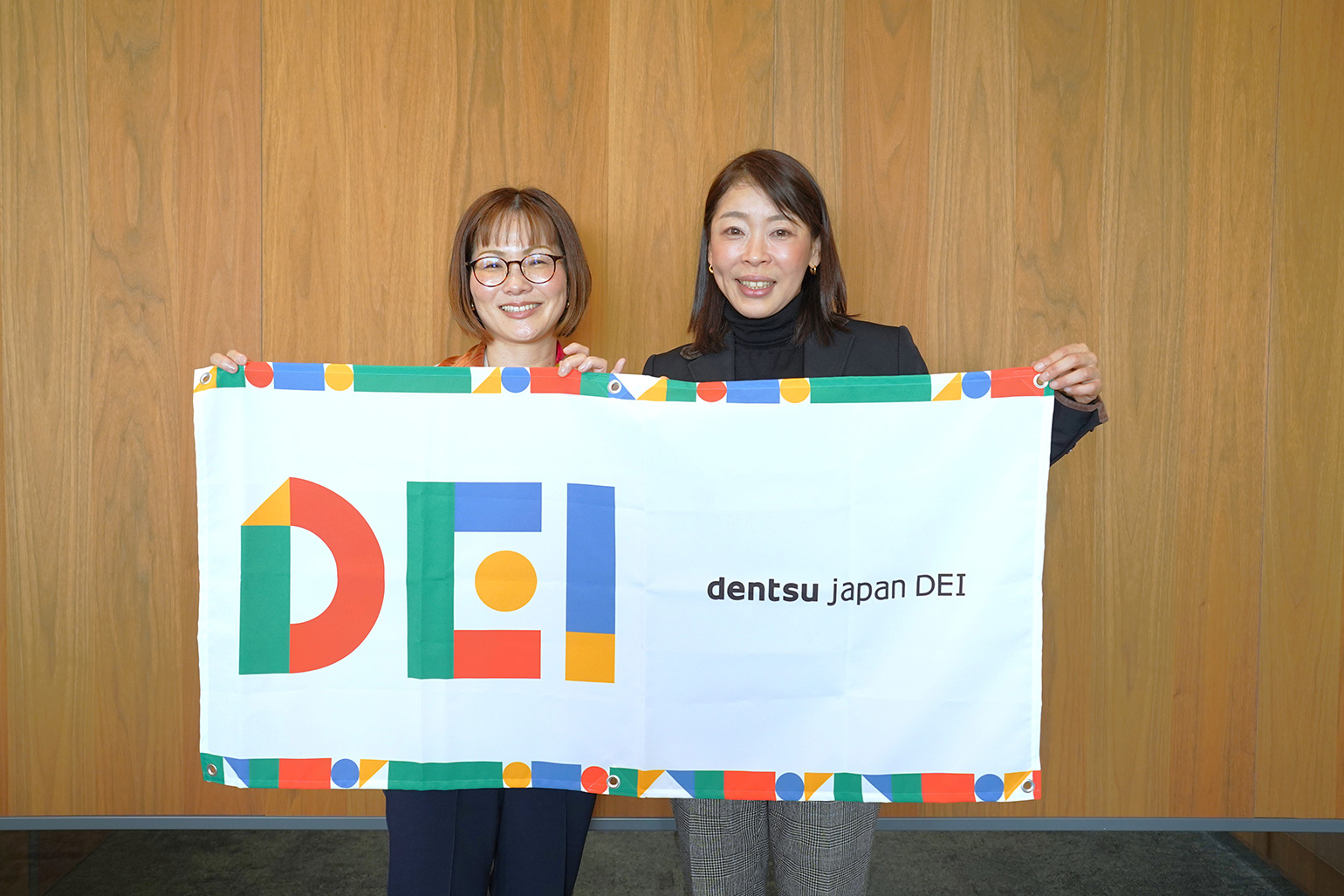
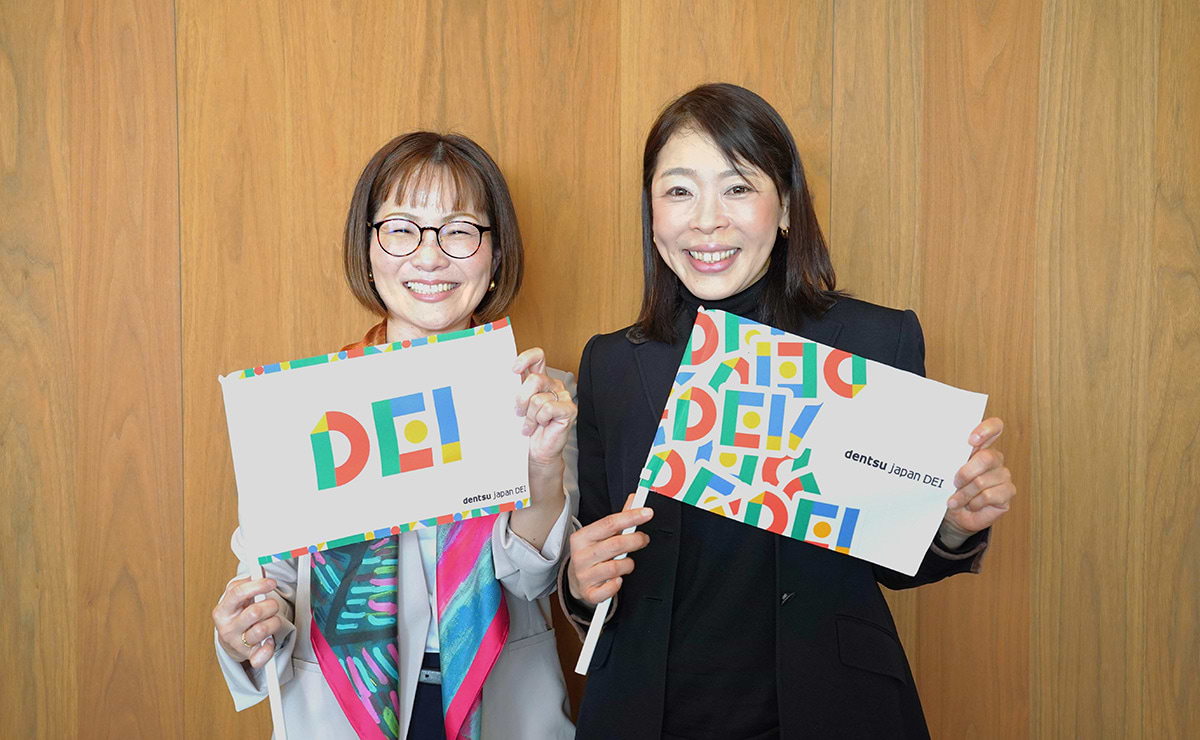
The Persol Group and dentsu Japan aim to create organizations and a society where every individual can thrive through DEI (Diversity, Equity & Inclusion) initiatives.
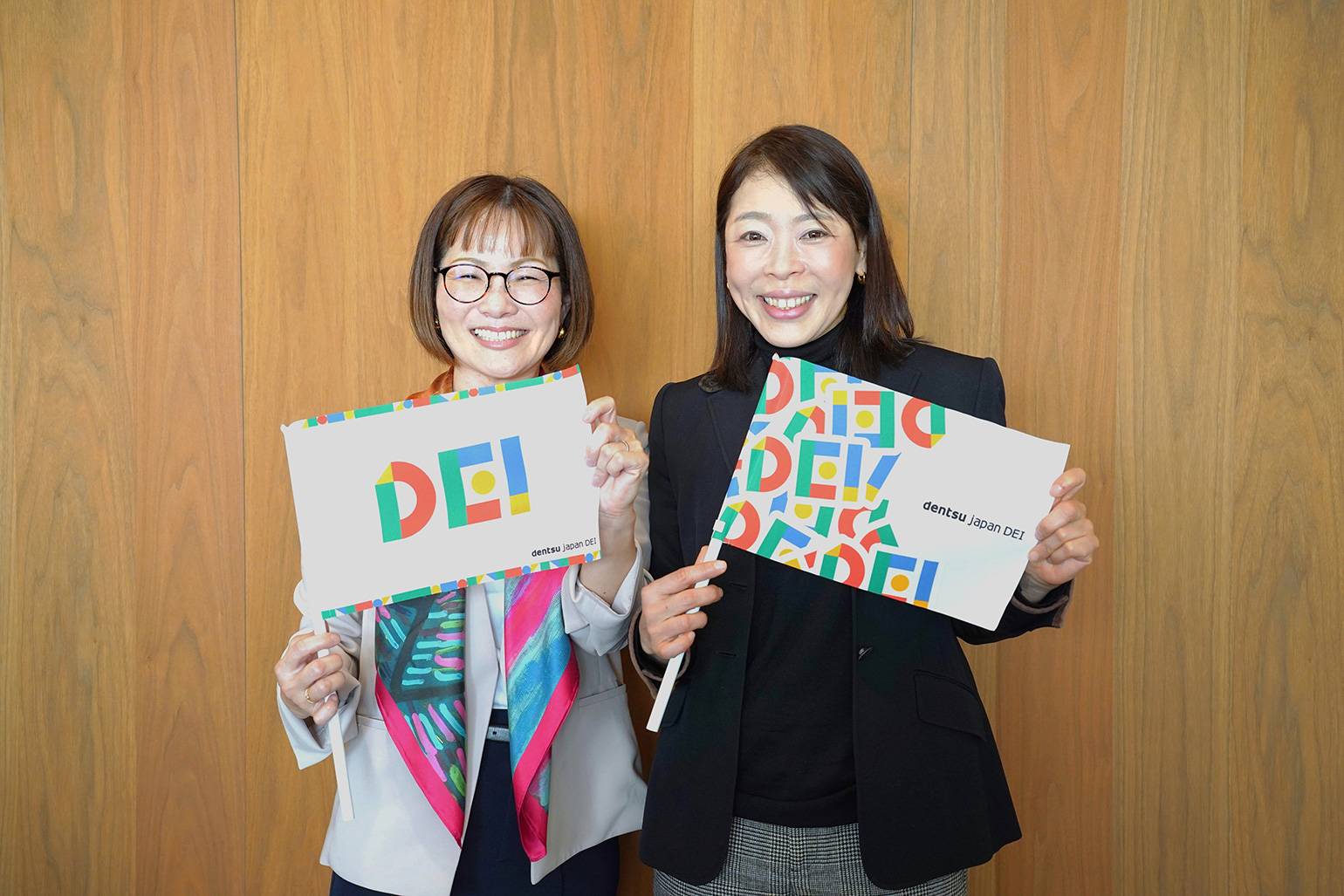
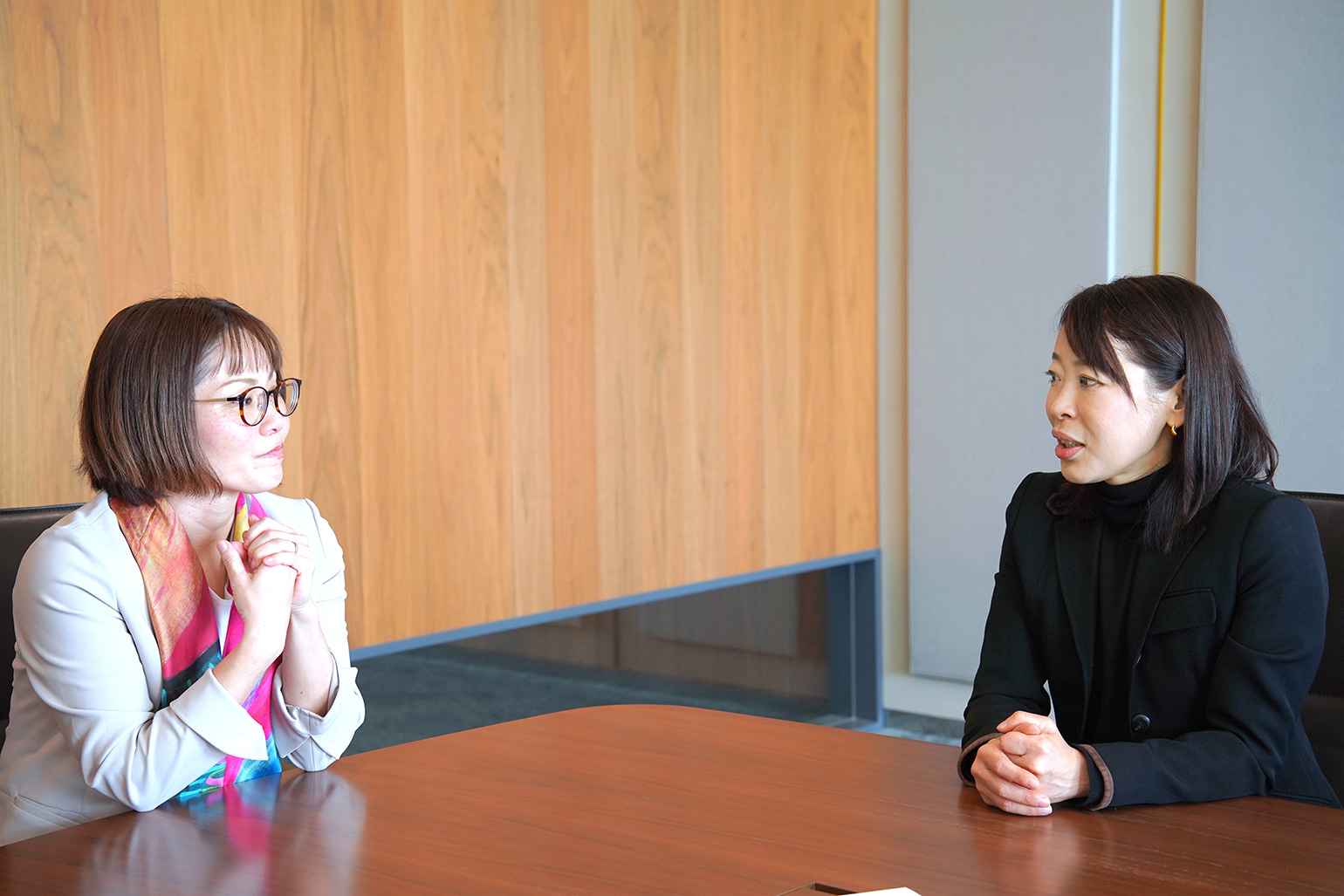
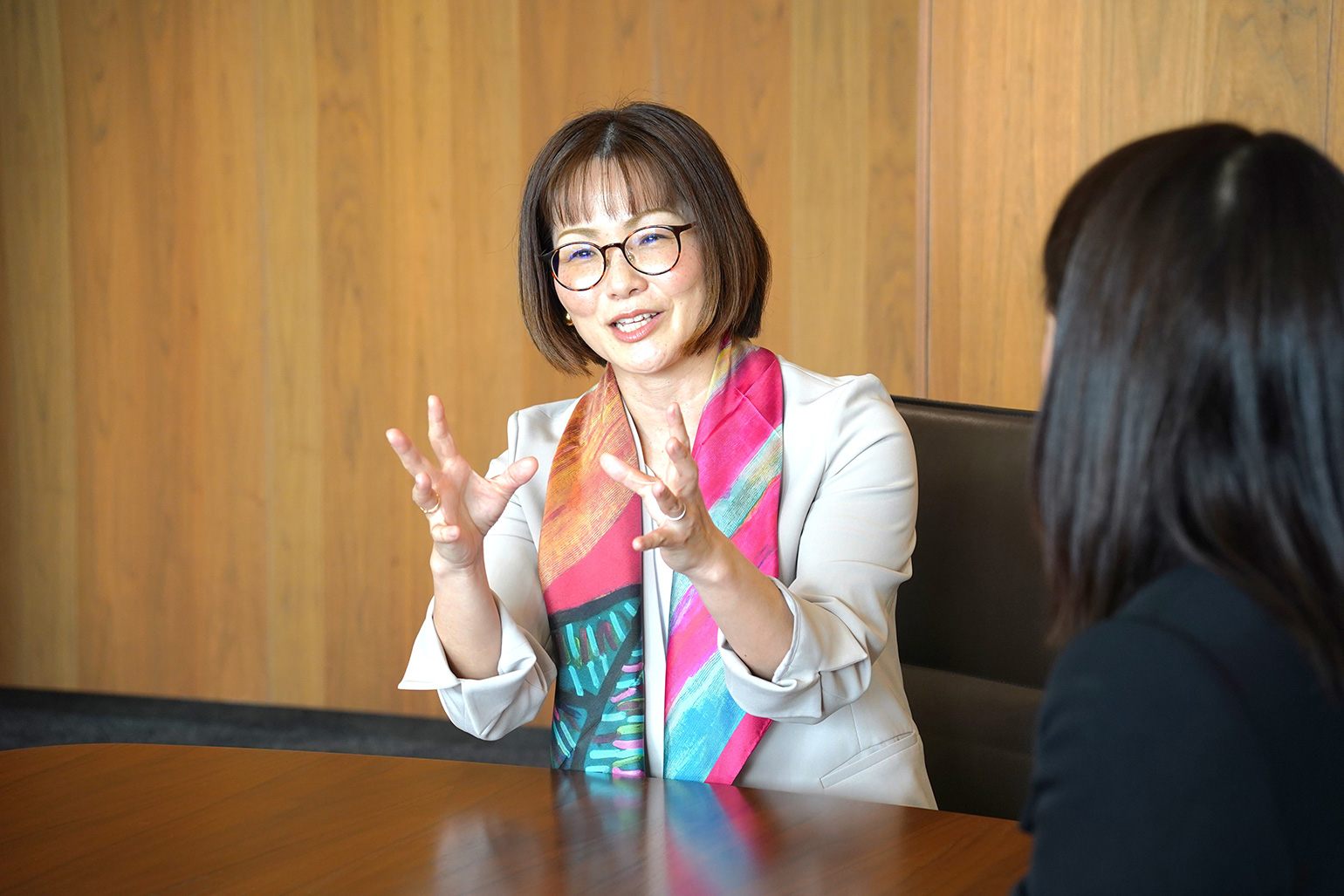
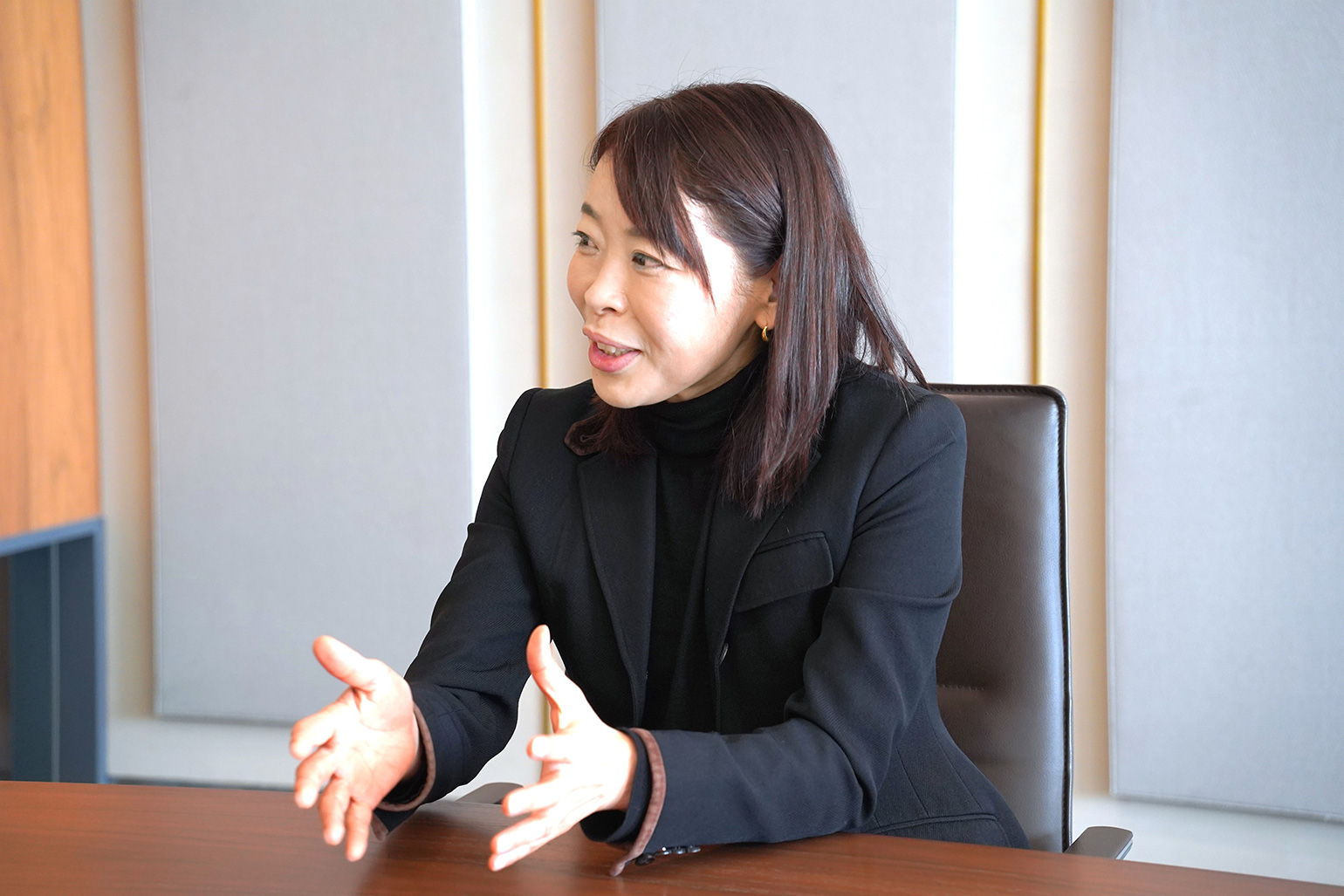
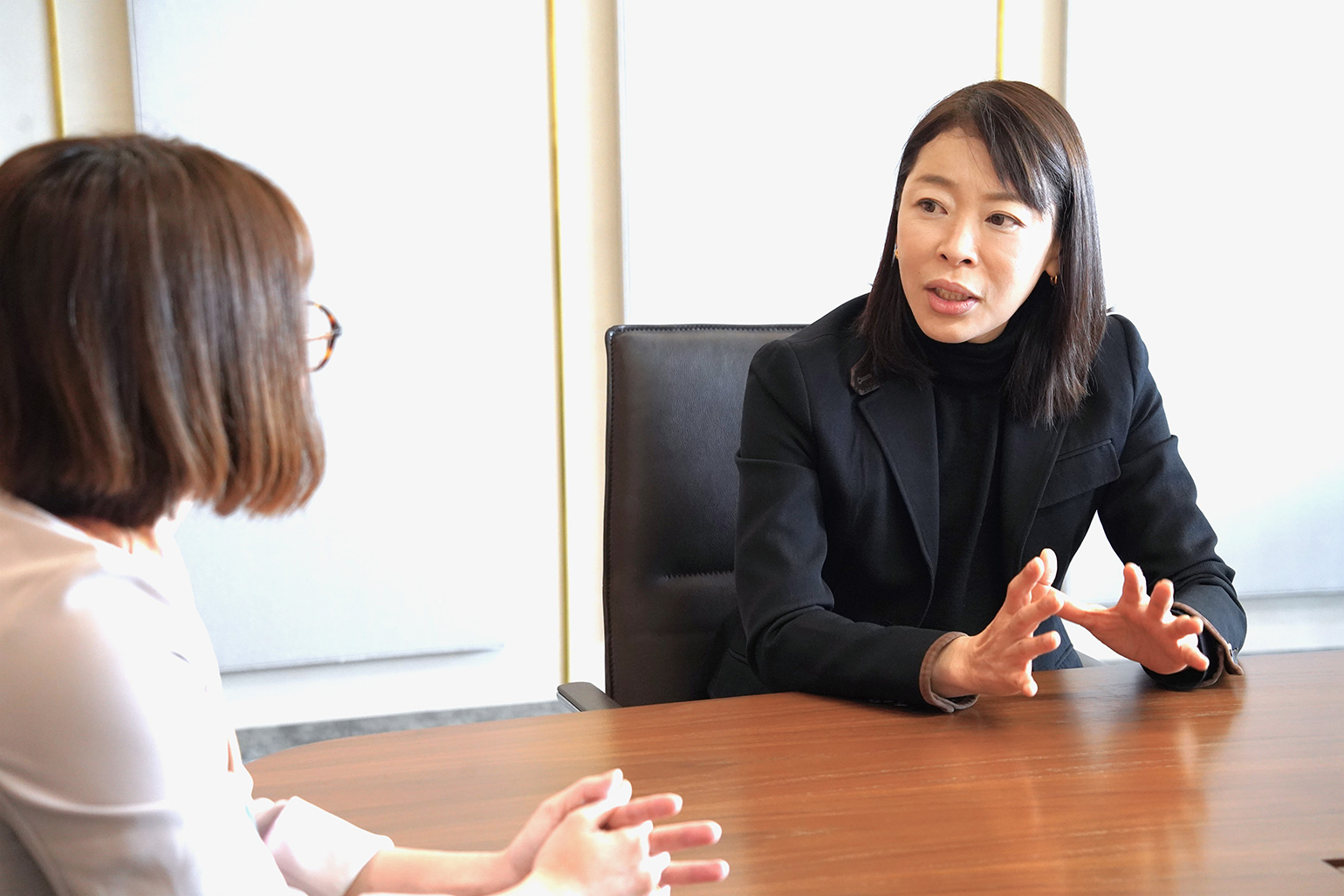
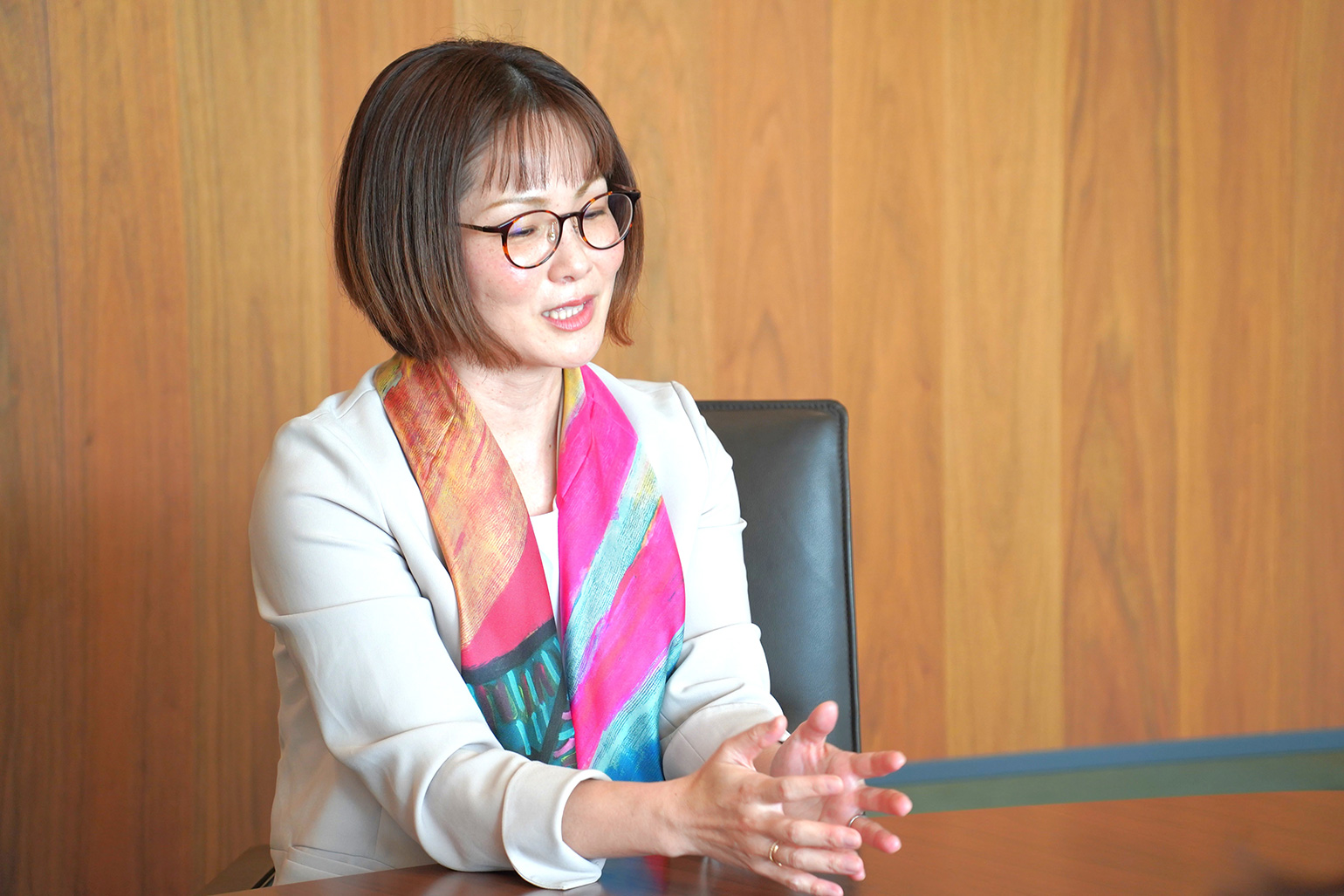
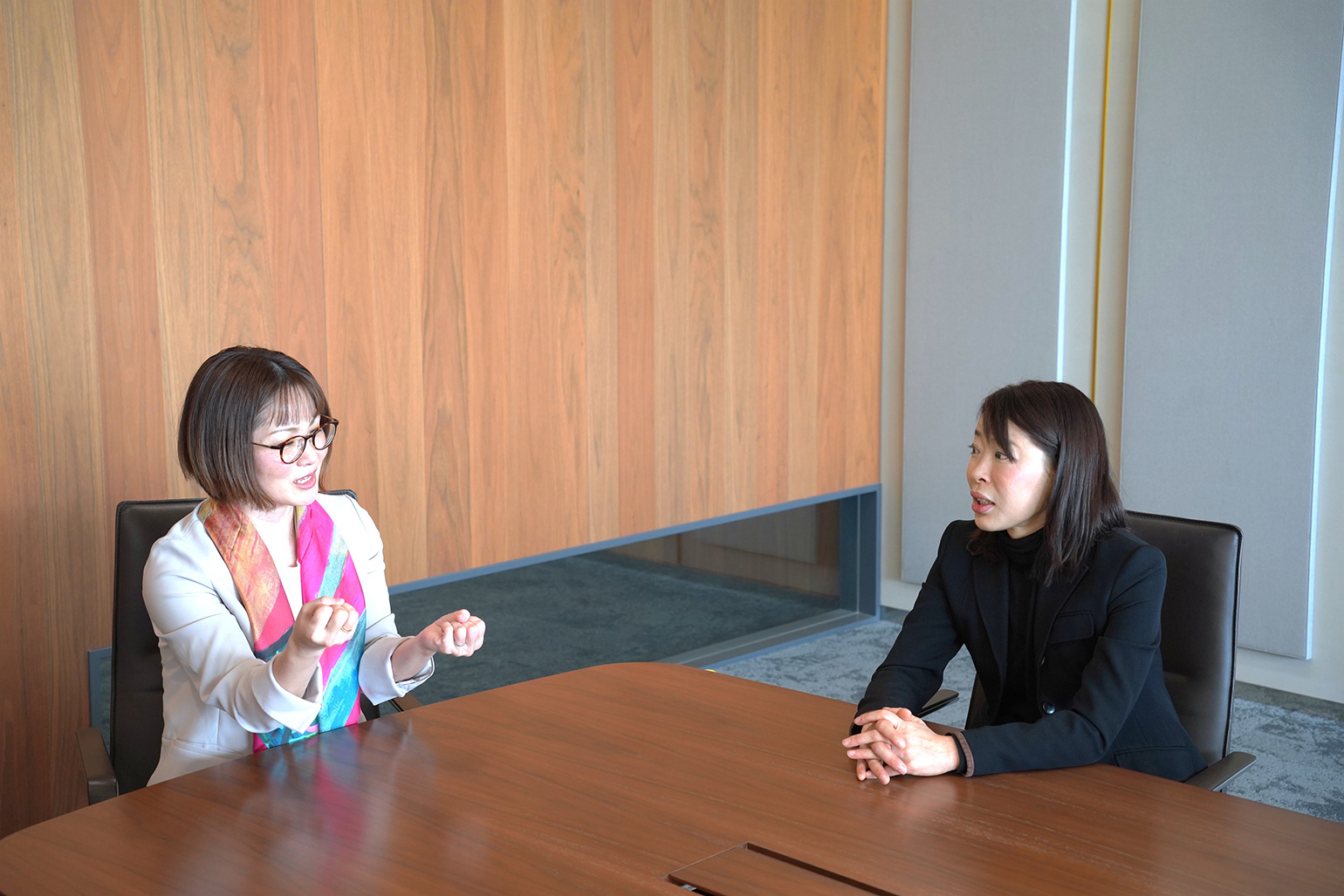
Kyoko Kita, Executive Officer and Chief Gender Diversity Officer (CGDO) of the Persol Group and Chair of the Gender Diversity Committee, held a discussion with Atsuko Kuchiba, who has been appointed Chief Diversity Officer (CDO) of dentsu Japan.
To continuously create new value by unlocking the potential of diverse individuals and combining their strengths, dentsu Japan promotes DEI through a bottom-up approach under the motto of “everyone thriving,” encompassing its approximately 24,000 employees. In this conversation, they discussed how to advance DEI rooted in their respective corporate cultures and business characteristics, as well as the future they envision beyond that.
Kita: Mr. Kuchiba, you were appointed Chief Diversity Officer (CDO) effective January 1, 2024. Could you tell us about your career path leading up to this appointment?
Kuchiba: I began my career as a local employee at Dentsu Inc.’s Thailand office. After that, I joined Dentsu Inc. in Japan and gained experience in the marketing field. Then, in 2024, to take on the challenge of promoting employment for people with disabilities—something I had long wanted to work on—I volunteered to be seconded to Dentsu Solari Inc., a special-purpose subsidiary, and was appointed to the company’s board of directors. At the same time, I was also appointed as CDO of Dentsu Japan.
Kita: When you say you’ve “long wanted to work on employment for people with disabilities,” was there a specific experience that inspired that?
Kuchiba: When I was in elementary school, one of my close friends had Down syndrome. As we spent time together, I found his unexpected ideas and behaviors truly fascinating. Through that experience, I think I naturally came to feel that “differences” are not limitations, but can be sources of value.I believed that by leveraging the power of ideas and technology that Dentsu possesses, we could challenge society’s current stereotypes and create an environment where diverse people can collaborate. That belief was the foundation of my decision to take on this role.
Mr. Kita, you were appointed to the position of CGDO in April 2025, correct? Could you tell us about the process leading up to your appointment?
Kita: After joining Persol Career, I was involved in a wide range of human resources businesses, including mid-career hiring, temporary staffing, and part-time work. Throughout that time, I consistently felt the potential for collaboration that arises when diverse people come together.When the Gender Diversity Committee was established in 2021, I accepted the role of chairperson, and in April 2025, I was appointed as CGDO. Actually, this isn’t the first time the Persol Group has made a serious commitment to DEI, particularly women’s advancement. There have been times in the past when momentum built up, but we weren’t able to achieve sufficient results, and our efforts didn’t continue.
Kuchiba: Given that background, what made you decide to take on the role of chairperson?
Kita: The biggest factor was the clear commitment from top management. When Takao Wada assumed the role of President and CEO in 2021, he demonstrated a genuine commitment to tackling this as a management priority. The Persol Group champions the motto “Work and Smile,” and as a company aiming for a society where diverse people can thrive, we have no credibility unless we embody that ourselves first. Seeing that resolve demonstrated by management, I made up my own mind and decided to accept the role.
Kuchiba: At dentsu Japan, too, our key concept for DEI is “Everyone Thriving.” Just like at Persol, people are our sole and greatest asset. When diverse professionals with specialized expertise and unique qualities come together, we can create new value to address the increasingly complex challenges faced by our clients and society. Conversely, if individuals are unable to fully utilize their abilities, it poses a significant risk to the organization and means we are voluntarily giving up opportunities for growth.In 2022, we established the position of CDO and have been working to foster a culture where every employee respects one another’s differences.
Management Takes Responsibility: Persol’s Data-Driven Approach to Promoting DEI
Kuchiba: How exactly is Persol promoting DEI?
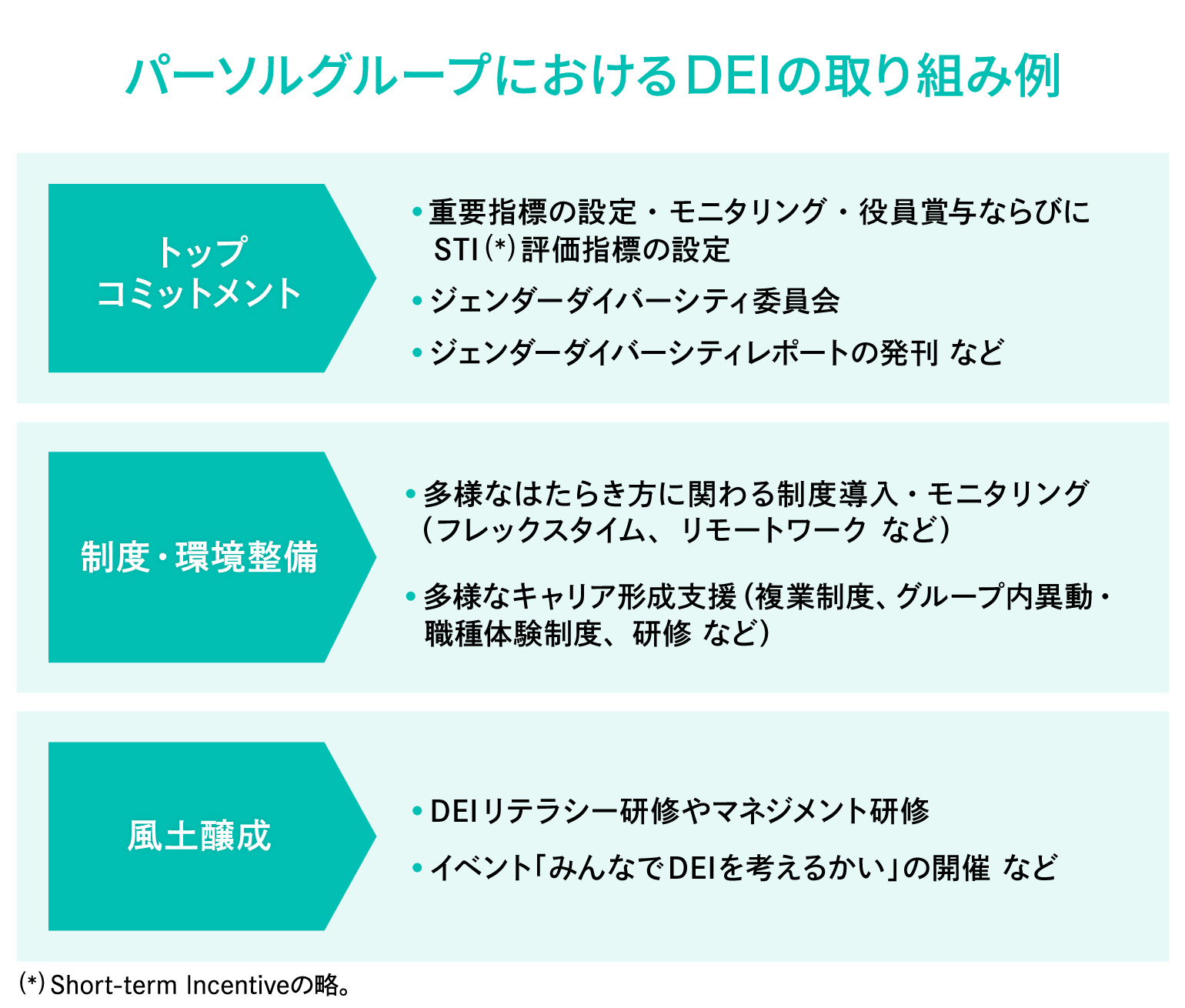
Kita: We have established three main pillars. The first is “Top Management Commitment,” the second is “Establishing Systems and Environments,” and the third is “Cultivating a Culture.”
Kuchiba: I imagine that because your core business focuses on human resources, promoting and embedding DEI has been relatively smooth.
Kita: It’s true that, given the nature of our business, I believe we are an organization with a high sensitivity to human capital. Even before terms like “diversity” and “inclusion” became widespread, we were already implementing measures that incorporated these concepts, but there was more room for growth than we had imagined.
For example, while the gender ratio for new graduates joining the Persol Group averages roughly 5:5, at the managerial level, the ratio was 7:3 or even 8:2. We realized that, without even realizing it, there might be factors affecting women’s promotions.
First, we needed to reexamine the assumption that “we’re already doing well” and shift our mindset to recognize that “there are aspects we haven’t seen” and “we can certainly do better.” That’s why we set out to cultivate a new corporate culture.To foster a proper understanding and acceptance of diversity, as well as to make awareness and management of unconscious bias a habit, we conducted e-learning literacy training for over 20,000 employees across our domestic group at the time. Furthermore, we also provide DEI management training for all management levels. We have been laying the groundwork to move from the stage of merely thinking we understand to the stage of making structural changes.
Kuchiba: It’s quite revealing that, precisely because we’re in the human resources business, there was an underlying assumption that “we were already doing it right.”
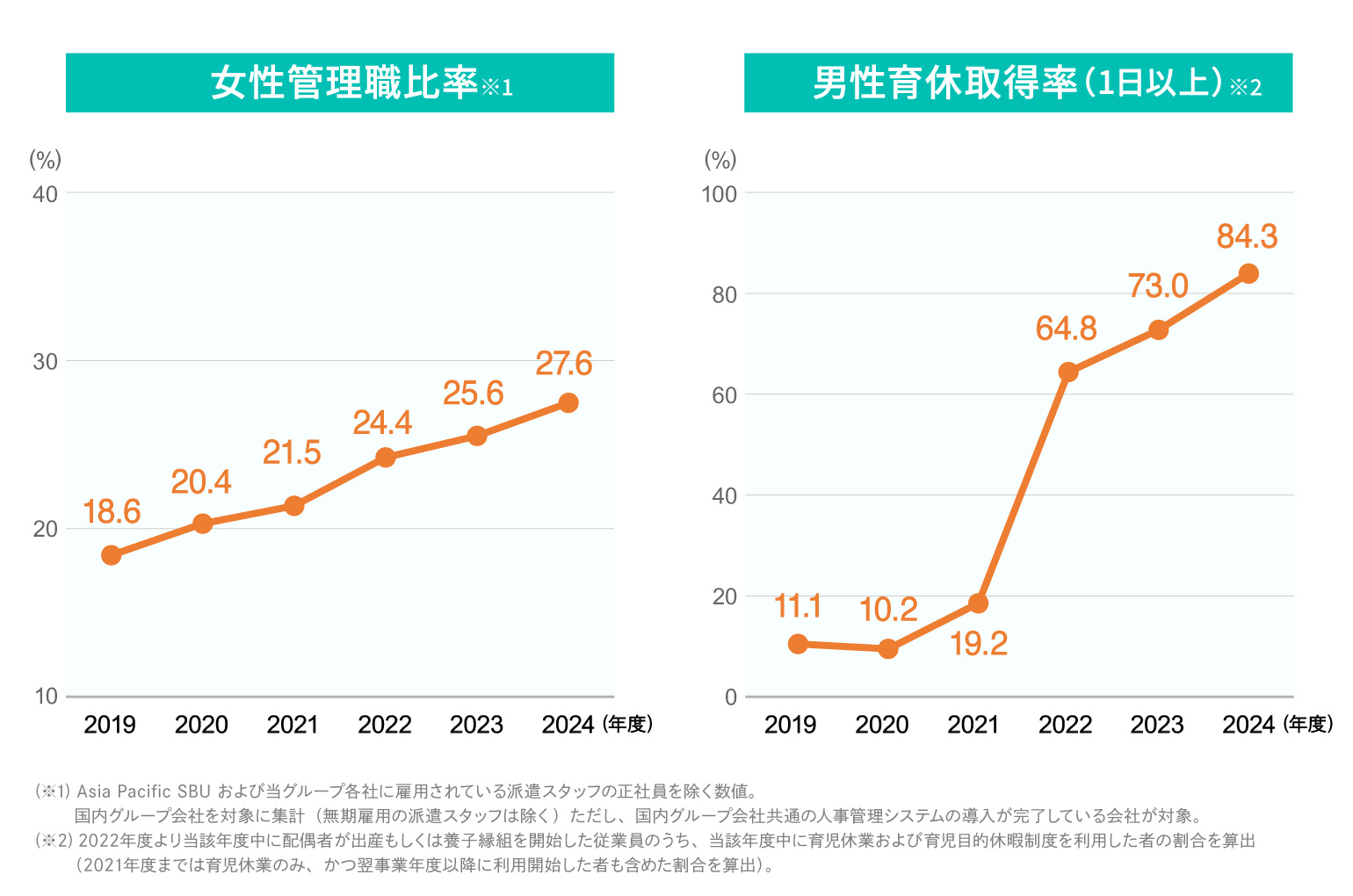
Kita: And, as I mentioned earlier, we placed the utmost importance on “top-level commitment.” We incorporated DEI KPIs into our management strategy, setting two specific metrics: the percentage of female managers and the rate at which men take paternity leave or similar leave.For the proportion of female managers, we set a target of 37%—matching the Persol Group’s overall female employee ratio—and achieved 27.6% in fiscal year 2024. The latest figures show this has risen to 28.3% (first half of fiscal year 2025). For the male paternity leave uptake rate (one day or more), we aim for 100% by 2026, with a 2024 actual rate of 84.3%.
Kuchiba: I’ve reviewed your previous reports as well, and the growth rate of these figures is quite significant, isn’t it?
Kita: Thank you. We’ve established leading indicators, set KPIs, and incorporated them into our evaluation system. Without changing the structure, transformation won’t happen. Recently, some group companies have seen the proportion of female managers approach 40%. In those cases, the change goes beyond simply increasing the ratio; the quality of decision-making is changing. Frank questions and opinions about what were previously “unspoken rules” are now naturally coming to the surface. We are seeing firsthand how changing these numbers is altering the way meetings are conducted and the quality of discussions, and how this is translating into corporate management.
Driving organizational change through a shift in mindset: Dentsu Japan’s bottom-up approach to DEI
Kita: Please tell us more about how your company is approaching this.
Kuchiba: We have established the “DEI Office,” a specialized organization leading DEI initiatives at Dentsu Japan, and are advancing our efforts across the entire group. Similar to Persol, our gender-related KPIs focus on the proportion of female managers and the rate of men taking paternity leave.Our targets for 2030 are a 35% ratio of female leaders (across the entire group, excluding the U.S.) and a 100% paternity leave uptake rate among male employees (across all domestic business groups). At Dentsu Inc., the paternity leave uptake rate among male employees was 103.1% in fiscal year 2024, with an average duration of 67.1 days.
Although we have set numerical targets, precisely because Dentsu Japan is an organization that views creativity as the source of its competitiveness, we place a strong emphasis on “bottom-up” initiatives.Of course, KPIs are important. However, for each individual working on the front lines every day, the actual figures for the proportion of female managers or the male paternity leave uptake rate do not necessarily resonate with their lived experience. What we value more is reflecting on whether our own words, actions, and attitudes—including unconscious bias—are unconsciously hindering someone’s efforts. We place great importance on driving change starting with individual awareness.
Kita: I understand that among various initiatives, such as leadership development programs for female employees, you are particularly focusing on an initiative called “DEI Park.” I’m curious to know what this initiative entails.
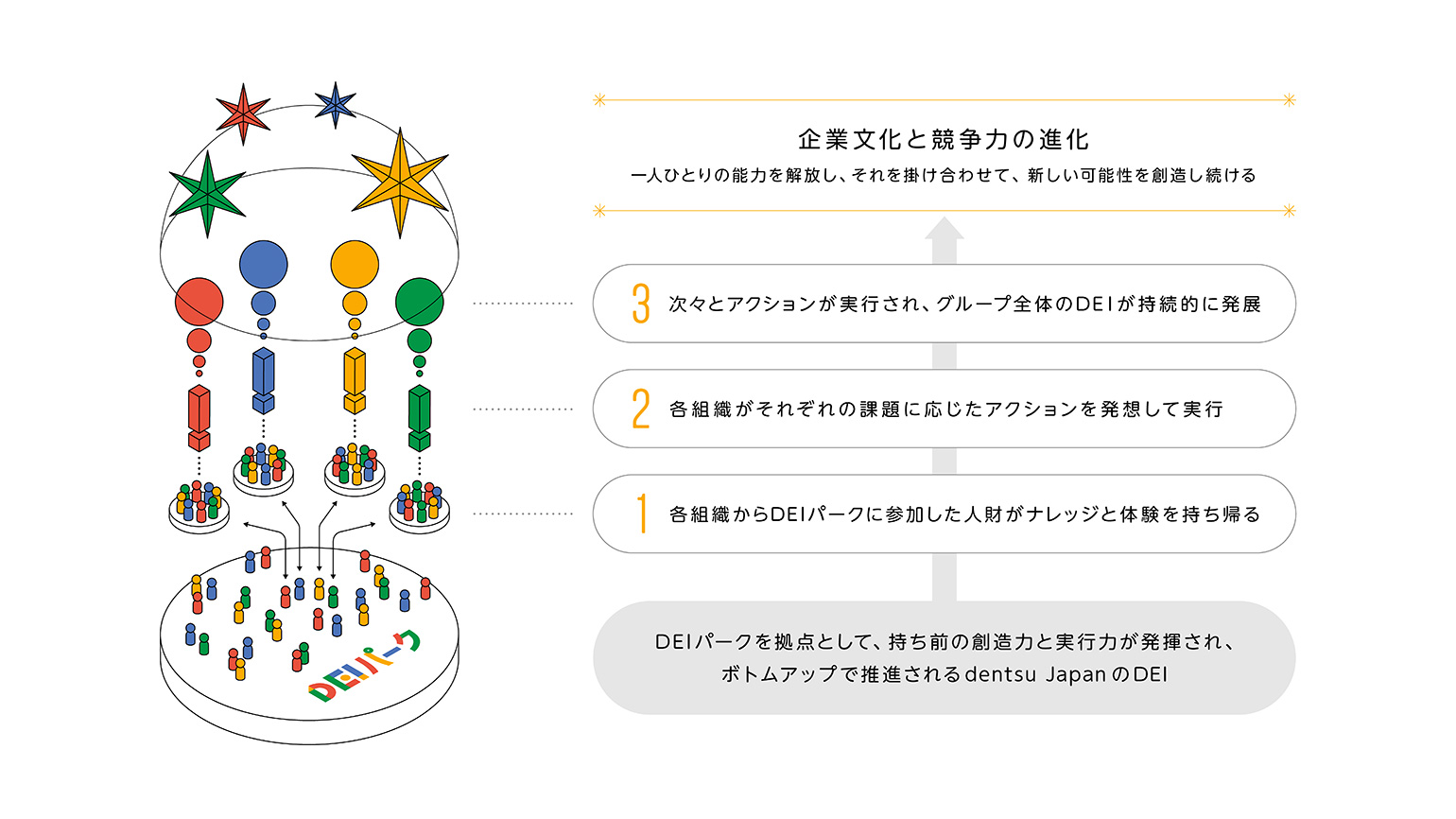
Kuchiba: DEI Park is an “action creation platform” designed to accelerate the generation of bottom-up initiatives. DEI leaders selected from each group company gather and spend about a year engaging in classroom learning and dialogue. They begin by identifying “what the DEI challenges are within their own organizations,” then acquire knowledge and build peer networks while designing and implementing the necessary actions for each organization.
Since its launch in 2021, approximately 1,600 DEI leaders had participated by 2025, and in fiscal year 2025, a total of 27,827 employees across Group companies took part in DEI initiatives. The program is designed so that by starting with “personal ownership,” initiatives tailored to each organization’s specific challenges can gain momentum and run independently.
Kita: Are there any restrictions on who can participate as a DEI leader?
Kuchiba: We have gradually expanded the scope to include executive and middle management. Even if we prioritize a bottom-up approach, transformation cannot move forward without management’s understanding and a shared language. Since we heard feedback from the front lines that “there is a disconnect in awareness with management,” we are involving the layers that drive the organization to foster a shift in mindset.
Kita: Have there been any particularly impressive initiatives that emerged from bottom-up efforts, such as the DEI Park?
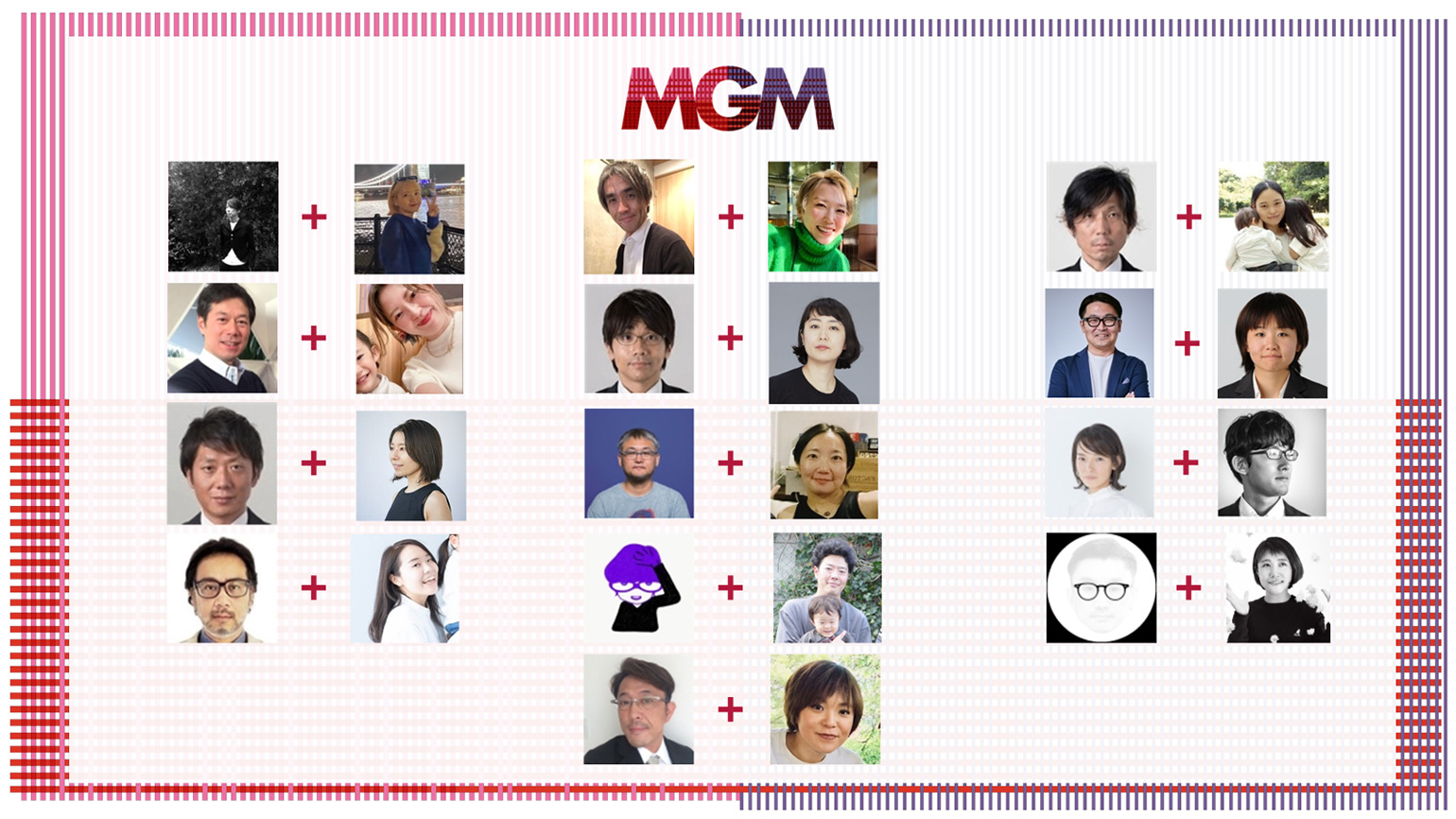
Kuchiba: There are many. One that stands out is the creation of the “Future GM (General Manager) System” in a certain creative department. In response to the challenge of “rapidly increasing the number of female managers,” we established the Future GM position as a sub-position to existing GMs. We designed the system to appoint individuals of different age groups and genders than the current GMs, which resulted in greater diversity in terms of age and gender at the decision-making table.Furthermore, by having Future GMs conduct one-on-one meetings with team members, we’ve started to hear feedback that wouldn’t have reached the current GMs. At the same time, this allows current GMs to adjust their workload and assess the capabilities and potential of next-generation candidates.
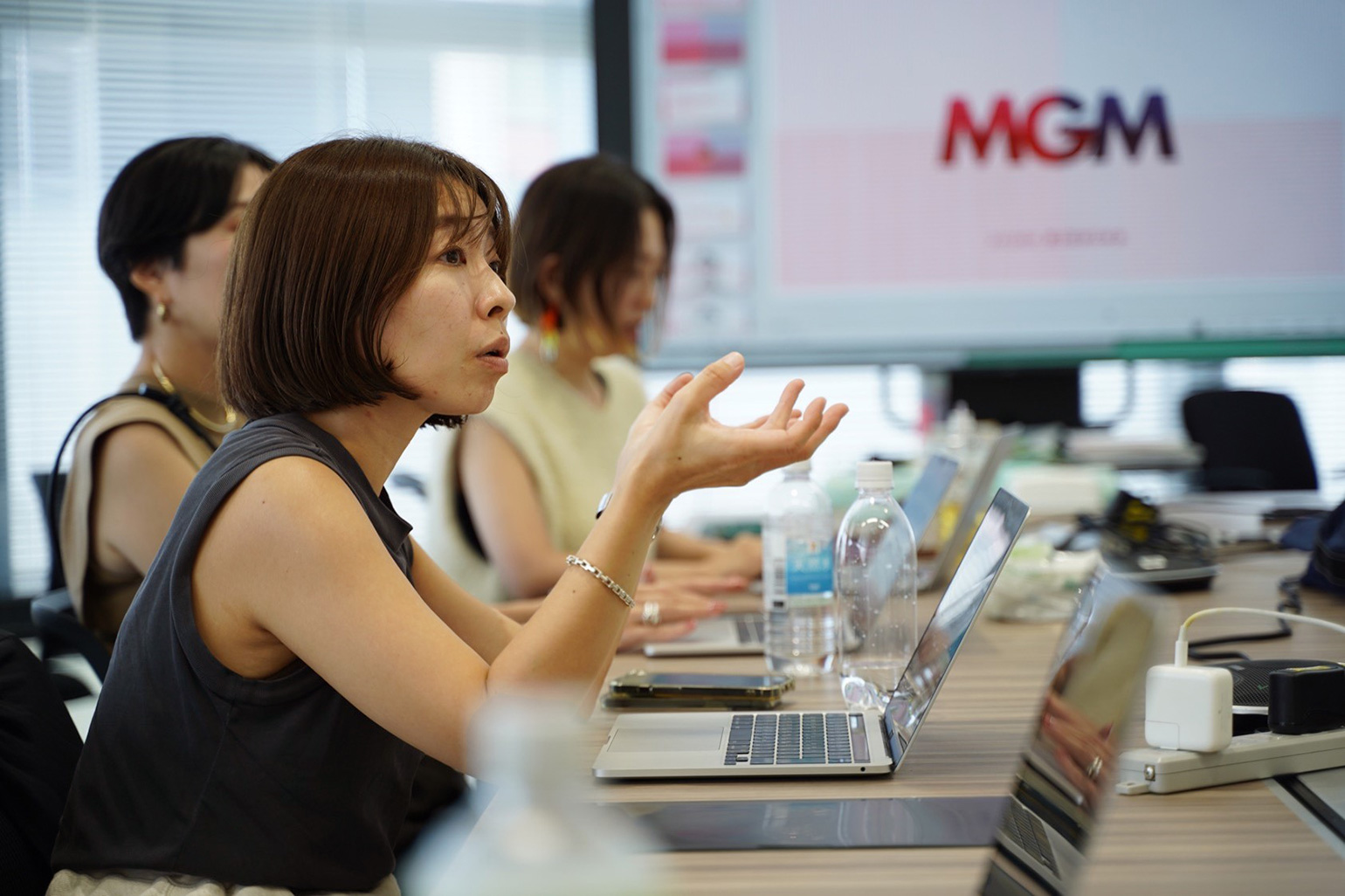
List of Managers Following the Introduction of Future GMs (MGMs)A scene from an MGM meeting
Kita: So it’s designed to be valuable for both the organization and the individuals. That’s wonderful.
Kuchiba: Furthermore, in the classroom sessions at the DEI Park, the instructors are not external experts but employees of dentsu Japan. The sessions that have received the most significant response are those where LGBTQ+ employees who have come out within the company, along with their former supervisors, take the stage to discuss the process of gender transition and the struggles they faced at the time.We ensure they take the stage with the utmost consideration for the psychological safety of the individuals sharing their stories, and the managers also share realistic accounts, such as, “At first, I lacked knowledge and felt bewildered, but I supported them while respecting their wishes as much as possible.” Through their interactions, we conclude by asking, “What would you do in their place?” The dialogue that emerges fosters a sense of personal responsibility—making participants think, “What if it were me?”—and makes for a truly meaningful experience.
Kita: That’s very insightful. I feel that your company’s initiatives are generating momentum from within the organization.
DEI that leverages each company’s unique strengths. The future we envision beyond that
Kita: Through this discussion, I’ve come to realize that there are different approaches to advancing DEI tailored to each company’s business characteristics and employee profiles. I get the impression that your company is thinking about how to make DEI a personal priority through a bottom-up, vision-driven approach.
Kuchiba: That’s right. Ever since I took on the role of CDO, I’ve been thinking about what is the best way to fully leverage the strengths of the people at Dentsu Japan. Our group has many battle-hardened creators and planners on the front lines, equipped with the ability to generate ideas and the execution power to see them through. Given that, I believed that rather than just me and the members of the DEI Office coming up with ideas, leveraging the power of the front lines would lead to better results being produced faster.
On the other hand, I respect the Persol Group’s approach of driving initiatives based on metrics under top-level commitment.
Kita: Thank you. This is true of our group vision, “Work and Smile,” and is based on the philosophy that “people should work better and more happily.” If someone isn’t able to thrive or if things aren’t fair, they can’t work happily. We have a strong culture where, when we identify “shortcomings” in society or people—that is, things that aren’t being done or challenges—we want to improve them. Shortcomings in numbers are particularly easy to understand. If we haven’t achieved a target, we want to improve that area and reach it.In fact, once we started discussing things based on numbers, both our planning and operations really started to click.
Kuchiba: That’s wonderful. We, too, aim to move forward by linking DEI more closely to our business, just as Persol has done. All too often, DEI is perceived as merely a matter of HR or company culture. But that’s not the case; we always strive to demonstrate how it directly impacts our business.dentsu Japan’s core competency is to continuously generate unprecedented ideas. To achieve this, it’s essential to actively seek out people with perspectives different from our own, exchange those perspectives, and generate innovative ideas. Since biases and traditional values still exist, we aim to move beyond them.
Kita: I’ve always said that my goal is to eliminate my own role as quickly as possible. I don’t want gender diversity to be treated as a special topic. That’s because I want to move toward a more fundamental form of collaboration that encompasses not only gender but also age, generation, disability, and even invisible differences. I want to get as close as possible to the vision of “Work Well-being” that we champion, even if it’s just one day sooner.
Kuchiba: That’s wonderful. It was very inspiring to speak with you today.
Kita: I learned a great deal as well. I’d love to talk with you again.
Executive Vice President and Executive Officer, Persol Holdings; Executive Officer and CGDO; Chairperson, Persol Group Gender Diversity Committee
Joined Persol Career Co., Ltd. (formerly Intelligence) in 1999. After working in the temporary staffing and outsourcing businesses, as well as the recruitment consulting business, he became General Manager of the “an” part-time job information service. He was involved in all business areas—mid-career recruitment, temporary staffing, and part-time/casual work—and in 2019 was appointed Executive Officer and General Manager of the Career Media Division.In April 2022, he became Head of the Human Resources Division. In April 2023, he was appointed Head of the doda Business Division. In April 2025, he was appointed Executive Vice President and Executive Officer of Persol Career, as well as Executive Officer and CGDO (Chief Gender Diversity Officer) of Persol Holdings.
Atsuko Kuchiba
Dentsu Japan
Executive Management, Chief Diversity Officer / Director, Dentsu Solari Inc.
After graduating from a national university in Thailand, I began my career there. I then joined Dentsu Inc. Since then, I have primarily worked in the marketing division, leading projects across various industries—including business development and marketing—both domestically and internationally. I also serve as Chair of the DE&I Committee at the Japan Advertising Agency Association (JAAA).