Note: This website was automatically translated, so some terms or nuances may not be completely accurate.
 Nekobako Newsletter [5/6]
Taking on the challenge of “visualizing a cat’s feelings”

In recent years, the relationship between cats and humans has undergone a major transformation, ushering in a new era.
In this series, “Neko Lab Newsletter,” members of “Neko Lab Tokyo” (hereinafter “Neko Lab”)—a cat-specialized innovation team launched within Dentsu Inc.’s creative R&D organization, “Dentsu Lab Tokyo”—will take turns contributing articles. We’ll be sharing the latest cat-related projects and unique research and development initiatives that combine technology and creativity.
In this fifth installment of the series, we introduce Neko Lab’s first R&D project: the “Cat Emotion Visualization Project.” Written jointly by Nakamura, the communication planner who served as project leader, and Miyashita, the leader of Neko Lab Tokyo, this article looks back on the process of trial and error.
*This article is a partially edited version of a report originally published on Dentsu Lab Tokyo’s official Note account. This article and the initiatives described herein have been reviewed by Dr. Hikari Koyasu, Specially Appointed Assistant Professor in the Department of Applied Animal Sciences, Faculty of Veterinary Medicine, Azabu University (currently Assistant Professor at Japan Women’s University).
<Table of Contents>
▼ Why Focus on Cats’ Emotions?
▼ How to Measure a Cat’s Emotions
▼There’s More Than One Way to Measure Heart Rate
▼ Challenges Unique to Cats
▼The Surprising Connection Between Tail Movements and Heart Rate
▼We spoke with a cat behavior expert
▼Quantifying Changes in Cat Behavior Using Deep Learning
▼We Also Spoke with an Expert on Dog Research
▼How Well Can Humans Read a Cat’s Mind?
▼What the Survey Revealed
▼Can Curiosity Save Cats?
Why Focus on Cats’ Feelings?
What would be the most fitting theme for Nekaboro’s first R&D project? Our members came up with a variety of ideas.
- Toys that mimic cats’ unique movements and purring sounds
- A weather forecast device inspired by the old saying that “when a cat washes its face, it will rain”
- A movie that lets indoor cats experience “the outside world”
- An app that tells you which flowers are safe for cats (featured inthe second issue of the Nekaboro Newsletter)
…and so on.
After repeated discussions based on the issues our members encountered while living with cats and the themes they wanted to tackle, one unavoidable challenge emerged.
That is “visualizing cats’ emotions.”
Even if we develop services or products related to cats, should it be left solely to humans—including cat owners—to judge whether they’re good or not? If we truly care about a cat’s happiness, we naturally want to reflect the cat’s own perspective. To achieve this, we decided we needed to build on a set of objective indicators of a cat’s feelings.
In recent years, the trend of treating pets as family members has gained momentum, and many pet-related solutions—such as products for managing a cat’s health through collars and litter boxes—have emerged. However, when it comes to the theme of “visualizing emotions,” there is still significant room for development.
Looking back now, I realize we set a rather ambitious goal, but as Nekaboro moves forward with various initiatives, having a way to evaluate whether “this is truly for the cat’s benefit” will be of great significance.
In a future where visualization becomes a reality, I’d also like to experiment with “standardization” to make the data even more accessible to everyone. For example, we could create a unit called “Jarashi” to represent a cat’s emotions—so that when a cat is wildly excited about a toy, it’s “8 Jarashi,” and when it shows interest in a butterfly outside the window, it’s “3 Jarashi.” If we could establish such a common language, it might prove useful in the development of cat-related products and even in veterinary settings.
Around that time, we learned that Dentsu ScienceJam Inc. (hereinafter referred to as DSJ; merged with Dentsu Digital Inc. in January 2026) was also focusing on pet emotions, and our joint research began. DSJ, which specializes in data science, the acquisition and analysis of biological data such as brainwaves, and technologies for gauging emotional states, is a strong partner for Nekaboro.
How to Measure a Cat’s Emotions
We first sought to objectively capture a cat’s emotions using physiological data. Our goal is to ensure that the visualized data we obtain—as well as the metrics we plan to explore in the future—are as neutral as possible. To achieve this, we must understand how a cat’s emotions are linked to its physiological data.
A cat’s emotions are believed to influence hormones, brain waves, heart rate, and other physiological factors—reactions that are common to all mammals, including humans. Research using standard veterinary hormones requires urine tests, which presents a hurdle for routine use . Nekolabo’s goal was to develop a measurement method accessible even to non-experts, such as cat owners and product developers.
Among the candidate physiological data points, “heart rate” stood out as a promising option. In humans, the sympathetic nervous system tends to dominate during times of anxiety or tension, while the parasympathetic nervous system tends to dominate during times of calm or relaxation; these changes are reflected in heart rate variability. Since these mechanisms should also apply to cats, and because heart rate allows for non-invasive, relatively accurate data collection, it was a major reason for focusing on this metric.
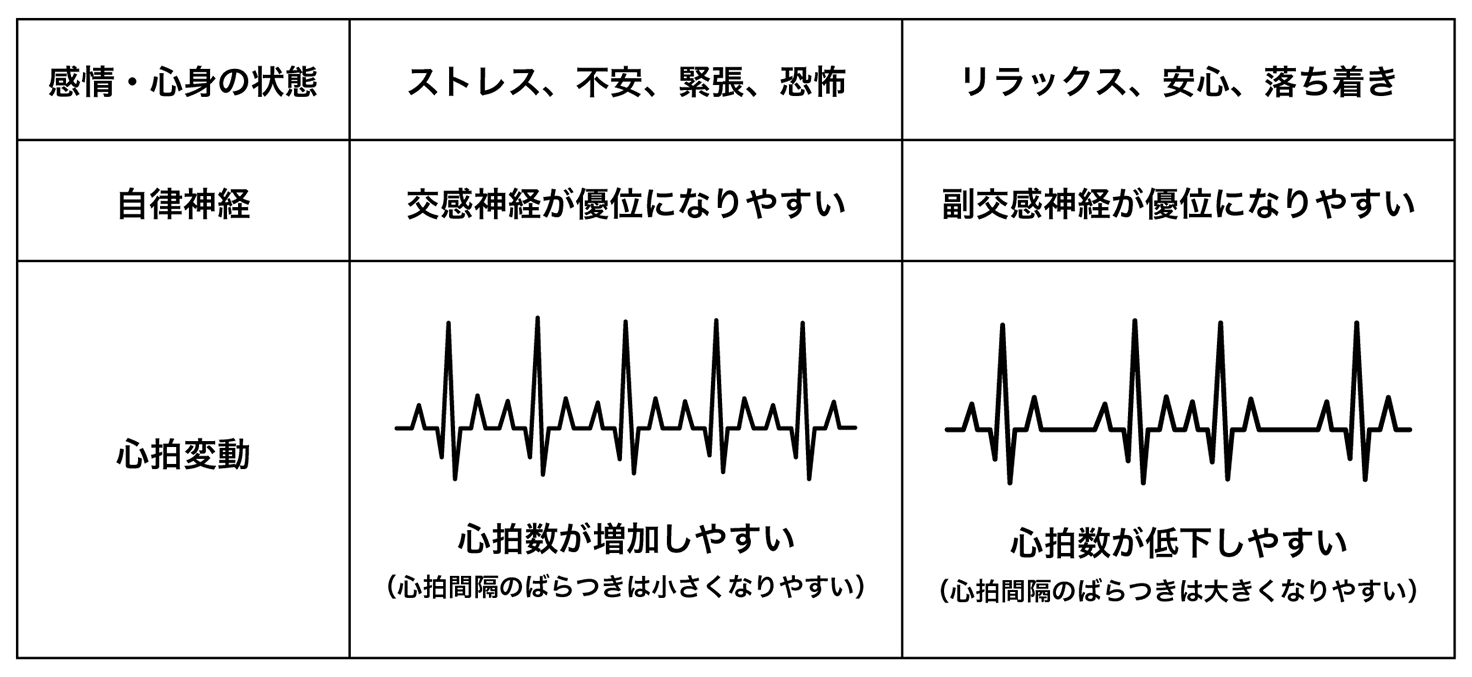
More Than One Method for Measuring Heart Rate
Measuring heart rate in animals requires knowledge and experience, but as novices, we began by learning about the mechanics of the heart, electrical currents, how to record an electrocardiogram (ECG), and how to interpret ECG readings.
Basic heart rate measurement involves calculating the RRI (repetition interval) from an ECG, and then deriving heart rate (HR) and heart rate variability (HRV) from that value. Analyzing HRV reveals trends in autonomic nervous system activity, providing clues for exploring its relationship to emotions.
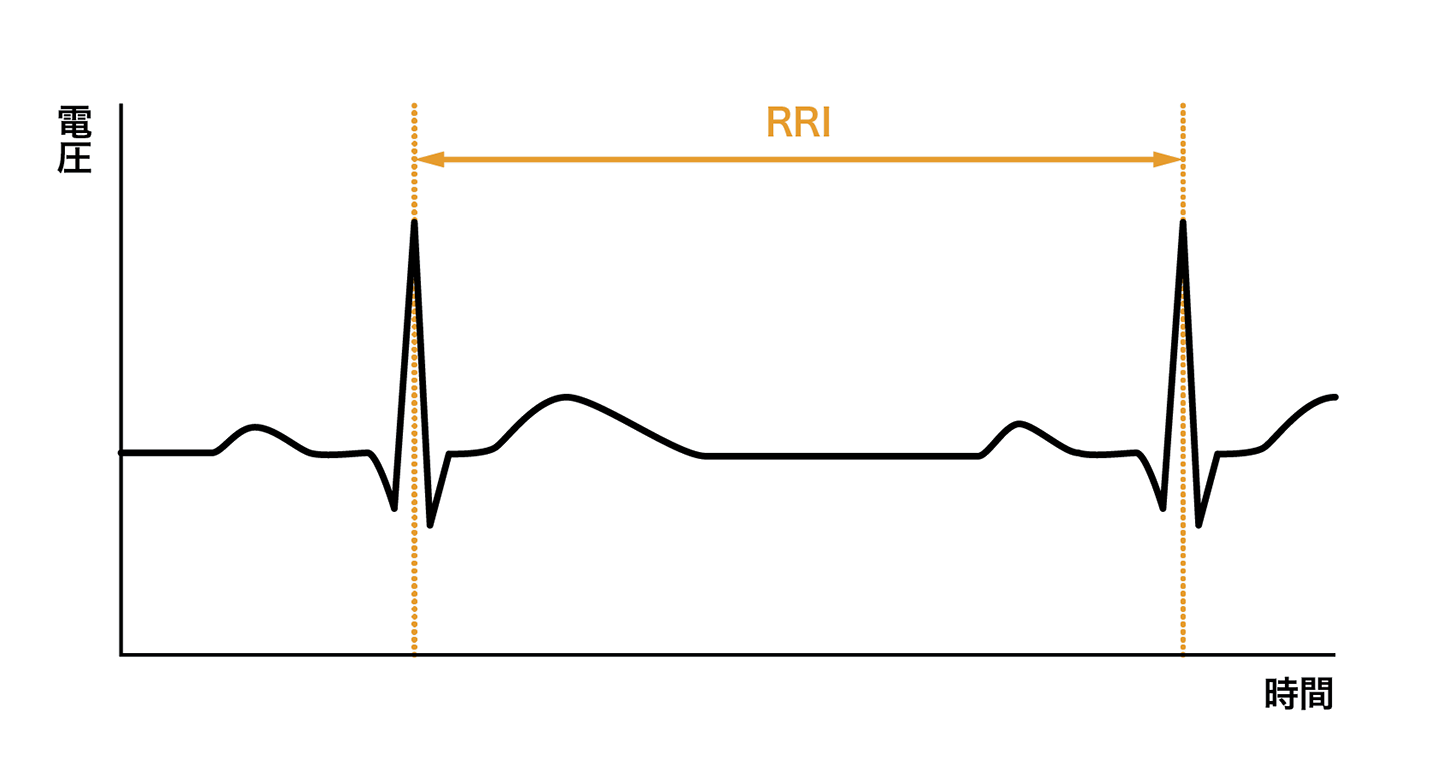
Furthermore, since the practicality of heart rate measurement depends on “how it is measured,” I researched the main measurement methods.
- Electrical heart rate sensor (ECG): A method used in health checkups that involves attaching electrodes to the chest, arms, or legs. It detects the faint electrical signals emitted by the heart as it beats from the body’s surface.
- Optical Heart Rate Sensor (PPG): A method used in smartwatches and similar devices that shines LED light onto the skin and reads the heart rate based on changes in the reflected light caused by blood flow.
- Heart sound sensor: A method that measures heart sounds and chest vibrations, similar to a stethoscope.
- Accelerometer: Commonly used in pet collars, this sensor detects body movements and vibrations.
- Radar (millimeter-wave/Doppler) sensor: A contactless method that detects breathing and heart rate based on subtle body movements. For human use, its practical application is advancing for monitoring purposes in hospitals and similar settings.
Each method has its pros and cons, but what matters most is how well it suits your cat. So, we borrowed equipment from several heart rate monitor manufacturers and began measurement experiments using our team members’ cats—but we quickly ran into a major obstacle.
The Unique Challenges of Cats
First, we tried a small electrical heart rate sensor. This is a device that measures heart rate simply by attaching it to a person’s chest, and we assumed it could be adapted for cats as well. Majo from the Miyashita family volunteered to help. However, her long fur got in the way, preventing accurate measurements. We felt bad about it, but decided to ask a groomer to shave the fur on her belly. When we switched to a strategy of having her wear a post-surgery recovery shirt with the sensor attached, we were finally able to confirm the waveform.
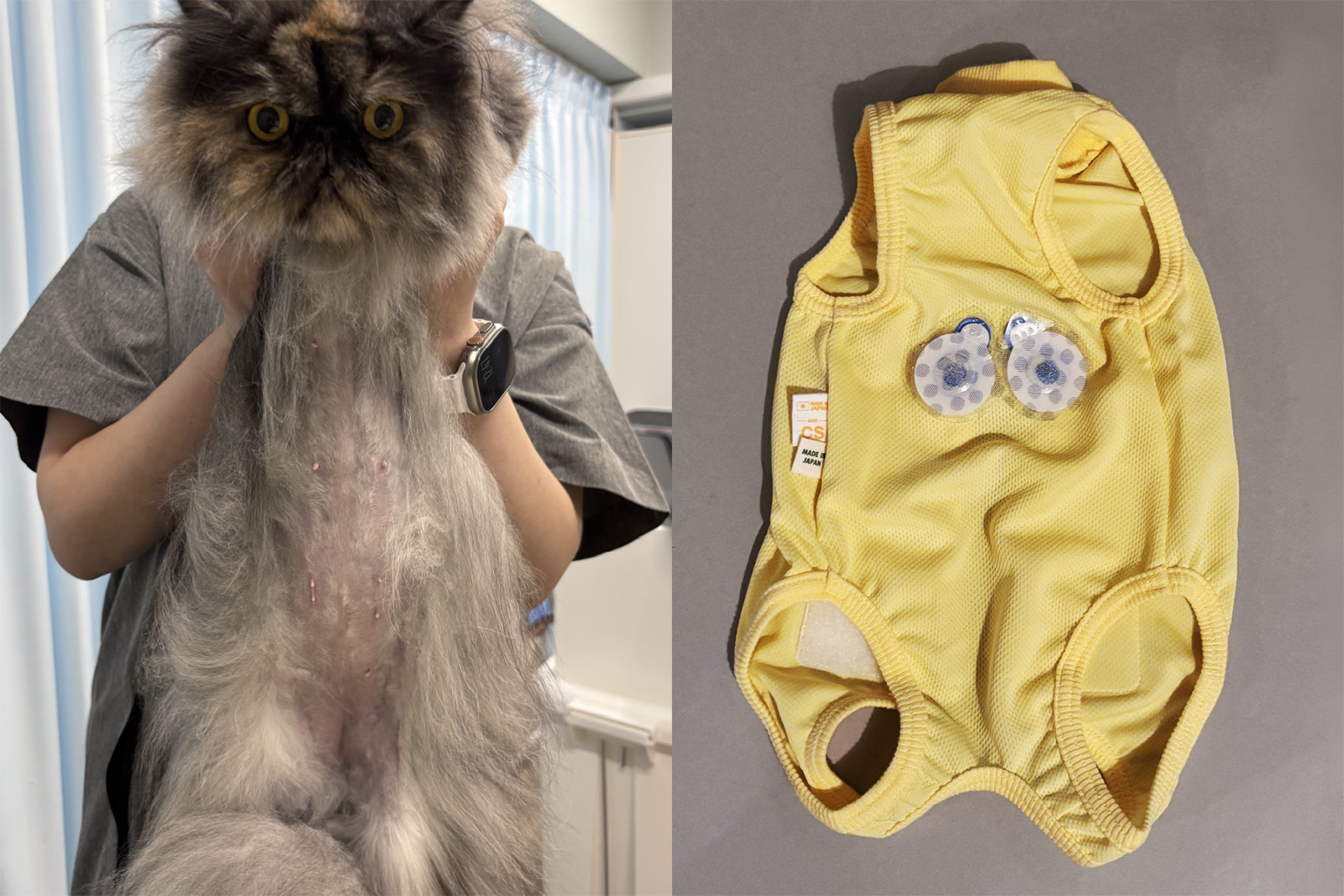
However, this time a gap formed between the device and her belly, causing the readings to be unstable. On the other hand, tightening the garment would be uncomfortable for her, and we were left wondering whether data collected while she was wearing unfamiliar clothing could truly be considered a normal heart rate.
Next, we tested a wireless biometric monitoring device—also designed for humans—capable of measuring EEG and EMG signals.We measured the ECG by attaching electrodes to the paw pads on both front and both hind legs—three locations in total. Since a cat’s paw pads aren’t covered in fur, the skin is exposed, and because they have sweat glands, they conduct electricity well, making them ideal for measurement. Our volunteer was Ran-chan from the DSJ Shinozuka family. She’s a kitten we’d just welcomed into our home around the same time this project began.
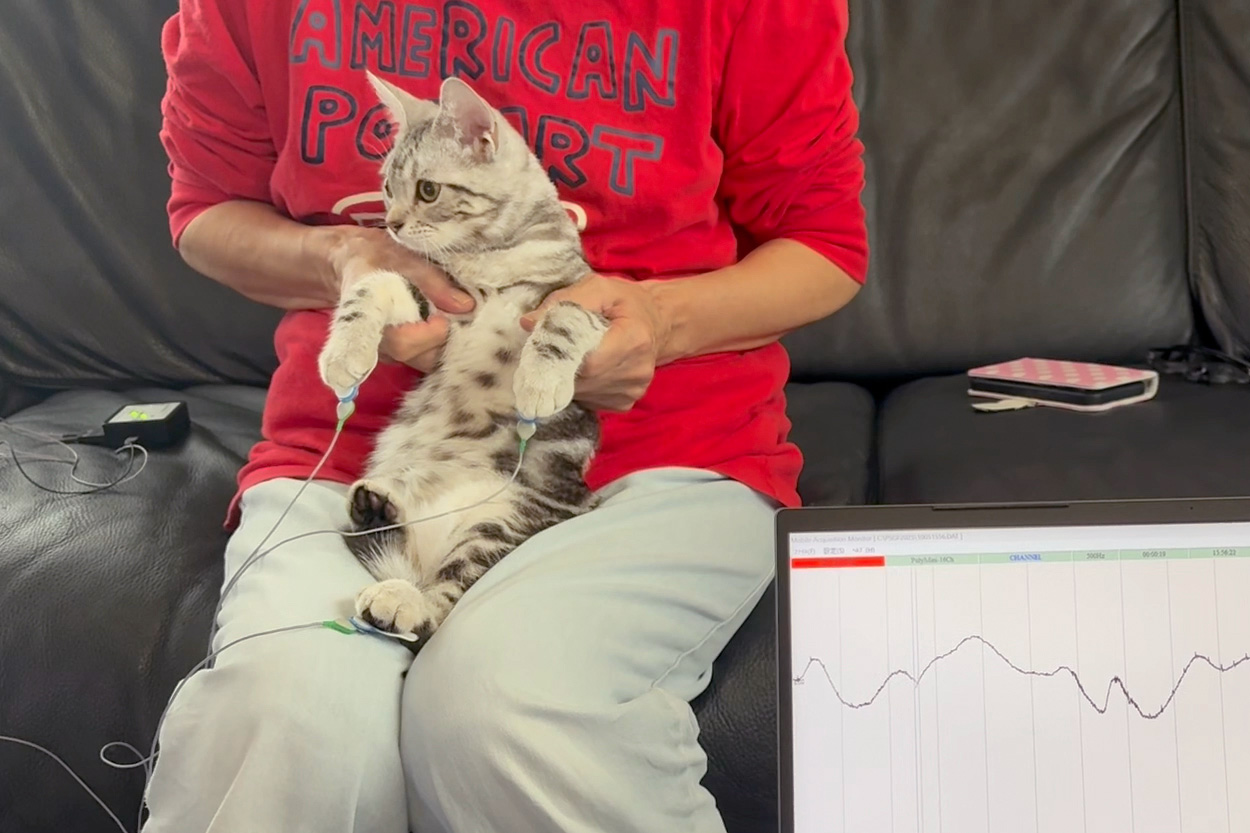
For short measurements, she was surprisingly calm, and the ECG peaks were relatively clear. However, to ensure stable readings, she needed to be held in the researcher’s arms. Therefore, continuous measurement while the cat is free to move still presents challenges, and at this stage, its practical use is limited to validation purposes (verifying reliability).
We also tested a collar-type product equipped with a high-performance motion sensor. This type is a strong contender as a wearable device capable of collecting data in a natural state on a daily basis. Our collaborator was Tanebi-chan from the Sawai family, who was okay with wearing a collar.
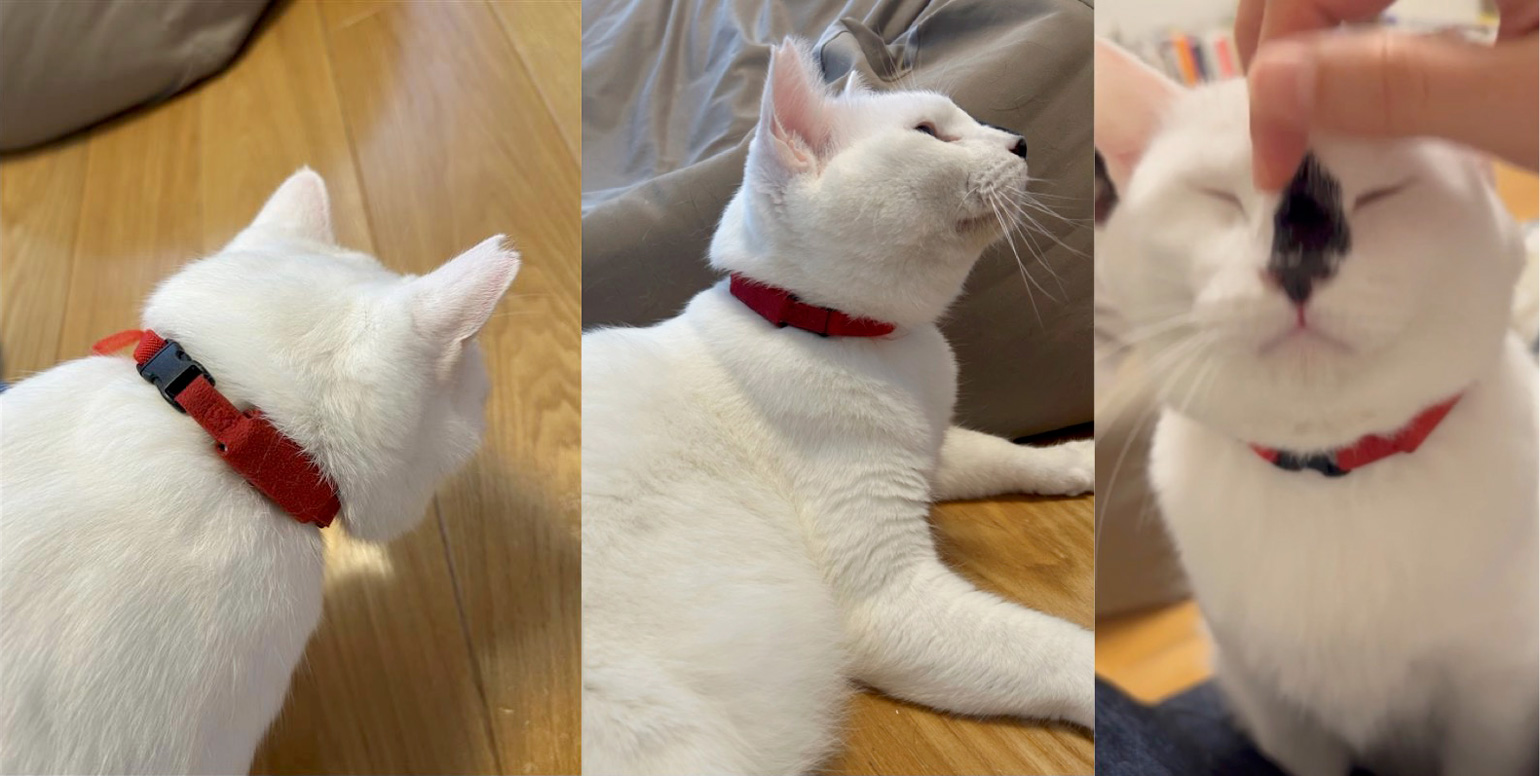
The experiment showed promising results in terms of stable data acquisition; however, due to a built-in time lag in data transmission to the app, it is not suitable for capturing “how the heart rate is changing at this very moment.” Although real-time capability is limited, it appears to be an effective tool for tracking daily changes and trends in cats that are willing to wear the collar.
We also tested a digital stethoscope designed for animals. This device measures, collects, and analyzes heart and lung sounds and is used for health management. Since a cat’s heart is located roughly between the fifth and sixth ribs on the left side, placing the stethoscope near the armpit allows for measurement with minimal stress on the cat. We received cooperation from three cats: Sean from the Noda family, and Guri and Ran from the Nakamura family.
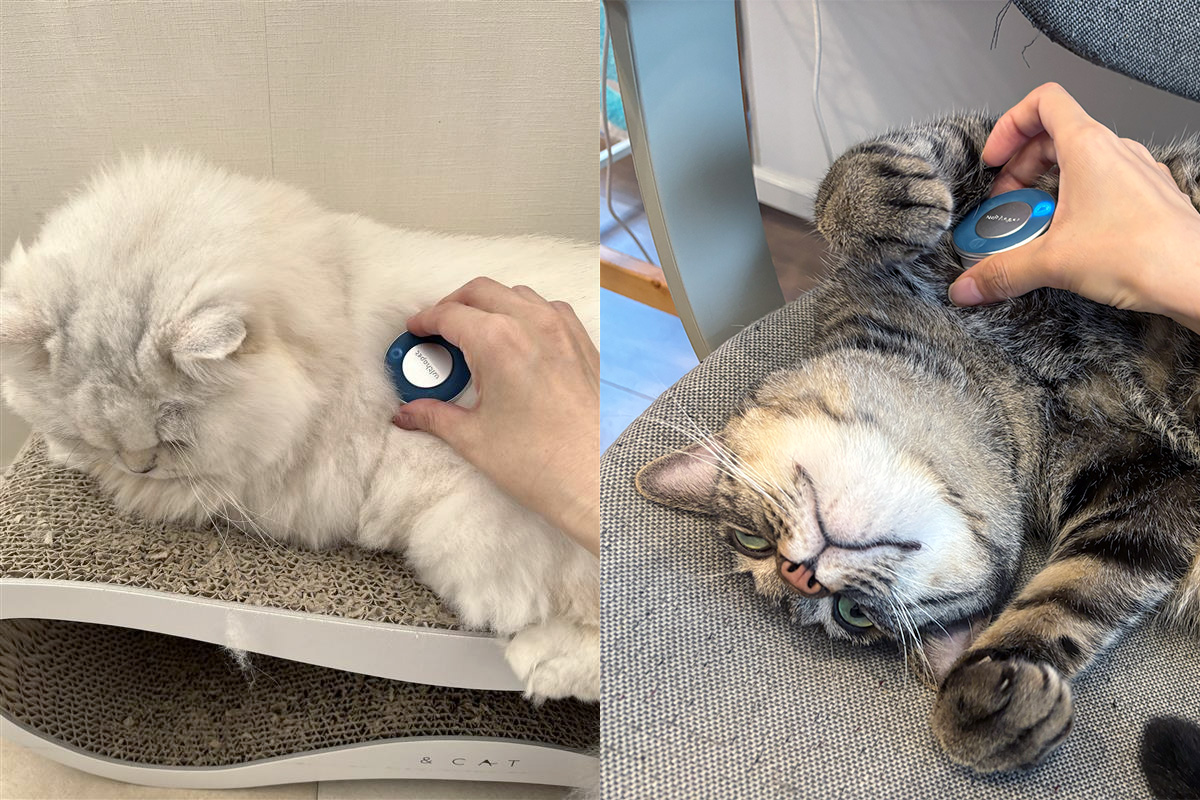
We were able to obtain relatively clear heart sounds from Ran-chan, a kitten. In contrast, measurements from adult cats were unstable, likely due to the thickness of their fur and skin. Furthermore, background noise—such as purring—was easily picked up, and some cats simply disliked having the stethoscope placed on them. As a result, we still face challenges in accommodating individual differences among cats.
Through these experiments, I came to keenly understand why it is said that “research on cats lags behind that on dogs.” A cat’s fluffy fur poses a major hurdle in experiments. Furthermore, cats are animals prone to stress; many have difficulty staying still, and there is significant individual variation. In such cases, it is difficult to determine whether the data reflects their normal state, and achieving stable measurements “for any cat” and “regardless of who is taking the measurements” is no easy feat. The unique characteristics of cats were the very source of the difficulty in conducting this research.
The Unexpected Relationship Between Tail Movement and Heart Rate
Finally, we tried an ECG monitor for dogs and cats that measures heart rate from the paw pads by having the animal stand on a sheet-like electrode with all four paws. When we had the cat stand still on a sheet moistened with saline solution, we were able to take readings smoothly. With this method, there’s no need to hold the cat, so it seems less stressful for the animal. So, when we examined the changes in heart rate while the cat was eating its favorite treat, we obtained some surprising results.
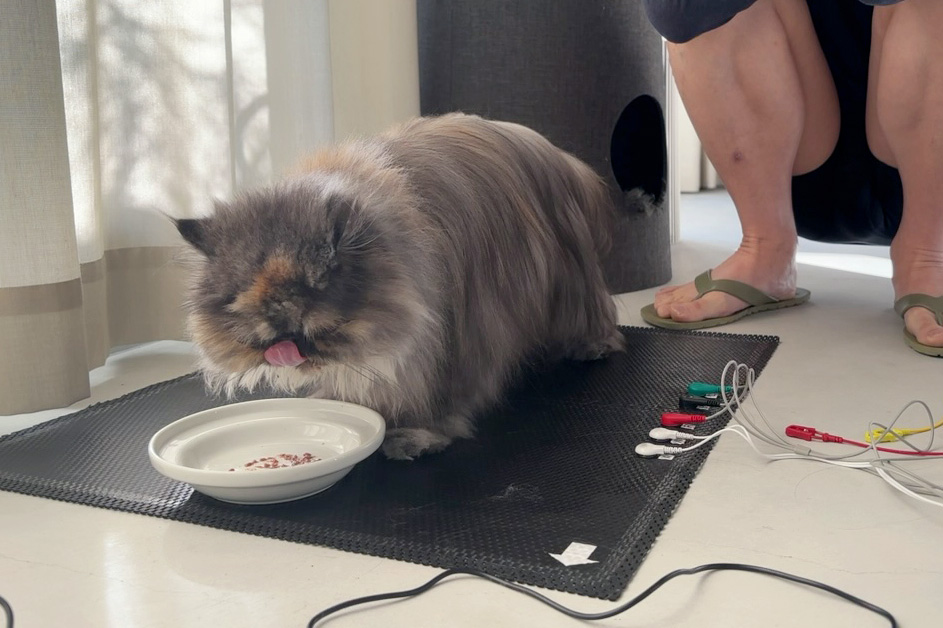
Her heart rate at the start of eating was almost the same as at rest ( 122 bpm ); it rose gradually as she ate ( 146 bpm ); peaked immediately after she finished ( 166 bpm ); and returned to her normal heart rate about 15 minutes after eating ( 130 bpm ).
Visually, she clearly seems more excited with her tail held high when faced with a treat. However, in reality , her heart rate is higher after eating, when her tail is lowered. In other words, tail movements and heart rate may not necessarily be linked, and heart rate measurements seem to provide a clue to a cat’s state that cannot be fully captured by outward behavior alone.
Although this study involved only one cat, we observed similar trends in repeated trials. The results were quite endearing: the cat’s excitement builds while it is engrossed in eating, peaking during the period when it is basking in the afterglow of the meal.
Based on these tests, we narrowed down the measurement methods, taking into account both the stress on the cats and the accuracy of the readings.
We spoke with an expert in cat research
While Nekobaro has members with strong technical expertise, we are laypeople when it comes to cat behavior and cat research. As our direction and challenges became clearer, we decided to consult with Dr. Hikari Koyasu, a Specially Appointed Assistant Professor in the Department of Applied Animal Sciences at Azabu University’s School of Veterinary Medicine (currently an Assistant Professor at Japan Women’s University).
Dr. Koyasu is one of Japan’s leading cat researchers, studying “why cats became human companion animals” and “what this symbiotic relationship brings to both parties” from the perspectives of behavioral science, physiology, and sociology. Regarding this project, she agreed to serve as our advisor, stating, “It’s worth taking on this challenge. If we can make it easy to measure a cat’s heart rate, it should be useful for future research.”

He also taught us that visualizing emotions requires combining multiple indicators, such as physiological data and behavioral observations. Furthermore, he explained that we should focus more on “facial expressions” than on tail, ear, or whole-body movements, noting that emotional changes are particularly evident in the “pupils.” Recently, research has been advancing using CatFACS (Cat Facial Action Coding System), a method for “objectively describing a cat’s facial movements based on anatomy.”
Quantifying Changes in Cat Behavior Using Deep Learning
Having learned from Professor Koyasu the importance of combining multiple indicators, we began exploring behavioral observation. Mr. Shinozuka from DSJ was in charge of this task.
Using SuperAnimal-Quadruped—a model for quadrupeds within “DeepLabCut,” a tool that analyzes animal posture and movement from video—we estimated the positions of ears, tails, and noses frame by frame from videos of the members’ pet cats, and attempted to quantify their posture and movement based on changes in those coordinates.
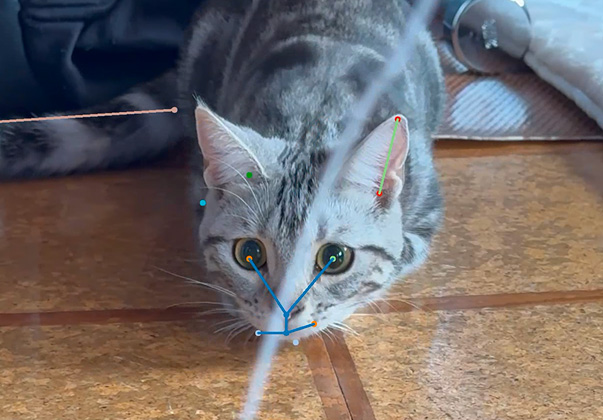
Even without additional training, the existing model was able to estimate posture and the movements of various body parts to a certain extent. However, it was difficult to judge depth in the videos, and estimates of precise orientations or body parts hidden behind objects tended to be unstable. We felt that to keep up with cats moving freely, it was essential to limit the shooting scenarios to specific activities—such as using the litter box or eating—or to use multiple cameras.
Furthermore, by watching the videos recorded by each team member and linking them to interpretations such as “The cat might be in this state (mood) right now,” we explored the correlation between behavior and emotion.
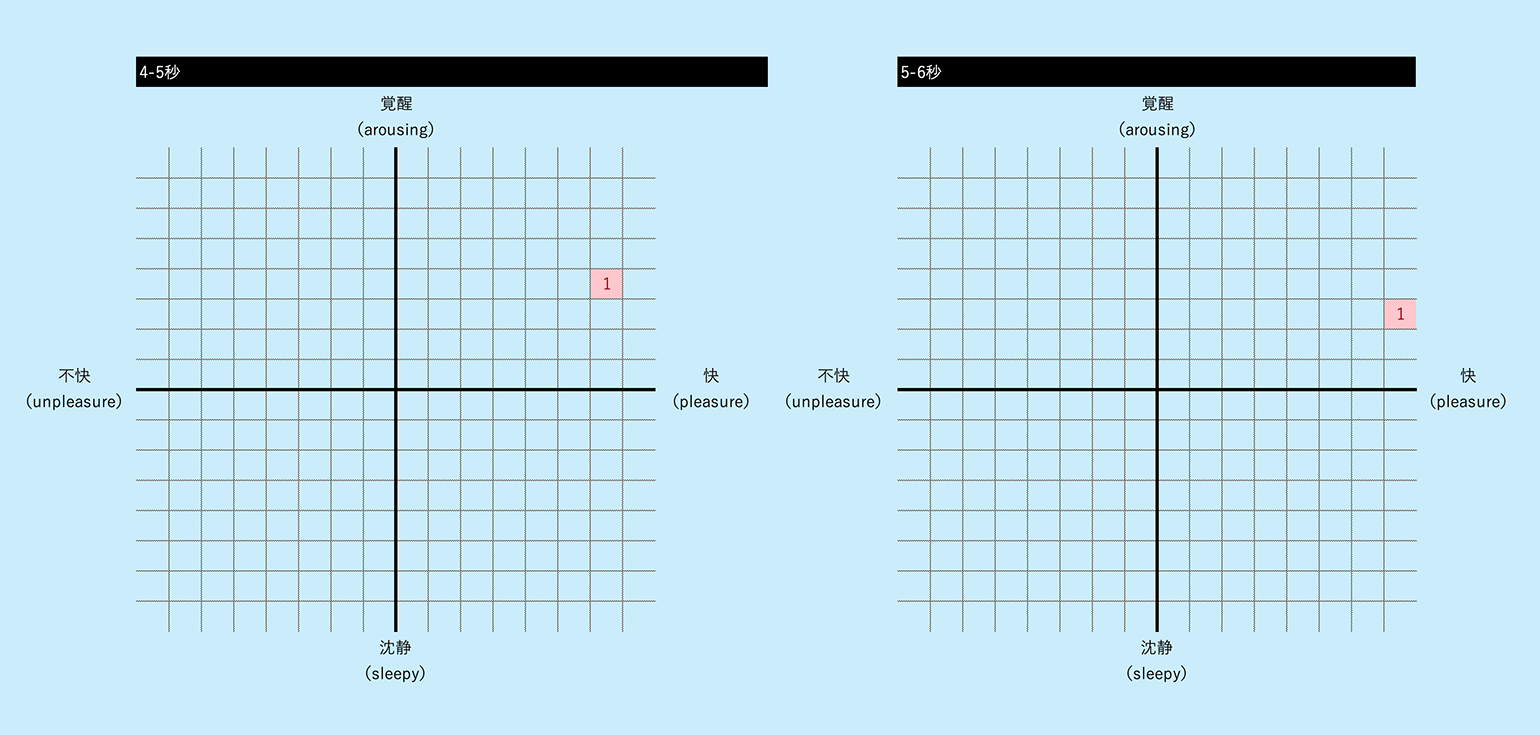
For this mapping, we applied the Russell Circle Model—a theory from the field of psychology that represents human emotions on two axes: “pleasure–displeasure” and “arousal–calmness.” While there is the challenge that human and cat emotions do not always correspond, we may be able to develop a “cat version of the Russell Circle Model” in the future.
We also spoke with an expert in dog research
Later, we were able to speak with Professor Takeshi Kikusui of Azabu University, who, like Professor Koyasu, specializes in animal behavior and is a leading authority on the bond between dogs and humans as well as oxytocin research.
What was particularly interesting was the observation that it is difficult to directly apply insights from dogs to cats. While there is a long history of research on dogs, cats have different behavioral characteristics. Professor Koyasu’s research on bonding behavior also showed that, based on hormonal states, dogs tend to act in groups, whereas cats prefer to act alone—a finding that supports the oft-repeated veterinary adage : “Cats are not small dogs.”
Regarding heart rate measurement, existing “emotional” (apparently, the term “emotion” is not used in this academic field) monitoring devices for pets have many limitations. We confirmed that our proposed measurement approach was on the right track and received concrete advice for the future development of cat-specific devices.
Dr. Kikusui also pointed out that it is difficult to distinguish whether a cat is “happy and excited” or “scared and nervous” based on heart rate alone. Therefore, it is necessary to label emotional states based on behavior, and incorporating the owner’s subjective experience is a crucial design consideration for this purpose.
We received a wide range of other valuable input as well—it was a great learning experience, though our team members were feeling a bit overwhelmed… We’ll now have to rack our brains over how to move the project forward.
To what extent can humans understand a cat’s feelings?
“Owners’ interpretations and perceptions,” as mentioned in Professor Kikusui’s comments and Ms. Shinozuka’s experiment. Since cats cannot speak, we have no choice but to rely on human judgment as a guide.
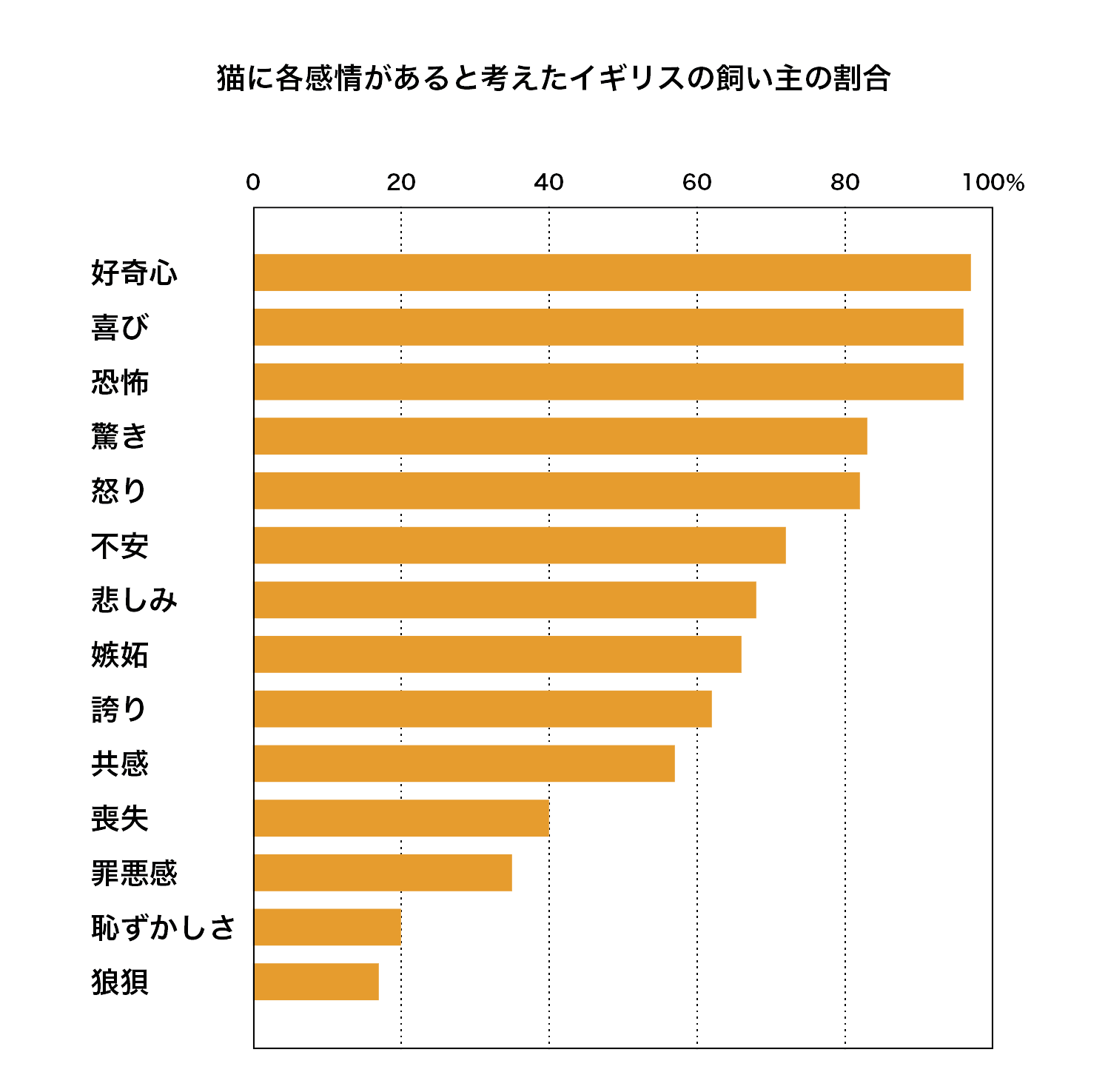
A study cited in the book *The Cat’s Mind* by animal behaviorist John Bradshaw reports that while British cat owners perceive a variety of emotions in their cats, there is significant variation in how they interpret these emotions.
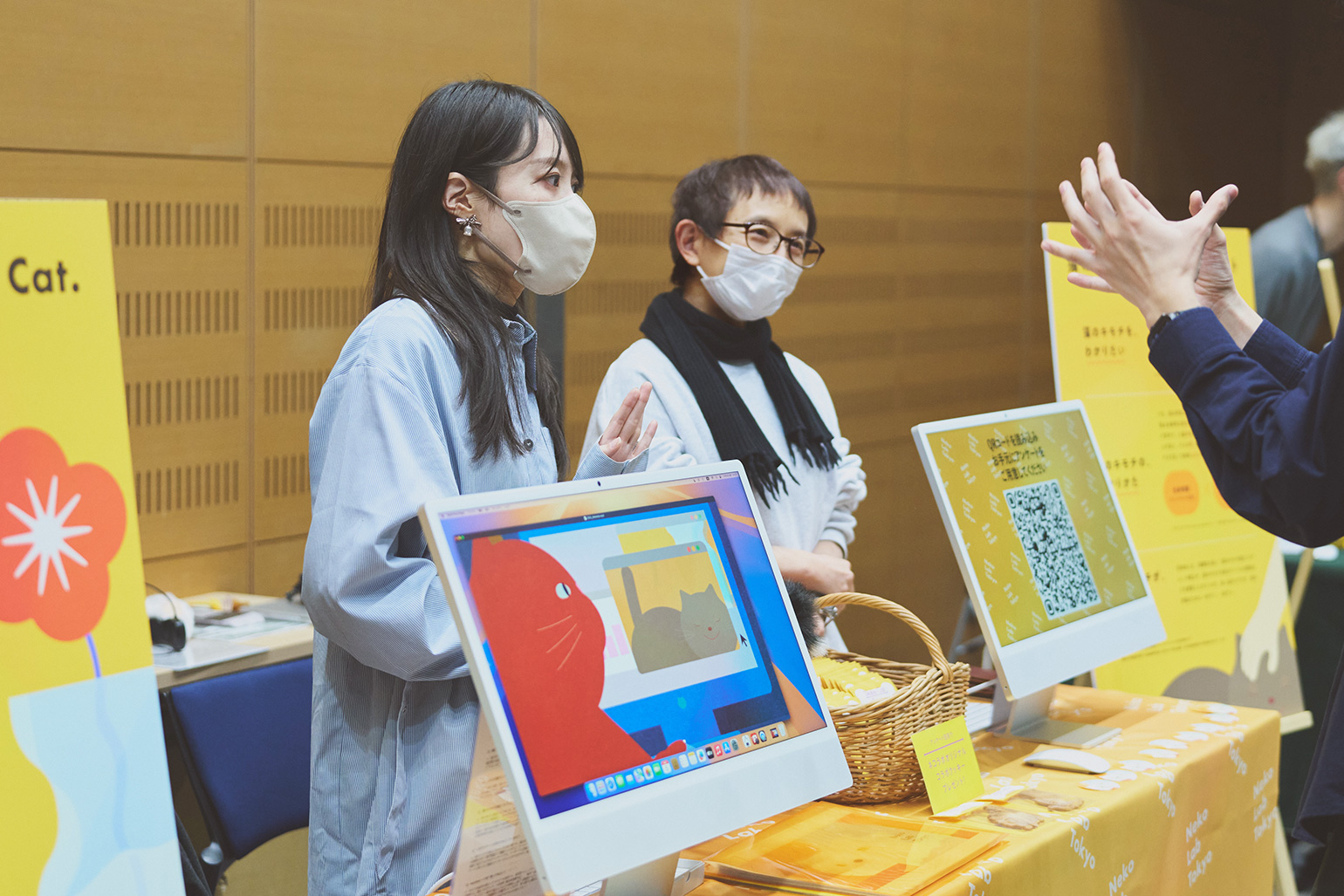
Therefore, at the R&D results presentation event “Dentsu Lab Tokyo OPEN LAB 2025 ” held in December 2025, we decided to conduct a simple survey to understand how attendees interpret emotions from cat behavior.
Findings from the Survey
With the help of the Neko Lab members’ own cats, we recorded short videos showing the cats engaging in various behaviors. Participants were asked to select from multiple options to answer questions such as “How do you think this cat is feeling?” and “What did you notice that led you to that conclusion?” We were grateful to receive responses from 99 participants.
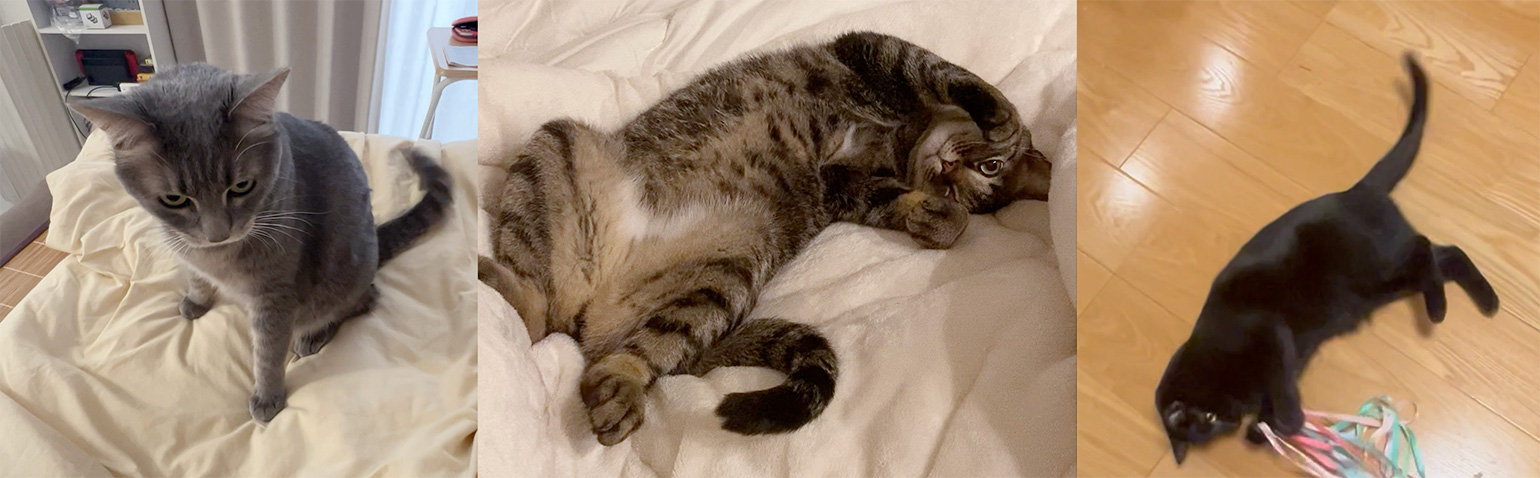
After watching the video, how do you think this cat is feeling?
□ Calm □ Satisfied □ Happy □ Excited □ Curious □ Wary □ Scared □ Angry □ Frustrated □ Other
Which part of the cat’s body led you to that conclusion?
□ Eyes □ Mouth □ Ears □ Front legs □ Hind legs □ Tail □ Voice □ Other
*Survey options (multiple answers allowed)
The following responses were received to the question “How do you think the cat is feeling?”
Video A: Calm (49.5%), Caution (27.3%), Frustration (20.2%)
Video B: Interest (45.5%), Excitement (33.3%), Caution (27.3%)
Video C: Calm (80.8%), Satisfaction (52.5%), Joy (24.2%)
Video D: Excitement (88.9%), Interest (55.6%), Joy (39.4%)
Video E: Interest (37.4%), Frustration (31.3%), Excitement (19.2%)
Video F: Interest (83.8%), Caution (59.6%), Excitement (41.4%)
*Percentage of the 99 respondents who selected that option. Only the top three emotions are shown (multiple responses allowed).
For example, the top responses for Video C were “calmness,” “satisfaction,” and “joy,” while those for Video D were “excitement,” “interest,” and “joy”—similar patterns that suggest we can narrow down the general direction to some extent. On the other hand, while “interest” ranked highest for Videos B, E, and F, “caution” and “frustration” also ranked high, indicating that interpretations of whether these states are positive or negative vary from person to person.
Next, let’s look at the responses to the question, “What did you focus on that made you feel that way?”
Video A: Eyes (68.7%), tail (45.5%), ears (16.2%)
Video B: Tail (82.8%), eyes (57.6%), ears (13.1%)
Video C: Front legs (62.6%), eyes (40.4%), hind legs (23.2%)
Video D: Front legs (74.7%), eyes (31.3%), tail (23.2%)
Video E: Voice (82.8%), tail (15.2%), front legs (9.1%)
Video F: Front legs (91.9%), tail (49.5%), eyes (21.2%)
*Percentage of the 99 respondents who selected that option. Only the top three body parts are shown (multiple answers allowed).
With the exception of “voice” in Video E, attention is almost entirely focused on the “tail,” “front legs,” and “eyes.” It makes sense that the “tail” and “front legs” rank highly, as these are the body parts where behavior is most immediately apparent; the fact that “eyes” ranked high aligns with Professor Koyasu’s observations. The “ears”—which are said to move approximately 180 degrees and are even referred to as “squid ears”—were surprisingly difficult to convey, and the “mouth” was hardly selected at all.
This survey also asked about “prior experience owning a cat,” and we examined whether there were differences in how behavior was interpreted between those who had lived with a cat and those who had not. Of the 99 respondents, 33 had prior experience owning a cat.
While the overall trends did not change significantly, differences were observed in the nuances of interpretation. For example, 24.2% of those with experience interpreted Video B as “frustration,” compared to 6.1% of those without experience. Similarly, for Video E, 48.5% of those with experience and 22.7% of those without experience interpreted it as “frustration”; this suggests (though it may seem obvious) that those with experience tend to be better at discerning complex emotional states.
We tend to think we “kind of understand” how cats feel, but it seems our interpretations are influenced by subjectivity more than we realize. To conduct more accurate analysis, we need to increase the sample size and examine the data more carefully, taking into account respondent demographics and variations in their evaluations.

Can Curiosity Save Cats?
“I want to know how cats feel.” This challenge, which began with such simple curiosity, proved far more difficult than we imagined, but it also yielded many valuable insights. We gained knowledge about the relationship between heart rate and emotions, as well as the possibility that behavior and heart rate do not necessarily correlate in real time. We received valuable suggestions from expert professors. And the very fact that our team—brought together by a shared love of cats—examined feline behavior from a scientific perspective was, in itself, a deeply meaningful experience.
I strongly realized that visualizing emotions requires many clues, and attempting to handle them all simultaneously makes the task much more difficult. For the next step, I plan to narrow down the theme and conduct repeated verification, one step at a time, starting with what is feasible.
This initiative may have been the first step toward ensuring we don’t simply assume we “understand” a cat’s feelings. It’s not easy to measure, and answers don’t come immediately. Yet it is precisely this complexity that makes cats so fascinating—and the very reason we want to know more about them. That is why we will continue to navigate among multiple clues to gain a deeper understanding of cats. We will keep taking on this challenge moving forward.
Collaborative Research: Makito Tsukahara, Manaka Shinozuka, Misa Ishikawa (Dentsu ScienceJam Inc.)
Illustration: Momoko Negishi (Neko Lab Tokyo)
Inquiries: neko-lab-tokyo@dentsu.co.jp
The information published at this time is as follows.
Was this article helpful?
Share this article


Newsletter registration is here
We select and publish important news every day
For inquiries about this article
Back Numbers

Author
Megumi Nakamura
Dentsu Inc.
CX Creative Center, Fandom Creative Department
Digital Creative Planner
Articles by this person

Ryōsuke Miyashita
Dentsu Inc.
5C Planning Bureau, Dentsu Lab Tokyo 5B Department
Art Director / Creative Director