Organically linking various media channels to enhance the precision of advertising campaigns and visualize their impact on store visits—we introduce the latest cross-media initiative undertaken by Dentsu Inc. and BMW.
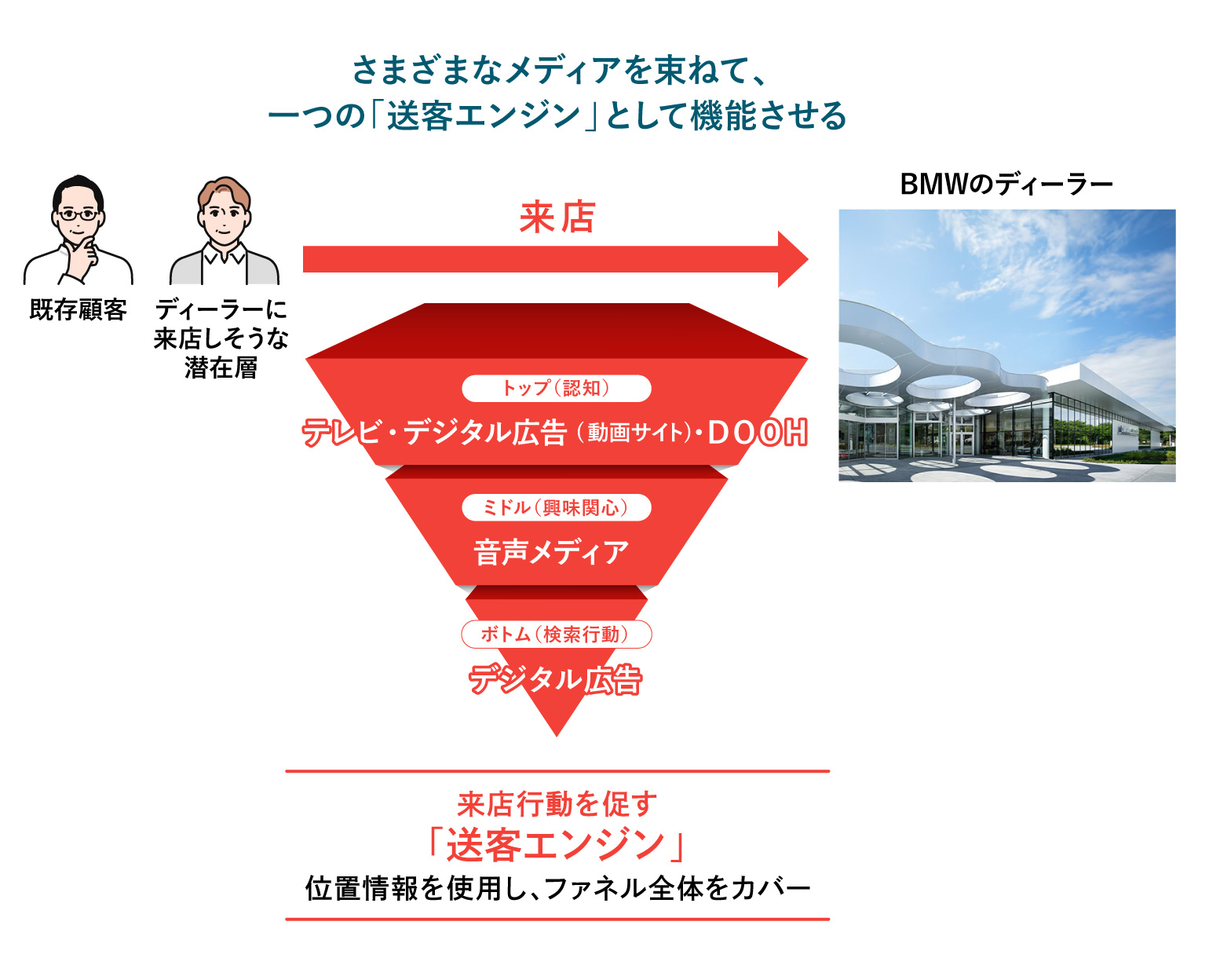
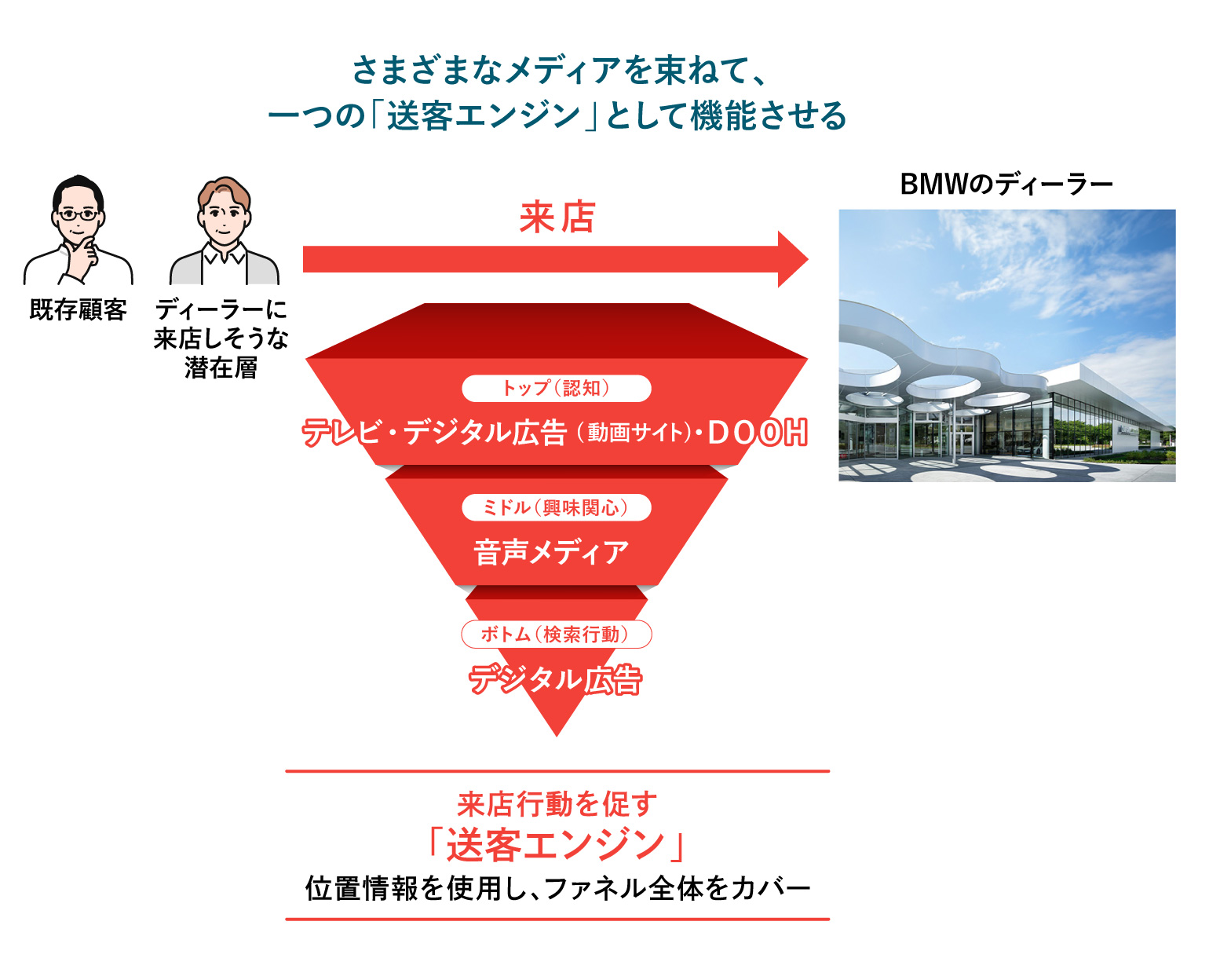
In the “Discover BMW.” campaign—launched in 2025 to promote BMW’s entry-level models—various media channels were combined and foot traffic data was leveraged to create a single “customer acquisition engine.”
We spoke with Sayaka Tomozumi of BMW Japan and Hitoshi Sakata of Dentsu Inc. about the background, details, and results of this cross-media planning. We hope this article will serve as a helpful resource for media planning across a wide range of products and services.
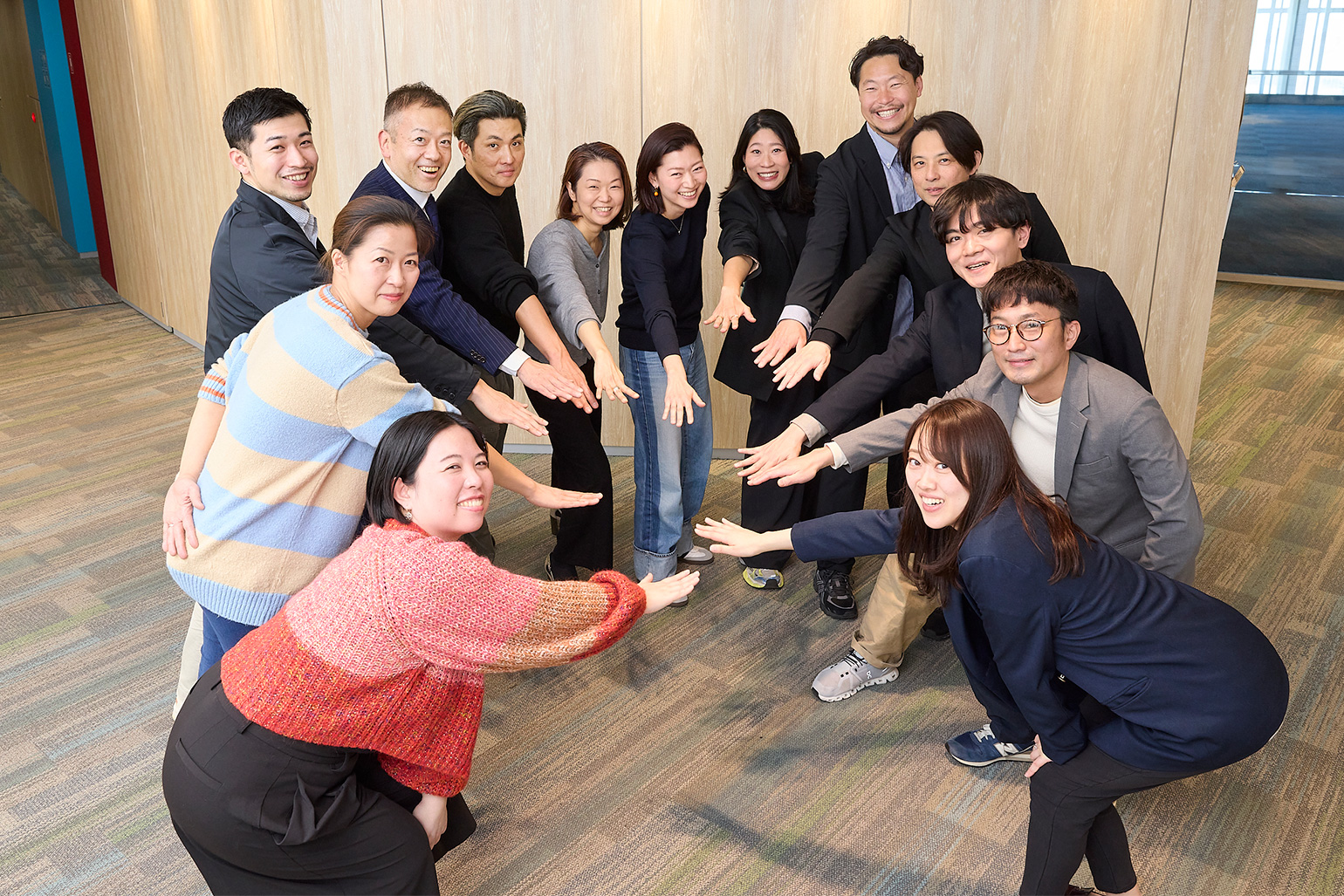
The BMW × Dentsu Inc. media planning team involved in the project
Selecting the Right Media for Each Funnel Stage to Function as a Single “Customer Acquisition Engine”
──Please start by introducing yourself.
Tomozumi: I serve as Brand Communications Manager at BMW Japan. My primary role is to oversee the entire marketing and communications strategy, including paid and owned media.
Sakata: I’m part of Dentsu Inc.’s Marketing Division 1 and am in charge of media planning. For BMW’s campaigns, I design cross-media strategies that efficiently combine multiple media channels. As the lead agency primarily responsible for BMW’s media initiatives, Dentsu Inc. has consistently proposed various strategies and supported the brand throughout the process.
──Dentsu-ho also featured BMW’s media initiatives last year (readthe article here). For readers encountering this article for the first time, could you briefly recap last year’s initiatives?
Sakata: Last year, to coincide with the launch of the “BMW 5 Series Touring,” we rolled out a campaign featuring TV, digital ads, and DOOH (digital out-of-home advertising).
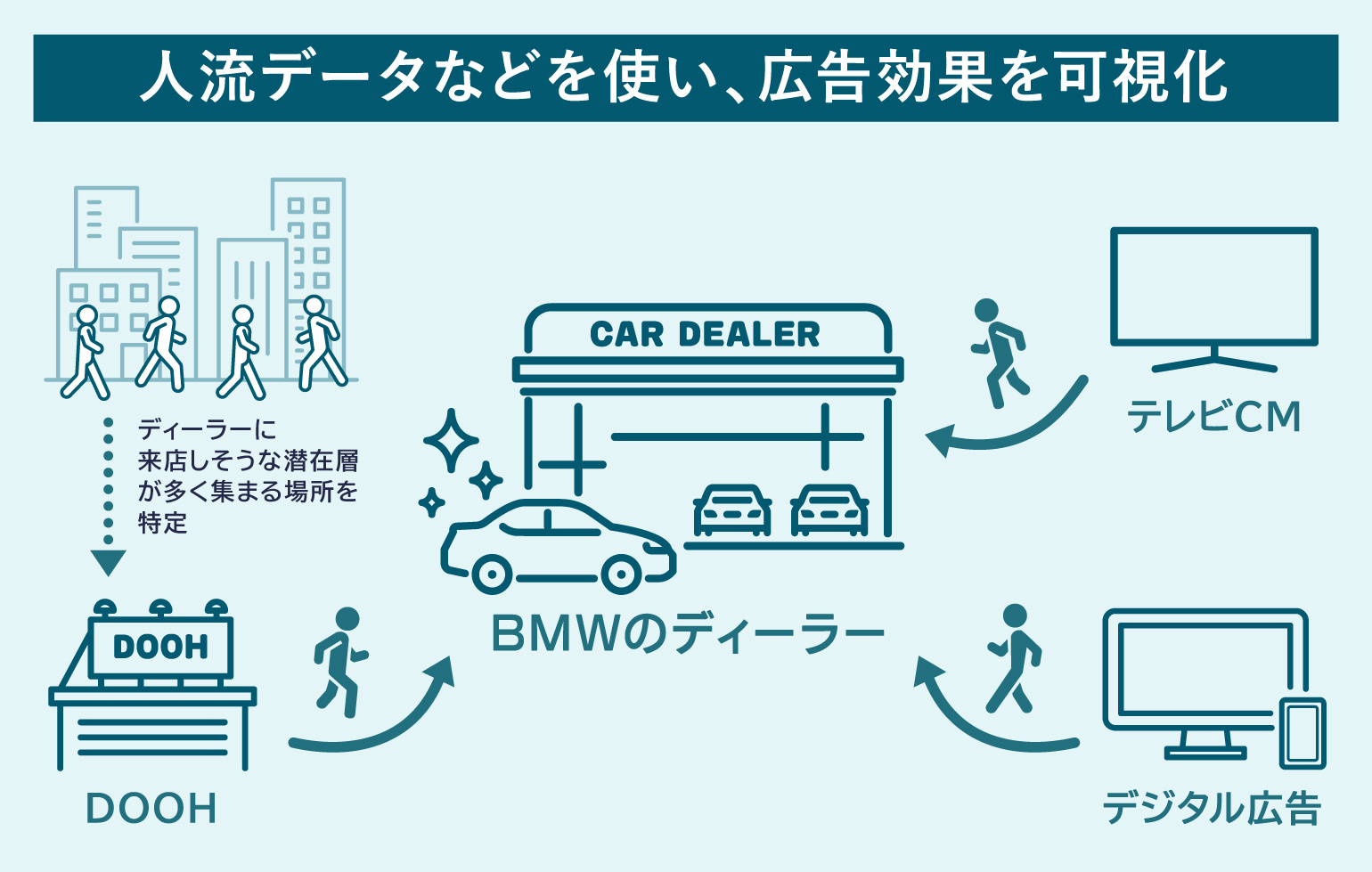
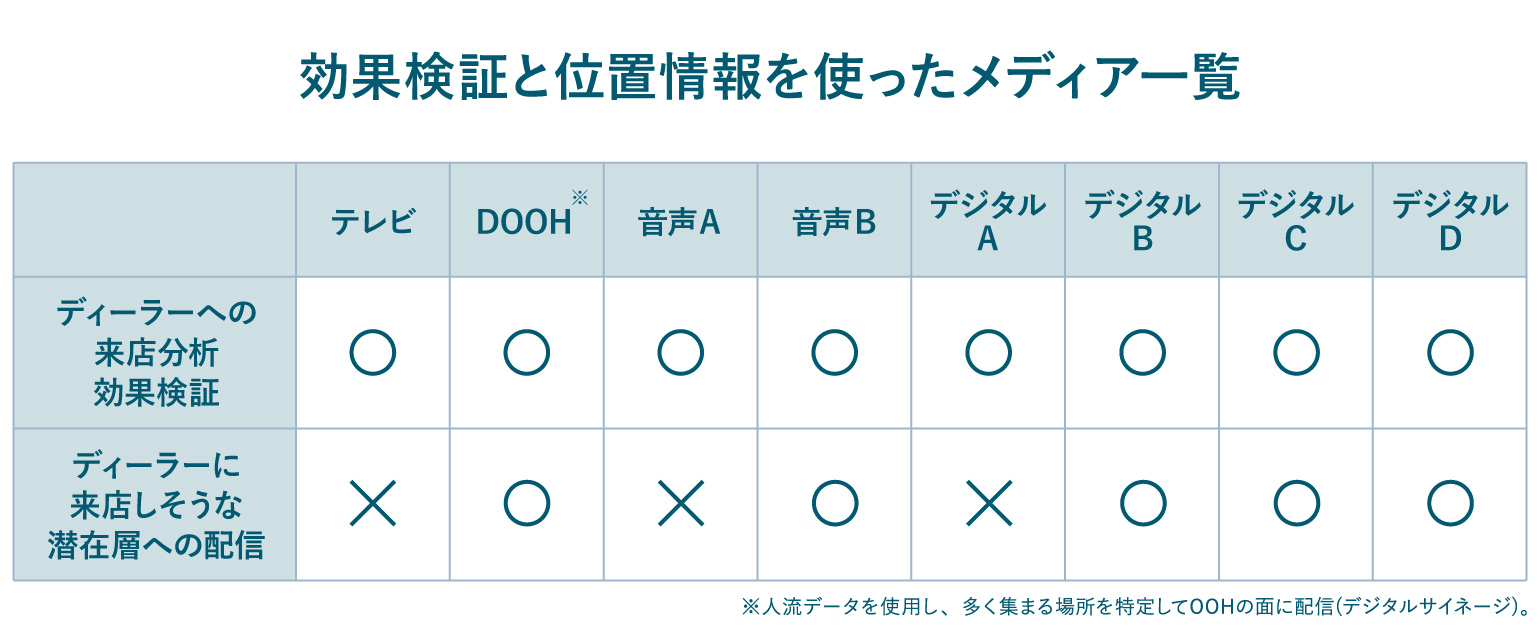
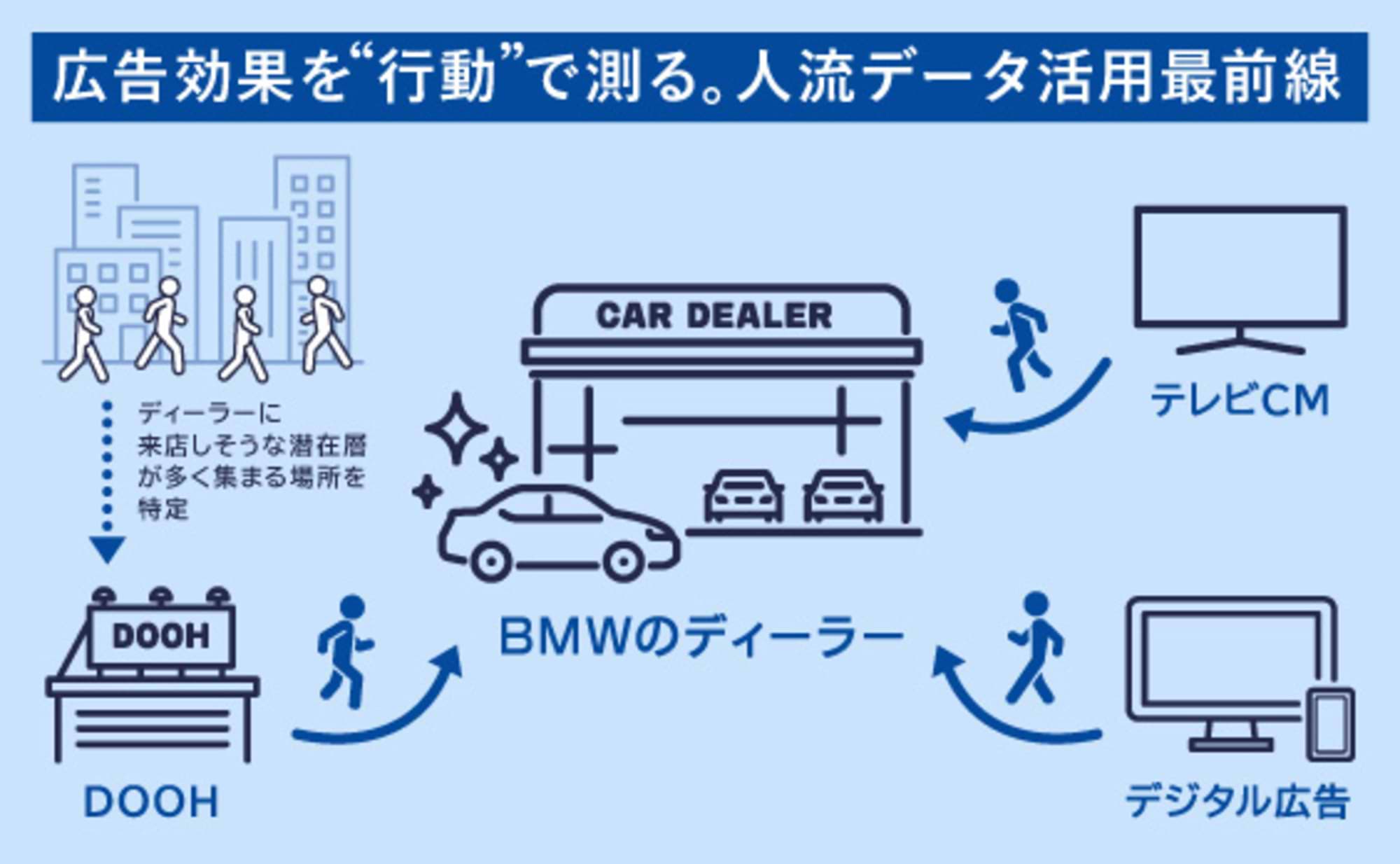
There were two key points to this campaign. First, to verify the effectiveness of the TV commercials, digital ads, and DOOH, we used foot traffic data from unerry (*1) and Dentsu Inc.’s integrated on- and off-media marketing platform “STADIA360” (*2) to visualize whether people who saw the ads actually visited a BMW dealership.Second, in addition to delivering ads to audiences already interested in BMW, we identified “potential customers likely to visit a dealership” using foot traffic data and targeted them with digital ads and DOOH.
*1 unerry: A company that captures people’s real-world behavior by applying AI analysis to big data on foot traffic, and provides marketing services and develops smart city initiatives. It specializes in data privacy.
*2 STADIA360: By integrating actual TV viewing data—for which users have provided prior consent—with data held by various data providers (including surveys, websites, digital ad impressions, app metrics, entertainment, location data, purchases, and first-party customer data), STADIA360 enables multifaceted verification of ad effectiveness on connected TVs through large-scale ID data analysis.
──Thank you. Could you tell us about the “Discover BMW.” campaign for which you handled media planning this time?
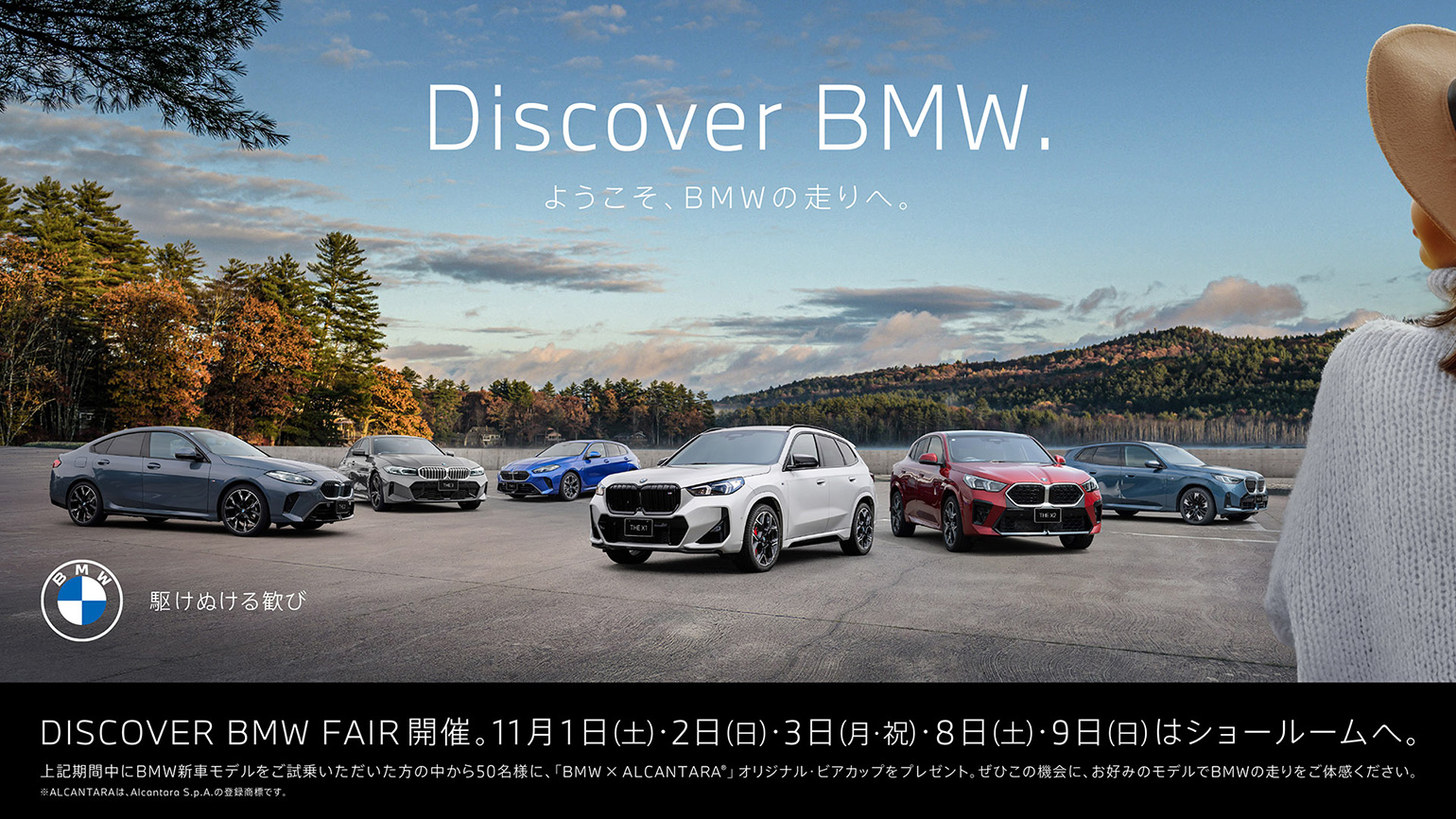
Tomozumi: “Discover BMW.” is a campaign focused on BMW’s entry-level models. It ran for two weeks from October 27 to November 9, 2025. We conducted the campaign uniformly at dealerships nationwide, featuring activities such as a test-drive campaign with prizes and purchase support.
──When planning the media strategy for “Discover BMW,” could you tell us about any challenges you’d faced in media planning up to that point?
Tomozumi: The challenge was that we couldn’t quantify whether our ads were actually driving store visits or whether the media we’d selected were effective. Additionally, while we recognized the importance of placing ads across various media channels, we didn’t fully understand which combinations would be most effective for BMW’s initiatives. So this time, we tested various combinations to verify their effectiveness, aiming to deliver ads that would better drive store visits.
Sakata: As mentioned earlier, we attempted to visualize whether people who saw the ads actually visited the dealership last year. While we achieved some results, the media planning lacked cohesion and felt like it merely provided a method for “utilizing foot traffic data.”
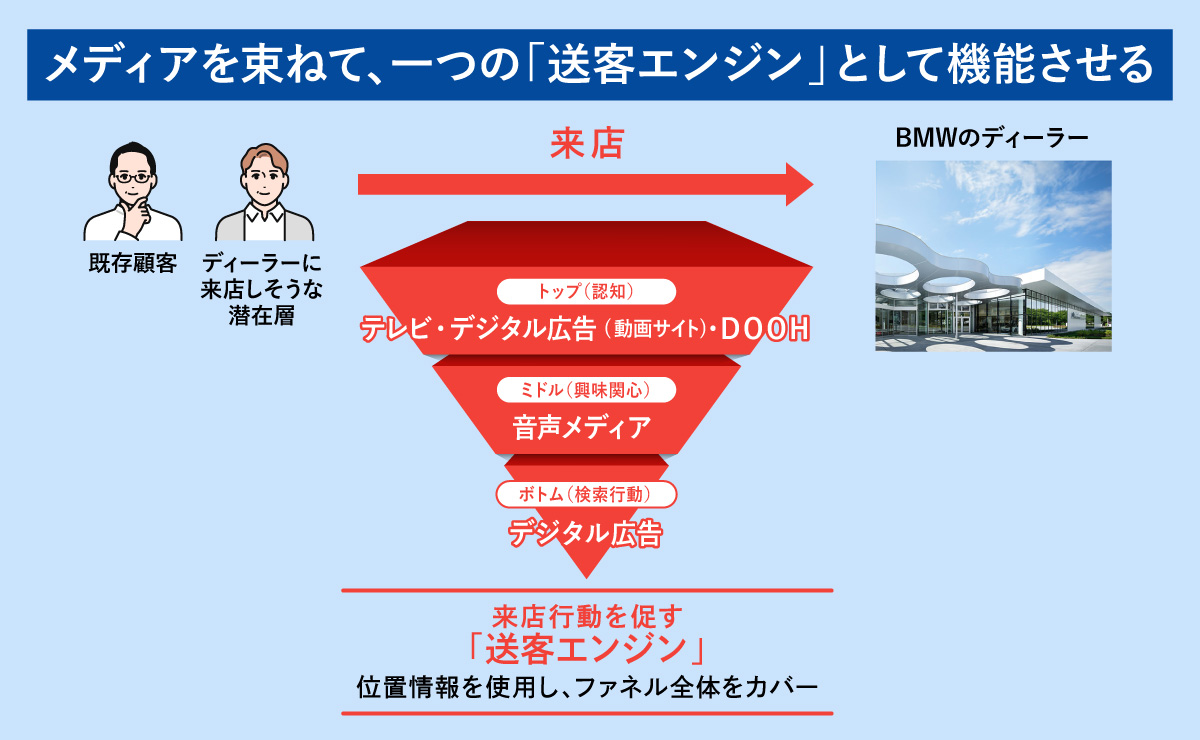
So this time, we wanted to take our media planning to the next level. Since “Discover BMW.” is a sales promotion campaign, we aimed to ensure it made a tangible contribution to sales by selecting the appropriate media for each stage of the funnel—top (awareness), middle (interest), and bottom (search behavior)—and functioning as a single “customer acquisition engine.”
Sayaka Tomozumi of BMW Japan
Leveraging Various Media and Foot Traffic Data to Boost Store Visits
—Please tell us about the objectives of this media planning initiative.
Tomizumi: Since this campaign focused on entry-level models, our goal was to reach not only our existing customer base but also those who aren’t yet aware of BMW and those who haven’t made a purchase due to price concerns. At the same time, we utilized foot traffic data to target potential customers likely to visit dealerships and encouraged them to do so.
Sakata: In car sales, test drives and letting customers experience the vehicle firsthand are the most important factors. For us, getting people to actually visit the dealership was the primary goal. Furthermore, as part of our cross-media planning, we also aimed to visualize the effectiveness of combining different media channels.
──Could you tell us more about the details of the campaign?
Sakata: For the top of the funnel, we selected television and digital advertising (video sites) to build brand awareness. For the middle of the funnel, we chose audio media—including radio, which we believed had high affinity with cars—to heighten interest.At the bottom of the funnel, we targeted audiences most likely to visit a dealership or make a purchase by using display ads on search engines, social media, and messaging apps. Furthermore, we utilized foot traffic data to place digital out-of-home (DOOH) ads in locations where potential customers likely to visit dealerships tend to gather, and we also ran audio and digital ads specifically aimed at that audience.
──What were the key points of this campaign?
Sakata: It was the use of foot traffic data to deliver targeted audio media campaigns to potential customers. Additionally, this was our first attempt at analyzing store visits by combining TV commercials with audio media, as well as conducting a cross-media analysis of TV commercials, DOOH, audio, and digital ads.
──Why did you choose audio media?
Sakata: Audio media has been gaining attention in recent years, and since people often listen to it while driving, we believed it had high affinity with the automotive context. We selected it because we wanted to visualize and demonstrate this affinity in the form of quantifiable advertising effectiveness. Another reason for this media selection was the availability of a solution capable of visualizing the combined advertising effectiveness of TV and audio media.
Incidentally, for the middle funnel—though not shown in the figure above—we also selected golf cart displays. The aim is to choose a setting—golf—that aligns with the interests and preferences of the demographic that purchases imported cars, thereby sparking their interest in BMW’s advertisements.
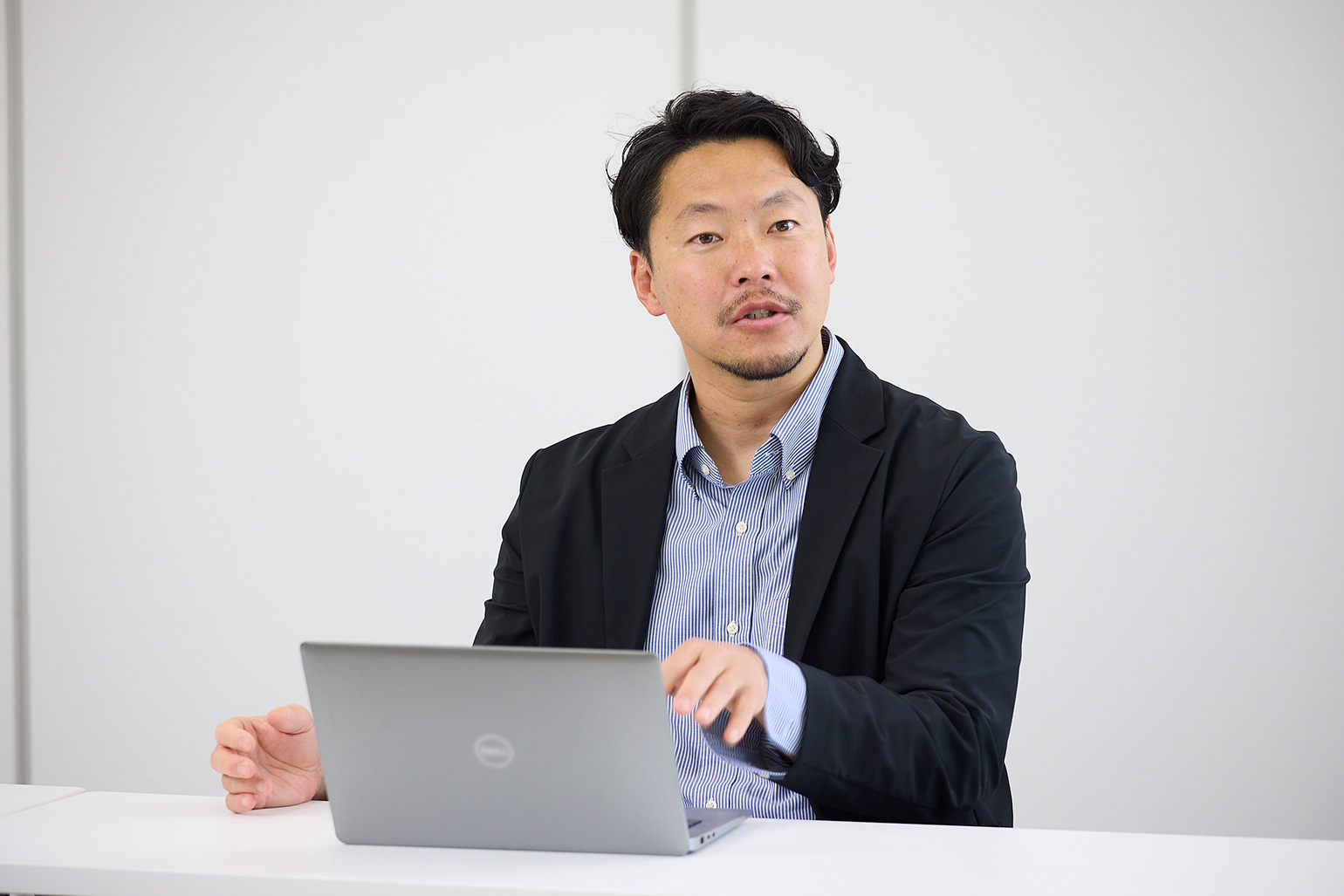
Hitoshi Sakata, Marketing Division 1, Dentsu Inc.
We were able to demonstrate that integrated advertising initiatives across the full funnel contribute most significantly to store visits
—What results did you achieve with this campaign?
Sakata: We focused on three key metrics: store visit efficiency, store visit rate, and number of store visits. For store visit efficiency, targeted ad delivery to potential customers using foot traffic data proved effective. The results showed that DOOH was most effective for the store visit rate, while TV commercials and DOOH were most effective for the number of store visits.
While TV commercials are often considered a medium for building brand awareness, advertisers are actually eager to know whether they lead to store visits. By visualizing the data in this campaign, we discovered that TV commercials generated a high number of store visits. In the case of BMW, it had long been said that “TV commercials are more effective at driving store visits in local markets,” and we were able to confirm this through our analysis.
Another new discovery was that audio media is also highly effective. Looking at the demographics of store visitors, one particular audio medium had a high proportion of women in their 50s—a characteristic not found in other media. Recently, it’s not uncommon for couples to visit dealerships together, so this may be a contributing factor. Audio is one medium we plan to continue monitoring closely.
──Please tell us about the results of the cross-media analysis as well.
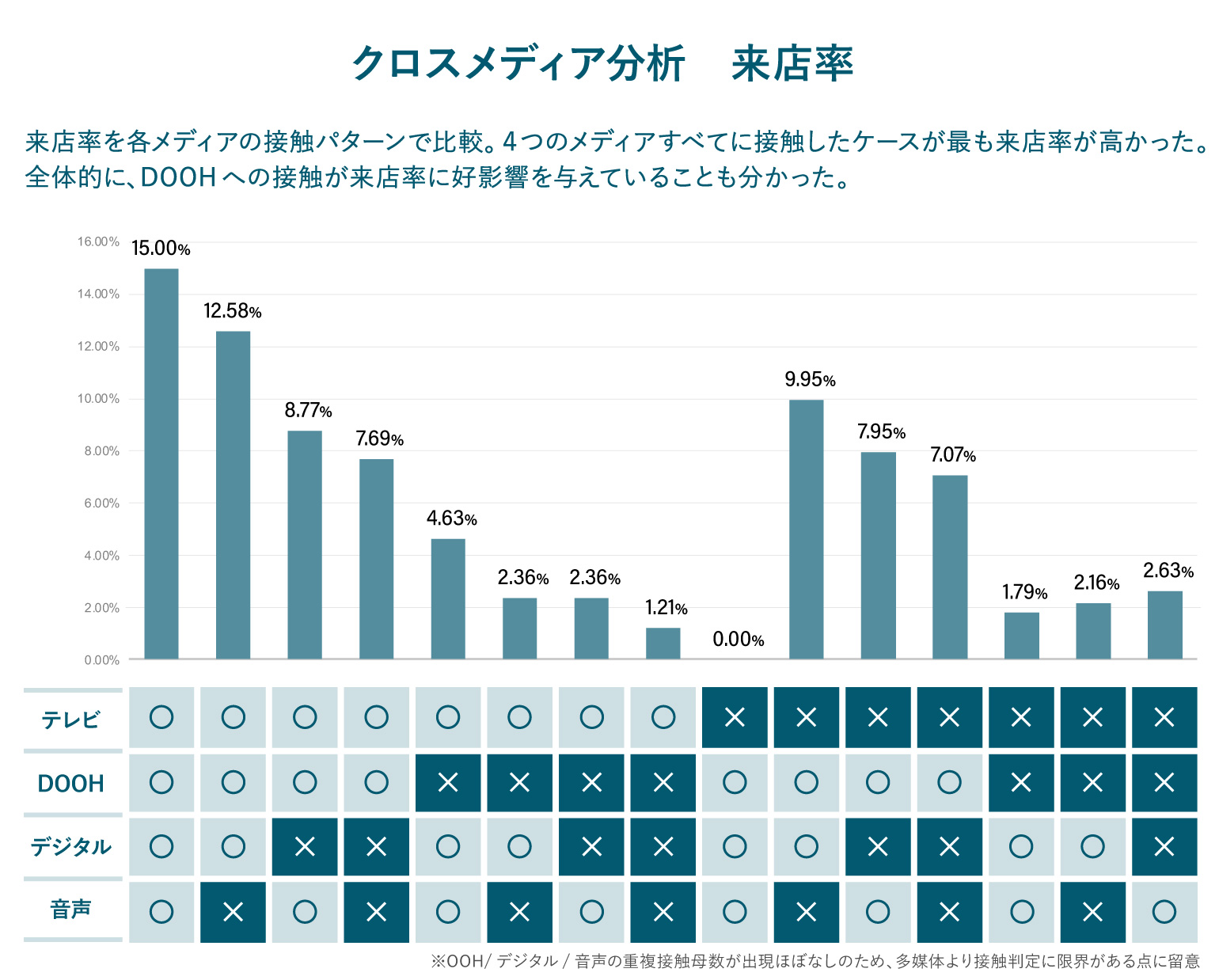
Sakata: The engagement pattern that combined TV commercials with DOOH, digital, and audio recorded the highest store visit rate. In other words, we found that integrated advertising campaigns across the entire funnel contribute most significantly to store visits.
Tomozumi: Among the various media, the effectiveness of DOOH was particularly impressive. In our media planning for previous campaigns, we typically considered TV, newspapers, and digital first, so we hadn’t paid much attention to DOOH. However, after implementing this cross-media planning strategy that combined the four media, we discovered that store visit rates increase when consumers are exposed to DOOH. If TV becomes difficult to incorporate due to budget constraints, we can now include DOOH instead. Based on these results, I feel that we now have more options available to us.
Sakata: You’re absolutely right. When planning media campaigns, advertisers rarely bring up DOOH, but this analysis has shown just how important it is.
──As BMW, what other results have you observed?
Tomozumi: Until now, we hadn’t been able to make comparisons under identical conditions. This made it difficult to determine whether the results of a new media plan could be replicated in subsequent campaigns or to compare different media types to see which was more effective. In that regard, a major achievement this time was that we were able to conduct full-funnel media planning for a single campaign—all with the same objectives, target audience, and timeframe—and visualize the results side-by-side using concrete metrics.
──How was the reaction from the field?
Tomozumi: By utilizing TV commercials, we received feedback from dealers that they felt they had gained new customers. This was exactly what we at BMW wanted to hear most. Additionally, by leveraging audio media, we were able to achieve broad awareness among car users, and we felt a real sense of progress.
Sakata: I was surprised to hear dealers mention that they had “heard the audio media ads” this time. It really drove home the fact that the message was getting through, and I think we were able to “visualize aspects that aren’t visible in the data.”
──Finally, could you share your outlook for the future?
Tomozumi: Starting with the new BMW iX3, scheduled for launch this year, BMW is ushering in a new era. The BMW iX3 is not merely an evolution of an existing model; it will serve as a pioneer pointing the way to the future of the BMW brand. We plan to collaborate with Dentsu Inc. not only on targeting but also on branding, so please look forward to it.
Sakata: At Dentsu Inc., we also intend to continue our media planning efforts without losing our spirit of challenge. Rather than simply utilizing media, we want to propose new solutions while being mindful of whether we can properly visualize that we are actually “driving traffic.” Since products like BMW cars aren’t something people buy immediately after seeing an ad, branding is crucial. We plan to continue supporting BMW by maintaining a strategic mindset, making full use of data to quantify advertising effectiveness, and working closely with them moving forward.
First Marketing Bureau, Connection Planning Division 2
Marketing Consultant
“Is the advertising reaching its target?” We tackle this question head-on and prove it with data.Currently in Marketing Division 1, he drives the design, execution, and verification of integrated strategies from both planning and buying perspectives. By combining location data (foot traffic data) with full-funnel design, he visualizes the connection between ad exposure and real-world behavior. He is challenging himself to transform location data into a new form of reach from a CX perspective and to redefine media as a growth engine for the full funnel.His design capabilities are rooted in a career that spans both media and marketing, starting with media buying and expanding into media strategy, integrated solutions, and sports business. Whether on the field or in marketing, he designs strategies to win. Leveraging his experience leading a corporate team to four consecutive national championships, he currently serves as an active American football coach for the Dentsu Inc. Caterpillars. He embodies the philosophy of balancing work and life—on and off the field.