Note: This website was automatically translated, so some terms or nuances may not be completely accurate.
 【Continued】Local Gurgle [207/208]
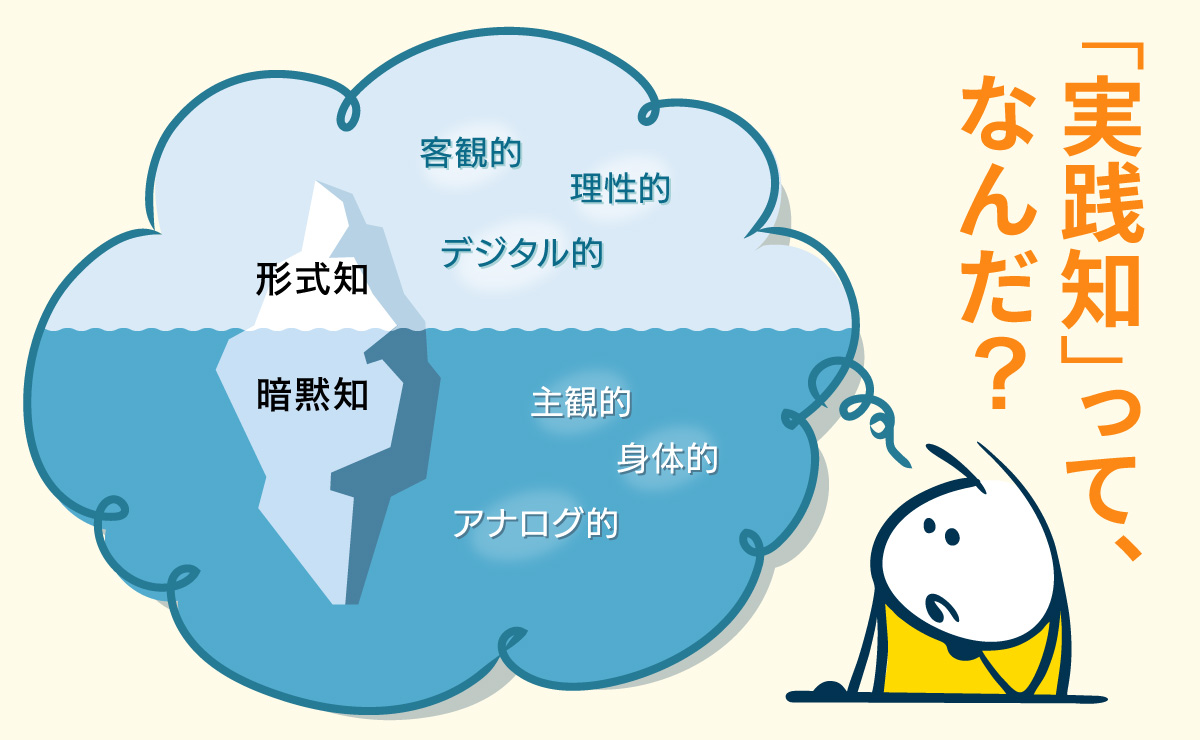
What is “Practical Knowledge,” anyway?
I’m not sure if it’s because of the rainy season or if I’m still feeling the effects of yesterday’s drinks, but the phrase “practical knowledge” has been making my already foggy head feel even more muddled lately. How do you all use this term?
For example, the other day, while talking with a client, they said, “Skilled consultants don’t just stop at applying frameworks—they also provide ‘practical knowledge’ that drives change on the ground, right?” In this context, based on the flow of the conversation, I interpreted “practical knowledge” to have a nuance similar to “on-the-ground knowledge” gained through hands-on experience.
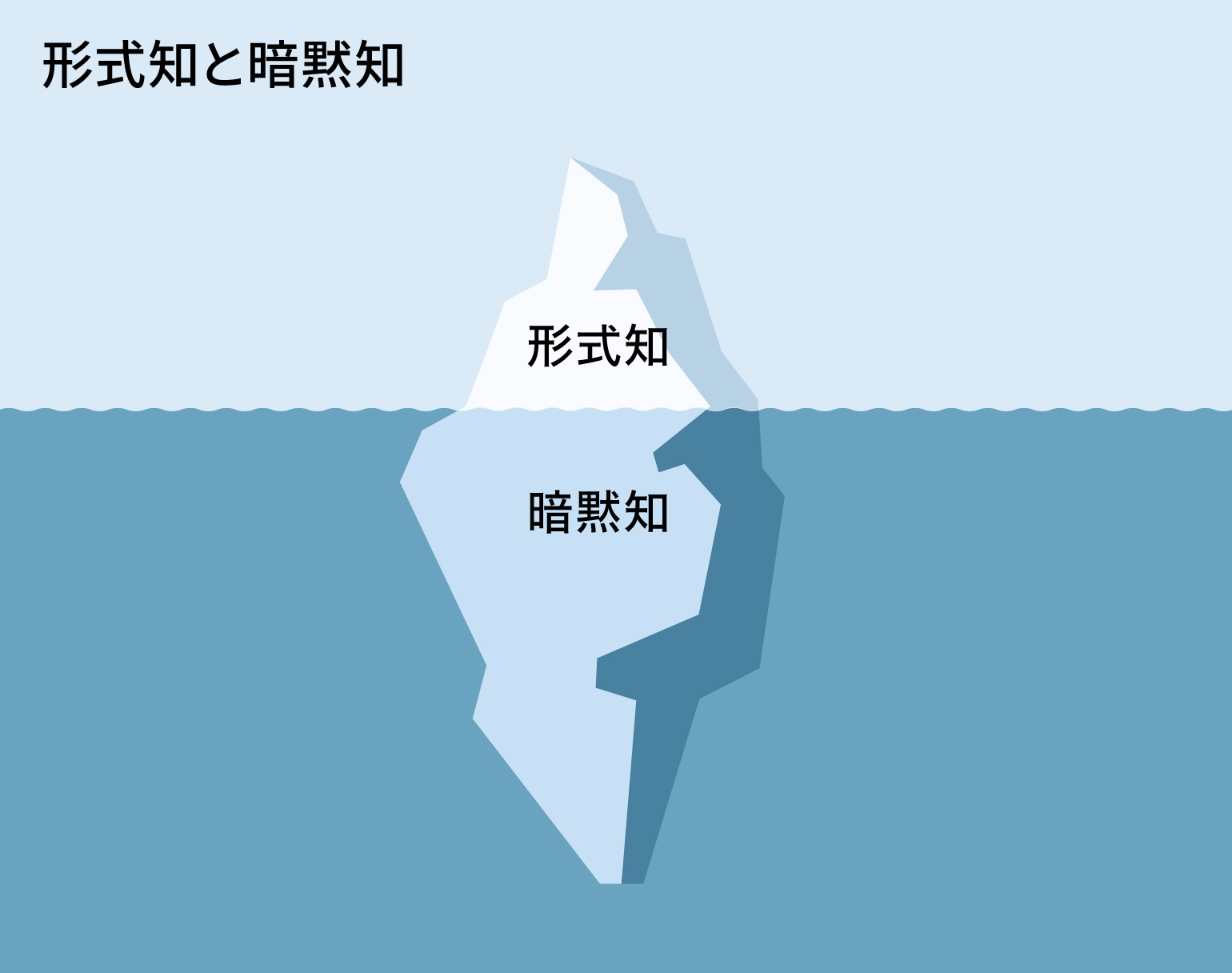
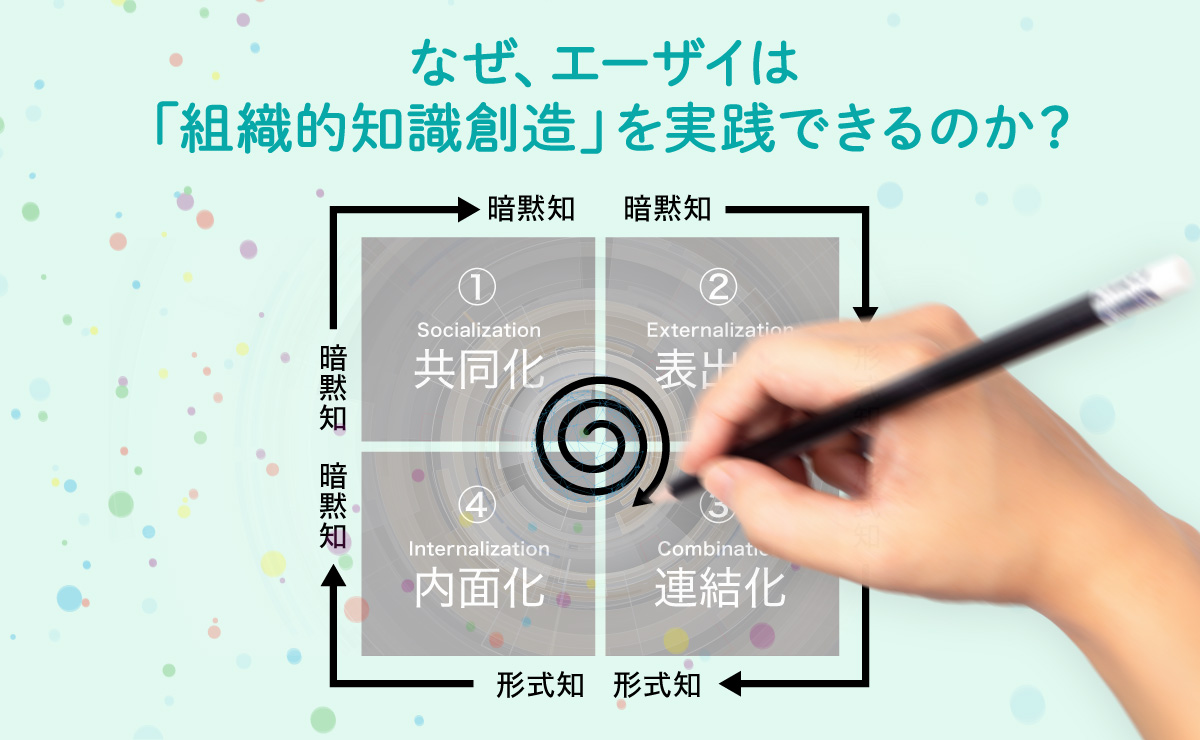
As you may know, Michael Polanyi proposed that we “rethink the concept of ‘knowledge’ based on the fact that people know more than they can articulate,” and he highlighted the importance of “tacit knowledge.”
Subsequently, explicit knowledge was defined as “objective, rational, and digital knowledge,” while tacit knowledge was defined as “subjective, embodied, and analog knowledge.” This led to the further insight that “tacit knowledge” is refined through “introspection”—the process of trying things out and adjusting them—that occurs right in the midst of experience (action and practice).
Given this background, a certain number of people use the term “practical knowledge” to refer to “on-the-job knowledge”—that is, the experience, intuition, and know-how highly refined through artisanal practices.
On the other hand, in the field of knowledge creation theory within management studies—based on Greek philosophy—the term “practical knowledge” is used in a different sense.
Aristotle proposed “phronesis” as “practical knowledge”—that is, “knowledge for action”—distinct from “episteme” (theoretical or scientific knowledge) and “techne” (technical or artisanal knowledge). He defined it as “practical knowledge that judges ‘what should be done here and now’ between a good end and real-world constraints.” The English translation of this is “practical wisdom,” or “practical knowledge.”(It is also sometimes translated as “Prudence.”)
Furthermore, the theory of knowledge creation emphasizes the importance of “phronetic leaders” who can drive organizations toward the common good. Underlying this is the idea that “fundamental values regarding what constitutes truth, goodness, and beauty (*) arise not from lofty ideals or majority decisions in conference rooms, but from careful deliberation in the midst of rigorous practice.”
*Truth, Goodness, and Beauty = Human ideals expressed from the three perspectives of “Truth,” “Goodness,” and “Beauty.”
Naturally, it is not incorrect to use “practical knowledge” to mean “on-the-ground knowledge” or to use it to mean “prudence.” However, unless we carefully examine the definition to determine which meaning is intended, things can get confusing.
Take the earlier statement: “An experienced consultant (omitted) also provides the ‘practical knowledge’ that drives the front lines, right?” If that is meant to imply “front-line knowledge,” then it goes without saying that a consultant with extensive industry experience would naturally possess it. On the other hand, if it refers to “wise judgment,” then we would be expecting the provision of extremely advanced knowledge.
Precisely because the concept of “wise counsel” is so crucial when considering the essence of innovation, we must take great care to ensure that the term “practical knowledge” isn’t needlessly consumed as just another “buzzword.”
I couldn’t quite explain all this clearly over drinks, and I’m sure I left everyone—including my conversation partner—feeling a bit confused.
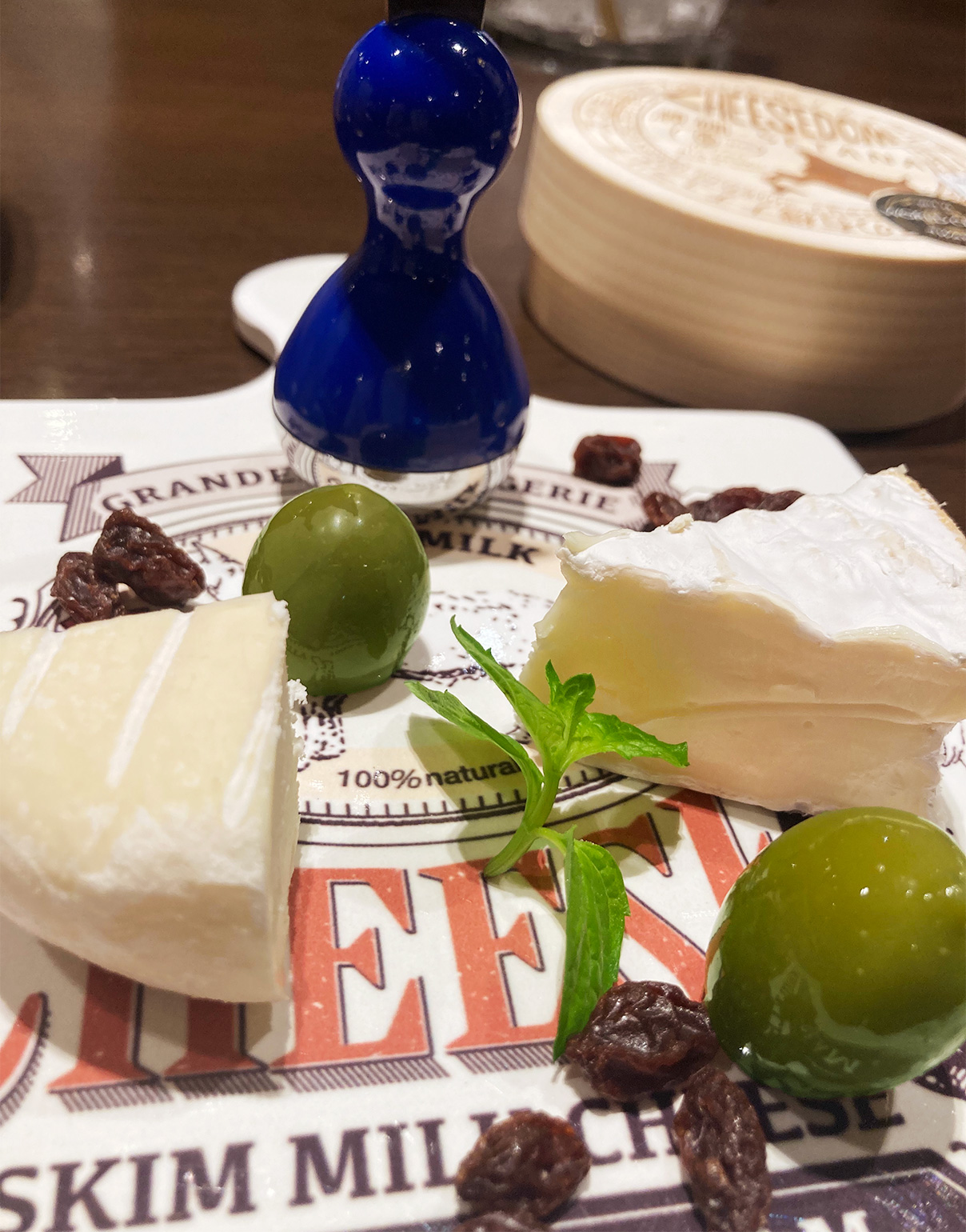
The best way to clear up that sense of unease is to enjoy some good food. Camembert made from the milk of cows living freely on pasture in Setana Town, Kuon District, in southwestern Hokkaido, and cheese from Yozawa Goat Farm in Akiruno City, Tokyo.
Since these two cheeses—which are consistently recognized with international awards and are therefore hard to come by—were luckily available at an event hosted by the Japan Cheese Association, I took them to an Italian restaurant run by a friend and paired them with wine.
Just one slice offered a rich flavor that hinted at both “on-the-ground insight” and “wise judgment,” making the confusion I’d been feeling just moments before seem utterly ridiculous.
Please, help yourself!
 For more details on “Indwelling Creators,” a project led by Takeo Yamada, click the logo.  |  |
Was this article helpful?
Share this article


Newsletter registration is here
We select and publish important news every day
For inquiries about this article
Back Numbers

Author

Sōo Yamada
Dentsu Inc.
First CR Planning Bureau
Creative Director