Note: This website was automatically translated, so some terms or nuances may not be completely accurate.
 【Continued】Local Gurgle [205/208]
Try putting extremes in "brackets"
Coming up with ideas that make people say, "Why didn't I think of that?" isn't easy.
Because it requires breaking free from the "common sense" that unknowingly binds us. Even students in a university classroom can be swayed by the atmosphere and end up voicing "reasonable" opinions—meaning those compliant with conventional wisdom. This tendency is even stronger in corporate meeting rooms.
In such situations, books on creative thinking often suggest a trick: "Try thinking extremely." They encourage boldly changing assumptions about your target customer. For example, "What kind of business would emerge if we were dealing with an 'Arabian king'?"
But actually doing this is surprisingly difficult. A common pitfall is thinking, "Arab kings love gold, so why not just make everything gold without worrying about price?"
This likely stems from (perhaps unconsciously) drawing on examples heard somewhere before. Since it's a path already traveled, it won't lead to a "That's the way to do it!" kind of idea.
Or, recently in a university lecture, a student started a project based on the "mysterious insight" that "Arab kings are always showing off, so deep down they secretly wish to work hard at physical labor, sweating buckets." Since the starting point already lacks authenticity, it's unlikely to generate a "That's the way to do it!" idea.
So how can we think to make use of this know-how? The key here is to neither affirm nor deny the extreme existence of the "Arab king" with immense wealth. Instead, we must first accept it as it is—in quotation marks—within ourselves, adopting an attitude of making it our own (*).
※Related article here
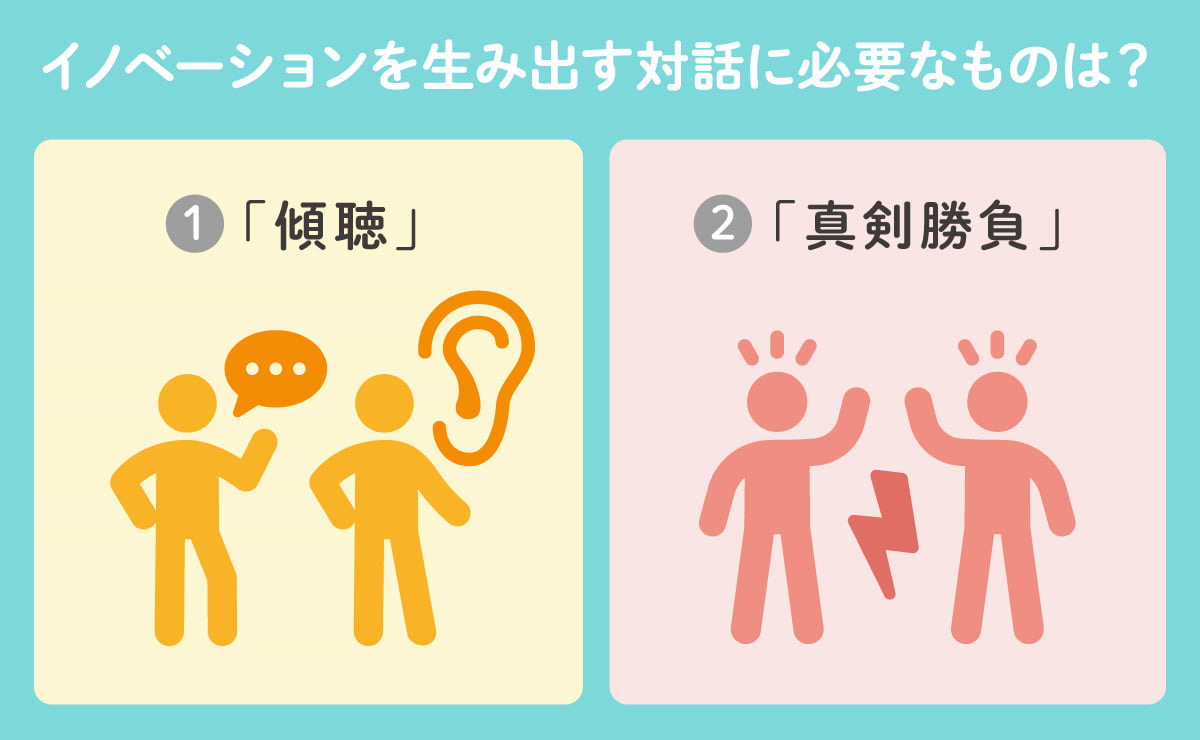
・ The Difficulty of "Creative Dialogue" (Dentsu-ho)
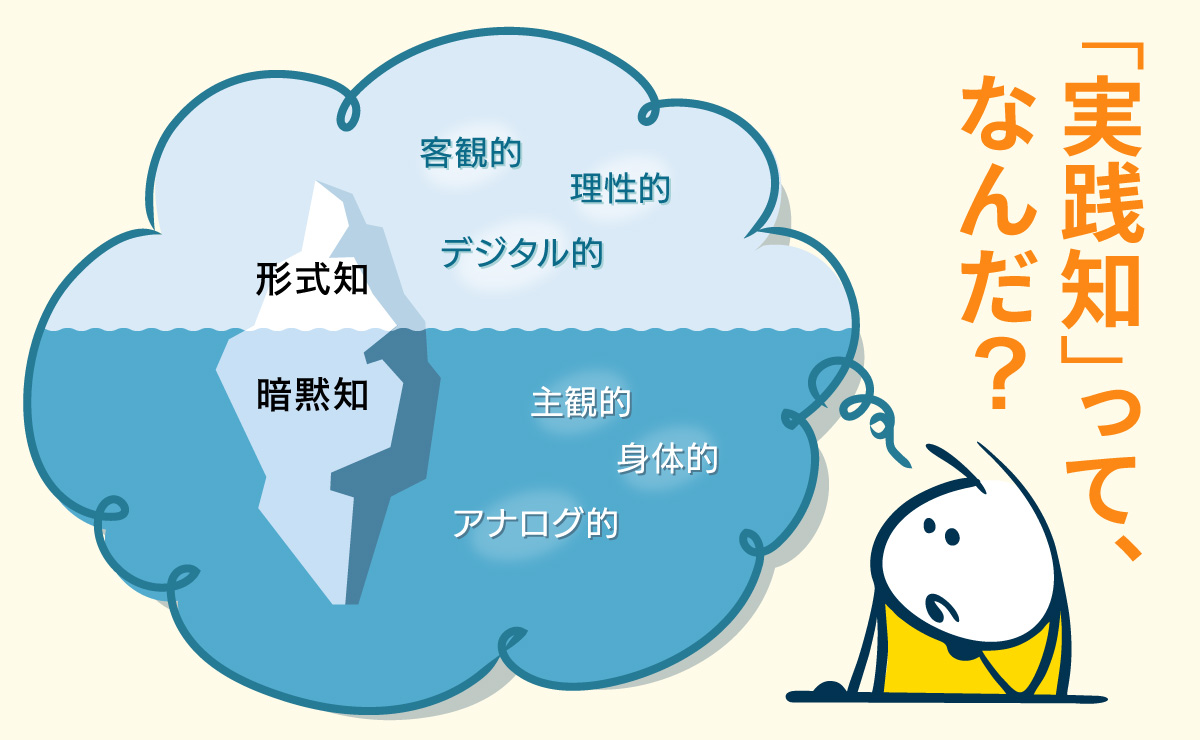
・Let a Little Elf Live in Your Heart (Dentsu-ho)
At the annual business contest held by the LP gas industry, last year's winner was Seisho University's Yumero Ishizuka with her "AURORA WARM DOME."
This proposal addressed the problem that while staying in comfortable viewing locations in aurora-visible regions sometimes means missing the aurora, chasing it by vehicle (which significantly increases the viewing probability) lacks comfort. It proposed "comfortable viewing using a mobile dome tent," leveraging LP gas's portability, ease of setup, and low environmental impact.
It was a brilliant project that effortlessly shattered the common misconception that "LP gas is just an energy source for areas without city gas infrastructure."It incorporates the "Arabian king" mentality of "What would I do if I had immense time and money?" – a concept distant from students' lives – with a touch of coolness. It then takes the things encountered there (in this case, the travel plan) and carefully refines them as if they were their own, without embellishment.While the actual thought process remains unknown, this project offers a successful model for leveraging such "extreme" Arabian-king-like thinking.
On a different note, have you heard of Ayano Nagao, known as the "Butter Mania"? She's a butter enthusiast who's appeared in various media. I met her at a dairy industry gathering, and the "Enchanting Butter Crunch" biscuit from Yamazaki Biscuit, supervised by this Butter Mania, is incredible. Truly shocking. It's overflowing with that sense of guilt, like you're biting straight into butter itself.
I suspect this is the result of Butter Mania embracing the "extreme" within herself, not dismissing it with "I'm a bit unusual," but instead putting it in brackets and bringing it out. By observing that phenomenon (sensation) as it is, she likely discovered, "Huh? Butter often gets a bad rap, but isn't the desire to just bite into it something surprisingly many people harbor?"
When I asked Butter Mania about this, they replied with overflowing butter love: "Well, everyone loves delicious butter, right? The aroma wafting from baked goods, the flavor filling your mouth with every bite. A treat that lets you savor that happiness simply has to be delicious."
The fact that the series has continued to expand suggests many people have succumbed to this terrifying temptation. For example, one product in the series, "Raisin Butter," is so well-crafted as a confection that I highly recommend trying it alongside others.
Please, help yourself!
 For more details on "Indwelling Creators," a project by Takao Yamada, click the logo.  | 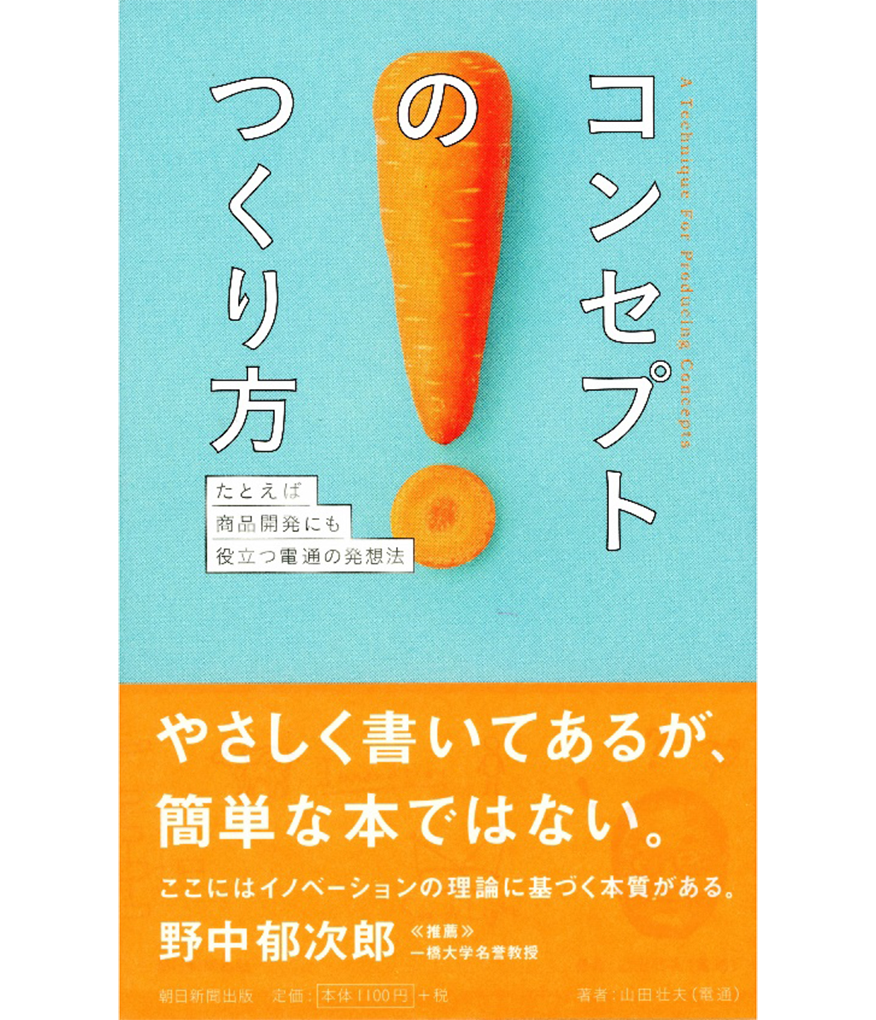 |
Was this article helpful?
Share this article


Newsletter registration is here
We select and publish important news every day
For inquiries about this article
Back Numbers

Author

Sōo Yamada
Dentsu Inc.
First CR Planning Bureau
Creative Director