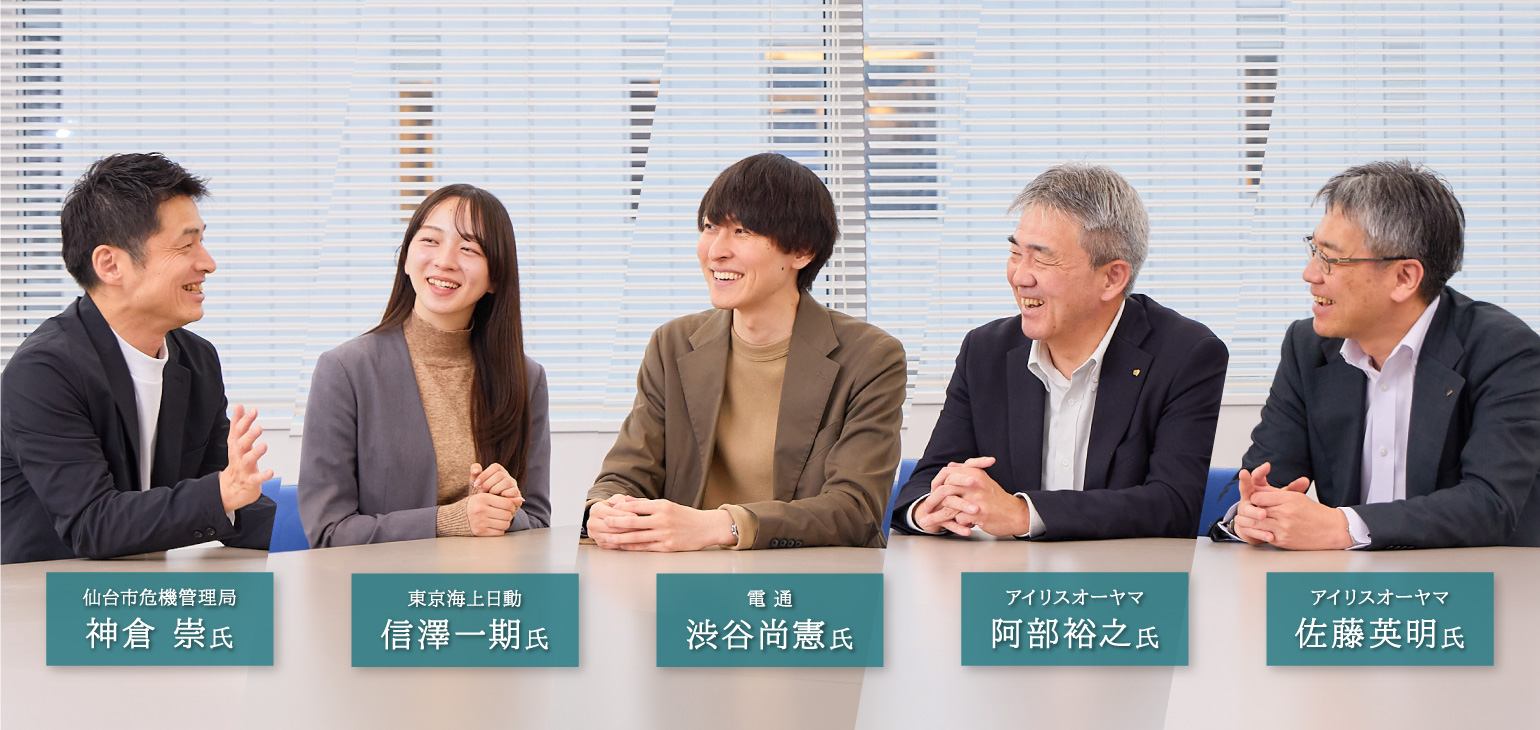
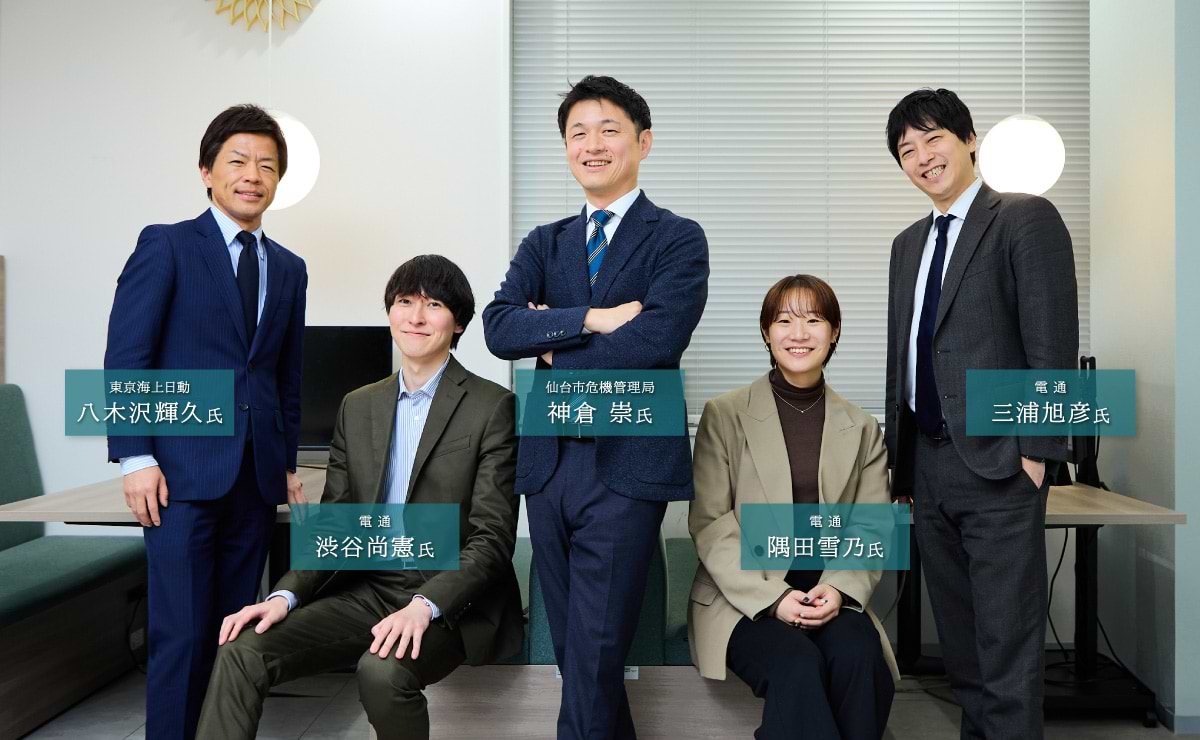
“Xross Innovation BOSAI” (hereinafter “XIB”) was launched with Sendai City taking the lead and in partnership with Tokio Marine & Nichido and the Dentsu Group.
Launched in August 2025 as a co-creation consortium, it aims to generate new value by allowing wisdom and actions derived from diverse experiences to “X (cross)” across fields, generations, regions, and national borders. This consortium aims to create numerous initiatives that contribute to regional disaster prevention and mitigation by leveraging the expertise and business foundations of its many participating stakeholders.
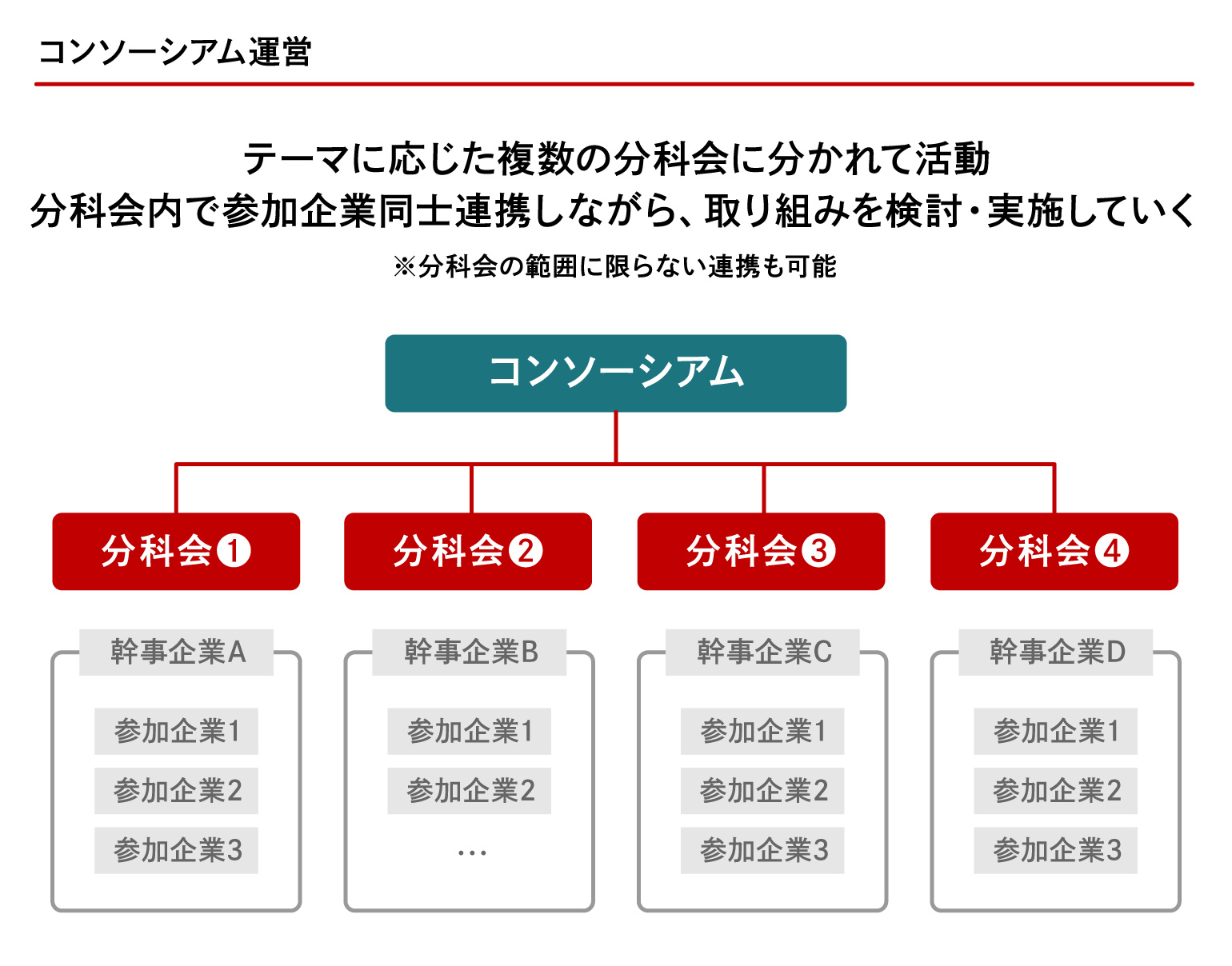
Another distinctive feature is the establishment of subcommittees organized by theme, where companies collaborate to advance concrete initiatives.
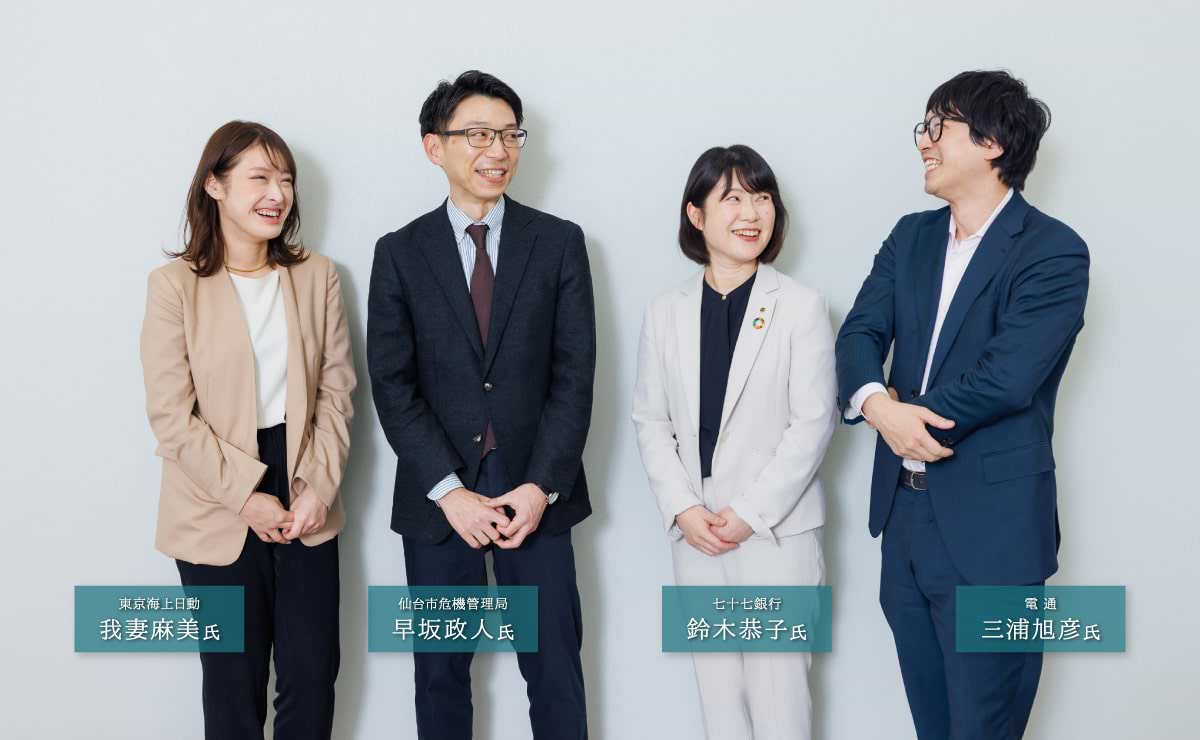
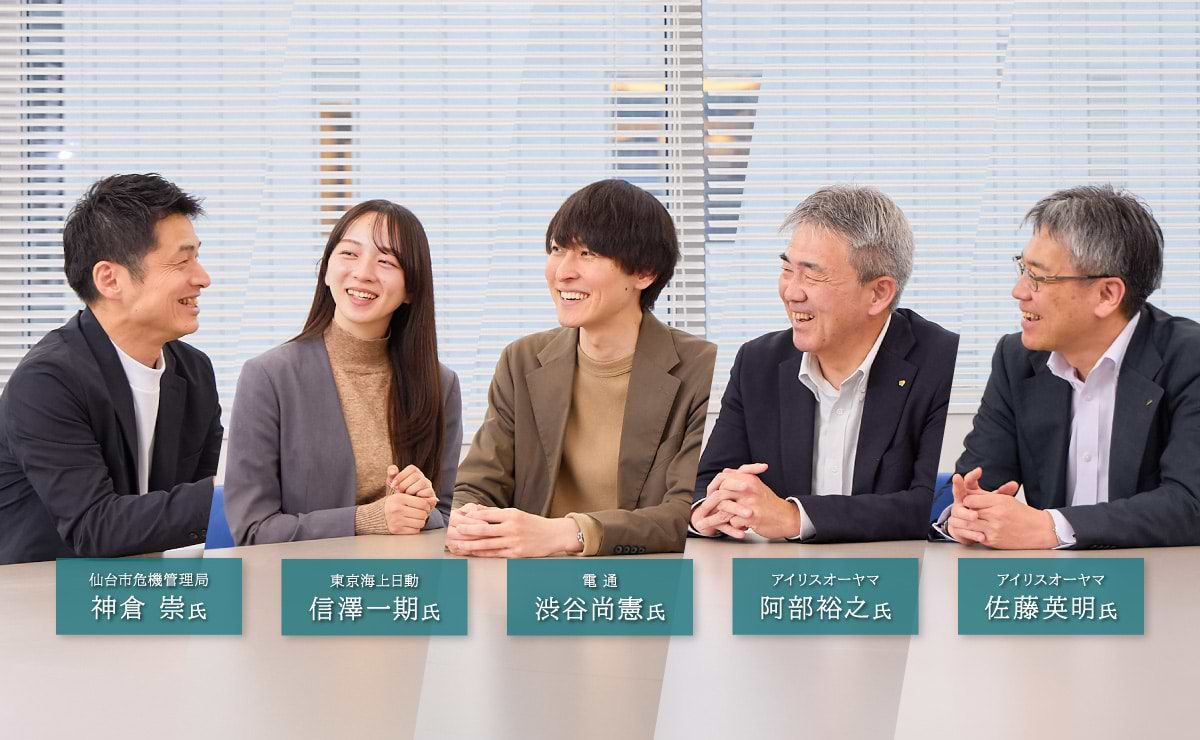
For this third installment, we focus on the subcommittee addressing disaster mitigation and prevention under the theme “Leaving No One Behind: Creating a Safe and Secure Life for Every Individual.” What can government agencies and companies do to raise public awareness of disaster prevention? The four organizations leading XIB’s operations—Sendai City, Tokio Marine & Nichido, Dentsu Inc., and Iris Ohyama (the subcommittee’s coordinating company)—discussed behavioral change among citizens and disaster prevention.
In this series, we explore the significance and potential of collaboration among industry, academia, government, financial institutions, and the public to solve local social issues, as well as offer insights for promoting B2B2S (Business to Business to Society) initiatives.
The Importance of Disaster Preparedness Awareness, as Learned from the Great East Japan Earthquake
Shibuya (Dentsu Inc.): XIB has currently established four subcommittees, each carrying out various initiatives based on specific themes. Today, we’d like to hear about Subcommittee 1, for which Iris Ohyama serves as the coordinating company and which is focused on the theme of “Creating a safe and secure life for everyone, leaving no one behind.” First, could you tell us about the background behind Iris Ohyama’s participation in XIB?
Abe (Iris Ohyama): Headquartered in Sendai City and operating factories in Miyagi and Iwate, our company has been working to address social issues—including disaster prevention—since we were affected by the Great East Japan Earthquake in 2011. We signed a comprehensive partnership agreement with Sendai City in 2023, and it was during our ongoing collaboration on various projects that we were invited to join XIB.
One of the reasons we decided to join was that we resonated with the purpose of this consortium, which is spearheaded by Sendai City—a city promoting urban development under the banner of a “Disaster-Resilient Environmental City.” Additionally, when we were affected by the Great East Japan Earthquake, we received tremendous support from all over the country, which enabled us to get back on our feet. We also felt that through XIB’s activities, we could not only contribute to the citizens of Sendai but also share our disaster prevention initiatives with the entire nation.
Shibuya: Is your experience with the Great East Japan Earthquake a major factor behind your desire, as a local company, to contribute to regional disaster prevention?
Sato (Iris Ohyama): Yes, that’s correct. I think it’s significant that our headquarters is located in an area that suffered such extensive damage, and that our employees, along with us, experienced the disaster firsthand. Natural disasters like earthquakes can happen anywhere, and anyone can become a victim at any time. Precisely because we have experienced the Great East Japan Earthquake, I feel we can share that same awareness and truly empathize with those affected by disasters.
On the other hand, 15 years have passed, and there are times when I feel that awareness of disaster prevention is fading. Given this situation, we consider our participation in XIB to be a crucial initiative for us.
Kamikura (Sendai City): Based on the idea of combining the assets of industry, academia, government, finance, and the private sector to advance disaster mitigation and prevention, Sendai City has been calling on various companies to participate in XIB. Disaster prevention is a two-sided coin—normal times and emergencies are inseparable—and efforts in everyday life are essential. In that sense, we believe the participation of companies with solutions across diverse fields is indispensable.
We are very encouraged that Iris Ohyama—a manufacturer of household goods that is highly compatible with disaster prevention supplies and a company deeply rooted in the local community—has joined us this time.
Shibuya (Dentsu Inc.): Iris Ohyama develops a wide range of household goods—are you also focusing on expanding your disaster preparedness product line?
Sato (Iris Ohyama): We have been handling disaster preparedness supplies for some time, but following the Great East Japan Earthquake, we began expanding our offerings more broadly. Our core business is household goods, and as a natural extension of that product development, we also carry a wide range of outdoor and camping gear. A key feature of our disaster preparedness supplies is their high compatibility with these products.
In particular, disaster preparedness supplies require “space performance” (SpePa). For example, products that can be stored compactly in normal times but inflate to serve as a mattress during a disaster. In recent years, we have been actively engaged in product development with this concept of SpePa in mind.In fact, our core businesses—pre-packaged rice and beverages—also trace their origins back to disaster preparedness. They were born from the idea that “products with a reasonable shelf life that are easy to eat would be useful during disasters” and “not having drinking water during a disaster would be a serious problem.”
In that sense, our company and disaster preparedness products are a natural fit, and I feel that through XIB’s initiatives, we can contribute to our local communities.
Starting with our interactions with individual customers: Promoting safe and secure communities where no one is left behind
Shibuya (Dentsu Inc.): Please tell us about the theme and specific initiatives of Subcommittee 1.
Abe (Iris Ohyama): The primary targets of XIB’s outreach efforts are the general public and businesses, including corporations. Subcommittee 1 focuses on the daily lives of the general public and has adopted the theme of “creating a safe and secure life for everyone, leaving no one behind.”
A key feature of Subcommittee 1 is that, in addition to our company, it is primarily composed of companies that have direct contact with individual customers, such as Japan Post, Meiji Yasuda Life Insurance, and Lawson. By leveraging these customer touchpoints, we aim to encourage people to “understand disaster risks, internalize them as personal concerns, and take action,” with the goal of having every household prepare disaster preparedness supplies and be ready for emergencies.
Furthermore, one of XIB’s KPIs is to promote the installation of earthquake-sensitive circuit breakers as a measure against electrical fires. While our ultimate goal is to increase the installation rate of these circuit breakers in every household, our efforts extend beyond that to include a wide range of initiatives, such as securing food supplies for in-home evacuation and promoting the adoption of the “rolling stock” method for food storage.
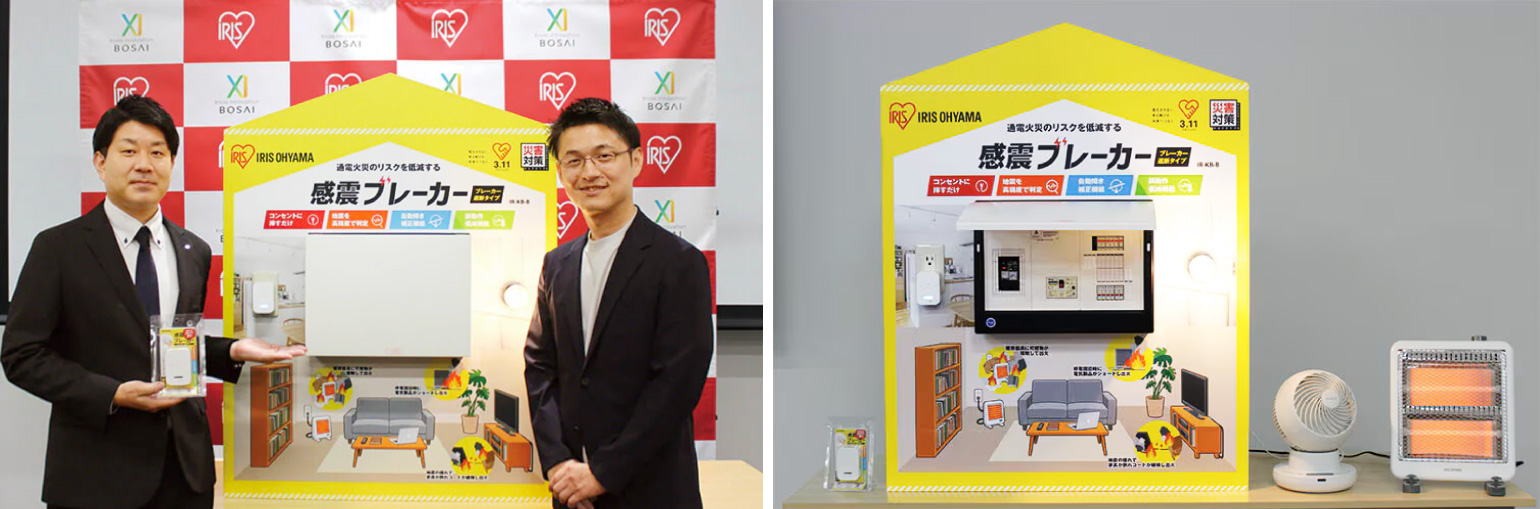
<Hosting a Disaster Preparedness Workshop for the Media>
On August 20, 2026, Iris Ohyama and XIB collaborated to host a disaster preparedness workshop for the media to convey the importance of earthquake fire prevention measures. They also announced a new product, the “Seismic-Sensitive Circuit Breaker (Circuit-Breaking Type),” developed based on insights from XIB’s initiatives. The event served as an opportunity to encourage households to review their disaster preparedness measures and to widely disseminate information on preparing for earthquake fires.
Shibuya (Dentsu Inc.): When it comes to communicating with the general public, is there anything you’re particularly mindful of?
Abe (Iris Ohyama): It is important to ensure that information reaches not only those who are highly aware of disaster preparedness but also socially vulnerable groups—such as the elderly, children, and people with disabilities—so that no one is left behind.To that end, we believe that engaging the public through detailed and targeted communication—and encouraging them to put Priority Action 1 (Understanding Disaster Risks) and Priority Action 2 (Managing Disaster Risks) of the Sendai Framework into practice—is what will truly foster a deep-rooted awareness of disaster prevention.
Nobusawa (Tokio Marine & Nichido; hereinafter “Tokai”): From a citizen’s perspective, I think there’s a tendency for people to find it difficult to absorb disaster prevention information when they’re caught up in the hustle and bustle of daily life. Even if a flyer is delivered to their mailbox, I suspect they often don’t get around to reading it…
On the other hand, I feel that if people have opportunities to encounter disaster prevention announcements during their daily routines—such as while waiting at a post office—or to hear information from insurance representatives, the message is more likely to naturally stick in their minds. Since many companies with direct customer contact are participating in Subcommittee 1, I’d like to make the most of those opportunities.
Kamikura (Sendai City): Until now, the disaster prevention efforts carried out by local governments have centered on activities in collaboration with neighborhood associations. However, there has been a challenge in ensuring that disaster prevention information reaches people—particularly those in the working-age population—who have few opportunities to access information through neighborhood associations.
Furthermore, in recent years, neighborhood associations have been facing an aging membership and a shortage of volunteers. While we must continue our existing community-based initiatives, I believe we also need new approaches through collaboration with companies and other organizations. That is precisely why I believe XIB’s efforts—which leverage companies’ customer touchpoints and daily routines to integrate disaster preparedness into everyday life and drive behavioral change—will play a crucial role in future disaster preparedness.
From this perspective as well, as Mr. Abe and Mr. Nobusawa have noted, I believe that Subcommittee 1 and XIB will play a major role in weaving disaster preparedness into every aspect of daily life (daily routines) through the dissemination of detailed information.
Creating a Win-Win System for Everyone to Advance Disaster Mitigation and Prevention
Abe (Iris Ohyama): Actually, when XIB was launched, Mr. Kamikura told us, “I hope this consortium can achieve a balance between business benefits—including monetization—and solving social issues.” To be honest, from a corporate perspective, initiatives with government agencies generally tend not to be directly linked to business.
Even if we agree with the founding philosophy, it often becomes difficult to sustain activities over time due to costs and other practical considerations… However, I find it truly groundbreaking that XIB has created a self-sustaining ecosystem by enabling participants to realize their “passion for creating value”—whether through monetization or enhancing corporate brand value.
Shibuya (Dentsu Inc.): As part of XIB’s philosophy, Sendai City has committed to helping participating companies realize their “individual objectives and strengths” and linking those efforts to regional disaster mitigation and prevention—which certainly makes it easier for companies to get involved. Furthermore, from the citizens’ perspective, I believe this XIB initiative is truly meaningful.
For example, even if a company that sells disaster prevention products urges households to stock up on emergency supplies or install earthquake-sensing circuit breakers, consumers often perceive this as nothing more than a sales pitch.
With XIB, it’s not just the companies that handle disaster prevention products—but all participating businesses collectively—that are communicating the necessity of disaster preparedness measures. What’s crucial here is using various points of contact in daily life to help citizens understand disaster risks and internalize them as something that personally affects them. By doing so, citizens can make informed decisions to take disaster-preparedness actions, such as making purchases, which is a significant benefit for them as well.
Tokio Marine & Nichido, do you see any benefits in XIB’s initiatives when conducting sales activities for insurance and other products?
Nobusawa (Tokai): We often have the opportunity to speak with representatives from the agencies we commission to handle sales. When we explain XIB’s initiatives to them, we sometimes receive requests asking, “We’d like XIB to disseminate this information.”
When only one company’s name appears on a flyer or similar material, customers tend to perceive the information as purely sales-oriented. On the other hand, by presenting it as an XIB initiative that includes the names of Sendai City and multiple companies, the message gains greater neutrality and credibility, making it easier for customers to accept the information without resistance. This information also serves as a catalyst for customers to consider the necessity of insurance.
Shibuya (Dentsu Inc.): That’s true. From the consumer’s perspective, simply seeing “Sendai City” listed increases the credibility of the information, and by including the names of multiple organizations—thereby combining their collective credibility—people may be more likely to accept the information without hesitation.
Kamikura (Sendai City): What XIB aims to achieve is a co-creation framework that delivers value to citizens, businesses, and the government alike.
Social issues, including disaster prevention, are becoming increasingly difficult for governments and businesses to solve on their own. Therefore, we believe it is crucial to pool and combine the expertise, technology, and networks that each party possesses to create new value and lead to more effective solutions. Through XIB, we hope to demonstrate—through concrete results—that this co-creation framework is effective in solving social issues.
Furthermore, in projects involving diverse stakeholders, coordination and consensus-building among participants are crucial. In this context, Dentsu Inc. serves as a coordinator, acting as a bridge between participating companies and government agencies, and plays a major role in ensuring the smooth progress of the project.
Sato (Iris Ohyama): To be honest, I had a strong image of Dentsu Inc. as an advertising agency, so I was surprised to learn that they were participating in XIB and serving as a coordinator.
It has been a great help that Dentsu Inc. brings together the diverse participating organizations, links the social challenge of disaster prevention with each party’s business objectives, and works with us to discuss and advance initiatives that fulfill everyone’s respective strengths and goals.
I believe this consortium functions so smoothly precisely because of these three parties: Sendai City as the public sector, Dentsu Inc. as the coordinator, and Tokio Marine & Nichido, which has joined to lead the participating companies.
Shibuya (Dentsu Inc.): Thank you very much. At Dentsu Inc., we are also committed to contributing to the resolution of social issues, and we believe this XIB project is highly meaningful. Precisely because our strength lies in communication, we are delighted to be able to facilitate smooth connections between the government and companies, as well as among companies themselves, and to be of service to everyone.
What kind of social impact will XIB’s initiatives bring about?
Shibuya (Dentsu Inc.): Finally, could you tell us what Iris Ohyama hopes to achieve through the XIB initiative?
Abe (Iris Ohyama): What I’m currently thinking about is how we can share and effectively circulate the “individual objectives and strengths” of the participating corporate members.
When people hear “value creation” by companies, they tend to think of economic benefits, but I’ve recently come to realize that there are actually quite a few companies seeking other forms of “value creation”—such as brand value through public relations or activities related to corporate social responsibility (CSR)—that aren’t immediately visible.
To that end, I’d like us to clearly share what business benefits each participating company aims to achieve and how they hope to link those to regional disaster mitigation and prevention. By working together, I’d like us to create an environment where we can realize various forms of “co-creation of value.”
Shibuya (Dentsu Inc.): If such an environment is established, I believe we’ll be able to attract more companies to join, creating a virtuous cycle for XIB’s initiatives. Does the City of Sendai have any specific expectations for Subcommittee 1?
Kamikura (City of Sendai): As mentioned earlier, one of XIB’s KPIs is how to reduce the risk of earthquake-induced fires. Therefore, promoting the installation of seismic-sensing circuit breakers is a crucial point, and we have high expectations for the activities of Subcommittee 1.
Through these initiatives, it is important for citizens to progress from the stage of “understanding disaster risks” to “managing” them, and ultimately to taking action to “invest in risk reduction.” Furthermore, our goal as the City of Sendai is for this shift in behavior to extend beyond Sendai and spread nationwide.
Abe (Iris Ohyama): Through this XIB initiative, I perceive two major social impacts.
First, it is changing the very nature of disaster preparedness. Traditionally, municipal disaster preparedness has focused on post-disaster responses, such as managing evacuation shelters and securing supplies. While these are certainly necessary, XIB takes a preemptive approach, working to reduce the likelihood of anticipated disasters. I believe that as this mindset spreads nationwide, the approach to disaster preparedness will evolve.
The second is that it is fostering a shift in public awareness regarding disaster preparedness. Until now, disaster preparedness in Japan has shown a strong tendency to rely on public assistance—the assumption that “if I go to an evacuation shelter, everything will be fine.” However, self-reliance and mutual aid are fundamentally essential.
For example, seismic-sensing circuit breakers are one of the symbolic initiatives in this regard; it is only by having the entire community adopt them—rather than just individuals installing them—that we can significantly reduce the risk of earthquake-induced fires.
I believe that spreading this disaster preparedness mindset—centered on self-reliance and mutual aid—through concrete actions will lead to a significant social impact.
Nobusawa (Tokai): That’s right. Changing citizens’ mindset regarding disaster preparedness will lead to a true strengthening of the community’s disaster resilience. Keeping that in mind, we want to focus our efforts on encouraging citizens to change their behavior.
In addition, our company conducted disaster prevention training for employees at our Sendai branch this past March. On the day of the event, we invited experts such as Mr. Toshiro Sato, co-representative of the Okawa Tradition Society, and Professor Fumihiko Imamura of Tohoku University’s International Research Institute of Disaster Science to provide an opportunity for participants to reflect anew on disaster prevention.
Prior to the event, there were some negative comments due to concerns that business operations would be halted for a day; however, in the post-training survey, in addition to comments such as “I’m glad I participated” and “I realized the importance of daily preparedness,” we received many responses stating, “I was reminded of the importance of my family.” We feel that this served not only as an opportunity to gain knowledge about disaster prevention but also as a chance for participants to reflect on the issue in terms of their own lives and those of their families.
We believe that by further expanding these initiatives within XIB, we can raise awareness of disaster prevention and mitigation throughout the entire community.
Shibuya (Dentsu Inc.): To instill an awareness of disaster prevention and mitigation in the community, it’s important to start by bringing about change among our own employees, who are also citizens. Going forward, we want to expand this awareness of disaster prevention and mitigation from the businesses participating in XIB. By leveraging the unique goals and strengths of each business as a driving force, we aim to build a new model of disaster prevention collaboration and, through XIB, help realize a safe and secure society.
After gaining experience in marketing, sales, and as a business division manager, he assumed his current position in September 2022. He serves as the point of contact for initiatives with local governments nationwide, working to conclude comprehensive partnership agreements with prefectures and cities, as well as disaster prevention agreements with local governments.
Hideaki Sato
Iris Ohyama Co., Ltd.
Administration Division, Public Relations Office
Manager
He worked at a financial institution for 32 years. After serving as branch manager at five different branches, he joined our company in April 2025.
Based in Sendai, Miyagi—his hometown where the Great East Japan Earthquake occurred and where Iris Ohyama’s headquarters is located—he is engaged in public relations activities that contribute to regional recovery and revitalization.
Ikki Nobusawa
Tokio Marine & Nichido Fire Insurance Co., Ltd.
Sendai Branch · Dedicated Team
We serve insurance agencies in Sendai and Miyagi. Having experienced the Great East Japan Earthquake, we are committed to supporting agencies that have continued to support local customers—and the customers they serve—while cherishing their sentiments and working to provide agency support that is closely attuned to the community.
Naonori Shibuya
Dentsu Inc.
Business Transformation Division 1
BX Planner
Originally from an IT consulting firm. Joined Dentsu Inc. to commit more deeply to clients' business growth. Primarily handled new business development and digital marketing/CRM domains. As a planner, I didn't stop at conceptual design but worked side-by-side with clients, leading through to execution.

 The Power of Co-Creation to Revolutionize Disaster Preparedness—A Sendai-Based Project Shaping the World's Future— [3/3]