
Note: This website was automatically translated, so some terms or nuances may not be completely accurate.
 Team Cool Japan Goes [3/3]
Yomiuri Shimbun Fukasawa Lecture Report: How to Penetrate the Asian Market with the Japan Brand
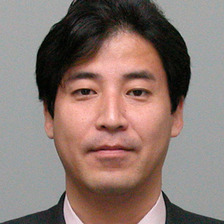
Junichi Fukazawa
Yomiuri Shimbun Tokyo Headquarters
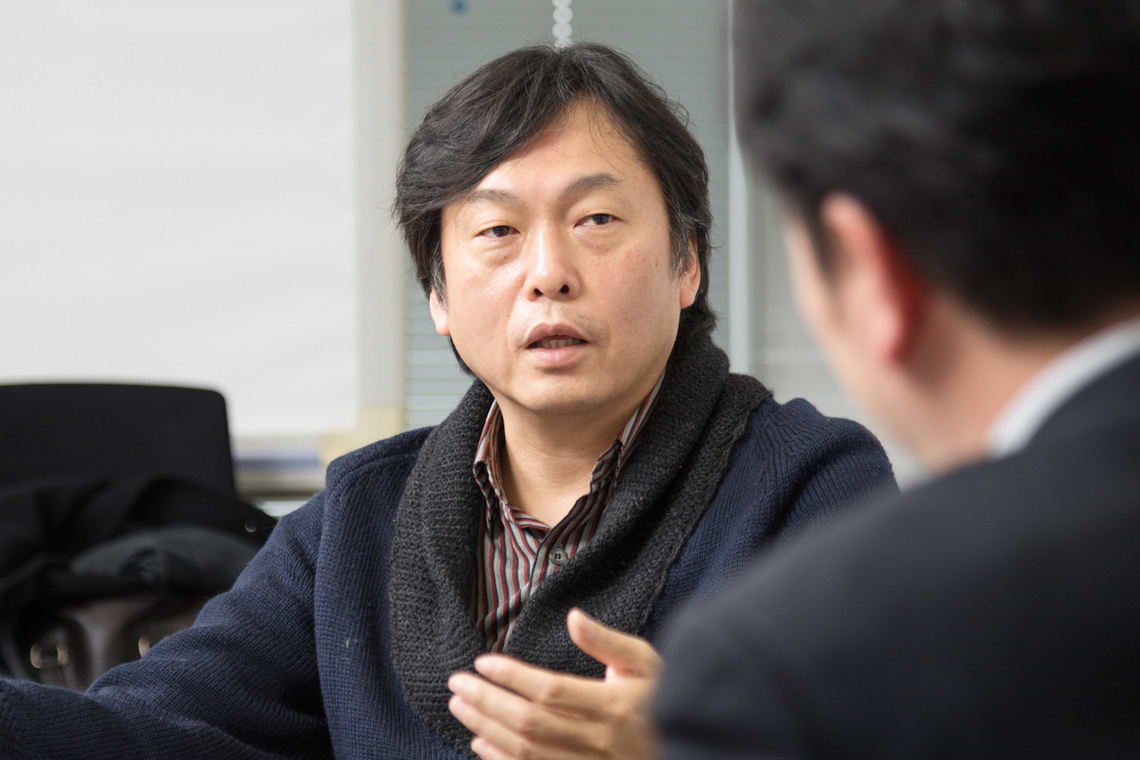
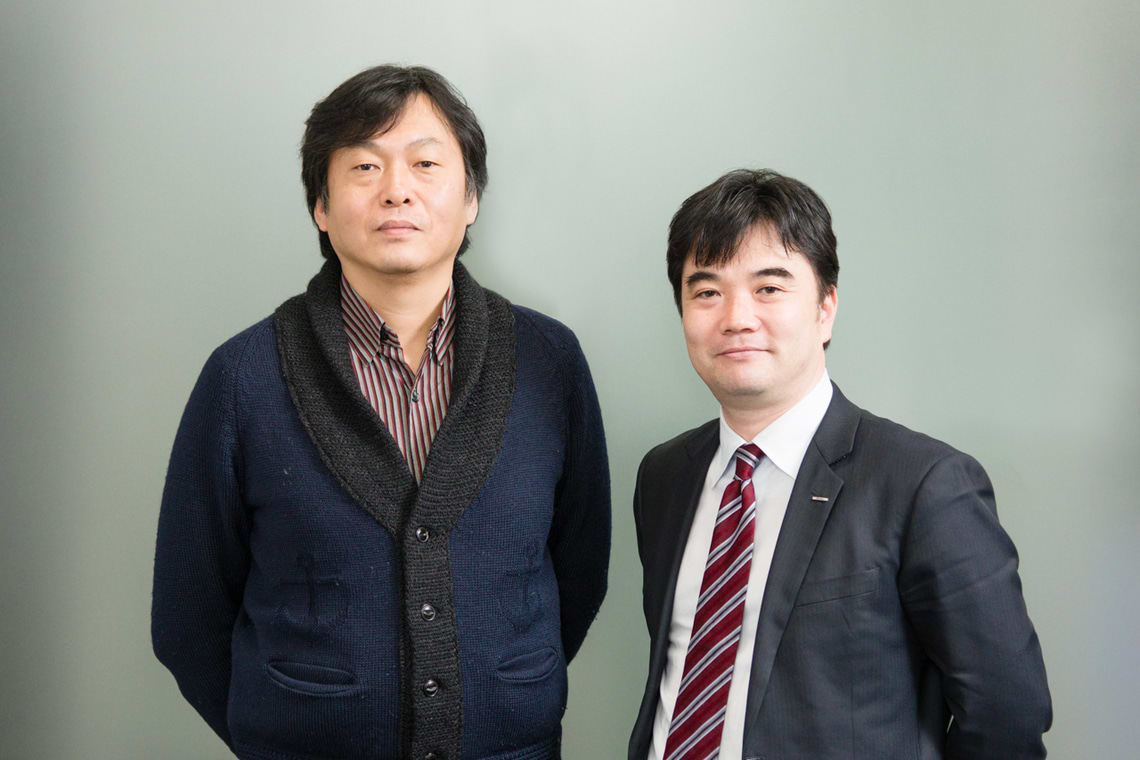
In July 2014, Dentsu Inc.'s company-wide project "Team Cool Japan" held a study session featuring Junichi Fukazawa, then-Director of Advertising at the Yomiuri Shimbun Tokyo Headquarters. Fukazawa, who had served as an economic correspondent stationed in Singapore and Thailand, shared his experience observing the influence of the Japan brand since the 2000s. He discussed how Japan's soft power is perceived in Asia and the differences compared to South Korea.
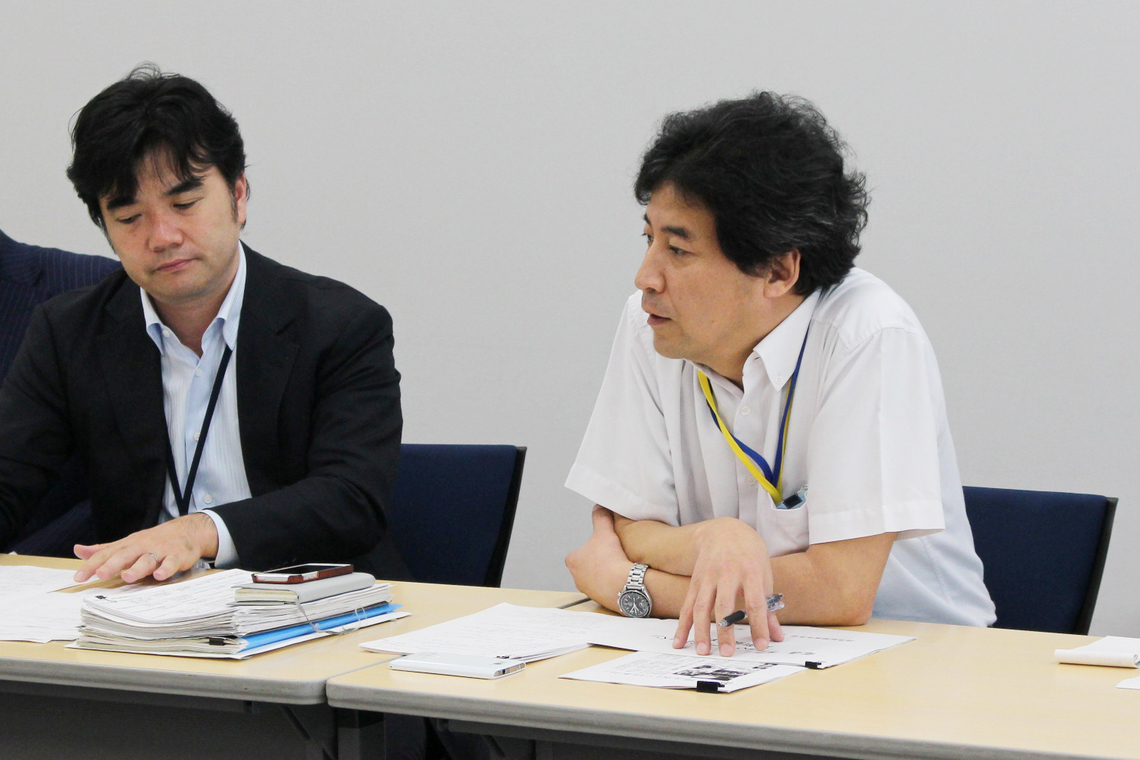
Korean Brands Meticulously Capture Local Needs
Fukasawa, who was stationed at the Singapore bureau from 2001 to 2004 and then at the Bangkok bureau from 2010 to 2013 covering Asian economies including ASEAN, China, South Korea, and India, explained that in Asian markets, Korean brands are gaining significant momentum. He noted that Korean brands, encompassing not just goods but also software and content, are rapidly rising.
Having overseen the special series "How to Build Soft Power," which introduced Japan's strengths in specific fields across Asia while highlighting frustrations with Japan's own efforts and examining whether Japan is truly penetrating Asian markets, Mr. Fukazawa first explains why Japanese manufacturers struggle to grow in Asian markets.
While manufacturers' failures in emerging markets are often attributed to Japanese products being overspecced, Mr. Fukazawa states, "I feel there's a fundamental difference in structure that can't be explained solely by overspec issues." Fukasawa points out that by engaging in price competition with companies like those in South Korea, Japanese manufacturers are undermining their own brand power. He explains that the problem lies more in flawed pricing strategies than in specifications, and criticizes manufacturers for failing to grant sufficient authority and discretion to their regional headquarters in Asia. He argues that Japanese manufacturers lack the drive and power to sell their products, whereas current South Korean companies possess the kind of power Japanese companies had during their high-growth era.
The approach to balancing local needs and costs also differs between Japan and Korea. Taking washing machines as an example, in Bangkok, Thailand, where dual-income households are common and the population is aging, compact drum-type fully automatic washing machines sell well. Conversely, in Indonesia, where washing machine penetration is low and large families in rural areas often wash clothes in rivers, there is demand for affordable, large-capacity machines, even if they aren't fully automatic. Thus, even within ASEAN, where needs differ by country, Korean companies empower their regional Asia headquarters to develop products tailored to each country's preferences. "Japanese manufacturers standardize specifications globally to reduce costs and improve efficiency for profit. Both approaches are valid, but the result is that Korean companies are capturing market share through more granular marketing, empowering local teams, and aggressively targeting the Asian market with substantial PR budgets. I believe the difference in their Asian expansion strategies stems less from specifications and more from differences in command structures and fundamental organizational systems," says Mr. Fukazawa.
Communicating Japanese Information Simply
Regarding Japanese brand power that resonates in Asian and Western markets, Mr. Fukazawa highlights three keywords: "Iki-Wabi-Sabi," "Pop," and "Cool."
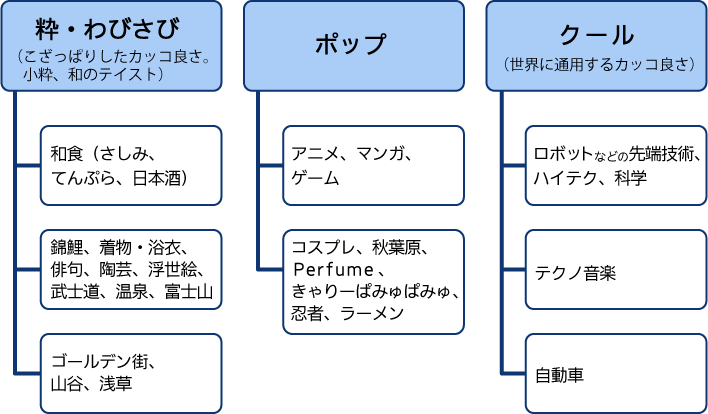
Among these, Fukazawa particularly focuses on "Iki and Wabi-Sabi." What Japanese youth might consider old-fashioned is perceived by foreigners as a distinct culture, possessing a fresh, cross-cultural appeal. These elements can become compelling if presented thoughtfully, with careful attention to how they are highlighted.
Fukasawa emphasizes that while Japanese media culturally introduces such content, the significance of "How to Create Soft Power" lies in it being written by an economics reporter. "Introducing Japanese culture in Asia was meaningful not when the culture section wrote about it as a more approachable culture, but when the economics section wrote about it from the perspective of how much it contributes to economic power as soft power."
On the other hand, Fukazawa explains that Japanese domestic dramas, produced to boost ratings with strong sensational elements, are not accepted in Asian markets and face difficulties in overseas distribution due to rights issues. He attributes the popularity of Korean dramas in Asia to their family-friendly, comforting content and the secure acquisition of actors' rights.
"Japanese TV programs that are accepted overseas are information programs and travel shows," Fukazawa continued, revealing that in Asia, hot springs, Japanese cuisine, and scenery have a good reputation, and many people want to know more about Japan. In fact, in Thailand, a program where local talents travel around Japan with handheld cameras is popular, highlighting the importance of conveying information in a simple manner.
Girl Bands as Killer Content
Shifting the topic to the "pop" Japanese brand, Mr. Fukazawa explains, "While anime and manga possess tremendous power, the challenge lies in the limited reach of Japan's cultural soft power." Currently, Japan is the sole provider of anime and manga, but South Korea is making serious moves to establish specialized schools for digital production of these media. Mr. Fukasawa expressed concern that while Japan has advantages, it cannot rest on its laurels. If Japan doesn't innovate, including in digital content distribution, South Korea could quickly catch up.
Cosplay and other otaku culture also enjoy high popularity in Asia and the West. However, Fukazawa points out that these contents often fail to reach the mainstream, remaining confined to a niche group of enthusiasts. Nevertheless, while otaku culture carries some negative connotations in Japan, it is frequently perceived positively overseas. If Japan can skillfully promote it in conjunction with J-Culture, it has the potential to become highly appealing content.
Comparing idol culture, specifically South Korea's Girls' Generation and Japan's AKB48 group, Mr. Fukazawa explains that while Girls' Generation is widely known across Asia, AKB48 is hugely popular in Japan but virtually unknown in Asia. He attributes this to the fact that "cute" and "pretty" appeal in Japan, whereas "cool" and "sexy" resonate more strongly in Asian and Western markets. Fukasawa explains that Japanese idols, like cosplay, find support among a niche fanbase but fail to reach the mainstream. He states: "While the sexy appeal of Western divas feels foreign to Asians, Asian idols like Girls' Generation who embody cool and sexy can target the nearly 2 billion-strong Asian market and become a viable business."
In response to this situation, Fukazawa proposes one idea: promoting "girl bands" in Asia. Girl bands have yet to enter the Asian market, meaning they face no competition. They can become purely cool symbols representing democracy, prosperity, diversity, and women's advancement in society. Depending on how they're marketed, they have the potential to become killer content. Promoting such content could strengthen Japan's "envy factor" and "aspiration factor," potentially shifting perceptions to "a country you dislike yet like" – another viable strategy.
Private sector power and systematic strategy are crucial
Regarding the current approach to promoting Cool Japan and the Japan Brand, Mr. Fukasawa prefaced his comments with "This might be a misperception," but stated, "It feels like it ends up being just a one-off event. I get the impression there's a lack of continuity in terms of what will be promoted and how, one year, three years, or five years down the line." He noted that unlike South Korea, where there is mutual reinforcement of brand power, Japan promotes itself sporadically, genre by genre, lacking coordination.
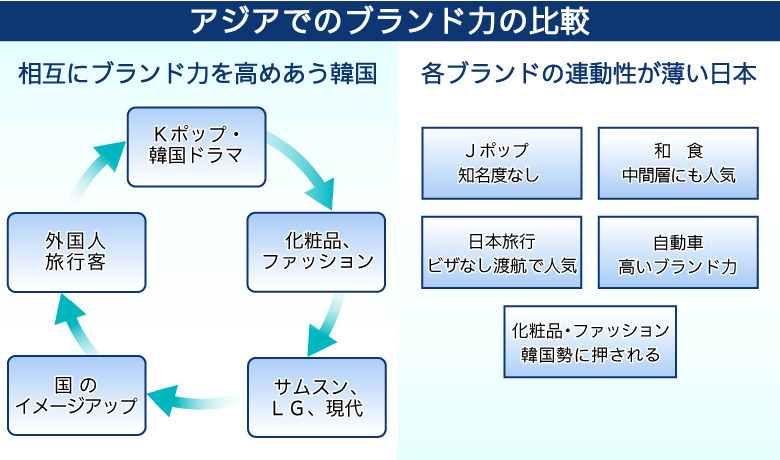
Fukasawa notes that Korean brands have significantly risen and become attractive brands over the past decade or more. He explains that while the Korean Wave boom appears to have waned in Japan due to bilateral relations, it remains deeply rooted in the Asian market and was even embraced in Myanmar under its military regime several years ago. Within this context, private sector power becomes critically important for the Japan brand to compete. "Since around 2003, I've been saying we need to do something with people from the Ministry of Economy, Trade and Industry. We need projects led by advertising agencies, not the government, that make people 'fall in love with Japan without even realizing it.' While Korea is often seen as promoting K-pop and Korean dramas overseas as a national strategy, the reality is different. Content companies worked hard to export and sell their products, and national policy followed later. The private sector must create the initial momentum to permeate the content."
On the other hand, Mr. Fukazawa explains that the government must be asked to fulfill the following roles.

For instance, when expanding a Japanese restaurant chain in Asia, some countries require partnering with a local subsidiary and holding over 51% local capital. This risks the local partner taking the lead, resulting in a franchise model where only royalties are received while the crucial taste deteriorates. Relaxing such regulations in partner countries can only be achieved through diplomatic efforts by the government.
Protecting intellectual property rights is also crucial for safeguarding the Japan brand. Awareness of copyright protection remains low in Asia, which could become a major challenge in the future. Furthermore, Mr. Fukazawa emphasizes that the Japan Foundation must go beyond simply introducing Japanese software and content. It should actively work to make the Japan brand more marketable, such as providing subtitles in local languages for dramas and films currently only available in English.
Finally, Mr. Fukazawa concluded his lecture at the study session by addressing the Team Cool Japan members with the following words:
"We need a cross-cutting strategy centered on the private sector, not a siloed approach by government and bureaucracy. Current Cool Japan seems focused mainly on promotion, but it's crucial to systematically implement image strategy, promotion, and responses to systems and policies in target markets. Rather than leaving it to the government, the private sector must firmly control, coordinate, and drive these efforts forward."
Reference: Yomiuri Premium "How to Build Soft Power"
Was this article helpful?
Share this article


Newsletter registration is here
We select and publish important news every day
For inquiries about this article
Back Numbers
Author
Junichi Fukazawa
Yomiuri Shimbun Tokyo Headquarters