Note: This website was automatically translated, so some terms or nuances may not be completely accurate.
 Team Cool Japan Goes [2/3]
What "Japanese Culture" Attracts Foreigners To─An Interview with Mr. Masaki Kosakai, Producer of NHK Special "Japan Brand"
Masaki Kosakai
Japan Broadcasting Corporation

Akira Nogami
Dentsu Inc. Aegis Network Asia Pacific
Bringing Japan's proud culture to the world. Continuing from the previous session, Akira Nogami of Team Cool Japan interviewed Masaki Kosakai, producer of the NHK Special "Japan Brand," to gather concrete insights applicable to the Cool Japan strategy.
The Need for "Producer-Style Companies"
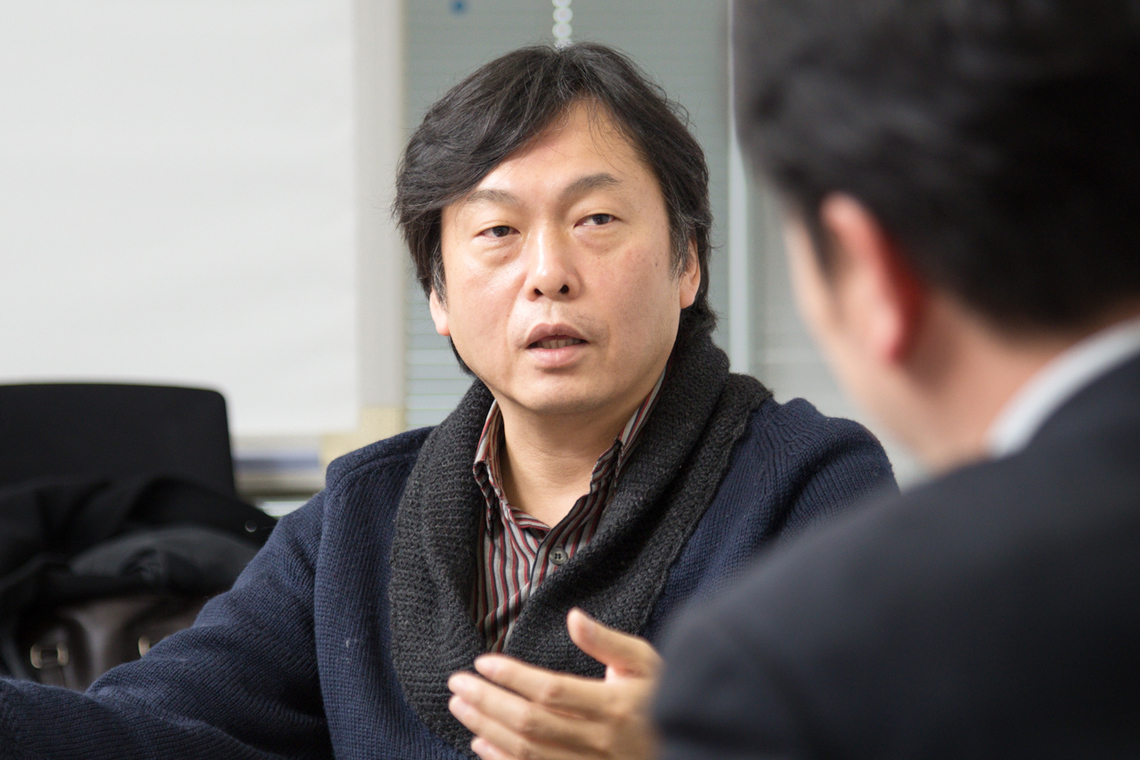
Nogami: The Kitakyushu City case you mentioned earlier truly exemplified a "vision-driven strategy" working effectively, as you said. The public-private partnership was also successful. What are the key points for different stakeholders to collaborate and comprehensively leverage Japan's strengths?
Kosakai: Since national and local governments can act without profit motives, supporting unknown companies to build a track record, as in Kitakyushu City, is an effective methodology. Small and medium-sized enterprises (SMEs) underpin the meticulous craftsmanship embedded in Japanese manufacturing and services, but they often lack the credibility to break into overseas markets immediately. If they can secure one successful project through government or local authority introductions, that can serve as a springboard to the next opportunity.
Regarding corporate initiatives, good examples are scarce, but I believe results improve when there are "producer-like companies" that can form flexible partnerships—sometimes with large corporations, sometimes with the government. SMEs, being more agile than large corporations, might be better suited for this role.
For example, the water purification technology company featured on the program has about 150 employees but has partnered with several major corporations to significantly expand its business into rural China.
Nogami: As we discussed earlier ( in Part 1 ), it's about these agile, producer-like companies forming teams as needed to achieve results.
Kosakai: Exactly. I don't think we need to insist on an "all-Japanese" team. Even the leader could be foreign. In any field, those who set the rules or control them win. Japanese tend to be less assertive and lack that shrewdness, so perhaps a foreign leader might actually be better.
In sports too, it's not uncommon for foreign coaches to bring out the best in Japanese players. When I interviewed former Japan national soccer coach Ivica Osim years ago, he asked me, "Why does the mass media only criticize Japan?" "I know of no other nation besides the Japanese with such a steel-like will to recover from any hardship—be it atomic bombs, earthquakes, or tsunamis." He brilliantly harnessed the diligence and organizational spirit rooted in that national character. Regardless of nationality or industry, I believe those who can brand the Japanese spirit should become producers.
Attracting tourists through area-wide strategy, not just isolated points
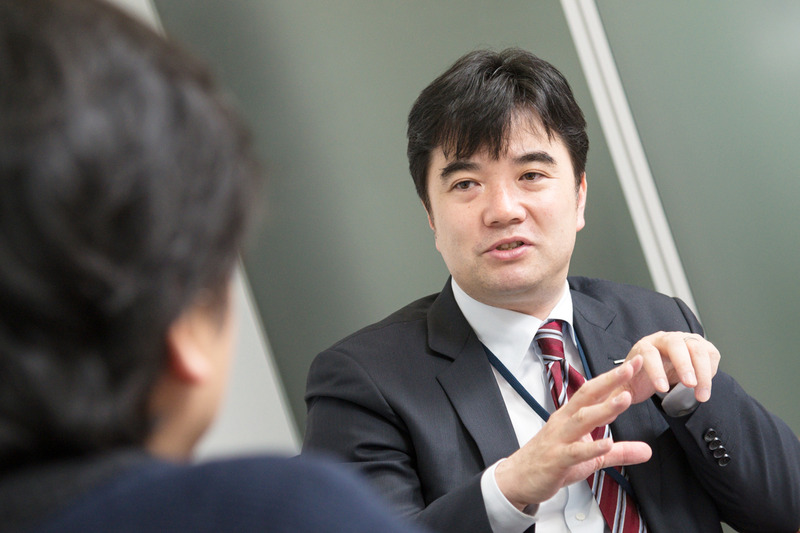
Nogami: Your insights on how Japan is advancing globally across business sectors offer significant lessons for Cool Japan's development. We aim to support the public-private Cool Japan strategy from various angles—product/service development, content creation, network building—through our activities.
Specifically, what direction do you feel the Cool Japan strategy should take moving forward?
Kosakai: I don't produce Japanese soft content programs myself, nor am I an expert, so I can only speak from common ground with my own program production experience. Fundamentally, I feel it's difficult to grasp "what Cool Japan actually is." While Japanese-originated characters and manga gain popularity overseas, drawing interest in Japanese culture, it often remains isolated phenomena rather than achieving comprehensive global expansion. To break out of this, as we discussed defining the "Japan Brand," I believe conceptual definition is still necessary.
Last year, I produced a discussion program focused on tourism. It's been about ten years since the "Visit Japan" campaign began, and while foreign tourists have certainly increased, unfortunately, we can't say the policy has been successful.
We researched how other countries approach tourism strategy. For example, South Korea completely integrates culture and tourism, leveraging Hallyu dramas and K-POP. They hold K-POP dance contests worldwide, inviting qualifiers to Korea for finals. They also sell dramas overseas, sparking admiration and interest in the Korean lifestyle and products featured. Everything works together to generate interest in Korea.
When I was a child, American home dramas like Bewitched were constantly broadcast, and I believe American lifestyles and products spread widely in Japan as a result. When it comes to whether such a strategy exists in Japan's current tourism policy, it's a tough question.
Incidentally, the former head of the Korea Tourism Organization, which is central to activities in Korea, was a German who had lived in Korea for many years.
Nogami: So he understood Korean culture and also had a European perspective.
Kosakai: Exactly. Japan also has many foreign residents who love Japan, so there's an argument that we should utilize their expertise more.
On the other hand, Korea perceives itself as significantly behind Japan in terms of the depth of its history, which is a major tourism resource. Considering this, historical assets like Kyoto could certainly be part of Cool Japan content. However, simply promoting them as isolated points isn't effective. The more you try to categorize them, the more you risk falling into a trap.
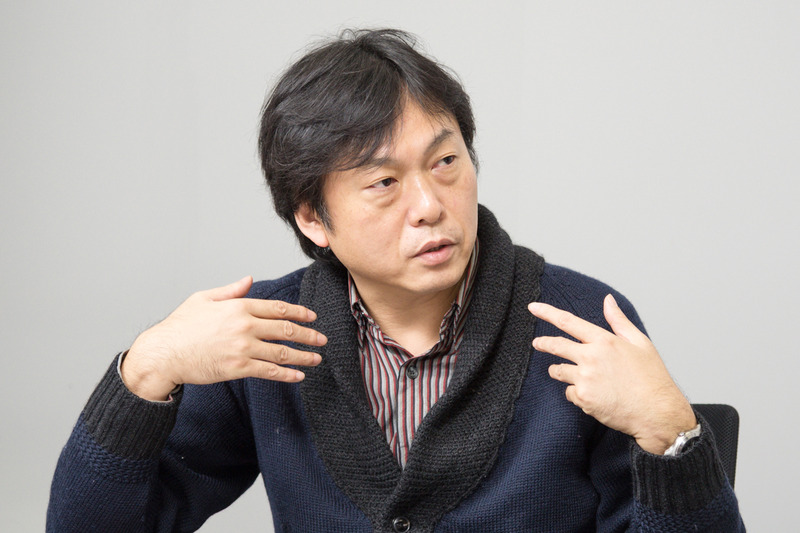
The appeal of Japan as perceived by Japanese people differs from the appeal felt by foreigners.
Nogami: Whether it's tourism or soft content, we should develop it strategically as an overall movement, not just isolated points.
Kosakai: I agree.
For this program, we interviewed many foreign tourists, and truly unexpected places were drawing attention. Things like, "I wanted to try the melon bread the anime protagonist ate," or "I came to drink in Kabukicho's Golden Gai because it's popular on TripAdvisor." Also, the number one Japanese food foreigners love is ramen, specifically tonkotsu. If we keep that in mind, we can work backwards to figure out what to offer foreigners.
What we think is Japan's charm and what foreigners feel is different. But think about it—we don't always go to high-end restaurants or hot spring towns either. You don't have to go all the way to Hakone; you can easily enjoy the hot spring vibe at a super sentō. I hear "oden" is hugely popular at 7-Eleven in Beijing, China. You don't need a specialty shop to get something of decent quality. That high standard of everyday, accessible things is also a major strength of Japan.
Nogami: I see. The fact that unexpected things can be perceived as "Japan's charm" is something we'd like to reflect in the Cool Japan strategy. Nowadays, social media allows even pinpointed information to spread widely.
Kosakai: Yes. What surprised me even more was seeing the Hiroshima Peace Memorial Museum (Hiroshima Peace Memorial Museum) gaining attention on TripAdvisor. Since Japan is the only nation to have suffered atomic bombings, it provides a catalyst for contemplating peace. While the term "tourism" might carry a superficial connotation, strategically incorporating such sites into tours could be valuable. Though sensitive topics like the Great East Japan Earthquake, tsunami, and nuclear plant issues are involved, sharing Japan's firsthand experiences is crucial, isn't it?
Nogami: Hearing your perspective, I realized we should revisit the Cool Japan strategy, focusing on the spiritual essence rooted in Japanese culture.
Kosakai: Creating advertisements is fundamentally about understanding what a company is selling and grasping its essence, right? Because we understand the true nature of companies beyond the surface, we can become discerning coordinators between them. Simultaneously, as companies shift towards selling "experiences" rather than just products, I believe there's significant potential to create new "experiences."
Nogami: I see. We want to leverage our accumulated expertise to move beyond isolated efforts and create a broader, integrated approach. Thank you for today.
Was this article helpful?
Share this article


Newsletter registration is here
We select and publish important news every day
For inquiries about this article
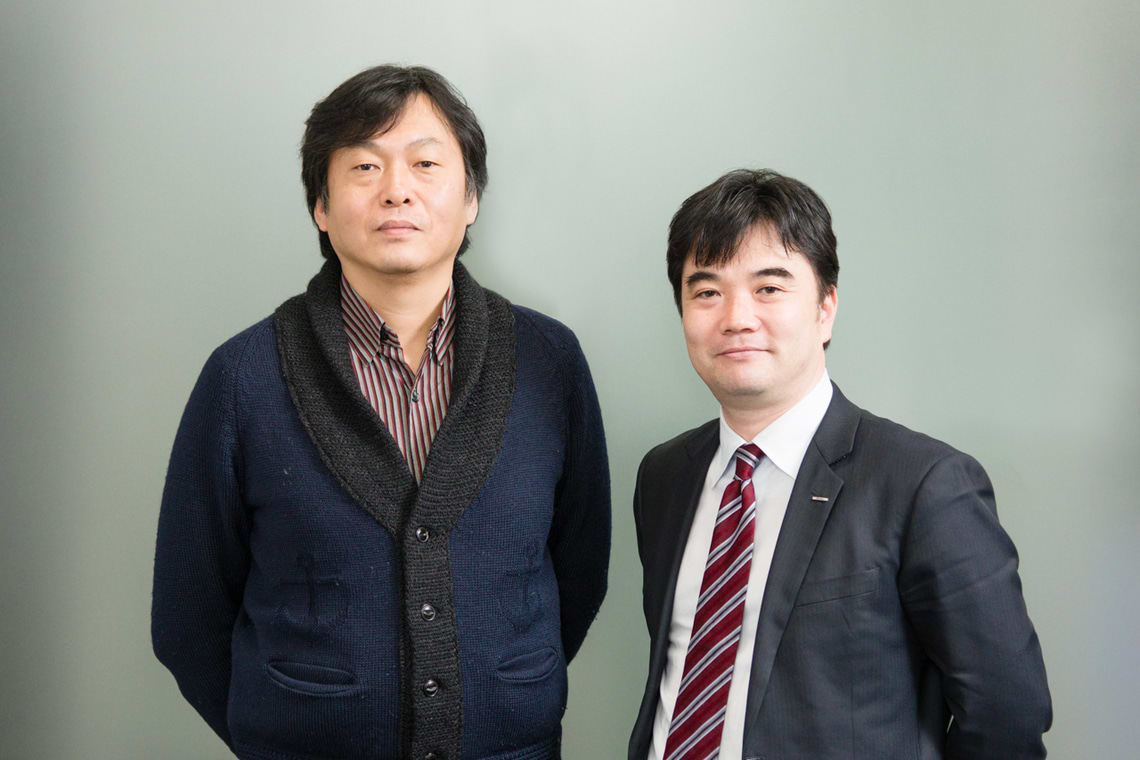
Author
Masaki Kosakai
Japan Broadcasting Corporation
Large-Scale Project Development Center
Chief Producer
Akira Nogami
Dentsu Inc. Aegis Network Asia Pacific
Born in Tokyo in 1967, graduated from the University of Tokyo Faculty of Economics. Joined Dentsu Inc. in 1991. As a sales executive, handled comprehensive beverage manufacturers, telecommunications companies, pay satellite broadcasting, etc. From 2005, partnered with Taiwan's largest distribution company to develop global character businesses. From 2007, worked in the radio division on business development for internet radio services, including radiko. Appointed General Manager of Radio Media Division in 2009. Assumed current position in September 2013, responsible for Cool Japan initiatives. Leader of the cross-functional internal organization, "Team Cool Japan."