
Note: This website was automatically translated, so some terms or nuances may not be completely accurate.
 Bring innovation to the financial business! [9/9]
The Spirit of "Change Originators" Transforming the Financial Business
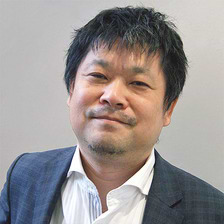
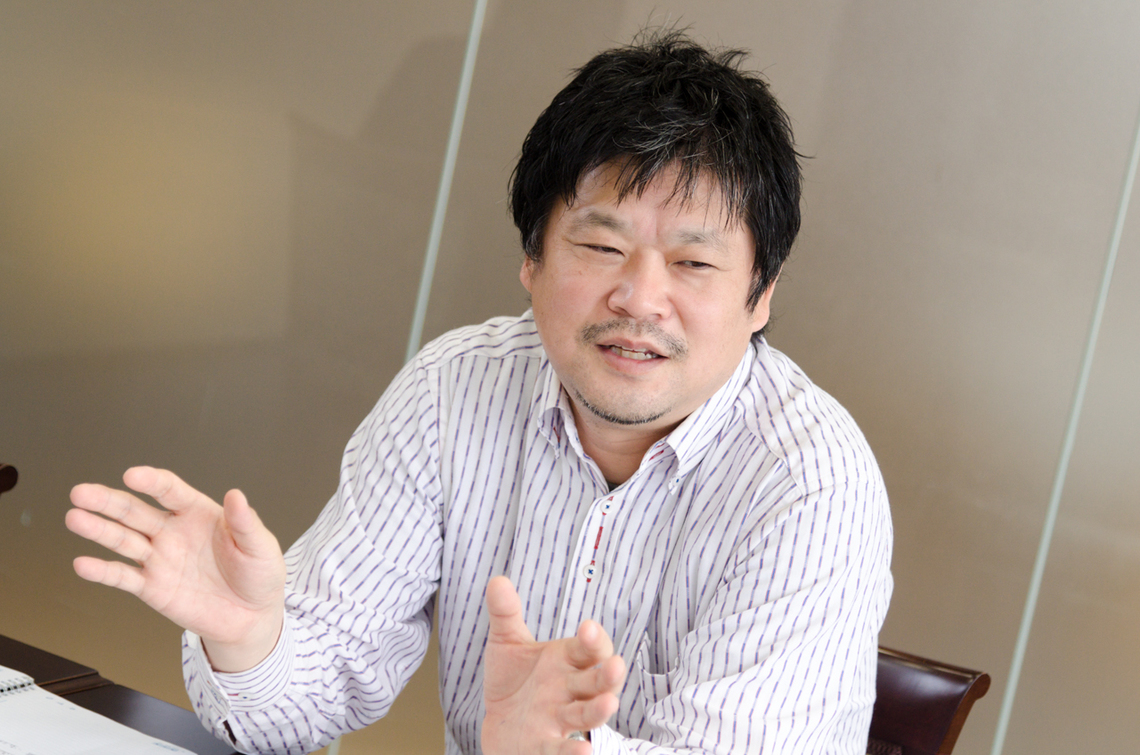
Hiroyuki Egami
Dentsu International Information Services, Inc. (ISID)
"Value Chain Finance" where regional companies and financial institutions mutually support each other's growth. This time, we spoke in detail with Hiroyuki Egami of Dentsu Inc. International Information Services (ISID) about his actual Value Chain Finance initiatives and impressive success stories.
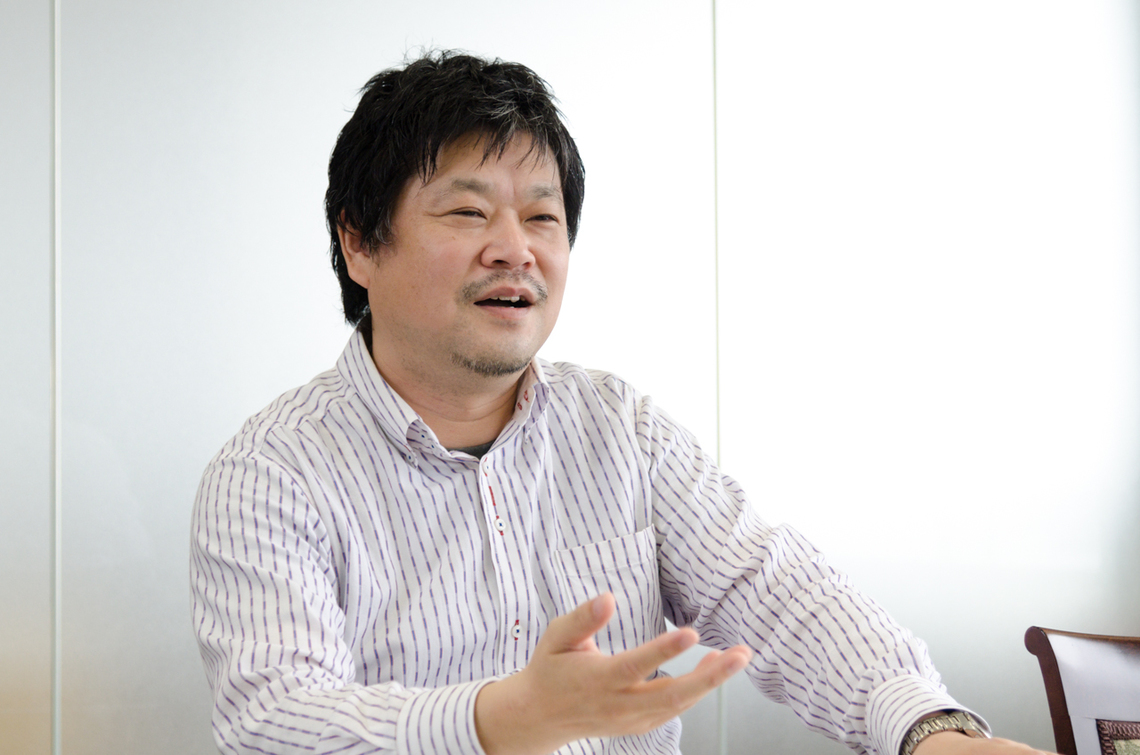
Systematizing corporate interview methodologies. Establishing customer-centric financial business practices
――In the previous session, we covered the basics of value chain finance, and last time we discussed the surrounding social context. This time, please tell us about the initiatives to realize value chain finance. Specifically, what kind of activities are being undertaken?
Egami: Generally, companies referred to as IT vendors or consultants provide business support leveraging IT. They primarily offer IT-based support for missions like strengthening marketing to boost financial institutions' profits or improving operational efficiency. Of course, we also provide such services. However, these alone are often insufficient, so we combine them with initiatives supporting mindset transformation and human resource development. Business reforms not grounded in mindset transformation can sometimes backfire.
In our mindset transformation, we emphasize processes to ensure each individual truly internalizes the concept of "not separating customers from financial institutions." This shared philosophy—viewing the bank and customer as an integrated relationship rather than separate entities—forms the foundation of Value Chain Finance.
Furthermore, last year we developed a tool called the "VCF Financial Management Capability Diagnostic Service" to invigorate communication between customers and bankers. First, bankers use questionnaires and interviews to gather information on crucial management elements of client companies, such as their management philosophy, brand strength, product development capabilities, and sales management. This information is then managed and analyzed by the tool, enabling bankers to engage in deeper communication with customers that goes beyond just money. Previously, when a company faced an issue like "sales aren't increasing," financial institutions primarily focused on number-based negotiations: "Increase your sales," "Cut your expenses," or "If it doesn't work, return the money." However, as bankers' mindset evolves toward "the bank and the customer are one," they begin to think: "What is the root cause of the lack of profit?" Products? Brand power? What changes could turn things around?" Just like a comprehensive health checkup, we aim to reach beyond surface-level issues to the underlying problems. This enables companies and banks to run alongside each other, taking concrete steps toward solutions.
――That sounds like a significant shift. But wouldn't it be a major undertaking for bankers accustomed to data-centric communication?
Egami: Yes (laughs). It really is challenging. Bankers who previously only discussed money suddenly have to engage with a client's "business philosophy." Naturally, the presidents being approached are surprised. But any business owner is happy when someone shows genuine interest in their company's operations. Before long, they start sharing founding stories and tales of hardship, inviting us to tour their factories... I'm confident this fundamentally changes the quality of communication.
I believe the fastest way to learn is by visiting clients directly and conversing with them. Of course, we also conduct classroom-based awareness-raising training, but nothing beats learning from the clients themselves.
Building on this series of mindset shifts, we're advancing operational reforms to realize them, along with human resource development and structural reforms to further embed these changes. On top of that, leveraging ISID's technical expertise as a financial systems integrator, we provide tools to diagnose client companies' financial management capabilities and systems that streamline financial operations using cloud technology.
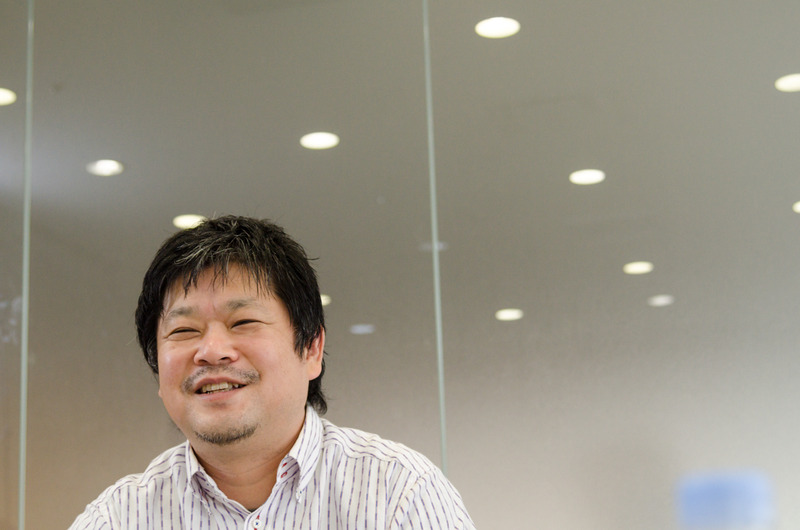
From "I have to" to "I want to"! A banker's passion for the company drove the change
――Could you share a successful case study of value chain finance?
Egami: We received a request from a bank seeking to improve their operations. Upon discussing it in detail, we discovered they had a mountain of issues they felt compelled to tackle. Trying to eliminate them one by one, like whack-a-mole, was clearly unsustainable. They were essentially creating new problems while trying to solve existing ones. We began our consulting work by visualizing the structure of these problems.
What emerged was an excessive fixation on fixed notions like "banks must be this way," formed unconsciously over time. We began by challenging these assumptions from the customer's perspective, asking whether they were truly necessary. As a result, the bank decided to shift course, embarking on a decade-long journey to fundamentally realign its operations around the customer and drive transformation.
Of course, such activities rarely yield immediate results. That's why a shift in mindset is essential. In this bank's case, it took about three years after initiating the activities before a clear shift toward a customer-centric mindset began to emerge.
For example, sales staff began increasing customer visits voluntarily, without being driven by quotas. Raising quotas to boost visit numbers is easy, but it ultimately reverts quickly, making it merely a temporary fix. However, the people at this bank started naturally thinking about their customers and visiting them, regardless of quotas. The shift is happening: from "being told to do it" to "needing to do it," and then from "needing to do it" to "wanting to do it." That kind of change is starting to take root.
Providing a system for centralized customer information management was also well-received. Banks handle many complex tasks. Each task has its own efficiency-focused system, meaning customer information exists in as many places as there are tasks. From the customer's perspective, their information felt fragmented and scattered everywhere. It's like a system that makes you wonder, "How many versions of me are out there?" (laughs). We consolidated this information per customer and now operate it as a communication platform. This reduced the need to print and attach multiple documents, and made reporting, communication, and consultation tasks surprisingly streamlined. Most importantly, it shifted the frontline mindset to be customer-centric. We didn't just create a system to streamline operations; we built one that changed perspectives, and we feel a tangible sense of accomplishment.
――I'm really looking forward to seeing what kind of transformation we'll have achieved in 10 years.
Egami: Yes! It's not about changing others, but changing ourselves. To convey that to our customers, I must lead by example. Starting with ourselves, I want to spread "love-based finance."
Was this article helpful?
Share this article


Newsletter registration is here
We select and publish important news every day
For inquiries about this article
Back Numbers
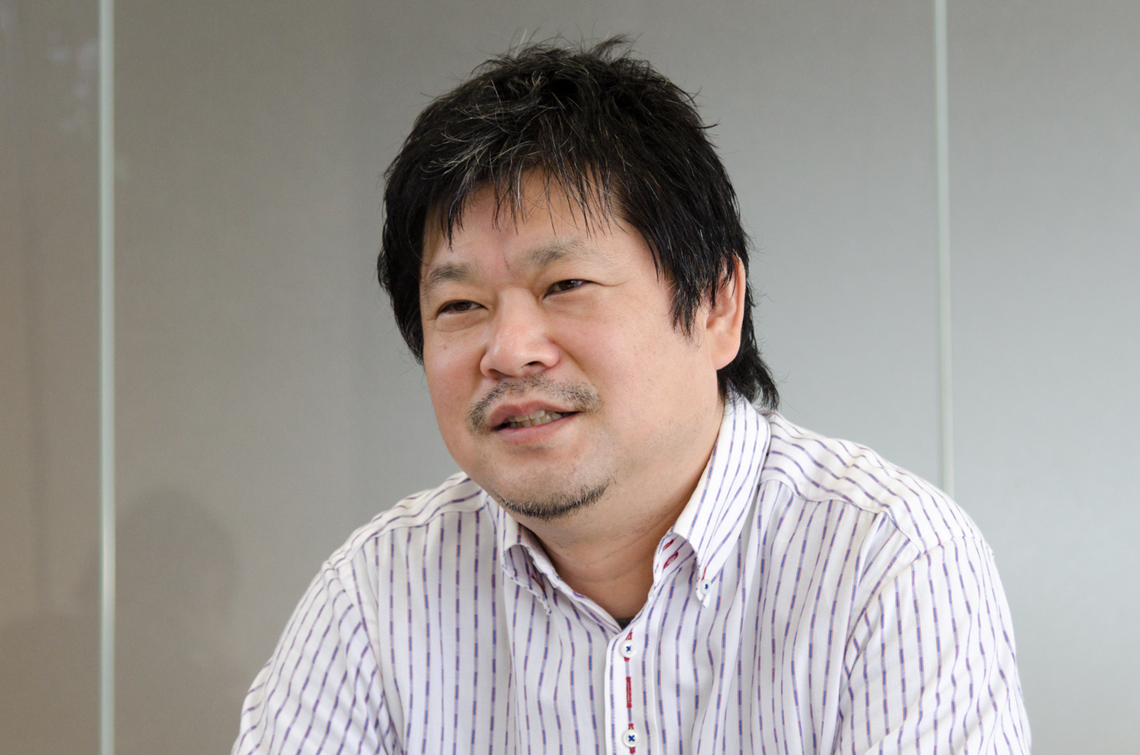
Author
Hiroyuki Egami
Dentsu International Information Services, Inc. (ISID)
Financial Solutions Division Financial Business Strategy Department VCF Group
Marketing Professional