Note: This website was automatically translated, so some terms or nuances may not be completely accurate.
 How to Find That One Phrase [4/10]
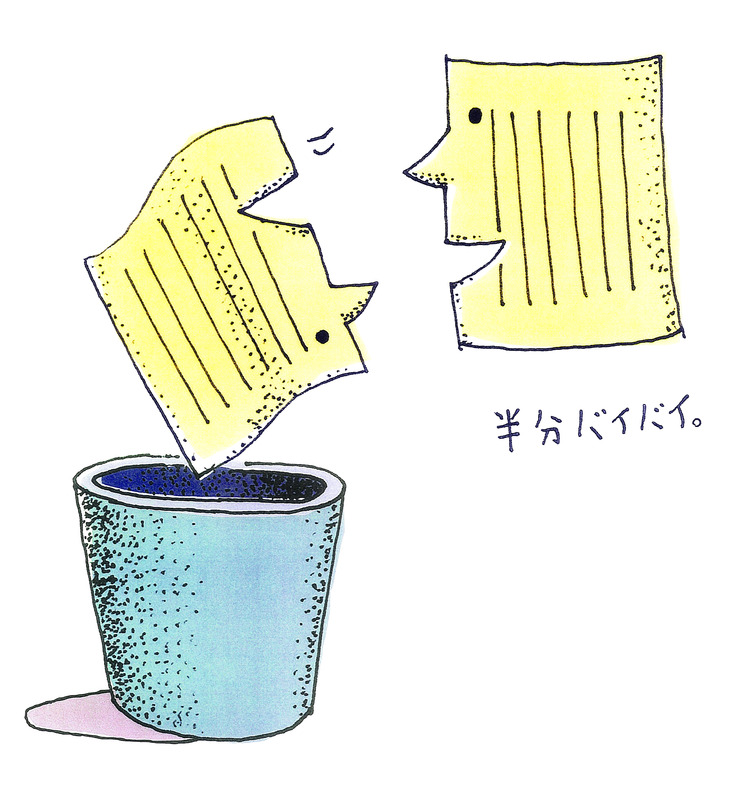
Write 400 characters, then cut it in half.
Copywriting consists of a short, impactful catchphrase and body copy that elaborates on the story, product features, and value. Try writing this body copy on a single sheet of manuscript paper—say, 400 characters—then drastically cut it down to half. You'll discover something significant.
Below is a training exercise I actually learned during an in-house workshop, developed by copywriter Yasuyuki Suzuki.
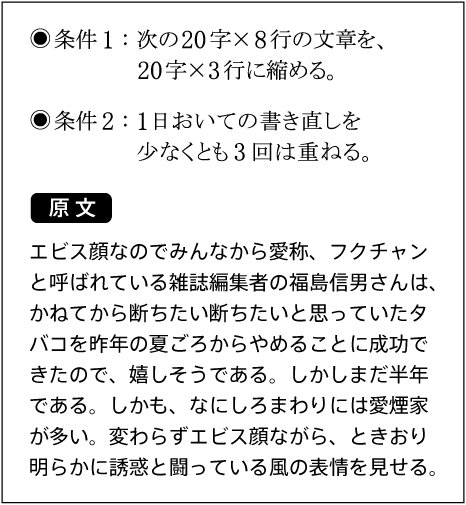
The requirement was "at least three times," but I decided to push myself and continued for 19 days, writing 19 pieces. Below is the progression.
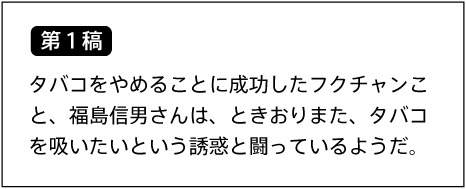
This draft strips away peripheral information like Fukuchan's many smoking friends and his job as a magazine editor, simplifying his situation. However, depicting Fukuchan's feelings a bit more might better explain his struggle against the temptation to smoke.
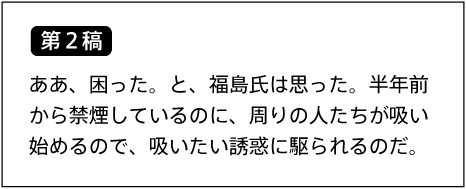
This draft focuses even more on Fukuchan's feelings. However, it completely obscures who Fukuchan actually is as a person. It seems better to write more about Fukuchan.

The description "Ebisu-faced" has been added. However, information like his job as a magazine editor and how long he's been smoke-free remains omitted.
After relentlessly rewriting, by the 10th draft on the 10th day, the information has become much more organized.
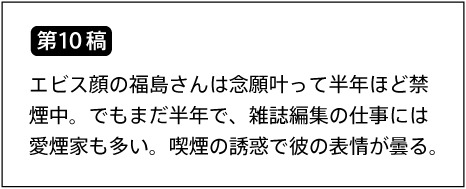
...Well, after continuing this for 19 days, the 19th draft became as follows.
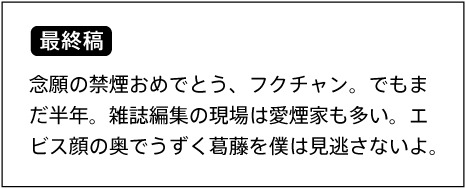
Finally, the writer, "I," made an appearance.
However, when I showed it to Mr. Suzuki, he gave me harsh criticism: "Anyone who writes something like this is disqualified. It's nonsense." The final draft was especially bad. The reason? "The writer is too prominent."
Mr. Suzuki said,
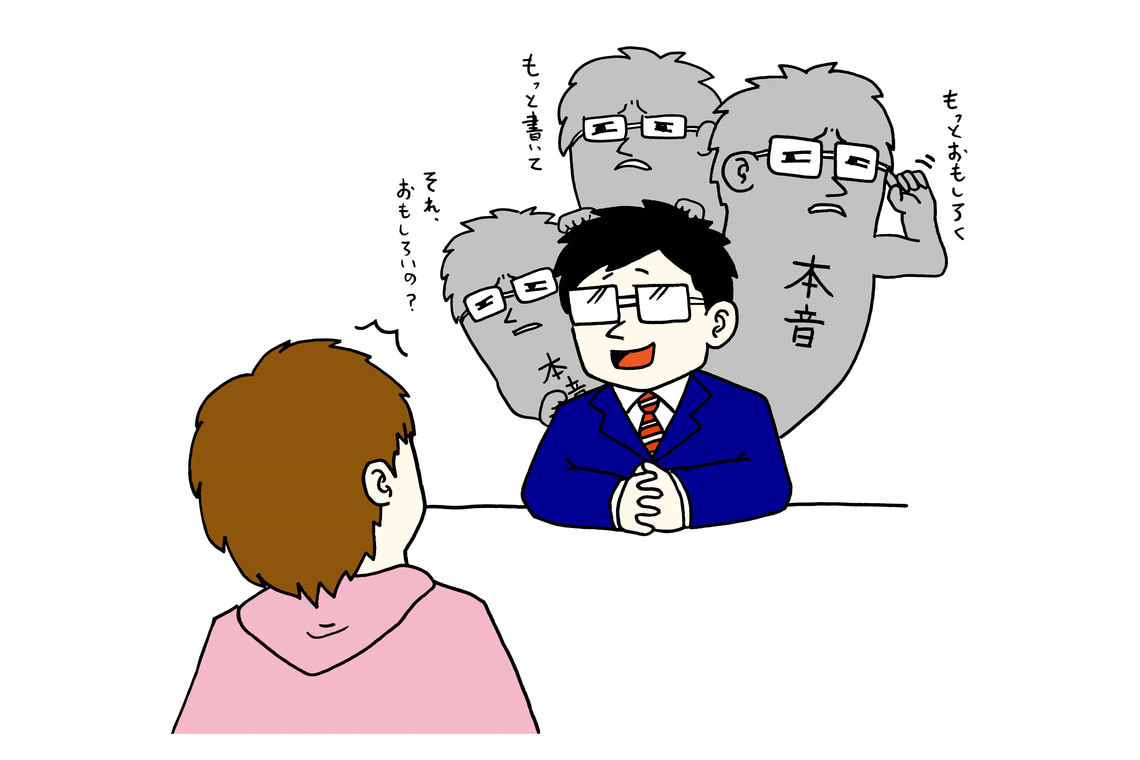
"Copywriting is about relaying. The copywriter's role is to act as a filter, conveying the essence within the client's product to the consumer. It's problematic when the writer's own feelings seep into that filter."
This is the very essence of copywriting.
Mr. Suzuki summarized the earlier text like this:
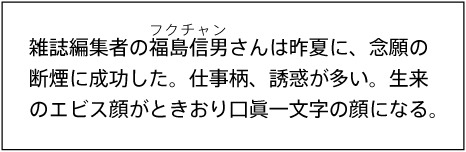
Fukuchan, who we can tell from the original text is a bit on the chubby side. What is Fukuchan feeling right now? Given his job, he spends every day being sensitive to all sorts of people. Can the word "quit smoking" truly express that "I want to quit, I want to quit" feeling? There must be a stronger word. So, instead of "quit smoking," he chose "quit the smoke." By adding the ruby reading "Fukuchan" to Fukushima Nobuo's name, the text length remains unchanged while conveying additional information. ...It's nothing short of masterful craftsmanship.
While facing harsh criticism, I did receive a small compliment regarding the 19 actions I wrote: "From a creative perspective, it's worth acknowledging that you aimed for text people would read and find interesting, rather than just shrinking the original."
In other words, this delicate balance is precisely what advertising is all about.
When creating proposals, I find that challenging myself to think, "What remains if I cut what I want to say in half?" often results in a surprisingly simple yet powerful message.
The key is to cut it down drastically—800 characters to 400, 100 characters to 50. Give it a try.
|
|
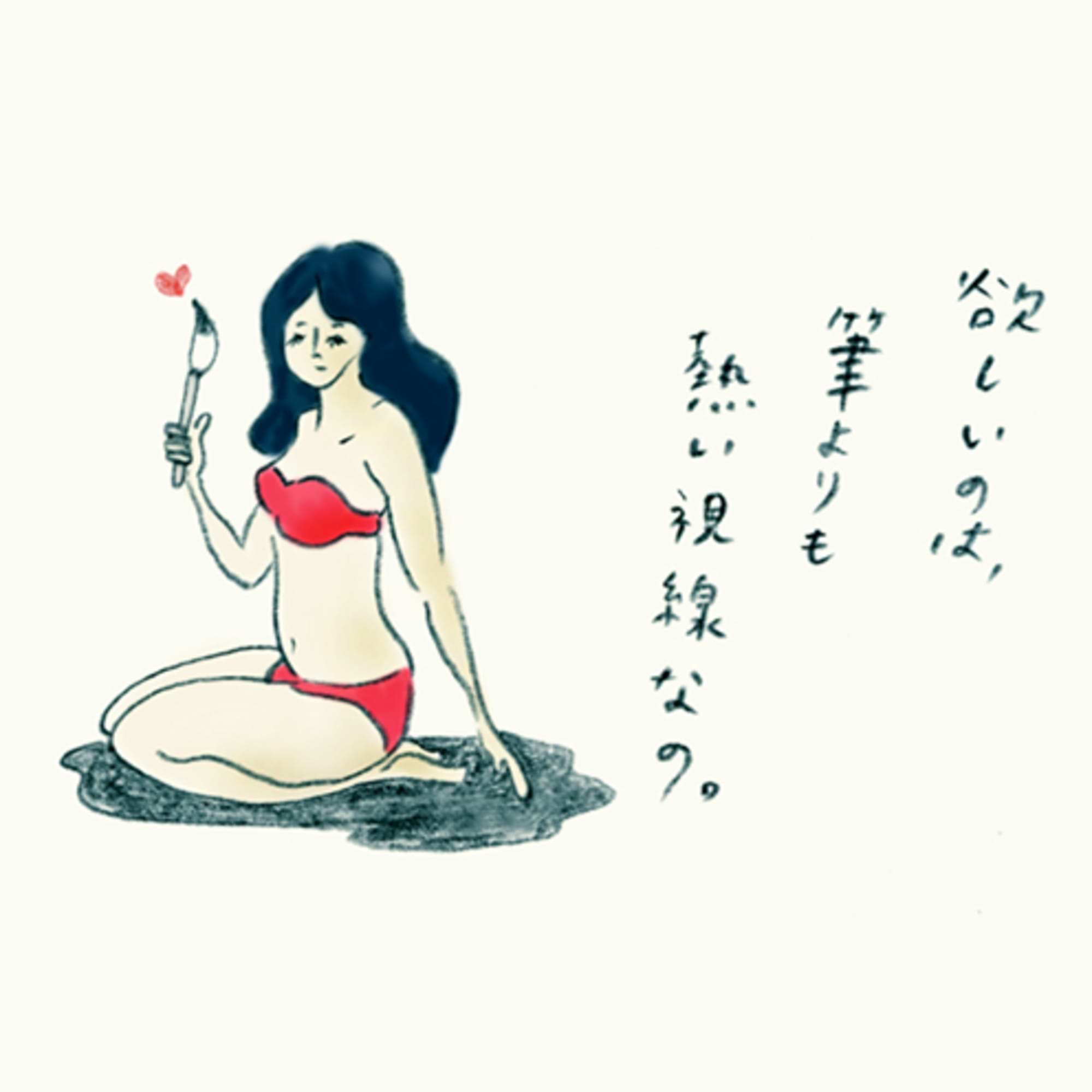
Illustration: Akihiro Negishi (Dentsu Inc., Creative Planning Division 4) |
Was this article helpful?
Share this article


Newsletter registration is here
We select and publish important news every day
For inquiries about this article
Back Numbers

Author
Yosuke Watanabe
Dentsu Inc.
4th CR Planning Bureau (on assignment to Dentsu Inc. Isobar)