Note: This website was automatically translated, so some terms or nuances may not be completely accurate.
 Experience-Driven Showcase [67/77]
Advancing Humanity Through Digital Communication: Tomoyuki Sugiyama (Part 1)
Tomoyuki Sugiyama
Digital Hollywood University
Masaaki Kaneko
Dentsu Inc.
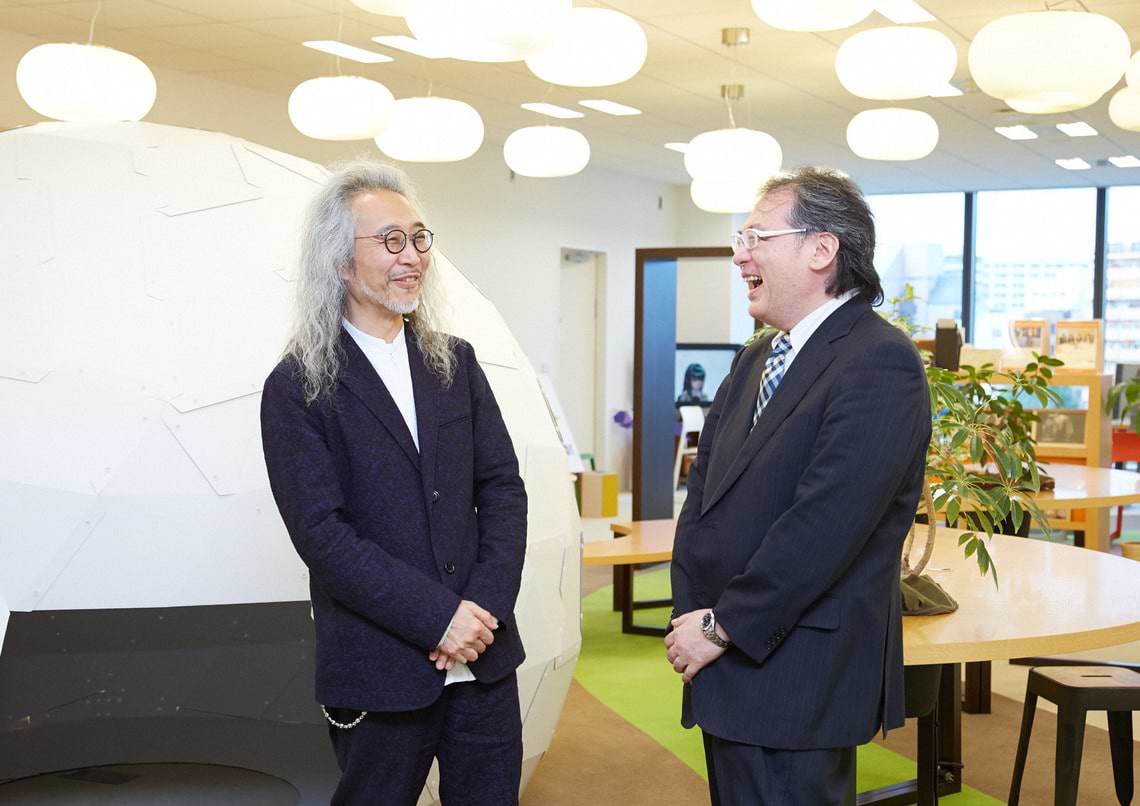
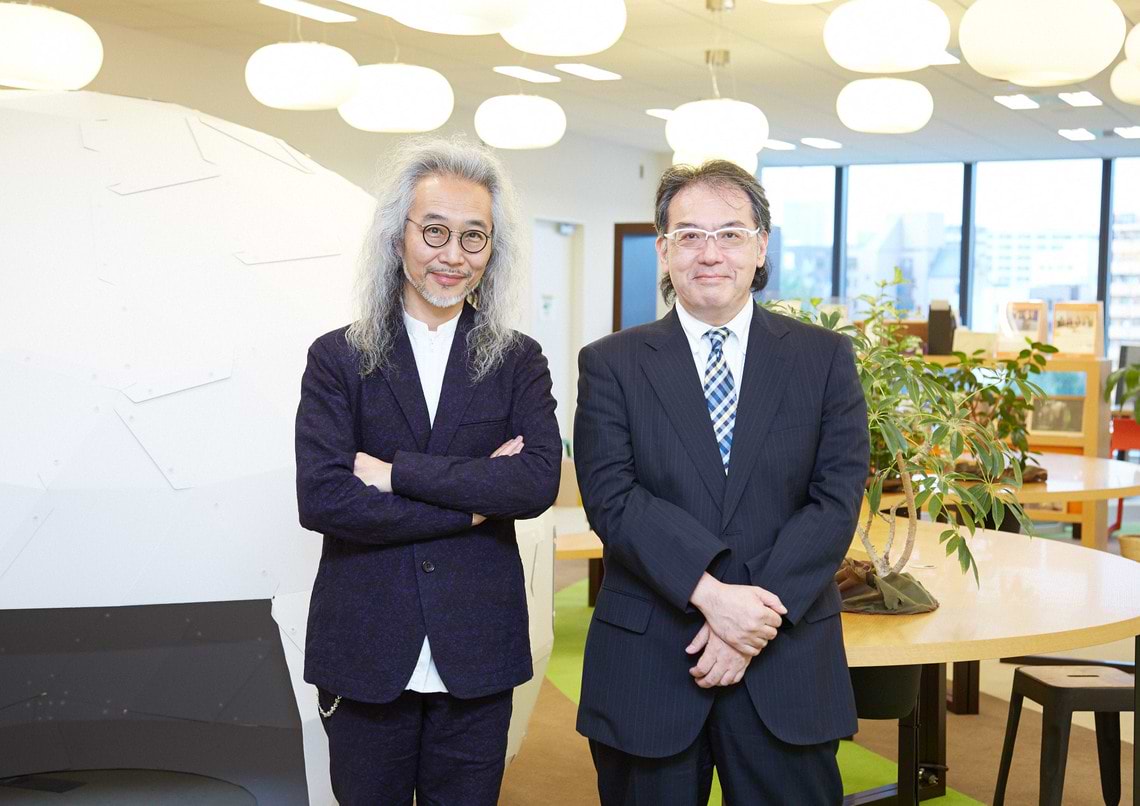
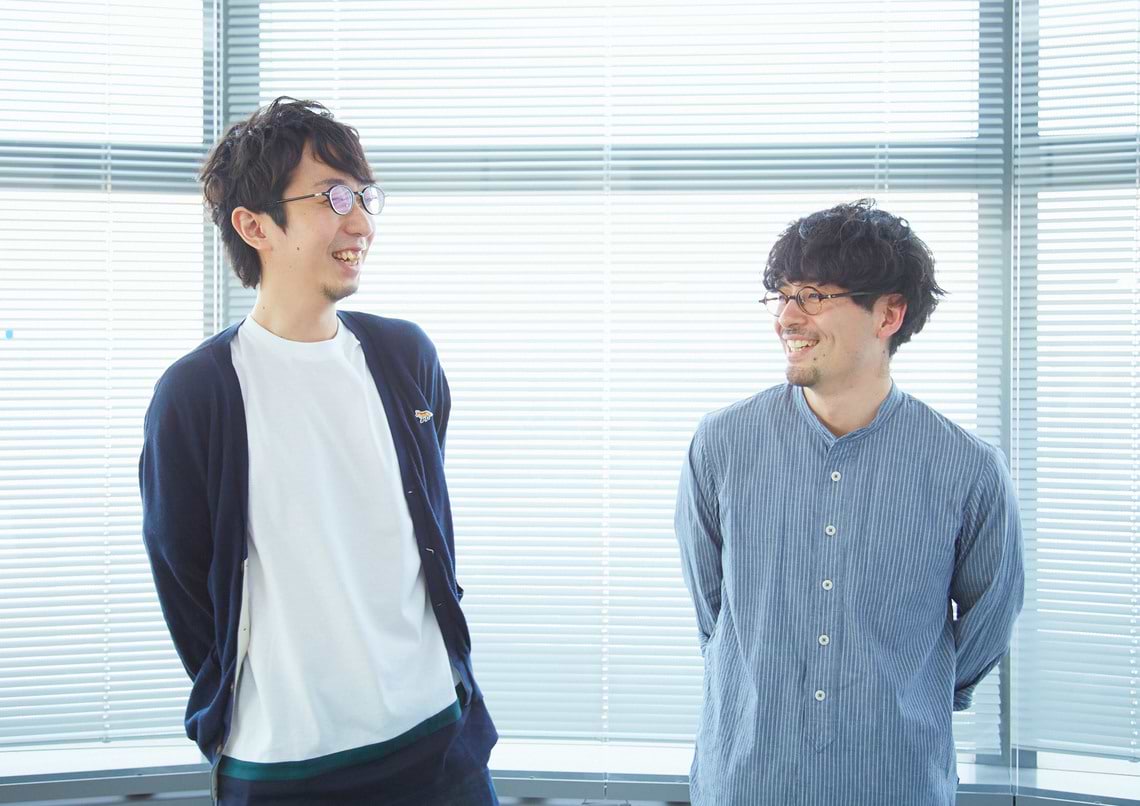
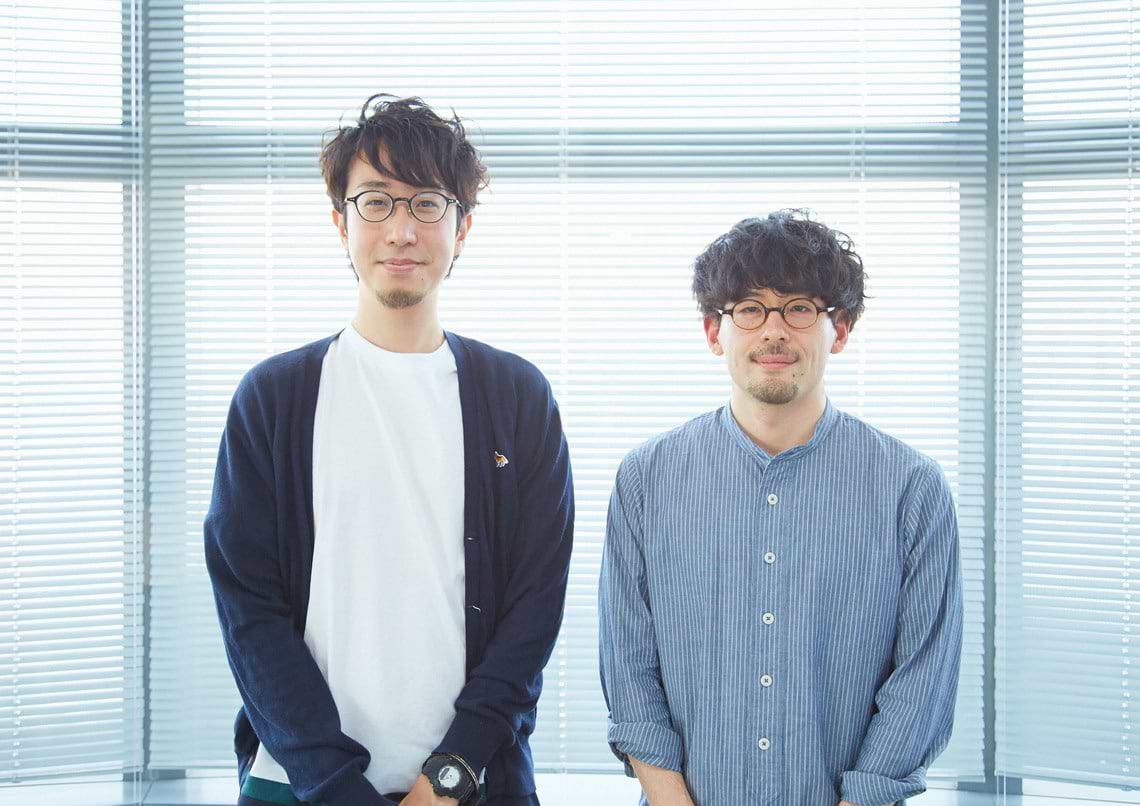
"Going to Meet the People We Want to Meet!" Episode 9: Masaaki Kaneko from Dentsu Inc. Event & Space Design Bureau met with Tomoyuki Sugiyama, President of Digital Hollywood University. Professor Sugiyama has nurtured numerous talents supporting Japan's content industry. Mr. Kaneko himself enrolled at Digital Hollywood during a pivotal life transition and has maintained a connection through both work and study. As the IoT society approaches, we explored Digital Hollywood's initiatives and philosophy, which involve rapidly updating programs and advancing industry-academia collaborative projects.
Interview & Editing: Aki Kanahara, Dentsu Inc. Event & Space Design Bureau

The "total volume" of information—that humanity is digitally connected—is what matters
Kaneko: I graduated from Digital Hollywood University Graduate School over ten years ago as part of the second cohort. While attending, I worked as a planner at a production company, but immediately after graduating, I became an employee at Dentsu Inc. How has Digital Hollywood's education changed significantly over the past decade?
Sugiyama: Ultimately, the total volume of how digitally connected humanity is matters. Ten years ago, smartphones didn't even exist, right? The iPhone launched in 2007.
To me, smartphones felt like PCs that could also make calls. The business context completely changed between the idea of "making calls and sending emails with a phone" and "adding phone functionality to a PC." That's precisely why smartphones exploded globally, not just in developed countries, despite their high price. It dramatically accelerated the situation where all of humanity connects to the internet.
Young people fundamentally approach business with the assumption that all of humanity is connected. Whether it's an app or anything else, the moment you release it onto the online market, it has the potential to sell worldwide.
The 18-year-old students I work with now grew up with smartphones. For them, social media is just part of daily life—they can't imagine a world without it. They're constantly connected to friends, and if they don't constantly confirm that connection, the relationship feels unstable. If someone doesn't reply to a LINE message, they immediately think, "What a jerk."
Kaneko: The rules or etiquette for online life have changed. In fact, it feels like the rules of the internet itself have become the real-world etiquette for real friendships.
Drill it in: "Creating digital content has ripple effects across all industries!"
Kaneko: Has the first thing you teach students changed since you started?
Sugiyama: Ten years ago, I was still promoting the content industry itself, so I started from the basics: "What is the content industry?" Broadcasting, newspapers, publishing, music, games, mobile—they were all siloed industries. But digital connected them horizontally. It's an old term, but it's "one source, multiple uses." If you have one original work, you can expand it everywhere. In the content industry, it's about how skillfully you use IP (intellectual property). You have film rights, game rights, novelization rights. That's how it started.
While this is also part of what Dentsu Inc. does, we needed both the public and students to understand that the content industry is such a dynamic field. Within that, education on where to build one's strengths became crucial.

The content industry's core capability—essentially the technology to move people's hearts, or comprehensive production—is now essential across all industries. The reality is that our graduate students are continuously expanding their application scope after graduation: into fashion technology, digital health, or finance like fintech. Visualization knowledge and skills are becoming core to every industry. We drill this principle thoroughly from the very start.
Kaneko: It's truly become an influence across all industries, including new fields.
Sugiyama: Many students are 18 years old and come here because they love games or anime. They enroll despite high school teachers and parents saying things like, "You want to make games? Can you really make a living doing that?" But when they get here, I tell them right away, "Actually, you can go anywhere in any industry."
Recently, the Central Council for Education issued a recommendation to establish professional universities. I feel this stems from the judgment that Japanese university curricula focus too much on things that aren't useful in the business world. Many university students graduate without any sense of career direction and end up as freeters. So, the idea is to create professional universities that grant bachelor's degrees directly applicable to specific professions.
Digital Hollywood University is often said to already resemble a professional university. While it's true many students graduate to become CG animators or web designers, in my view, it's more like the foundational liberal arts courses you'd find at a regular four-year university. Expressing what you want to say digitally is akin to being able to write a proper Japanese thesis. It feels like a liberal arts department geared toward the 22nd century. It just so happens that industries currently demanding such talent are the game industry and ICT-based sectors.


Sugiyama: Right after entering, students quickly learn how to use digital tools through hands-on practice. But when they try to create something, they first hit the wall: "I have to tell a story." At that point, how many stories are in an 18-year-old's mind? They have no repertoire. What is this repertoire? It's what we call a liberal arts education. We want them to understand that. That's why we offer many liberal arts courses like religion, philosophy, and history starting in their second year.
For example, if a professor is an expert in modern Japanese history, we ask them to focus on the most fascinating parts over eight sessions. If students find it compelling, they can dive deeper online or absorb it independently.
Kaneko: So you're using active learning methods to ignite that spark.
Sugiyama: Digital Hollywood has been providing online education in digital tools for over ten years, so our materials are quite comprehensive. Things like learning Photoshop or Illustrator, for instance. We have all of that available as online materials, covering everything from basics to advanced applications. We've made all of it freely accessible to graduate students and undergraduates.
Kaneko: We didn't have that back in my day!
Sugiyama: Sorry about that (laughs). So, if they don't understand what the teacher said, they can go home and review everything using these materials. Motivated students might even finish everything in two weeks. It's "flipped learning." We want students to study at home and make school a place for discussion. We must give the physical school a meaningful purpose.
If you can build logical thinking, you can aim to be an entrepreneur
Kaneko: What drives Digital Hollywood's efforts to keep up with change, like recently starting programming education at "G's ACADEMY" (*)?
※G's ACADEMY: A programming-focused school established by Digital Hollywood in 2015 to train engineers, with the concept "Become a GEEK who changes the world."


Sugiyama: Our school isn't one where ties end after graduation. We deliberately blur that boundary. If graduates want to stay involved, they can engage in anything.
Kaneko: Yeah, I'd say my relationship is pretty fuzzy too (laughs).
Sugiyama: We don't really question why someone is coming and going here. It's fine to just think, "Oh, they graduated a few years ago" (laughs). That makes it easy for people to drop in, so they tell us, "I'm working on this now," or suggest, "Want to collaborate on this?" Some even say, "I have an idea but no space—can I borrow yours?" (laughs).
Anyway, I think the secret is just making it easy for people to come and go. It's a trendy research group, a place where people from various outside companies just naturally come and go. From that kind of lively, chatty atmosphere, all sorts of people get to know each other, and it steadily turns into hints for startups.
Kaneko: So some students are thinking about business models where they can get funding or even secure capital through these connections, right?
Sugiyama: Exactly. There are many companies involved in incubation or fund management, right? When those people come here, they don't just teach—they help build companies. And if you think about it, even people willing to put in capital show up. Naturally, that energizes the place. I guess you could call it seed acceleration.
Kaneko: As a foundation, what do you instill educationally to ensure many current students and graduates have the goal of "starting a business"? I imagine people in corporate roles responsible for developing talent today are training people while hoping they'll possess entrepreneurship.
Sugiyama: I want them to understand that, which is why I personally teach even those who only study here for six months. There's a four-hour class called "Introduction to Digital Communication" where I discuss how digital communication is revolutionizing every industry. Of course, I show case studies too. Those who couldn't attend are required to watch the video recording.

Kaneko: I also heard President Sugiyama speak. Plus, the instructors for the required entrepreneurship courses are incredibly deep in their respective fields. You get this electric feeling like, "Whoa, this is intense!" (laughs), and then you just study like crazy (laughs).
Sugiyama: Being somewhat of a researcher, I can make fairly accurate predictions about the future. Things like, "This will happen eventually." But schools also face the problem of "when to teach it." If you're too far ahead, there's no one to teach it, and even if you do, no one will understand it, making it hard for students to get jobs. I believe there's a perfect timing for everything.
*Continued in Part 2
Was this article helpful?
Share this article


Newsletter registration is here
We select and publish important news every day
For inquiries about this article
Back Numbers
Author
Tomoyuki Sugiyama
Digital Hollywood University
President / Doctor of Engineering
Masaaki Kaneko
Dentsu Inc.
Business Planning Bureau