Note: This website was automatically translated, so some terms or nuances may not be completely accurate.
 Dentsu Inc. Megatrend Research Institute "Simptank" is about to hit the big time. [3/4]
[Prediction] English communication starts with the Osaka vibe.
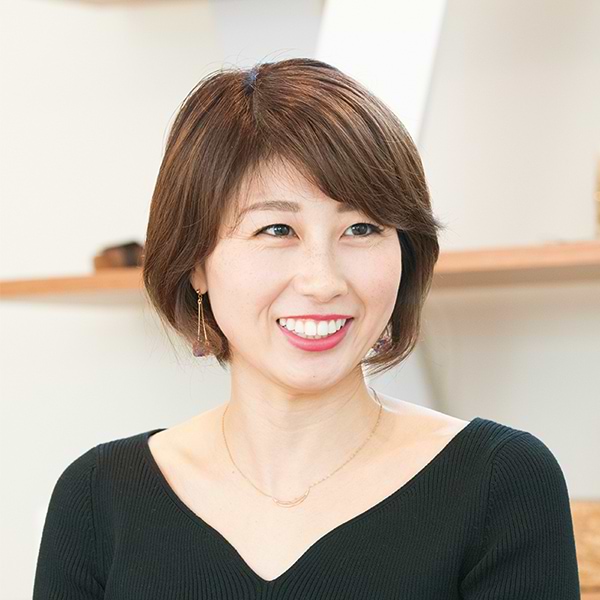
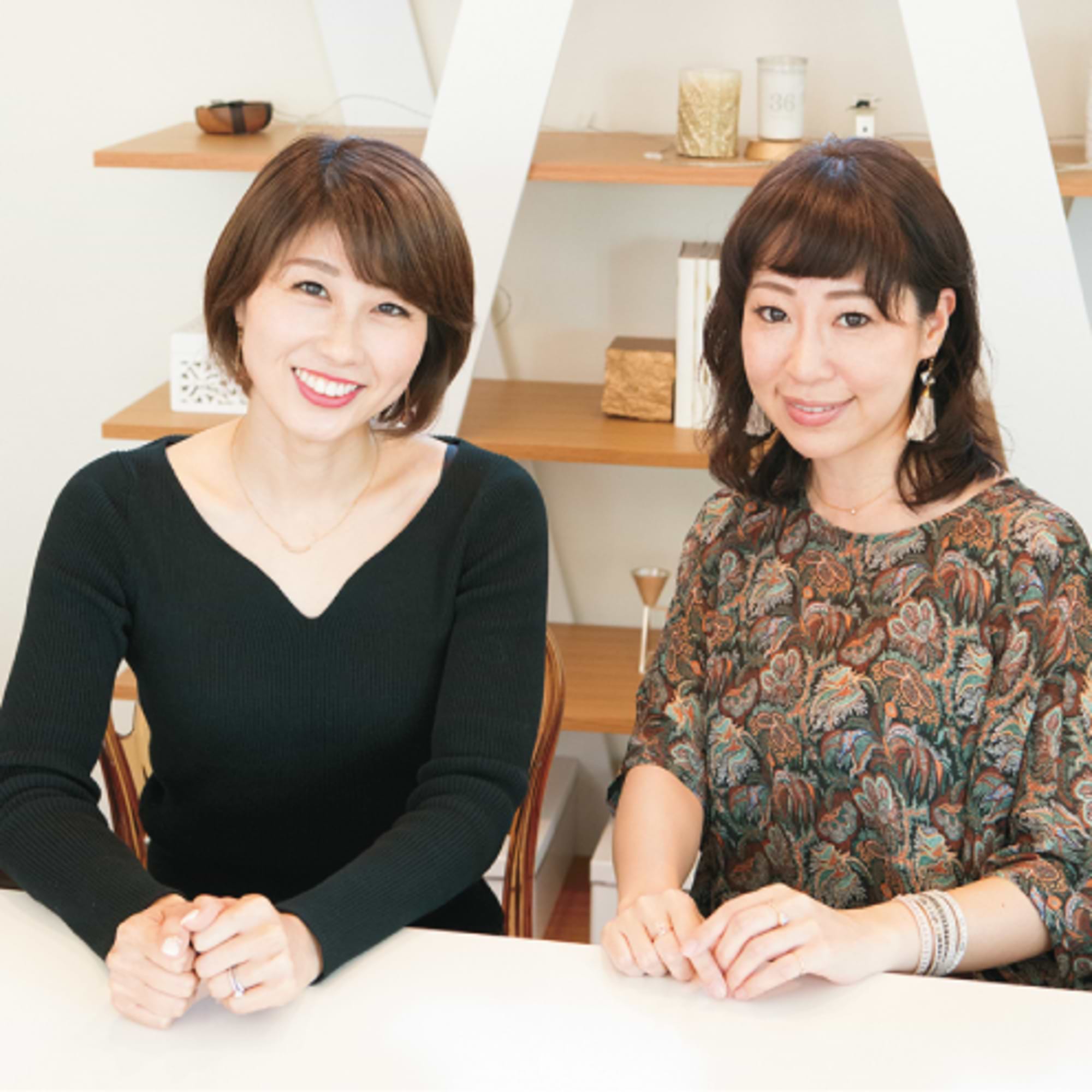
Chika Yoshida

Kazuka Mizuno
Dentsu Inc.
This is a corner where Dentsu Inc. employees, as "mysterious paper researchers," explore various societal SYMPTOMS.


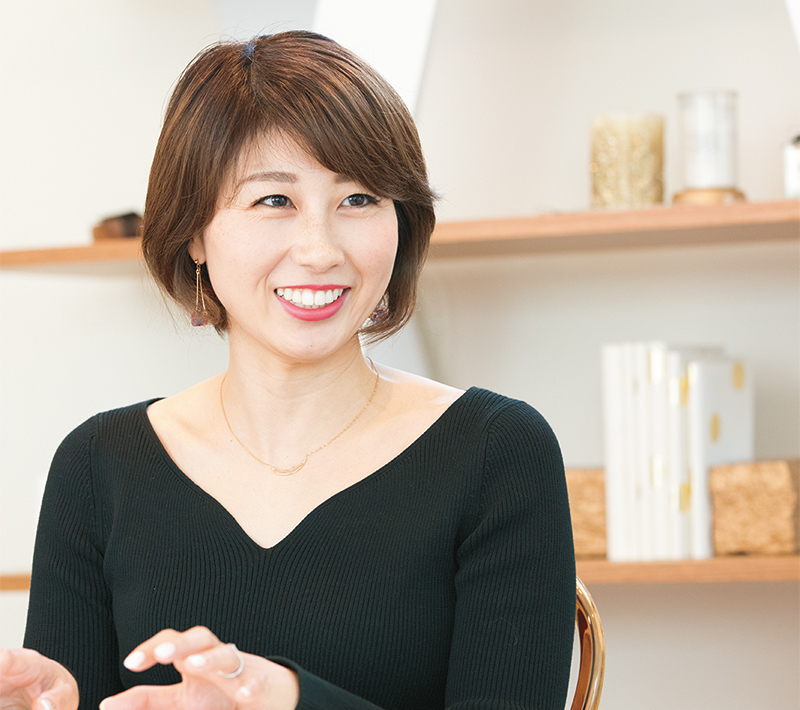
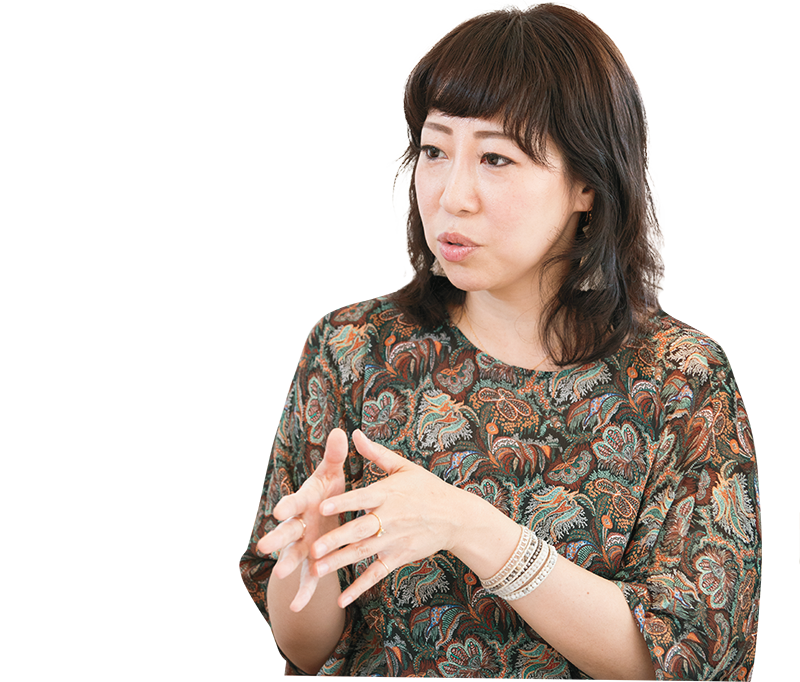
With the Tokyo Olympics and Paralympics just three years away, more and more foreigners are coming to Japan.Infrastructure is steadily being developed, but are the crucial "people" properly prepared? Could the Japanese trait of "seriousness" be a barrier to language acquisition? We asked Chika Yoshida, the hugely popular YouTube creator known as "Bilingirl" (with 880,000 subscribers as of July 2017), for hints on how future Japanese people should approach English.

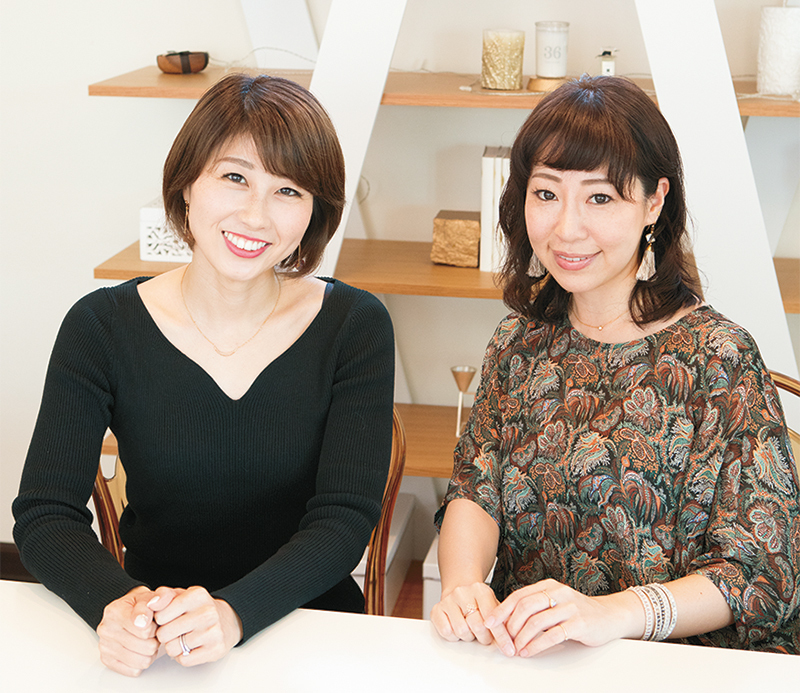
Yoshida: Opportunities to use English domestically have increased recently, haven't they? With the Olympics coming up, there's growing interest in knowing enough to guide foreign visitors.
Mizuno: On the other hand, there's the dilemma of wanting to help but not being able to speak well enough to teach them. That's why I thought, "Ah, that makes sense! " when Chika-san wrote on her blog , "If a foreigner asks for directions, just tell them the next immediate step and suggest they ask someone else for the rest. " You can explain the next step or so within your own English ability, and you might be able to muster that much courage.
Yoshida: I think it's okay to start by speaking Japanese. They're people who came to Japan wanting to learn about it, and many are studying Japanese. If they're always met with English, they might actually be disappointed.
Mizuno: That's definitely true. Maybe the reason some people find it hard to talk to foreigners is because of problems with Japanese English education. In Japanese classes, it's often one-sided—the teacher calls on students to answer, making it feel passive. But in America, when a teacher asks, "What do you think about this?", hands shoot up all at once and a discussion starts, right? That kind of culture is ingrained from a young age, creating an environment where active participation is the norm.
Yoshida: Even in everyday conversations among friends, Japan tends to stick to casual topics, while in Western countries, people often have deep discussions about life philosophies or political views. There are many situations where you can't participate without opinions or knowledge. I think their conversational skills are just higher, even before considering language proficiency.
Mizuno: If we could communicate more effectively, things might be a bit different. For example, Japanese people generally don't greet strangers, right? But overseas, if you share an elevator, saying "Hi!" is just natural. I wish that kind of feeling existed in Japan too.
Yoshida: Japanese has such formal honorifics, so maybe the language itself feels stiff.Also, Japanese people have this strong desire to be perfect with pronunciation and grammar, which makes them hesitant to speak English in public. I think that aspect of the Japanese language and the Japanese temperament also affects friendliness. Plus, Japanese culture tends to over-explain things, leading to excessive politeness. Because of that, there are fewer opportunities to grasp the rough outline of things and then figure things out for yourself. That might make it harder to develop survival skills for navigating the world.
Mizuno: Even within Japan, Kansai is a bit different (laughs). People often say that in Osaka, random old ladies will give you candy, and they really do! That's how conversations start – they're great communicators!
Yoshida: Maybe start by getting used to communication in Osaka's frank atmosphere before heading to America (laughs).
Mizuno:A "mini study abroad in Osaka, " huh? (laughs)
Yoshida: With the Tokyo Olympics and Paralympics coming up, lots of people will visit. But we tend to judge countries based on preconceptions or stereotypes—like "French people don't speak English." Yet there's so much you can't understand until you actually go there.
Mizuno: To truly understand that there are diverse ways of thinking and cultures beyond your own world, you really have to get out there. I wish the government would actively create more opportunities like that. Even just six months, like a "sabbatical," where you work while immersing yourself locally—that alone could change things. I bet people would flock to apply (laughs).
Yoshida:In the future, maybe going abroad virtually could be an option! I recently tried Microsoft's HoloLens, and it lets you look around 360 degrees with such realism – it seems great for getting used to an environment.
Mizuno: True. It might be great to have amusement facilities where you can learn English in a way that doesn't feel like "studying," using VR or apps.
Yoshida: What if you went to a restaurant and everything was in English? (laughs)
Mizuno: That sounds fun. Anyway, Japanese people tend to be passive, so we need to jump in and enjoy it! In five or ten years, I hope we Japanese can develop a more relaxed sense of communication, even if it starts with just approaching foreigners and speaking Japanese to them.

Having done YouTube for six years, I'm thinking it's time to try something new. With over 560 videos built up as a foundation, I'm considering various ways to expand from there. Expect announcements soon about "video × something" – like adding words from videos to an app's vocabulary list, or a platform for deeper learning. Stay tuned!

Just jump into a new world!
Many Japanese people still tense up just hearing the word "English," but starting by speaking in Japanese first was a real eye-opener. Try smiling when you make eye contact, offer help in Japanese if someone seems lost at the station, say "After you" in the elevator. Starting with small steps like these might bring everyday globalization closer than you think. It doesn't have to be perfect.Why not stop being afraid of making mistakes? If you're really nervous, start with Osaka (lol). Once you get used to the Kansai vibe, you might suddenly become a communication pro!? Even if it's just little by little, becoming more proactive should help you build not only better relationships with foreigners, but also friendlier connections with fellow Japanese people!

Was this article helpful?
Share this article


Newsletter registration is here
We select and publish important news every day
For inquiries about this article
Back Numbers

Author
Chika Yoshida
Kazuka Mizuno
Dentsu Inc.
Business Planning Bureau