Note: This website was automatically translated, so some terms or nuances may not be completely accurate.
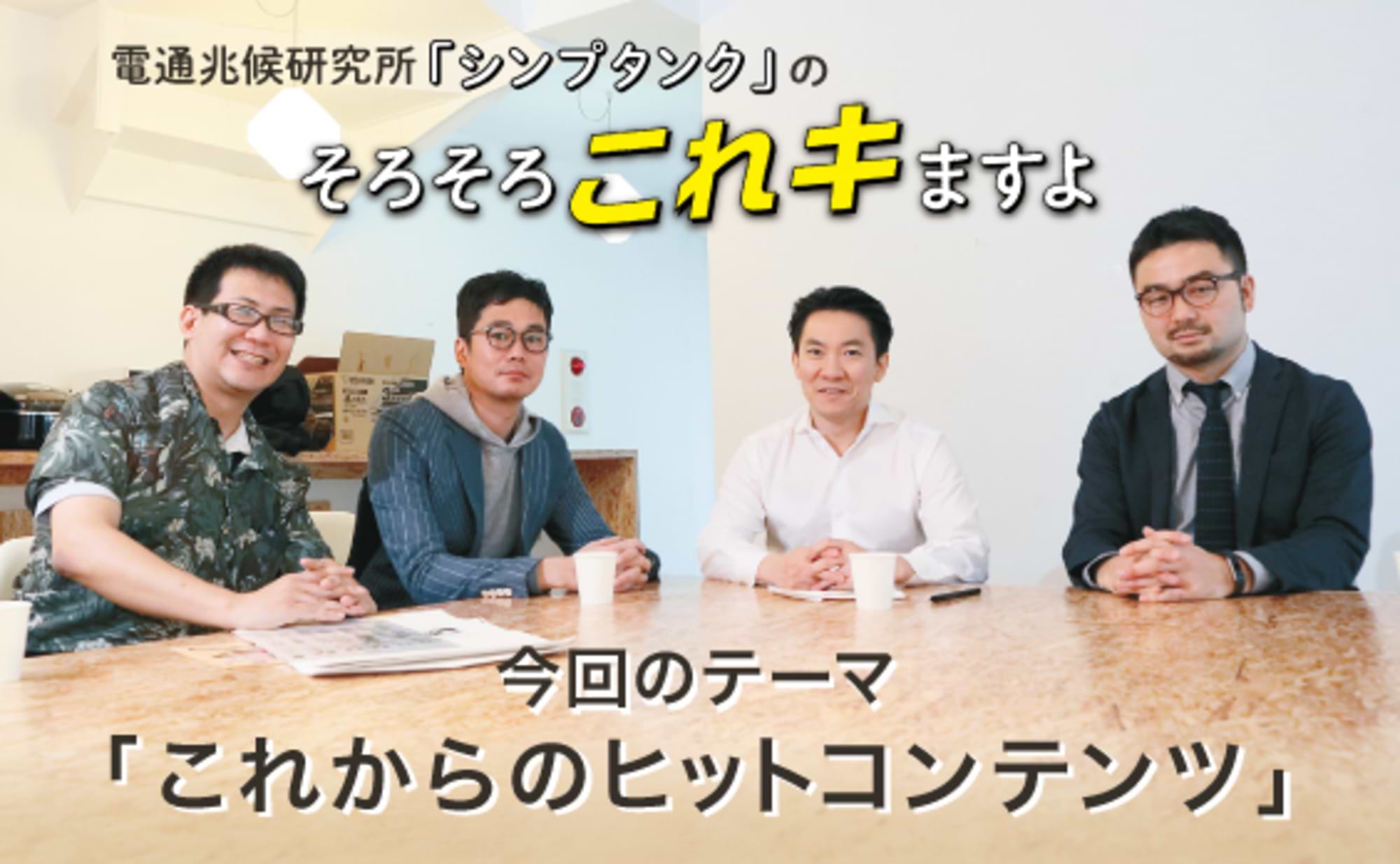
 Dentsu Inc. Megatrend Research Institute "Simptank" is about to hit the big time. [2/4]
[Prophecy] Zero-order information moves people's hearts.

Chihiro Fujie
NHK
Masahiro Kobayashi
Dentsu Inc.
This is a corner where employees of Dentsu Inc., as "mysterious paper researchers," explore various signs (SYMPTOM) in the world.


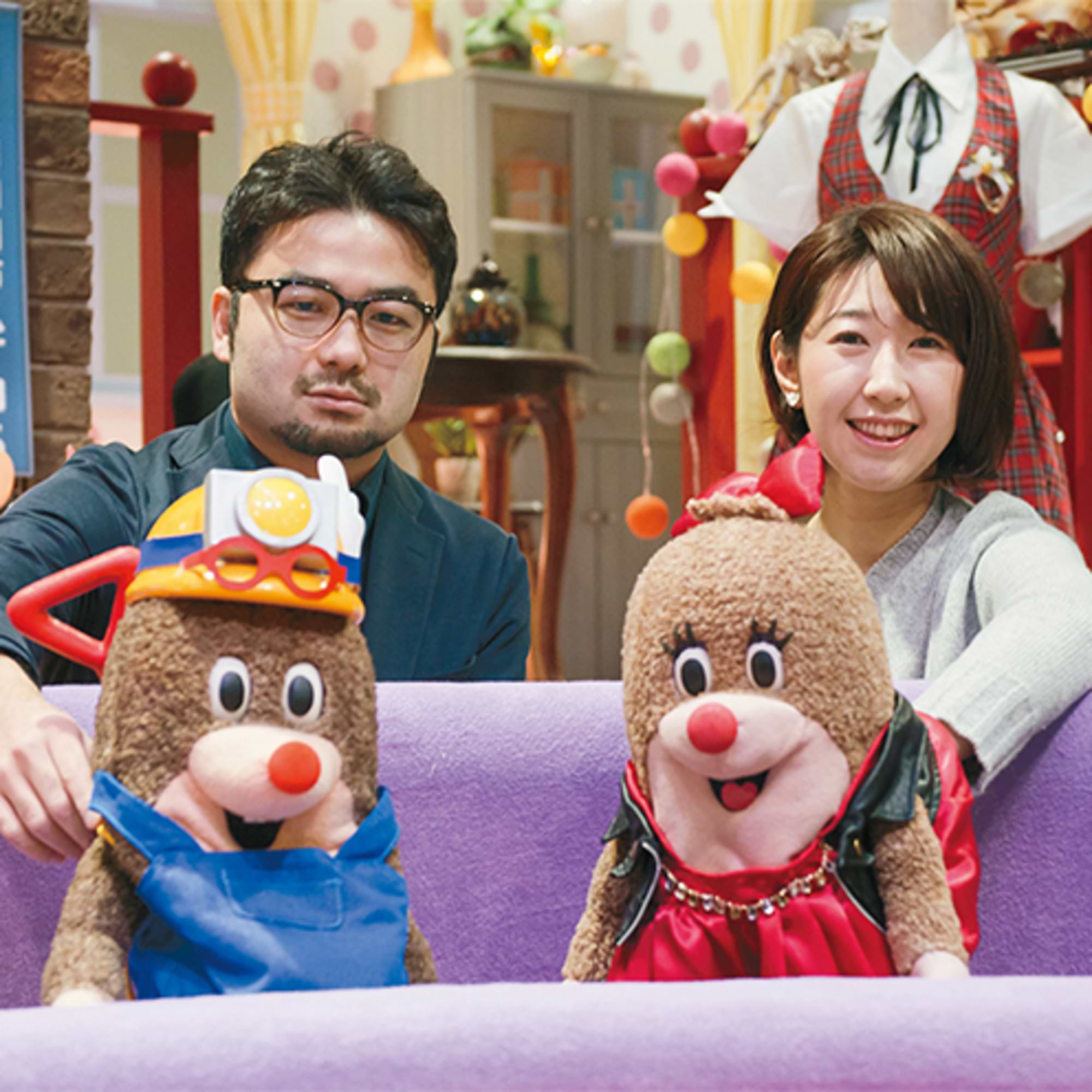
These days, unverified nth-hand information circulates on social media, and many seem weary of baseless superficiality. Amidst this, we encountered NHK E-TV's "Nehorin Pahorin." It's a program that stands out uniquely in today's television landscape. It interviews people we rarely get to see, drawing out unexpected truths, and presents them on the exquisite plate of NHK's traditional puppet theater – a meticulously crafted, truly educational entertainment program. What's the secret behind packing so much surprise and the full range of human emotion into just 30 minutes, leaving viewers moved? I had the chance to "dig deep" and talk with director Chihiro Fujie. "It's about to hit," or rather, "it's already hit pretty hard" (sweat), but please forgive the time lag.

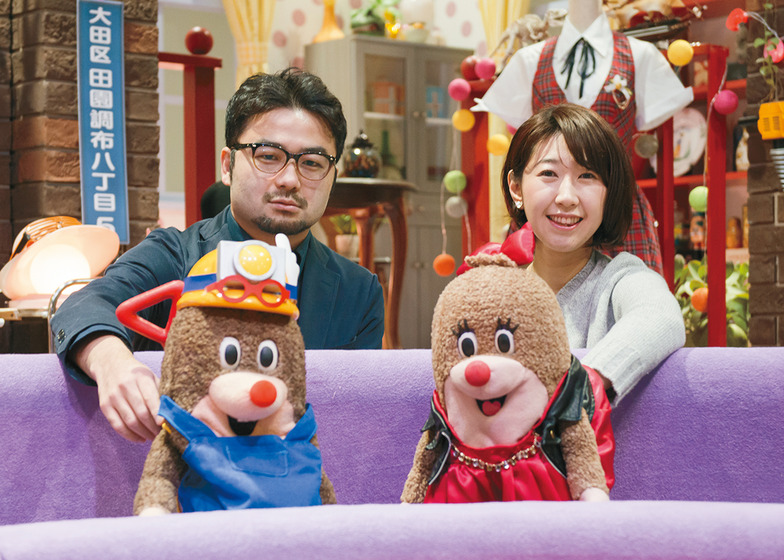
Kobayashi: First, I'd like to ask about the frequent expressions like "Is this okay for NHK, or TV in general?" How do you draw the line between what's acceptable to broadcast and what isn't?
Fujie: We operate with the mindset that "pursuing what everyone wants to know is what public broadcasting is all about." So even if an expression is a bit extreme, if we judge that it connects to the fundamental human interest underlying it and that using that expression is necessary, we use it. Of course, we take care to ensure it doesn't become an expression that hurts others. Perhaps because of this, we actually receive surprisingly few complaints.
Kobayashi: It's great to boldly declare, "This is precisely the heart of public broadcasting." It makes perfect sense. When you're working as a company employee, you tend to think superficially about whether an expression is "out" or "safe."
You've produced many different programs over the years. Is there anything different about how you approach making this one?
Fujie: It's about listening to the other person without the preconceptions we tend to fall back on. It's incredibly difficult. If you start forming hypotheses...
Kobayashi: You start thinking within a framework of whether it fits your hypothesis.
Fujie: I really want to avoid that. So I value the excitement of digging for something where you don't know where the treasure lies. When we did the pilot interview, out of habit, I kept framing questions around whether the story would fit into a relatable framework for the show. But they kept sharing unexpected anecdotes, and I got flustered. I felt frustrated and didn't know how to position it. After listening for about six hours, I wondered how we'd storytelling this person's story. But on the way home, I thought, "Ah, that's not it." I realized we should just present the whole rich, interesting person, beyond any framework we imagined.
Kobayashi: We should actually embrace the idea of predictions being overturned.
Fujie: Exactly. We do an enormous amount of research beforehand, but during the guest interview, we set all that aside. We don't even tell YOU who the guest is beforehand. We create by resetting our expectations, trusting that YOU will dig with fresh eyes and uncover truly fascinating treasures—things far more interesting than what we imagined.

Kobayashi: So YOU approaches it like jazz improvisation, diving in spontaneously?
Fujie: Yes. She observes people through her own experiences, with a level-headed perspective and simple language. Her insight is truly remarkable and resonates deeply with many people. From that, truths emerge that even we producers never imagined.
Kobayashi: I'm also impressed by how he makes you laugh right after moving you.
Fujie: I didn't want it to be just a sentimental story. I wanted to bring out that "funny side" within the show – the way all people are "adorable, silly, pathetic, endearing, and impossible to hate."
Kobayashi: And the puppeteering technique. It conveys more emotion than filming actual people. Even the silent performances.
Fujie: It's all down to the puppeteers' skill. They sew costumes matching each guest's outfit, craft props, and obsess over details to create realism.
Kobayashi: I hear this project started with the idea of "making a show for people online."
Fujie: That's true, but looking at the reactions on social media, I think everyone's literacy is much higher than ours. If we try to "bait" the viewers or audience with things like, "You like this, right?", they see right through it.
Kobayashi: It's one successful model emerging as viewers' sophistication has risen due to social media penetration. Creators who recognize that their audience might be ahead of them are the ones taking the lead right now.
Fujie: It's not about awkwardly pandering to the internet . It's about creating something rich, something you can only see, hear, or experience here. Then, the people who see it will spread it online. The strength of facts – when NHK is truly serious, does proper research, and earnestly presents them as "this is how it is." That's what I believe is important.

Kobayashi: It's like "zero-order information" – even more fundamental than primary or secondary sources. Information buried deep within the source itself, requiring digging to uncover. I also think this program resonates because we're in an era of superficial information where people "jump to conclusions." It's an age where everyone feels entitled to speak out, even when they don't really know.
Fujie: Precisely because of that, we don't want to "condemn" people based on existing values in this program. When we meticulously dig into the lives of "people we vaguely imagine but don't really know," episodes that reveal insights overturning preconceptions or prejudices tend to get positive reactions. We'll keep aiming to create a program that changes existing perspectives and values, and brings new discoveries.
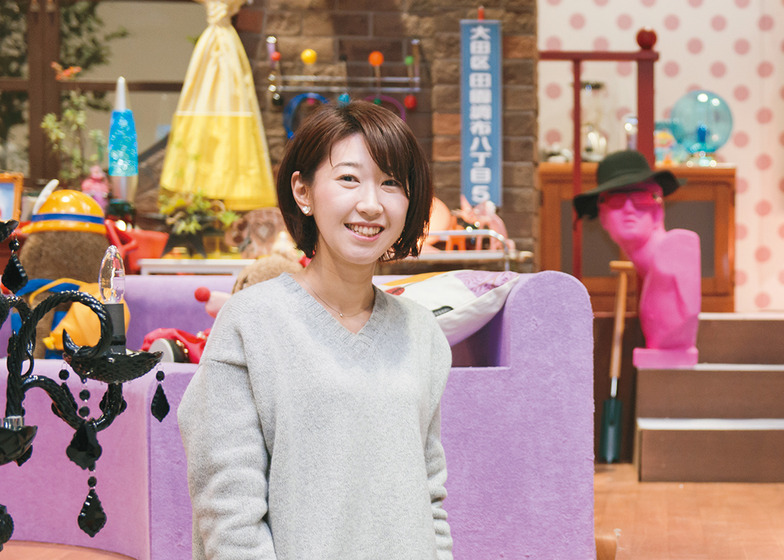

"Nehorin Pahorin" airs on E-TV every Wednesday at 11:00 PM. Each episode features guests who cannot appear on camera, represented by a pig puppet, while hosts Ryota Yamazato and YOU appear as mole puppets. It's a talk show where guests freely share their candid, unfiltered opinions. The program has won the "Good Design Award" and the "Galaxy Award Monthly Prize," and is currently trending on social media. The book "Nehorin Pahorin: We're Only Human" is scheduled for release by Magazine House in late March.

Having your preconceptions overturned is a joyful thing.
Watching this program reminded me of ethnographic research. Originating in cultural anthropology and sociology, this method—now widely applied in marketing—seeks to uncover true value that isn't immediately apparent by closely observing subjects in their natural state.
Post-truth. Fake news. The age of online backlash. In this era where everyone gangs up to attack, no one can hear the truth anymore. Truth is buried in darkness, and what we want to know becomes even harder to understand. Precisely because of this, the ethnographic spirit of inquiry shown by "Nehorin Pahorin," which seeks to grasp "zero-order information" in response to people's desire to know the truth, becomes increasingly important. I too will muster the courage to directly engage with those involved and embark on fieldwork to meticulously unearth "zero-order information."


Was this article helpful?
Share this article


Newsletter registration is here
We select and publish important news every day
For inquiries about this article
Author
Chihiro Fujie
NHK
Production Bureau
Director
Masahiro Kobayashi
Dentsu Inc.
Business Development & Activation Division / Business Production Division
Principal Researcher / Senior Consulting Manager