Note: This website was automatically translated, so some terms or nuances may not be completely accurate.
 Why not solve your problems with a good song? [2/2]
The power of song to resonate. Remember taking baths together, even when you're grown up.
Creative Director (CD) Ryuichiro Akamatsu, who handles everything from writing lyrics and composing to performing and singing, has formed an in-house unit called " HUMMING BRAIN." This unit provides clients with a one-stop solution for "solving communication challenges through integrated campaigns centered around songs." This time, we ask Mr. Akamatsu about the theme of a song's power to resonate.
【Table of Contents】
▼ The "Selling" Axis and the "Empathizing" Axis
▼ Why is "NAIVE" plant-based with a gentle lather?
▼Why did the barley tea commercial song distance itself from "deliciousness" and "function"?
▼ Once You Put It to Music, the Core Element You Need to Convey Becomes Clear
The "Selling" Axis and the "Empathy" Axis
This is Akamatsu from Humming Brain. Today, I'll discuss "What should be sung in a CM song?"
When it comes to "advertising products or services through song," it's common to set the client's most important product information—features, functionality, or differences from competitors—to music. For example, if creating a CM song for a "super stain-removing laundry detergent," it's easy to focus on phrases like "amazing whiteness♪" or "cleaning power ×× times stronger♪. "
This approach centers the song around the core desire to sell. While wrapping such product information in a melody can make it sound somewhat catchy, it rarely resonates deeply.
What I strive for is "touching the viewer's emotions and life, creating empathy. " Every product or service has a "story beyond it, " and that story connects with people's hearts somewhere. We turn it into a "song" to express the complex emotions floating between that product and the viewer.
(Example Approach)
"There's a laundry detergent that removes stains incredibly well"
↓
"It makes things amazingly white!" → Don't rush to turn this into a song.
↓
"How might this change your life?" → Think about "the story beyond."
↓
"You might boldly eat pasta without hesitation when wearing a white shirt. You might even be more forgiving if someone spills on you."
↓
"In other words, you might become more cheerful and kind." → Start crafting the song from here.
Rather than singing "It cleans well!" because it's a product that removes stains effectively, we stand on the axis of "What does effective stain removal bring to life?" It might sound exaggerated, but that's where we start thinking about the song .
Why is Naive plant-based and has a gentle lather?
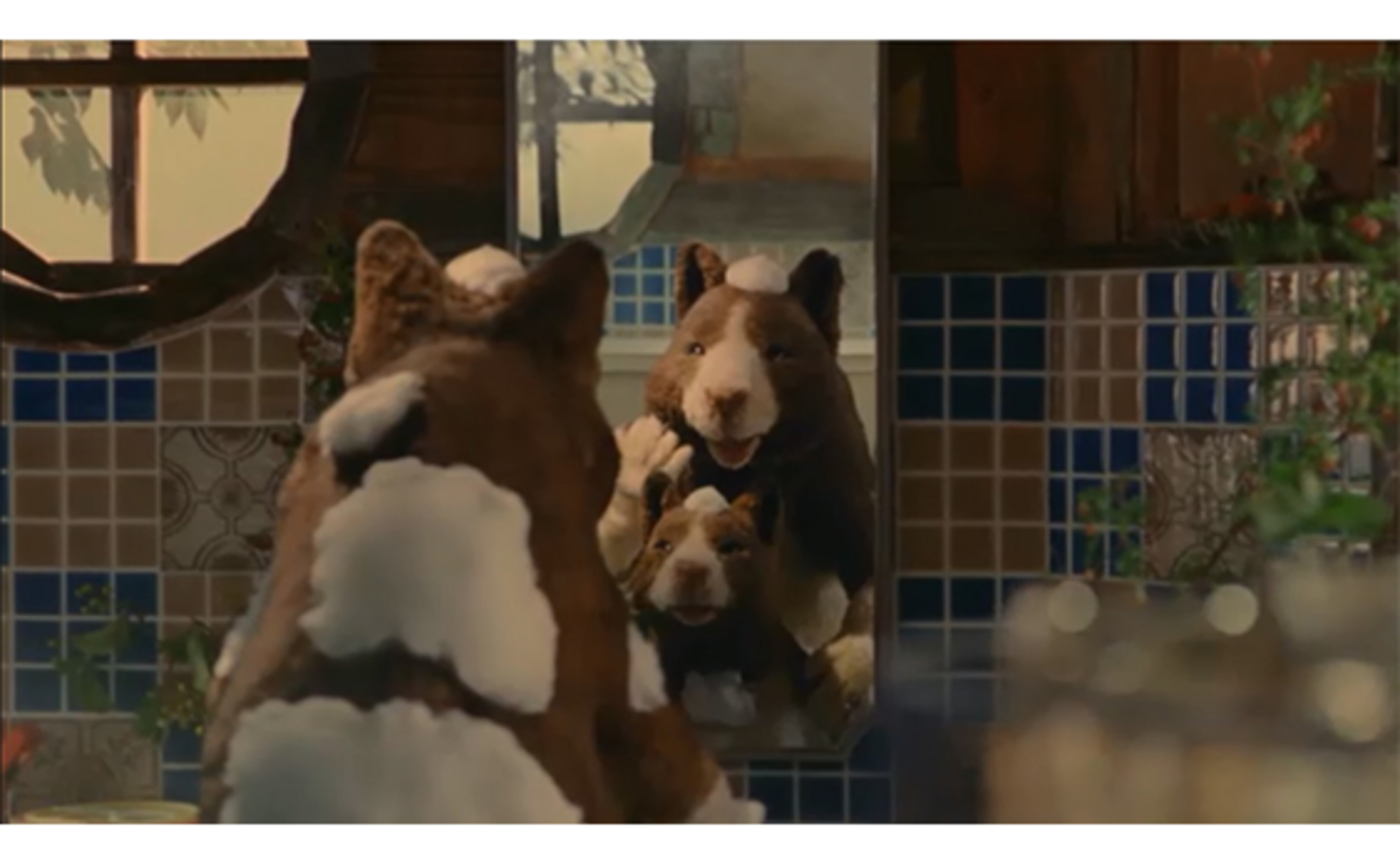
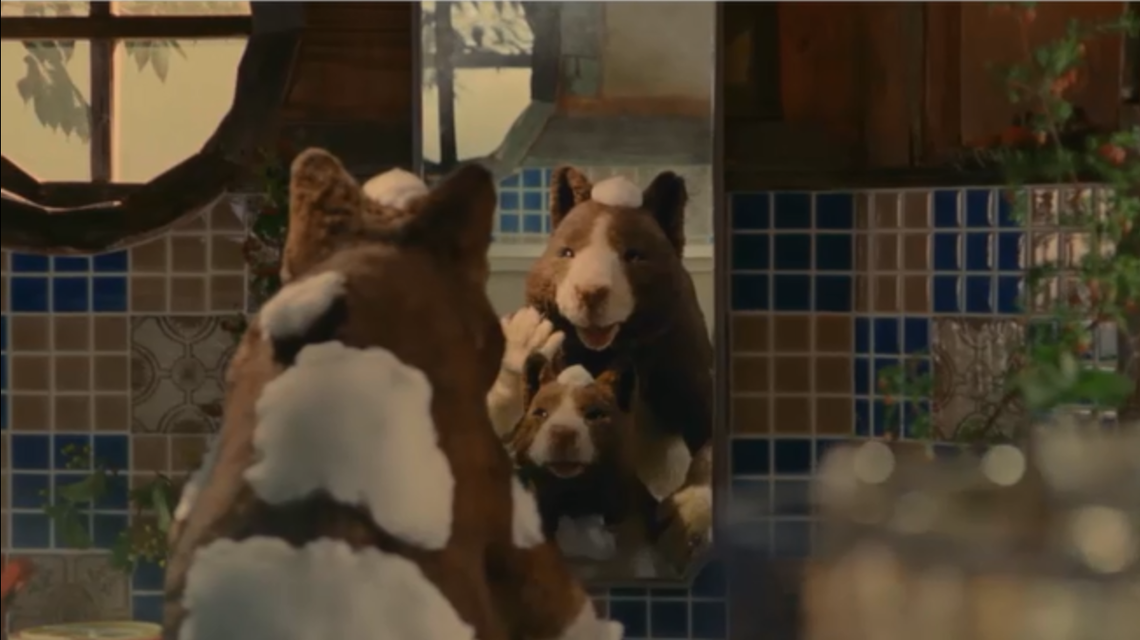
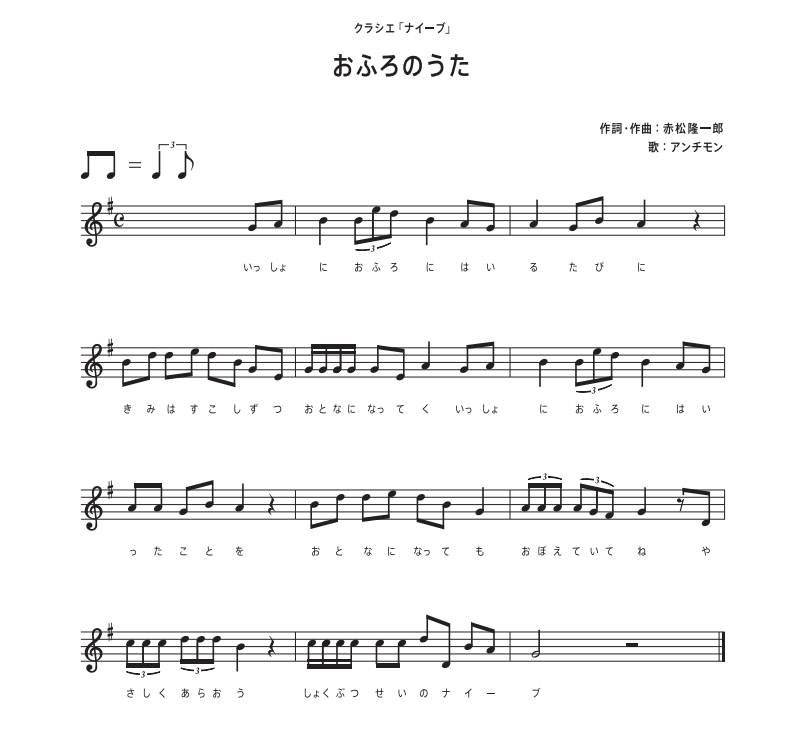
Let me show you an actual commercial example. This is "The Bath Song" I created for Kracie's "Naive" commercial (2014).
Naive "Remember Me" Edition (2014) / Kracie ※Click to play video
First, the defining feature of Naive body soap is that it's "plant-based with a gentle lather, so it's gentle on the skin." What if we sang that product feature exactly as it is?
[Example] "Washed with Naive's gentle lather~, my heart and body became gentle too♪"
This works as a song, but it probably wouldn't stick in your mind, right? This approach is rooted in the mindset of "wanting to sell."
So instead of just saying it's "gentle," let's take a step further and consider "why it's gentle" and "what being gentle brings to people's hearts."
"Why is a plant-based, rich-lathering, gentle body soap necessary?"
"Why is it important to feel gentle while bathing?"
As we refined our thoughts and visualized our target customers—parents and children—using Naive, the answer to "Why does body soap need to be gentle?" became clear.
"The time parents and children spend bathing together is fleeting in life.
That's precisely why bath memories should be gentle."
I have children in middle and high school myself, and I felt that the time I spent bathing with them passed in the blink of an eye. Honestly, I had become complacent, thinking I could bathe with them anytime for a while longer, but before I knew it, they were bathing alone.
Based on my own experience (laugh), I realized that precisely because these are precious parent-child moments, "gentle body soap is essential there."
By delving that deeply into the song, it transcends a mere product feature pitch. It creates a connection and empathy between "the hearts and lives of those who see the commercial" and "the product."
That said, if you chase emotion and message too hard and leave the product behind, it won't work as a commercial. You need to create it by constantly balancing between the axis of "selling" and the axis of "empathy. "
In this commercial, we closed with the phrase "Wash gently with plant-based Naïve," while the lyrics leading up to it told a story beyond the product itself... achieving that balance.
The advantage of me handling both CD and music production is that I can maintain this balance from a single perspective. While creating the song, I can simultaneously judge things like, "We should probably focus on just one key appeal," or "Expressing it this directly might limit the overall campaign's impact— ."
Why did we distance ourselves from "deliciousness" or "functionality" in the barley tea CM song?
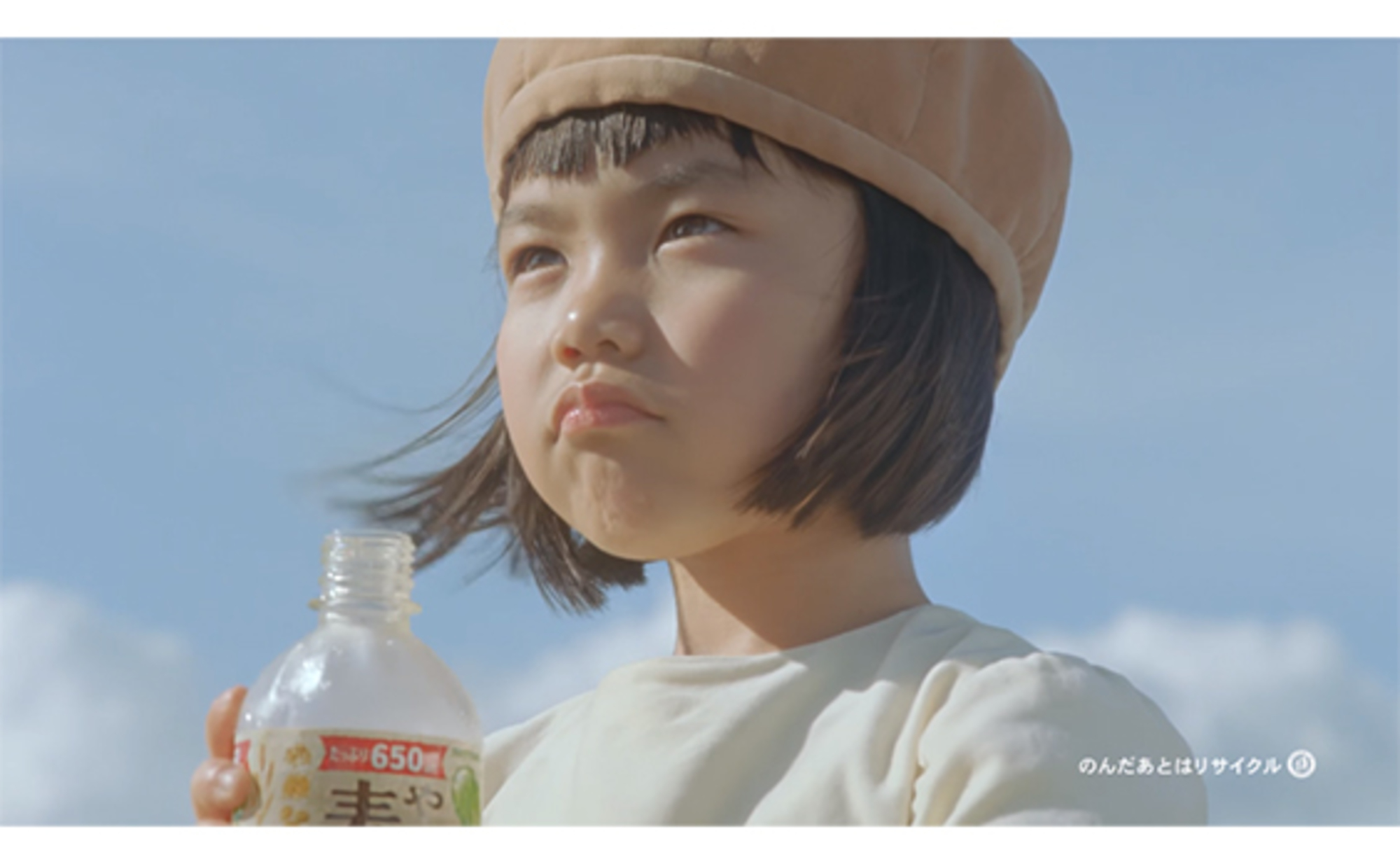
We applied the same thinking to the Suntory "GREEN DA・KA・RA Gentle Barley Tea" commercial I introducedlast time. Let me explain the lyrics for the latest "Mom's Face" version.

GREEN DA・KA・RA Gentle Barley Tea "Mama's Face" Edition 30 Seconds Mugi-chan / Suntory
YouTube here
※From the official Suntory channel (SUNTORY)
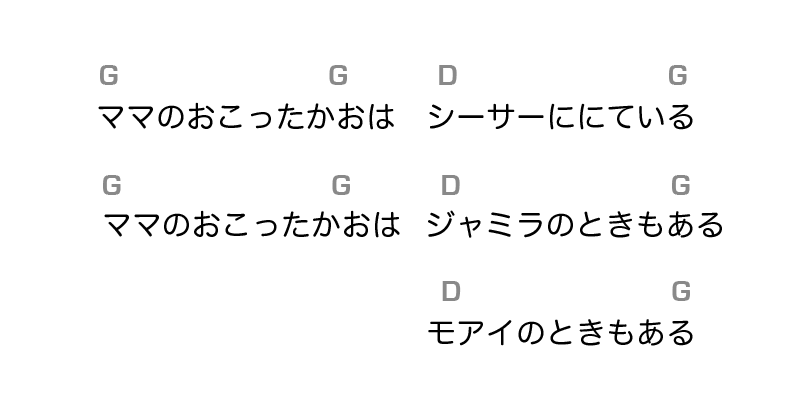
Although it's a beverage commercial, it doesn't promote "taste" or "function (ingredients)" at all, and the lyrics seem unrelated to the product at first glance.
The product name "Gentle Barley Tea" already conveys everything it needs to. Visually, seeing Mugi-chan drinking it with such enjoyment perfectly communicates the core appeal: "Barley tea for parents and children to enjoy together." There's no need to explain specifications like "Caffeine-free!" or "Rich in minerals!" through song.
Just like always, we started by thinking about the "story beyond the product" – what does "gentle" in "Gentle Barley Tea" really mean? What's the opposite of that? That's how the song "Mommy's angry face~♪" was born.
For kids, getting scolded by Mom isn't fun, and I think Mom feels the same way when she's angry. To gently ease that tension, we thought: What about a fun song comparing Mom's angry face to something else? For the scolded child, it's a little bit of a comeback (laughs), and Mom can laugh along too, lightening the mood.
From there, it was trial and error. For example, instead of ending with "Sometimes she's like a Moai~♪," we could have gone with "But I still love my mom~♪." However, we ultimately wanted the ending to be more child-centered. From the CD's perspective, we judged that having the Moai reappear would be more fun and likely get more laughs. So, the direction was to skip the "I love my mom" part this time.
Thanks to this, the commercial ranked #1 in the CM Research Institute's June 2017 work-specific favorability ratings. I believe the reason it received such strong support from many children and parents was because we succeeded in creating a song that "aligns with the viewer's emotions ."
Once you put it into song, the core element you need to convey becomes clear.
Not just for commercials, planning is fundamentally about "imposing constraints." While "constraints" might sound negative, it's actually a positive process that helps bring out the strengths of a product or service.
When planning, we aren't creating something entirely from scratch. Before delving into the details of the plan, we first need to identify the "key points to explore" to deepen our thinking. Imposing some form of constraint at this stage makes it easier to pinpoint the "key points to explore" for the product or service.
In that sense, "putting it into song" is an excellent constraint. The moment you set it to melody, the number of words becomes limited, naturally forcing you to intensely consider the "most crucial core element to convey." Simply "trying it as a song" provides incredibly effective direction. If you can properly pare down the elements during this process, it becomes a message that powerfully resonates with people.
When companies tackle communication challenges, feel free to reach out to us with a lighthearted approach—like thinking, "Oh yeah, there was that Humming Brain team," or saying, "Just come up with one song idea for us."
We believe that "song-based solutions" crafted from an advertising agency's perspective as communication professionals will be useful in ways that delight everyone and make the world more interesting.
That concludes our two-part introduction to Humming Brain's activities. We'd love to help solve your challenges with great songs!
HUMMING BRAIN: The unit that solves all kinds of problems centered around songs
http://www.hummingbrain.jp/
A multidisciplinary team of specialists providing one-stop solutions centered around "song-based" approaches. Led by Creative Director Ryuichiro Akamatsu, who handles everything from CM planning to music production and performance, the group brings together members with diverse strengths, including Art Directors, Copywriters, and PR Planners. Their common thread? A shared love for songs and music.

Was this article helpful?
Share this article


Newsletter registration is here
We select and publish important news every day
For inquiries about this article
Author

Ryūichirō Akamatsu
Dentsu Inc.
CDC
Creative Director