Note: This website was automatically translated, so some terms or nuances may not be completely accurate.
 Dentsu Design Talk [105/109]
What is the world's new common sense, "Singularity"? (Part 1)
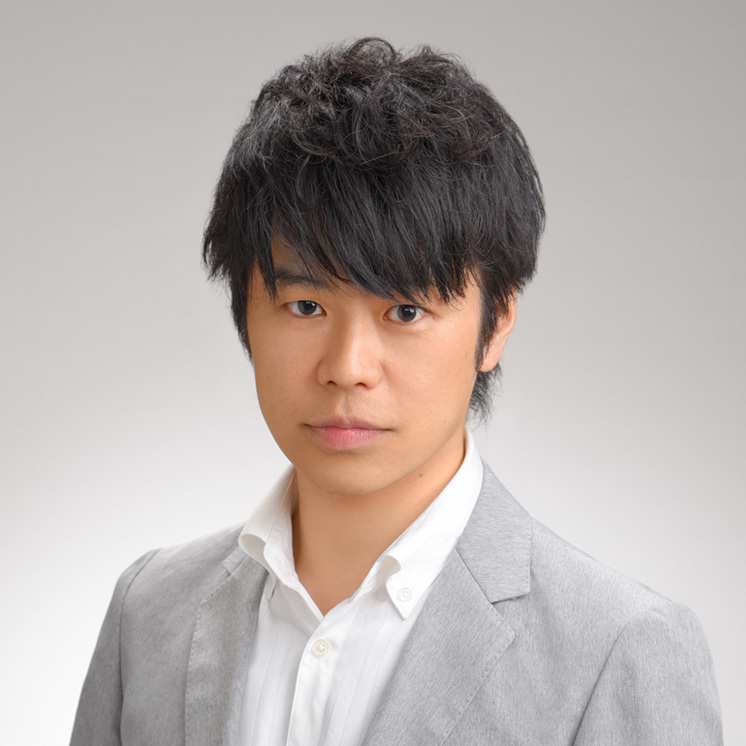
Tomohiro Inoue
Komazawa University
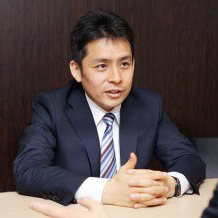
Kazunori Saito

Jovan Reboredo
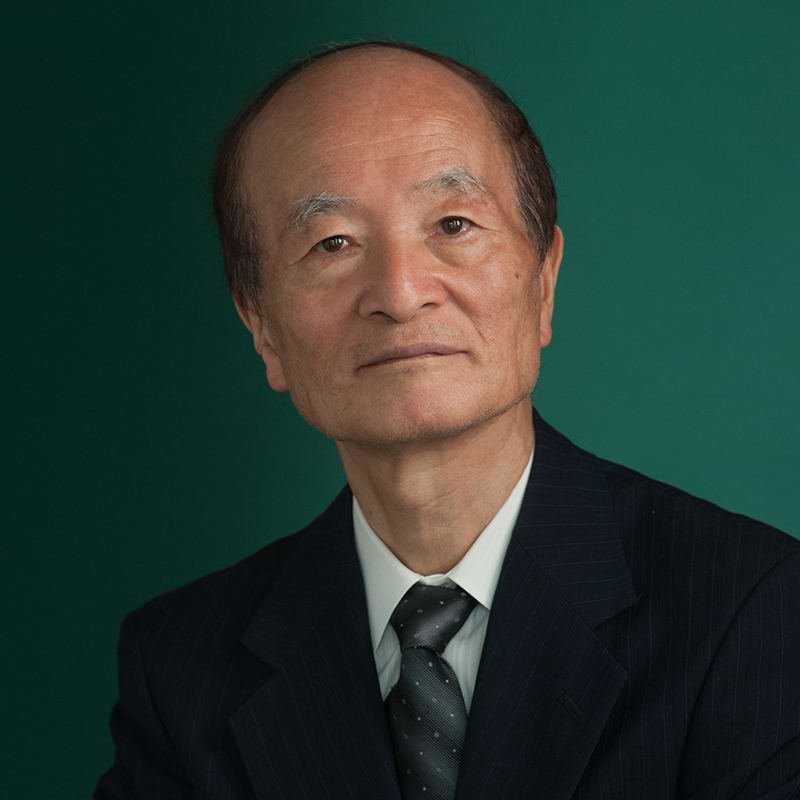
Takuya Matsuda
Kobe University
Nitō Fumi
Dentsu Inc.
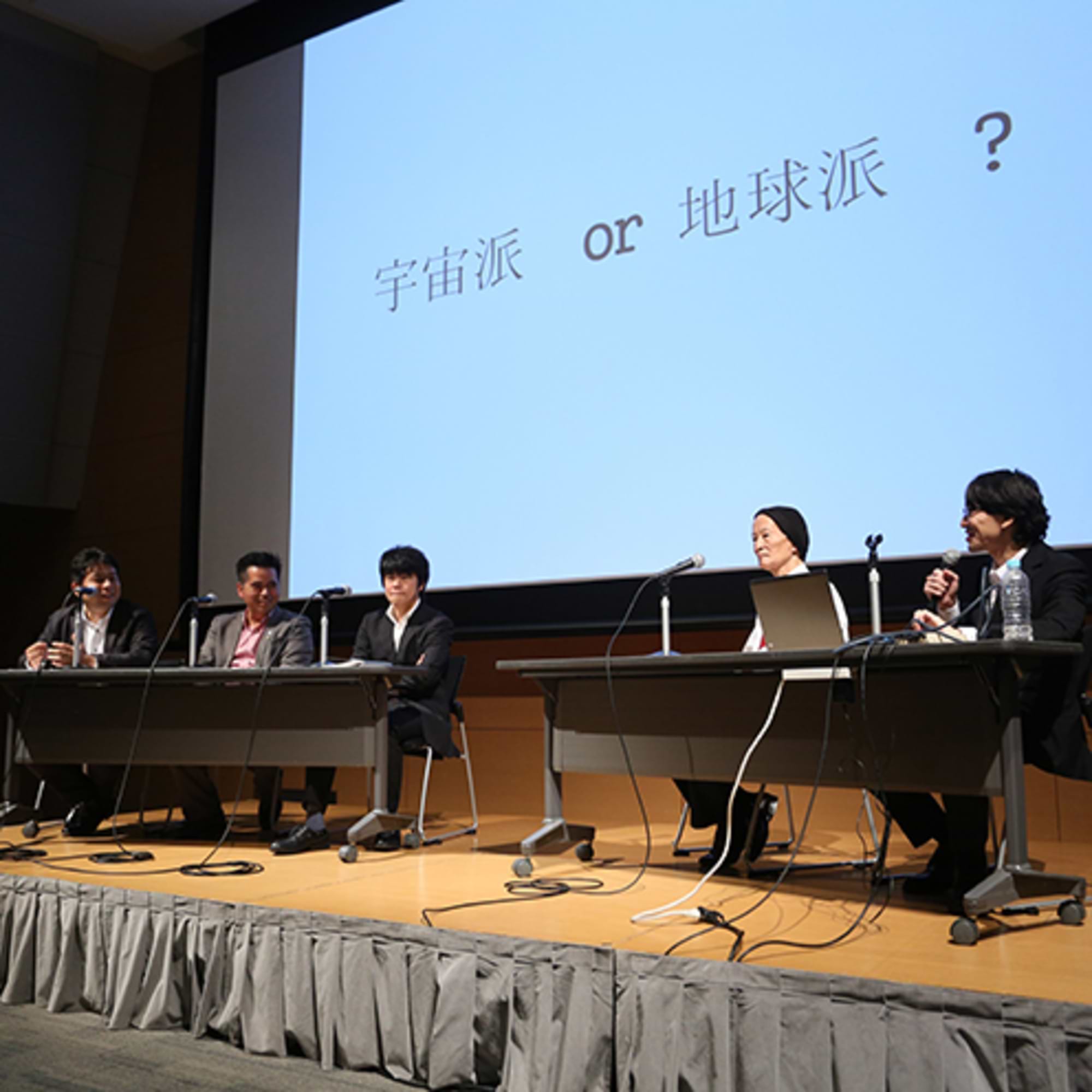
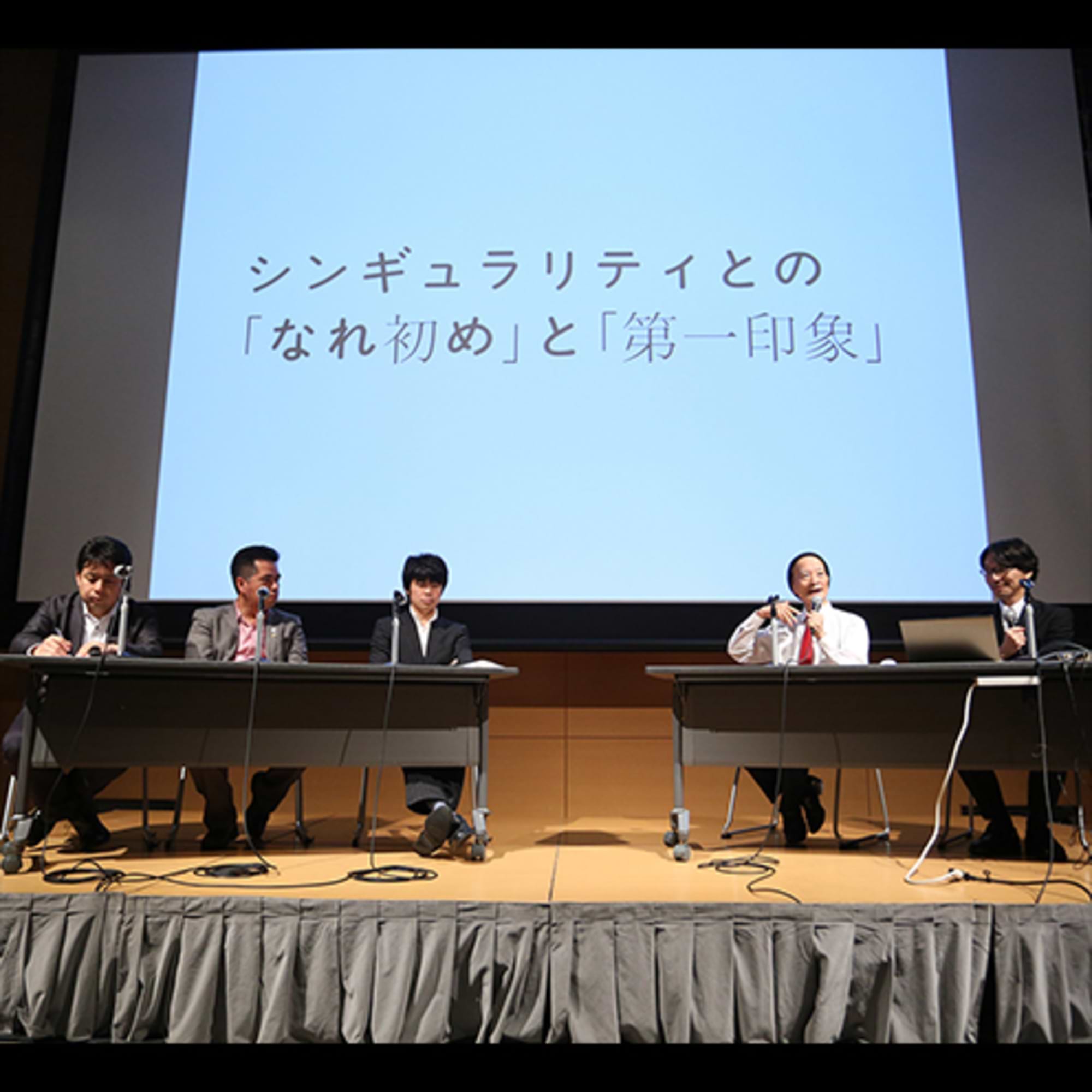
Singularity refers to the "technological singularity." While the sensational focus is on artificial intelligence surpassing humans, this is actually only one element. Its essence lies in "exponential thinking"—the mindset that sparks disruptive innovations transforming the world. As this concept gained traction, particularly in Silicon Valley, massive investment combined with brilliant minds became the driving force for global-scale transformation. At the call of Mr. Futoshi Nitta of Dentsu Live Inc., who caught this trend early, top-tier "Singularity theorists" from across Japan have gathered. They will thoroughly discuss strategies for Japanese companies to soar globally.
The Singularity We Can No Longer Ignore
Nitta: When people hear "Singularity," many think of Ray Kurzweil's 2005 book The Singularity Is Near (published by NHK Publishing). Its shocking content—claims like "humans will become immortal" or "the universe will develop consciousness"—left me personally feeling quite put off.
However, with Singularity University opening on NASA's grounds, TED presentations focusing on the Singularity, and the XPRIZE Foundation and Singularity University offering corporate programs, it's clear we can no longer afford to stand back and watch.
By 2016, Japanese companies were starting to move, with ANA signing a partnership agreement with the XPRIZE Foundation and hosting an international prize race. We too want to learn the exponential thinking of the Singularity and help Japanese companies soar globally. That is the purpose of this initiative.
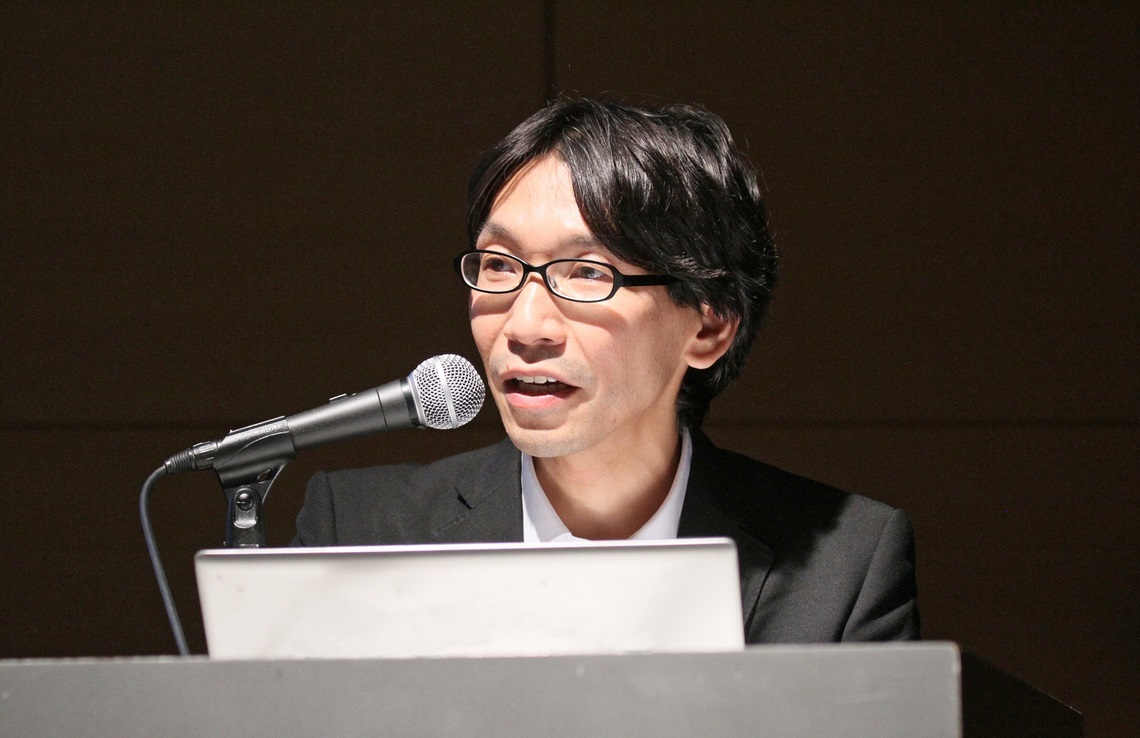
First, we will hear from Professor Emeritus Takuya Matsuda of Kobe University, who hosts the "Singularity Salon."
The battle for top talent has already begun
Matsuda: According to Yuval Noah Harari, the Israeli historian and author of the global bestseller Sapiens: A Brief History of Humankind (Kawade Shobo Shinsha), the Singularity Revolution will make humans immortal. We will merge with superintelligence to become "God = Homo Deus." The world will shift from "Humanism = anthropocentrism" to "Dataism = algorithmism."
Realistically speaking, becoming "Homo Deus" may require vast amounts of money. If so, only the wealthy and elite could achieve this status. Furthermore, all workers and soldiers previously needed by nations will be replaced by robots. This is the "technological unemployment" frequently discussed recently.
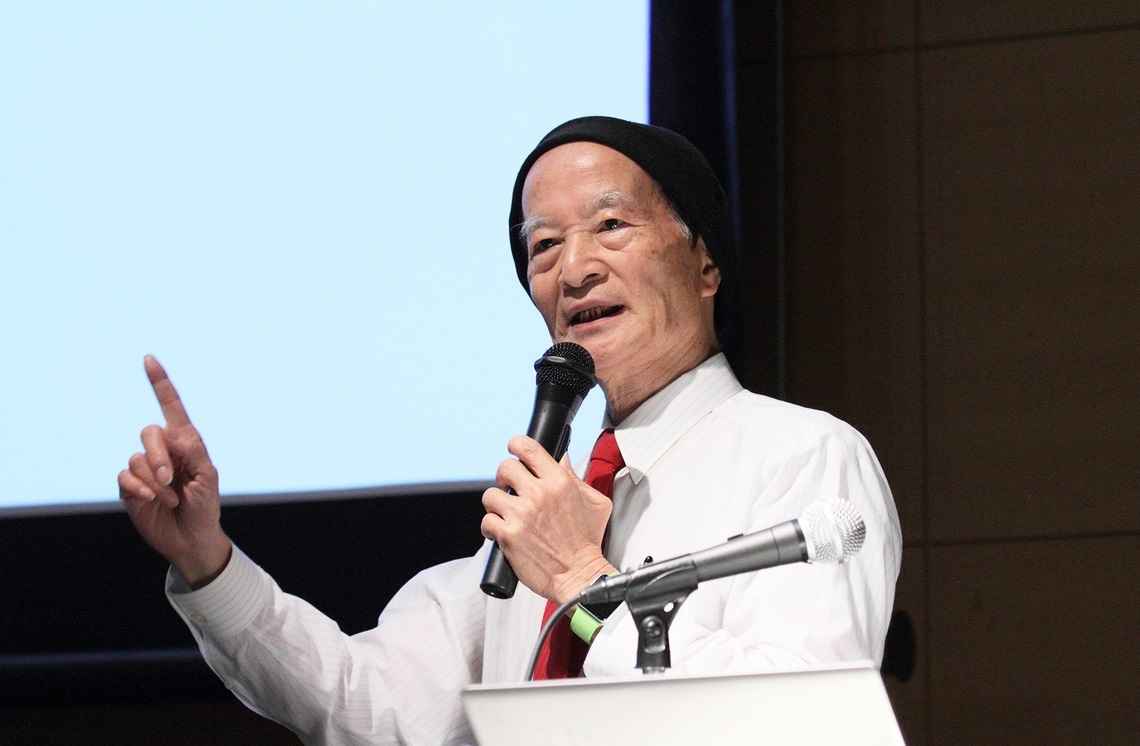
The many people who cannot become Homo Deus will become a class that is politically and economically completely unnecessary. And the ruling class will have to support these people. That is what Harari says.
Artificial intelligence can be classified into "strong AI" and "weak AI," as well as "specialized AI" and "general AI." What people fear is a world like the Hollywood movie "Terminator," where conscious "strong AI" dominates humanity.
On the other hand, "weak AI" does not mean low performance; it refers to artificial intelligence without consciousness. What I want to emphasize is that even a singularity driven by "weak AI" without consciousness will change the world.
"Specialized AI" refers to artificial intelligence designed for specific purposes, like AlphaGo. Currently, all existing AI falls into this category. "General AI" is an artificial intelligence capable of performing virtually any task with human-like fluidity. However, achieving this is extremely difficult. To create "General Artificial Intelligence," we must decipher the master algorithm that mimics the human cerebral cortex. The nation that monopolizes this will seize global hegemony in politics, economics, and military affairs. The stock price of the hegemonic company would likely exceed 100 trillion yen.
To achieve this, what is needed is "exceptional talent." Indeed, we are seeing a surge of activity: Google spending 50 billion yen to hire the genius Demis Hassabis from DeepMind, and global corporations investing in promising companies. I call this "Brain Capitalism." The battle for exceptional talent has already begun.
Nippon Tower: Next, we hear from Professor Tomohiro Inoue, Associate Professor at Komazawa University's Faculty of Economics, who will speak from the perspectives of economics and the future.
AI Will Cause "Technological Unemployment"
Inoue: When considering how artificial intelligence will impact the economy, in addition to the classification introduced by Professor Matsuda, it's useful to think in terms of "information space" and "physical space."
The "information space" is simply the world of processing information and symbols. The "physical space" is the world where intelligent "smart machines" incorporating artificial intelligence, such as self-driving cars and drones, actually transport goods or manipulate objects.
The biggest hurdle in achieving "general artificial intelligence" is AI's understanding of the meaning of words, but it is said this will be realized by 2025. As a result, "technological unemployment" will emerge. Technological unemployment has occurred with every new technological advance in the past, but it was resolved by people transitioning to other occupations where they held an advantage.
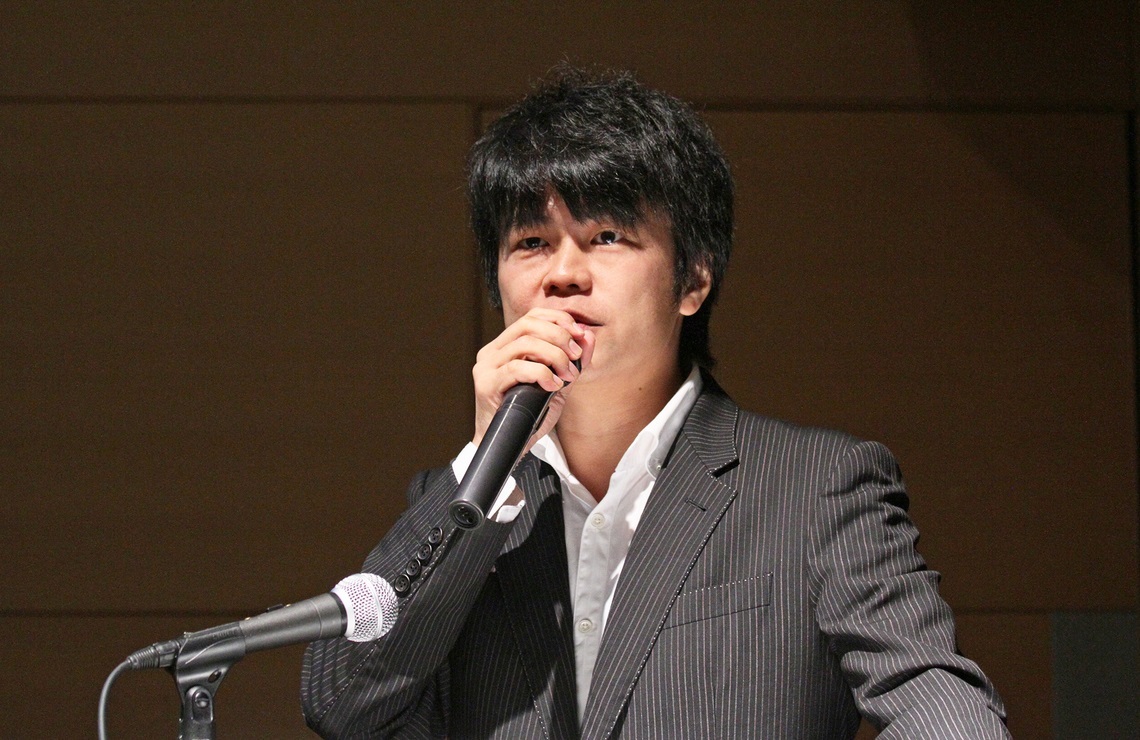
However, "general-purpose artificial intelligence" has the potential to take over almost all occupations. Consequently, there is a possibility that the "unnecessary class" pointed out by Professor Matsuda could emerge. For these people to survive, a system like a basic income will likely be necessary.
On the other hand, some jobs will not disappear easily. These include roles requiring creativity, management, and hospitality. Only a small fraction of people will be able to secure such positions.
I believe these phenomena will unfold seamlessly with the Fourth Industrial Revolution. When we transition from the era of "specialized artificial intelligence" to that of "general-purpose artificial intelligence" around 2030, the structure of capitalism will undergo significant change. I refer to current capitalism as the "mechanized economy" and the new capitalism about to emerge as the "pure mechanized economy."
According to the analytical results of the mathematical model for the "mechanized economy," every country will eventually settle into an economic growth rate around 2%. A typical example is the United States, whose real economic growth rate over the past 20 years has been 2%. While China and India currently have high economic growth rates, they will stabilize in the future.
Conversely, the mathematical model for the "Pure Mechanized Economy" shows that even with constant technological progress, growth rates will increase year by year. This means that countries and companies harnessing artificial intelligence in the Fourth Industrial Revolution will embark on an upward trajectory, while those that don't will fall into stagnation. I call this the "Second Great Divergence." Incidentally, the first great divergence was the First Industrial Revolution.
Can Japan reverse its fortunes in this "Second Great Divergence"? I don't think it's that simple. The reason is that many Japanese companies have not sufficiently advanced their IT capabilities. For example, future automobiles will be controlled by artificial intelligence. In this arena, the company that dominates the in-vehicle OS (basic software) will dominate the automotive industry. Microsoft, which produces the Windows OS, dominates the PC industry, while manufacturers making the physical hardware don't earn much profit. Going forward, assembling hardware (the physical product) will increasingly lose its added value, while value will shift toward research and development, design, marketing, and branding. What these activities require are brilliant minds and creative thinking.
So, what about Japan's intellectual capacity? Looking at the trend in the number of engineering papers published, while advanced nations like the US and China show steady growth, Japan's output is gradually declining. Japan's science and technology are said to be in decline, to the point where it may no longer produce Nobel laureates in 20 to 30 years. Unless we halt this decline and enhance our scientific and technological capabilities, including artificial intelligence, Japan will fall into decline.
Nitta: Next, Mr. Saito will speak about business, organizations, and the Singularity.
The Conditions for Companies Achieving Exponential Growth
Saito: The Singularity will cause technological evolution to follow an exponential curve. Initially, there will be a prolonged "incubation period" where little seems to happen. Then, at a certain point, "disruption" occurs, rendering previous technologies obsolete and eliminating business profitability. Ultimately, traditional products cease to exist, while new technologies become mainstream.
For example, digital cameras exploded in popularity at a certain moment, completely disrupting the film industry. Once digital cameras became mainstream, smartphones with camera functions exploded in popularity, now threatening to disrupt digital cameras themselves.
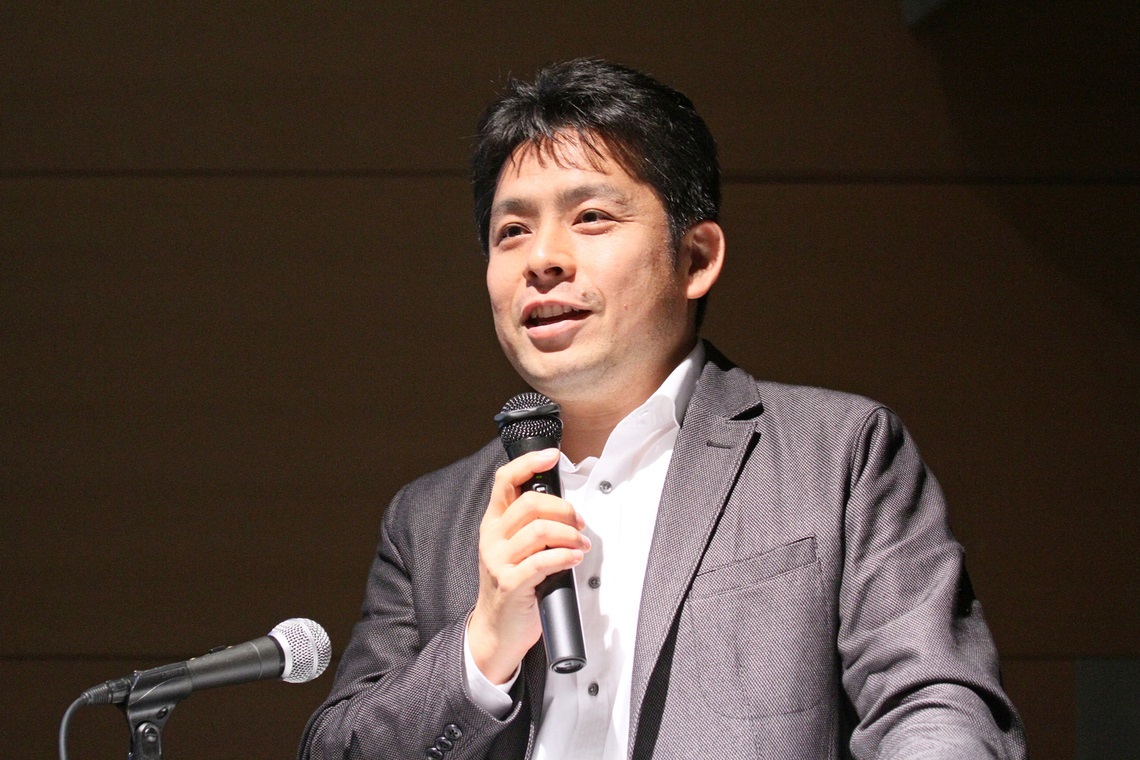
Drones, VR, and AR are currently treated like toys, but once they cross the destruction point, they will proliferate explosively and cause disruption to existing technologies across various fields.
The pace of industrial revolutions is accelerating. It took 200 years from the first mechanization to the second, 100 years to the third, and the fourth is occurring in just 30-40 years. It is believed the pace will only increase from here.
The business world will similarly see increased metabolism, with corporate growth speeds accelerating. In the US, companies founded in the 21st century like Facebook and Google are growing at breakneck speed. However, many Japanese companies still operate with a 20th-century mindset.
Moving forward, we must anticipate the future and act faster than them. The approach of the XPRIZE Foundation becomes crucial for aggregating technology. Founded by the Indian Achari family, the XPRIZE Foundation has successfully convened competitions across various fields to pool technology, culminating in the first private suborbital spaceflight.
As Mr. Nitta introduced at the beginning, All Nippon Airways (ANA) is holding a competition with the XPRIZE Foundation related to avatars. In a contest for remotely operating robots to perform surgery, numerous technologies from around the world converged. Once avatar technology is perfected, ANA's passenger aircraft business might be disrupted. Yet, ANA partnered with the XPRIZE Foundation precisely because it foresaw this future. There is no reason ANA must remain an airline forever. Even becoming a virtual reality company would be perfectly acceptable. To ride the wave of exponential growth, this kind of paradigm shift is essential.
But companies find change difficult. The stronger a company's brand image, the more robust its immune system protecting it becomes. Therefore, once you plant the seeds of innovation that boost a company's survival rate, you must nurture them farthest from that immune system for them to grow.
What will be required going forward is not just focusing on one core business, but a business model that continuously evolves into the next venture by grasping key points through repeated trial and error.
Nitta: Now, Jovan, please tell us about what is happening at Singularity University.
Giovann: I'd like to share my experience at Singularity University in Silicon Valley. I earned my PhD in Japan and now teach at Singularity University, serving as a mentor to students. The university is located within NASA facilities and collaborates with major corporations like Google, Cisco, and Nokia to form a global community.
Our goal is to positively impact one billion people within the next decade. To achieve this, the university teaches exponentially evolving technologies. We believe this can generate prosperity worldwide. Imagine how much humanity has benefited from inventions like the telephone or penicillin throughout history. Today, my iPhone is more powerful than the computers used in NASA's Apollo program. Technology evolves far too quickly and profoundly.
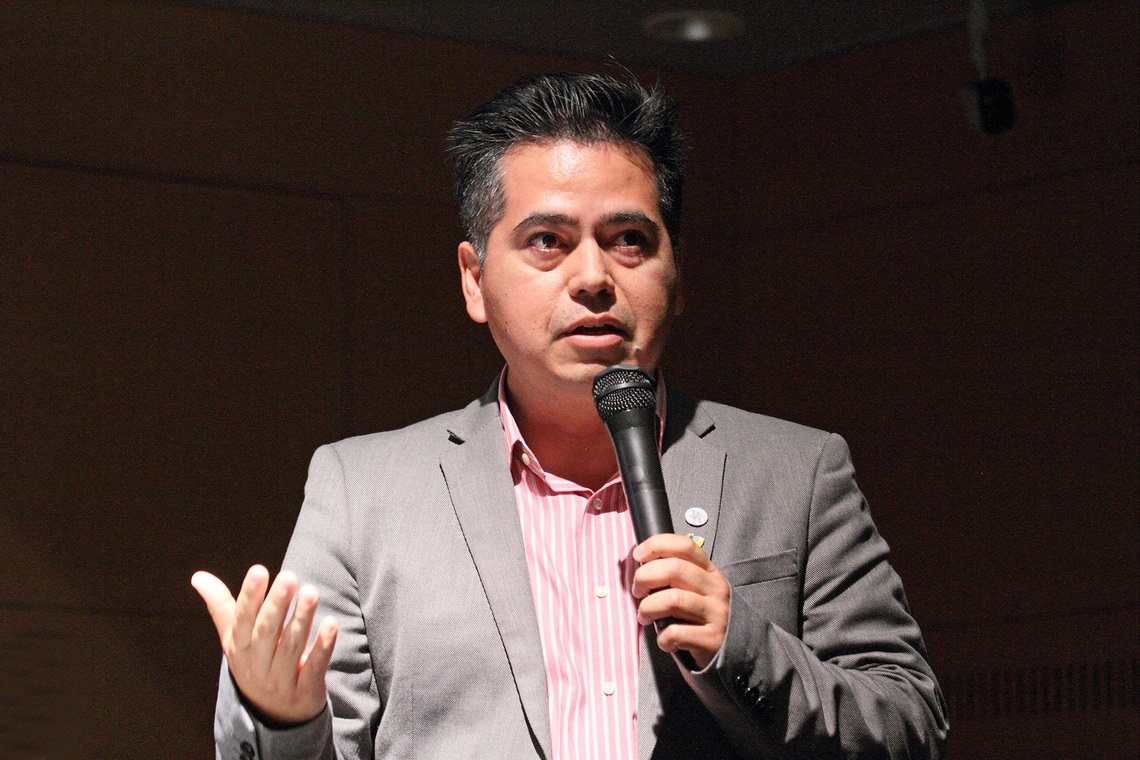
For instance, integrated circuits, GPS, digital cameras, and many other things are evolving exponentially. Ray Kurzweil, co-founder of Singularity University, calls this the "Law of Accelerating Returns."
Consider the "30 steps" analogy. If one step equals one meter, thinking linearly means a 30-meter distance after 30 steps. But thinking exponentially, the first step is one meter, the second two meters, the third four meters—doubling each time. After 30 steps, you've covered a distance equivalent to circling the Earth 26 times.
Exponential technologies bring about creative destruction. Companies that fail to change their mindset will not survive. This means companies must possess the capability for "moonshot" challenges—ambitious endeavors akin to landing on the moon. Aiming for "10x" improvement rather than "10%" improvement necessitates embracing exponential technologies.
Singularity University's mission is to educate and inspire power leaders in exponential technologies to address humanity's challenges. We already have graduates worldwide. We have a chapter in Japan, which I lead.
Singularity University's main program, the Global Solution Program (GSP), is divided into two main sections. The first half consists of academic lectures, while the second half involves establishing a company. In 2017, 90 students—including entrepreneurs, university professors, and scientists—gathered from 44 countries, with two participants joining from Japan for the first time. Various events took place over nine weeks, requiring active student participation. While there are many types of exponential technologies, we particularly emphasize four categories: "AI/Robotics," "Biotechnology," "Information Systems," and "Nanotechnology."
Numerous new companies have already emerged from our program. For example, Made In Space supplies the world's first 3D printer for space use to the International Space Station (ISS). Be My Eyes develops software that acts as eyes for blind people.
I interviewed six participants from the 2013 GSP at the start, midway, and end of the program to track how their mindset evolved. Having advised over 50 startups across five GSP cohorts so far, I plan to compile these insights into a book.
Last year, we held the "GIC" (Global Impact Challenge) contest in Japan for the first time, and the winner and runner-up participated in GSP. For details, Singularity University's Tokyo Chapter hosts various events, so please join us. "Let's be Exponential."
※Continued in Part 2
You can also read the interview here on AdTae!
Planning & Production: Dentsu Live Inc. Design & Technical Unit Campaign Planning Room Digital & Account Planning Department Aki Kanahara
Was this article helpful?
Share this article


Newsletter registration is here
We select and publish important news every day
For inquiries about this article
Back Numbers
Author
Tomohiro Inoue
Komazawa University
School of Economics
Associate Professor, Ph.D. in Economics
Kazunori Saito
Co-CEO of Exponential Japan CFO of Spectee CFO of iROBOTICS Exo Consultant
Jovan Reboredo
Specially Appointed Researcher, Graduate School of Information Science and Technology, The University of Tokyo Teaching Fellow, Singularity University Representative, Exponential Japan
Takuya Matsuda
Kobe University
Professor Emeritus, Doctor of Science, Vice President of NPO Ainshtain
Nitō Fumi
Dentsu Inc.
Business Development & Activation Division