Note: This website was automatically translated, so some terms or nuances may not be completely accurate.
 Dentsu Design Talk [104/109]
Visual Breakthrough Power! (Part 2)

Jun Ichimura
Amana Inc.
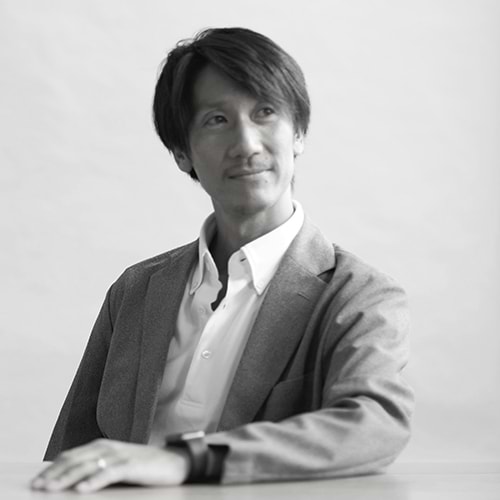
Takashi Okamoto
Amana Inc.

Keiichi Kataoka
Amana Inc.

Hayato Satomi
Amana Inc.
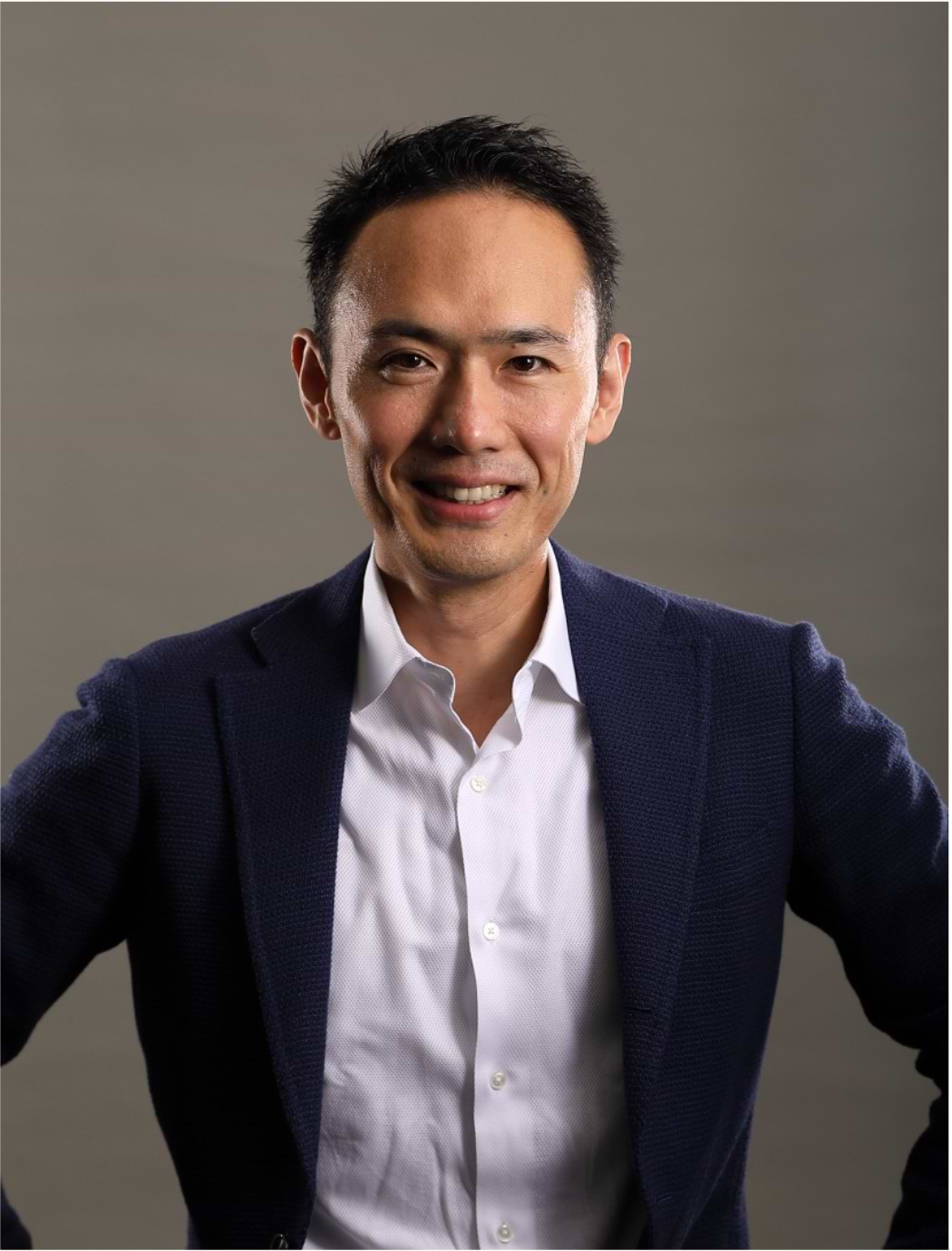
Keigo Aoki
Dentsu Group Inc.
Adachi Hikaru
Dentsu Inc.

Kazunori Kawakoshi
Dentsu Inc.

Takaaki Koshiba
Dentsu Inc.
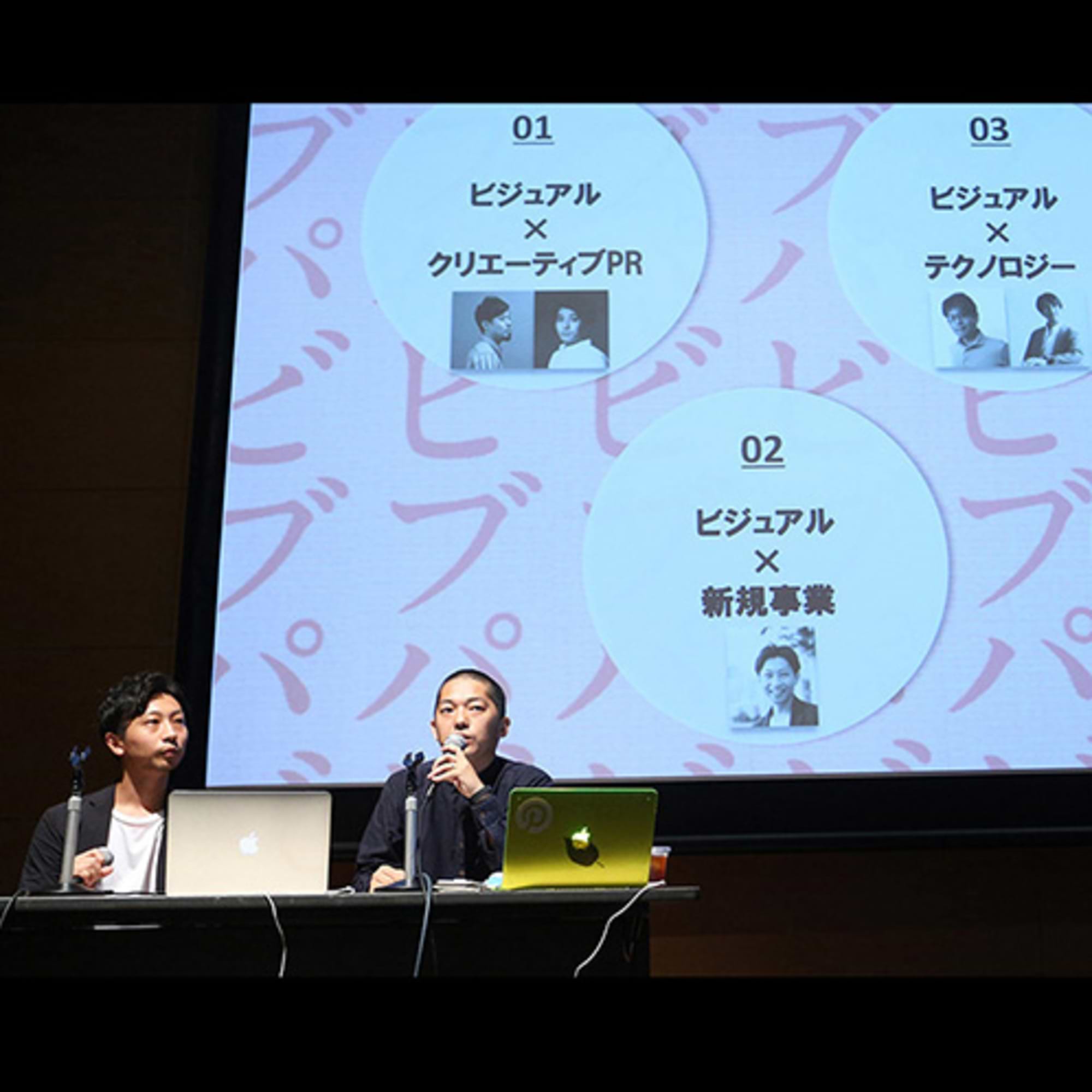
In a society where globalization and digitalization advance simultaneously, the power of visuals in business is becoming increasingly important. This Design Talk is a collaborative project between Dentsu Business Design Square's Future Creation Office and Amana, a visual production and provision company. Specifically, producers and creators from Dentsu Inc. and Amana will explore the essence of "the power of visuals" through five themes presented in an omnibus format: "Visuals × Creative PR," "Visuals × New Business," "Visuals × Technology," "Visuals × Internal Activation," and "Visuals × Digital Marketing."
Visuals × Internal (Client Company) Activation
Koshiba: The fourth theme, "Visuals × Internal (Client Company) Activation," will be presented by me.
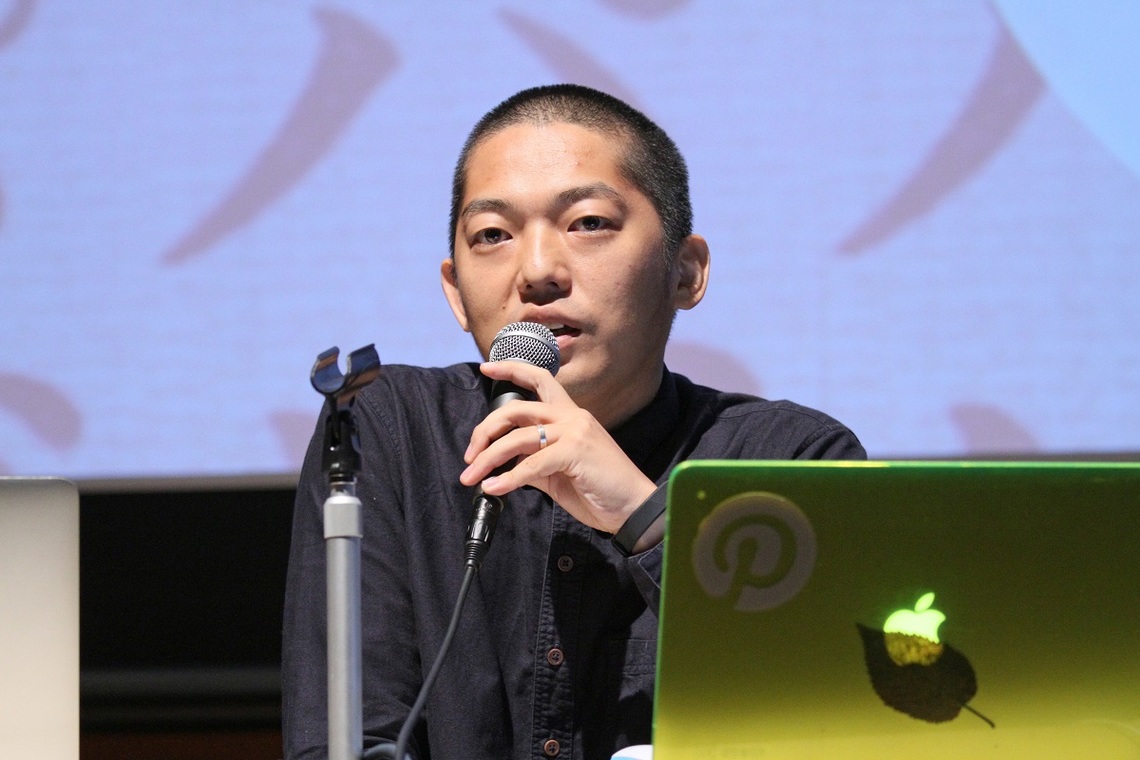
When reforming the corporate culture within client companies, a frequently discussed theme is bottom-up revitalization from the field. I believe "photography" can be instrumental in solving this challenge.
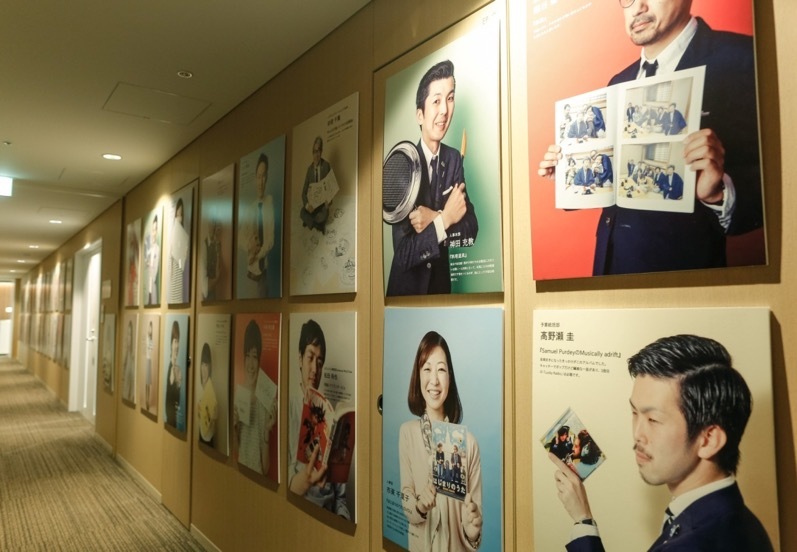
Stripe International, the apparel manufacturer behind "Earth Music & Ecology," created an impromptu studio within their company. They asked all employees to bring something they cherished and took portraits of them together. This initiative deepened connections among employees and increased bottom-up proposals.
When these portraits were displayed in the hallways, they sparked conversations within the company and even led visitors to comment, "What a great company." These portraits were also featured when the company was introduced on the TV program "Cambrian Palace."
These portraits affirm each individual's diversity and foster a sense of pride in belonging to the organization. Taking these photos when new employees join has become a meaningful event.
Recently, they've started producing "Corporate Photography Clubs." At Tama Home, implementing photo training and having employees take photos at events like the new employee orientation improved communication.
We're also developing internal-facing applications. Another example from Stripe International is the creation of an app called "The World's Most Fun Employee Directory." This app includes features enabling messages to be sent across departments and positions, visualizing connections.
Within Amana, communication tools that share skills and know-how used across 15,000 annual projects are becoming widespread. By gathering and visualizing these bottom-up voices, the company becomes more dynamic.
Visual × Digital Marketing
Kataoka: Our final theme is "Visual × Marketing." We're joined by Keigo Aoki, Director of the Value Chain Strategy Office, Business Development & Activation Division at Dentsu Inc., and Jun Ichimura, Executive Officer of the Content Partner Division at Amana.
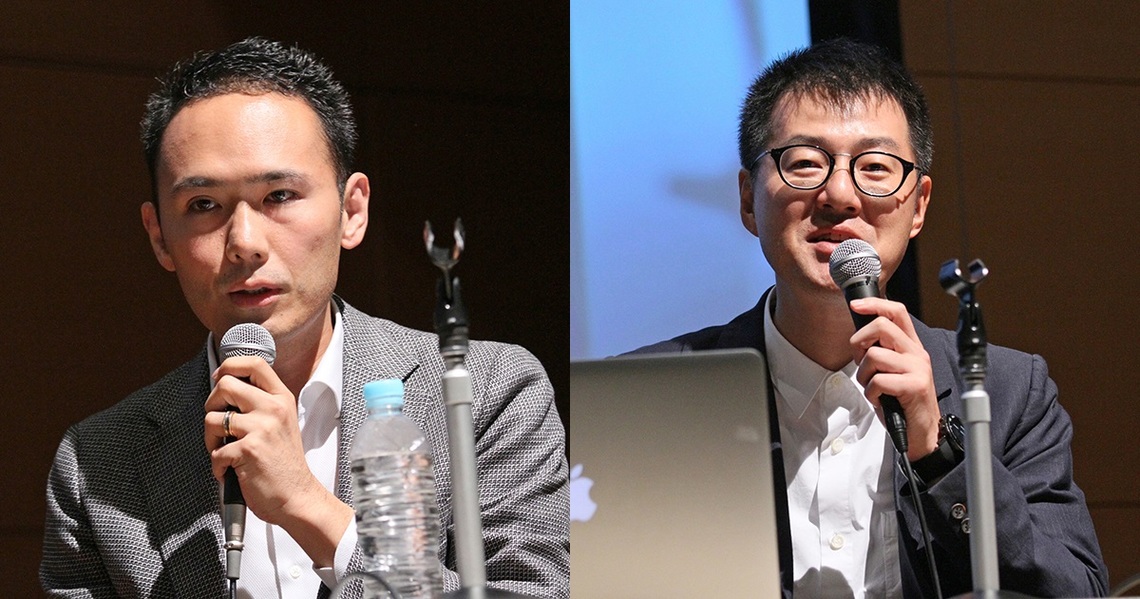
Ichimura: A major shift in recent years is that with smartphone proliferation, "content" is no longer something given to consumers—it's something they search for and seek out themselves.
Therefore, we're shifting to a method of creating multiple small pieces of content—combining visuals and text—to build larger communication campaigns.
Aoki: The volume of information has exploded. People view a lot of content and won't make a purchase unless they are convinced.
At the same time, we've entered an era where anyone can easily create content, making the reliability of information a major issue. A Nielsen survey conducted in the US found that consumers trust "brand sites" and "content from reliable sources," such as newspapers.
This means companies are now compelled to enhance their brand-owned media as touchpoints with users.
Ichimura: Moreover, with 100 people comes 100 different values, so we must produce a wide variety of content.
One company's owned media struggled initially, but once content exceeded 300 pieces, metrics began to surge significantly. This happened because users recognized the platform had content they liked and started browsing more.
As this example shows, data indicates that when users recognize content suited to them—whether it's corporate content or media content—they will navigate within the site.
Recognizing the growing need for both quality and quantity of content, we partnered with NewsCredo—which holds secondary usage rights for content from 5,000 global media outlets—to launch a comprehensive content marketing support service starting this July.
Managing content is truly challenging. However, with NewsCredo's platform, you can search for necessary content and deliver it to users on schedule. We've heard feedback that what used to take a month to produce manually can now be achieved in just two days.
A key feature of this service is the ability to obtain content performance data. Businesses can expand their operations while monitoring metrics like content views and contributions to sales.
Aoki: Previously, when client companies launched owned media, creating original content was a major challenge. Especially for businesses with diverse operations, the sheer number of potential content angles made prioritization difficult. This is where NewsCredo's "Licensed Content Model" comes into play.
For example, Netflix didn't have a single original title when it started. However, by acquiring a large volume of licensed content and analyzing user viewing patterns, they identified the essential content for their service. They then adopted a strategy to fill the missing pieces with original content.
Similarly, for corporate owned media, rather than jumping straight into producing original content, it makes sense to first use licensed content to meet certain KPIs, then analyze the situation and solve the identified challenges.
Companies are shifting from the old push-style communication of "It's cheap! Buy it!" to pull-style communication that attracts users by making them perceive "value."
Ichimura: In our partnership with News Credo, we value the concept of "Art & Science." Content marketing also functions as a tool to understand what consumers subconsciously seek. Therefore, it requires the science of properly collecting data and then providing appropriate art and creative based on that data.
As demonstrated in the case study presented today, companies can "visualize" customers' subconscious desires by publishing diverse content on their own sites, then engage them through events and communications tailored to those individuals. The term "Art & Science" embodies this concept.
Koshiba: "Art & Science" is a really great phrase. While the term "digital science" has been used first, I felt we've reached the point where it needs to fuse with "creative." By "marrying" creative and data, I believe the potential to contribute to client companies' businesses becomes significantly greater.
<END>
You can also read the interview here on AdTie!
Planning & Production: Dentsu Live Inc. Design & Technical Unit Campaign Planning Room Digital & Account Planning Department Aki Kanahara
Was this article helpful?
Share this article


Newsletter registration is here
We select and publish important news every day
For inquiries about this article
Back Numbers
Author
Jun Ichimura
Amana Inc.
Executive Officer, Content Partner Division Planner/Producer
Takashi Okamoto
Amana Inc.
Executive Officer, Producer VR Contents Team
Keiichi Kataoka
Amana Inc.
Amana Future Creation Room Manager Visual Consulting Supervisor
Hayato Satomi
Amana Inc.
Production Department Team Leader Chief Producer
Keigo Aoki
Dentsu Group Inc.
Dentsu Inc. Innovation Initiative
Executive Director
Adachi Hikaru
Dentsu Inc.
Business Development & Activation Division
Director, New Business Development Department, Value Chain Strategy Office
Articles by this person
Kazunori Kawakoshi
Dentsu Inc.
Third CR Planning Bureau
Creative Director / Art Director

Takaaki Koshiba
Dentsu Inc.
フューチャークリエイティブリード室
クリエイティブディレクター