
Note: This website was automatically translated, so some terms or nuances may not be completely accurate.
 Put yourself in the other person's shoes! [3/3]
What kind of future can "communication skills" help you forge?
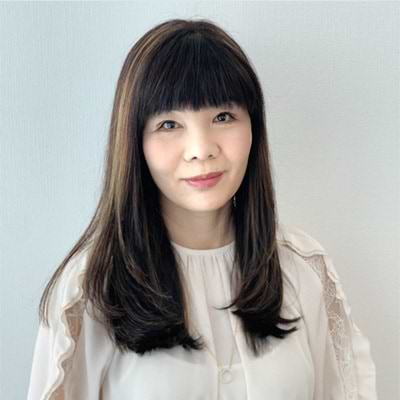
Junko Okamoto
Glocom
"I'm not good at speaking in front of people." "I get nervous and can't express my thoughts well." Doesn't everyone struggle with these concerns to some degree? In this series, we will explore the essence of communication by having Junko Okamoto, a communication strategy researcher and executive speech coach, reveal the secrets of effective speaking.
(Web Dentsu Inc. Editorial Department)
Cultivated Mind Over Academic Credentials. Communication Skills Over Language Proficiency
This series titled "Speak from the Other Person's Perspective!" is finally reaching its conclusion. Those who fail to speak from the other person's perspective often misunderstand communication as throwing a fastball, endlessly spilling out their own stories and what they want to say. Speeches that desperately focus solely on self-promotion – "I'm amazing, right?" "I'm capable, aren't I?" – hold no appeal whatsoever. As we've repeatedly discussed in this series, they inspire neither goodwill nor empathy.
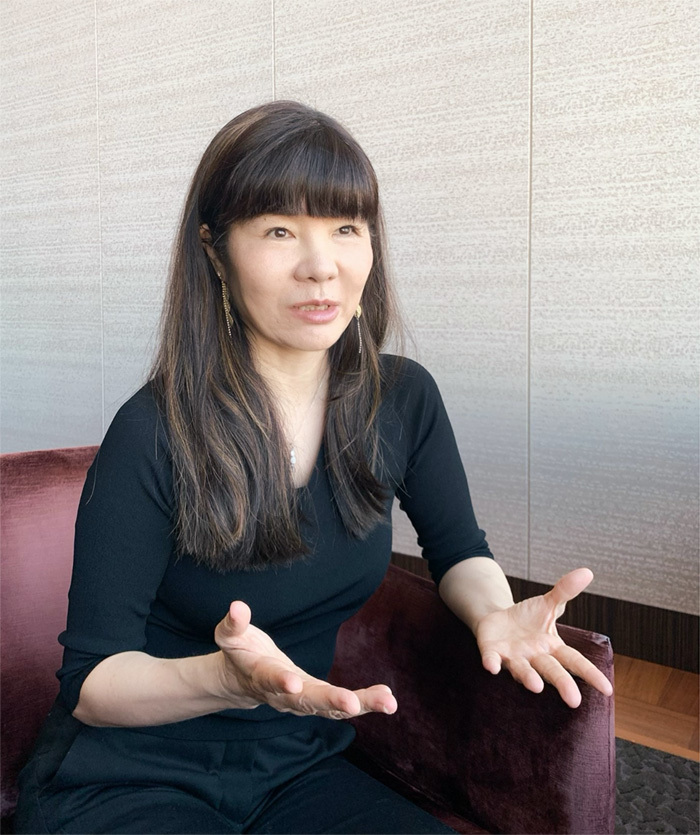
"How passionately can you convey: 'This is what I've learned. This is the experience I've gained. And for society, for you, this is what I can achieve'?" You don't need a foreign language; Japanese is sufficient. If necessary, there are plenty of people who can translate for you. But what you truly want to convey from the bottom of your heart can only be expressed by you. That is what truly matters in communication.
Communication skills are the ability to convey your own "human qualities."
The key point is not "talking skills," but conveying your own "humanity" to others. Many people might feel that academic background or titles are worthless when it comes to conveying "humanity." So, what exactly is this "humanity"?
Human capacity is, literally, the ability to live among people. Humans are social animals. We are beings who give life to others and are given life by others. Conversely, those who have lost sight of their human capacity are "prisoners" locked within the cage of their own self. When you put a person in a cage, it becomes the character for "prisoner" (囚). This cage is made of things like personal responsibility, honor, pride, and shame.

Today, many people say they want to "be themselves," but I don't particularly like this phrase "being oneself" either, as it feels like another cage. What does "being oneself" even mean? What feels authentic today might not tomorrow. Fixating too much on "authentic self" can lead to rejecting things perceived as "not authentic," or becoming so inwardly focused that others disappear from view.
The obsession with "being true to oneself" creates an intensely inward-focused vector. Crushed by an inferiority complex that grows stronger each day, one inevitably feels compelled to criticize others. One ends up speaking harshly to others. Unable to forget the exhilaration of debunking someone else, one finds oneself alone, puffed up inside a narrow cage.
To speak from another's perspective, there's only one way: to expose your true self to the outside world. Speaking from my own experience, it's terrifying and takes immense courage. What if my lack of education is exposed? What if they think I'm boring? If you stay locked in your cage, consumed by such fears, nothing will ever reach the other person. When your heart's vector is pointed only inward, it pricks and wounds you. Take the plunge and turn toward the other person. Your heart will surely feel lighter. I believe it's the genuine smile that naturally emerges when you bare your soul – that smile that is uniquely yours – that truly moves the other person's heart.
What is true leadership?
This series inevitably concludes with this theme. Whether in politics, corporate management, or for anyone in a leadership role, the question "What is true leadership?" is surely of immense interest.
The theme of this series, "speaking from the other person's perspective," might seem like the opposite of "guiding others" or "manipulating others to your will." But is that really the case? Think back to someone you consider your "lifelong mentor." Didn't that person who guided you see you more clearly than anyone else and speak from your perspective? Weren't you captivated by that human quality, feeling respect that went beyond mere liking or empathy?
On the other hand, we must also recognize the limits and dangers of "empathy." Whether in a country or a company, the more a community seeks to achieve "empathy" internally, the more it tends to "view as enemies" or "exclude" those outside that community. Reflecting on history, you'll likely see this immediately: those who gain strong authority often build "walls." The Berlin Wall, the Great Wall of China, President Trump's "wall" – they're all the same.
A similar trap awaits with "sympathy." People tend to gravitate toward and develop "favor" for what is "fun" rather than "right," or what is "easy" rather than "troublesome." The human brain is easily deceived in this way. I believe that true leadership requires not only "speaking from the other's perspective," but also building emotional connections while fully understanding the pitfalls inherent in both "empathy" and "favor."
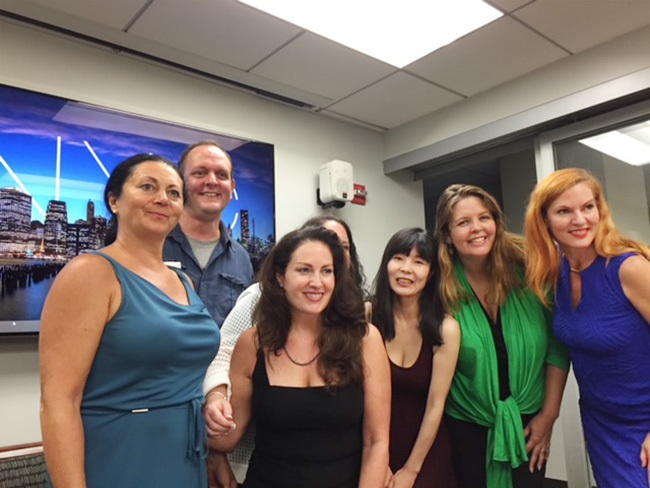
I believe "human capacity" is something cultivated over a lifetime. Or perhaps it's better said: it's something nurtured through our interactions with others. The moment we become complacent, thinking "I'm capable," self-contained, needing no one else, fully understanding everything – that's when our growth stops.
There's no need to force yourself to appear strong. The courage to show vulnerability is true strength and human capacity. After all, you cannot live alone. Isn't the foundation of human capacity precisely this attitude: respecting others, humbly seeking guidance, and continuing to learn?
Junko Okamoto's website is here.
Was this article helpful?
Share this article


Newsletter registration is here
We select and publish important news every day
For inquiries about this article
Back Numbers
Author
Junko Okamoto
Glocom
President and CEO