Note: This website was automatically translated, so some terms or nuances may not be completely accurate.
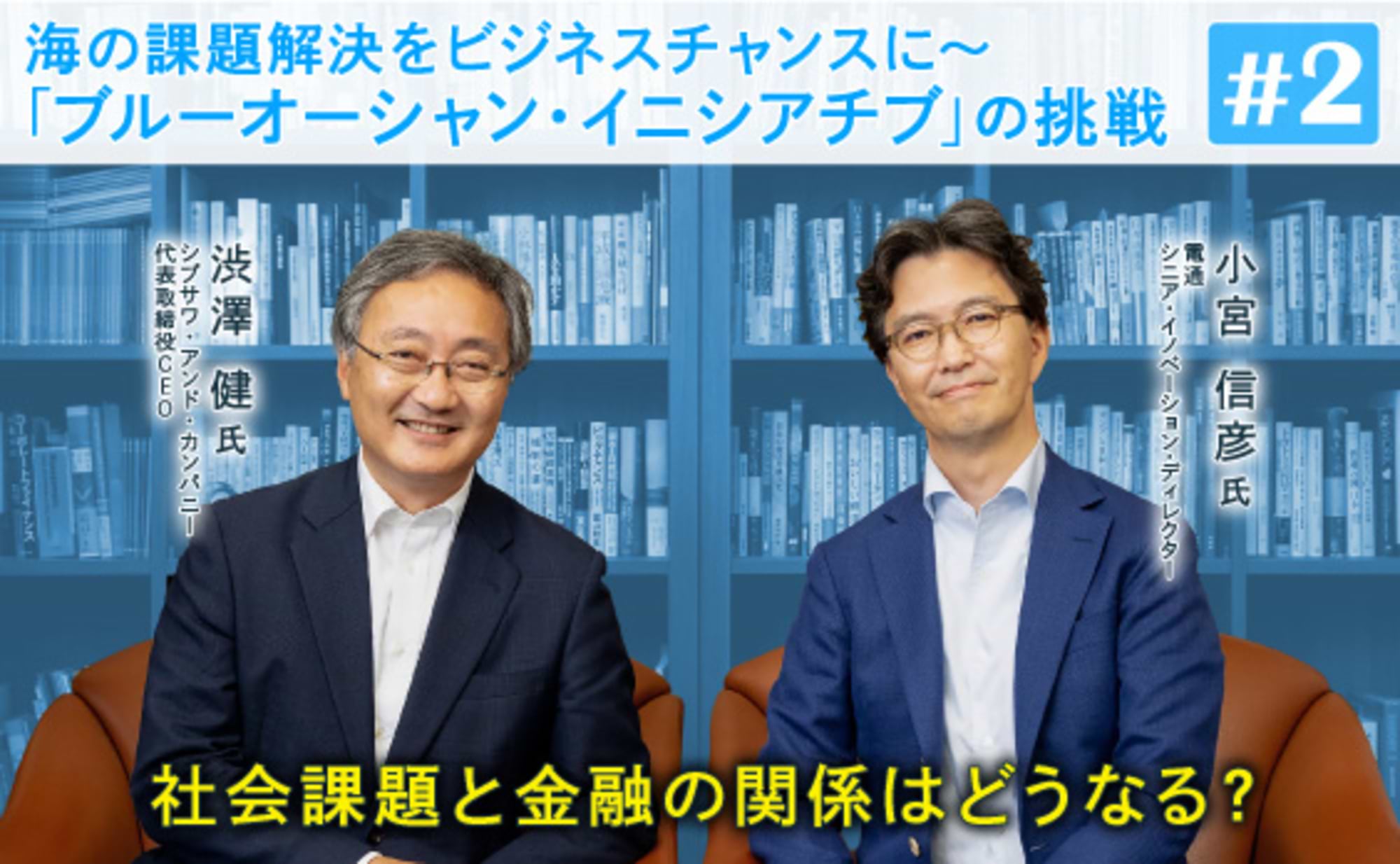
 Turning Ocean Challenges into Business Opportunities: The Blue Ocean Initiative's Challenge [1/2]
Facing the mysteries and crises of the ocean—a frontier closer than space!
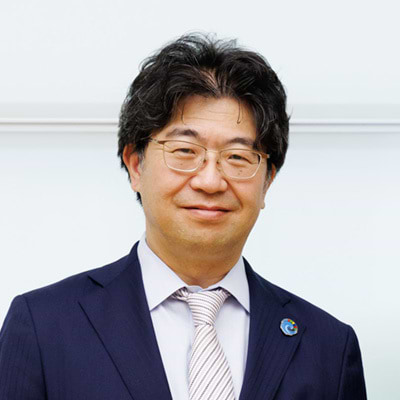
Atsushi Kaku
Sasakawa Peace Foundation Public Interest Incorporated Foundation
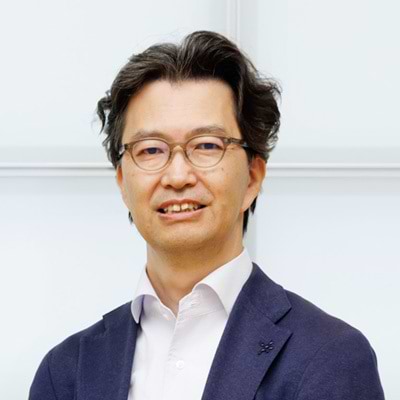
Nobuhiko Komiya
Dentsu Inc.
For us Japanese, the ocean is our closest frontier. Diverse fish species, rare metals, rare earth elements... It truly is a treasure trove of potential, containing a wide array of marine resources. Yet, it remains largely unexplored, with most of its secrets still shrouded in mystery. In recent years, the oceans have become surrounded by urgent global social issues like marine plastic pollution, illegal fishing, and climate change. Simultaneously, their abundant resources and potential are undergoing significant transformation or loss, all while remaining largely unexplored.
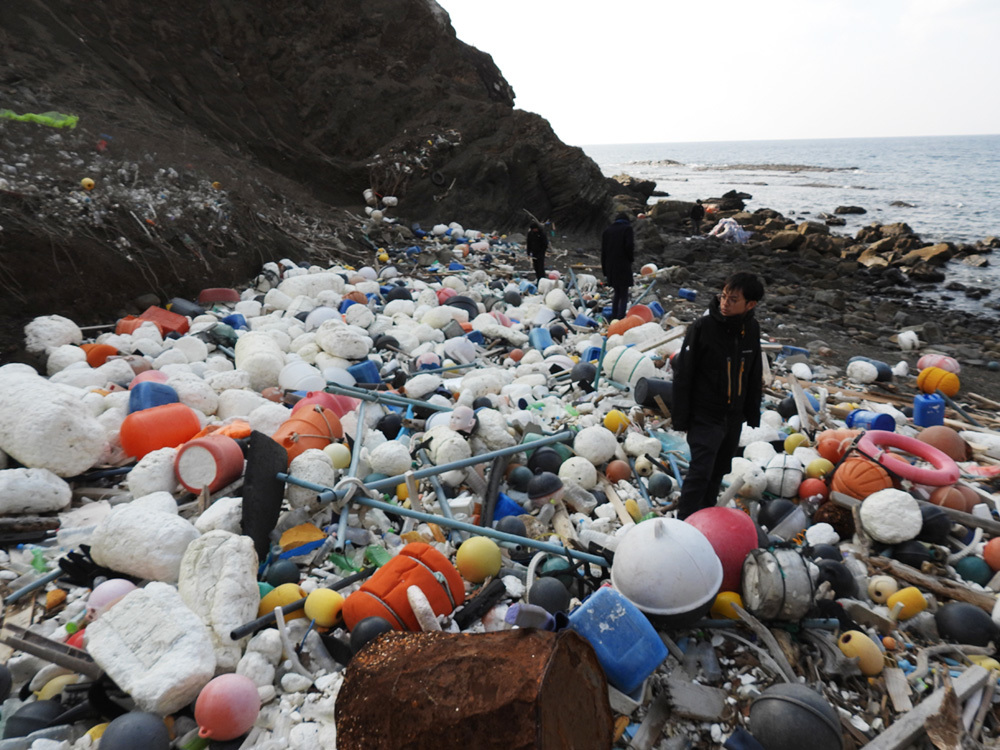
Launched in April 2023 to address this critical situation is the Blue Ocean Initiative (BOI), a collaborative action platform by the business community aiming to balance ocean conservation and prosperity. Its defining feature is bringing together corporations, startups, academia, the financial sector, local governments, fisheries stakeholders, and NGOs/NPOs to tackle societal challenges through business development. Using the 2025 Osaka-Kansai Expo, dubbed the "Ocean Expo," as a milestone, it targets the 2030 SDGs goals.
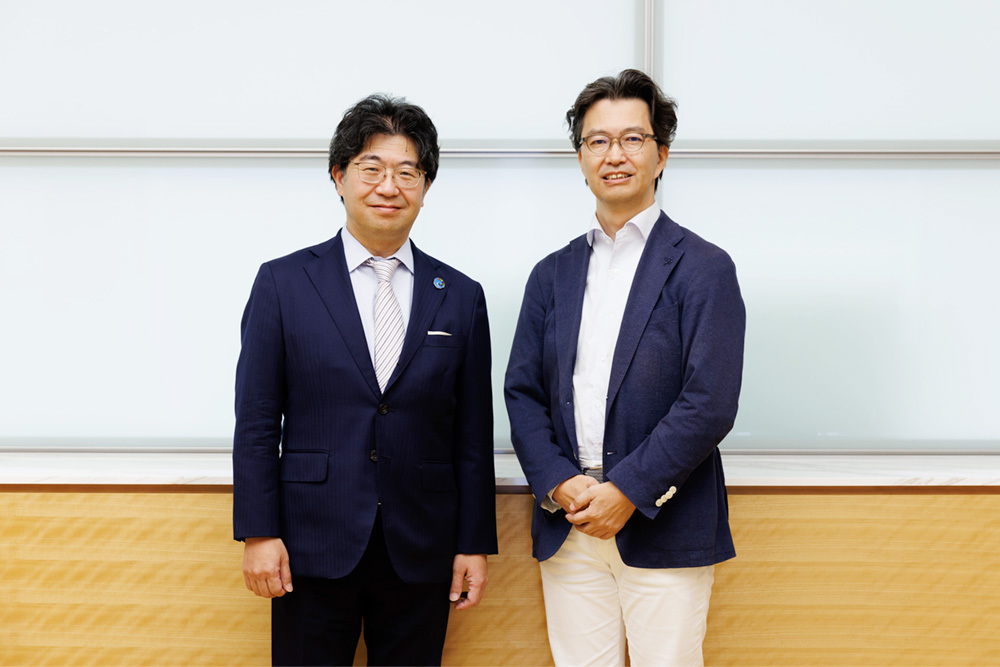
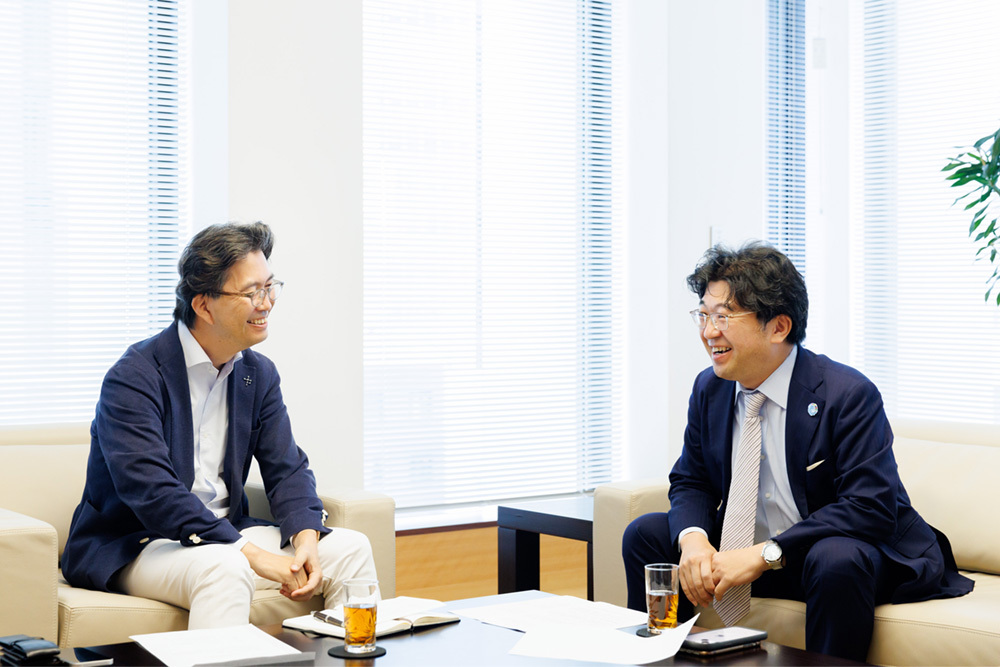
What irreversible crises do our oceans face? What is the ocean's appeal? What potential holds the blue economy? What parallels exist between the ocean and space...? BOI Director Atsushi Sunami (Chairman of the Sasakawa Peace Foundation) and Nobuhiko Komiya of Dentsu Inc., BOI's founder and executive producer, discuss these questions.
<Table of Contents>
▼A frontier closer than space. The ocean now faces a major crisis
▼The UN's simple, clear goals: What are the "Seven Seas"?
▼What's needed is to communicate the ocean's appeal and dreams. A business frontier alongside space development!
A frontier closer than space. The oceans now face a major crisis.
Komiyama: First, please share Chairman Sunami's perspective on the "ocean," the crises it faces, and the difference in awareness between overseas and Japan.
Kakunami: For me too, the ocean is "the closest unknown world." It's like a universe on Earth, or a fantasy. I feel it's an incredibly mysterious, enigmatic, wondrous, and fascinating world. Because the ocean is unexplored territory even just 100 meters down. Beyond that, the deep-sea world definitely exists, yet we know almost nothing about what it's like. It exists much closer to us than outer space, has a deep connection with humanity, and hides the secrets of nearly all living things, yet it remains out of reach. I think it's a place filled with dreams and romance, almost like receiving a message from ancient times.
Komiyama: It's been a frontier since ancient times and continues to be one... It's a truly captivating world, isn't it?
Yet that very ocean now faces an irreversible crisis. Tragic levels of marine plastic pollution are contaminating the seas, harming marine life, and rapidly advancing climate change is subjecting ecosystems to massive upheaval. Other problems abound, like overfishing pushing many fish species to the brink of extinction. It feels like a sense of crisis is spreading globally.
Kakunami: Yes, I agree. Ocean issues have become a major global trend. People like Klaus Schwab, Chairman of the World Economic Forum, business leaders, academics, celebrities, influencers—everyone around the world is communicating about ocean problems and the current state of our seas. World leaders seem highly sensitive to this and are actively engaged. Given the high level of global interest, it seems funds are being raised effectively, leading to broader activities and connections to technology and business.
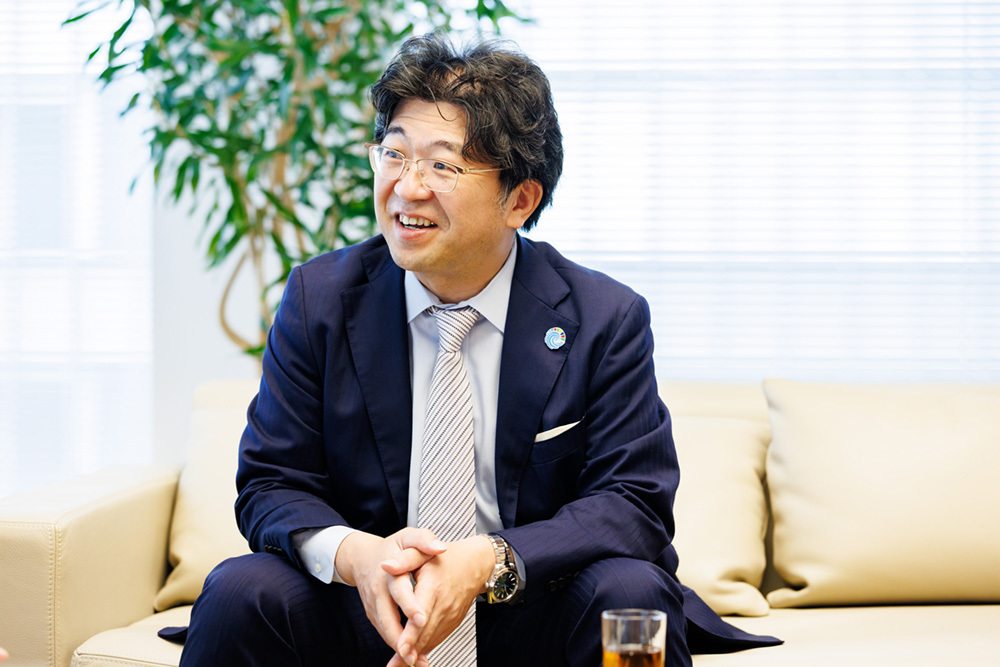
Komiyama: On the other hand, looking at Japan, I feel awareness of ocean issues hasn't risen significantly yet. Chairman Sunami, what are your thoughts on this? What do you think are the reasons, and what kind of action is needed?
Kakunami: In Japan's case, I think the ocean is just too familiar, making it hard for it to become a trend. Many regions face the sea, and there are countless people everywhere involved in fishing and other ocean-related work. However, the very fact that ocean resources are readily available makes it, conversely, difficult to generate interest. I believe this current situation is having an impact.
Also, surprisingly, people don't go into the sea that often. You often hear things like "Okinawans don't go swimming," but it's not just Okinawa—nationwide, I think people have fewer opportunities to swim in the sea, perhaps because they assume they can go anytime.
The sea is just too familiar, too taken for granted, making it hard for marine issues to become mainstream. Before we knew it, the gap with other countries has widened considerably.
It's time for us to seriously raise our awareness. We need to closely observe how other countries mainstream ocean issues and protect the livelihoods of those connected to the sea. If we don't act, we'll be left behind in global trends. With a sense of urgency, Japan, as a maritime nation, must start moving from within its own " ." I believe we've reached that phase.
The UN's simple and clear goals: What are the "Seven Seas"?
Komiyama: What are the necessary steps and goals Japan should pursue to take action on ocean issues? If you have any insights, please share them.
Kakunami: The guiding principle I believe we should aim for is the "Seven Seas" goal included in the proposal for the "United Nations Decade of Ocean Science" (※1). It compiles the world's aspirations for the oceans and contains very positive statements. It's a clear, concise goal that distills global trends, so I think we must first make many people aware of it and share it among the public.
※1=United Nations Decade of Ocean Science for Sustainable Development
The draft was prepared by UNESCO's Intergovernmental Oceanographic Commission (IOC) and proposed to the UN General Assembly. The 2017 72nd UN General Assembly's omnibus resolution on "Oceans and the Law of the Sea" included and adopted the declaration of the period from 2021 to 2030 as the "UN Decade of Ocean Science for Sustainable Development" (UN Decade of Ocean Science).
To explain in more detail... The first goal is "A clean ocean." This aims to solve various problems, including plastic waste, and strive for a clean ocean.
The second goal is "A healthy and resilient ocean." This means aiming for oceans that are robust and resilient. The ocean inherently possesses a high capacity for self-recovery. However, if we destroy the environment necessary for recovery through overfishing and other actions, it cannot be restored. Therefore, the goal is to ensure we preserve the environment needed for recovery and maintain oceans capable of doing so.
The third is "A productive ocean," and the fourth is "A predictable ocean." This calls for embracing new technologies and science to drive innovation and deepen our understanding of the ocean. Achieving this will naturally lead to better knowledge and management of various aspects like catch volumes and shipping, boosting productivity. Consequently, many countries and people, including those in developing nations, will be able to benefit from the ocean. The world is now advancing marine science initiatives and research, striving to address these fundamental issues. Therefore, I believe marine science will become extremely important going forward. I think this will generate investment and new business, leading to a true blue economy.
The fifth goal is "A safe ocean." This emphasizes security aspects like protecting the lives of people and creatures connected to the sea, calling for robust efforts in disaster prevention and environmental conservation.
The sixth goal is "An accessible ocean." This aims for an open ocean where all people have equal access to data, information, technology, and innovation. Achieving this would enable sharing information like where specific fish can be caught and fostering cooperation, allowing for stable livelihoods through fishing. It would realize a model for sustainable living, not a business model chasing quick riches like single-line tuna fishing. I believe this is an item that contributes to a sustainable society and way of life.
And seventh. I believe this is the most crucial point: it concludes with the goal of "An inspiring and engaging ocean." After all, without dreams, people won't step forward. For ocean-related work, we need to make it feel dream-worthy and attractive to increase the number of people involved.
The starting point is getting more people to know about these seven goals. From there, we aim to achieve not just one or two, but all of them. I believe this is the path BOI and Japan should take.
What's needed is to communicate the ocean's appeal and dreams. Toward a business frontier rivaling space development!
Komiyama: Earlier, you mentioned that "Japan is lagging in addressing ocean issues." Conversely, are there areas where Japan is progressing? Japan is an island nation surrounded by the sea. As a maritime nation, we've cultivated technology and expertise over a long history. I suspect there must be areas where we can make a significant impact. What are your thoughts, Chairman Sunami?
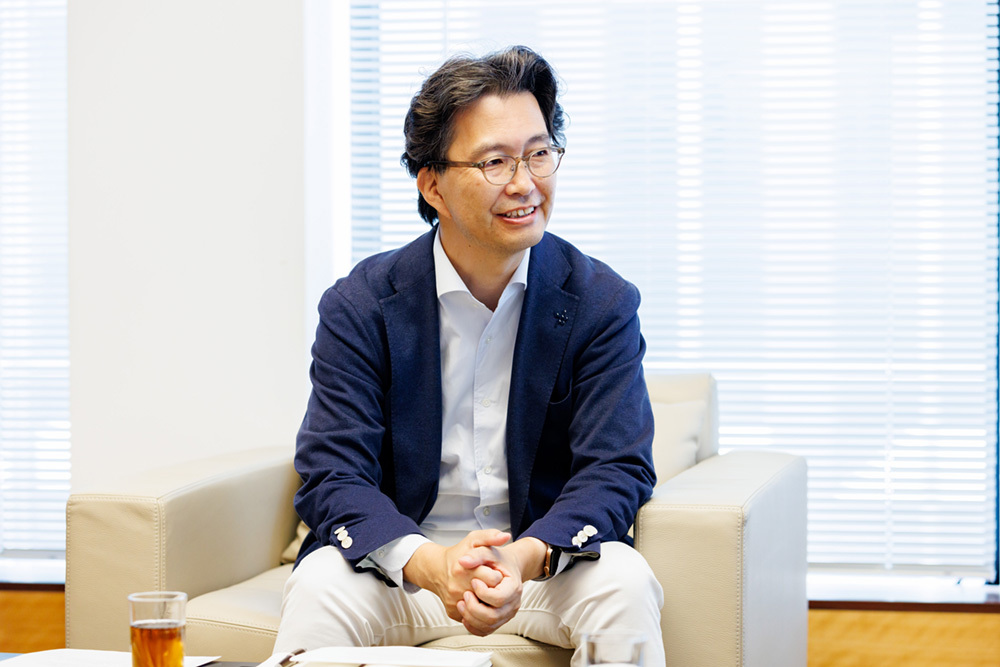
Kakunami: I believe there are many areas. Take sushi, for example. The sushi culture itself is an industry with tremendous influence overseas. However, the sushi found in foreign supermarkets has no connection to Japan's fishing industry. International conferences are held to protect farmed salmon used in overseas sushi, yet Japan seems unable to see this as its own issue and barely participates. If Japan were to participate and take a leadership role in such matters, I think it would have a tremendous impact.
Beyond that, Japan possesses truly remarkable technology and know-how in areas like fish preservation, transportation, and the culture of savoring seasonal fish. Instead of keeping these within Japan, we should deploy them in the global business mainstream. By quickly catching global trends, thinking more deeply, and taking leadership on a world scale, I believe Japan could establish a major presence.
Komiyama: I see. So it's not just marine technology and knowledge, but the cultural accumulation itself that becomes a strength for Japanese business. It certainly seems like we could offer value unique to Japan.
Kakami: Exactly. The foundation and potential are abundant. That's precisely why we need to increase the number of companies and individuals taking action and driving innovation.
Right now, the space-related council I'm involved with brings together nearly 100 companies. Firms and ventures that previously had no connection to space are participating in various ways—adding "space" to concepts like space agriculture or space food. Getting to this point involved failures, setbacks, downsizing of space development, and truly many challenges. Yet those involved never gave up and kept striving. I believe today's momentum exists precisely because we kept communicating the appeal of space and sharing the dream.
Similarly, we must energize the ocean too. We need to increase the number of young people who think: I want to challenge the mysteries of the sea, I want to be involved in marine science, the ocean seems fascinating, or working with the ocean is just so much fun.
Komiyama: In that sense, the 2025 Osaka-Kansai Expo seems poised to be a major catalyst. Held on an artificial island facing Osaka Bay, it's being called the "Ocean Expo" and is drawing significant attention. BOI, a co-creation business platform gathering numerous companies and startups, also plans to accelerate concrete actions.
Kakunami: It's a crucial stage for Japan to share with the world the allure and dreams of the seven seas, along with action plans. We really must make moves here. I hope this becomes the catalyst that genuinely builds momentum to transform ocean issues starting from Japan. I expect many companies to gather at BOI and commit to tackling this seriously.

Was this article helpful?
Share this article


Newsletter registration is here
We select and publish important news every day
For inquiries about this article
Author
Atsushi Kaku
Sasakawa Peace Foundation Public Interest Incorporated Foundation
Chairman
Nobuhiko Komiya
Dentsu Inc.
第7マーケティング局
Senior Innovation Director / Urban Future Design Unit