"Why is the sky blue?" "Why does singing make you feel better?" "Why can you buy things with money?"
Children ask adults countless "Why?" questions every day. An event exploring these many "Why?" questions is currently being held at ITOCHU SDGs STUDIO in Tokyo: " Not Knowing is Exciting: The 'Why?' Exhibition" (hereafter, the 'Why?' Exhibition). (Originally scheduled to run until late November, it has been extended until the end of March 2026 due to its popularity.)
The exhibition was planned by Dentsu Inc.'s cross-organizational unit "Shakatsu." Members from different departments approach social issues from their unique perspectives, combining creativity to create opportunities for solving these challenges. In this article, we spoke with Shakatsu members about the background, content, and response to the Why? Exhibition.
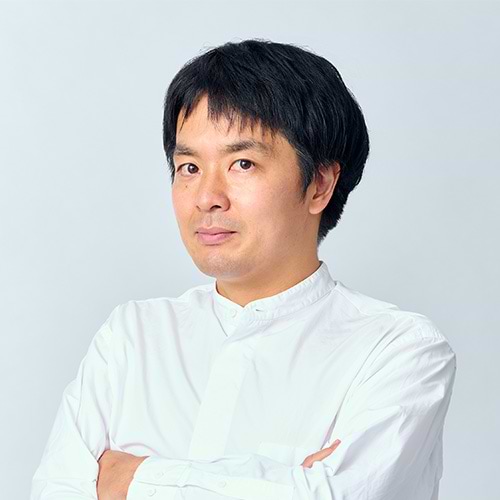
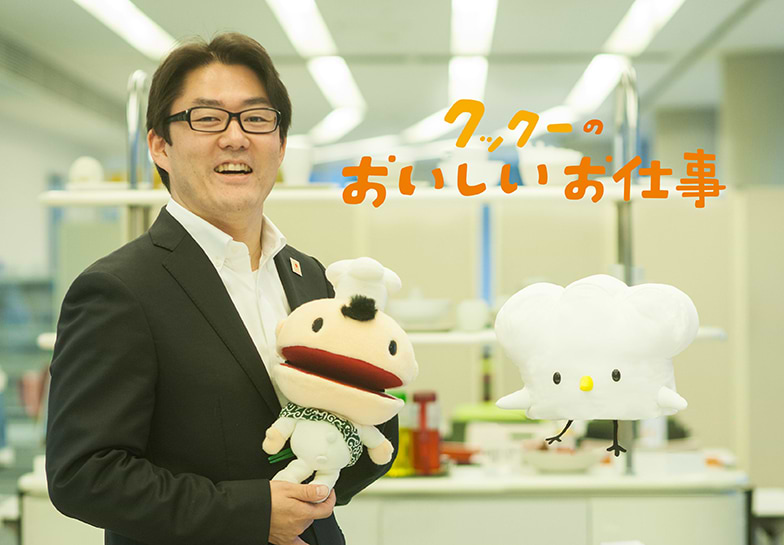
(From left) Kenta Usui: Primarily works as a marketing consultant for central government ministries and local governments. For the Why? Exhibition, he handled planning and data collection related to "Why?"
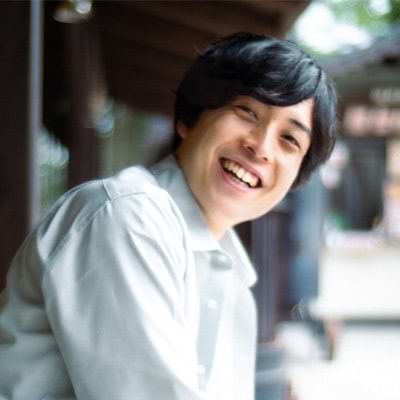
Yutaka Momobayashi: Primarily handles government-related work in the Third CR Planning Bureau. Founder of the Shakatts team. Participated in the Why? Exhibition as Creative Director.
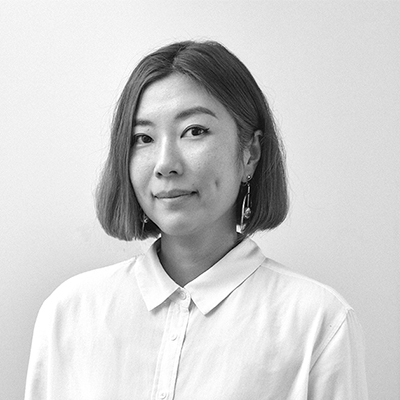
Hitomi Matsushita: Primarily involved in art direction for advertising, spatial design, and products for major clients. Participated in the Why? Exhibition as Art Director.
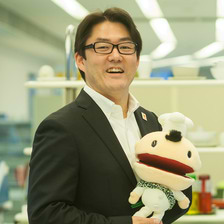
Yuhei Watanabe: As a business producer, he has managed numerous public-private partnership projects. For the Nande Exhibition, he was instrumental in coordinating with the Ministry of Education, Culture, Sports, Science and Technology.
People expand their creativity through the "curiosity" that makes them ask "Why?"
──First, could you tell us about the Shakat team?
Momobayashi: It's a team launched in 2024, bringing together 10 members from Dentsu Inc.'s creative, marketing, and business production divisions. Many members have extensive experience with government projects, and we aim to achieve sustainable solutions to social issues through collaboration between the public and private sectors.
Typically, we receive client briefs, develop concepts at Dentsu Inc., and present them. Shakatsu operates differently. First, Shakatsu members propose which social issues to focus on. Then, we generate solution-oriented ideas from the perspectives of creators, marketers, and business producers. Our distinctive workflow involves creating outputs from Dentsu Inc.-originated ideas while engaging diverse stakeholders from both government and private sectors.
──What inspired you to plan the "Why Exhibition"?
Matsushita: I have a young child who asks me lots of "Why?" questions every day, like "Why is the sky blue?" I want to properly answer each one, but I'm so busy it's hard to find the time, and I felt guilty about it.Then it occurred to me: "What if we used AI to create a stuffed animal that answers kids' 'Why?' questions? That could really help parents." When I shared this idea with the Shakatsu team, everyone was immediately interested. That was the start of the "Why Exhibition."
Usui: As I researched the act of asking "Why?", I learned it's a vital energy source for human learning and work. British journalist and author Ian Leslie wrote the book "Children Ask 40,000 Questions" (Kobunsha), highlighting how curiosity—that "Why?"—expands our creativity.
However, data shows that over half of adults report having less curiosity now than they did as children (*1). A characteristic of Japanese testing is that it often focuses on "WHAT" rather than "WHY." Consequently, compared to other countries, there are fewer opportunities to think about why an answer is correct, and some theories suggest this leads to lower levels of curiosity.
Momobayashi: ITOCHU Corporation has been focusing on the SDGs. Through the "ITOCHU SDGs STUDIO," they've collaborated with Dentsu Inc. to co-create and host various exhibition events. When we learned ITOCHU was seeking ideas for a new exhibition event, we proposed, "How about a project themed around 'Why?'" They showed interest, and we developed the concept from there.
Watanabe: We then requested support from the Ministry of Education, Culture, Sports, Science and Technology (MEXT). Increasing the number of people interested in STEM fields and science and technology is a major societal challenge today. We hoped the 'Why?' Exhibition could serve as a catalyst to spark interest in science and technology, which is why they agreed to cooperate.
Creating opportunities for visitors to develop diverse interests
──How did you expand the project?
Matsushita: We discussed among the Shakatts members what kinds of "Why?" questions exist.
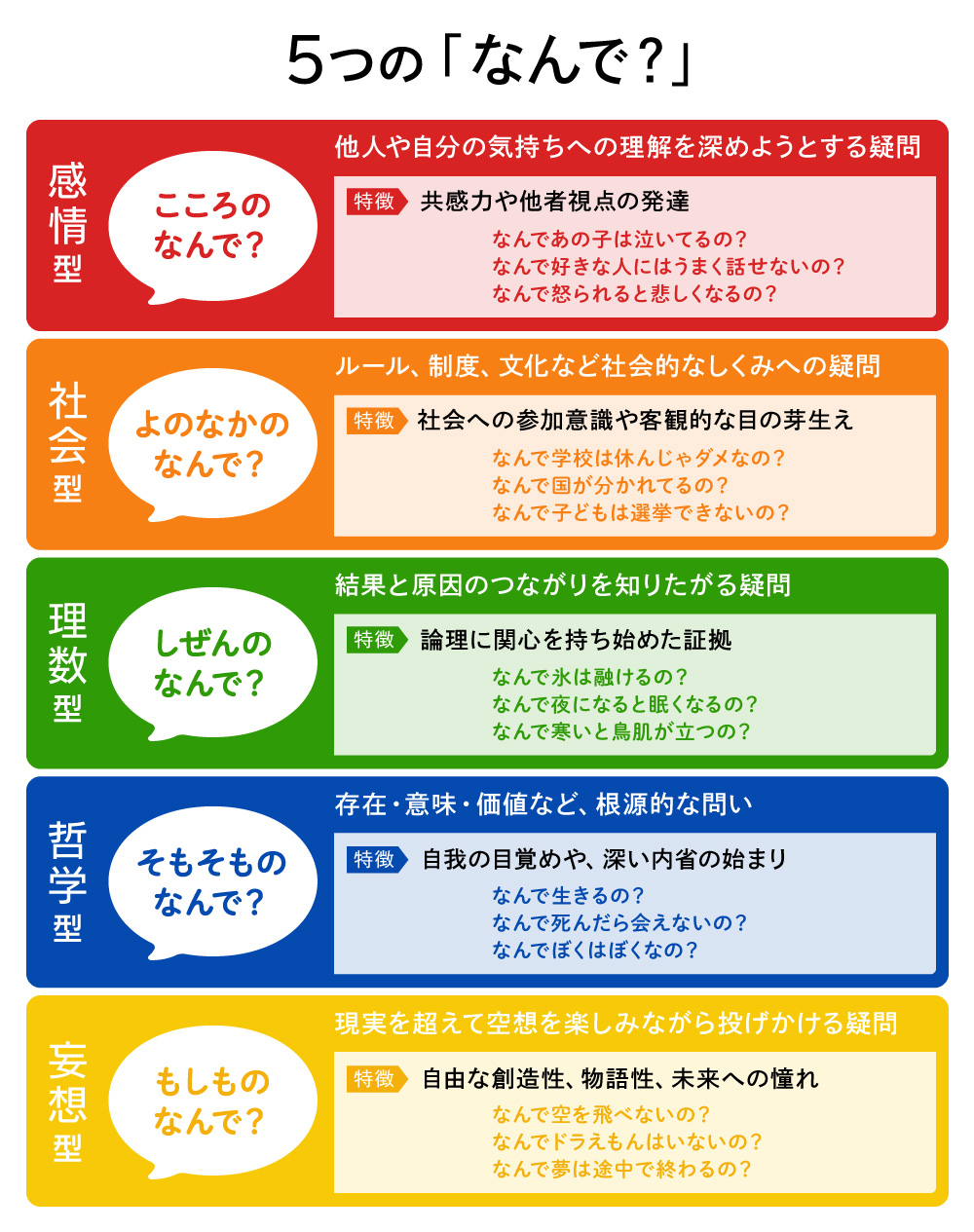
Usui: Hundreds, no, even more "Why?" questions came up. At that point, someone suggested that these "Why?" questions could be categorized. After further discussion, we classified them into five categories: 【Why? of the Heart】, 【Why? of the World】, 【Why? of Nature】, 【Why? at the Root】, and 【Why? of What If?】.
Usui: For the "Why Exhibition," we enlisted the help of experts, including science producer Denjiro Yonemura as our ambassador, who provided "Why?" topics from his specialty, natural sciences. We also gathered "Why?" questions by searching for quotes from philosophers and historical figures and conducting surveys among everyday people. From these, we selected the ones that resonated most with us together with the creators.
Matsushita: We decided to divide the venue into five sections, displaying "Why?" questions tailored to each theme. Furthermore, we installed two AI-equipped stuffed animals, "Nande-chan," to enable conversations with visitors.
──You mentioned displaying various "Why?" questions, but finding the answers must have been challenging too.
Matsushita: That's right. Gathering the information to answer the "Why?" questions was tough. The production team spent time at the library reading various books, and fact-checking was very time-consuming.
Momo: However, we didn't feel we needed to provide all the answers to the "Why?" questions we displayed. Rather, a major goal of the "Why? Exhibition" was for visitors to enjoy exploring the unknown, sparked by these "Why?" questions.
Usui: We wanted to create a space where even adults could experience the value of asking "Why?" And that's how Nanade-chan was born – as a companion to help children explore their "Why?" questions.
Matsushita: Nande-chan is designed similarly. While she will provide answers for questions where the "Why?" is clearly understood, she's primarily intended to be a partner who thinks alongside the questioner about their "Why?"
──What were the challenges in creating Nande-chan?
Matsushita: Some "Why?" questions touch on sensitive topics like race, war, or discrimination. We took care to ensure Nande-chan wouldn't give limited answers to these questions. We aimed for a neutral, collaborative thinking approach to avoid implanting biased ideas in the questioner. We wanted to create a flow where the listener thinks for themselves and arrives at their own answer.
Momobayashi: In developing Nandé-chan, we struggled quite a bit with enriching the conversational experience between children and Nandé-chan. This included ensuring Nandé-chan's responses didn't overlap with children's own words, and minimizing the perceived impact of unavoidable wait times like data loading.
Usui: For example, if someone asks, "Why is summer hot?", Nande-chan might respond with, "Why do you think that is?" or offer hints like, "Maybe it has to do with the distance and position of the sun and Earth?" For natural science questions, we designed it to guide them closer to the answer. For questions without a single correct answer, we gave Nande-chan the role of expanding the conversation to help them gain different perspectives.
──What design elements did you focus on for the venue?
Matsushita: The key point is making it a fun experience. If it had a school-lesson tone, it would feel a bit stiff, so we avoided that direction and expressed the fuzzy feelings in the mind in a pop style. Additionally, since we want it shared on social media, we created photo-worthy spots.
To companies, schools, and homes. Why the exhibition's ideas should spread further
──What has been the visitor response?
Usui: The venue has sections where visitors answer "Why?" and write down their own personal "Why?" questions. We noticed people really thought deeply and wrote thoughtfully there. Those who came alone could see others' answers, while families or friends could enjoy discussing each other's responses.
Matsushita: In the philosophical "Fundamental Why?" corner, we posed the question "Why do people live?" and gathered many wonderful comments from visitors.
Usui: That's right. The charm of Nandemo-chan also seems to have broadened the age range of visitors. Seeing people in their 20s and 30s writing seriously at the venue made me realize again that "Why?" is an important perspective for adults too.
Matsushita: We also prepared Nande-chan character goods at the venue. On the first day of the second semester, I saw children wearing those goods on their backpacks. It would be wonderful if the goods sparked conversations among the children.
──What are your future plans?
Matsushita: We'd like to hold "Why?" exhibitions in regional areas and schools too. We also hope to start activities gathering various "Why?" questions. For Nanande-chan, we envision a future where she becomes a companion for children in every household, helping busy parents.
Momobayashi: Nanade-chan is Dentsu Inc.'s original IP. Precisely because of that, she seems well-suited to bridge the gap between companies and consumers. For example, when consumers ask "Why?" about a company's activities or a product's features, she could provide clear answers. As an IP, we want to expand its utilization in various ways, including content development.
Usui: This time, starting from social issues, I truly felt the significant impact of Dentsu Inc. connecting with the private sector and the government. I'm interested in tourism and regional revitalization, and there are many social issues in those areas too. Within that, I want to incorporate new technologies, engage in various collaborations, brainstorm ideas, and think about social issues together.
Watanabe: Solving social issues increasingly requires collaboration between government agencies and private companies. We want to continue increasing initiatives that create opportunities for such collaboration.
Momobayashi: At Shakatsu, we value expanding our collaborative network beyond just Shakatsu members to include various people both inside and outside the company. This "Why Exhibition" was also made possible thanks to the support of many people. Moving forward, we want to continue working with many people, involving both the government and the private sector, and combining the creativity of Dentsu Inc. to expand the circle of solving social issues.
Creative Planning Division 1, Third CR Planning Bureau
Creative Director
Since joining the company, he has worked as a copywriter and CM planner. As a Strategic Creative Director, he primarily handled government agency projects. In 2021, an internship at the PAC Bureau led him to establish the cross-functional internal team "Shakatsu." This initiative aims to combine the power of the government and private sector through Dentsu Inc.'s ideas to achieve sustainable solutions for social issues.
After working as an analyst and planner at a railway advertising company, he joined Dentsu Inc. He has experience promoting regional appeal through marketing and branding for over 20 public sector entities—from central government ministries to local municipalities—as well as the transportation and hospitality industries. He specializes in public-private co-creation leveraging research and facilitation. He is a certified tourism planner by the Japan Tourism Association and a member of the "Dentsu Japan Brand Survey."
Since joining the company, he has consistently handled numerous public-private partnership projects within the Sales Division and Social Solutions Division. He has worked on public themes such as expanding inbound tourism for the Ministry of Land, Infrastructure, Transport and Tourism; preventing global warming for the Ministry of the Environment; improving food self-sufficiency for the Ministry of Agriculture, Forestry and Fisheries; and branding and expanding sales channels for agricultural, forestry, and fishery products for local governments. He is currently stationed at the Food Action Nippon Promotion Headquarters Secretariat.