Promoting DEI has become a critical issue for many companies. However, there are frequent concerns that training and classroom instruction alone make it difficult to foster a sense of personal investment in the issue across the entire organization.
To address this challenge, SEPTENI CO.,LTD leveraged its strength in creativity to produce a short drama centered on the theme of “unconscious bias” (unconscious assumptions and unconscious prejudice). The company took on the challenge of adopting an approach that resonates with employees through empathy.
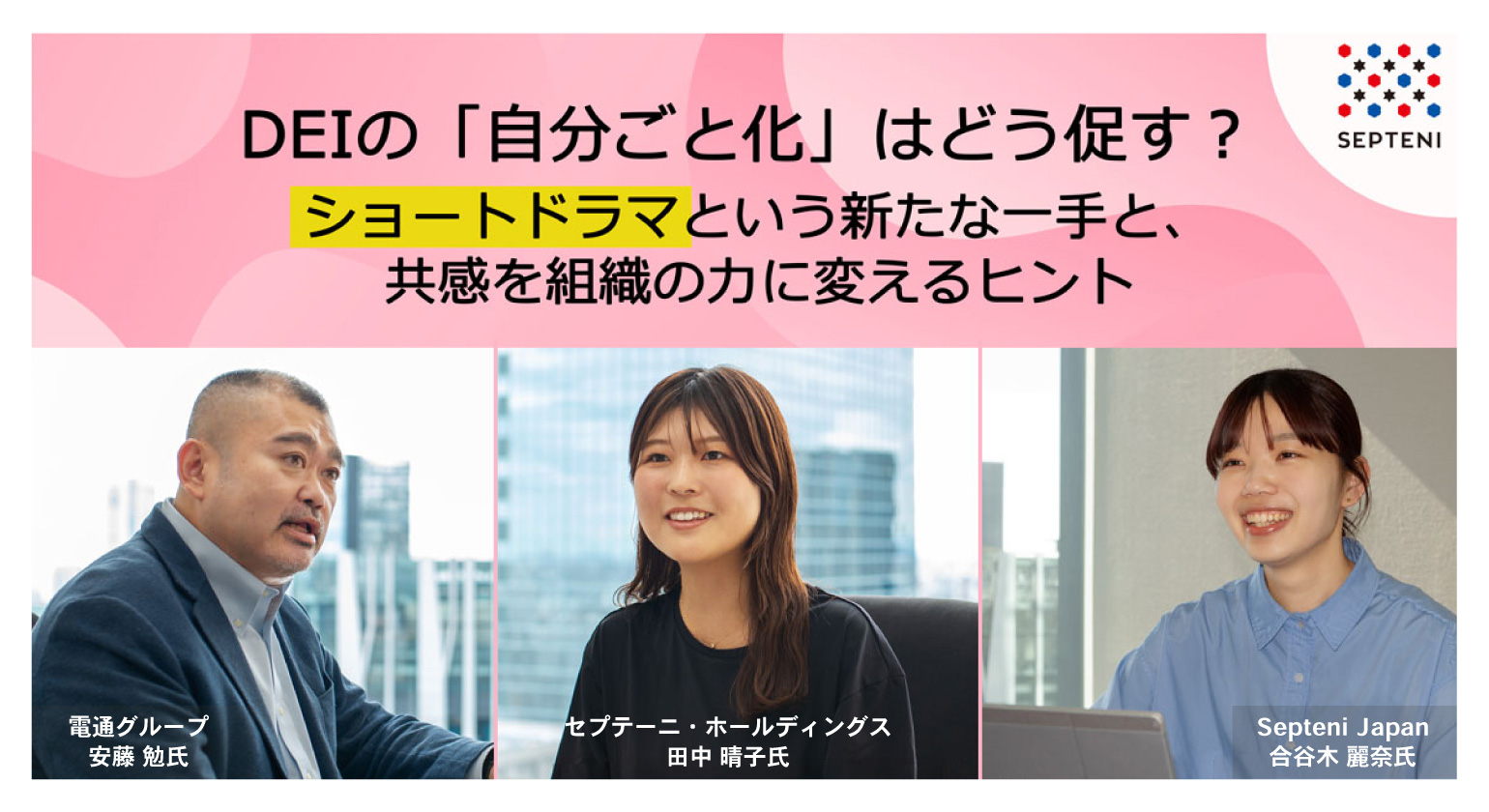
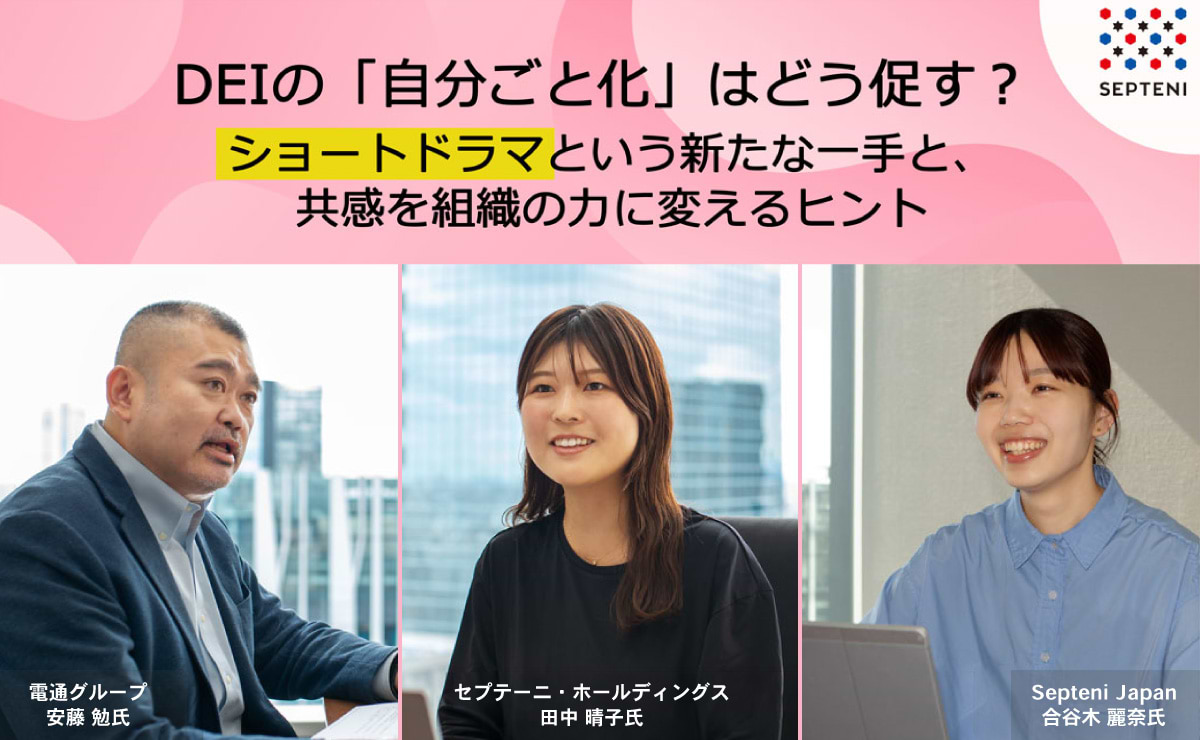
In this article, we spoke with three individuals—Haruko Tanaka and Reina Aigaki of SEPTENI CO.,LTD, who spearheaded the project, and Tsutomu Ando of the Dentsu Group, who served as supervisor for human rights awareness—to learn about the project’s objectives, the behind-the-scenes production process, and tips for promoting DEI.
SEPTENI CO.,LTD The company provides comprehensive support for corporate digital transformation (DX) primarily through digital advertising and solutions leveraging data and AI.
Why Does DEI Feel Like “Someone Else’s Problem”? An Approach Based on “Dialogue” and “Empathy” to Overcome Barriers to Implementation
――Mr. Ando, how do you view the current trends and on-the-ground situation regarding DEI in Japanese companies?
Ando: I view the fact that DEI is now being promoted in earnest as a very positive development. Creating an environment where every individual, regardless of their diverse background, can demonstrate their strengths while having their unique circumstances respected is essential for companies moving forward. On the other hand, when we look at the front lines of implementation, many companies are facing common barriers.
Because DEI is such a sensitive topic, it’s only natural for those in charge to be cautious. However, it’s a shame when excessive caution prevents necessary discussions from taking place or even stalls the positive momentum that has been built.
I believe that for successful DEI initiatives, it is crucial to achieve a balanced interplay of three elements: “knowledge,” “experience,” and “dialogue.” Many companies are already working on acquiring “knowledge” through training and gaining “experience” by participating in events. However, I feel there is still a lack of “dialogue” to connect these two elements and broaden diverse perspectives. I believe that the key to advancing these efforts lies in how we can stimulate dialogue based on a certain level of knowledge and experience.
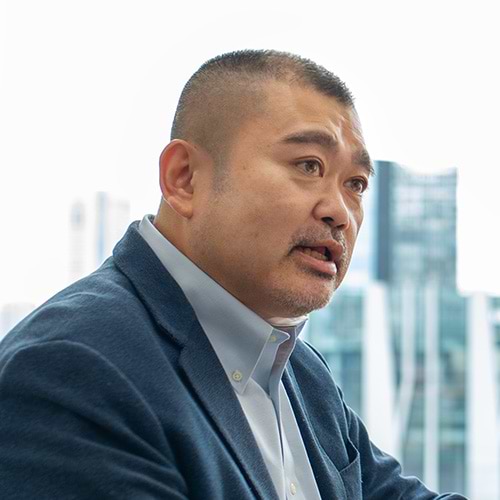
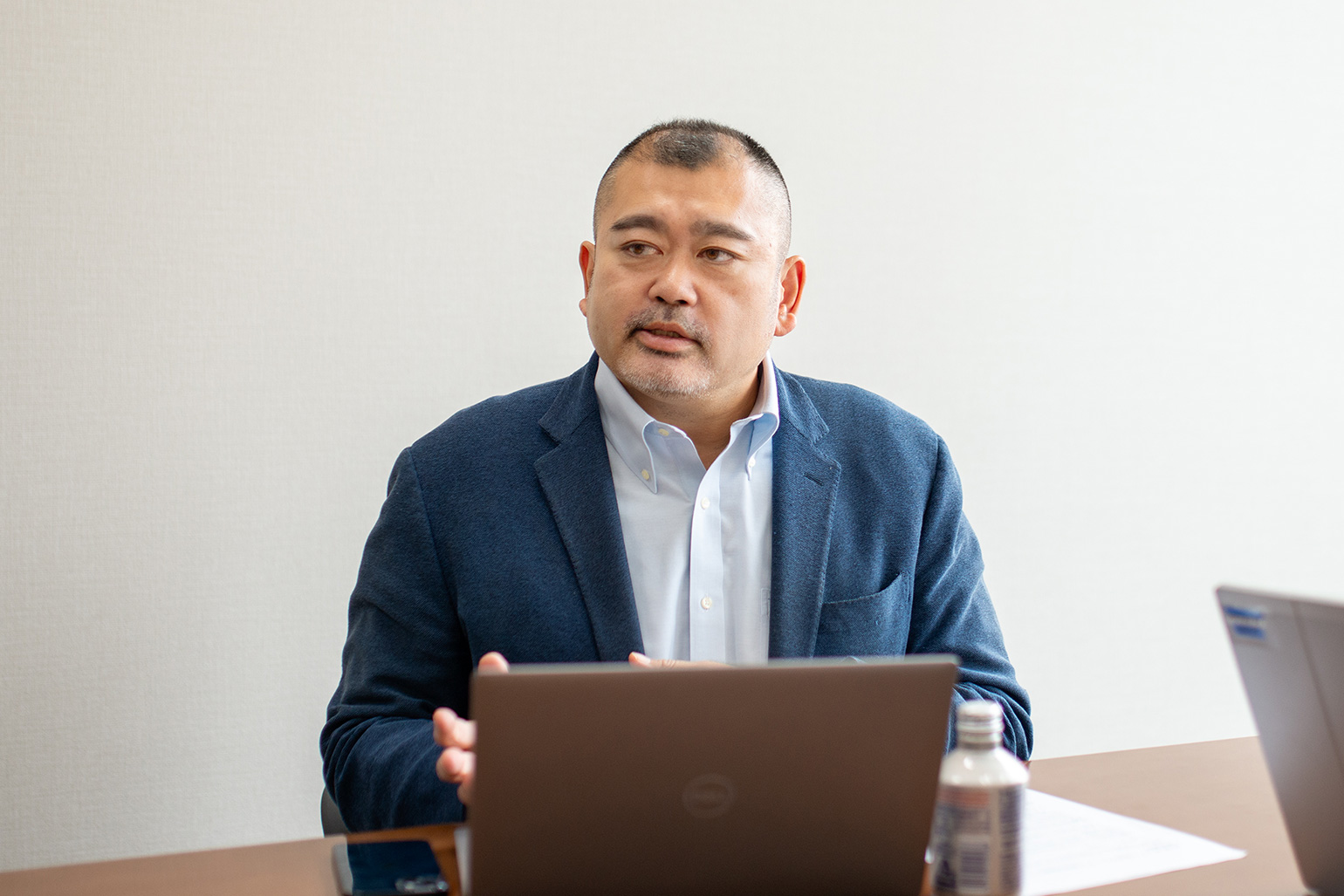
Tsutomu Ando, Director, Group Legal & Compliance Office, Dentsu Group
――“A lack of dialogue.” Was that something you also felt at SEPTENI CO.,LTD? Please tell us about the results of your efforts so far and the challenges you face.
Tanaka: SEPTENI CO.,LTD has been working on promoting DEI for over 15 years, and we are seeing positive results. For example, the percentage of female managers has increased from 14.4% in 2017 to 28.3% in 2025. We have also made progress in introducing a same-sex partnership system, and the number of allies (people who understand and support the LGBTQ+ community) has exceeded 100.
On the other hand, it became clear that participation in DEI-related events and seminars had become somewhat stagnant, highlighting the challenge that “we were only reaching those who were already interested.” We felt we were only halfway there in terms of getting each individual to “internalize” the issue as something that personally concerns them.
――So, the next step you took was the “short drama.” Why did you choose this approach?
Tanaka: The topic of DEI tends to be perceived as “someone else’s problem.” We wondered how we could get our busy employees to engage with it as a personal issue. We considered what kind of content would make them think, “I want to watch this” or “I want to learn more,” rather than feeling like they were being forced to participate.
That’s how we arrived at “short dramas,” which are a strength of our company’s business, including our work in digital advertising. Since each episode is about a minute long and easy to watch, I thought this would be something they could watch during breaks in their work.
――Was there a specific reason you chose unconscious bias as the theme?
Tanaka: I believe unconscious bias lies at the root of all DEI issues—whether related to gender, LGBTQ+, nationality, or age. And above all, it’s something “everyone possesses,” regardless of job title, gender, or age. That’s precisely why I thought it was the ideal theme to serve as a gateway for people to see it as something that applies to them personally.
Short dramas that capture a slice of everyday life are a format that easily resonates with viewers. I thought that by using this “empathy” as a hook, even a somewhat difficult topic like unconscious bias would surely feel more relatable to them.
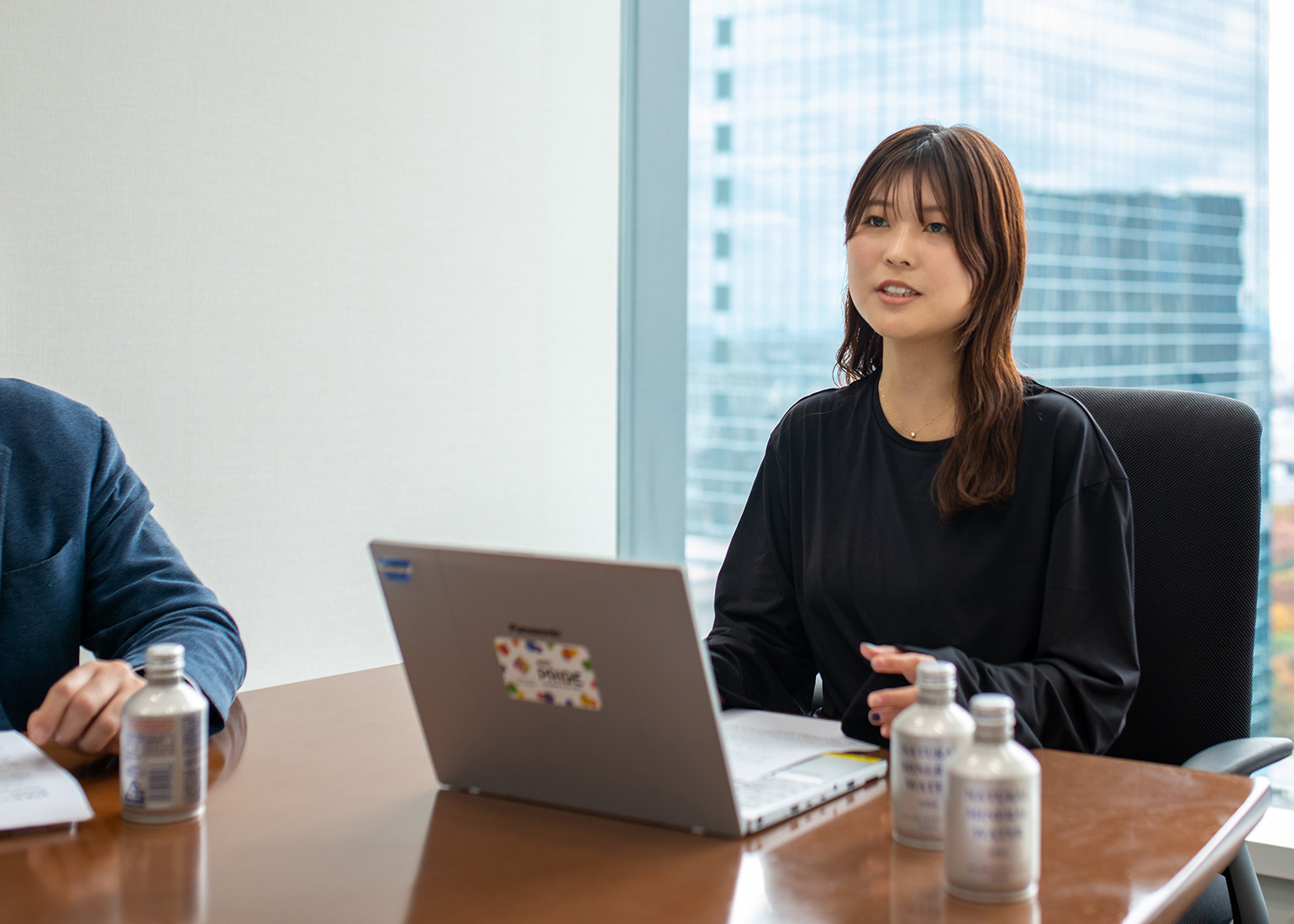
Haruko Tanaka, IR & SR Section, Corporate Communications Department, CEO Office, SEPTENI HOLDINGS CO.,LTD.
Don’t stop at “that’s so true.” Creative strategies that depict the “moment of realization”
――Translating the sensitive theme of DEI into a short drama that resonates with viewers. As a creator, how did you feel when you received this assignment?
Aigaki: To be honest, I felt it was a very difficult theme. When it came to expressing “unconscious biases,” my top priority was to ensure the story wasn’t based solely on the creators’ imagination. My own perspective is just a small part of society as a whole. Our group includes people from diverse backgrounds, and each person’s sense of what is “normal” could vary as much as there are people.
So, we started by conducting an internal survey to gather real-life feedback on the question, “What kinds of things make you feel uncomfortable in your daily life?”
――What specific efforts did you make when translating this into the creative work?
Aigaki: It was carefully depicting “the moment one becomes aware of unconscious bias.” By recreating the other person’s expression in response to casual words or actions, as well as the subtle atmosphere after realizing the bias, we hoped to let viewers vicariously experience the characters’ process of “realization” and create an opportunity for them to reflect on their own behavior.
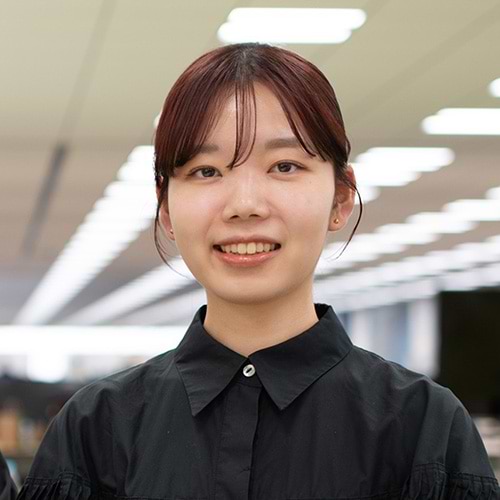
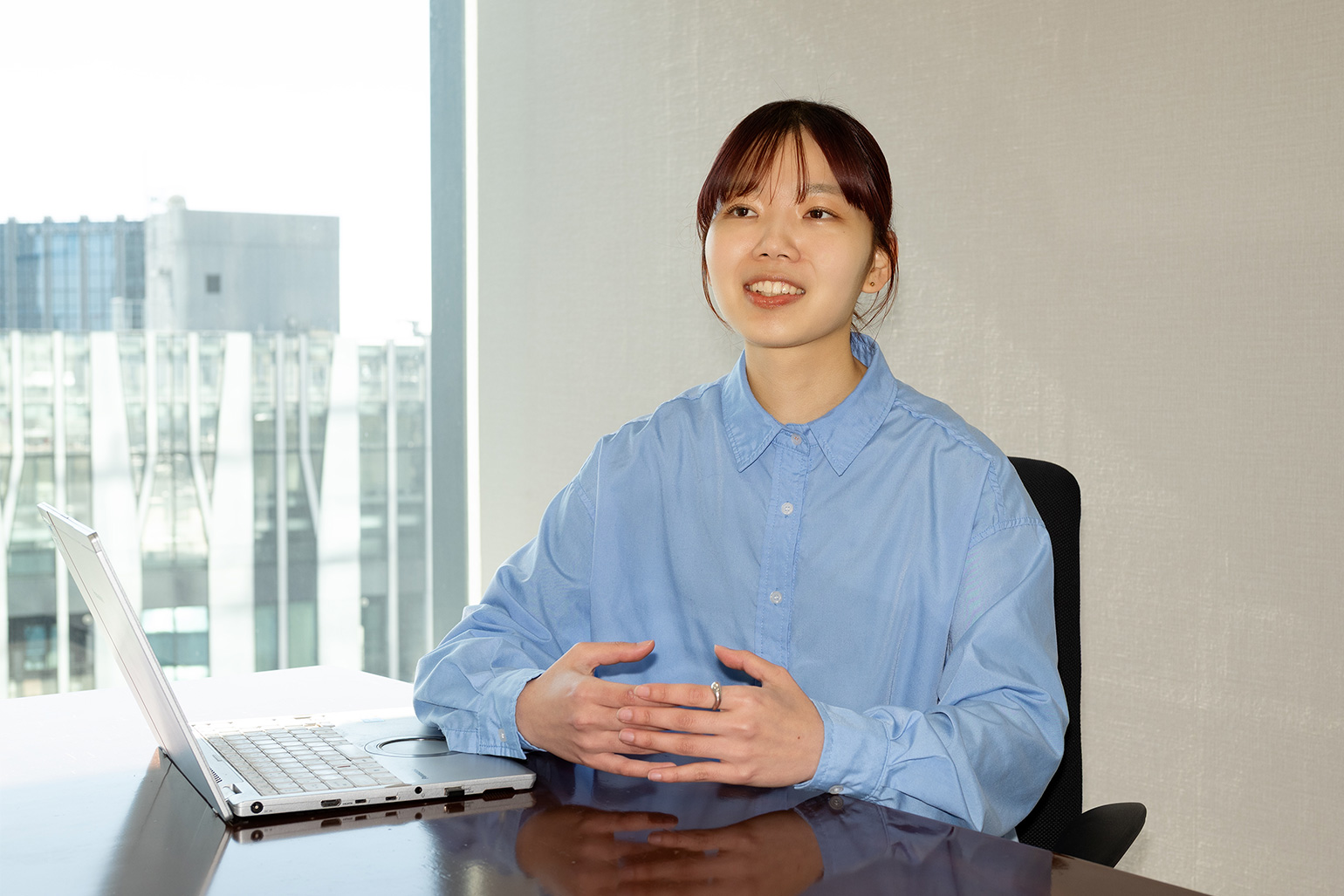
Rina Aigaki, Short Video Development Department, Vertical Video & Drama Division, Septeni Japan
――As a supervisor, what do you keep in mind when handling creative work related to DEI?
Ando: When I work with creators, what I value most is confirming whether they have a clear vision of the “final tone and style” the project aims to achieve. If they haven’t been able to articulate that, I see it as my role to help them discover it through dialogue.
For example, if the focus shifts to other objectives—such as the novelty of the expression or its potential to generate buzz—the core message regarding human rights and DEI won’t be effectively incorporated. It’s wonderful that creators discover compelling expressions through trial and error, but ultimately, does that expression align with the original purpose? Is it veering toward something that might hurt someone? I believe it is the supervisor’s duty to watch over this process from an objective perspective and support them along the way.
――What specific advice did you receive from Mr. Ando?
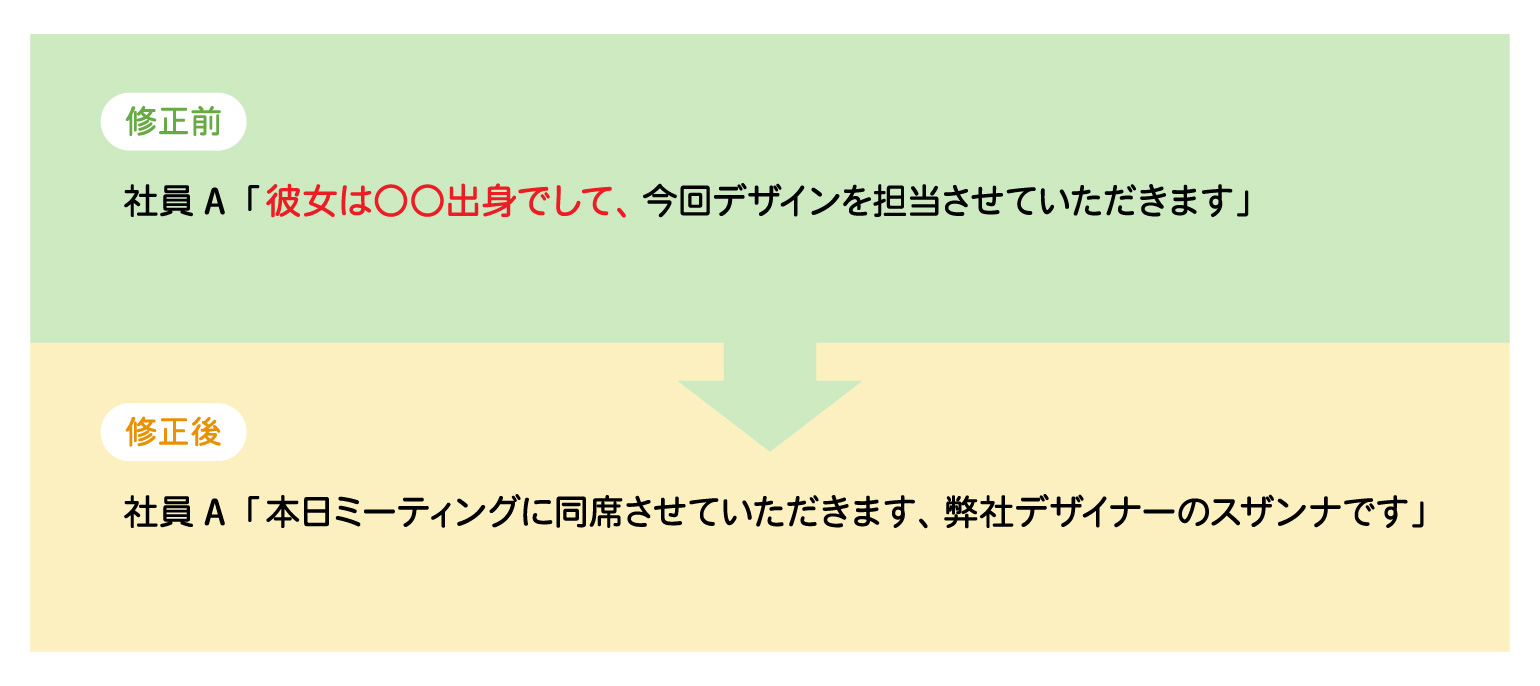
Gokagi: For example, regarding a video depicting unconscious bias toward someone of foreign origin in a meeting scene, the initial structure had the conversation begin with a discussion of their “country of origin” right at the start. It was intended to make the drama’s context easier to understand, but Mr. Ando pointed out, “In a meeting setting, wouldn’t it be more natural to first convey the person’s role and responsibilities, and treat attributes like their origin as secondary information that follows afterward?”
Aigaki: I learned once again that prioritizing clarity can sometimes create an unnatural impression and blur the essence of what we want to convey. We must be careful not to use expressions or structures that hinder our original purpose. By reorganizing the script based on his feedback, I believe we ultimately created a structure that delivers our intended message directly.
――What was the internal reaction after the short dramas were released?
Tanaka: The three videos we released internally were viewed a total of about 900 times. In the post-viewing survey, satisfaction exceeded 90%, and we received feedback such as, “It gave me a chance to reflect on how I’ve been doing the same thing myself.” I actually heard conversations in the office like, “That scene in the video was an example of unconscious bias, wasn’t it?” which made me realize that it was leading to the “awareness” and “dialogue” we had aimed for.I feel these videos played a significant role in fostering a culture that views DEI not as a separate, special topic, but as an integral part of our everyday communication.
There are no “competitors” in DEI promotion. Leveraging our company’s strengths to drive social change
――I believe SEPTENI CO.,LTD’s recent initiative is a prime example of leveraging our core strength—creativity—to advance DEI. This approach could serve as a valuable reference for other companies as well.
Tanaka: If there’s one thing I could share with colleagues at other companies, it would be to “identify what capabilities (strengths) your company possesses.”We ourselves felt we were struggling to find new angles for raising awareness beyond seminars and training sessions. I would be delighted if this case study serves as a hint to other managers facing similar challenges, showing them that “even casual content like this can be a new angle for raising awareness.” When promoting DEI, the responsible department tends to feel pressured to “get the message across” on its own. However, by adopting a perspective that leverages your company’s strengths, you can see just how many colleagues you can get to participate.
Through this initiative, we gained ideas and perspectives that wouldn’t have emerged from the promotion team alone, and above all, we felt the reassurance of knowing we weren’t alone. DEI promotion isn’t just the responsibility of the team in charge; it’s an initiative for the entire group where a sense of shared commitment grows. I believe this feeling is crucial.
Ando: “Engaging” various internal resources and personnel is one of the most effective ways to make DEI a personal concern. In fact, here at the Dentsu Group, we practice a similar approach through initiatives like our annual “Human Rights Slogan” contest. We persistently reach out, even starting on a small scale, without giving up. I believe that steady, step-by-step process is essential for nurturing organizational culture.
――It feels like companies whose business is communication, such as SEPTENI CO.,LTD and the Dentsu Group, are uniquely positioned to contribute to society.
Aigaki: While “buzz” and “impact” are often prioritized in short dramas, I felt this could also be a highly effective means of conveying messages that require careful communication, such as a company’s social initiatives and philosophy. I hope to continue exploring new forms of communication between companies and society through creativity.
Ando: Precisely because we live in an era where anyone can easily share videos, we must be meticulous about every word and expression, and take the time to thoroughly consider what message will truly resonate. I believe that process itself represents a sincere engagement with society and is the value we can provide.
――Finally, looking beyond group boundaries, what kind of future do you envision?
Tanaka: What I realized once again through this experience is that by sharing our challenges and moving forward while helping one another, we can demonstrate even greater strength. I believe DEI promotion is an area where the concept of “competition” doesn’t apply, so I want to continue exchanging information with various companies and expand this circle across society as a whole.
Ando: Many people in these roles struggle with feelings of isolation within their companies and a lack of tangible results. In such situations, precisely because we’ve been in their shoes—having faced these challenges ourselves—we can think together through dialogue and walk alongside them. By combining the insights of the Dentsu Group and SEPTENI CO.,LTD, I believe we can help accelerate the advancement of DEI across society as a whole.
Director (also serving on the Group Human Rights Governance Team)
General Manager, Planning Department, DENTSU CORPORATE ONE INC. Compliance Office (also serving concurrently in the Human Rights Governance Division of the Legal Office at DENTSU CORPORATE ONE INC. and the Dentsu Group Legal & Compliance Office). Has been in charge of human rights awareness initiatives at Dentsu Japan since 2015. Currently handles human rights-related consultations and training requests from Group companies. Also serves as a member of the DEI Office.
CEO Office, Corporate Communications Department, IR & SR Section
In 2022, I joined SEPTENI HOLDINGS CO.,LTD as a new graduate. As the group’s sustainability promotion manager, I am involved in the operation of the Sustainability Committee and information disclosure. Additionally, I am responsible for planning and organizing training sessions and events aimed at promoting DEI, as well as implementing internal initiatives. I am committed to enhancing sustainable corporate value through the visualization of non-financial information and the promotion of DEI.
Reina Aigaki
Septeni Japan Co., Ltd.
Vertical Video & Drama Division, Short Video Development Department
After joining Septeni Japan as a new graduate in 2023, I worked in the Media Strategy Promotion Department, engaging with advertising media companies and focusing on advertising sales expansion and planning for major platforms. Since 2025, I have been working in the Short Video Development Department, where I am involved in the planning and production of content—primarily vertical videos—that leverages the unique characteristics of each platform.