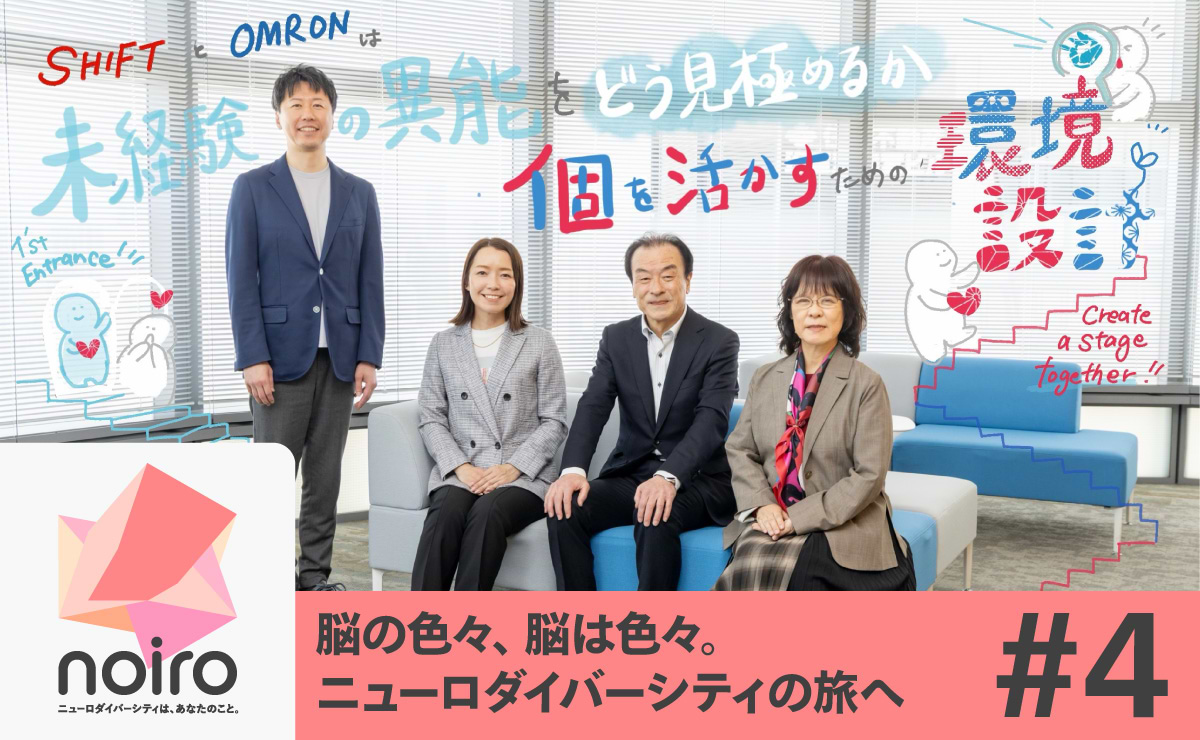
How do SHIFT and Omron identify “unconventional talent with no prior experience”? Designing an environment that harnesses the potential of the “individual”
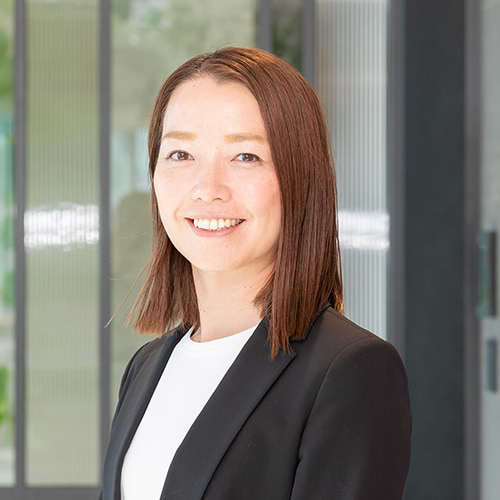
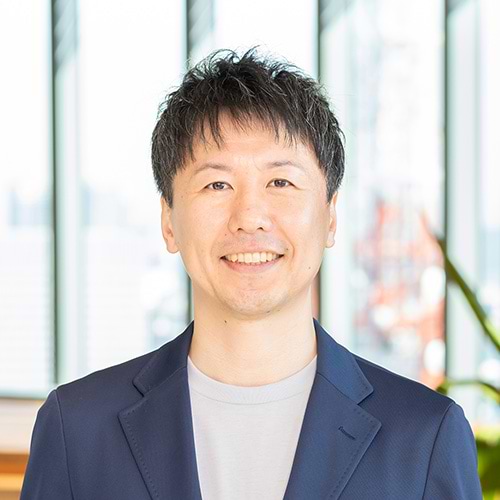
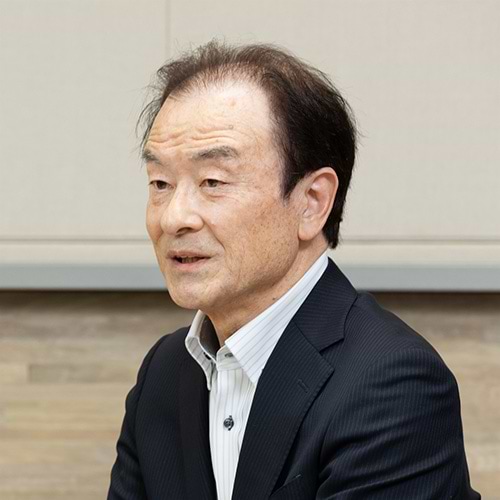
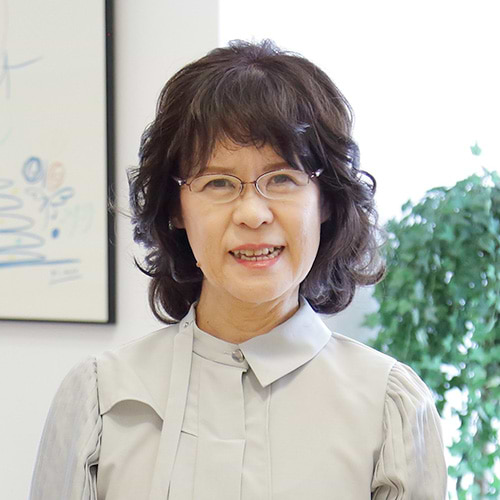
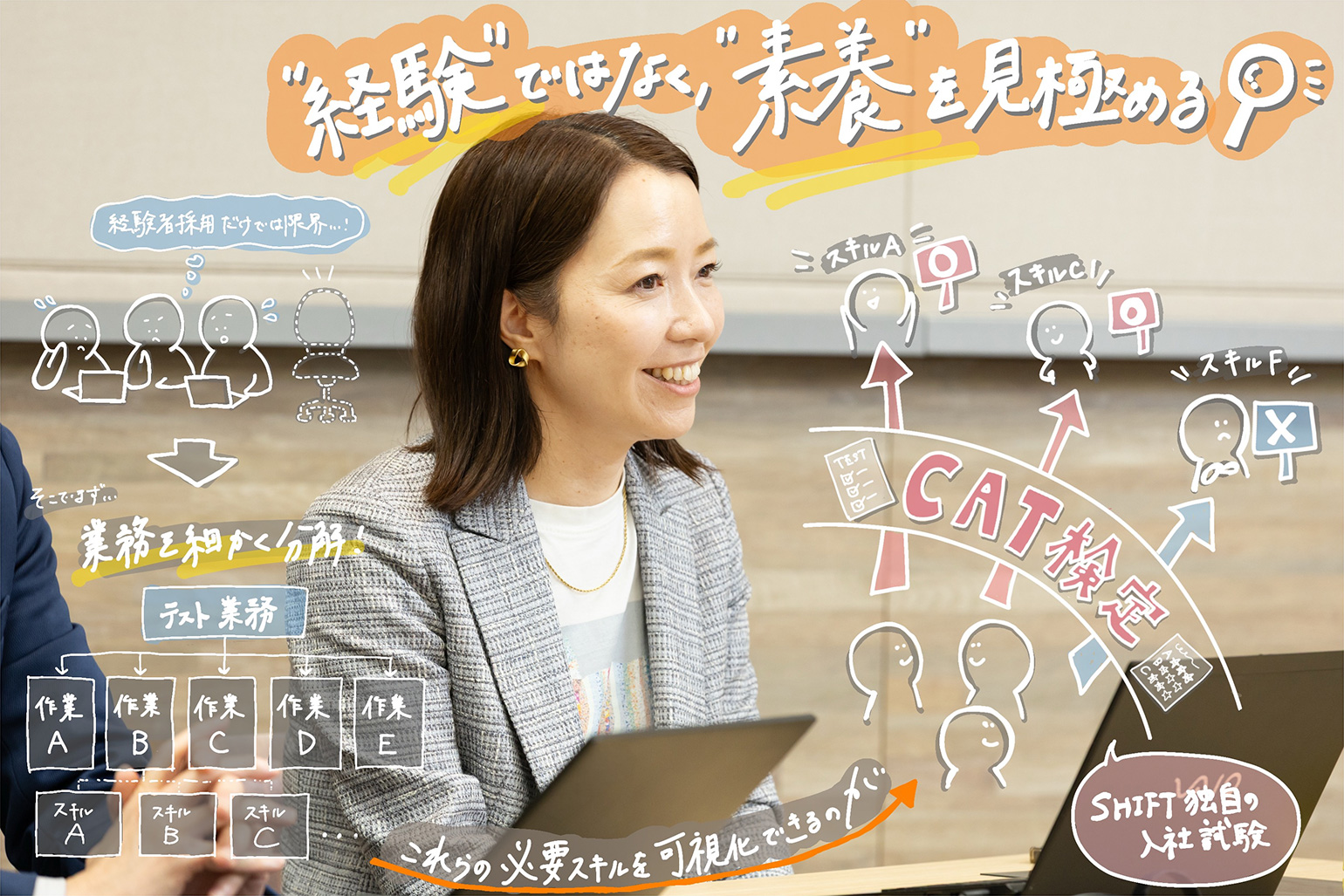
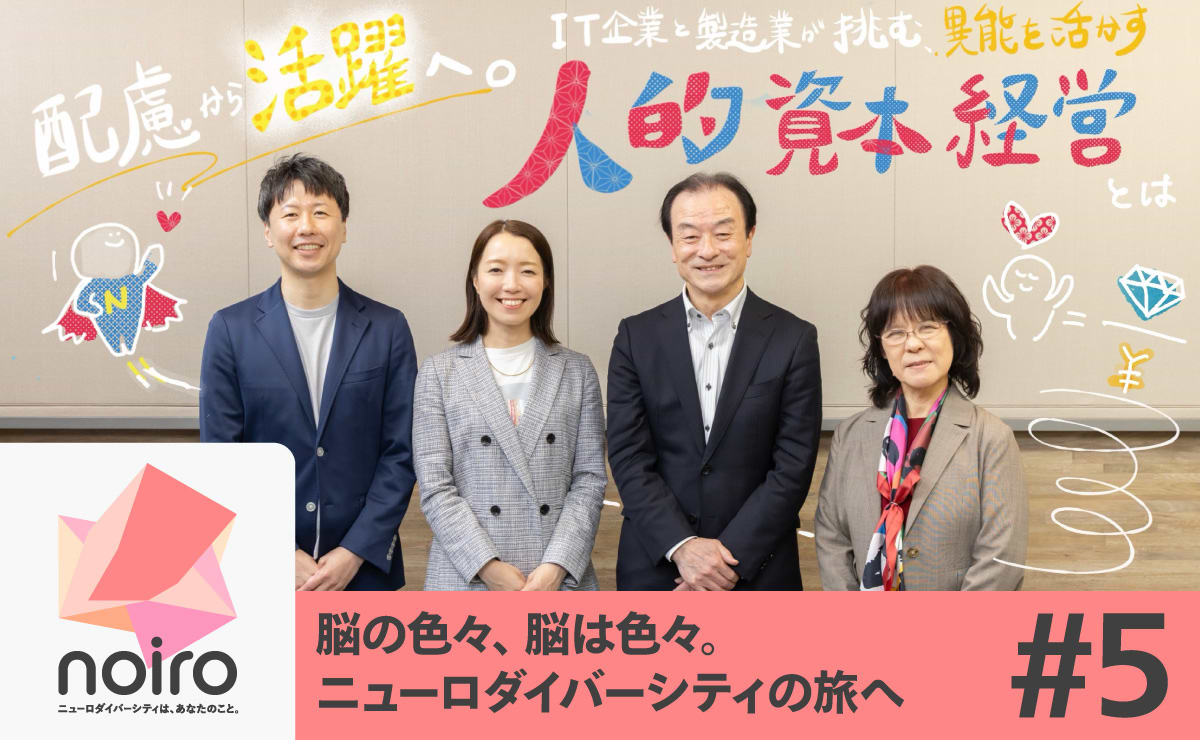
(From left) Masashi Oizumi, Group Leader, Business Support Department 1, SHIFT; Ai Kitagawa, Department Manager, Business Support Department 1, SHIFT; Isao Miyaji, Diversity & Inclusion Promotion Section, Planning Office, Global Human Resources & General Affairs Headquarters, Omron (at the time of the interview in March 2026); Yukari Arai, Consulting Division, DENTSU SOKEN INC.(noiro members) Photo-scribing: Dentsu Inc. Graphic Recording Institute, Representatives Chiharu Kai and Tomoko Nakano
The “noiro” neurodiversity project was launched in 2021 by a group of volunteers from the Dentsu Group, including Dentsu Inc. and DENTSU SOKEN INC. In this series, members of the project explore the current state and future of neurodiversity through dialogues with experts and those directly affected.
The theme we’ll explore this time is how the concept of neurodiversity is being implemented in actual corporate activities.Hidemitsu Kitamoto (Dentsu Inc.) and Yukari Arai (DENTSU SOKEN INC.) of “noiro” spoke with Ai Kitagawa and Masashi Oizumi of SHIFT—who have built systems enabling diverse talent to thrive by starting with “task decomposition” and “standardization”—and Isao Miyaji of Omron, who has been steadily advancing initiatives from the front lines, to learn about case studies from their respective companies.
In this first part of the series, we focus on the initiatives of SHIFT—an IT company that has expanded its business from software testing and other areas—to explore how the concept of “changing the work itself” rather than “changing the people” originated and how it is being implemented.
*What is Neurodiversity? A term combining “neuro” (brain/nerves) and “diversity.”It is a concept that views differences in the brain, nervous system, and the various individual characteristics stemming from them as forms of diversity to be mutually respected, and seeks to leverage those differences within society. It views neurodivergent development—such as autism spectrum disorder (ASD) and attention-deficit/hyperactivity disorder (ADHD)—not as disabilities, a lack of ability, or a matter of superiority or inferiority, but as natural differences unique to each person.It applies not only to neurodivergent individuals but to everyone. The term was proposed in the 1990s by Australian sociologist Judy Singer, and since the 2010s, initiatives—primarily among overseas IT companies—have spread to leverage the characteristics exhibited by individuals with developmental differences, such as high levels of concentration and creative thinking.
Neurodiversity as a Growth Strategy: A Perspective Based on “Roles” and “Rules”
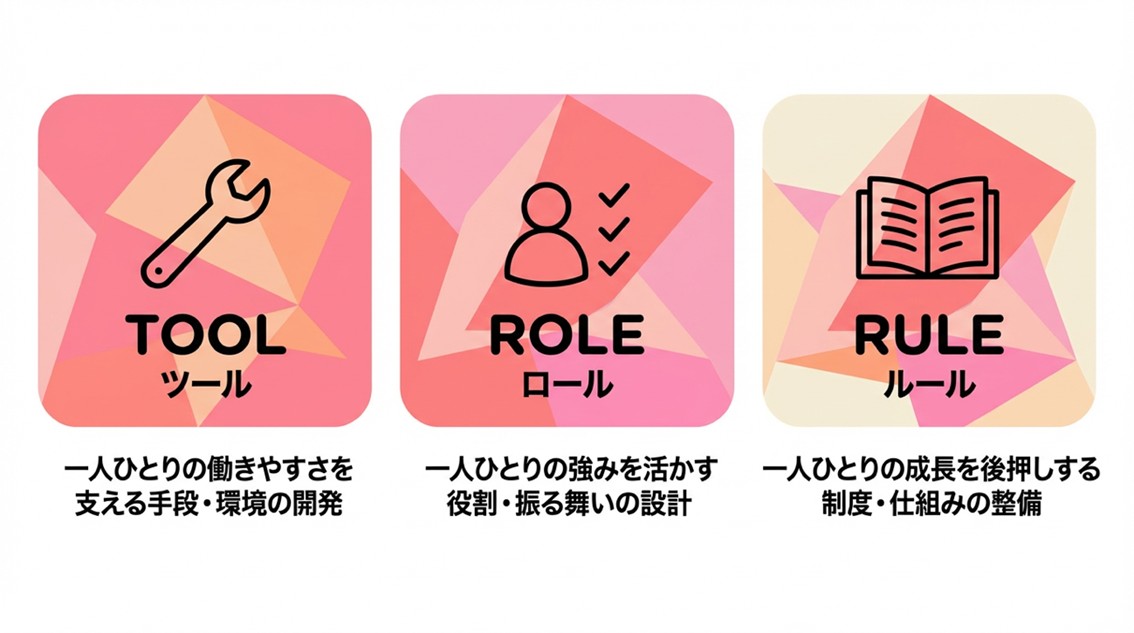
Kitamoto: Starting in July 2026, the statutory employment rate for people with disabilities applicable to private companies was raised from 2.5% to 2.7%.Today, we have gathered two companies that are going beyond the framework of “employment of people with disabilities” to actively implement neurodiversity as a corporate growth strategy. In this session, we will focus primarily on “Roles” and “Rules”—two of the three components that noiro has identified as a framework for advancing neurodiversity: ① “Role,” ② “Rule,” and ③ “Tool.”
In the first half, we’ll focus on SHIFT’s initiatives, but we’d also like to hear insights from Ms. Miyaji, who has been involved in HR and organizational development at Omron. First, could all participants please introduce themselves?
Kitagawa: I joined SHIFT in October 2018. After serving as an HR Business Partner (HRBP) for the engineering organization, I was transferred to a different department and began working in the area of employment for people with disabilities. In March 2020, the team consisted of about 30 people; today, approximately 250 people with disabilities work here. I currently serve as the General Manager of the Business Support Department, where I lead the organization in promoting their success.
Oizumi: My name is Oizumi, and I serve as a Group Leader in the Business Support Department. After working for about 10 years in employment transition support and education-related fields, I joined SHIFT in 2021. Since then, I have been consistently involved in promoting employment for people with disabilities, and as the organization expands, I am working to establish systems and create opportunities for them to thrive.
Miyaji: I joined Omron as an engineer and was responsible for development work focused primarily on social systems. In 2015, I became president of “Omron Kyoto Taiyo,” a subsidiary specializing in the employment of people with disabilities, which led me to become involved in promoting the active participation of people with disabilities.
Currently, I work in the Human Resources department at headquarters, where I am in charge of promoting diversity and inclusion, and I am working to advance the employment and active participation of people with disabilities across the entire Omron Group. In particular, as part of initiatives to expand employment opportunities for people with developmental disabilities, I am also focusing on promoting neurodiversity. (*)
Arai: At DENTSU SOKEN INC., I am primarily responsible for consulting on new business ventures and operational reforms. While active as a member of noiro, I also serve as a leader in various initiatives to promote DENTSU SOKEN INC.’s own neurodiversity program.
*Mr. Miyaji’s title and job responsibilities are as of the time of the interview in March 2026.
Overcoming the Talent Shortage Through “Systems”: The Software Testing Competencies Pursued by SHIFT
Kitamoto: Thank you. In this interview, we’ll discuss not only your neurodiversity initiatives but also your perspective on human capital. In recent years, there has been a growing trend toward viewing corporate value from a “people”-centric perspective—as evidenced by increased disclosure of human capital information—though the specific approaches and interpretations vary from company to company.
What specific neurodiversity initiatives is SHIFT undertaking?
Kitagawa: Actually, we haven’t been consciously focusing on neurodiversity. Our original starting point was a management challenge: how to recruit the talent necessary for business growth.
When SHIFT first launched, it had an even stronger startup vibe than it does now, and securing the right talent was essential to driving the business forward. At the same time, the IT industry as a whole was facing a persistent talent shortage. Furthermore, since we were a late entrant to the IT sector and had grown primarily in the relatively niche field of “software testing,” relying solely on hiring experienced professionals had its limitations. That’s why we began broadly recruiting people without prior experience.
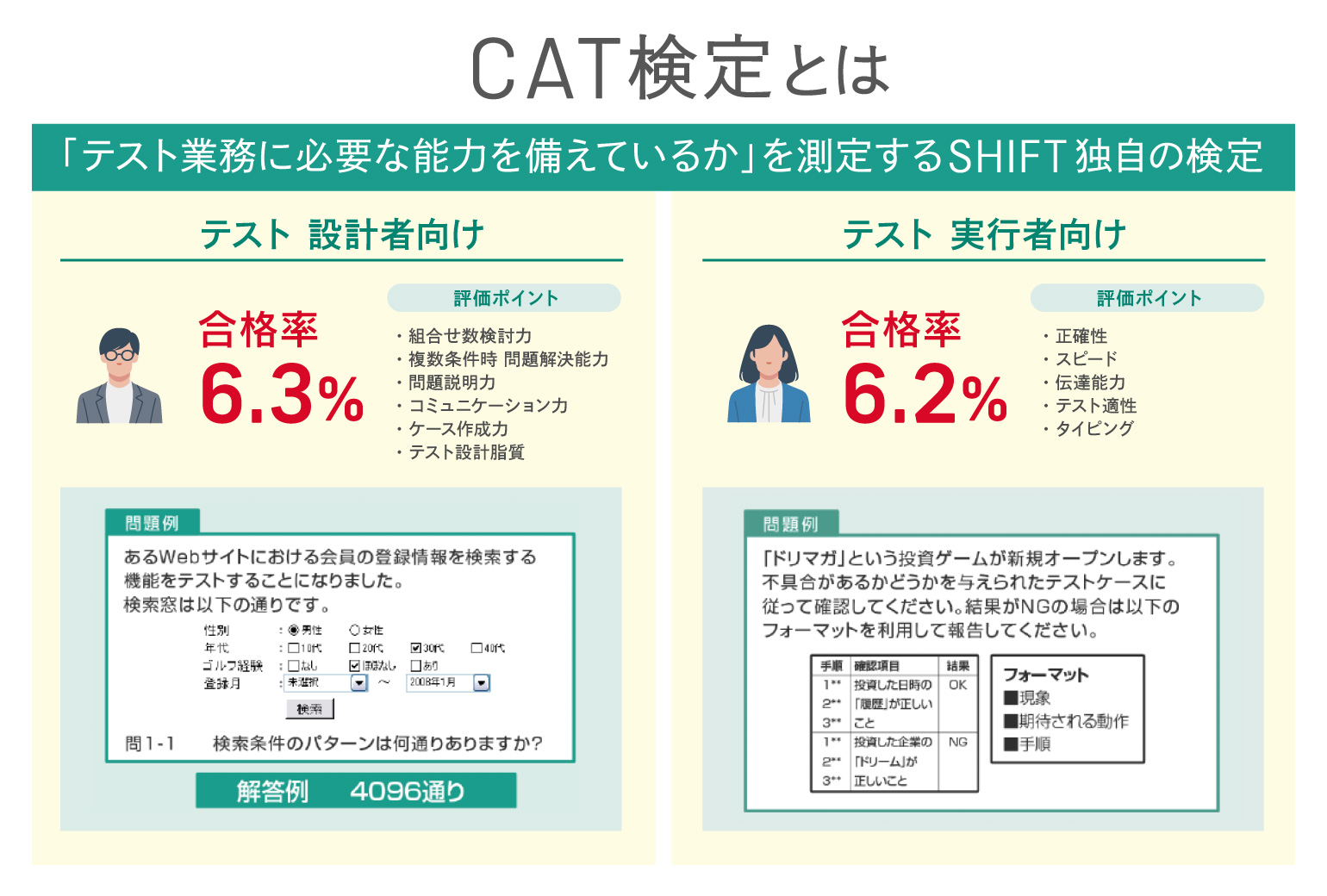
In this context, to scientifically determine “what kind of people can thrive at SHIFT,” we decided to break down SHIFT’s operations—particularly the testing process—into detailed steps and identify the specific aptitudes required for each task.
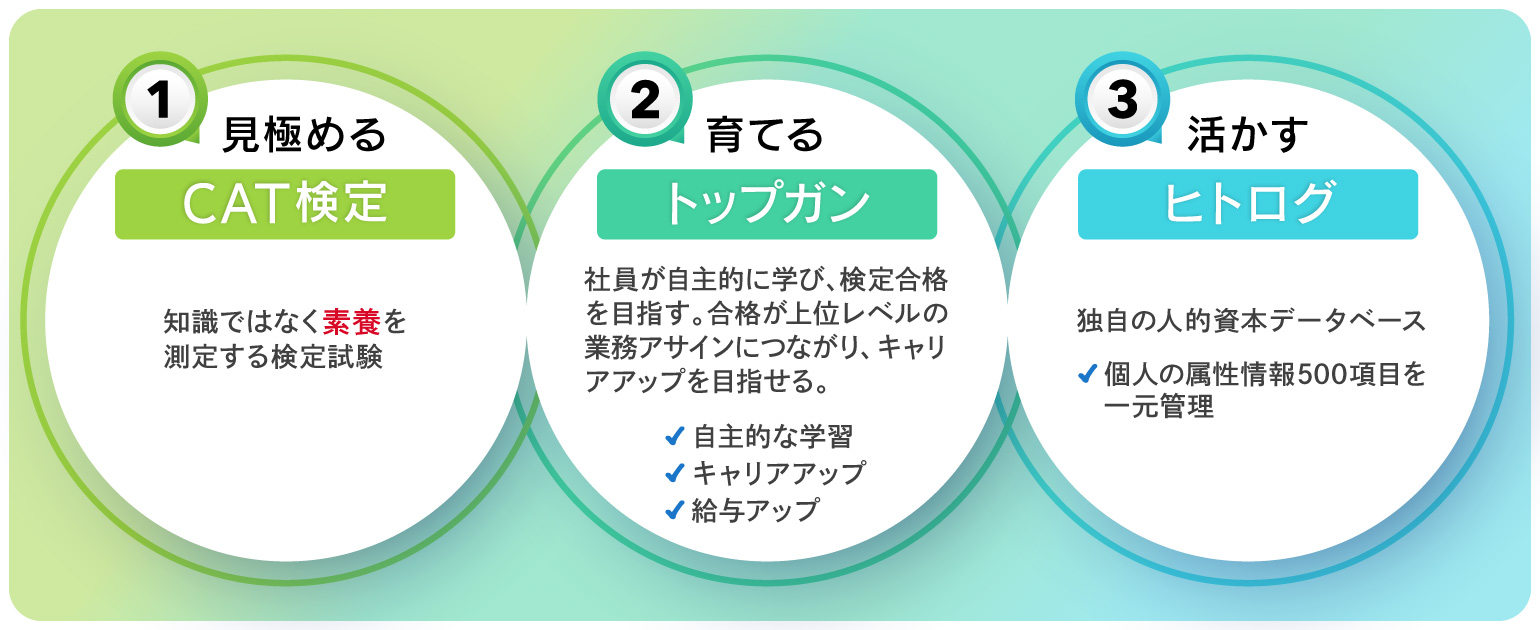
Based on this analysis, to recruit people with the aptitudes suited to our work, we created our own aptitude test—the “CAT Certification”—and incorporated it into our pre-employment screening process. Rather than relying on experience or academic background, we focused on “whether candidates possessed the aptitudes necessary for the job.” As a result, this approach naturally led to a hiring process that embraced neurodiversity—that is the trajectory of our initiative.
CAT Certification A proprietary aptitude test developed by SHIFT that measures the thinking skills and competencies required for software testing. It consists of two types of exams—one for test execution and one for test design—and is used as a metric for hiring and talent development. The expertise in aptitude assessment cultivated through the development of this test has been applied to the development of tests in other areas, such as project management, sales, and security.
“CAT Certification” and “Top Gun”: Using proprietary assessments and systems to evaluate job seekers’ aptitudes and create development programs tailored to their characteristics
Kitamoto: I imagine many companies struggle with how to assess “aptitude” during the hiring process. What prompted you to introduce the “CAT Certification”?
Kitagawa: The CAT Certification was developed in-house shortly after SHIFT shifted its focus to the software testing business. At the time, we witnessed a situation where some of the people we hired—who struggled with communication, such as “having difficulty making eye contact with others” or “being unable to fully convey their thoughts during interviews”—performed exceptionally well in software testing, as if they were fish in water.From that experience, I understand we concluded that even if certain traits—such as those that are difficult to assess in interviews—were present, we needed a method to identify talent with the aptitudes suited to the job, which led to the creation of the CAT Certification. Since then, the CAT Certification has served as a guiding principle for our talent acquisition and has taken root as a shared vision and common language among our employees.
In fact, individuals with high CAT Certification scores demonstrate a significantly faster rate of growth—from starting software testing work to delivering strong performance. While the CAT Certification is an exam designed to assess aptitude for software testing, it includes aptitudes that are universally applicable across all of our business operations. That is precisely why we believe that if we can utilize it in our own department’s hiring process, we’ll be able to recruit talent with the right aptitudes.
Kitagawa: You’re referring to Hanamichi Sakuragi, the protagonist of the manga *Slam Dunk*, which is set in a high school basketball team (laughs). Hanamichi Sakuragi has no prior basketball experience, but he’s a character who, while still rough around the edges, possesses the potential to outperform even experienced players. We liken the type of talent we aim to identify through the CAT Certification to this character.
We believe that by hiring such individuals, the total potential that each person can demonstrate increases, which in turn leads to improved productivity and value for the organization as a whole.
Arai: Even at our company, when we hire people with the right aptitude for a department’s work, debates sometimes arise regarding whether they’ll actually start contributing quickly after joining—or whether our training direction is appropriate—since the specific skills required for certain tasks haven’t been scientifically elucidated. How does SHIFT handle matching candidates with roles, as well as systems to support their success and growth?
Kitagawa: To support growth after joining the company, we’ve established a unique career advancement program called “Top Gun.” We break down the tasks of each job role into detailed components and administer tests to measure the competencies required for each role. Similar to the CAT certification, these tests are designed based on the core competencies required for the job. The system is structured to support step-by-step career advancement.
Furthermore, to understand the individual characteristics and aspirations of each employee, we have independently developed the “Hitolog” talent management system. Based on data spanning approximately 500 items, we use this system to design development plans, career paths, and job placements that take into account each employee’s experience, skills, and personal traits, thereby promoting their success.
“Top Gun” Career Advancement Program A career advancement support program for SHIFT Group employees. This system links learning, evaluation, and compensation, enabling employees to achieve improved evaluations and compensation commensurate with their skill development by completing a prescribed training curriculum and passing certification exams. We have established tiered development programs to support employees’ continuous growth and career development.
“Human Resources Management System ‘Hitolog’” A “Human Capital Management System (Human Capital Database)” developed and operated in-house by SHIFT. It centrally manages over 500 data points—including employee skills, career aspirations, assignment history, engagement, attendance, and performance evaluation and pay raise records—to support talent development, staffing, and decision-making during performance review meetings.
People Are an “Investment,” Not a “Cost”: Creating an Environment Where Employees Can Thrive, as Seen Through the Initiatives of These Two Companies
Kitamoto: During the hiring phase, you assess aptitude through the CAT certification exam, and after employees join the company, you utilize Top Gun and HitoLog to design their career paths. Furthermore, I read in a book that SHIFT’s executive team alone dedicates a significant amount of time—1,200 hours—to employee performance reviews.
Kitagawa: For us, these systems and mechanisms are a way to realize “investment in people,” and we believe they are a crucial factor in growing our business. And to ensure that investment translates into results for each individual, we need to reexamine the work processes themselves.
Kitamoto: I see. So you’re implementing this philosophy of investing in people right from the structure of the work itself.
Kitagawa: Yes. We’re visualizing all operations—not just our core testing business, but also general administrative and specialized tasks—to clearly identify “what competencies are required for each part of the process.”
We apply this approach as a cultural core competency across all our operations. Regardless of the job, we break down the work content, the presence or absence of decision-making elements, and the type of task, and by visualizing the necessary competencies and skills, we enable us to determine “who can excel where.”
Based on this, we have separated the “judgment” tasks—which can only be performed by experienced staff—from the “routine tasks” that can be standardized, and we have been working to systematize and automate the latter. Since “routine tasks” actually account for the majority of our work, we have expanded the pool of people who can excel by making these tasks accessible to anyone.
Through this approach, we have created an environment where the right talent can thrive in each specific role.
Oizumi: When we actually break down tasks, even something like recruitment involves parts that require specialized expertise—such as interviews—and parts that many people can handle, such as data entry and communication tasks.
By organizing these tasks, we’ve expanded the range of responsibilities that team members with disabilities can handle. Furthermore, as we entrust them with tasks, new requests arise based on the idea that “they might be able to handle this job too,” creating a virtuous cycle that ultimately broadens the scope of their contributions.
Kitamoto: It’s impressive how this process brings out roles and potential that weren’t visible before, creating a virtuous cycle that ultimately broadens the scope of their contributions.
Arai: I also found it very interesting to read in the book about the fusion of a certain “science” applied to work with a “meddlesome” approach based on tools like Hitolog and time-based evaluations. Some might think this is only possible because it involves software testing, but that’s probably not the case—it’s likely a universal philosophy at SHIFT.
Kitamoto: It feels to me that these mechanisms don’t exist in isolation; rather, by breaking down and recombining work processes, they function as a structure that brings out the best in each individual. It really comes down to viewing people not as costs but as investments, and implementing comprehensive initiatives to maximize their potential.
How does Omron view this approach?
Miyaji: Frankly, I felt that SHIFT has successfully established a system that permeates the entire organization.
At our company, we implement “job-based hiring” (*) for neurodivergent individuals (those with developmental characteristics), so while there are tasks that have been separated out, we’re still in the stage of gradually building this up on the ground. Since we have a wide variety of job types and departments, it would require an enormous amount of effort to establish a company-wide system—including the definition of required skills, evaluation criteria, and compensation—that everyone finds convincing. We consider that to be a challenge.
Within this context, the software development division is making relatively good progress. This is because the group companies responsible for the software sector have implemented a multi-track compensation system tailored to specific job roles. In the IT field, there is an industry-wide skill standard known as the IT Skills Standard (ITSS), which makes it easier to design evaluations and compensation plans that comply with it, allowing us to establish a viable system.
*Job-based hiring = A human resources system in which job duties and required skills are defined in advance, and candidates who match those requirements are hired and assigned to those roles.
Kitamoto: In the IT field, the existence of a common standard like ITSS makes it easier to break down job duties and visualize skills, doesn’t it?
Miyaji: That’s right. On the other hand, other fields lack such common metrics, making it quite difficult to approach them effectively. Therefore, rather than defining job duties in minute detail from the start, we first define the required skills. Then, when a candidate with those skills joins, we take an approach where each team considers on a case-by-case basis how to reorganize the team’s workload so that everyone can function effectively.
For example, we might have a different team member handle the preliminary stages that require cross-departmental coordination, while the person directly involved takes charge of the implementation phase. Or, for individuals who tend to feel anxious, we set small, achievable goals rather than long-term ones. By proceeding in stages like this, we create an environment where it’s easier for them to focus. Our on-site approach involves redesigning workflows through direct communication with the individual.
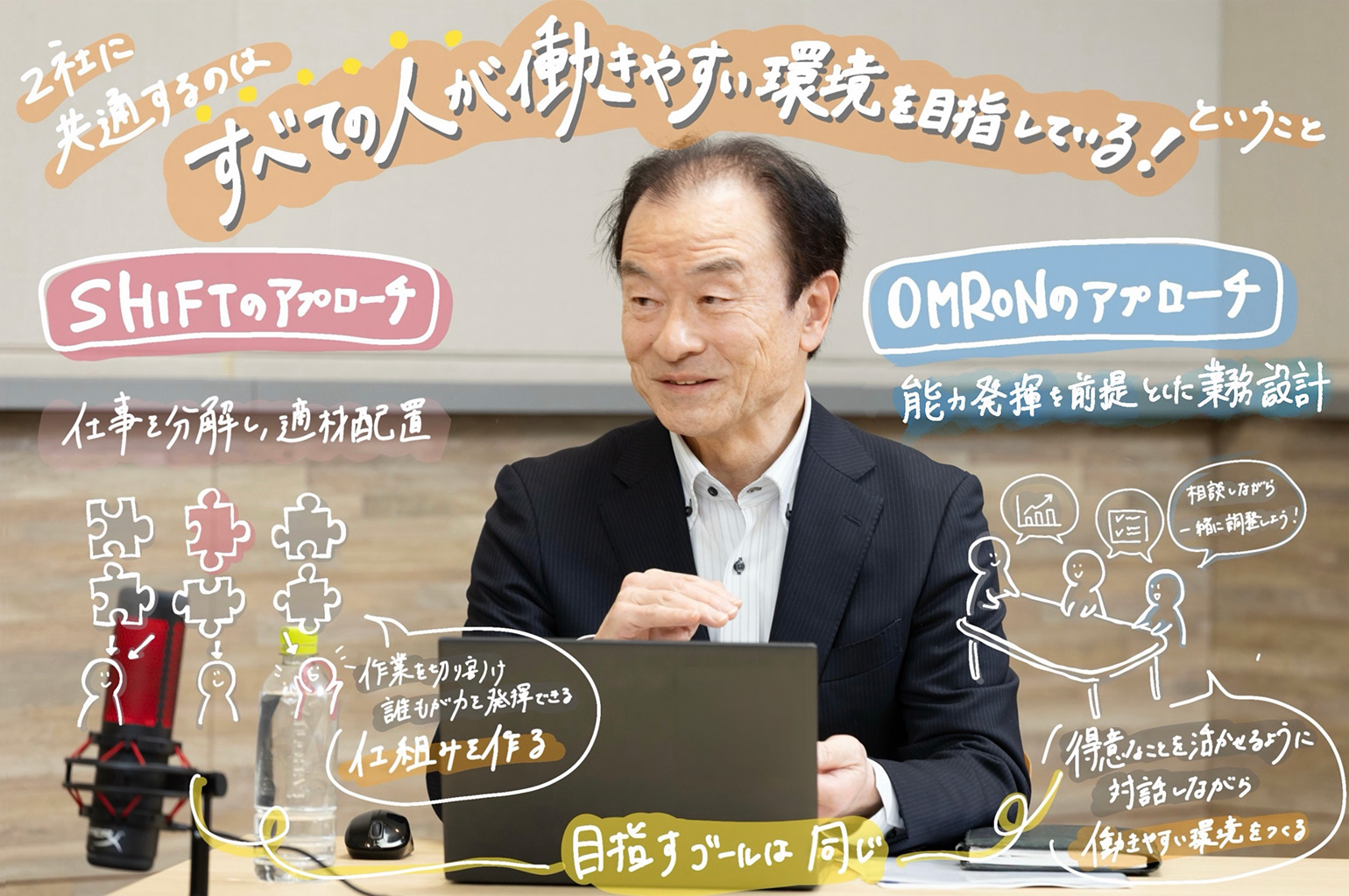
Kitamoto: I see. So, while there’s an approach like SHIFT’s—where tasks are structured in advance and organized based on required skills—there’s also an approach like Omron’s, where tasks are designed with the premise that individuals will perform to their full potential based on their unique characteristics and skills.
Although there are differences, both approaches share the common philosophy of “changing the design of the work and the environment” rather than “changing people to fit the work.” Creating an environment where everyone can perform to their full potential in the workplace may be the key to expanding a society that embraces neurodiversity.
Designing for “Contribution,” Not Just “Accommodation”: Tips for Building Organizations Based on Human Capital Management
Kitamoto: Given that you’ve established systems such as the CAT Certification and Top Gun, could you please explain in concrete terms—including the organizational structure—how operations are actually managed on the ground at SHIFT?
Oizumi: The Business Support Department is primarily composed of three groups. Group 1 handles administrative tasks, video production, web development, and other non-testing duties; Group 2 handles testing operations; and Group 3 is responsible for recruitment and new project planning. We operate as an organization through collaboration among these groups.
In terms of our organizational structure, we have established a hierarchy under each group leader, consisting of managers, assistant managers, leaders, and team members. Roles from leader level and below are primarily filled by employees with disabilities, while the management layer is composed of both employees with and without disabilities. Additionally, we have established a system where mental health specialists provide cross-organizational support, ensuring that the burden on frontline staff is not confined to a single department.
Tasks are broken down into detailed components, and currently, members with disabilities are handling a total of 1,121 projects. Some teams specialize in areas such as video production and operational improvements. By identifying specific tasks based on the needs of each department and assigning them appropriately, we have enhanced the organization’s overall responsiveness.
Furthermore, while implementing monthly one-on-one meetings and an evaluation system in line with company-wide standards, we are fostering an environment where employees can continue to thrive by providing opportunities such as promotion to full-time positions.
Miyaji: At Omron, we face the challenge of inconsistencies in the style of performance reviews depending on the supervisor. Do you have any guidelines for managers regarding environmental adjustments and reasonable accommodations during these regular reviews?
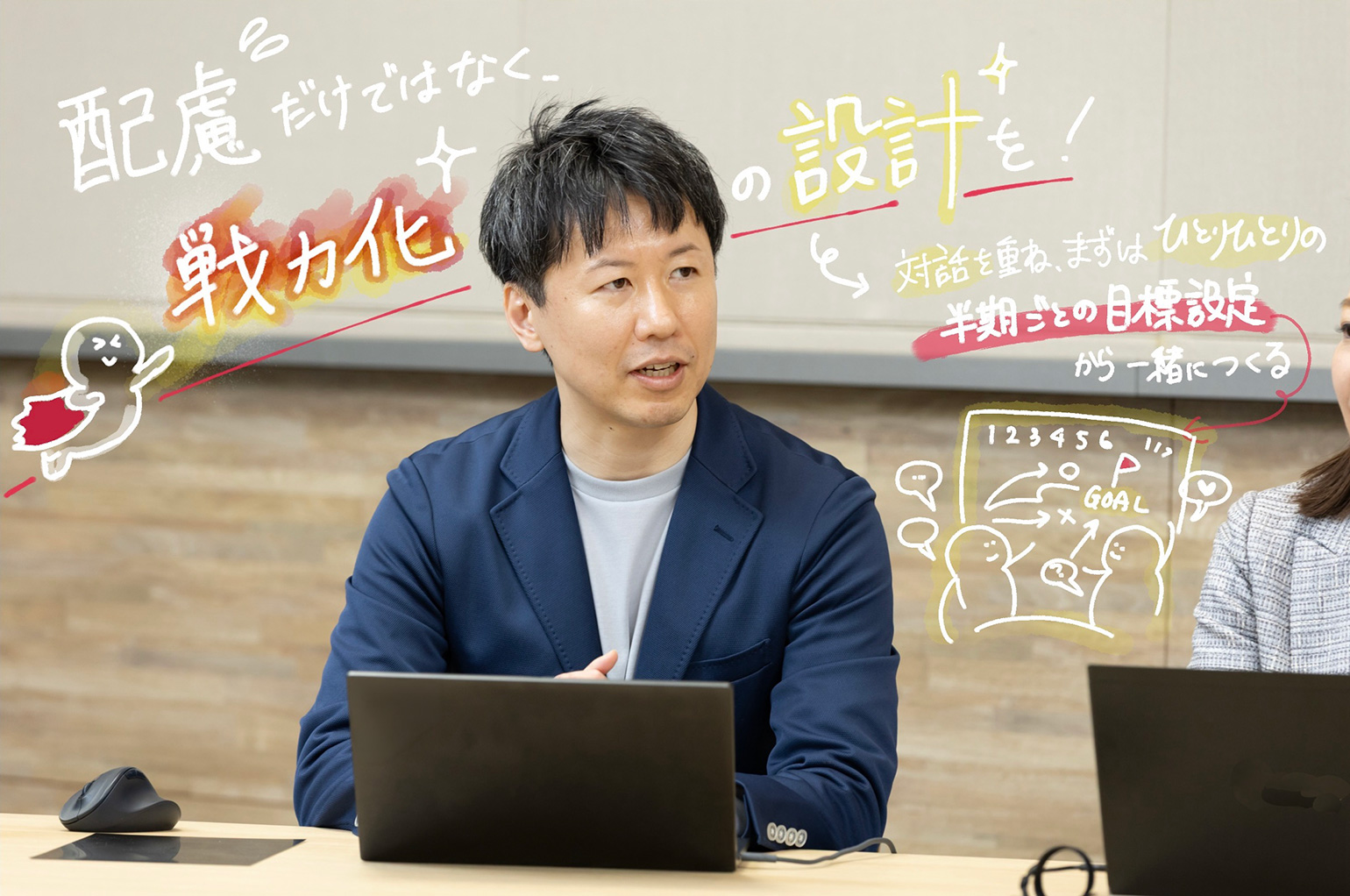
Oizumi: We don’t have formal guidelines, but we do provide a certain level of transparency regarding the content to be covered in these meetings. However, I believe what’s even more important is collaborating with employees to set goals together during the semi-annual “goal-setting” process. During that process, we clearly define objectives—such as what skills or approaches would allow them to expand their roles, or which specific tasks within their assigned responsibilities they should focus on in the coming half-year—and then work toward achieving them.During performance reviews, while we certainly discuss health-related matters, our conversations primarily focus on progress toward achieving goals and any challenges encountered.
We conduct these meetings with the stance of keeping results as the central focus while working together to determine what is needed to achieve them.
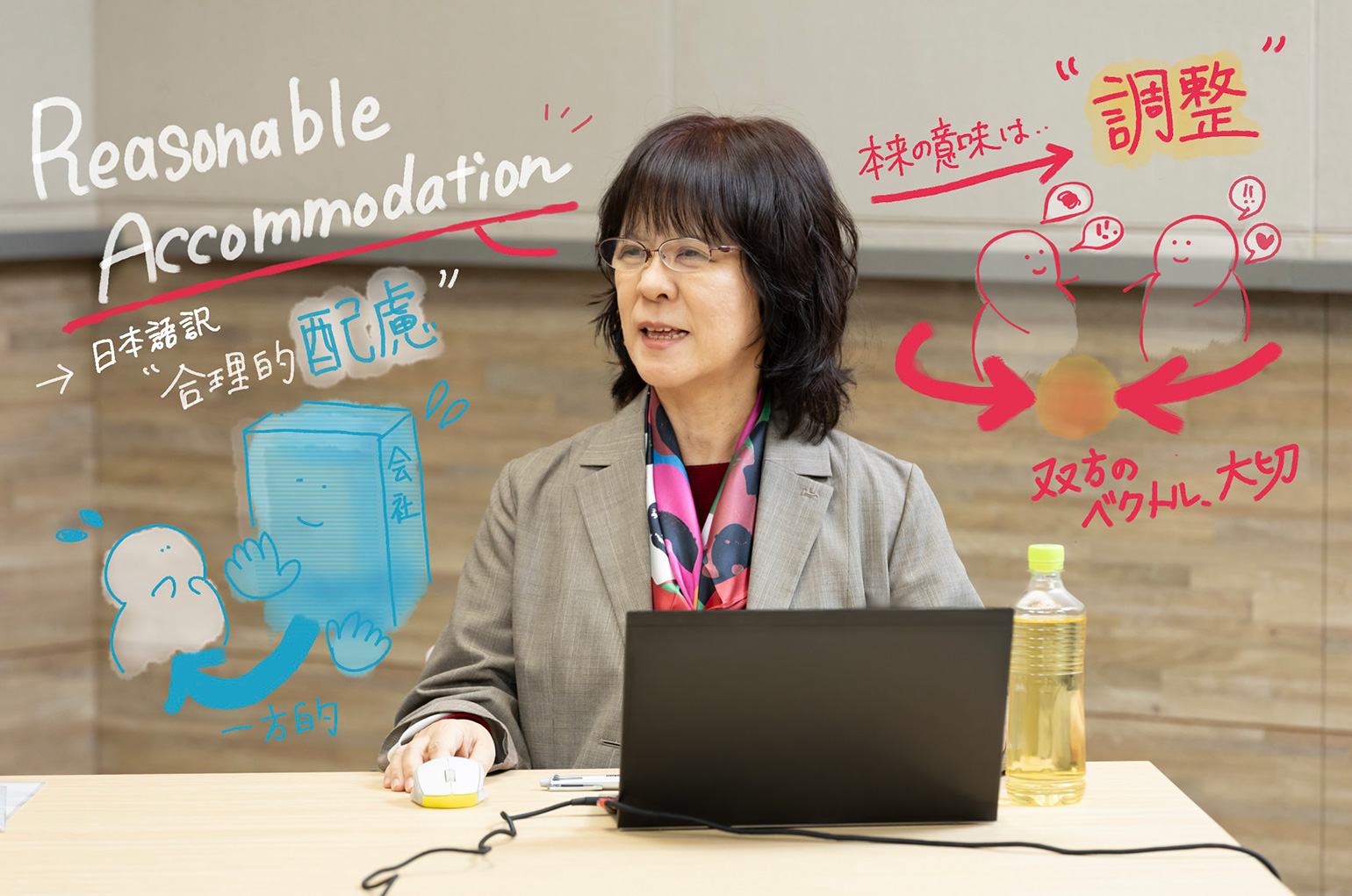
Arai: So, “reasonable accommodation” isn’t viewed solely as “welfare-oriented consideration” provided by the organization to its employees, but rather is defined from the perspective of “how to ensure work proceeds smoothly.”In English, “reasonable accommodation” is “Reasonable Accommodation,” and the term “accommodation” here essentially means “adjustment.” I believe it’s important to note that these adjustments are made in a reasonable manner based on dialogue with the individual—they are not simply “accommodations” unilaterally imposed by the organization.
Changing managers’ mindset in this way is crucial for an organization to effectively enable people from diverse backgrounds to thrive.
Kitamoto: At many companies, even when they want to implement neurodiversity initiatives, there are quite a few who say they don’t know how to get involved and are unable to take that first step. In this context, the fact that companies like SHIFT and Omron are updating their organizational structures from the perspective of human capital management seems likely to provide valuable insights for many other companies.
How does creating systems that bring out individual strengths contribute to organizational growth? SHIFT’s initiatives have provided a glimpse into how this works in practice.
In the next installment, we’ll take a closer look at Omron’s case study, where trial and error on the front lines sparked a management transformation across the entire organization. SHIFT’s “systems” and Omron’s “front-line strength”—though their approaches differ, we’ll explore the true nature of the “shared philosophy” underlying both.
*In this series, the term “disability” is used at the request of our guests.
Human Resources Division, Corporate Human Resources Department, Business Support Section
General Manager
After more than 10 years in corporate sales, as a career advisor, and in HR recruitment consulting at a comprehensive human resources services firm, he moved into service development. He joined SHIFT in October 2018. Following roles as an HRBP and leading the launch of the “second-career” recruitment program, he currently oversees the SHIFT Group’s employment initiatives for people with disabilities. He assumed the position of outside director at Infinic in November 2025.
Masashi Oizumi
SHIFT, Inc.
Human Resources Division, Corporate Human Resources Department, Business Support Section
Group Leader
After working in marketing and recruitment support at a recruitment advertising and human resources services company, he was responsible for employment support for people with disabilities and promoting local employment in the education and welfare sectors. He joined SHIFT in 2021. Currently, as the head of a group promoting the employment of people with disabilities, he is responsible for organizational management and process design for a team of over 150 members. His motto is a quote from Napoleon: “A leader is someone who instills hope.”
Isao Miyaji
After working at Omron in system development, planning, and as president of a software subsidiary, he served as president of a subsidiary for people with disabilities and was in charge of promoting the active participation of people with disabilities in the headquarters’ human resources department before retiring in March 2026. He is currently working to promote the widespread adoption of D&I through lectures at universities and speeches at companies, while also serving as a Kyoto Prefecture Advisor on Employment Practices for People with Disabilities and leading “ND Kyoto,” a council that promotes neurodiversity hiring among Kyoto-based companies.
Yukari Arai
DENTSU SOKEN INC.
Consulting Division, Strategic Consulting Unit
Group Manager
After working at a major telecommunications equipment manufacturer, he has held his current position since 2003. He is engaged in a wide range of consulting activities, including business reform, new business creation, and the development of technical talent for industrial equipment manufacturers and automotive OEMs. He also participates as a leader in DENTSU SOKEN INC.’s Neurodiversity promotion activities.
Specially Appointed Professor (Visiting) at the Dentsu Japan × Tohoku University Joint Research Institute for Diversity Work Models
After joining Dentsu Inc., she engaged in strategic PR, creative work, and content development for corporations, local governments, and numerous educational and cognitive development brands. In 2011, she participated in the founding of the Dentsu Diversity Lab. Since her college days, she has studied early childhood and elementary education and has worked with children with mental disabilities and developmental disabilities who possess exceptional talents. In 2020, she established “Scop,” a next-generation education company formed as a joint venture between Dentsu Inc. and TBS.Currently, at the Dentsu Inc. Future Business Research Institute, she primarily works on projects related to next-generation education, edutainment, and the space sector. She leads the neurodiversity project [noiro], which explores “future ways of working.” She is a certified childcare worker. Her authored and co-authored works include *The LEGO Book Museum* (Fusosha) and *Work That Creates Hope: Social Design* (Senden Kaigi), among others.

 The brain's many facets, the brain's many forms. Embark on a journey of neurodiversity. [4/5]