
Note: This website was automatically translated, so some terms or nuances may not be completely accurate.
 Introduction to Robotics Business [10/10]
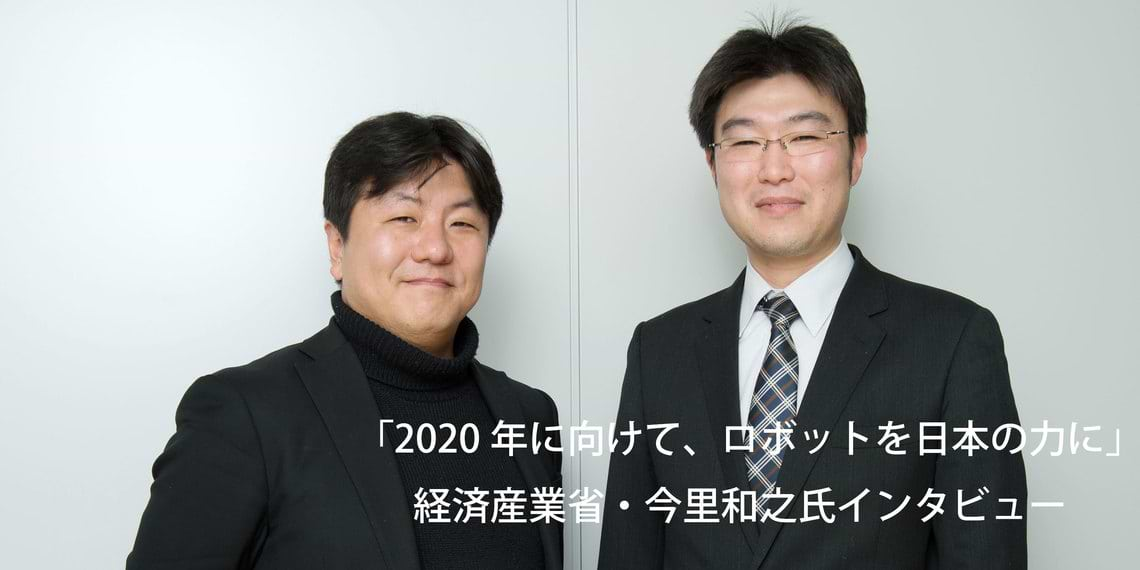
"Toward 2020: Making Robots a Strength for Japan" Interview with Kazuyuki Imazato, Ministry of Economy, Trade and Industry (Part 2)
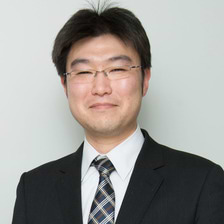
Kazuyuki Imazato
Ministry of Economy, Trade and Industry

Nishijima Yorichika
Dentsu Inc.
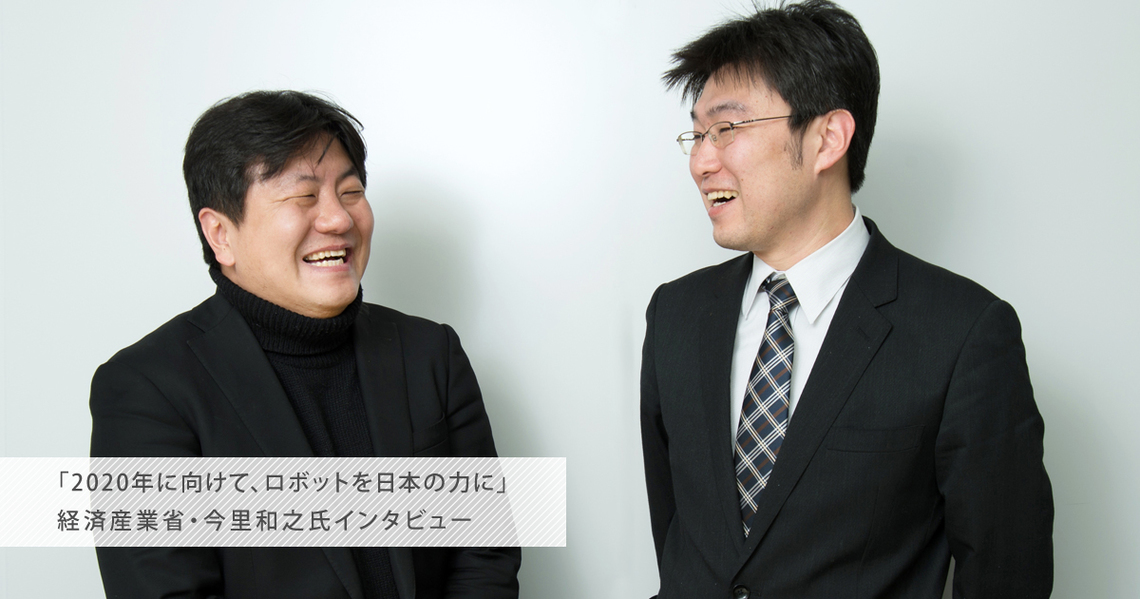
Japan Leading the World in Robot Development and Utilization
Nishijima: Could you briefly explain the Ministry of Economy, Trade and Industry's (METI) framework for supporting robotics?
Imazato: METI has supported the use of industrial robots in factories and similar settings since the era of the Ministry of International Trade and Industry (before 2001). Then, responding to the emergence of diverse robots like those for daily living support, we established the "Robotics Industry Office" in 2005. This was the only organization within the ministry specifically named for robotics, created to support a broader range of robot applications. It is located within the Industrial Machinery Division of the Manufacturing Industries Bureau, where I work.
Here, we support organizations like NEDO that are pioneering robot development and application, coordinate the "Robot Revolution Realization Council" (which the government led until January), and oversee the "Robot Awards."
Nishijima: In terms of communicating with the general public and raising awareness, I believe the Robot Revolution Realization Council played a part in that. Could you give us an overview?
Imazato: This council began after Prime Minister Abe declared in his speech at the OECD Ministerial Council in May last year, "Japan will initiate a new industrial revolution using robots, and we will create a strategy to achieve this." Recognizing the need for the government to unite in supporting the robotics industry and for the public and private sectors to share a common direction, the Prime Minister initiated a top-down effort to develop a comprehensive strategy.
Nishijima: The final meeting was held in January. What outcomes were achieved?
Imazato: Based on the discussions within the Robot Revolution Realization Council, we compiled the future action plan into the "Robotics New Strategy" and announced it on January 23rd. Furthermore, it was approved on February 10th by the Japan Economic Revitalization Headquarters, which includes all cabinet ministers. The Headquarters is the command center for realizing the "three arrows" of monetary policy, fiscal policy, and growth strategy championed by the Abe administration. This means the government will rigorously implement the "New Robot Strategy." The strategy has three fundamental pillars.
Nishijima: What are they?
Imazato: The first is to make Japan the world's leading hub for robot innovation. This involves further refining the research, development, and technological capabilities Japan has cultivated to create an environment where new robots continuously emerge from Japan.
The second pillar is building the world's most advanced robot utilization society. It's not just about creating robots; it's about ensuring they are truly useful in daily life, solving societal challenges, and building a society that truly masters robot use. In other words, a "barrier-free society enabled by robots."
Third, Japan must seize international leadership in the IoT society that lies beyond the creation and mastery of robots. As robots become a major core of the information industry, Japan should leverage its accumulated strengths to spearhead global initiatives.
Nishijima: So these are the strategies needed for robots to permeate society and become a driving force for Japan to lead the world.
Imazato: To advance these three pillars, we plan to launch the "Robot Revolution Initiative Council" this spring.
We intend this council to be an open forum, embodying precisely the "world leadership" intent Mr. Nishijima just mentioned. We will broadly gather those involved in robotics—manufacturers, companies using robots on the front lines, researchers—to share strategy and disseminate information. We also aim to explore collaborations with overseas companies and projects through international partnerships. The new strategy won't be confined within Japan; we want to actively engage the world.
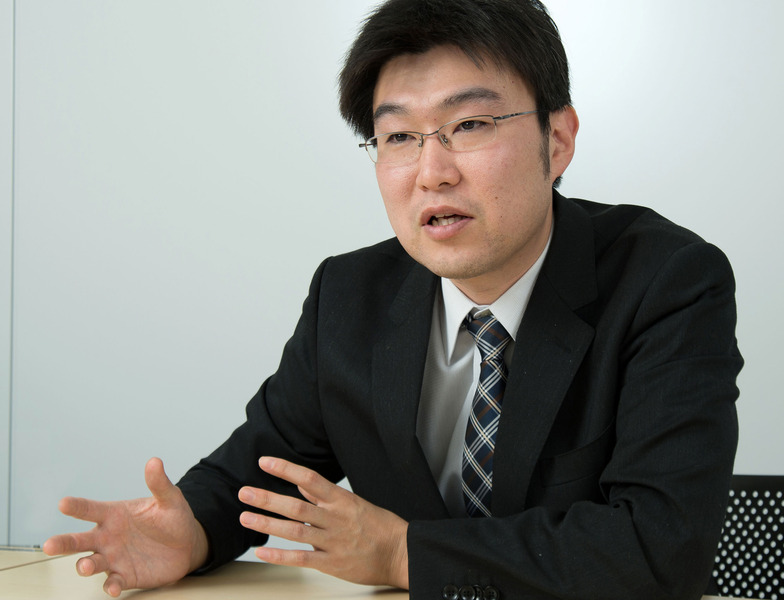
Building a foundation for robots suited to our changing society
Nishijima: Regarding global outreach, the new strategy proposes hosting the "Robot Olympics" in 2020.
Imazato: Yes, this is also a key item. However, the name itself is still tentative, and the details have not been finalized. As a milestone, we plan to decide the format and events by next year and hold a pre-event in 2018.
Nishijima: Are there any other concrete actions targeting 2020?
Imazato: While the council and Olympics are positioned as cross-sectoral initiatives, some sector-specific items include concrete numerical targets. For example, in collaboration with the Ministry of Land, Infrastructure, Transport and Tourism, we aim to use robots for 20% of inspections of aging bridges and tunnels nationwide. With the Ministry of Health, Labour and Welfare, we're working in the nursing care field to reduce the risk of back pain for caregivers using power suits and similar technologies.
Nishijima: That's quite specific. Is collaboration with each ministry crucial here?
Imazato: Exactly. It's essential to move forward together with everyone—not just ministries, but private companies, related organizations, researchers, and people from all walks of life. This isn't a world that changes through one ministry acting alone. Fundamentally, considering METI's mission to revitalize Japan from an economic and industrial perspective, there was always this underlying stance of broadly recognizing problems with all stakeholders and seeking solutions together.
For example, in the fields of nursing care and infrastructure/disaster response, METI has supported private companies and research institutions in developing devices. Meanwhile, the Ministry of Health, Labour and Welfare (MHLW) and the Ministry of Land, Infrastructure, Transport and Tourism (MLIT) have communicated field needs early in the development process, facilitated their utilization, and conducted field trials of prototype devices. Starting next fiscal year, we plan to implement similar initiatives in the manufacturing and service sectors.
I believe the most significant message from the Robot Revolution Realization Council, which formed the basis for the new strategy, is that "a society where we live alongside robots is truly about to arrive." If we consider robots in a broad sense, including functions that recognize the external environment, make judgments, and generate added value, there remains significant room for growth even in the industrial sector. Furthermore, the things we use in our daily lives will increasingly merge with robotics. The field of communication robots, in particular, holds great potential for development.
Nishijima: What role do you see communication robots playing?
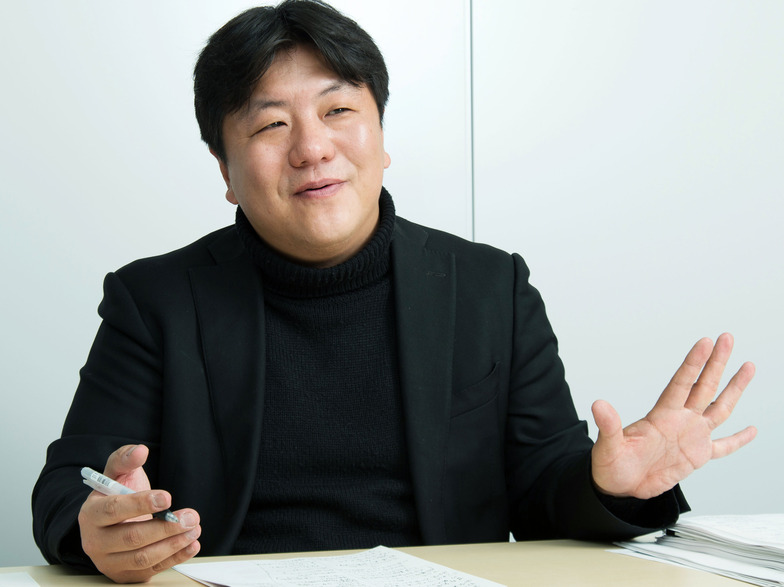
Imazato: Personally, I believe robots that can be close to people and engage in communication hold great potential. Some experts suggest that communicating and enjoying conversations through robots can have medical benefits, such as preventing dementia. Moving forward, we need to conduct more data-driven research and explore how to promote their adoption in society, which will require collaboration with the Ministry of Health, Labour and Welfare. The key principle here is to introduce robots that are useful and practical in the specific settings where they can be effectively utilized.
Nishijima: So regardless of the field, you consistently prioritize promoting real-world use, right?
Imazato: Things no one could have predicted just a short while ago are rapidly becoming reality. In a society coexisting with robots, it's no longer sufficient for only the robot builders to think about robots; we've entered a new era where everyone must think about them. We need to develop not just large, specialized robots for specific production lines used by large corporations and certain industries, but also small, versatile robots that are easy for small and medium-sized enterprises to use. Furthermore, to get people who have never used robots to adopt them, affordability is essential. We also need to shift our technological development focus from traditional machinery-centric approaches to one that enables collaboration across diverse fields like advanced sensors, cloud computing, and artificial intelligence. Therefore, we believe we must keep an open mind, listen to various voices, and establish systems and infrastructure suited to this future society coexisting with robots.
Nishijima: When I think of government agencies, I used to imagine them being very detached from the field. I didn't realize the Ministry of Economy, Trade and Industry was thinking so flexibly from the user's perspective. I understand you maintain a broad view of the robotics industry, but rather than just imposing regulations, you are constantly considering how to ensure users can safely utilize robots.
We would very much like to join you in exploring ways to ensure robots serve people effectively and to share these insights globally from Japan. Thank you very much for today.
Imazato: Thank you.
Was this article helpful?
Share this article


Newsletter registration is here
We select and publish important news every day
For inquiries about this article
Back Numbers
2015/03/17
"Toward 2020: Making Robots a Strength for Japan" Interview with Kazuyuki Imazato, Ministry of Economy, Trade and Industry (Part 1)
2015/02/23
Interview with Matsukoroid Developer Professor Hiroshi Ishiguro Part 2: What is the Truly Desired UI According to a Robot Development Pioneer?
Author
Kazuyuki Imazato
Ministry of Economy, Trade and Industry
Nishijima Yorichika
Dentsu Inc.
Business D&A Bureau