
Note: This website was automatically translated, so some terms or nuances may not be completely accurate.
 Shareable Creatives [1/1]
Make Kobukuro go viral

Kenjiro Yose
Beijing Dentsu Inc. Advertising (Shanghai)

Yoshihiko Inoue
Dentsu Inc.
The era has shifted from communication focused on "conveying" to communication premised on being "shared" by people. This column, delivered by creators at the iPR Bureau who daily practice and contemplate the nature of advertising in the social media age, is one you'll find yourself wanting to share (?).
"Make it go viral by tomorrow" (Inoue)
Lately, I feel like I hear this impossible demand more often. To create such buzz, being "shared" by media and consumers is essential. For us living in the heyday of SNS, thinking about "shareable" communication is a fundamental challenge. The creatives at iPR Bureau plan and execute social-era creative aimed at achieving this buzz every day. Members of that team, Yose and Inoue, bring you the commemorative first installment of this column.
This time, we'll share a project we worked on for Warner Music Japan. Based on the brief, "We want to generate buzz around Kobukuro's new song 'Miracle'," we'll share what we thought and how we approached it.
"Incomplete information is precisely what sparks sharing" (Yose)
The song "Miracle" was set for release on March 4th. The challenge was how to make it go viral. As anyone who's heard it knows, it's an upbeat track with powerful, encouraging lyrics. Intuitively, we felt it would resonate deeply with many people during the season of change that is March. Kobukuro is an ultra-major artist. Even without any effort, many fans will talk about them and buy their music. But that alone doesn't mean we've created buzz. The challenge we set for ourselves was communication that would also capture the attention of people "outside" the Kobukuro fanbase, getting more people talking about it. How could we solve this challenge? After much deliberation, we envisioned a structure where existing fans became the starting point for buzz, spreading out in concentric circles. Precisely because Kobukuro already has such dedicated fans, we wondered if we could realize a co-creation-based communication strategy centered around them.
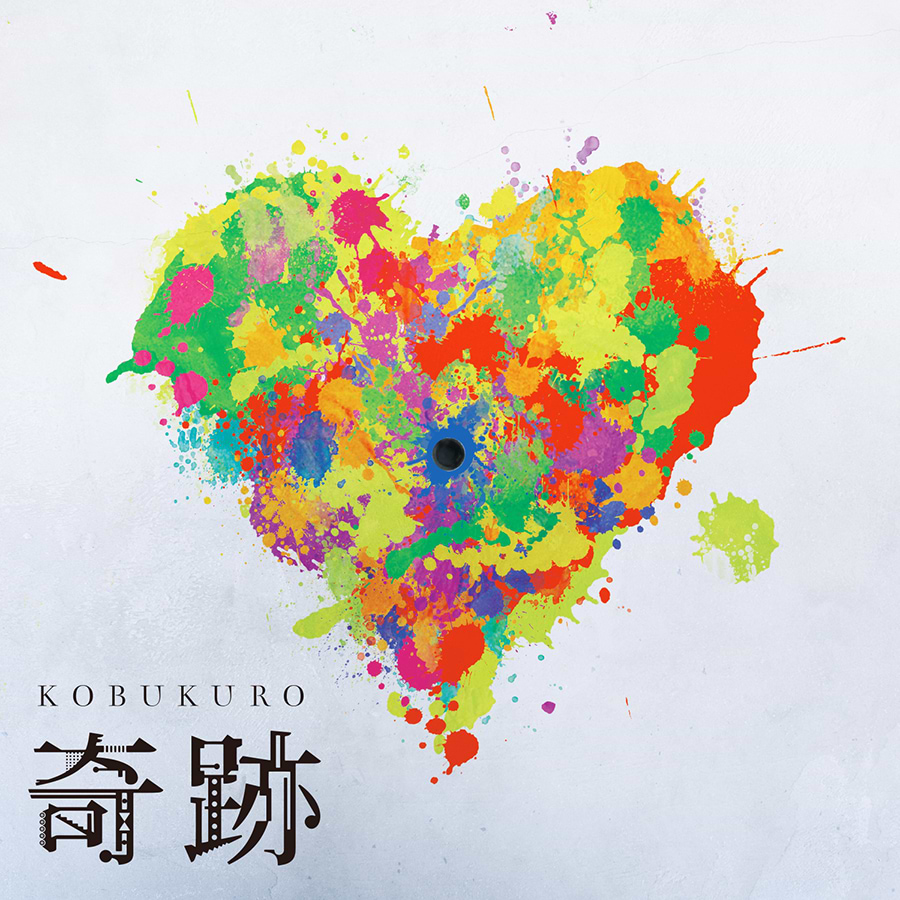
First, take a look at this CD jacket photo (Image ①). A small black hole sits at the center of a heart drawn with splattered ink. Surprisingly, this hole is actually a physical hole in the design. (※First Press Limited Edition)

Next, look at the artist photo (Image ②). On the right hand of Kobukuro's members is a mysterious glowing ring. It glows red and blue.
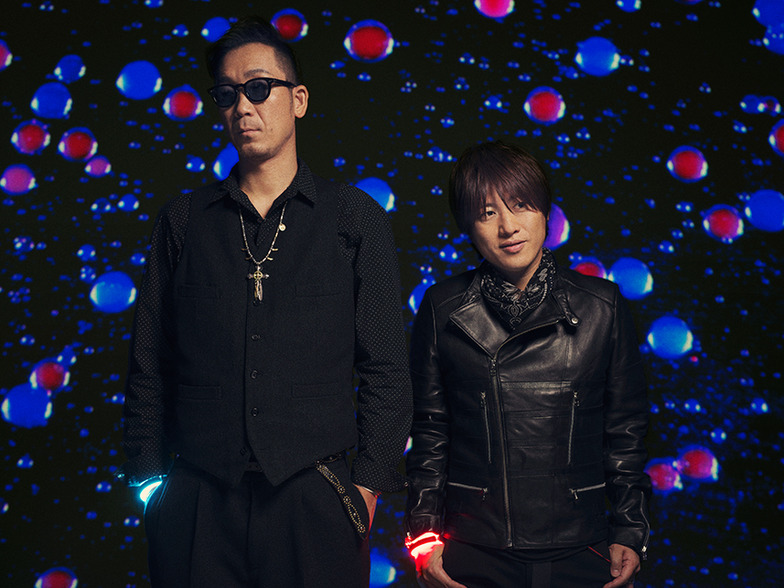
What might fans think upon seeing this? "What does the black hole in the center of the 'Miracle' jacket mean?" "Those rings on their arms—they must be key to this song." We saw numerous instances of fans freely speculating and sharing their thoughts on social media. Exactly. They were simply starved for Kobukuro news. Whenever new information surfaced, they'd catch it, share it, and enjoy speculating together like it was a guessing game. This was precisely our goal. By deliberately releasing incomplete information, we confirmed the moment when buzz began building, centered around the fans.
Next, we released the music video (Image ③). This finally solved the aforementioned mystery. In the video, troubled individuals plug earphones into a heart-shaped headphone jack, causing Kobukuro to appear within their hearts, where they hear "Miracle." The story unfolds as they gain courage from the song and recover. We also incorporated a technical twist: the mysterious rings the two wore were actually heart rate monitors, serving as devices that dynamically altered the background visuals in real time. Fans who watched this video likely felt their lingering confusion clear away, a complete story forming in their minds, amplifying their desire to share it with others.
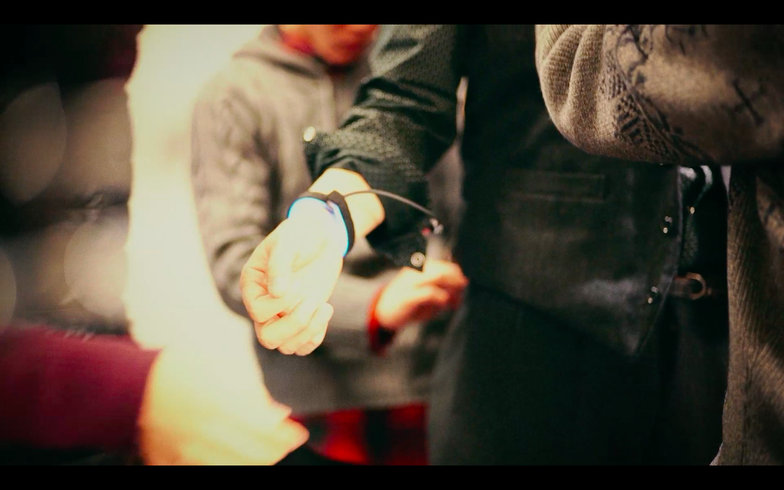
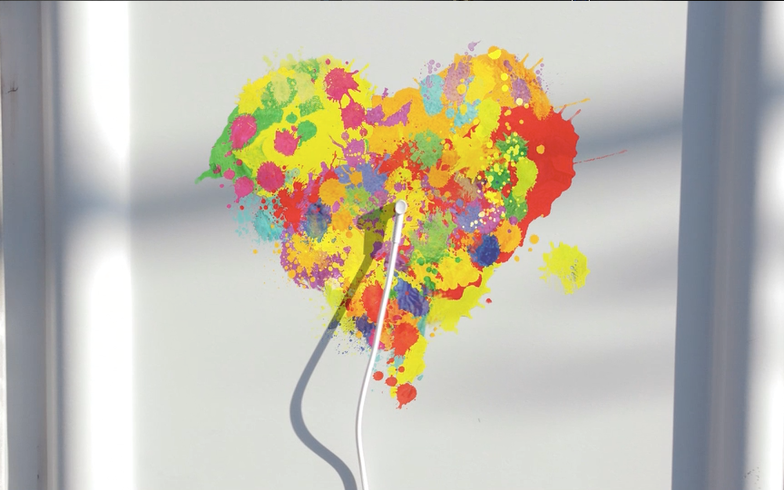
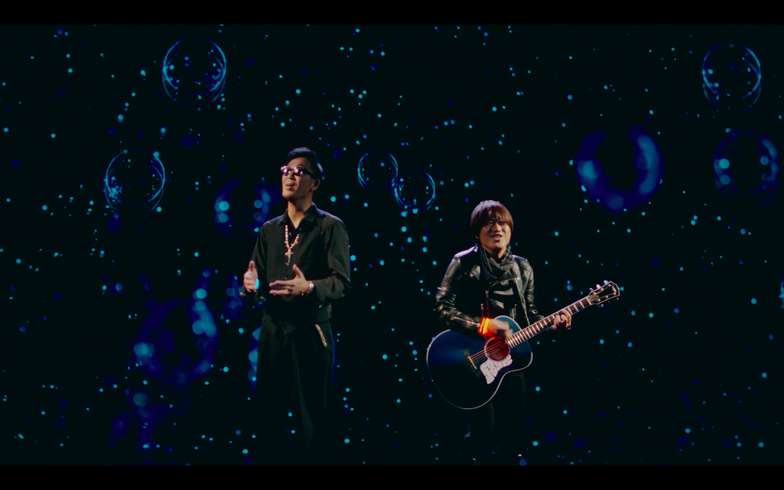

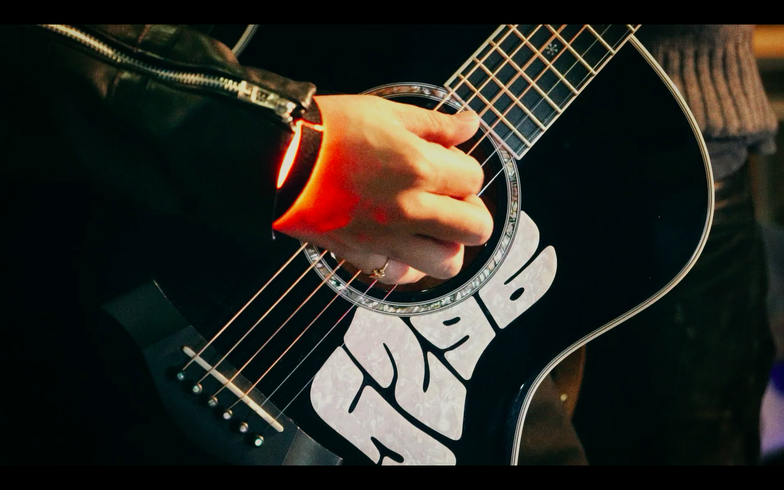
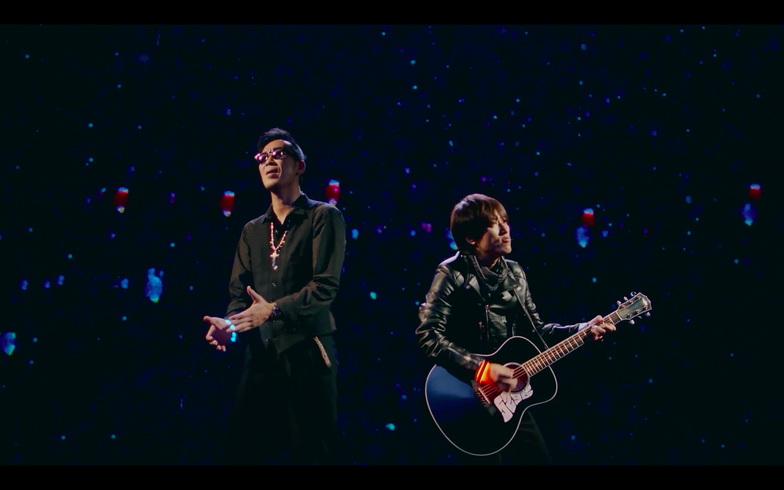
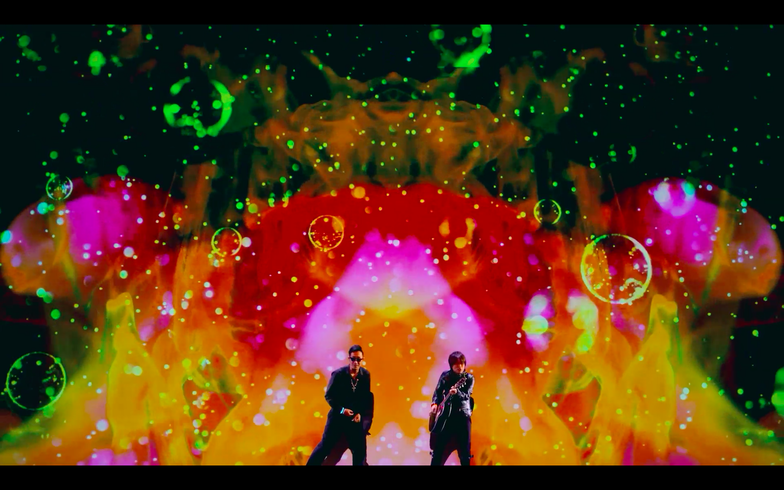
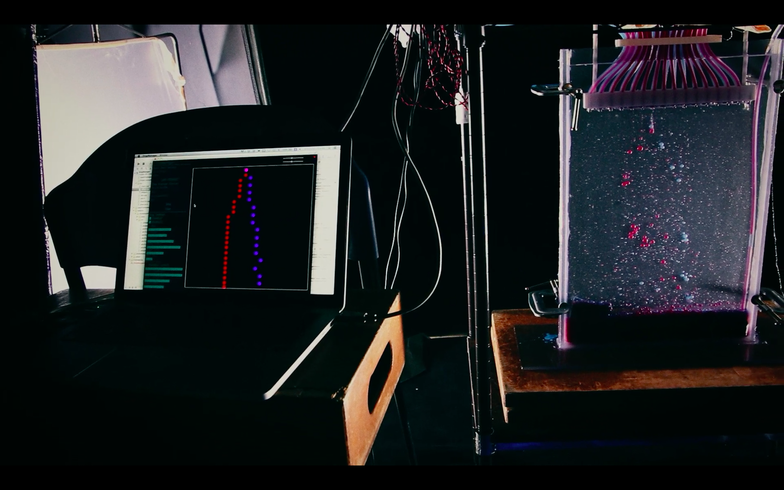
Image 3: A device that fires water droplets in sync with their heartbeats, causing the light effects to change in real time.
The result was a "miracle" video impossible to recreate.
Furthermore, the heart-shaped earphone jack appears as a key item within the story.
Watching the MV reveals the meaning behind the mysterious hole.
(Video here:https://www.youtube.com/watch?v=0NVlWFTXGfI)
Indeed, social listening revealed an endless stream of positive comments like, "Watched the MV. The meaning of that hole on the jacket... (tears)" and "The MV is insane. I get the meaning of the promo photos, jacket art, and the glowing bracelet now!" This sparked many fans to actively share more information. Furthermore, as a real-world initiative, we installed a heart-shaped earphone jack on the wall of Tokyo Tower's Main Observatory (Image ④). Fans who heard about it kept coming, and photos were uploaded to social media day after day.
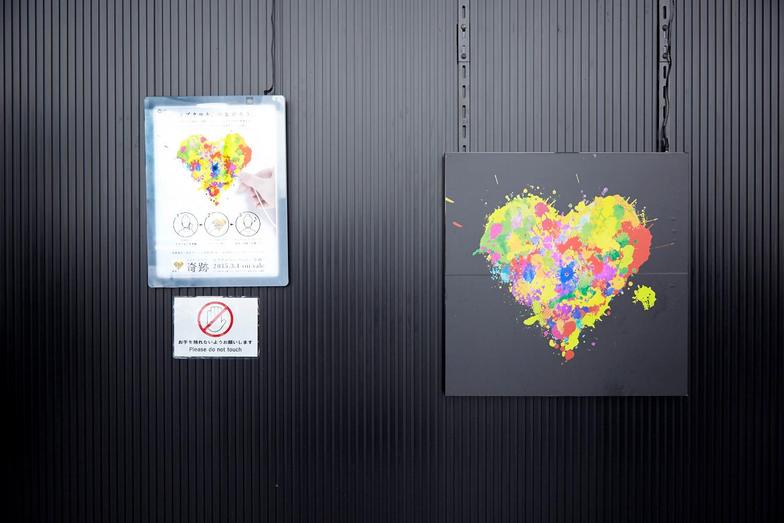

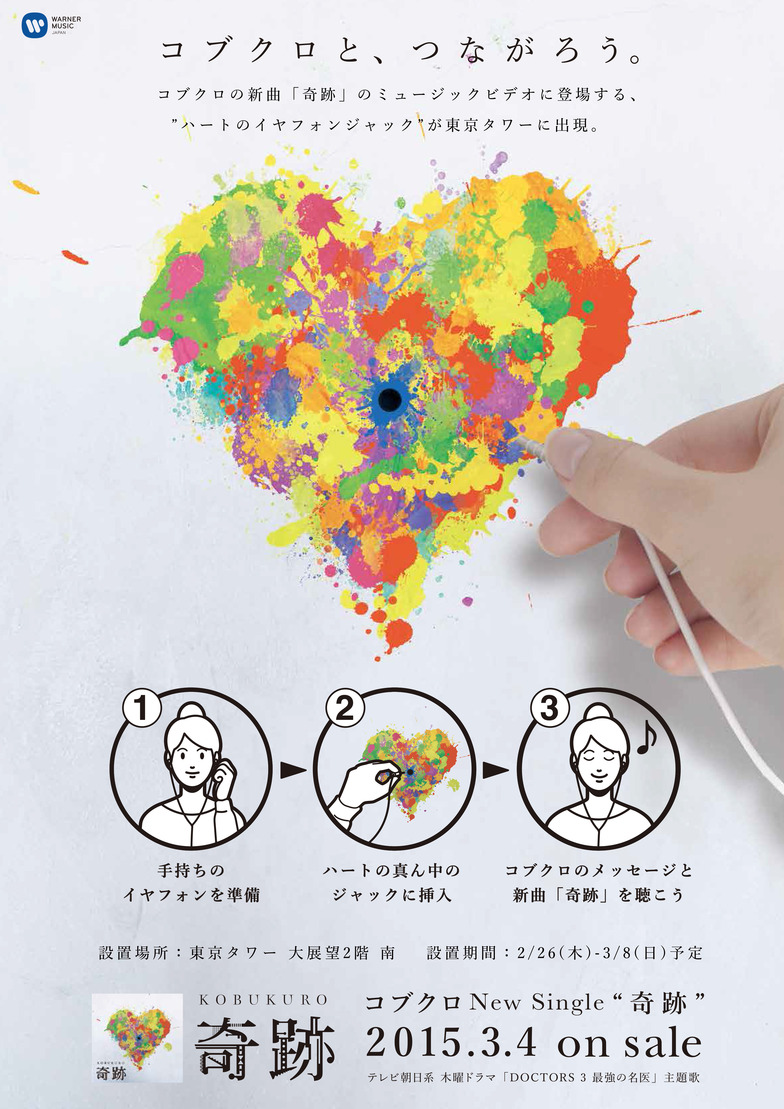
Image ④: The heart-shaped earphone jack installed at Tokyo Tower's Main Observatory.
Plug in your earphones to light it up and listen to the song along with a message from Kobukuro.
Then, on March 4th. The CD jack seen in the music video was open on the CD jackets displayed in stores. Fans who purchased this CD shared photos of themselves pretending to plug headphones into the CD jacket, generating even more shares here. (Image ⑤)
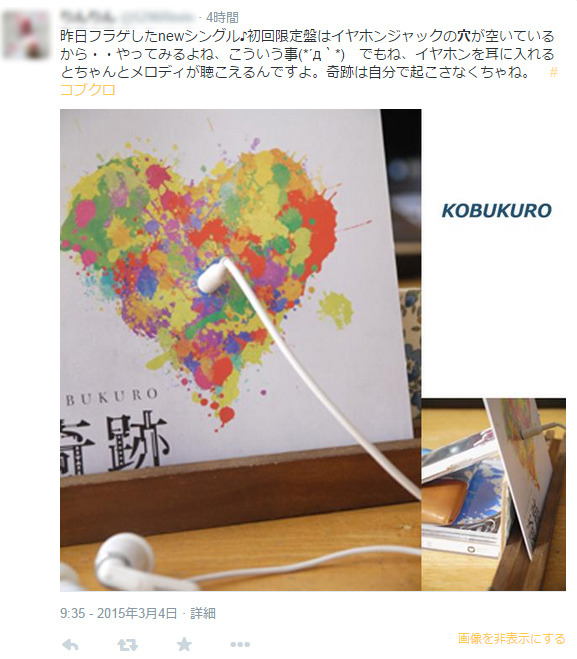
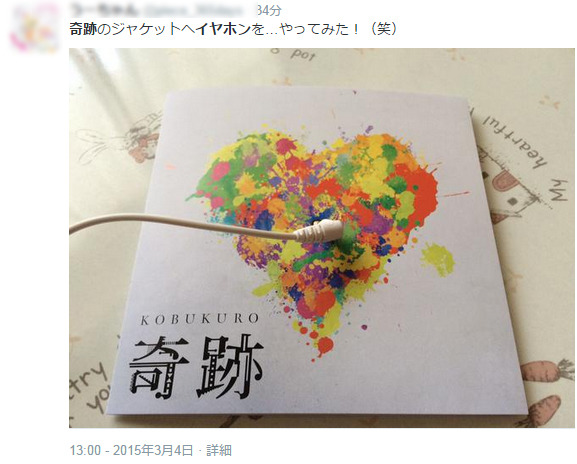
Image ⑤: A user's Tweet playing with the CD jacket by inserting headphones.
"Inviting fans into the communication story" (Inoue)
This case highlights the importance of co-creative story design that involves deeply loyal fans as influencers in communication. Sharing isn't something just anyone does; it's primarily driven by highly engaged fans. Not only in this case, but movies, manga, cars, and other areas often have strong, dedicated fanbases that form communities. Skillfully incorporating these passionate fans into the communication story and creating buzz together – perhaps that's where the potential for viral success lies.
Was this article helpful?
Share this article


Newsletter registration is here
We select and publish important news every day
For inquiries about this article
Author
Kenjiro Yose
Beijing Dentsu Inc. Advertising (Shanghai)
Social Creative Director
Articles by this person
Yoshihiko Inoue
Dentsu Inc.
iPR Bureau
Copywriter/Planner (Field-based)