
Note: This website was automatically translated, so some terms or nuances may not be completely accurate.
 Dialogue: "Business and creativity are very similar games." [2/3]
"For Good" in Business and Creativity
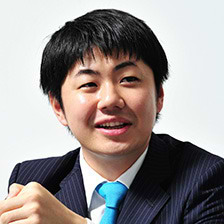
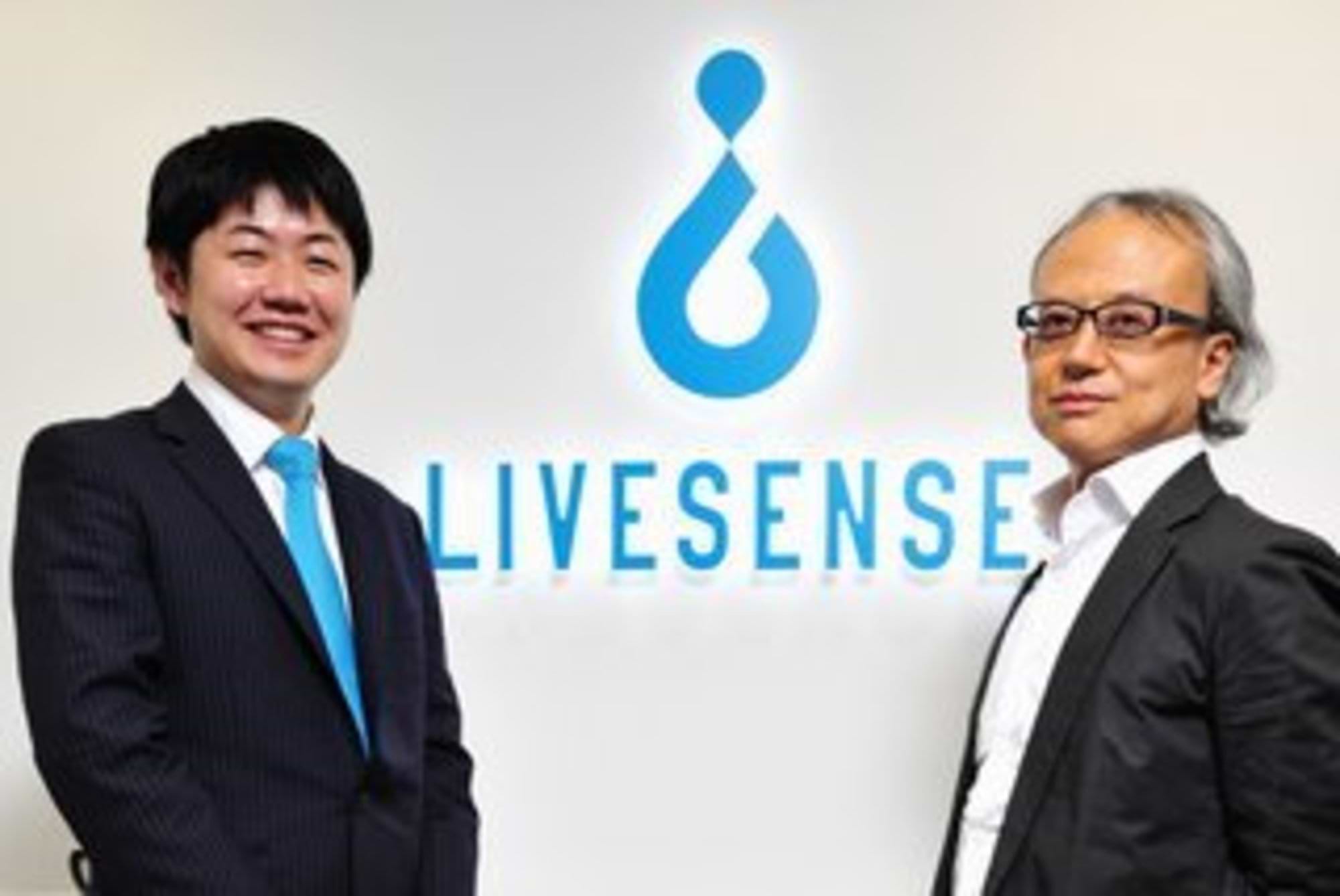
Taichi Murakami
Livesense Inc.
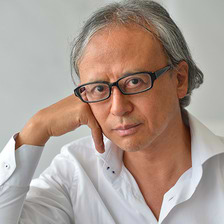
Yuya Furukawa
Furukawa Hiroya Office, Inc.
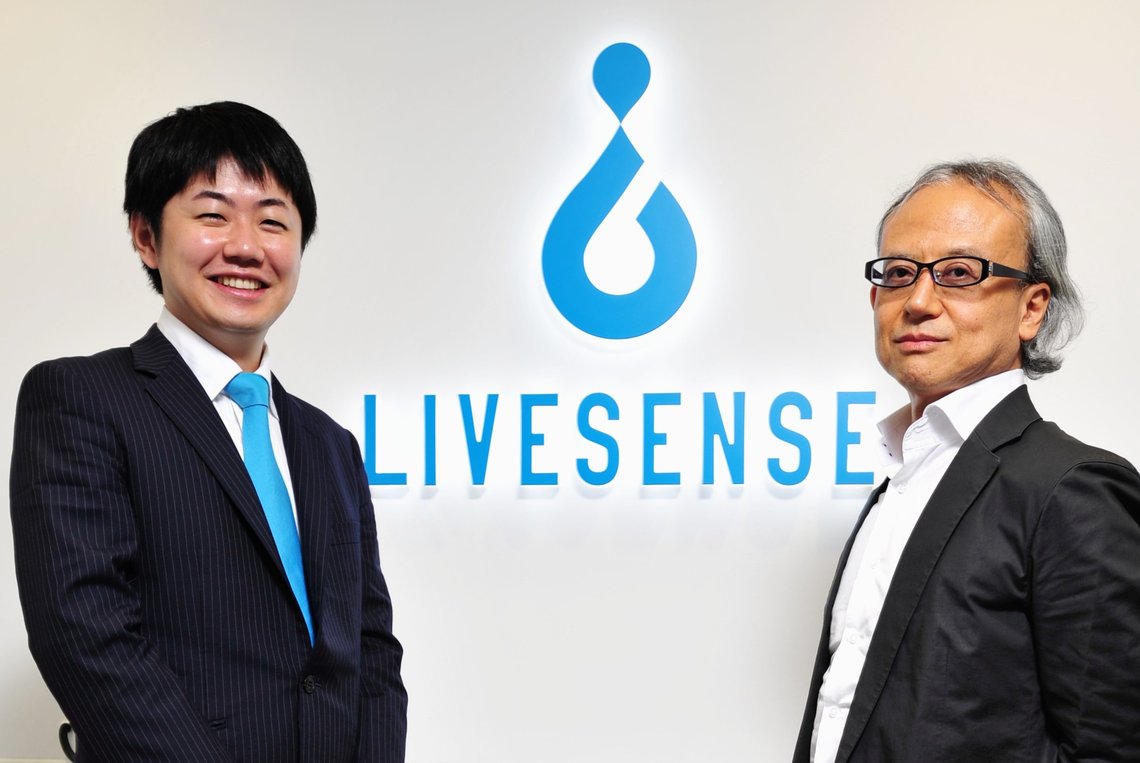
Part 2: "For Good" in Business and Creativity
The discussion between the sharp young business leader and the seasoned creative director grew intense. The conversation turned to a core issue capturing the current trends of the times.
The keyword presented by Mr. Furukawa was "for good." He argued that both the creative world and the business world are now facing a time when this "for good" is being rigorously questioned.
An era where we are rigorously questioned on whether we are moving "for good"
Furukawa: In the advertising industry lately, people often talk about the era of "for good." The ultimate human aspiration is the idea of what brands can do to improve the world we all inhabit. It's not exactly like Kennedy's famous line, "Ask not what your country can do for you, but what you can do for your country," but it's about what you can do, not what the country can do for you. Around the time of the Lehman Shock, this kind of atmosphere emerged globally.
We've shifted from an era dominated by "strong" to one dominated by "good." Whether it's new startups or existing businesses, they're now rigorously questioned on whether they steer the world toward "for good." If the 20th century was the century of conflict, this might be humanity's instinctive desire to somehow make the 21st century a better one.
Murakami: The definitions of words like "respect" and "cool" in society are changing too, right? For example, in the US, Teach For America, which sends college graduates to underserved areas nationwide, topped the most popular job rankings. It's become "cool" to give back your abilities to society, rather than just making money and showing off. That's a big shift.
Furukawa: I agree.
Murakami: Also, previously, the people evaluating world events and phenomena were a limited group—the "authorities." But with the spread of the internet, ordinary people have increasingly gained the power to evaluate and share their opinions. This has led to a re-evaluation of traditional authority. Now, even if someone influential says something, people without specialized industry knowledge can dismiss it with comments like, "Isn't that lame?"
I also feel that the definitions of words themselves have been changing. In the past, looking at the "sky" evoked a sense of "freedom." People couldn't fly, so seeing birds soar felt like the embodiment of liberty. But now, with airplanes commonplace, even a single word like "sky" carries a different emotional weight.
Mr. Furukawa, you mentioned the term "for good" earlier. I think its meaning differs in nuance from the world of CSR (Corporate Social Responsibility).
Furukawa: It's completely different. "For good" is 100% about the core business. It means equating "making money" with "doing good." It's the idea that we use our brand and capabilities to improve society in this way, and therefore our brand or company has a reason to exist. I think accountability for that is being demanded more than ever. In other words, only companies that can consistently and clearly answer the question, "What is the purpose of this company?" will gain everyone's support, earn respect, and ultimately generate profits.
Overlapping with Mr. Murakami's earlier point about the decline of authority, what was previously dismissed as mere public opinion has now become something absolutely impossible to ignore.
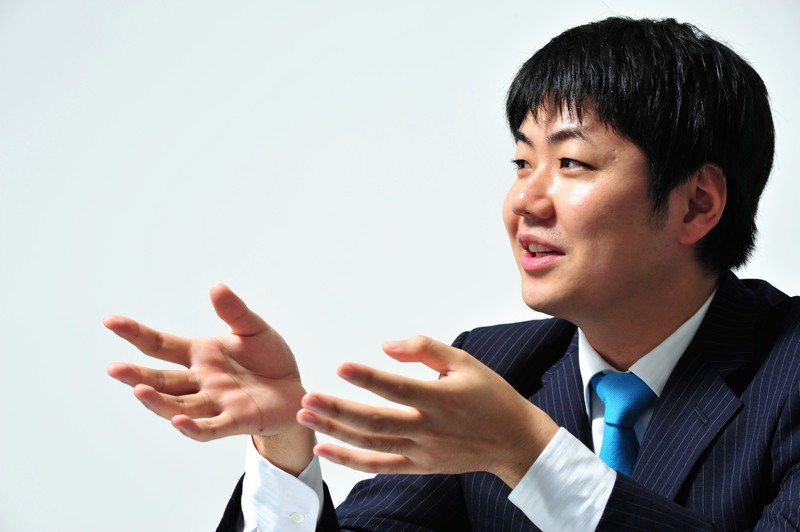
Profit and "for good" are one and the same. They must be multiplied.
Furukawa: As a leader, Mr. Murakami has continually asked himself what his company's "for good" should be. That's what makes Mr. Murakami new, right?
Murakami: Our company name, "Livesense," originally comes from the phrase "meaning of life." Under the belief that "meaning of life = becoming happy," we aim for both our customers and ourselves to find happiness through using our services. It's about "happiness born from happiness." Essentially, we wanted to build a company where we feel happy by bringing joy to many people.
However, facing the reality of the business world, there's a tendency for products to be valued simply for being cheap, and I think entrepreneurs struggle with that. It's not like people will unconditionally choose your product or service just because you're doing "for good." But rather than splitting into extremes of prioritizing corporate profit or solely serving society, I feel we're navigating between those points, climbing a spiral staircase, gradually moving toward "for good."
Furukawa: We're definitely climbing that staircase. In the past, "profit" and "society" were entirely separate concerns. Now, profit and "for good" must be integrated; unless they multiply each other, no one will trust you. Put another way, even if a company's profits temporarily rise, unless it can prove its activities themselves are "for good," it's destined to be weeded out.
Even in the Cannes Lions Festival's evaluations, it used to be a game about whether the idea for a challenge was good or not. Now, the significance and elevation of the challenge itself is being questioned. It's becoming impossible to get evaluated without considering the brand's social, human, and historical value. I think this overlaps with what Mr. Murakami mentioned earlier about "happiness born from happiness."
Murakami: Yes, exactly. It's about contributing to society. It's about a new standard of value that transcends the easily measurable benchmark of currency. I think what's increasingly demanded is quantifying that social significance – something that was previously hard to visualize.
Actually, one personal project I'm passionate about is visualizing all this social significance. By making the positive impact on society – the "for good" aspect – more visible, I believe it could transform corporate activities and individual behavior.
Furukawa: That's incredibly interesting. Until now, monetary value was the only dominant standard. But when it comes to purpose, is that truly enough? I feel that unless there's a clear connection – like, "We did this 'for good' initiative to generate this much monetary value, hence this profit" – it's becoming harder to earn respect.
Was this article helpful?
Share this article


Newsletter registration is here
We select and publish important news every day
For inquiries about this article
Author
Taichi Murakami
Livesense Inc.
President
Yuya Furukawa
Furukawa Hiroya Office, Inc.
Creative Director