
Note: This website was automatically translated, so some terms or nuances may not be completely accurate.
 Dialogue: "Business and creativity are very similar games." [3/3]
"Happiness Born from Happiness"
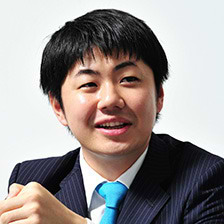
Taichi Murakami
Livesense Inc.
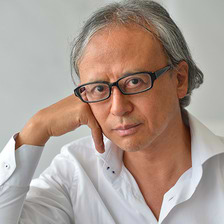
Yuya Furukawa
Furukawa Hiroya Office, Inc.
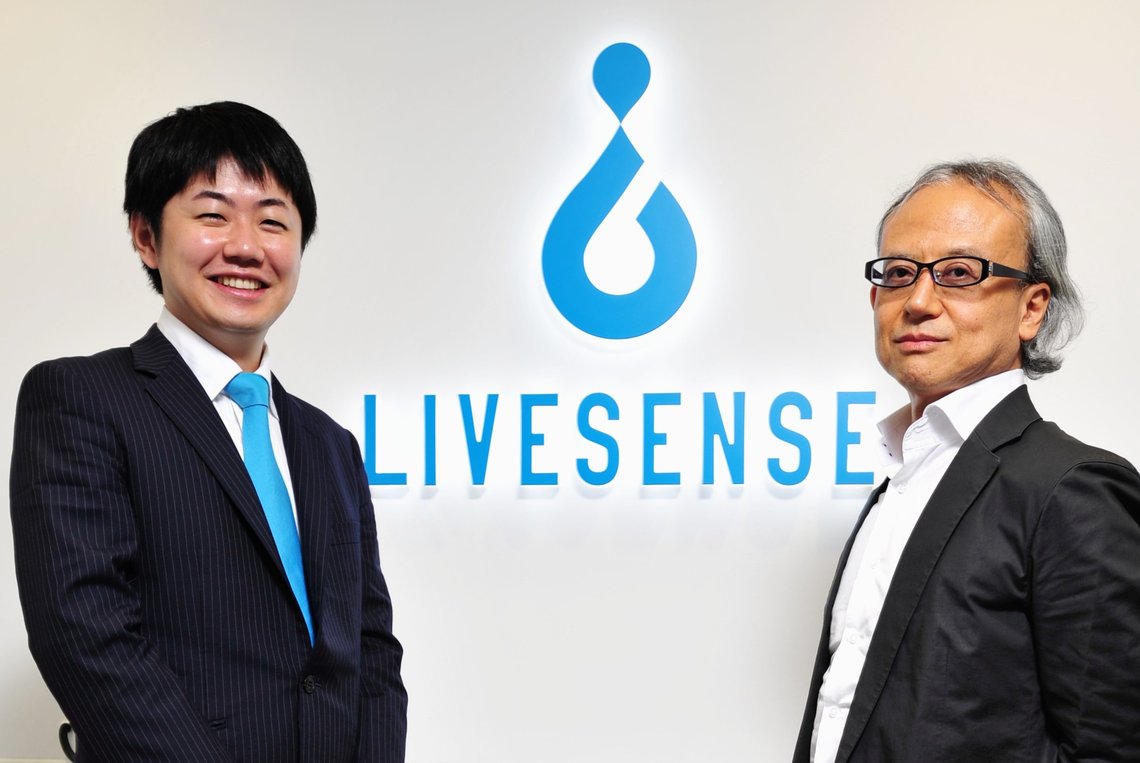
Part 3: "For Good" for Business and Creativity
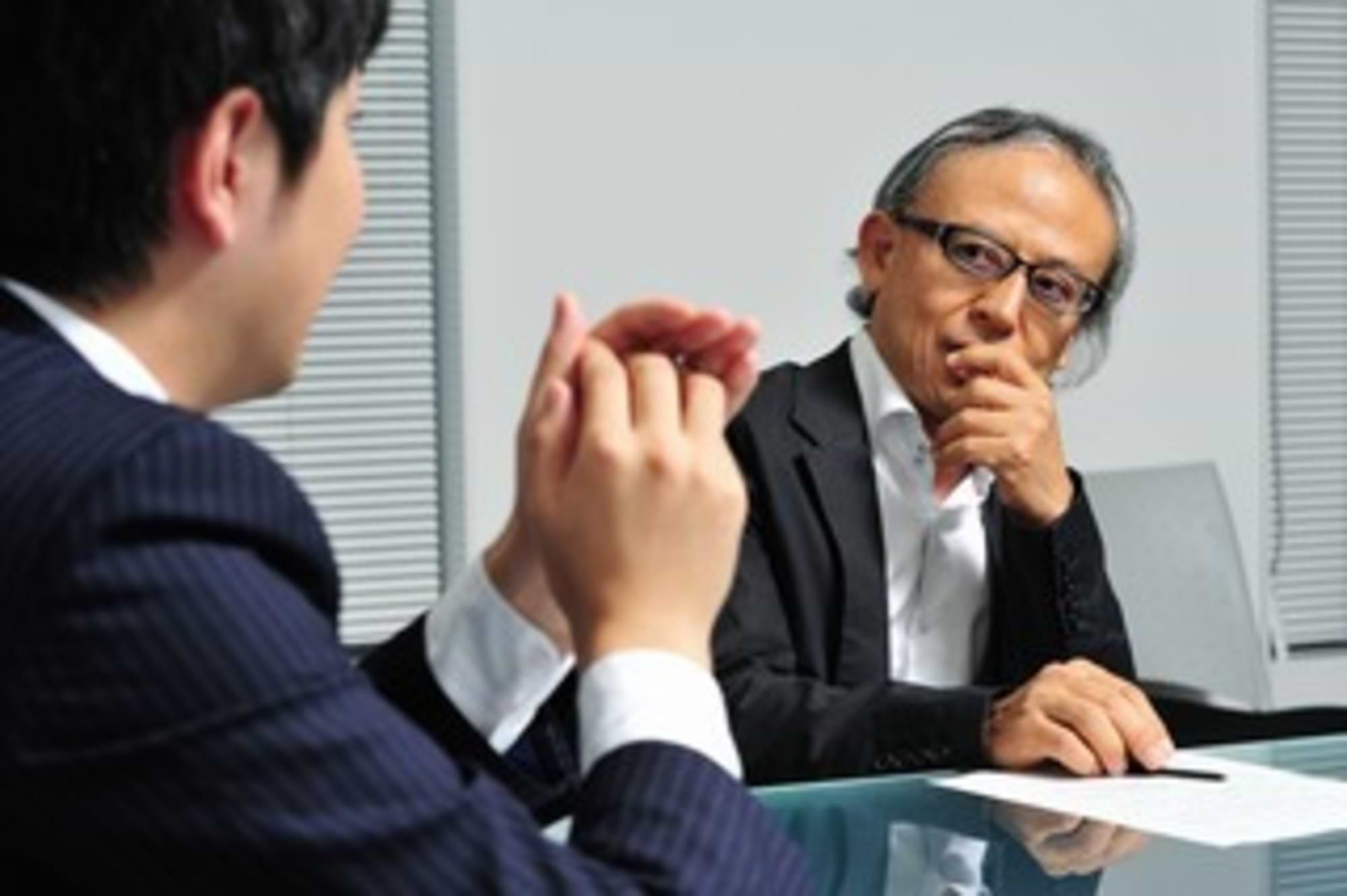
"For good" represents a new value indicator for the 21st century. This concept fundamentally resonated throughout the management philosophy of young entrepreneur Mr. Murakami, who participated in the dialogue, and in the works created by Mr. Furukawa as a Creative Director. Towards the end of the conversation, the discussion turned to "for good" as a potential for Japan.
Always valuing the creation of "the obvious"
Murakami: Mr. Furukawa, from your perspective as a creator, how do you interpret "for good" for a company and translate that into creative work?
Furukawa: First and foremost, I believe discovering the ultimate value and raison d'être of that company or brand is paramount. It's about unraveling and discovering what values enable the company or brand itself to be "for good."
Murakami: The commercial you created that left the strongest impression on me was JR Kyushu's "Congratulations! Kyushu." I felt it truly defined and expressed the company's core value.
Furukawa: The "Celebrate! Kyushu" campaign started from the exact same idea as Livesense's philosophy: "Happiness born from happiness." Railways are massive infrastructure, so it's natural that opening a Shinkansen line contributes to the happiness of local people. But we thought beyond that – we wanted the "happiness" of Kyushu's people to spread, enabling them to achieve a more universal kind of "happiness."
Economically, Japan was at the bottom of deflation at the time, and the entire nation lacked vitality. In my initial presentation to the JR Kyushu president, I stated clearly: "This is a campaign to energize all of Japan starting from Kyushu."
Mr. Murakami, even now that your company has grown, you're constantly confronted with the question of what your company's value is, right? You must communicate your message externally and also ensure it permeates internally. In that regard, what do you consciously focus on in your day-to-day work?
Murakami: I believe that every output of a company, not just the actions of the individual leader, expresses the company's identity. Of course, the company logo is one example, but even something as seemingly small as what kind of chairs we use reflects the company's intent. Therefore, I consider it extremely important to maintain an awareness where you can explain the "why" behind every single thing.
Furukawa: How do you foster shared awareness among your staff on a daily basis?
Murakami: We really emphasize creating "the norm." Then, at the next layer, we make sure everyone can share what "the norm" means for something like "Job Sense," our part-time job recruitment site. For our company, "the norm" is being number one in Japan for the number of successful hires, right? So then, what does being number one mean? It's a number. We discuss what would be good to achieve that number, and everyone participates in that conversation.
Furukawa: So, by repeatedly sharing Ribsense's logic and context, it's like building a kind of "Ribsense muscle," and that simultaneously becomes education?
Murakami: When we all dive into discussing how to achieve that "obvious" number, we have insights like, "We can probably push this area further," or "We hadn't considered this aspect yet." That aspect definitely serves as education too.
Mr. Furukawa, as a creator, how do you go about building context?
Furukawa: For the "Celebrate! Kyushu" campaign I mentioned earlier, the first step was presenting the core idea and goal image: making everyone in Kyushu happy by creating a "festival" everyone could participate in. That structure was inspired by the famous "I Love N.Y." campaign from half a century ago. The idea was to create a "festival" involving all citizens and make the entire region happy. Participation and regional exclusivity are actually major motifs.
Murakami: So you started with a clearly defined goal in mind.
Furukawa: Yes. Clearly sharing the goal image is just as important as defining the core idea. Without it, you can't judge the quality of the content. How about you, Murakami? Do you have a clear goal and maintain flexibility within the process? Or do you deliberately keep the goal vague and involve staff early to shape it together?
Murakami: My fundamental management principle is that the answer changes depending on the company's growth stage. For example, when we had 10 people, I would get involved in every discussion. But once the company reaches a certain size, I believe the right answer comes from everyone working together rather than me micromanaging. I think we should align the goal based on this assumption of change according to the stage.
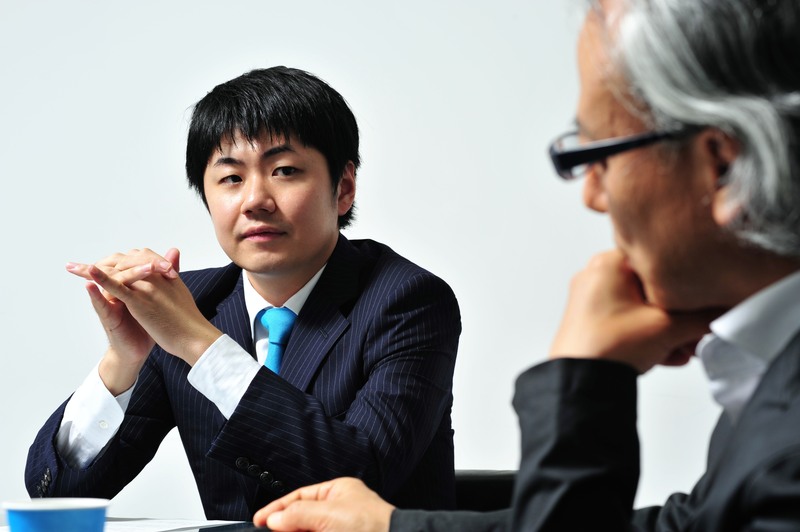
Japan has the potential to make the world better
Murakami: Listening to Mr. Furukawa today, I was reminded how idea-driven problem-solving can lead to new corporate services, and how crucial the "for good" philosophy is at the core of such business activities.
Furukawa: When we say ideas come first, it ultimately means those generating ideas must possess stronger initiative. They must believe, "This idea will definitely improve society in this way." I think this kind of "new game" will become increasingly important in the advertising world going forward.
Regarding "for good," what interests me most in branding right now is "Japan." I want people worldwide to recognize that Japan, or rather the Japanese people, possess the power to improve the world. The presentation at the IOC session that secured Tokyo's Olympic bid was outstanding, but around 2020, I hope the world will recognize that we Japanese have the power to make the world even better. I aspire to work from that perspective.
Murakami: I truly believe Japanese people have the power to make the world better. More than any other nation, Japanese people consistently possess this strong awareness. It's not self-centered; it's about valuing harmony, supporting others—not like AKB's general election, but genuinely cheering for others—and a national character that deeply loves hospitality. Few countries possess such a culture. Japan holds tremendous hidden power and potential to make the world better.
As a business leader and as a company, I also hope to contribute, even in a small way, to spreading Japan's power.
Furukawa: I wish you every success. This conversation has been incredibly stimulating for me as well. Thank you very much.
〈End〉
Was this article helpful?
Share this article


Newsletter registration is here
We select and publish important news every day
For inquiries about this article
Back Numbers
Author
Taichi Murakami
Livesense Inc.
President
Yuya Furukawa
Furukawa Hiroya Office, Inc.
Creative Director