
Note: This website was automatically translated, so some terms or nuances may not be completely accurate.
 The Key Points of the "Eye" That Hit the Spot [2/5]
Giving Back to Water Carrying Water Project

Eye for detail
Diverse initiatives are now underway across various regions to address a wide range of local challenges. Precise problem identification and exceptional solutions born from unique perspectives offer valuable insights. We present case studies alongside interviews with key individuals.

Fukui Prefecture, Ono City
Ono City is located in eastern Fukui Prefecture, surrounded by high mountains. The grid-patterned castle town spreading east of Echizen-Ono Castle has its origins in the Warring States period. Today, Ono City faces the challenge of a population of approximately 35,000, with the second-highest rate of decline among municipalities in the prefecture. Historically known for its "Shōzu" spring water, used for drinking and daily life, Ono has also thrived on water-based food processing industries. So, what are its strategies to counter population decline?

Giving Back to Water
Carrying Water Project
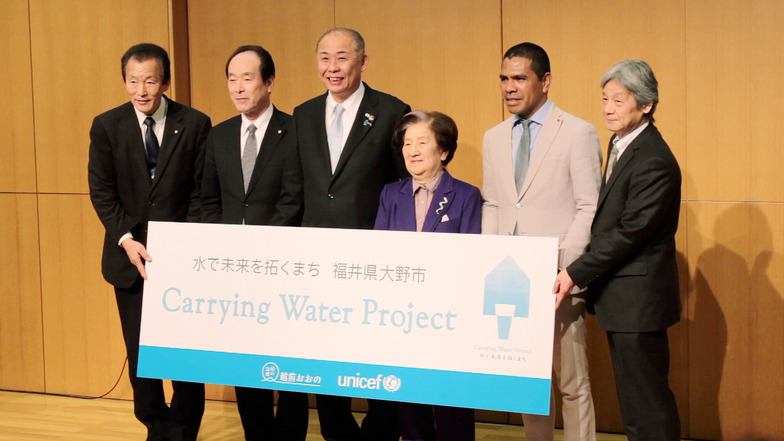
In May 2015, Ono City launched the "Carrying Water Project" (CWP) as one of its countermeasures against population decline. Its catchphrase is "Giving Back to Water." By promoting Ono's abundant "blessings of water" and enhancing its reputation as a water city both domestically and internationally, the project aims to foster awareness and confidence among citizens. Furthermore, it seeks to create new water-related industries, develop human resources, attract businesses, and increase population inflow. It is an activity building a solid foundation for the medium to long term.
To date, the city has steadily advanced awareness activities: hosting city events like marathons, conducting PR campaigns at the Milan Expo, holding town meetings, and soliciting names for a symbolic character from elementary and junior high school students. In January this year, the "Giving Back to Water Foundation" was established to advance the project. Additionally, a partnership agreement was signed with the Japan Committee for UNICEF to support East Timor, a region lacking favorable water environments.
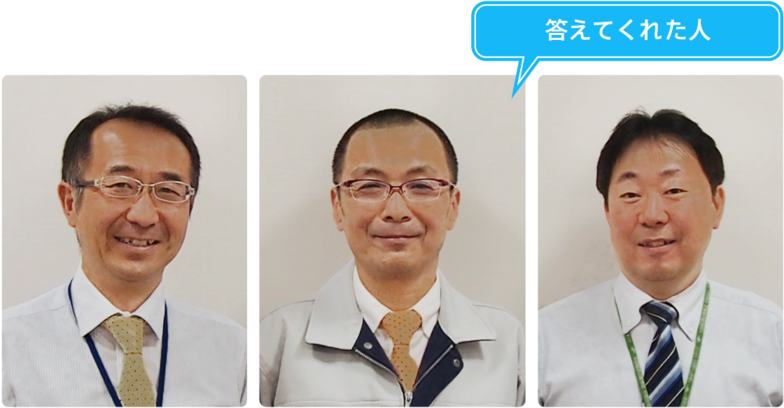
Approximately one year into the initiative, citizen understanding of CWP is growing. "For example, local cafes now serve coffee made with beans from East Timor and Ono's water. We're seeing spontaneous movements from citizens who take pride in our water," says Araya, noting the positive response.
In fact, Ono City's CWP initiative isn't its first water-focused policy. "CWP exists precisely because of our past efforts," Mr. Kiyama emphasized. In the 1970s, facing a crisis of drying wells, the city worked with citizens to conserve groundwater. However, while older residents remember that crisis, younger generations' awareness of water issues is somewhat lacking. "Unless citizens' sense of 'this is just normal' changes to 'this is something to be grateful for,' Ono cannot change," states Mr. Yoshida. Ono's future hinges on its confidence and pride in water.
Was this article helpful?
Share this article


Newsletter registration is here
We select and publish important news every day
For inquiries about this article
Author