Note: This website was automatically translated, so some terms or nuances may not be completely accurate.
 What exactly is globalization? [3/6]
What is "Japan's Strength"?
Living abroad, one naturally hears the image of Japan as perceived by foreigners.
・Food (sushi, tempura, sake)
・Traditional culture (kimono, samurai, geisha)
・Manga and anime (like "Captain Tsubasa" or "NARUTO")
・Economy (automobiles & manufacturing, recession, aging population)
・Japanese character traits (diligence, seriousness, punctuality)
That's about the extent of it. Unfortunately, my honest impression is that "none of it really gets across."
This time, I'll write about the last point listed: "Japanese character."
Before studying abroad, I myself had heard that "Japanese diligence and seriousness are recognized worldwide," and I had high hopes for that.
But when I actually worked on projects with people from other countries, I realized that those I considered "capable" were diligent, serious, and punctual—regardless of nationality.
To be recognized as a team member by such people, "Japanese character" is only the bare minimum requirement.
What really matters is, "So, what can you actually do?"
That's why, at school, rather than consciously thinking "I'm Japanese," I always focused on "What can I contribute to this team?"
So, what are the "Japanese strengths" that actually work in the workplace?
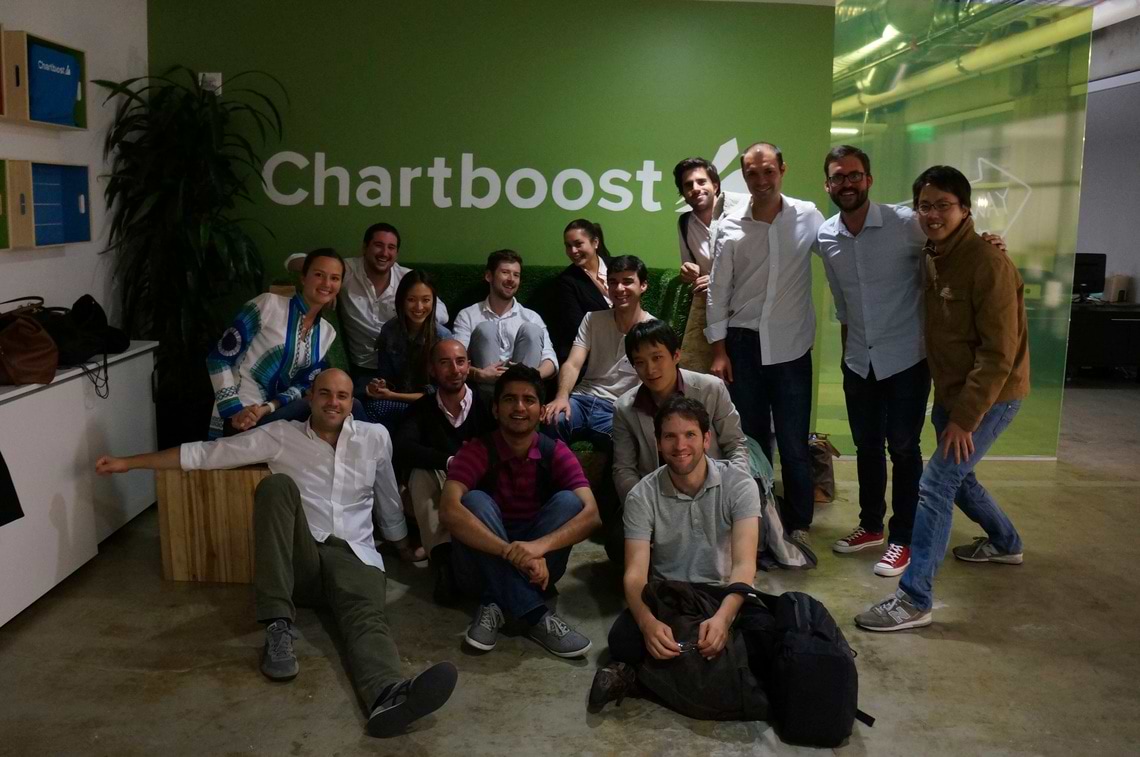
My internship at Dentsu Inc. Latin America (São Paulo, Brazil) during the August summer break became the catalyst for thinking about this.
It was my first time working overseas. Even when I tried to jump into meetings to contribute, everyone was speaking Portuguese. I couldn't understand a thing.
Moreover, since I was only there for a month, they were reluctant to entrust me with important client work. The idea was that "work should be created, not given."
Amidst this, I came up with the idea of connecting these two things:
One was LOV, which joined the Dentsu Group in January last year.
It's the second-largest digital agency in Japan, and all its employees are Brazilian.
Every campaign they handle is fascinating, and I wanted many clients to know about them.
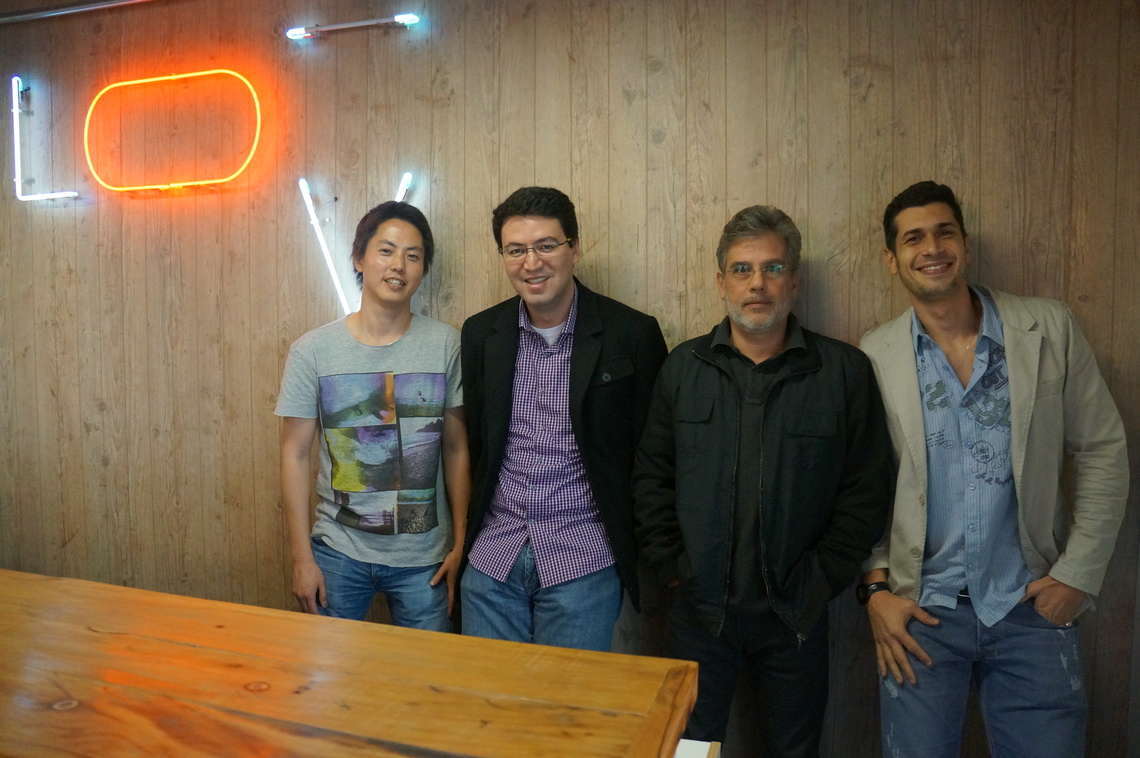
Another is Brazil's "Japanese network."
Just as people in Japan gather around shared "hobbies" or "organizations," overseas people connect strongly through the common thread of "Japan."
After all, meeting other Japanese people overseas is reassuring.
Also, since Dentsu Inc. Latin America is around the 30th largest ad agency in Japan, locals don't know it much, but fortunately, "Dentsu Inc." is well-known in Japan.
What I did in one month was "relentlessly introduce LOV to Japanese companies in Brazil."
LOV was also eager to work with new clients, so when I brought up the idea, they were happy to discuss it in English.
I believe the clients also listened with genuine interest.
The task itself was very simple, but it was a fresh surprise to realize that "Japan" – something I hadn't consciously focused on in school – became "my strength" in the workplace.
By objectively re-examining your value to others, you might discover unexpected strengths of "Japan" that transcend typical stereotypes. I realized that truly globally relevant "Japanese strengths" emerge only through each individual's discoveries.
Thank you to everyone who supported me during my internship.

Was this article helpful?
Share this article


Newsletter registration is here
We select and publish important news every day
For inquiries about this article
Back Numbers

Author

Atsuo Nambe
Dentsu Inc.
Dentsu Inc. Business Design Square