Note: This website was automatically translated, so some terms or nuances may not be completely accurate.
 WMS2016 Special Interview [2/2]
The Future of Innovation Pointed to by the World's Most Advanced Management Science
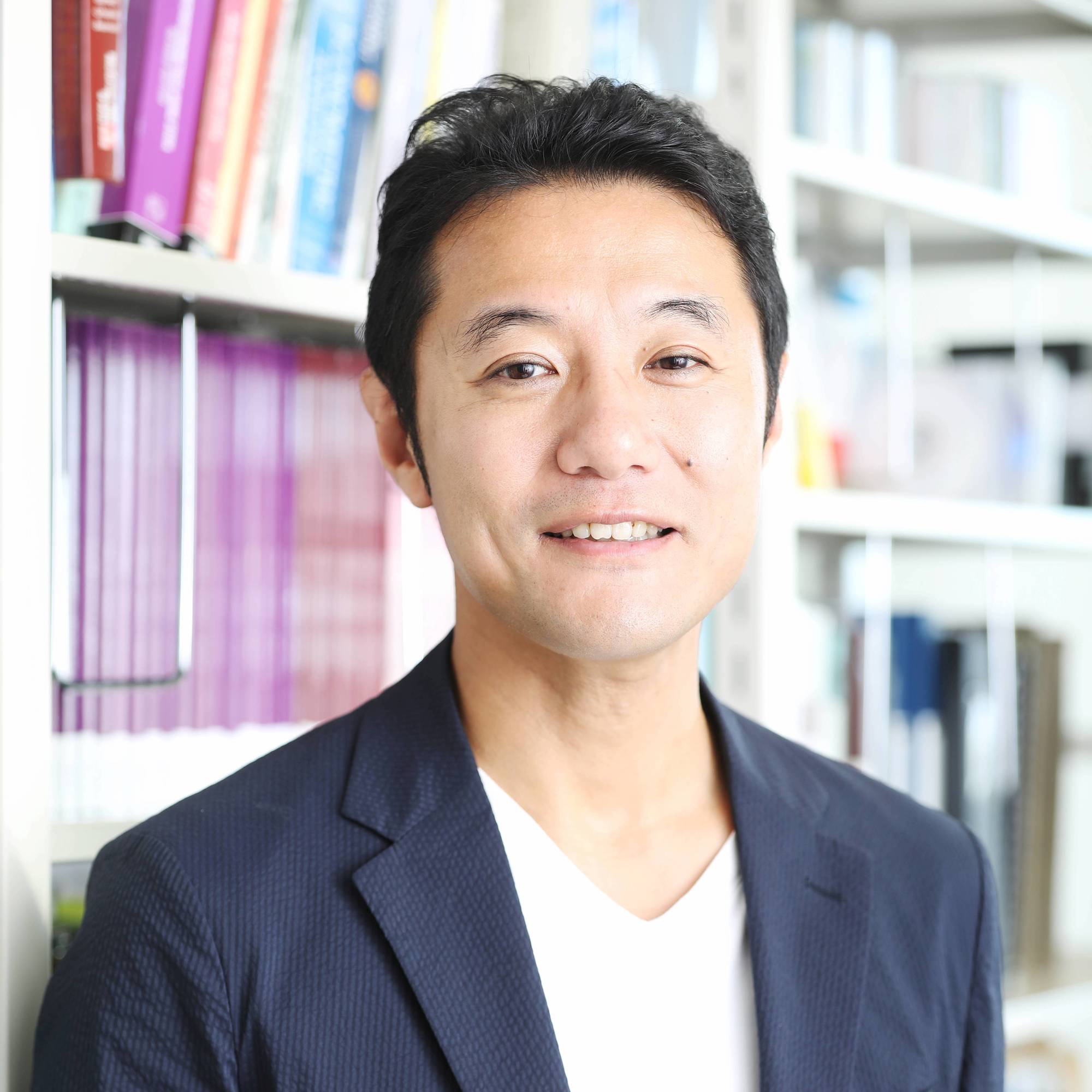
Akiyoshi Iriyama
Waseda University Graduate School
Hirose Tetsuji
Dentsu Inc.
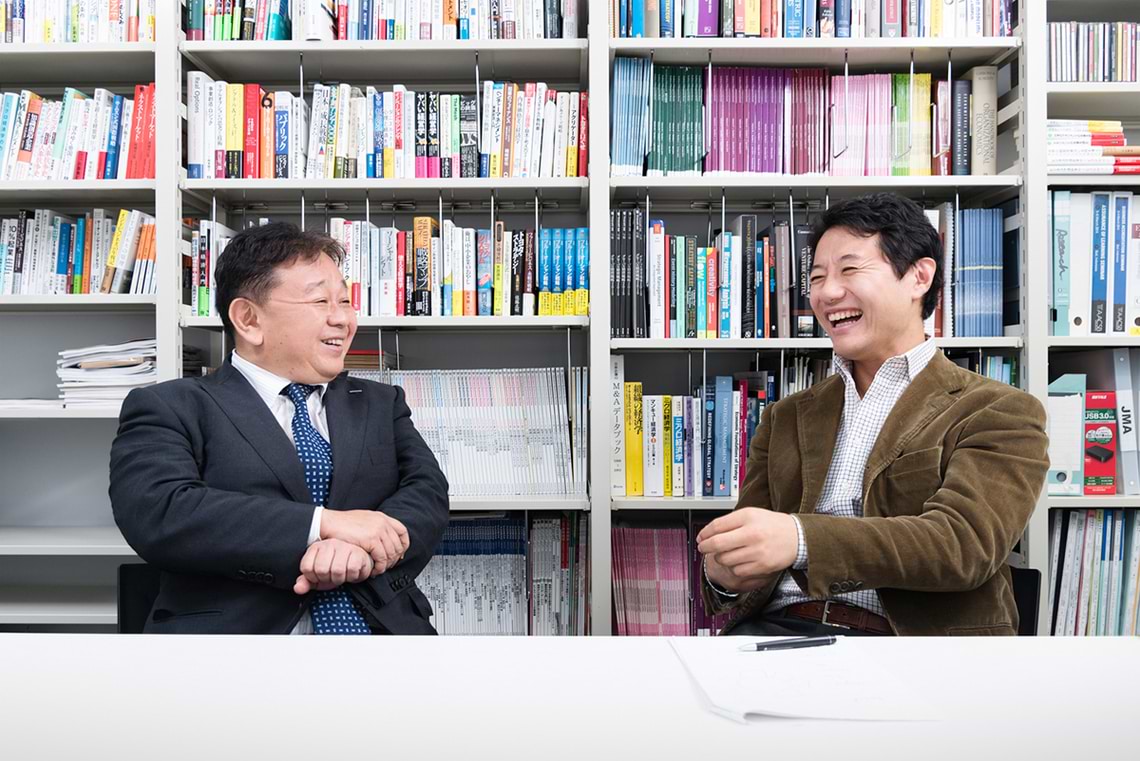
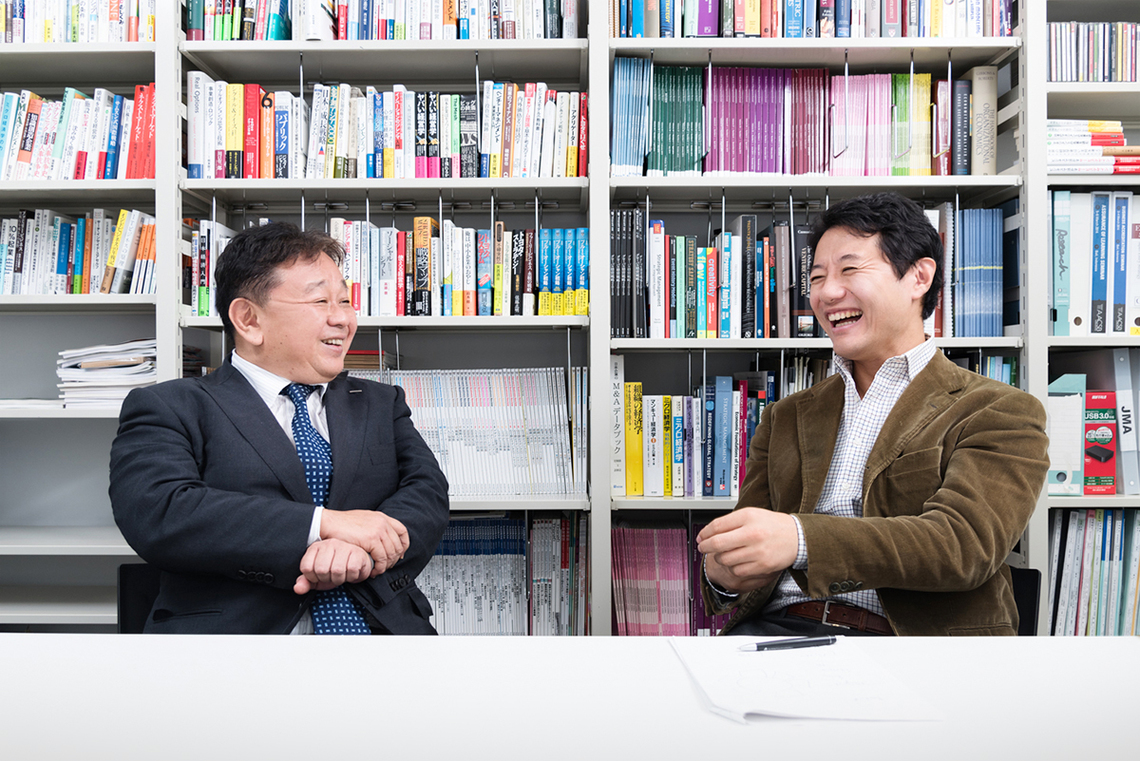
The World Marketing Summit (WMS), an international marketing conference held in Tokyo for three consecutive years starting in 2014. With the "WMS Japan 2016" held on October 11th and 12th, the Tokyo hosting has concluded for the time being. At the WMS interactive session "Career and Marketing," Tetsuji Hirose, President of Dentsu Consulting Inc. and Head of the Marketing Solutions Division at Dentsu Inc., interviewed Associate Professor Shouei Iriyama of Waseda University Business School about the perspectives and methods necessary to realize innovation.
"The Combination of Knowledge and Knowledge" Creates Innovation
Hirose: In the mature markets of developed nations, many companies are being forced to transform or are actively seeking innovation. In this context, I found your discussion about how "combining knowledge with knowledge" generates innovation extremely interesting.
Iriyama: The fundamental principle behind innovation is that combining existing knowledge and insights generates new knowledge and ideas. To discover new combinations of knowledge, many companies are striving to enhance organizational diversity. Additionally, "intrapersonal diversity" – where an individual possesses diverse specializations – is also becoming crucial.
I believe what will be needed going forward is not T-shaped talent, but "H-shaped talent." Previously, T-shaped individuals—those with deep expertise in one area and broad knowledge in others—were considered important. However, what will be required now is H-shaped talent: individuals possessing one deep specialization and another distinct specialization, capable of bridging the gap between them. It is at the intersection of these two fields that the combination of knowledge occurs, ultimately leading to something new—innovation.
Corporate hiring practices and training methods will also change. While startups are already moving in this direction, the era of hiring a large group of similar people and having the company teach them all the same things is coming to an end. I expect more people, even those in their 30s or 40s, will join companies having already established a core skill set in a different field.
Furthermore, human interaction will become even more crucial. In fact, Silicon Valley still sees people concentrated in tight spaces. Why? Because people crave direct connection. What's interesting is that most of these companies are internet companies. They disseminate information globally, yet their headquarters are in the very compact Silicon Valley. The reason, from a management theory perspective, is very clear: information available online or digitally is accessible to anyone and holds little business value. What truly makes the difference is the informal information and the atmosphere gained through face-to-face meetings between people.
Motivating Employees Through Storytelling
Hirose: In large corporations, decision-making often involves building consensus across the entire organization. To achieve innovation, will this aspect also need to change?
Iriyama: The nature of decision-making will indeed change going forward. As diverse individuals join the company, differing opinions will become the norm. In fact, innovation won't emerge without such divergence. What's crucial then is having a clear organizational vision and mission. Even when opinions differ, if the conclusion aligns with the vision and mission, it should lead to: "We lost the vote this time, but ultimately, this is the kind of company we are, and this is the direction we want to go. This decision itself aligns with our mission, and since it's been decided, let's all get behind it."
It is critically important that everyone shares a common understanding of what our company fundamentally is, why it exists, and how it contributes to society to earn revenue. Long-successful global companies in Europe and America have institutionalized this. DuPont has a "Century Committee" where executives seriously contemplate what the future will look like 100 years from now, rolling the process forward annually. This is called considering megatrends, and it's common practice among the world's top companies. They bring in top-tier experts to say, "This is how the world will be 100 years from now, so our company will contribute like this 100 years from now," and then work backward from that 100-year future to the present. Only then do they create a medium-term plan covering the next three years or so. I call this a "backward-looking medium-term plan."
The top leader's role is to instill within the company a clear understanding of what our company fundamentally is and how it will contribute to society 100 years from now. That's why GE's CEO Immelt dedicates one-third of his work time to explaining GE's purpose to executives.
Hirose: I understand the concept of making a mid-term plan by predicting the future 100 years from now with reasonable validity and then looking back from there. But isn't there a risk that the plan becomes too abstract, too distant from the current situation, making it hard for the front-line staff to feel personally invested?
Iriyama: That's right. That's where "storytelling" becomes crucial. In today's world, we can't even predict what will happen three years from now, let alone whether things will truly unfold as envisioned a hundred years from now. For now, we must assert with conviction that this is how it will be. But simply asserting it makes you seem like a troublemaker. By crafting an appealing story—one that feels plausible and genuinely exciting—employees become convinced and internalize it as their own. A leader should be a skilled storyteller.
Hirose: We also frequently define corporate brand visions, distilling them into slogan-like phrases or expressing them through design elements like visual identity. I believe this is also an effective storytelling tool. However, when focusing on the future or worrying about saying the wrong thing, discussions can sometimes result in vague, generic language that could apply to any company.
Iriyama: The key point is having a clear understanding of what our company fundamentally is. In words, this might be called the "core." It's about defining what kind of company we are, what our strengths are, and how we contribute to society.
Harvard Business School is an interesting case. Its original vision was "Knowing" – learning business knowledge. That's because such knowledge didn't fundamentally exist in the world back then. Later, it shifted to "Doing." Essentially, it recognized that being all talk and no action—just knowing things—wasn't enough; you had to put it into practice. Then, after the Lehman Shock, there was also a sense of reflection about having produced money-worshipping individuals on Wall Street. Now, their new educational focus is "Being."
We ask the elite students coming to Harvard's MBA program, "What are you?" We provide a program that makes them think over two years about what their life is, what they value, and how they will live. Once during those two years, they go to emerging markets, to developing countries, to engage in social contribution or create business plans. That's how we make them think about their lives.
Hirose: At this World Marketing Summit, Professor Kotler also proposed "Marketing 4.0," stating that the role of marketing going forward is to address the self-actualization need at the top of Maslow's hierarchy of needs. That direction is quite similar.
Iriyama: Spot on, I think. As people become increasingly affluent, material desires are gradually being satisfied. The need for recognition is also increasingly fulfilled through Facebook and other social media, making self-actualization crucial. I believe this trend is growing stronger starting from developed countries.
Was this article helpful?
Share this article


Newsletter registration is here
We select and publish important news every day
For inquiries about this article
Back Numbers
Author
Akiyoshi Iriyama
Waseda University Graduate School
Waseda University Business School
Professor
Hirose Tetsuji
Dentsu Inc.
Executive Officer