Note: This website was automatically translated, so some terms or nuances may not be completely accurate.
 Shinmeikai "Strategic PR" [44/51]
Consultation 7: Can high-priced items like kimonos be repositioned?
It can be done! Price levels have nothing to do with repositioning!!!
Ah, I jumped right in there. Well, I hope you'll continue to support me this year. Now then, regarding the popular series "#TeachMeIguchi-san," there was an awards ceremony for the PR industry at the end of the year. I squeezed in a quick report about it here in this column, which meant the original "three-part repositioning series" got interrupted. My apologies. To refresh your memory about "repositioning," here's a quick recap.
The main consultations were often along the lines of, " Our staple products rarely make news and struggle to generate buzz—is there anything we can do about that? " My advice was to rethink the product using approaches like: "① Change the target audience," "② Change the situation," or "③ Change how it's used." By doing so, might we uncover some new value? In other words, by slightly shifting some of the inherent characteristics of a product or service, you can dramatically alter its established image. This PR-oriented approach is what we call "repositioning." This time, for the final installment, let's explore "③ Try changing how it's used" with some examples!
The fun lies in that unexpected "Huh? Something feels different about you today!"
You probably experience this kind of surprising twist more often than you think. For example, TV shows introducing interesting local customs are popular. When they showcase unique traditions from different regions across the country, it makes you realize anew how much the way people handle things can vary by area, even among fellow residents.
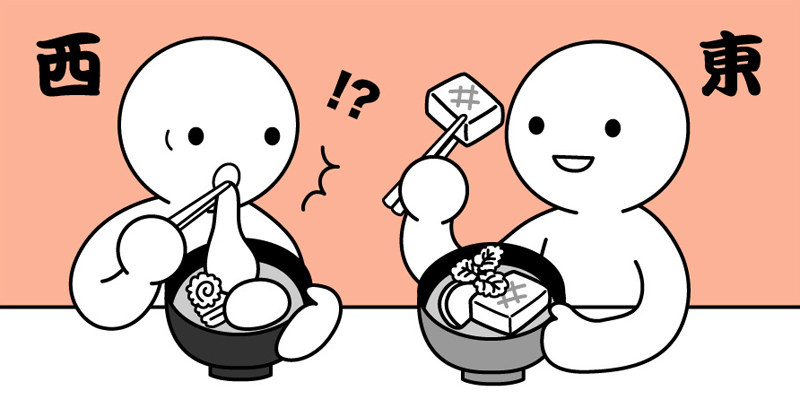
Take ozoni (New Year's soup – fitting for the season! ← Late?) for example. Even the "standard" ozoni seems to vary by region. Kanto-style ozoni uses a clear broth base with square mochi, which is grilled before adding. In Kansai, it's made with white miso broth and round mochi, simmered rather than toasted. Some are downright unexpected (sorry!), like Kagawa Prefecture's "anko mochi zōni" – round mochi filled with black bean paste in a white miso base. This shows how even the same dish or ingredient can look completely different depending on where you grew up, leading to reactions like, "Whoa! People actually eat it like that??"
Things that go beyond what we expected naturally pique our curiosity and make us think, "I want to try that once!" Right? So, what if we deliberately take something that's firmly established as a classic, with a certain image attached to it, and present it from a slightly different angle? Couldn't that spark some interest?
Changing how we use "kimono" to connect to new "experiences"
Actually, this approach might be better seen not just for standard products, but as "experience-creating" communication. Classic products are often things we've tried at least once, but eventually lose their novelty and drift out of our daily lives. This tactic works well when you want to rekindle interest in such neglected items. Of course, some people are "total classic lovers!" who stick solely to their beloved products without a second glance. The absolute, ultimate classic. Like your go-to song at karaoke... Huh? Maybe not?
Right, this brings us to the high-priced item you asked about: "kimono, furisode." What comes to mind when you think of kimono? For me personally, the only images that pop up are negative ones: "expensive," "a hassle to wear," "looks uncomfortable." But when it comes to buying a furisode for Coming-of-Age Day, it's common knowledge that it costs hundreds of thousands of yen, right? You start calculating how many times you'll actually wear a furisode in the future, and then you get caught in that endless loop of "Should I buy it? Should I not? Or maybe just rent one? Or just wear Western clothes...?" You'd probably agonize over it endlessly. As a result, those who neither buy nor rent end up missing out on the "highly momentous experience of wearing a kimono for Coming-of-Age Day."
And this initial decision-making process actually has lasting effects. Even if a similar opportunity arises later, the same considerations from that first decision resurface, leading to the same judgment: "It's expensive, it's a hassle, it looks uncomfortable." Honestly, kimono shops have it tough too. Unless people adopt a more proactive approach to consumption, it's tough to convince them of kimono's merits no matter how hard you try. That's when you should try "Repositioning ③: Change How You Use It."
A fresh proposal to break free from the heavy shackles of existing perceptions
Actually, you might already know about this service, but "kimono rentals" have recently become popular among young women. Of course, kimono rentals have existed before, but those services still involved kimonos that were expensive, required maintenance, and ended up costing about one-third to one-half of the price of purchasing one. But now, you can rent them for just a few thousand yen! (Whoa, that's amazing!) And what really sparked this trend were foreign tourists.
Many want to experience Japanese culture firsthand, especially walking around historic places like Kyoto in a kimono, taking photos, and sharing them on social media. So, this trend spreads as information. "Above all, it's cheap! They help you put it on, so it's easy! Once you wear it, it's not that uncomfortable—actually, it's comfortable!" And suddenly, completely opposite information starts flooding out. Wow, it completely shattered the existing image, didn't it? Yeah, it was shattered. What's more, this information reached precisely the same group of people who had similar hesitations, thanks to social media connections. And there were comments conveying not just the "experience," but also "satisfaction." Naturally, people thought, "I'll try it right away!" That's just normal.
Then the media started introducing this temporary transformation style as "kimono cosplay," making it feel even more relatable. Yeah, that's spot on. They're framing kimono as cosplay. And then, naturally, people start saying, "I tried it on and it was actually cute, now I kinda want one!" By proposing "low-cost rental cosplay" for kimono – something that felt very distant – they lowered the barrier for people to experience it, created satisfaction, and ultimately turned them into fans who actually bought the real thing. That's a step-by-step process. You could definitely call it a well-crafted marketing strategy.
There's also the path of making people who were previously intimidated by expensive items feel comfortable trying them out and turning them into fans. Or take the common pattern of someone living in a luxury apartment yet using 100-yen shop items to create ingeniously organized storage spaces. Actually, this kind of "repositioning" happens quite a lot around us.
You might find it mentally stimulating to brainstorm new uses for your own products. Or, when you encounter something that surprises you, try unraveling its background—it's a great opportunity to see how much people are bound by existing perceptions. I highly recommend giving it a try.
I've been deeply contemplating how to reposition myself since the start of the year, aiming to break free from existing perceptions. Until I find the answer, I'll see you next time!
Was this article helpful?
Share this article


Newsletter registration is here
We select and publish important news every day
For inquiries about this article
Back Numbers

Author
Inokuchi Tadashi
PR Consulting Dentsu Inc.
Executive Officer
Chief PR Planner
Shinmeikai "Strategic PR"Long time no see! CRAFTPRMeasuring PR Effectiveness: Supporting Management with Data-Driven InsightsNow is the time to reexamine the essence of PR / Its futureThe Future of Corporate Museums as PR AssetsBeyond Conference Report【Special Discussion】Public Relations Enters a New Era: Proposals for PR 4.0