Note: This website was automatically translated, so some terms or nuances may not be completely accurate.
 【Continued】Local Gurgle [110/208]
Golden Ikura
As many of you may know, "ikura" originally comes from the Russian word икра, meaning "fish roe." So salmon roe is "red ikura." Sturgeon roe, commonly known as "caviar," is "black ikura." Now, everyone, have you ever heard of "golden ikura" from Miyazaki Prefecture?
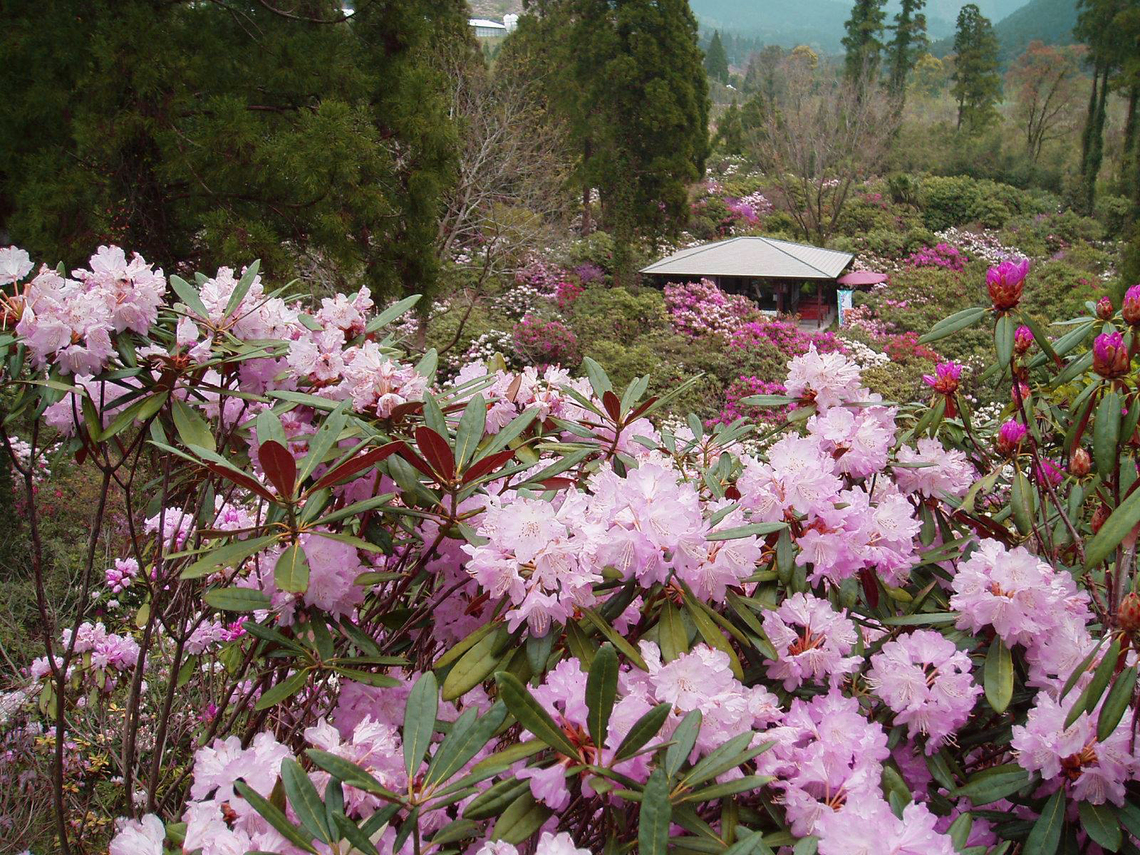
Its creator is Miki Ikebe. She not only took over the fish farm started by her father but also leveraged the natural environment—deep green mountains and clear rock-filtered water—to open Shakunage no Mori, welcoming guests.
When you think of river fish, "rainbow trout" probably comes to mind first. But rainbow trout are actually an introduced species, brought to Japan during the Meiji period. The "Yamame" trout, the queen of mountain streams, that Ms. Ikebe raises is a native Japanese species. Its farming requires cold mountain streams and a rich natural environment.

The "Golden Ikura" comes from Yamame raised for over two years in this Shakunage Forest. Why this color? The secret lies in their diet. Salmon, which produce ikura, journey from their birth rivers to the sea, favoring shrimp and crab. Crustaceans contain high levels of astaxanthin, a red carotenoid pigment, which gives salmon flesh its pink hue and their eggs a vivid orange color. Yamame, however, spend their entire lives in rivers and rarely consume such foods, resulting in their golden-colored roe.
Looking at Mr. Ikebe's daily life on social media, you see the immense effort involved: wading into the water for shipping and sorting even on bitterly cold winter mornings, and never skipping his rounds during summer typhoon season, even in storms. Moreover, since they are smaller than salmon, the amount of roe obtained from each fish is less, which seems to be a reason why it's not widely available. 
Their appeal lies above all in their appearance. I used them in my New Year's osechi dishes, but they'd also be interesting mixed with red salmon roe. Beyond Japanese cuisine, they could adorn salads or pasta. It's no wonder they've been appearing on TV and various media lately.
Now, for a company to generate sustainable profits, there are three approaches. One is to increase value beyond competitors. Another is to reduce costs below competitors. The last is a niche strategy to create a non-competitive state. Will this "golden ikura" continue to increase its value and aim for significant growth? Or will it target a "niche" where growth is moderate but maintains a steady presence? What will happen?

This involves some speculation, but existing Yamame trout farms don't appear to be particularly large-scale operations. If that's the case, the risk of competitors suddenly ramping up marketing efforts after seeing Shakunage no Mori's success seems low. Steady growth up to a certain scale appears achievable going forward.
On the other hand, if the market becomes too large, caution against new entrants becomes necessary. If this venture were to capture 10% of the salmon roe market, trading companies certainly wouldn't sit idly by. While entering the Yamame farming business itself might not be easy, it wouldn't be impossible for competitors to gain a foothold by investing capital in existing players.
Thinking mid-to-long term, the goal is to build a dedicated fan base by offering distinct value clearly different from "red ikura," while avoiding the pursuit of astronomical growth. It's essentially aiming to be the "Ferrari of the ikura world."
It's such a delightful ingredient that makes you want to exclaim, "Wow, this exists?!" So, without even asking about Mr. Ikebe's own dreams, I found myself daydreaming freely, a glass of sweet potato shochu in hand.
One regret is that I haven't yet tasted Shakunage no Mori's "Shaku Yamame" (30cm or larger). To be precise, I have tried the "Shaku Yamame Pickle" marinated in sesame soy sauce, but unless you sink your teeth into one freshly caught and grilled over charcoal, you can't truly know its real flavor. Ah! I want to fly to Miyazaki right now.

Please, help yourself!
Was this article helpful?
Share this article


Newsletter registration is here
We select and publish important news every day
For inquiries about this article
Back Numbers
Author

Sōo Yamada
Dentsu Inc.
First CR Planning Bureau
Creative Director