Note: This website was automatically translated, so some terms or nuances may not be completely accurate.
 Creative Things in London [2/4]
Why Jamie Works at an Advertising Agency in Shiodome
"Collaboration" and "Talent Exchange" are Key to Global Business
Jamie: Hello, I'm Jamie. I'm a vegetarian, and my favorite Japanese food is okonomiyaki. I was born in Scotland, studied Philosophy and Economics at University College London (UCL), and then worked for several years at a creative agency in New York.
Takeshige: I understand you were at an agency unrelated to Dentsu Inc. while in New York. Were you aware of Dentsu Inc. back then?
Jamie: Yes. Back in 2012 while still in New York, I read an interview with Tim Andre (now a Dentsu Inc. director) in Ad Age magazine. I remember sensing not only his charisma and strengths as a leader, but also the power of Dentsu Inc. as a company and its potential for global success.

Takashige: During the McGarry Bowen era, from my perspective, Jamie seemed to be enjoying his work immensely. Did you ever feel challenged in your role as DAN back then?
Jamie: Speaking from my role in sales, I did find it challenging at times to identify network partners to support country rollouts when I was responsible for several pan-European campaigns. But working with network partners was a great pleasure, and I expect the network to become even more collaborative across companies and regions, making it truly outstanding.
Why Jamie Works in Shiodome
Takeshige: Of course, people like me who go overseas from Dentsu Inc. are one thing, but it would be great to see more people like Jamie, who come from overseas to work at Dentsu Inc. Japan. I know I just said "talent exchange is better," but it's impressive you decided to work in Japan. I think the hurdles for foreigners working in the Japanese advertising industry, like language and business culture differences, are definitely not low.
Jamie: That's true. Before coming to Japan, I only knew phrases like "Hello" and "Yes," so language is definitely a hurdle. Japanese, especially kanji, is difficult, but I hope to overcome it to a certain extent with the help of my colleagues.
But the hurdles from cultural differences might be harder to overcome. I'm trying my best to understand Japan's unique culture, like internal customs and hierarchy, but I can't become a native Japanese person. So, my goal is to do good work as a foreigner.
Takeshige: What do you find appealing about working at Dentsu Inc., Jamie?
Jamie: It's a very simple reason. Shiodome is DAN's "Mothership." The sheer volume and breadth of work there has always been appealing, even from overseas. Living in Tokyo is certainly part of it, but working at the "Mothership" was incredibly meaningful to me.
And actually coming here, I feel that Dentsu Inc. is like a wonderful department store where diverse fields and capabilities gather under one roof.
Takeshige: I see, that makes perfect sense. You've only just started working in Shiodome, but have you experienced any culture shock compared to the London office?
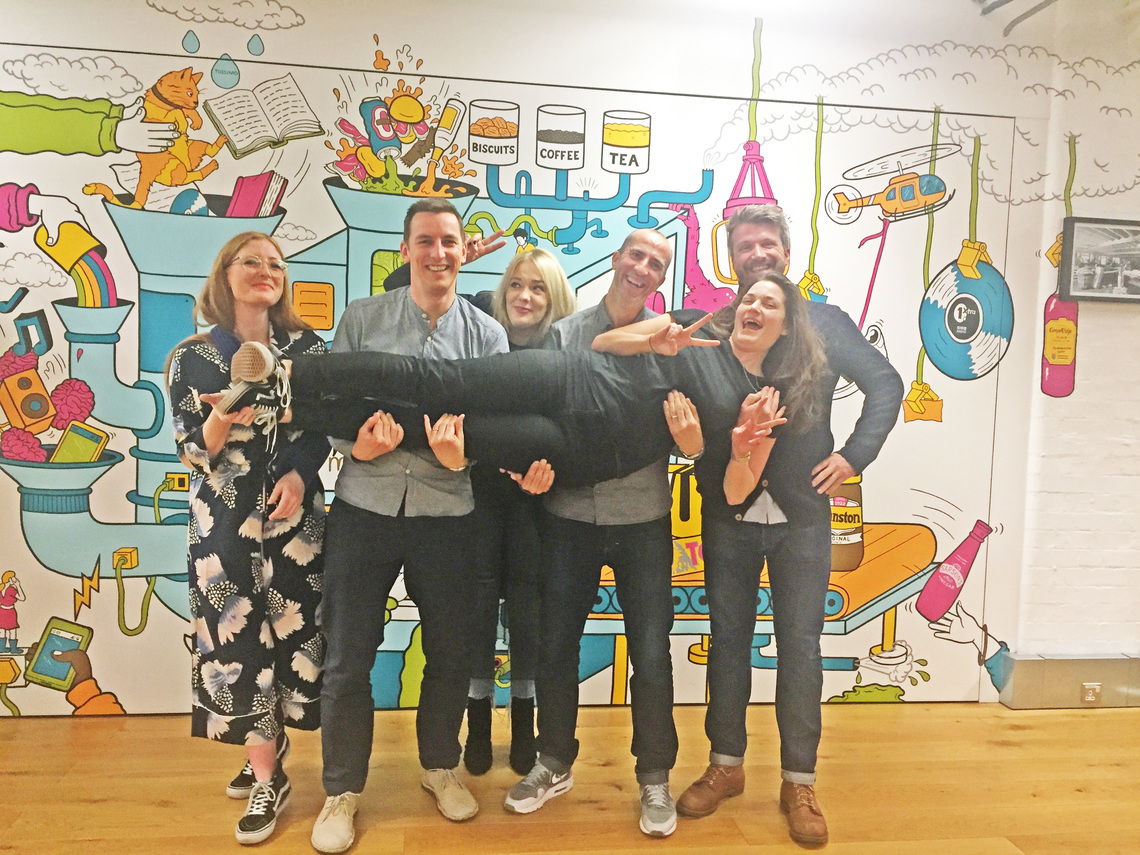
Jamie: In terms of company differences, McGarry Bowen felt like a typical creative agency—music was always playing, and it had a very lively atmosphere. Dentsu Inc., on the other hand, has a more formal atmosphere. But it's not that the formality makes me nervous or anything. These differences in environment helped me realize that Dentsu Inc.'s business isn't just about creativity; it spans a wide range of fields.
Takashige: Finally, is there anything you'd like to challenge yourself to do while you're in Japan?
Jamie: I hope Dentsu Inc. and DAN can break down barriers and work together as one to contribute to providing client services. The resources are already there, so I think it's just a matter of taking action to expand our track record and services for clients around the world.
Also, personally, I'd like to try making fake food in Kappabashi.
Takeshige: Thank you very much. If you make any Fake Food, please show it to me.
Business Culture as Tacit Knowledge
As Jamie mentioned in his interview, much of the stress I feel working in London stems from differences in business culture. While language and the substance of business itself can be overcome through learning and acquiring knowledge, the tacit knowledge of business culture inherent to a country or society is something you only truly grasp once you're actually working and facing it head-on. Moreover, it's perhaps less about overcoming it and more about gradually understanding it.
For example, in a London creative agency office, trendy music is always playing, someone might start singing, and even the CEO is addressed by first name—it all seems like a very free atmosphere.
On the other hand, the business hierarchy is quite distinct. Non-management staff focus on efficiently handling daily tasks within their job scope, while management primarily handles company administration and directing projects. Activities like client dinners or pursuing new business, which frontline staff handle at Dentsu Inc., fall under management responsibilities here. The specialist culture mentioned in the previous column ( https://dentsu-ho.com/articles/5273 ) is also thoroughly applied in the relationship between management and subordinates.
This business culture of focusing solely on one's own work without crossing boundaries often feels diametrically opposed to Dentsu Inc.'s approach. Having been deeply immersed in Dentsu Inc. Inc.'s culture, I still frequently feel a sense of dissonance. These seemingly subtle differences in business culture can surface unexpectedly in various work situations, catching me off guard.
The Trend Toward Integrated Solutions
Thus, a clear division of expertise and domains by individual or company is a defining feature of the advertising business in the UK and other overseas markets. However, the recent global trend in advertising is that the services provided by agencies are converging towards the integrated solutions offered by Dentsu Inc.
Originally, the Dentsu Group has provided highly integrated solutions globally, centered around its 10 global network brands. Initiatives like Publicis Group's "Publicis One" and WPP Group's integrated data platform offerings also represent this trend. Now that our lives are fundamentally rooted in a highly digital society, designing communication with consumers in a media-neutral way is a natural progression.
Was this article helpful?
Share this article


Newsletter registration is here
We select and publish important news every day
For inquiries about this article
Author
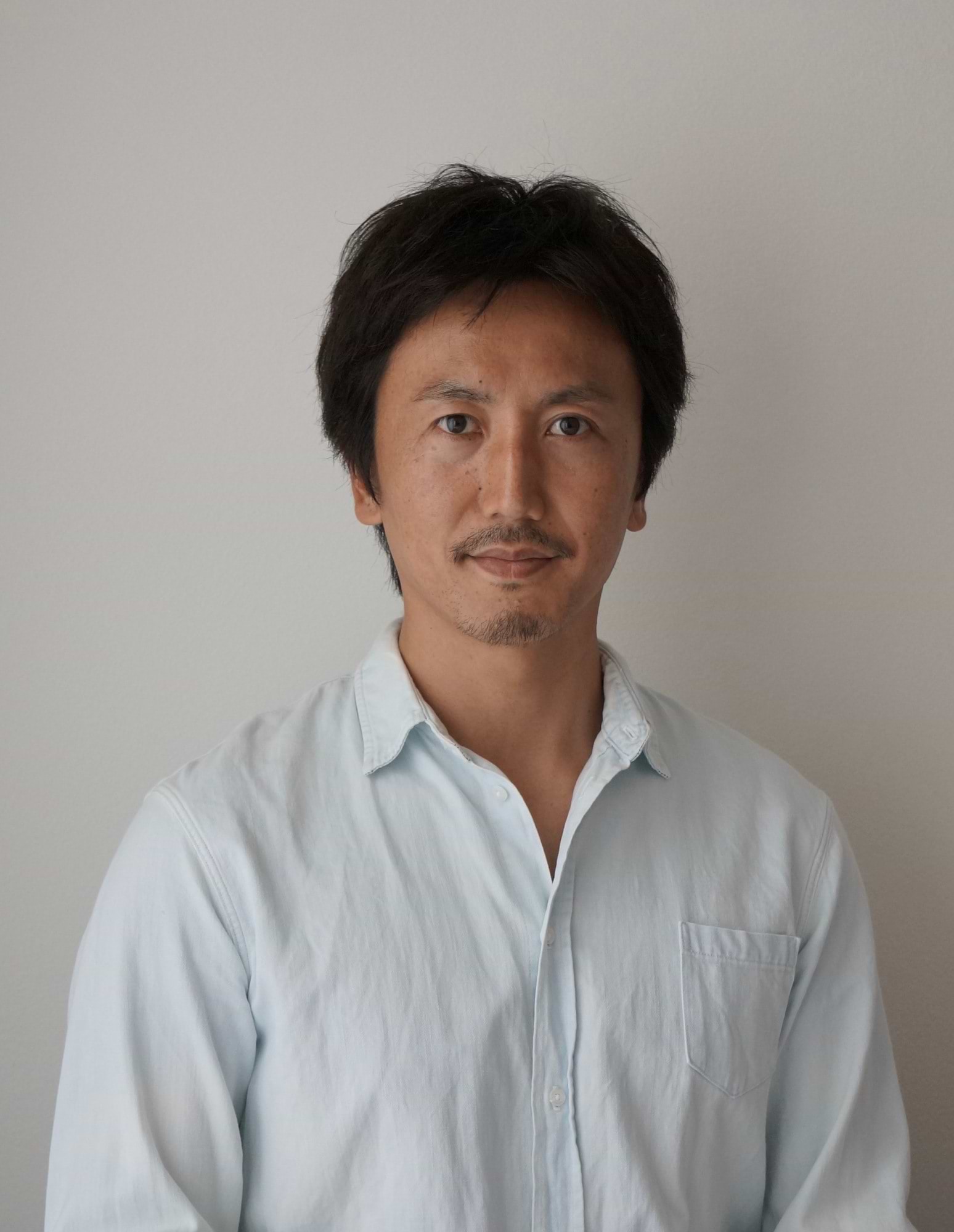
Kosuke Takeshige
Dentsu Inc. McGarryBowen UK