Note: This website was automatically translated, so some terms or nuances may not be completely accurate.
 【Continued】Local Gurgle [122/208]
An outstanding creative director changes their mind constantly.
The other day, I tried "Sunki Soba" for the first time in Gifu. It's a simple dish: warm soba noodles topped with pickled red turnip leaves. The unique sourness was gentle, and the rich umami flavor was so good I almost wanted seconds.
"Sunki pickles" are a preserved food traditional to the Kiso region, characterized by being made without salt. While I generously salt the cabbage pickles I make at home, the flavor when they become well-aged, packed with lactic acid bacteria, is quite similar. Once, "cabbage pickles meant rice," but lately, I've been enjoying them in new ways: simmered with pork like sauerkraut for a German twist, stir-fried with glass noodles for a Northeast Chinese flavor, and now, paired with Japanese dashi broth.
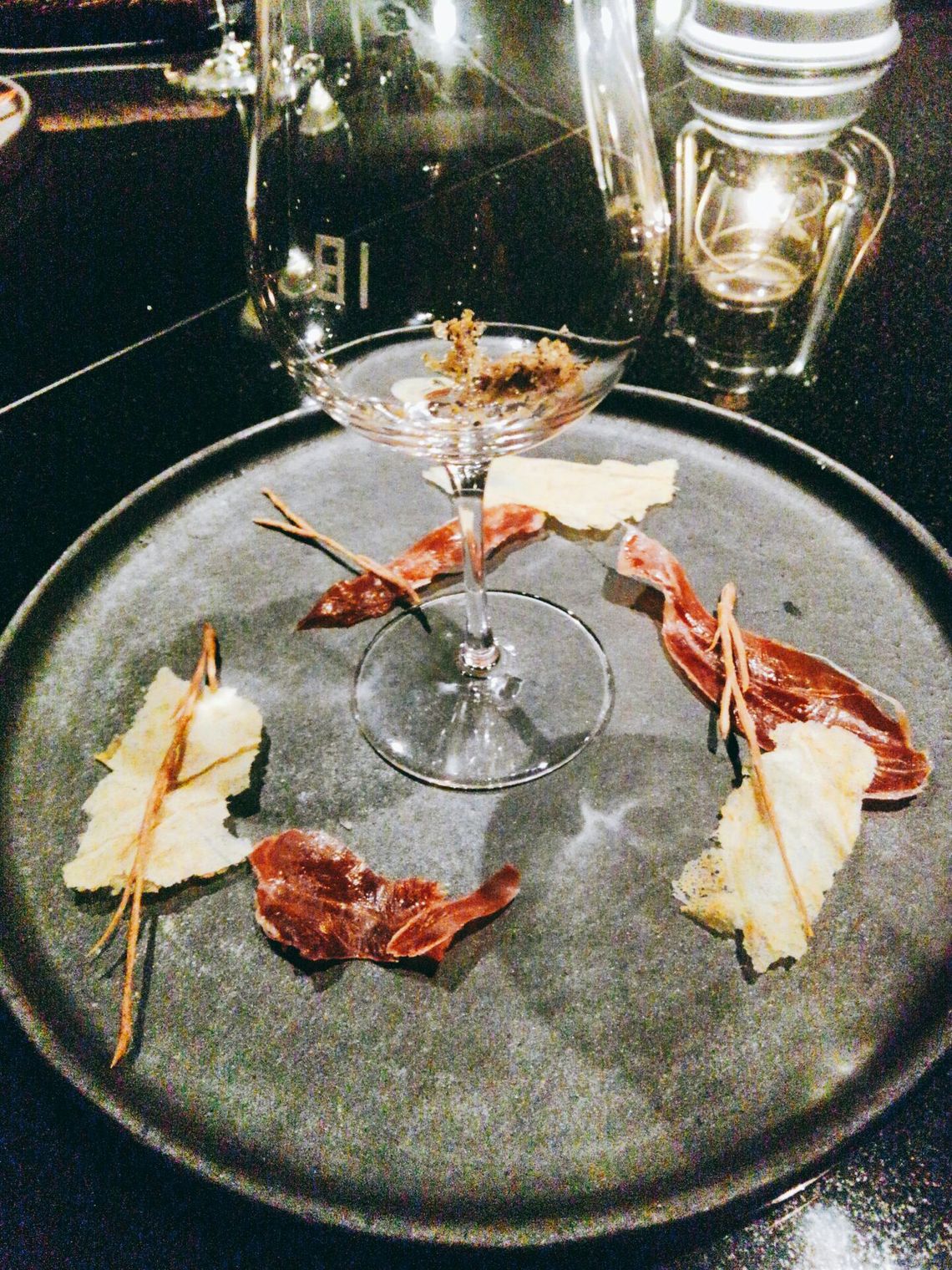
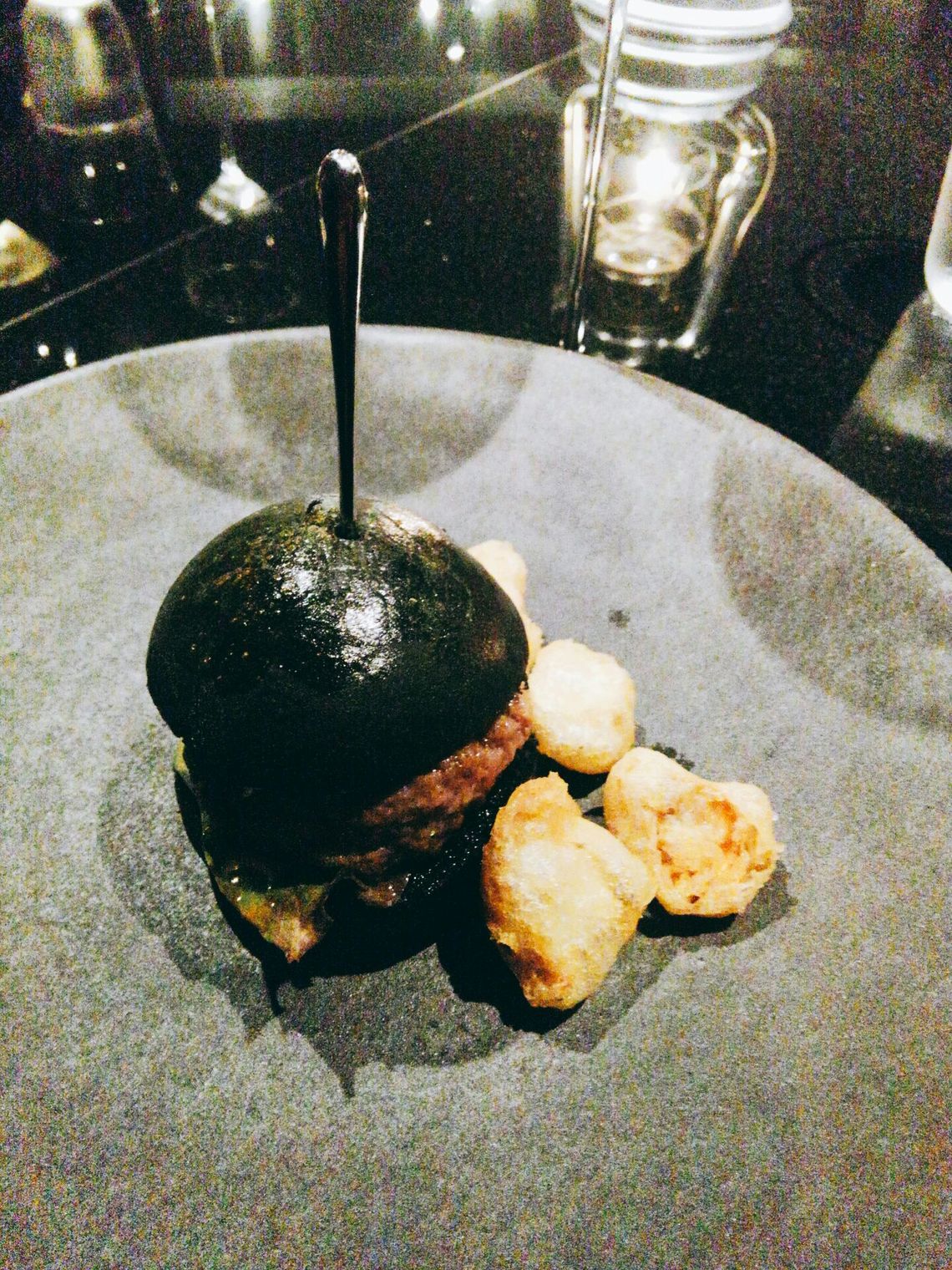
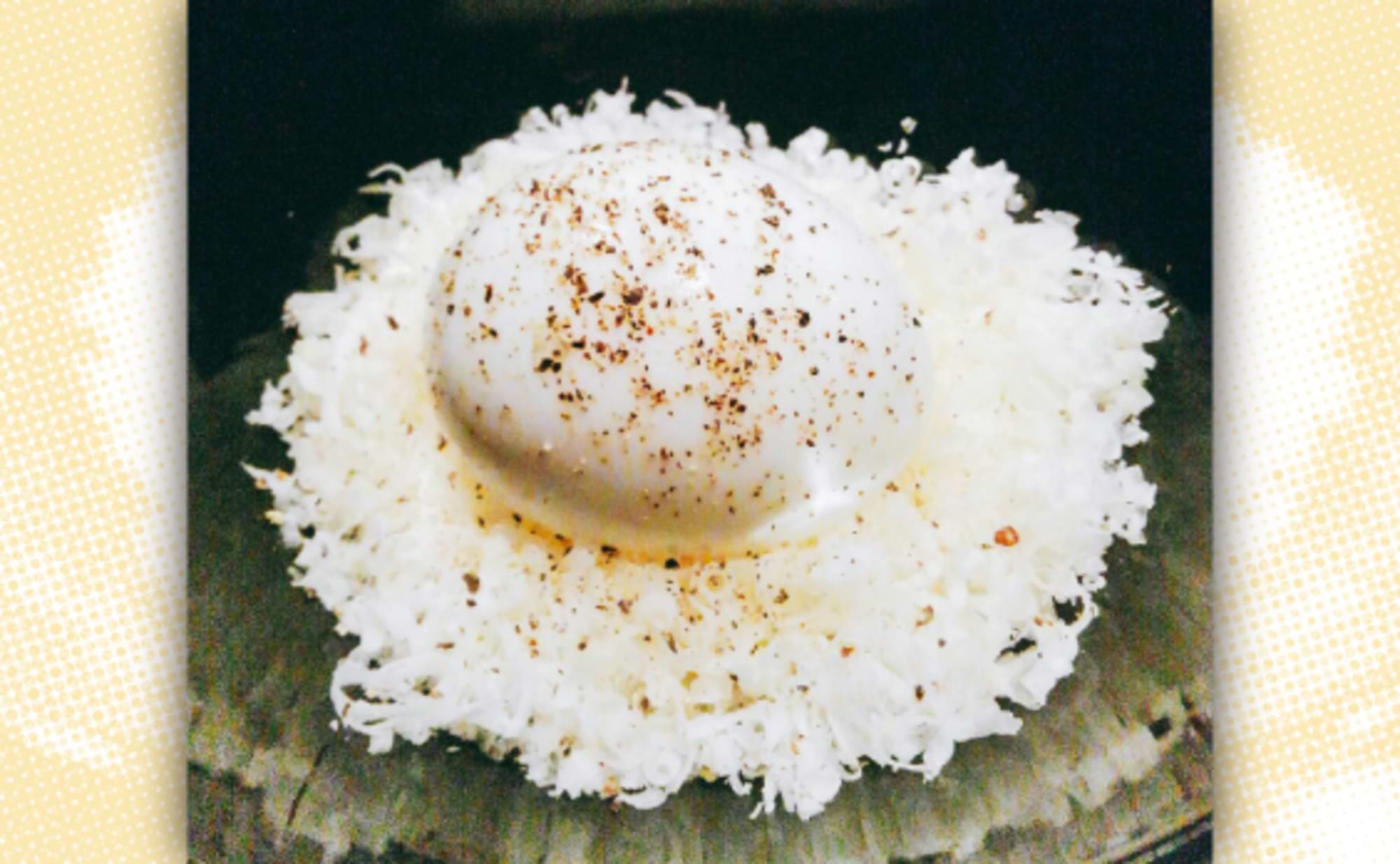
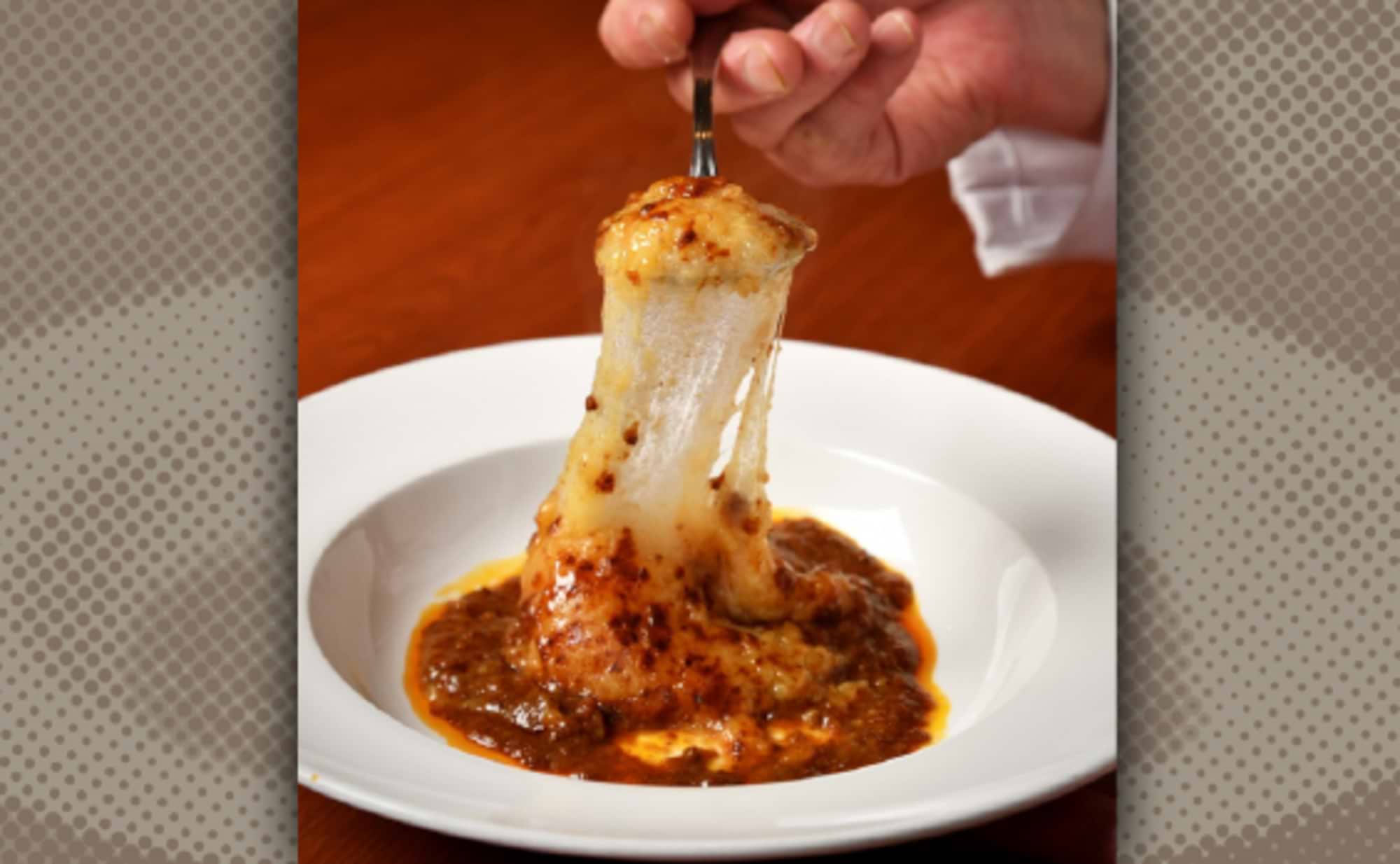
Now then, back to my conversation with Chef Takeshi Nagashima, owner of the popular restaurant "81," which I mentioned last time. Among the many stimulating anecdotes, one unforgettable point was: "An excellent director changes orders daily."
Nagasima trained at "El Bulli," the legendary restaurant that reportedly received over 2 million reservation requests annually from around the world for just 50 seats. And the chef who led this place, Ferran Adrià, was the very embodiment of "changing his mind from morning to night." Nagasima laughed, saying, "The him in the morning and the him in the afternoon felt like almost two different people."
And now, Mr. Nagashima practices this "changing his mind constantly" at "81". "I was really trained by Ferran Adrià's 'not like this' and 'not like that'. This 'back-and-forth' builds strength in the team."
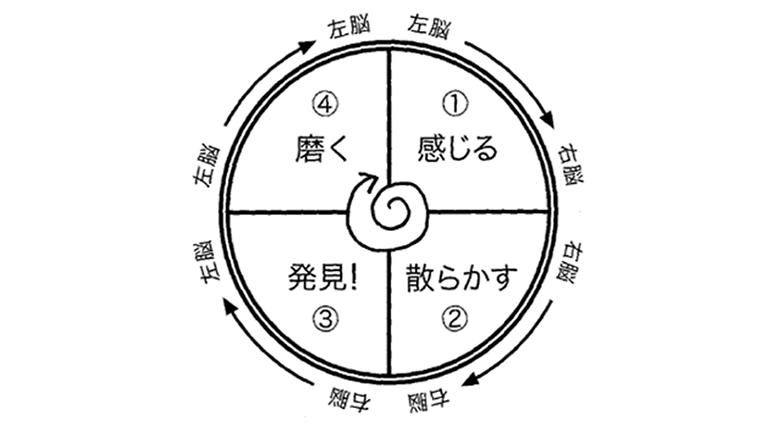
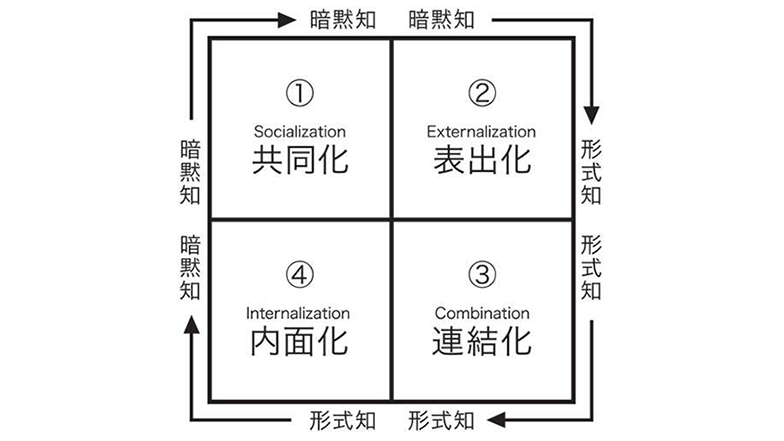
The fourth mode in the "Circular Thinking" methodology for concept creation is "Polish." Based on the "new perspective" gained in the "Discovery!" mode, we rebuild concrete strategies from scratch. Why did Professor Ikujiro Nonaka name this stage, which in his SECI model signifies the recombination of existing knowledge ("Combination"), the "Polish" mode?
The reason is that even a "concept" we believe we've "discovered!" is never absolute. If subsequent processes don't go well, we may need to revise the concept or, in some cases, start from scratch. Concrete measures are refined by the concept, but the concept itself is also refined by the concrete measures. This thorough mutual interaction is crucial, hence the name.
What makes the culinary world so challenging is that today is never the same as yesterday. Even when trying to source similar ingredients, they are never identical. The customers are different. The mood of the times, the weather—everything is constantly changing. The chef's own experience and "toolbox" will also grow. Within this, it's extremely dangerous to fix only the concept that points the way to a solution. That's precisely why Ferran Adrià and Nagashima, without fear of being disliked by their staff, continue trial and error right up to the wire.
The situation is exactly the same in the worlds of business and advertising. Consumers, competitors, and the mood of the times all change. You never know when a new idea will emerge. Even if staff have poured immense effort into preparing a presentation, if necessary, you must not hesitate to change course overnight and "throw the team for a loop." That is the role demanded of a director.
In fact, I've personally experienced outstanding creative directors abruptly retracting previous statements and shifting direction. And that was also an opportunity for my own growth. The commonalities I discovered between advertising and the culinary world through my conversation with Mr. Nagashima were truly memorable.
Hiroo's "81" is also famous for being impossible to get a reservation at, but still, I want to go play in that stimulating world again!

Please, enjoy!
Was this article helpful?
Share this article


Newsletter registration is here
We select and publish important news every day
For inquiries about this article
Back Numbers
Author

Sōo Yamada
Dentsu Inc.
First CR Planning Bureau
Creative Director