Note: This website was automatically translated, so some terms or nuances may not be completely accurate.
 What exactly is globalization? [5/6]
Can "Entrepreneurial Spirit" Be Learned? (Part 2)
Following our previous article, we present an interview with Professor Paris, who teaches Entrepreneurship at IE Business School.
In the second part, we asked about "Entrepreneurship within Large Corporations."
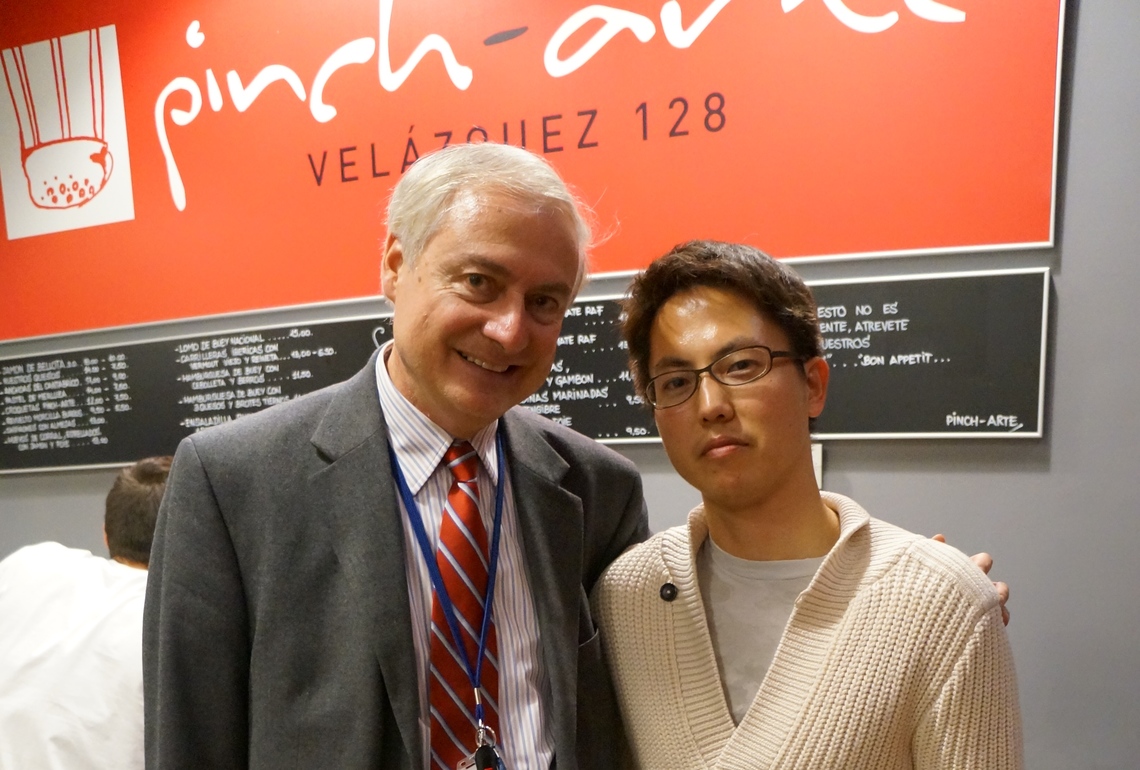
Nami: Dentsu Inc.'s corporate slogan is "Good Innovation." While I believe entrepreneurial spirit is crucial for generating innovation, how can we foster that spirit within a large corporation?
Paris: Not everyone working in a large corporation needs to become an entrepreneur, but they do need to think like one. That means viewing "ambiguity" and "instability" as "business opportunities." A culture of innovation, where people think creatively outside the box, is created when everyone within the company becomes an intrepreneur.
Nami: Does that require special training? Or should it be learned through daily work?
Paris: Both are necessary. After learning "out-of-the-box thinking," you must actually apply it in business. I once created a project at a Japanese company where I first taught intrepreneurship and then had them put it into practice in business.
Nami: So, when fostering innovation internally, are financial incentives or risk exposure necessary?
Paris: Most people don't innovate solely for money. "Recognition" is more important than incentives. People avoid risk because they fear failure will negatively impact their career. Companies must accept failure. They must not punish it.
Nami: What does "acknowledging" mean specifically?
Paris: For example, you can "recognize" them by making the innovator a project leader or creating a new department. It means giving them autonomy and entrusting them with responsibility.
Nami: In large corporations, daily operations are also crucial. For example, at Dentsu Inc., we work late every day for our clients. Can innovation be fostered without compromising core business functions?
Paris: You don't need to work longer hours. You need to use your working hours more efficiently. I understand the Japanese way of working and thinking very well. You work very long hours, and human relationships are important. But you must find ways to do the same amount of work more efficiently and create time for innovation.
Nami: How do you view the relationship between large corporations and startups?
Paris: Large corporations need to engage with smaller companies like startups to learn flexibility. Recently, many large companies have begun functioning as accelerators or incubators, supporting entrepreneurs as third parties. This is an excellent approach for engaging with smaller companies like startups.
Nami: Finally, as a professor and entrepreneur, could you share your impressions of Japan?
Paris: Based on my experience teaching and working as an accelerator in Japan, I believe Japan's biggest challenge is "overcoming the fear of failure." You can't feel secure just because you work for a large corporation. In China, especially the younger generation, is very creative. Japan's young people also need to change, and large corporations have a major role to play in facilitating that.
My impression is that Japan has tremendous potential. Japanese businesspeople are highly responsible and serious, and I believe Japan's creativity in design is the best in the world. There are also many companies Japan can be proud of globally. To reiterate, the challenge is whether young people can adopt the mindset of "viewing failure as a learning experience."
Nami: Speaking of China, what are the differences between young people in China and Japan?
Paris: For example, when I give lectures on entrepreneurship to young people in China, the Q&A lasts two hours. In Japan, it ends in ten minutes. It seems asking questions itself is seen as embarrassing.
When talking with young people in China, I sense a strong sense of responsibility that "you must create your own future." This is incredibly important. In Japan, I get the impression that young people still think the government, companies, or their families will take care of them. As long as they think that way, they cannot take risks. That is the point that must change. Time won't wait. The aging population continues to advance, and the responsibility placed on young people grows ever greater. To survive the future as Japanese people, we need to change our mindset.
Nami: So it's crucial to think, "I create my own future."
Paris: Exactly.
Nami: Finally, when you say "young people," what age range do you have in mind?
Paris: Under 40.
Nami: Thank you very much.
Paris: Thank you.
************
Regarding the last point, I recalled a friend from South America saying, "You can learn everything about your country's history just by asking your family. I envy Japan for its long history. We have to build ours from scratch."
While I can still be considered "young" for a while longer, I intend to keep challenging myself without fear of failure.
Was this article helpful?
Share this article


Newsletter registration is here
We select and publish important news every day
For inquiries about this article
Back Numbers

Author
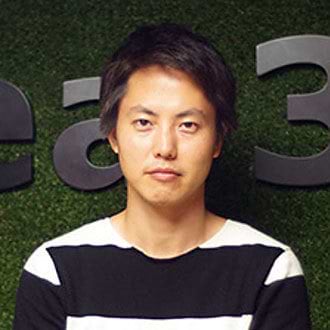
Atsuo Nambe
Dentsu Inc.
Dentsu Inc. Business Design Square