Note: This website was automatically translated, so some terms or nuances may not be completely accurate.
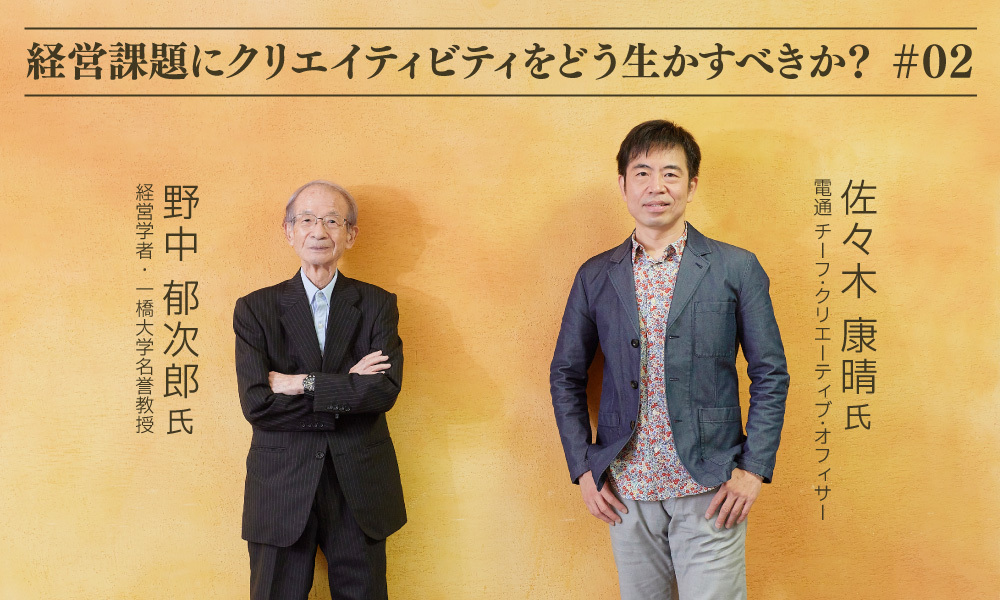
 How Should Creativity Be Applied to Management Challenges? ~ A Dialogue Between Professor Ikujiro Nonaka and Yasuharu Sasaki [2/3]
What is needed now is not "homogeneity" but "heterogeneity."
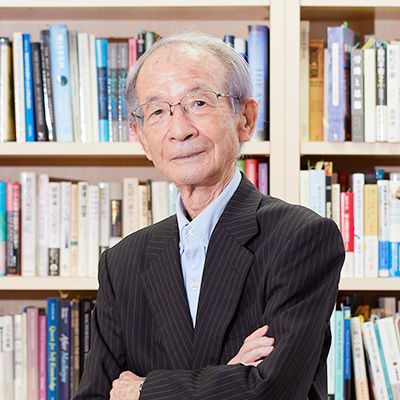
Ikujiro Nonaka
Hitotsubashi University

Yasuharu Sasaki
Dentsu Group Inc.
A serialized discussion series on the theme of "Creative Thinking and the Potential of Creativity Essential for Future Management," featuring Professor Emeritus Ikujiro Nonaka of Hitotsubashi University, a management scholar, and Yasuharu Sasaki, CCO of Dentsu Inc.
Last time, we discussed how new value and innovation emerge when ideas are exchanged not objectively, but through "mutual subjectivity," based on the "SECI Model," a knowledge management framework proposed by Professor Nonaka.
Professor Nonaka further suggests that the ideal partners for clashing subjective views are those who are fundamentally different. This time, we delve deeper into this point.
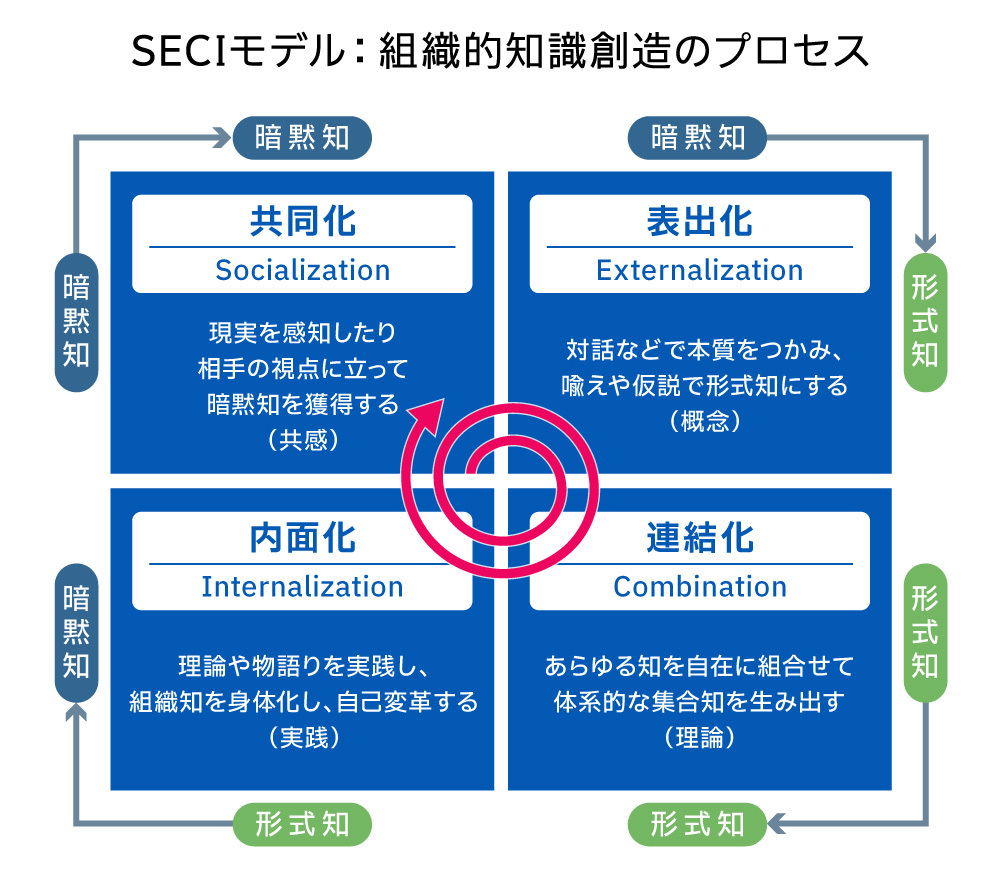
【SECI Model】
A spiral process for converting individual tacit knowledge into explicit knowledge and continuously creating knowledge throughout the organization.
(1) Socialization: Perceiving reality or gaining tacit knowledge by adopting another's perspective
(2) Externalization: Grasping the essence through dialogue and transforming it into explicit knowledge using analogies and hypotheses.
(3) Combination: Freely combining all knowledge to create systematic collective knowledge.
(4) "Internalization": Putting theories and narratives into practice, embodying organizational knowledge, and driving self-transformation.
By spiraling these four phases, we aim to elevate the entire organization.
Purpose isn't something you decide by everyone brainstorming together nicely.
Sasaki: Last time, you explained that to solve management challenges, it's crucial to start by clashing subjective views within the organization, rather than beginning with objective analysis.
Recently, creating Mission, Vision, Values (MVV) and Purpose has become trendy. While the principles are sound and no one opposes them, it often results in MVV or Purpose statements that... well, no one gets excited about. I feel this happens quite frequently. Could one reason be the focus on aggregating objective opinions?
Nakano: Purpose is the very essence of one's reason for being. It's akin to finding the answer to the question, "What am I living for?" Therefore, it's a theme that demands discussion with a profound sense of urgency and resolve. Frankly speaking, it's not something you can decide by gathering a large group of employees for brainstorming. It's about individuals committed to responsibility passionately clashing their subjective perspectives to create a new "meaning" with their whole being. If you listen to everyone's opinions after going through that process, that's one thing. But simply having everyone nicely share their thoughts won't get to the essence.
Sasaki: So, the essence lies in each person's life experience and practical knowledge, yet by seeking consensus, we inevitably arrive at safe, uncontroversial answers. And of course, mechanically filling in a framework to define purpose is also wrong.
Nonaka: One organization we referenced when developing the SECI model was the U.S. Marine Corps. During the Pacific War, when people questioned, "Is the Marine Corps even necessary?", they created the new concept of amphibious warfare and drove innovation. When I had dinner with a top Marine officer and asked, "How did you create that new concept?" he replied, "We're constantly asked, 'How are the Marines different from the Army?' That's why we have to debate endlessly to survive. And debate costs nothing. So we're always discussing our very reason for being." I was really impressed.
Sasaki: That's fascinating. Thinking along those lines, I realized that when tackling management challenges, it might work best when people who excel at committing with high energy, initiative, and the ability to express their unfiltered opinions on the spot get involved.
Creative pairs of dissimilar individuals drive innovation
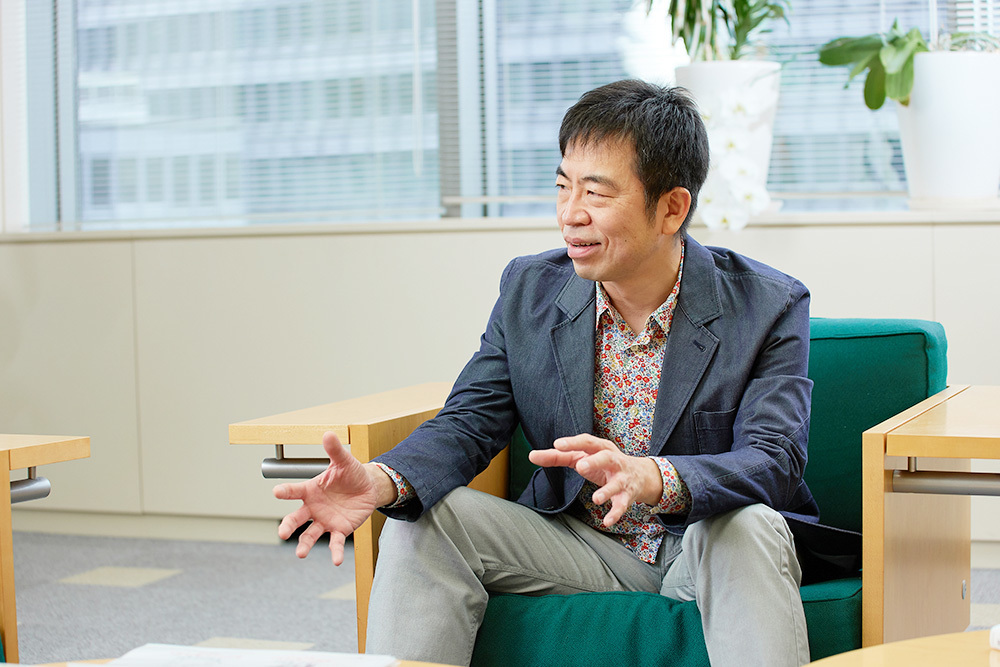
Nonaka: As I mentioned last time, the crucial point in the first phase of the SECI model, "Synthesis," is that it involves a pair, not an individual. Ideally, your partner should be as different from you as possible. If you pair with someone too similar, you start reading each other's minds, making genuine, unguarded dialogue impossible. It's precisely because the subjective perspectives of two fundamentally different individuals collide that new value can be created. I call this a "Creative Pair."
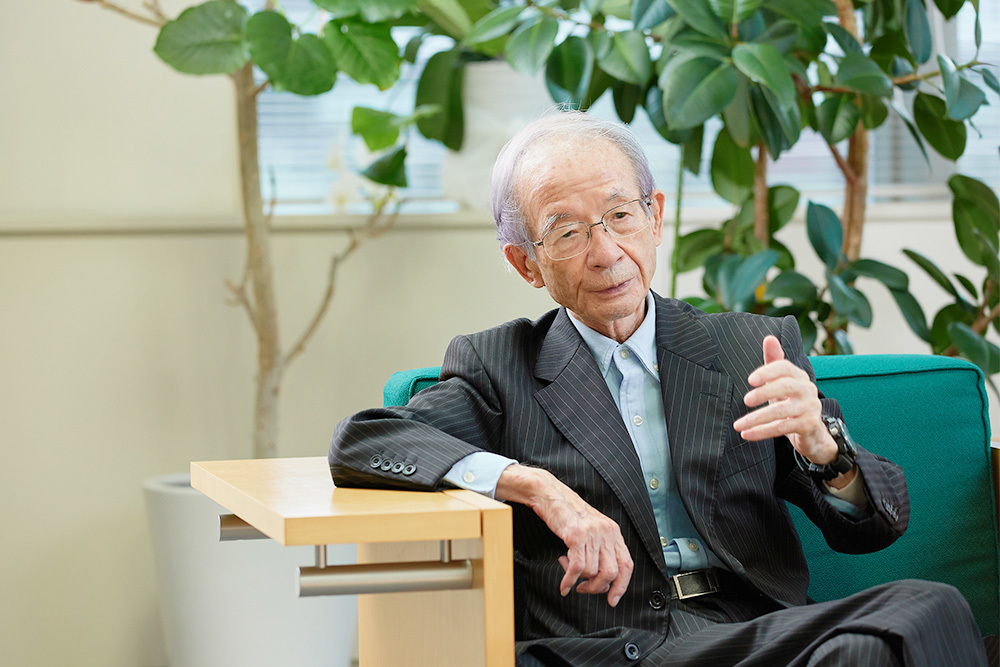
In fact, I once participated in meetings at a company that regularly created such opportunities. Because it involves the clash of fundamentally different perspectives, the tension and fatigue are extraordinary. That's precisely why the joy when it works is immense. Take me, for example. Mr. Takeuchi (Hirotaka), who co-developed the SECI model with me, is fundamentally different from me (laughs). It was by pairing with him and repeatedly engaging in serious, high-stakes exchanges that we arrived at the SECI model.
I imagine many of you involved in creative work can relate to this to some degree. Advertising producer Kazuo Fujioka formed a creative pair with Yotaro Kobayashi, who was then Director of Sales at Fuji Xerox and later became its president. Together, they created the historic copy: "From Furious to Beautiful."
Sasaki: I see. That powerful message—"From Frenzy to Beauty"—which divided opinion during the peak of Japan's high-growth era, embodying a new value system that defined their very way of life, emerged from the serious battle between management and the creator. I think that's a crucial point.
Nonaka: That creative duo was truly exceptional. I participated in the study sessions they organized, and it was a truly luxurious program, the very model of liberal arts.
Sasaki: Just as our senior colleague Mr. Fujioka exemplified, I was reminded that while we are partners to our clients, we must never forget to engage with the essence of things as "half outsiders."
This time, even in a setting like purpose formulation, I realized that serious, no-holds-barred clashes of individual perspectives are indispensable. And I sensed that our unique position – rooted in our own experience, yet able to fully embody the client's perspective while also representing the viewpoint of users and society – holds potential to contribute to management.
Next time, I look forward to continuing our discussion on the theme of "verbalizing ideas."

Was this article helpful?
Share this article


Newsletter registration is here
We select and publish important news every day
For inquiries about this article
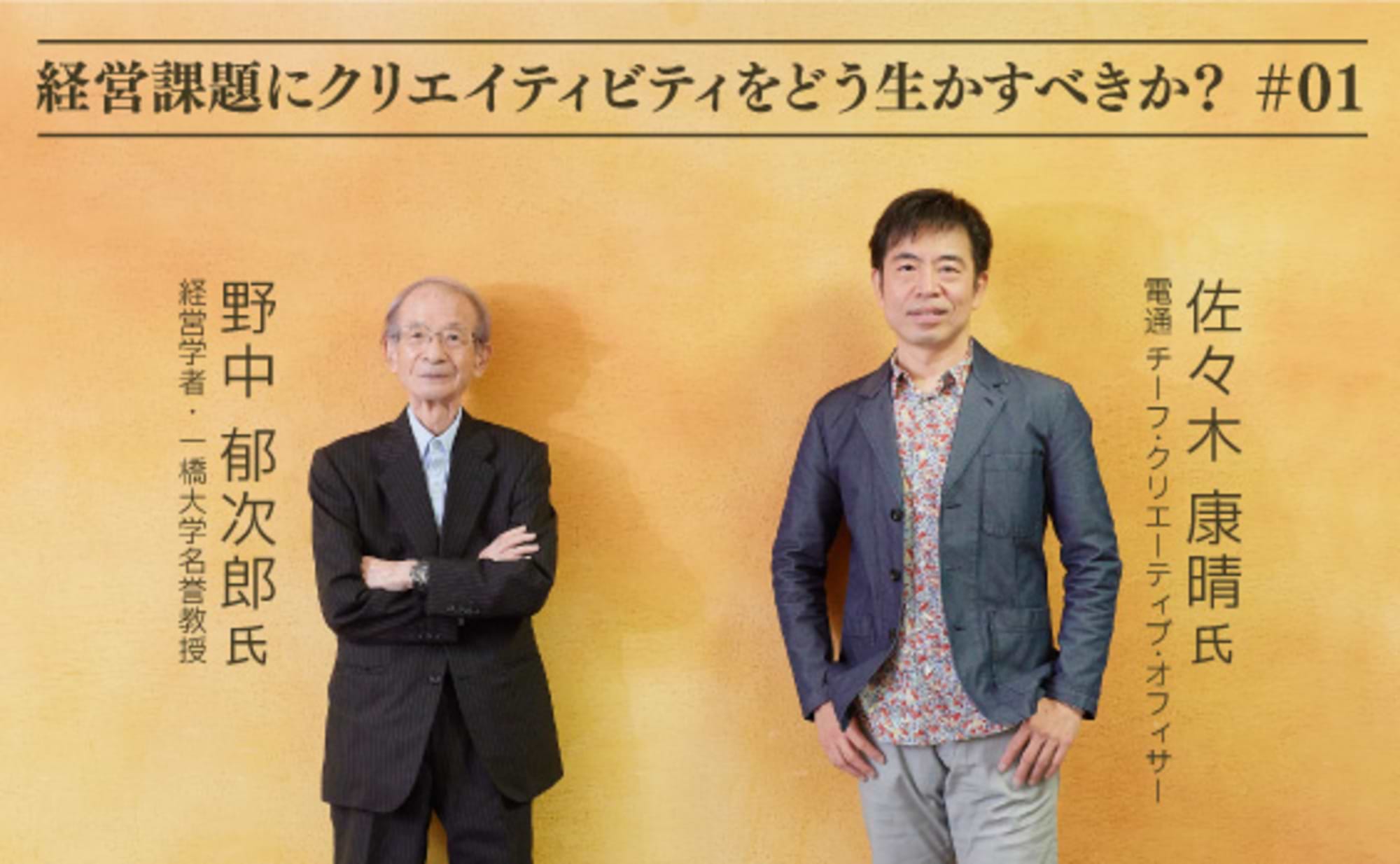
Author
Ikujiro Nonaka
Hitotsubashi University
Professor Emeritus, Management Scholar
Yasuharu Sasaki
Dentsu Group Inc.
Global Chief Creative Officer, dentsu Japan Chief Creative Officer, Dentsu Inc. Managing Executive Officer (Creative)
Digital and Sometimes GlobalPractical Digital Marketing to Drive Customer ActionTo be an innovator in digital solutionsDentsu Design TalkSXSW 2019: Technology × Creativity Changing the FutureThe Future of Advertising as Seen Through Advertising AwardsThink in diagrams!How Should Creativity Be Applied to Management Challenges? ~ A Dialogue Between Professor Ikujiro Nonaka and Yasuharu SasakiLet's talk about Cannes. CANNES LIONS 2022Let's talk about Cannes. CANNES LIONS 2024