
Note: This website was automatically translated, so some terms or nuances may not be completely accurate.
 Don't Miss Out! How to Leverage Data Clean Rooms [4/9]
Achieved 147% of ROAS target. HAKONIWA implementation techniques for apparel companies!
Related Articles:
Cutting-edge case studies keep coming! What you can achieve with "Data Clean Rooms"
This time, we introduce a case study by apparel company TSI, which leveraged the joint analysis project "HAKONIWA" by Yahoo (now LINE Yahoo) and Dentsu Inc. to improve digital advertising ROAS (Return On Advertising Spend) and achieve additional benefits.
HAKONIWA
An analytical environment linking Yahoo's online behavioral data with the Dentsu Group's data infrastructure. It enables the analysis and utilization of various data from Yahoo! JAPAN, which has approximately 84 million monthly active users (※), and connects this to ad delivery.
※Source: Yahoo! JAPAN official website "Services & Businesses"
In addition to advertising data like click-through rates, it integrates search data, Yahoo! Shopping purchase data, and numerous other service data points from Yahoo! and select Yahoo! partner companies. Advertisers can securely upload their first-party data into the HAKONIWA environment via a dedicated advertiser data storage area, enabling combined analysis with Yahoo! data, Dentsu Inc. data, and other data sources.
Reference Article:
PayPay Campaign Analysis Case Study Using HAKONIWA: What Can Be Achieved by Leveraging Economic Zone Data?
TSI has long implemented digital marketing initiatives using its own data (first-party data). What results and discoveries emerged by newly leveraging HAKONIWA to combine data?
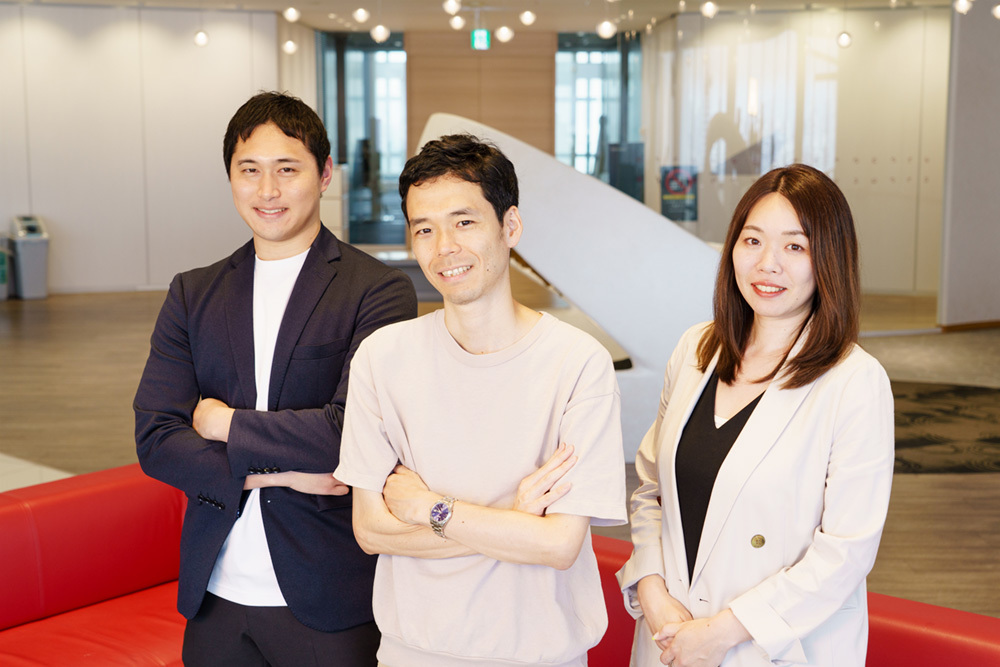
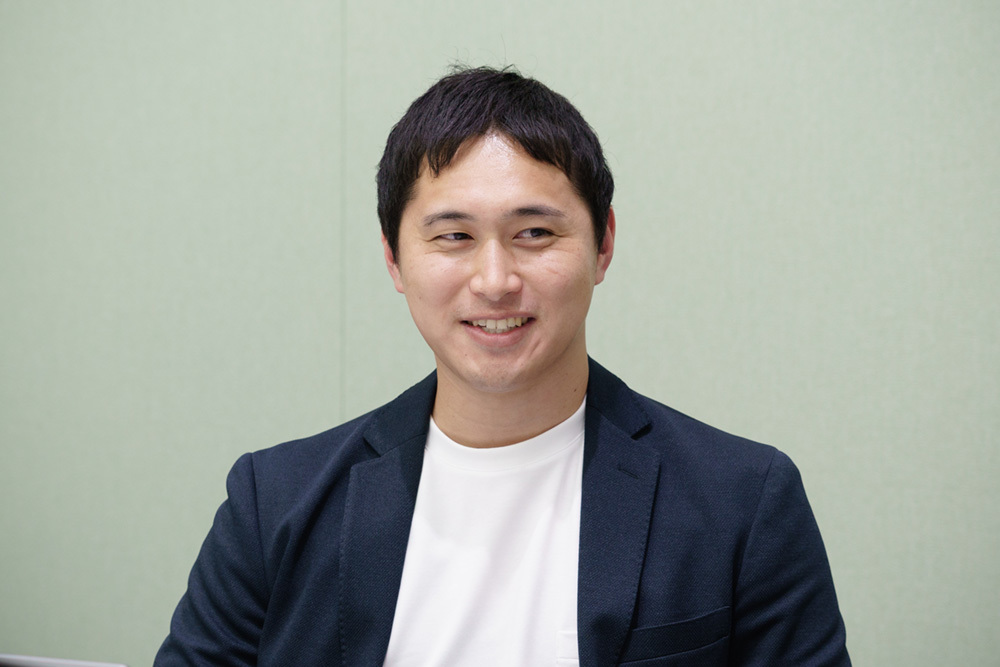
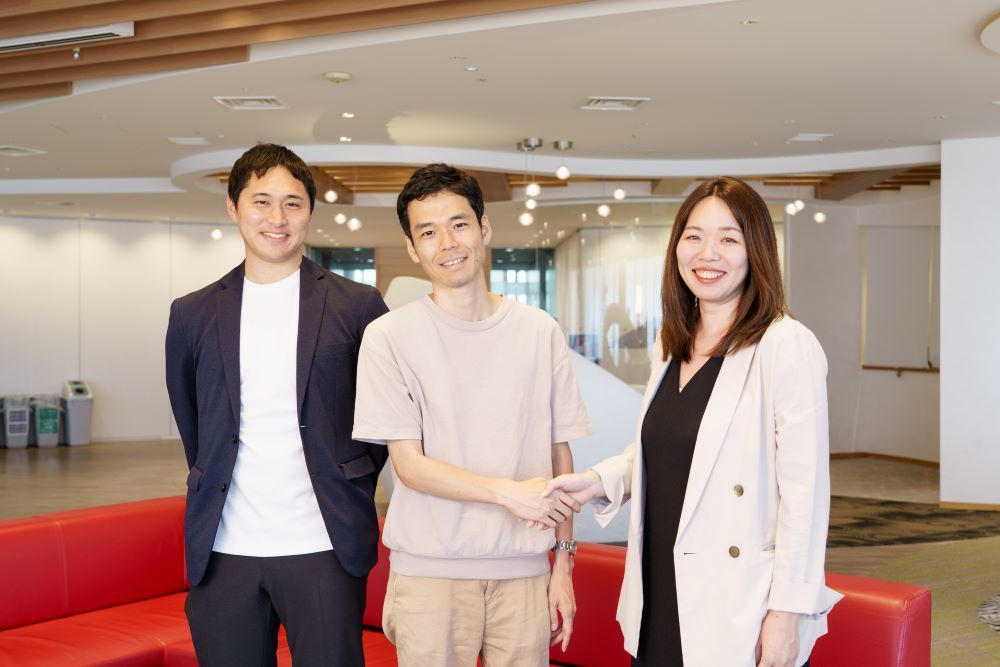
We spoke with Kenji Takeyama, who broadly oversees data initiatives using CDPs (Customer Data Platforms), web advertising, and CX improvements at TSI; Suzuka Yano from Dentsu Digital Inc., who collaborates with TSI on digital ad delivery; and Yusuke Igarashi from Dentsu Digital Inc., who served as an analyst responsible for creating predictive models and data analysis using HAKONIWA.
<Table of Contents>
▼Approaching Two Targets with HAKONIWA!
▼Results Exceeding Expectations! Achieving New User Acquisition and Detailed User Understanding
▼Data Integration Beyond First-Party Data Opens Possibilities Beyond Ad Delivery
Approaching Two Target Audiences with HAKONIWA!
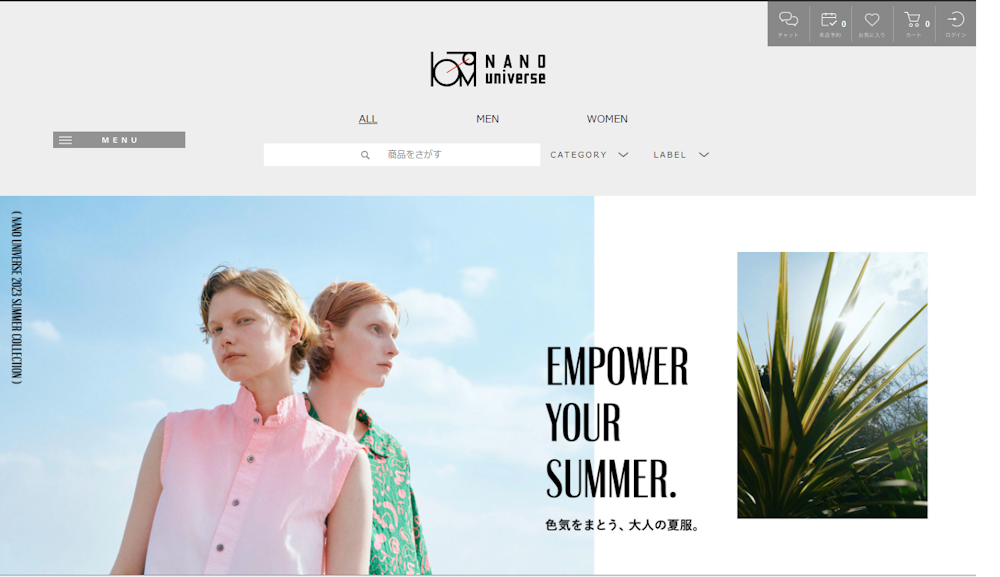

──This time, we'd like to hear about TSI's case study using HAKONIWA to improve ROAS for the brands "nano・UNIVERSE" and "SAN-A B.D." First, could you tell us why TSI decided to implement HAKONIWA?
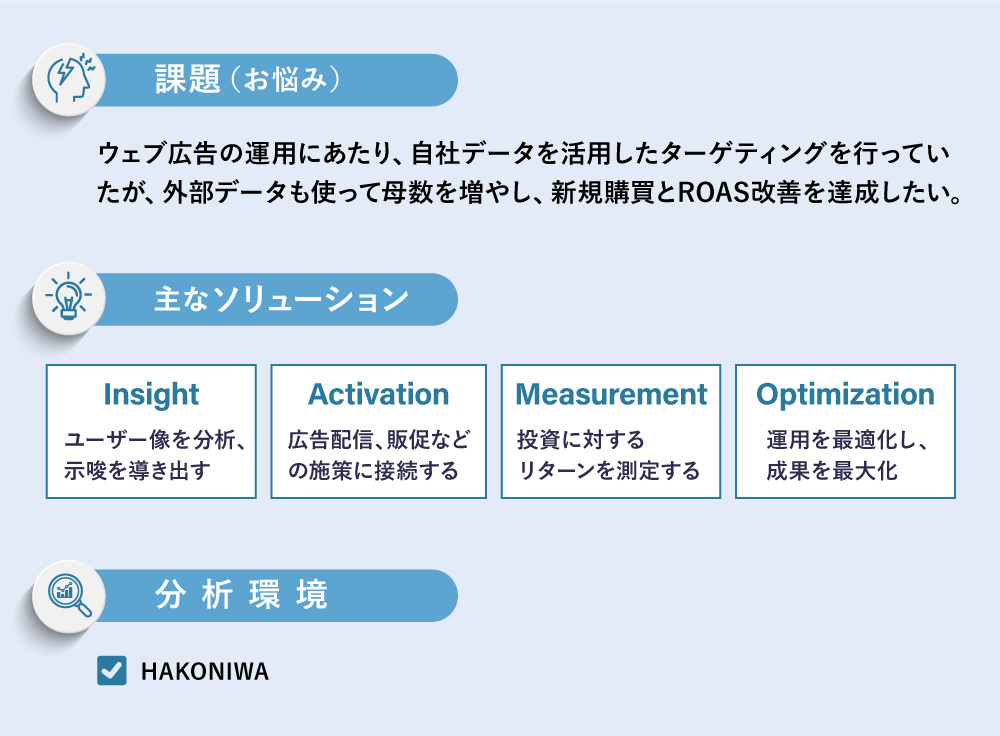
Takeyama: We've always leveraged our own purchase data and similar assets for web ad delivery. However, relying solely on proprietary data limits the targeting pool. Additionally, we've long wanted to implement high-ROAS approaches specifically targeting "users predicted to make new purchases" and "users predicted to have high LTV (Life Time Value)." That's why we consulted with Dentsu Digital Inc. and decided to implement user analysis, ad delivery, and effectiveness measurement using HAKONIWA.
Yano: HAKONIWA possesses an exceptionally rich dataset. For instance, by leveraging "search data," we can deeply understand user interests and preferences, then incorporate these insights into our "predictive models."
*All data Yahoo acquires and utilizes is information for which user consent has been obtained.
――I imagine there are various ways to utilize the Data Clean Room (DCR). What are the key features of this particular implementation?
Yano: It's the integration of TSI's proprietary data with HAKONIWA. We linked offline (store) and online (e-commerce) purchase data, along with data on who is making purchases, with HAKONIWA.
Based on this data, we created two predictive models. By running ad campaigns on Yahoo! for each model, we analyze outcomes like "Did they become new users?" and "Did they make repeat purchases?"
Igarashi: Currently, DCR usage often involves analyzing conversion data accumulated on the platform side. In that regard, what's unique this time is that we linked purchase data from TSI's CDP—first-party data—into HAKONIWA and analyzed it in combination.
By leveraging machine learning and integrating Yahoo's diverse attribute data, we created two predictive models: one to identify which users are most likely to make a purchase, and another to predict new purchasing users.
- New Purchasing User Prediction
- High LTV User Prediction
We segmented users with high scores for each model within HAKONIWA and connected this to ad delivery based on both prediction models: .
Results exceeded expectations! Achieved new user acquisition and detailed user understanding
――By integrating with first-party data, we achieved what was previously impossible with digital advertising alone.
Yano: Previously, we often ran ads like retargeting based on the simple condition of "site visitors." However, even among "site visitors," there are users with varying levels of purchase intent.
This time, we built a model to predict each user's purchase probability by leveraging diverse data—including Yahoo data and first-party data—alongside their behavior during site visits. This enables highly granular ad delivery tailored to each user's purchase likelihood.

Takeyama: "Using only online data to drive online purchases" is the traditional approach to digital advertising, right? As an apparel company, we were already using store purchase data for ad delivery, but our collaboration with HAKONIWA has yielded different results. For example, while this is digital advertising, we tracked all the way to "in-store purchases" and optimized accordingly.
――So you were able to analyze cases where someone saw a Yahoo ad and then made a purchase at a Nano Universe or Sanei B.D. physical store?
Takeyama: Yes. We measure ad clicks and views, and if a purchase occurs during the ad delivery period, we consider the ad effective.
Igarashi: This time, we also used POS data, comparing the period before ad delivery with the period during ad delivery for verification.
――I understand you also used Dentsu Inc.'s True Lift Model to investigate the "conversion lift attributable purely to the ad effect."
Press Release:
Dentsu Launches "True Lift Model™" to More Accurately Evaluate Digital Advertising Effectiveness
Yano: Both nano・UNIVERSE and SAN-A B.D. are extremely popular brands, so naturally, there are many users who would have purchased even without exposure to web ads. Therefore, to properly assess the "advertising effect," we also conducted verification using the True Lift Model.
――Did you deliver ads with the same creative to both segments?
Yano: Yes. The key point this time was to separately deliver two different predictive models for comparison. To ensure a fair comparison under identical conditions, we used the same creative assets. As a result, we were able to analyze that "high LTV segments respond better to strong product messaging" and "new customer segments respond better to sale promotions."
――What kind of results did you achieve from the campaign?
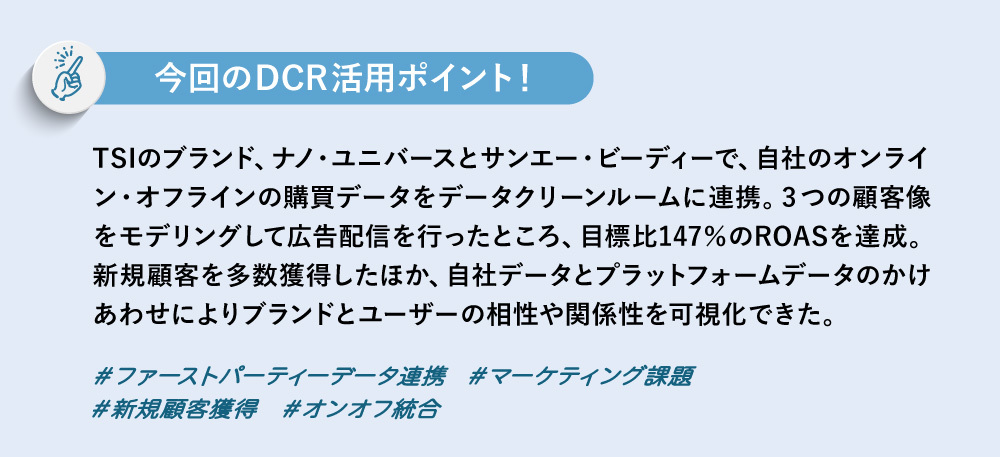
Takeyama: Broadly speaking, we achieved the following three outcomes:
- The overall purchase ROAS achieved 147% of the target.
- The actual ROAS for new purchases reached 110% of the target.
- We were able to extract interests and preferences for both new and existing purchasers using Yahoo data, increasing the precision of our targeting.
TSI also takes a very strict view of sales relative to costs. Within that context, we achieved very strong numbers overall. Since acquiring new users is a particular focus area for us, we are satisfied with the 110% target achievement rate.
Additionally, as a secondary effect, the resolution of our target users significantly improved. By understanding user profiles—such as which search terms are most common and what interests are highest—for each predictive model ("New" or "High LTV"), we gained clarity on appropriate approaches tailored to specific user segments. Of course, TSI also possesses data like age and gender, but relying solely on that didn't clearly define the user profiles we should target.
Yano: Igarashi provided us with an analysis report showing "New purchasing users have these specific interests within Yahoo! JAPAN." This gave us a clearer picture of "These are the people we could potentially target as new users going forward."
Igarashi: That's precisely where DCR's strength lies. By cross-referencing and analyzing the diverse data held by platform operators, we can uncover previously unseen attributes. That's why I believe it's exceptionally well-suited for "new user acquisition," as Mr. Takeyama mentioned.
――Integrating first-party data with DCR still seems relatively rare. Did you encounter any challenges?
Takeyama: We've had experience using our own data for ad delivery before, but the methods for linking, how data is sent, and the specifications of the data itself vary quite a bit depending on the platform. This was our first collaboration with Yahoo, but with Dentsu Digital Inc.'s support, we were able to implement it smoothly.
――Was creating the predictive model a smooth process?
Igarashi: Building the predictive model itself wasn't difficult, as we have extensive experience. The challenge was working backward from our desired objectives to determine how to adjust the model to achieve higher prediction accuracy.
Yano: Users with high LTV expectations, for instance, often represent a smaller volume in the analysis. So, we designed and implemented a delivery strategy—discussed with TSI—to start with users scoring high on LTV and gradually expand the reach. Establishing the delivery process beforehand is also key to smoothly executing initiatives.
Data integration beyond proprietary data opens possibilities beyond ad delivery
――What kind of internal feedback did you receive following this initiative?
Takeyama: We definitely got feedback about acquiring new users. People said things like, "Wow, we can actually get this many new users!" Acquiring new users had always been a challenge for TSI, so achieving tangible results was very positive.
Yano: Actually, to compare with the modeling analysis using HAKONIWA, we simultaneously started a campaign using simple targeting like "Interest: Fashion." That one didn't get any conversions at all. It really highlights how inherently difficult and high-barrier "new user acquisition" truly is. So, achieving good results using the predictive model was a discovery, even from the perspective of a TSI planner.
――Conversely, were there any challenges or areas you'd like to improve?
Igarashi: As I mentioned earlier regarding data integration, from an analyst's perspective, the entire process—integrating TSI's first-party data into the HAKONIWA environment, building predictive models, creating segments, and delivering campaigns—is complex and time-consuming, especially while maintaining privacy considerations. Moving forward, we aim to develop solutions and frameworks that balance speed with the essential requirement of ensuring safety and security from a privacy protection standpoint.
Additionally, we aim to increase the "variety of analyses tailored to client challenges." Since usable data differs by platform, we will also advance mechanisms to perform analyses on the platform best suited to deliver the desired output for each client request.
――Could you share your long-term outlook for the future?
Yano: This was a three-month implementation, but by continuing analysis over a longer, more sustained period, we can gain a deeper understanding of what makes a "high LTV user." If we can determine things like "how many times this new user segment made purchases after one year," we should be able to develop more accurate modeling and approaches.
Takeyama: Looking ahead, we hope to expand its use beyond ad delivery to areas closer to the purchase, such as improving CX on the e-commerce site. Also, since TSI places great emphasis on OMO (Online Merges with Offline, the integration of physical stores and e-commerce), it would be great if we could connect this to "optimizing the overall sales and ROAS for people who purchase through both store and e-commerce channels," or even optimization for physical stores alone.
Yano: Since this initiative only utilized TSI and Yahoo data, we plan to propose future collaborations integrating data from Dentsu Inc. and other data vendors. Data on "users who visited the store but didn't purchase" could also become visible to some extent by integrating location data, for example. If we can analyze in detail "digital advertising and users who actually visited the physical store" within a privacy-protected analytics environment like HAKONIWA, wouldn't that open up even more possibilities for various initiatives?
Takeyama: One more thing I'd like to mention is that it would be great if we could connect HAKONIWA data to our own CDP for analysis. Naturally, this would require robust user protection measures, including the platform provider's privacy policy, being firmly established. If this becomes possible, I believe it could lead to improvements in CX and increased LTV.
――Thank you for your time today!
*Yahoo Japan Corporation became LINE Yahoo Corporation on October 1, 2023.
Dentsu Inc. PR Release:
Develops "TOBIRAS" to centrally manage multiple data clean room environments
For inquiries, please contact:
Dentsu Inc. Data & Technology Center
Email: data-alliance-unit@dentsu.co.jp

Was this article helpful?
Share this article


Newsletter registration is here
We select and publish important news every day
For inquiries about this article
Back Numbers
Author

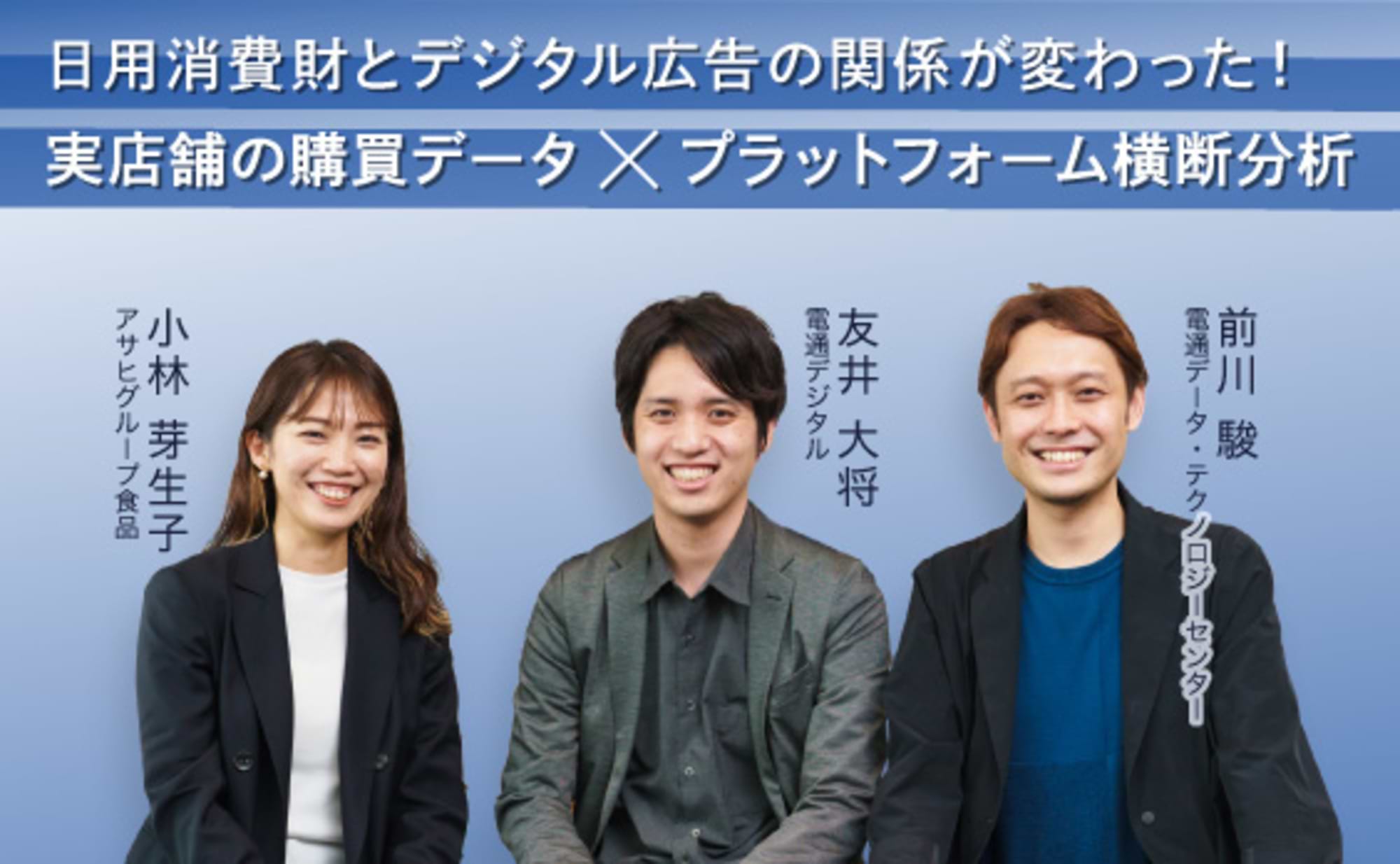
Kenji Takeyama
TSI Corporation
Platform Headquarters Strategy & Analytics Department Data Management Section
Section Chief

Yano Suzuka
Dentsu Digital Inc.
Group Manager
Articles by this person

Yusuke Igarashi
Dentsu Digital Inc.
analyst