
Note: This website was automatically translated, so some terms or nuances may not be completely accurate.
 The New Value Brought by the Internet [3/6]
[Hima Furuta × Ken Magun Dialogue] Has SNS Changed Human Connections? Part 1
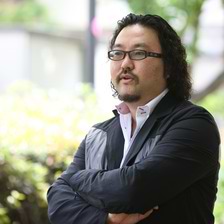
Furuta Himaru
umari Inc.
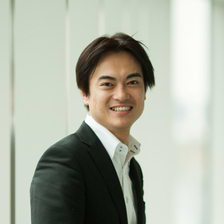
Ken Magun
Dentsu Inc.
[Part 1] Experience Over Information
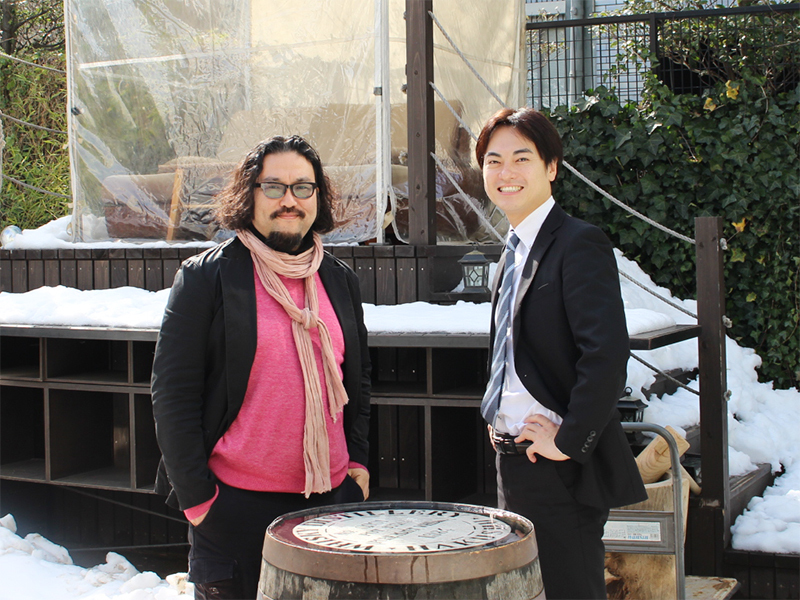
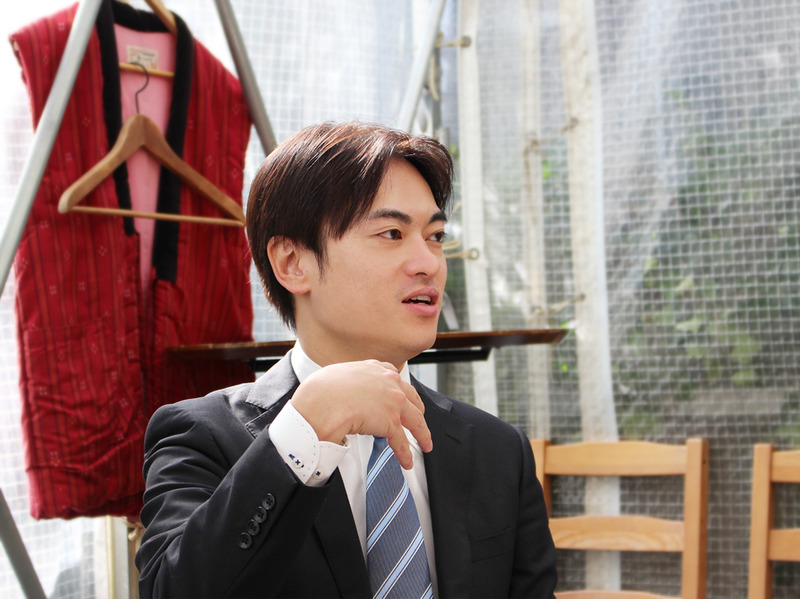
Now, spanning this and the next installment, we present a dialogue featuring Hima Furuta, CEO of umari Inc., who I collaborate with on Facebook's "Like! JAPAN Project." Beyond the "Like! JAPAN Project," Mr. Furuta produces various initiatives like the "Marunouchi Morning University" and is particularly known for his regional revitalization efforts. Incidentally, our conversation took place at " Roppongi Farm," a restaurant operated by Mr. Furuta, where he enjoys "Farmer Live" events where producers share stories with customers.
SNS Doesn't Create Community
Magun: This series explores "new value brought by the internet." In the various projects you handle, Mr. Furuta, you seem to utilize SNS particularly well. This time, I'd like to hear about your intentions in that regard and explore together how digital tools are working within and between communities.
The reason we ended up co-planning the "Like! JAPAN Project" in the first place was because I became responsible for Facebook and thought it would be an effective tool for regional information dissemination. That's why I was introduced to Mr. Furuta, who had been planning many regional projects.
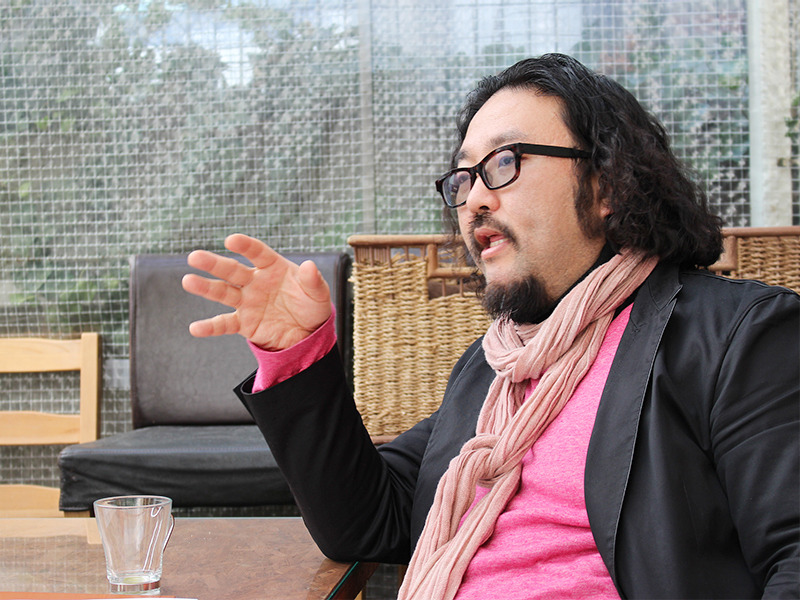
Furuta: We were already using Facebook for our own project management, and we believed it would be incredibly effective for regional social projects too. With Facebook, you don't just have a fleeting connection with someone who visited your area; you can keep that connection going.
But Facebook is ultimately just a tool to supplement communication; it doesn't create communities on its own. I believe it's a tool that truly comes alive only when there's a real community already in place.
Magun: Having Facebook makes it seem like you could build a community from scratch, but that's not the case, is it?
Furuta: On the contrary, I think people won't be interested without real-life connections. Even if you "like" a restaurant you've never visited and get updates, it just feels like another coupon arrived.
I find it more interesting to have ten real-world projects each generating tens of thousands of interactions than one virtual community with a million likes. While SNS often focuses on information dissemination, I feel Facebook's value increasingly lies in the ability to post within a somewhat defined space, rather than just spreading content.
Magun: Because the starting point is a place for real encounters, the communication becomes denser.
Furuta: Exactly. Online communities and real-world communities form a layered structure, with as many layers as there are projects. Between those two layers, there are also layers like websites and spin-off initiatives.
The advantage of having the SNS layer is that, just as you can see common ground between people, you can also see common ground between projects. Possibilities you hadn't noticed before become apparent. That makes collaboration easier, and before you know it, numerous new connections are forming.
Online "places to belong" and "opportunities to shine"
Magun: When common ground between projects becomes visible, sharing best practices also becomes easier. People taking leadership roles in their respective fields truly shine, and everyone connects within the network, creating a positive cycle.
The "Like! JAPAN Project" evolved in this way. As a database, it also serves a purpose, for example, when companies or government agencies want to partner with a regional project.
Furuta: Creating a platform where people actively involved in real-world activities within their regions could be recognized was a significant achievement.
In community building, we often emphasize the importance of "a place to belong" and "a role to play." The "I Like! JAPAN Project" created an online space where people felt recognized and valued. Ordinary people who learned about it through the project site also resonated with it, expanding the community. Within that space, each person found a role only they could fulfill – their "role to play."
It was also good that we featured projects still in development, making the entire process visible, which left plenty of room for people to get involved.
Magun: That's right. We saw a lot of engagement beyond just clicking "Like" on Facebook—people interacting there, actually visiting places, and more.
Furuta: Paradoxically, because the internet has become commonplace, experiencing things has become incredibly important. Since any information can be shared online, the information itself holds little value. Providing a "space" where people can experience it directly contributes to enriching the community and deepening communication.
Magun: That's true. Simply posting information on Facebook doesn't spread very far, but when it's about an experience, you get quite a few comments.
When you create genuine experiential value that moves people emotionally, the content of posts changes. Then, that post itself becomes a new source of reach.
Furuta: Communication over information. If you dig a bit deeper and build relationships, solutions start to emerge. It's easy to focus solely on information dissemination, but approaching it with this mindset allows you to leverage the strengths of social media and build sustainable communities.
Part 2 is scheduled for update on March 25.
Was this article helpful?
Share this article


Newsletter registration is here
We select and publish important news every day
For inquiries about this article
Back Numbers
Author
Furuta Himaru
umari Inc.
Project Designer
Ken Magun
Dentsu Inc.
Digital Business Bureau