Note: This website was automatically translated, so some terms or nuances may not be completely accurate.
 PR-Driven Marketing "MARKETING+PRUS" [1/4]
What is the "PR mindset" essential for future marketing?
Dentsu Inc. champions 'Marketing For Growth,' a new-era model designed to support clients through data-driven marketing.
Within Dentsu Inc., members with diverse backgrounds in PR have launched "PRUS (Plus)", a virtual organization dedicated to integrating PR thinking into integrated planning and marketing.
In this series, PRUS members will unravel the essence of PR—still often misunderstood—and why it is now essential for all corporate activities.
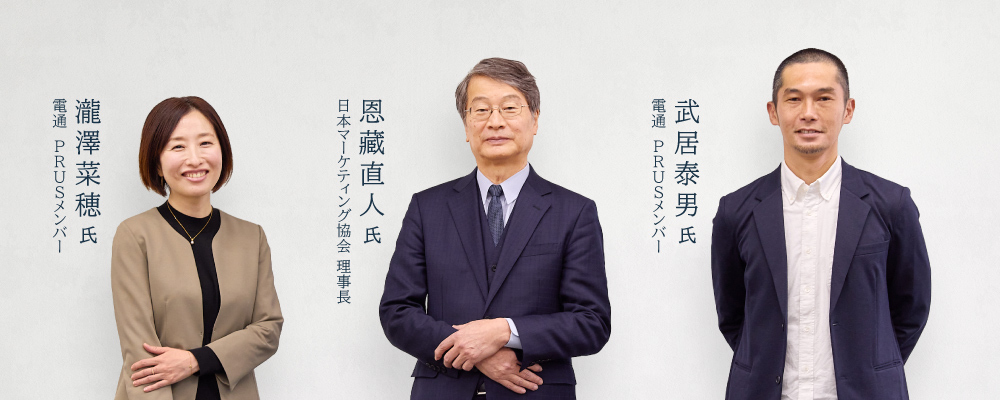
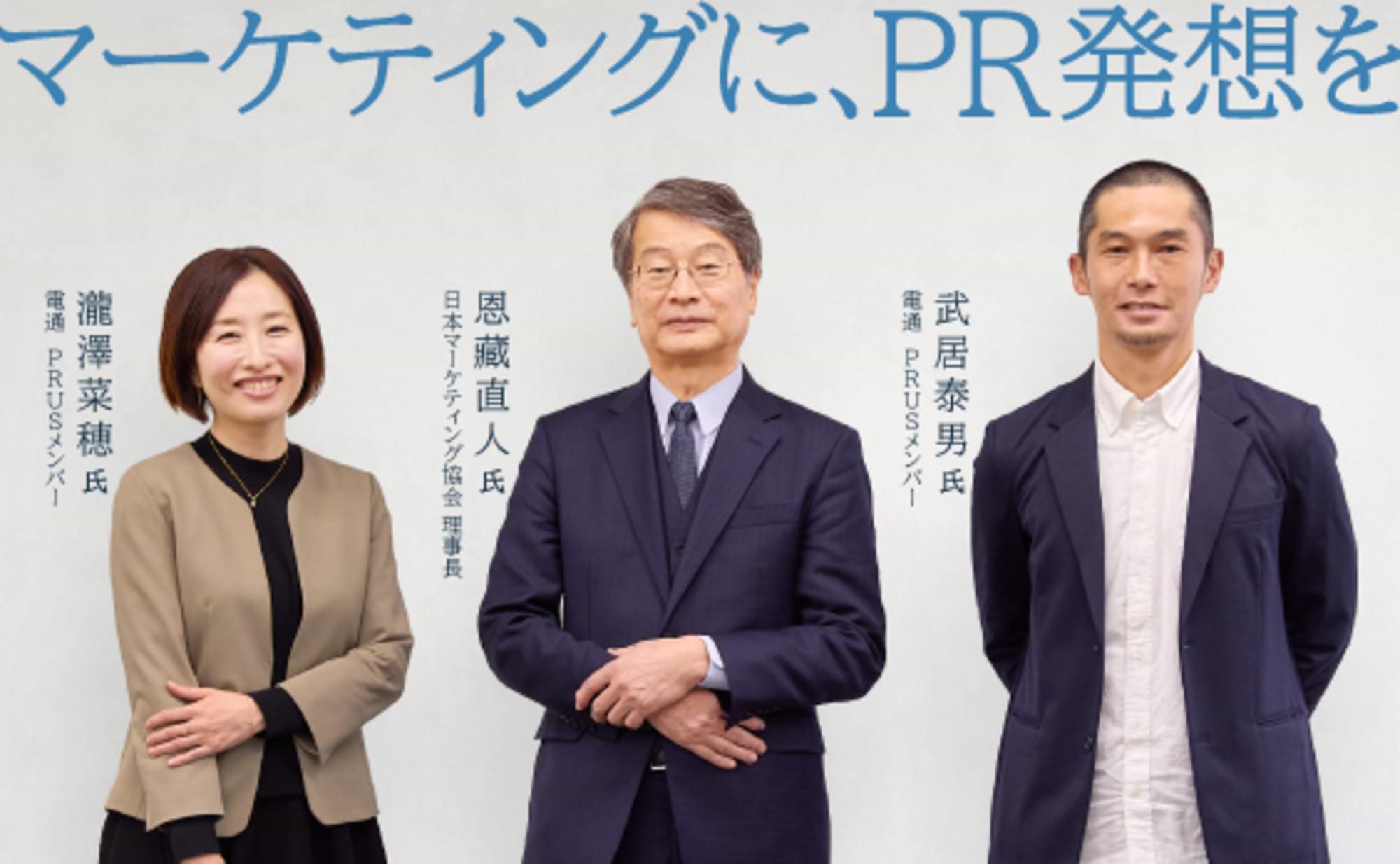
For the first installment, PRUS members Yasuo Takei and Naho Takizawa welcome guest speaker Naoto Onzou, a leading Japanese marketing researcher from Waseda University, to discuss perspectives on PR thinking.
Professor Onzou, appointed Chairman of the Japan Marketing Association in 2023, significantly revised the "definition of marketing" in 2024 for the first time in 34 years. This "new definition of marketing" aligns with PRUS's objectives.
The definition of marketing was refreshed for the first time in 34 years
Takei: The reason I wanted to speak with Professor Onzou this time was the "definition of marketing" that you undertook to revise immediately after becoming Chairman of the Japan Marketing Association. It was refreshed in 2024 for the first time in 34 years since 1990, right?
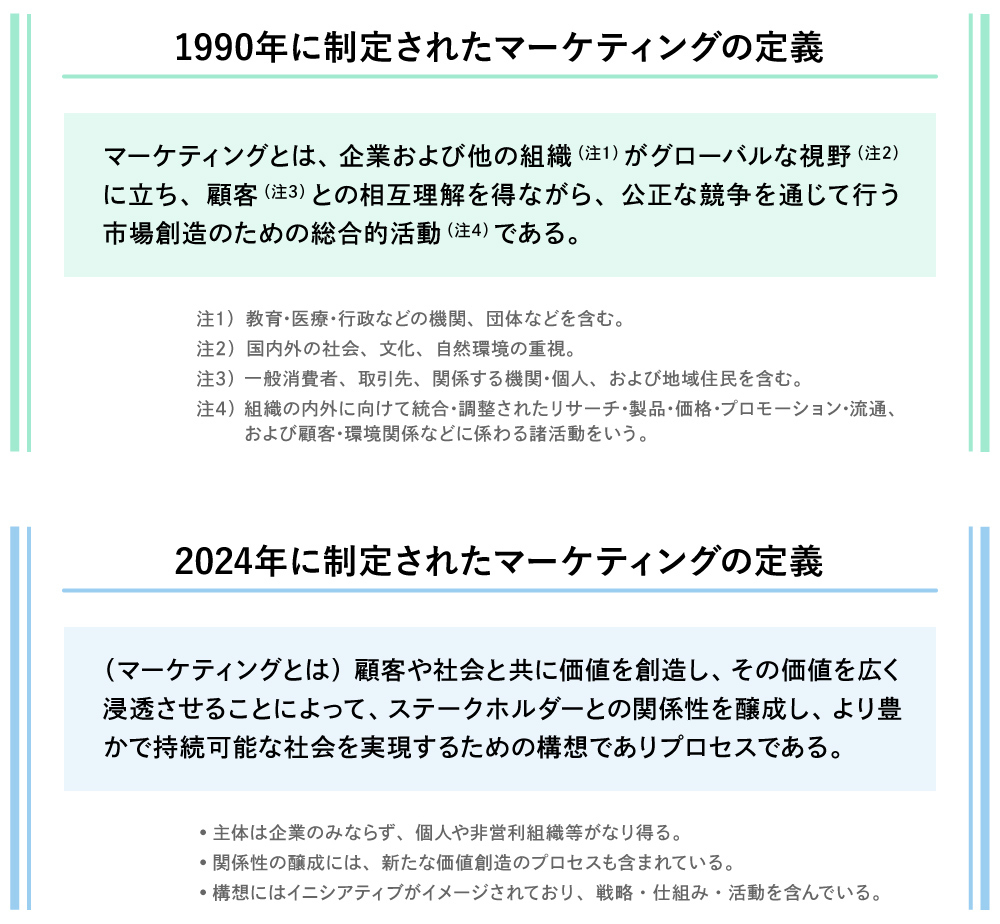
Takizawa: The content of this 2024 "Definition of Marketing" overlaps significantly with the activity philosophy of "PRUS," which we are currently pursuing within Dentsu Inc. That's why I wanted to ask Professor Onzou about the background and your intentions behind it. What we are aiming for is to add more "PR thinking" to marketing.
Onzou: My first impression is that the idea of adding more "PR thinking" to marketing is exactly the same. By the way, speaking of definitions, what is the current definition of PR?
Takizawa:The JapanPublic RelationsAssociation defines it as: "Public Relations is the concept and approach to action for creating desirable relationships between an organization and the people (individuals and groups) surrounding it."
Meanwhile, the Japan Public Relations Society defines PR as "a management function where organizations and individuals build and maintain socially desirable relationships through two-way communication with diverse stakeholders to achieve objectives and solve problems."
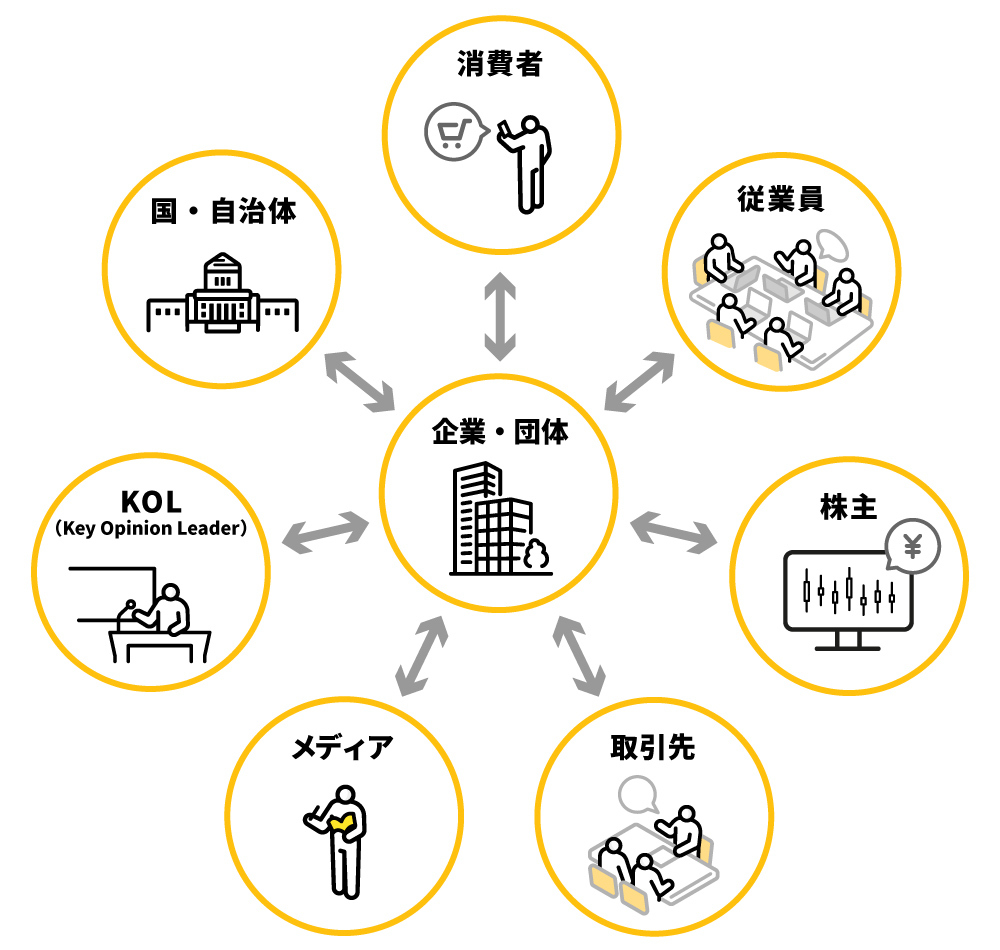
Takizawa: While PR is still often mistakenly equated with publicity, we fundamentally believe that the essence of PR lies in "building desirable relationships with the various stakeholders surrounding a company or organization." The new "definition of marketing" also included the phrase "cultivating relationships with stakeholders," didn't it?
Onzo: Exactly. Building those "desirable relationships" with stakeholders, as outlined in both the "definition of PR" and the "definition of public relations," is precisely the foundation of marketing.
A New Definition of Marketing for an Era Beyond Simply Selling Products
Takei: Professor Onzou, what prompted you to consider revising the definition of "marketing" this time?
Onzou: Well, the definition from 34 years ago had remained untouched. I was quite surprised when I took office as chairman. I think this applies to both marketing and PR. For instance, people who were university students or learning practical skills 34 years ago are now in their mid-50s. And if you ask whether the academic knowledge or practical skills they learned 34 years ago remained exactly the same for 30 years? That's absolutely impossible, right? (laughs)
There's an organization in the US called the AMA (American Marketing Association), which is like the senior counterpart to the JMA (Japan Marketing Association). They, of course, update their definition of marketing at key milestones. That's how it should be, fundamentally.
Takei: The key changes were defining marketing as encompassing not just customers but all stakeholders, and framing it as the conception of creating value and permeating that value. How was the response after the announcement?
Onzou: A business executive I'm close with said, "Onzou, I read the new definition! So we just need to run our business according to that definition, right?" That made me really happy (laugh). That's exactly the kind of definition we intended.
Of course, the definition is just the essence. To translate it into concrete practice, each company and industry needs its own approach. But people told me it clearly shows the direction companies should aim for and the actions they should take, regardless of industry. Companies are no longer in an era of just selling products. I believe we've successfully redefined marketing based on that understanding.
Does PR thinking directly connect to management strategy!?
Takizawa: Professor Onzo, you've been involved in marketing for a very long time, starting from when you entered Waseda University.
Onzo: I studied marketing in Professor Toshio Harada's undergraduate seminar, then continued under him for both my master's and doctoral degrees at Waseda University Graduate School. I started with sales promotion and even wrote books, but back then, marketing was still largely focused on the very end of the value chain. Marketing has evolved significantly since then.
Research themes typically shift about every five years. In my case, after sales promotion, I moved to sales operations, then brand strategy, product development, and finally research on service robots. During this time, the practical scope of marketing itself also expanded significantly. Today's marketing isn't just about communicating to sell products. It fundamentally starts with value creation. Consequently, the domain of marketing now encompasses conveying the "value" created from the very upstream to the downstream of the value chain.
Takei: When we saw this new "definition of marketing," it struck me as essentially encompassing the entirety of Dentsu Inc.'s business domains. Dentsu Inc.'s strength lies in its diverse talent pool; personally, I'm involved not only in marketing communications but also in business consulting.
Onzo: So Dentsu Inc. has evolved alongside the changes in marketing. I once served as the Director of Public Relations at Waseda University. From the perspective of PR—building desirable relationships with stakeholders—universities have an incredibly large and complex stakeholder base. This includes prospective students, parents, current students, and alumni, of course, but also relationships with companies where graduates find employment, and the broader public eye.
I gained practical experience in public relations, aiming to maintain and build better relationships with such diverse groups. And in my case, precisely because it was university PR, I never viewed PR as "cheap advertising" or merely "publicity."
Takizawa: I sometimes realize how surprisingly difficult it is to continue PR practice with a perspective like yours. Ideally, PR shouldn't be seen merely as a means to gain publicity (media exposure), but rather as a tool that can be integrated into mid-to-long-term management strategy.
Onzo: Whether PR and communications work can be made directly linked to management will likely become a major differentiator in corporate management going forward.
Does PR thinking contribute to marketing development?
Takei: When incorporating PR-like thinking into overall marketing, I believe the crucial point is the attitude of co-creating value with customers and society. What do you think?
Onzo: Exactly, it's precisely that "together" aspect. Of course, corporate marketing has long emphasized "customer orientation" – focusing on the customer. But it was still just "focusing," with the company itself remaining the central axis. While we haven't completely moved beyond the "focusing" stage, it's clear we're shifting towards "co-creating value," as you pointed out.
Furthermore, the new definition of marketing incorporates PR thinking, recognizing that the focus is no longer solely on customers. For example, there's a concept we call the Service Profit Chain (SPC). It posits that to deliver good service, you must first hire and train good people. When employee satisfaction rises, they provide better service to customers. This boosts sales, allowing the company to use that revenue to hire and develop more talented employees, which in turn increases employee satisfaction... creating a virtuous cycle. This concept also seems to embody a PR mindset, doesn't it? From your perspective, what are some concrete examples of marketing incorporating this PR mindset?
Takizawa: Asahi Beer's "Smart Drinking Co., Ltd." campaign and Pantene's (#HairWeGo!) campaign are examples we've referenced at PRUS when concretely considering what PR thinking entails.
Onzou: Interesting! The Japan Marketing Association selects a Marketing Grand Prize annually, along with an Encouragement Award. I feel many of the entries there also embody that PR mindset.
Takei: Even within our company, there are times when initiatives that are fundamentally PR-driven fail to fully recognize their significance or value, and consequently, we don't sufficiently engage the necessary stakeholders. Going forward, I believe it will become even more crucial to adopt a PR mindset and create value by involving diverse people.
Takizawa: Hearing Professor Onzo's insights has really encouraged us to put PRUS's philosophy into practice—to leverage PR thinking more broadly across all marketing. Thank you!

Was this article helpful?
Share this article


Newsletter registration is here
We select and publish important news every day
For inquiries about this article
Author
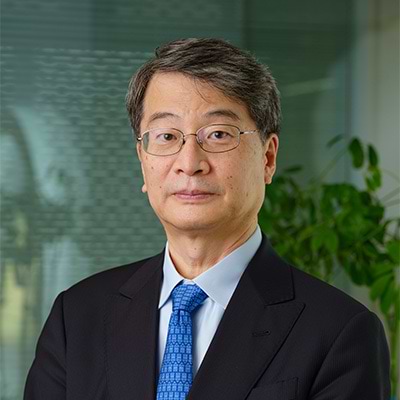
Naoto Onzo
Japan Marketing Association
Chairman

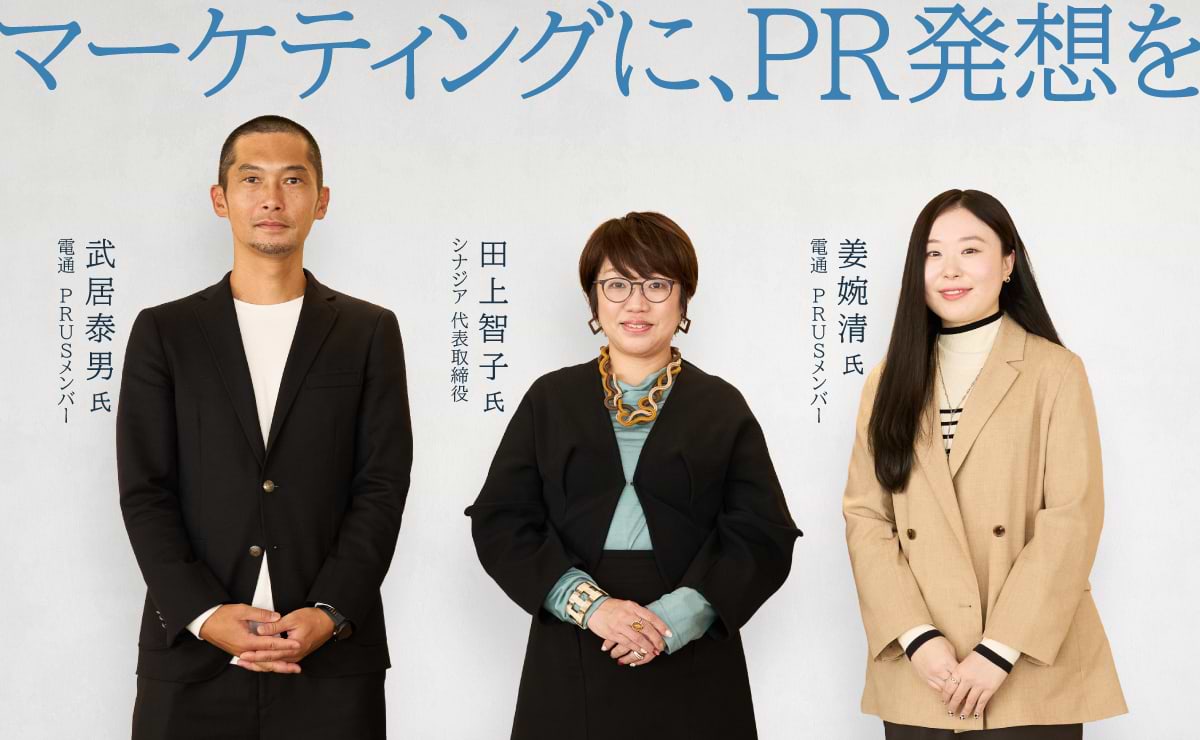
Yasuo Takei
Dentsu Inc.
第6マーケティング局 マーケティングコンサルティング2部
Planner/Producer

Takizawa Naho
Dentsu Inc.
6th Marketing Bureau, Marketing Consulting Division 1
Planner/Consultant
Exploring the Wellness Survey of 10,000 PeopleHealthcare Keywords Revealed by the Wellness 10,000-Person SurveyHow Should Japanese Companies Advance DX in China, a DX Leader?Latest Healthcare Insights from the Wellness 10,000-Person SurveyHealthcare Trend Forecasts for a Healthy and Happy FuturePR-Driven Marketing "MARKETING+PRUS"The Dentsu Inc. Healthcare Team's Perspective on Consumers' True Feelings