The "10th Sustainable Brands International Conference 2026 Tokyo Marunouchi" (SB’26) was held on February 18–19, 2026. This year’s global theme, "Adapt and Accelerate," encourages leading brands to take bold steps forward, transforming adversity into momentum and expanding the boundaries of possibility.
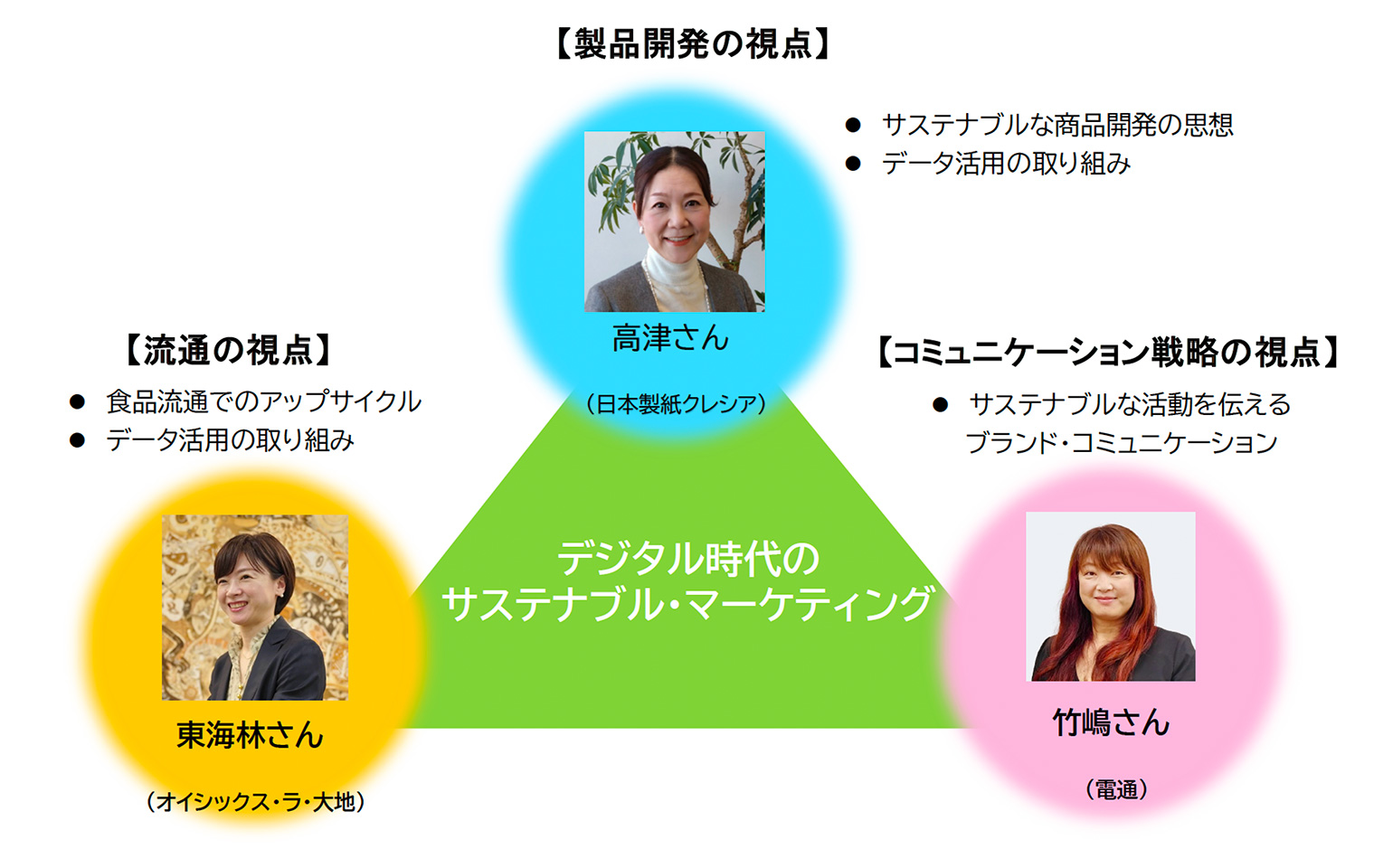
The session on sustainable communication, titled “Sustainable Marketing in the Digital Age: Data Utilization and Communication That ‘Moves’ Consumers,” was facilitated by Professor Saori Kanno of Komazawa University and featured presentations by Naoko Takatsu of Nippon Paper Crecia, Rie Takeshima of Dentsu Inc., and Sonoko Tokai of Oisix Ra Daichi.
The panel highlighted a key challenge: the “discrepancy between awareness and action” among Japanese consumers, who recognize the importance of sustainability but often struggle to translate that awareness into actual behaviors such as purchasing or usage. The discussion focused on how data utilization and communication in digital-age marketing can drive behavioral change among consumers, exploring the potential of marketing to transform sustainable “awareness” into “action.”
Naoko Kikuchi from the Sustainability Consulting Office will introduce the content of this session.
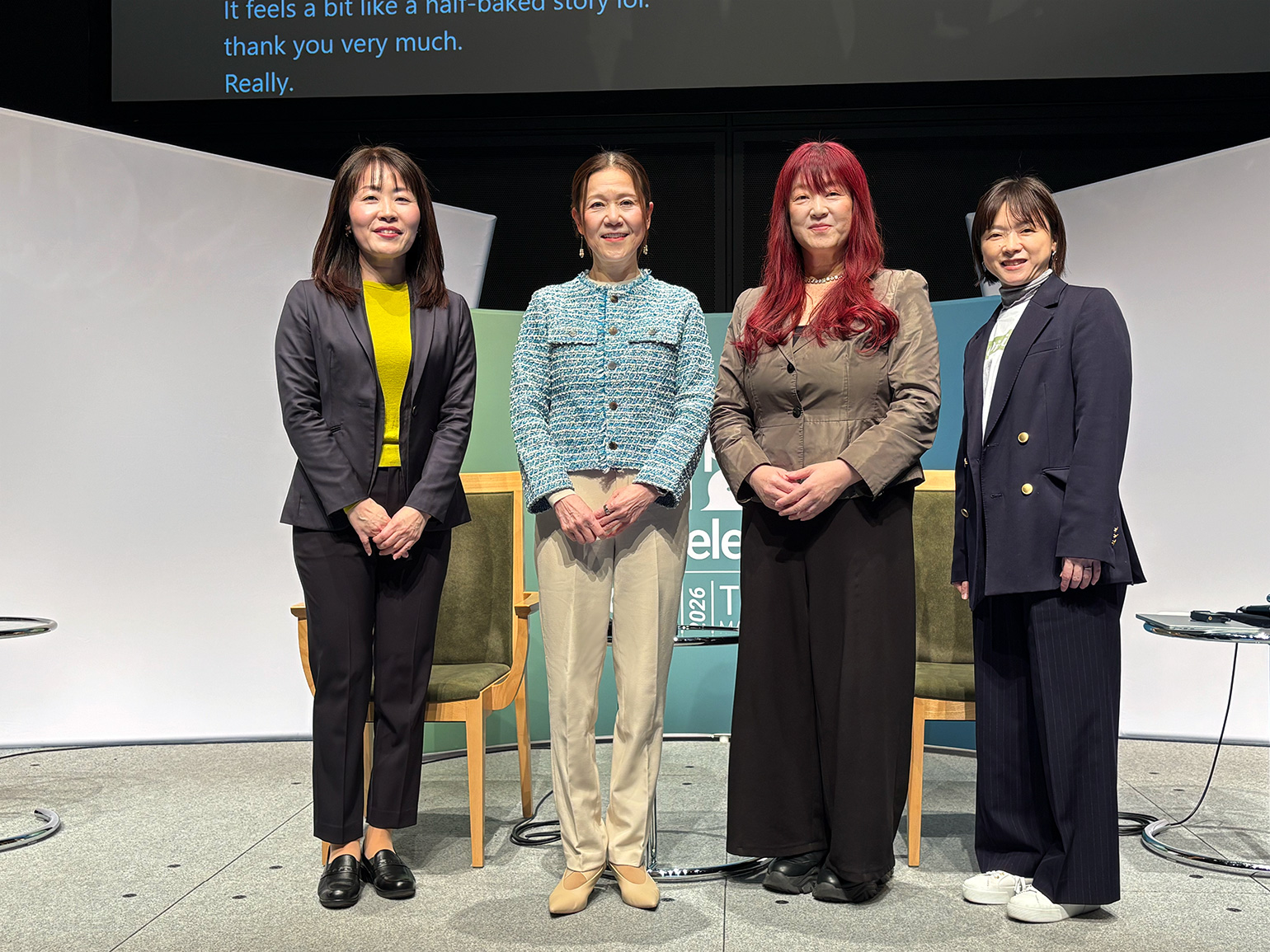
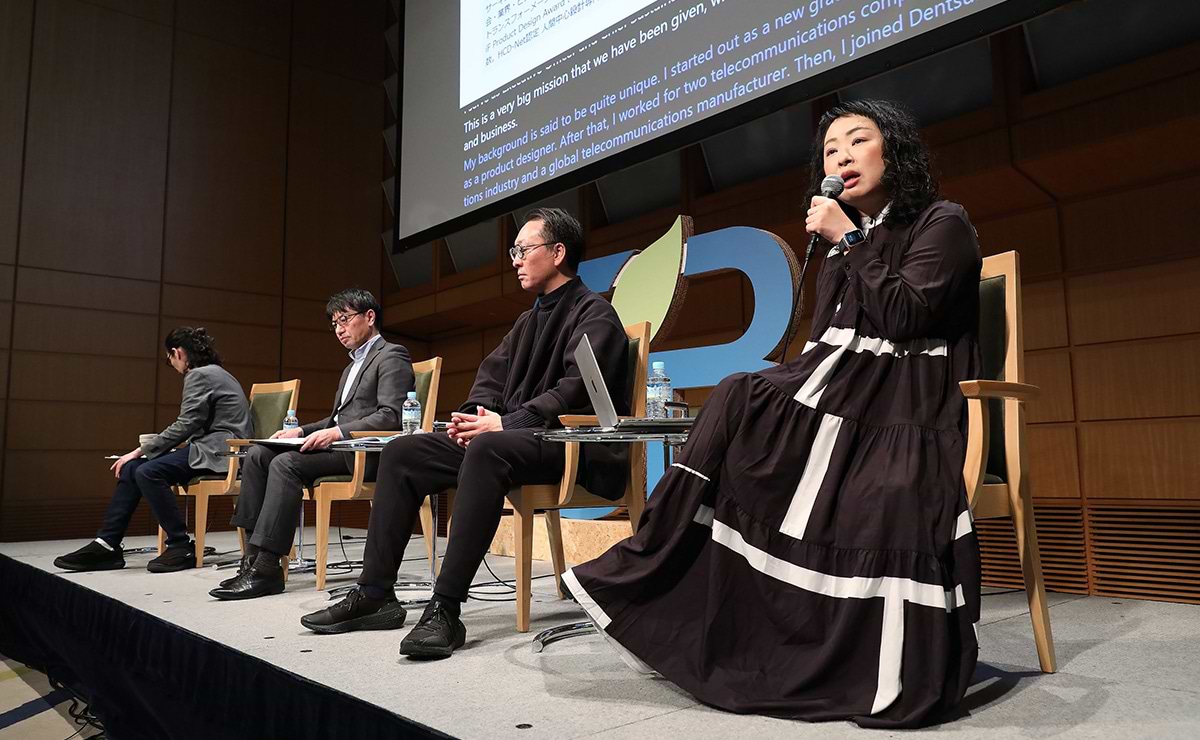
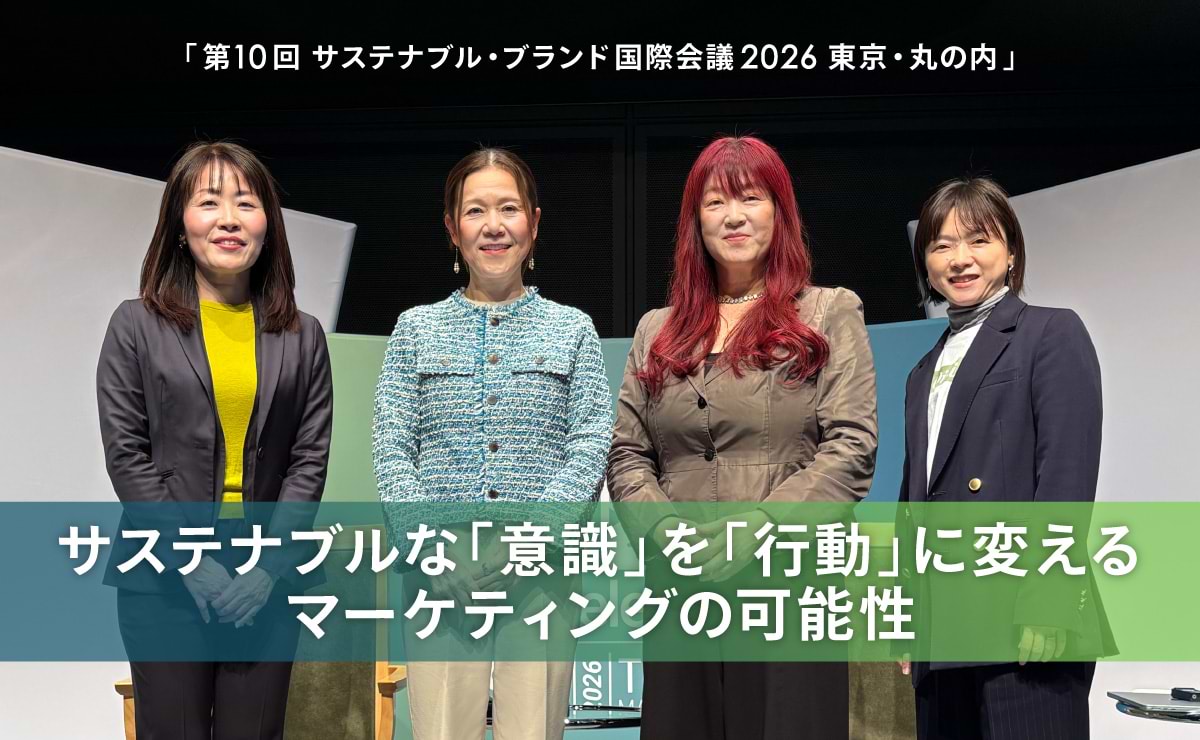
(From left) Mr. Sugano (Komazawa University), Mr. Takatsu (Nippon Paper Crecia), Mr. Takeshima (Dentsu Inc.), and Mr. Tokai (Oisix Ra Daichi)
About 50% of people “are interested in environmental issues but haven’t taken action”
Kanno: According to a 2022 survey by the Boston Consulting Group, Japan ranks lowest among major countries in terms of environmental awareness and action. Awareness of environmental issues is also low, and the percentage of people who believe “their own actions can improve the environment” is the lowest—which is truly shocking.
Mr. Kanno, Komazawa University
Furthermore, a 2025 survey found that about half of respondents said they are interested in environmental issues but have not been able to change their daily habits. However, when broken down by generation, teenagers, people in their 50s, and those in their 60s tend to have relatively higher levels of awareness.Furthermore, while 63% of respondents said they “want to buy eco-friendly products,” only 32% said they “actually choose them,” creating a gap of about 30%. How to motivate this “group that is aware but not taking action” is a major challenge.
Barriers to action include “lack of information (not knowing which products are environmentally friendly),” “price and effort (it’s a hassle to research),” and “limited access (few places to buy them).” On the other hand, about 30% of respondents said they would “buy even if it costs 10% more,” indicating a certain willingness to pay.
Overcoming challenges such as “good products not being well-known,” “value not being communicated,” and “difficulty in purchasing” is a key marketing challenge.
Excerpt from Mr. Kanno’s materials
Recent consumer attitudes toward sustainability. The future direction of the market to turn awareness into action
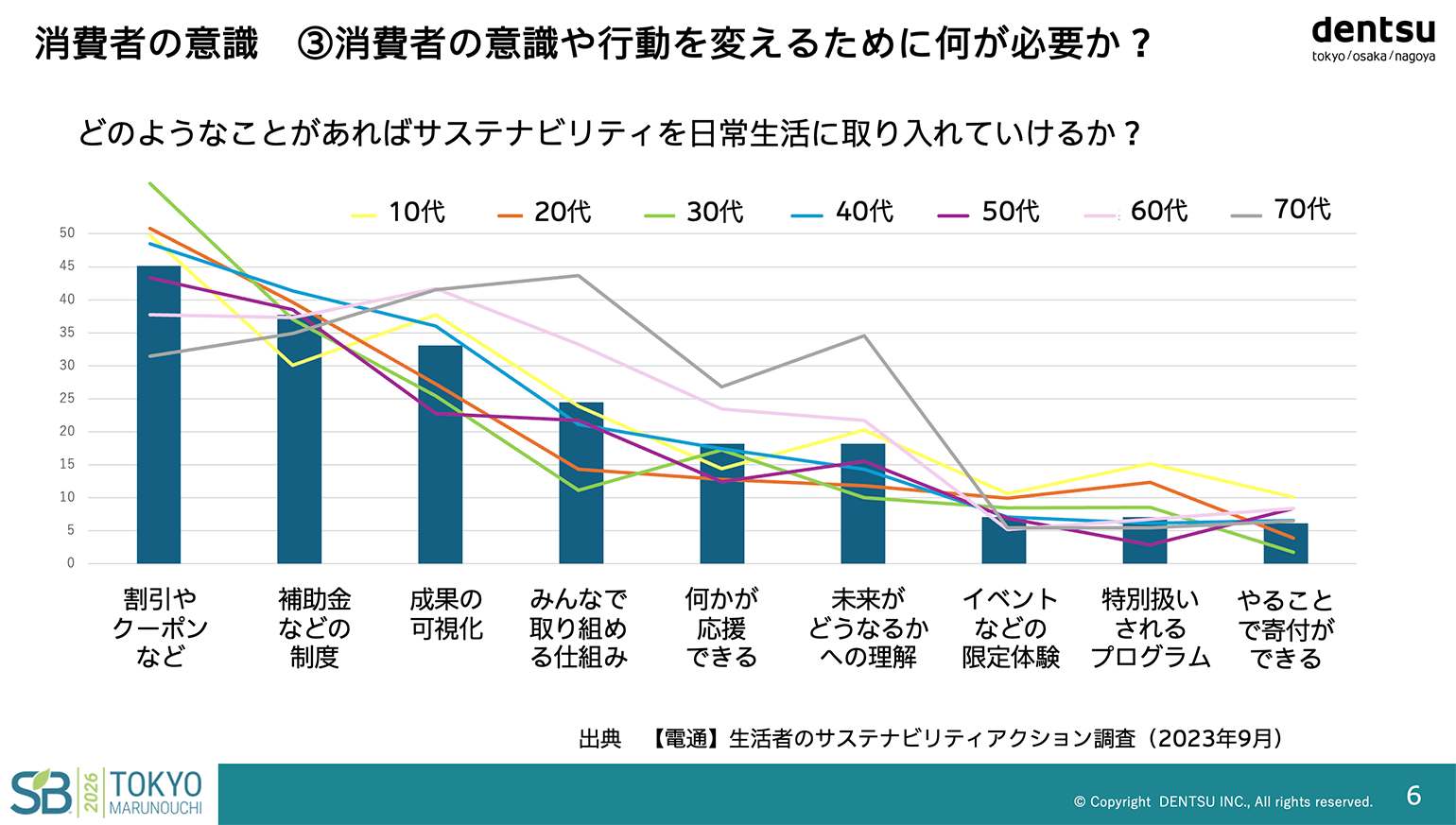
Takeshima: Our survey also found that 76% of the total population “feels the need to work toward carbon neutrality,” with this recognition reaching a very high level of nearly 80% among teenagers and those aged 50 and older.However, regarding whether people will actually take action, while the number of people who want to take a proactive approach is increasing, we found that about 30% believe they need additional motivation, such as benefits or incentives, and another 30% are motivated by peer pressure. Therefore, we believe it is necessary to adjust our approach depending on the target audience.
Potential motivating factors include financial benefits such as discounts, coupons, and subsidies; mechanisms that visualize results and allow for group participation; and limited-time events. It appears there is room for us to be creative in this area.
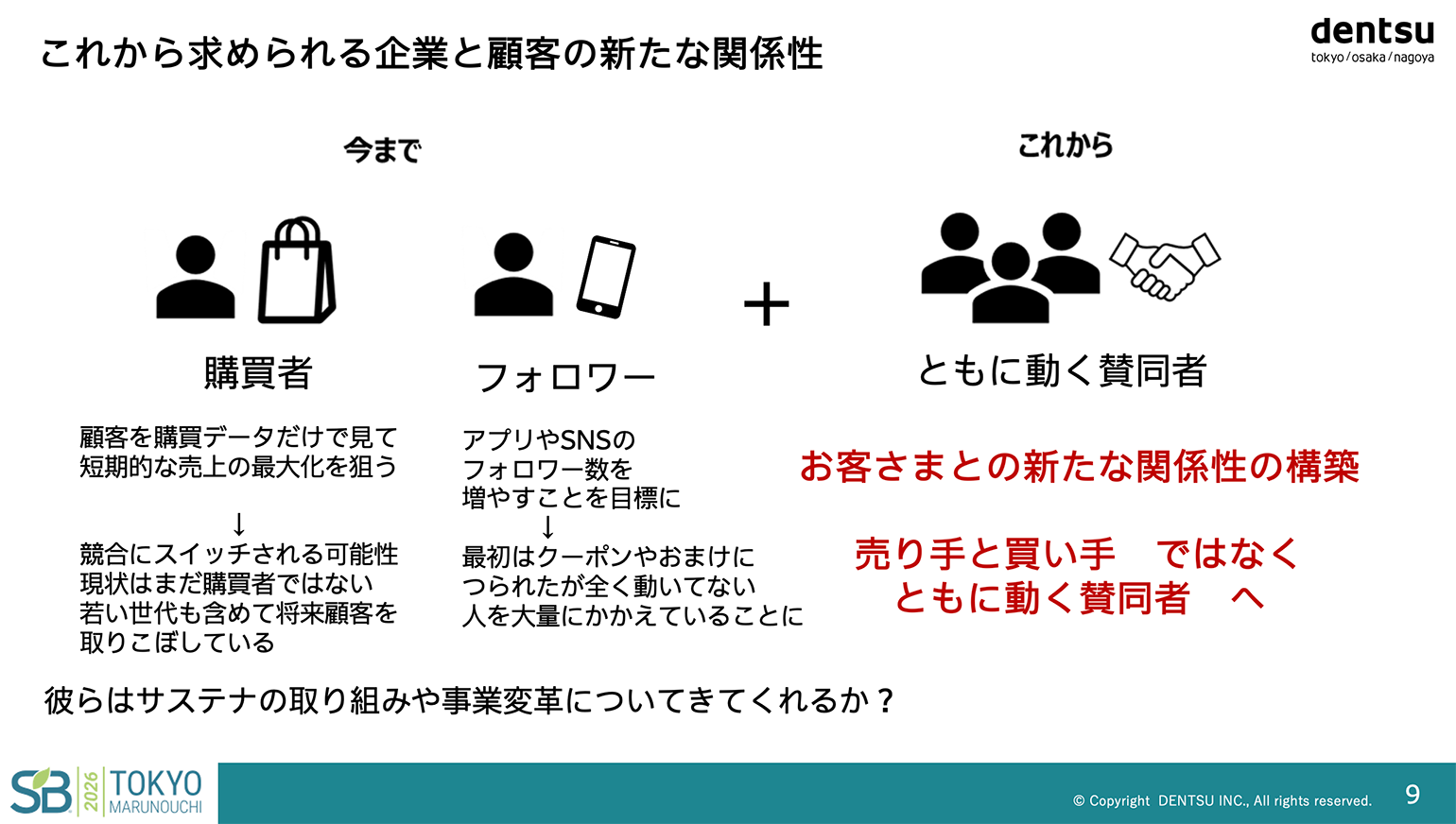
Excerpt from materials by Mr. Takeshima of Dentsu Inc.
Japan’s population is expected to decline significantly, reaching 95 million by 2050. The “era of mass production and mass consumption” is already coming to an end in Japan, and the long-held assumption that “if you make a good product, it will sell” may no longer hold true. I feel that companies are being called upon to transform their marketing and business strategies. Companies and customers must shift from their traditional relationship to becoming “partners who move forward together.”
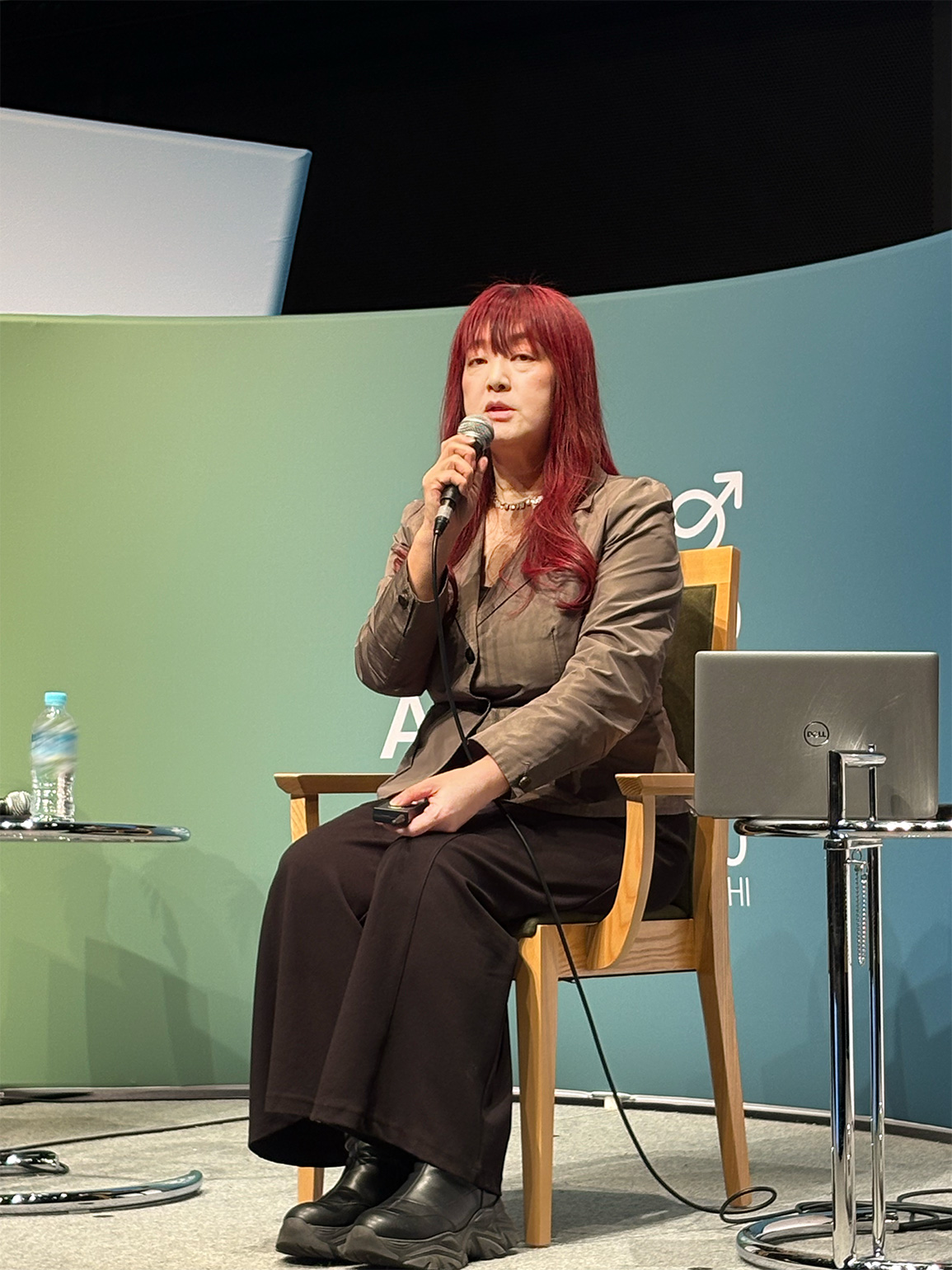
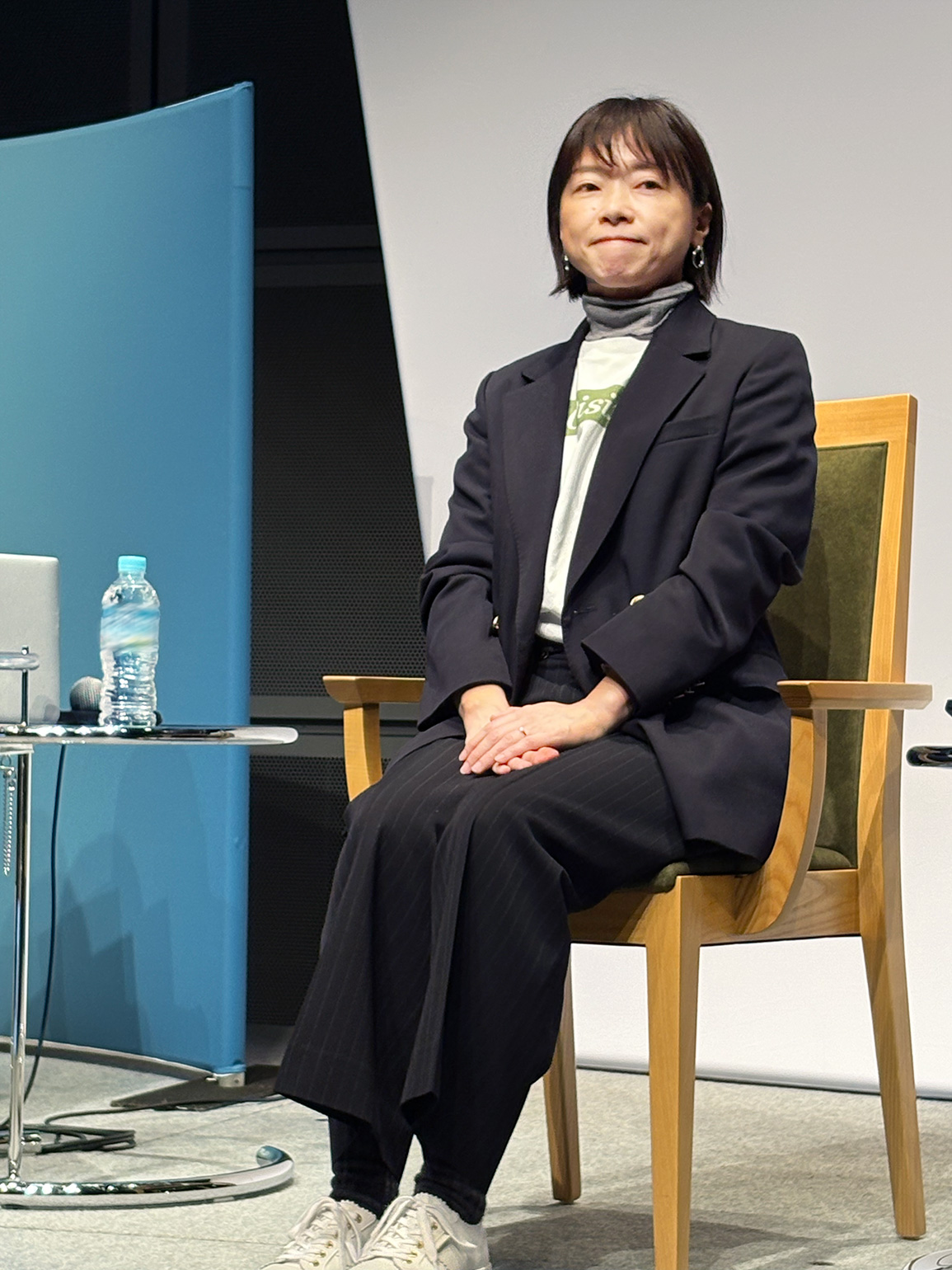
Mr. Takeshima, Dentsu Inc.
Products Offering Benefits to All: “Shihō-yoshi” Concept Generates Major Response
――Nippon Paper Crecia operates an integrated business across the entire group, starting from the cultivation of trees, and is engaged in sustainable initiatives from both development and distribution perspectives, such as reducing plastic usage and CO2 emissions (in distribution). Additionally, a key feature of the company is its focus on product development that prioritizes consumer benefits, such as reducing waste and minimizing the frequency of space-consuming stockpiling.Furthermore, the “Shihou Yoshi” product “Scotty 3x Longer-Lasting Toilet Paper,” which combines the above with a focus on reducing environmental impact to benefit all parties, has become a huge hit by matching consumer needs for convenience, longevity, and easy storage. We heard about the company’s effective use of data.
Kanno: I understand that Nippon Paper Crecia utilizes various types of consumer data, including data analysis and text mining. How does this use of data contribute to the creation of hit products?
In particular, the development of daily necessities is a field where, while the products are “used every day,” many are basic items, making it difficult to find ways to differentiate them or break through the market. In that context, could you also tell us how you interpret the data, analyze consumers, and apply those insights to product development?
Takatsu: I’d like to share the story of a product called the “Triple-Wrap Roll,” which embodies a “win-win-win-win” philosophy—not just the traditional “win-win-win,” but one that incorporates a global environmental perspective. Actually, initially, this product was only available in a pink double-ply (two-ply) version. Generally, stores always stock both single-ply and double-ply versions. However, the triple-wrap technology could only be implemented in the double-ply version, so we were unable to offer a single-ply option.
This created a challenge because it didn’t fit the conventional wisdom of “stocking both single and double rolls,” making it difficult for retailers to carry the product. So, we first conducted a test sale through e-commerce. We analyzed data to determine “where customers learned about and purchased the product,” “whether they were repeat buyers,” “where customers who stopped buying went,” and “what other products they purchased alongside it.” We also performed text mining on the content of customer reviews.E-commerce purchase data is highly persuasive because it reflects the behavior of people who are actually “choosing and buying with their own money.”
By leveraging this data, we have confidently demonstrated—through concrete figures—that this is a product with absolutely no downsides, proving that “even when sold exclusively as ‘Double,’ we are steadily building a customer base” and that “sales are growing steadily.” Furthermore, this not only led to proactive sales efforts but also prompted a major business decision: we discontinued production of conventional toilet paper rolls and switched entirely to the long-lasting “long-roll type.” We publicly announced this as a corporate declaration. As a result, many media outlets took notice of it as an “environmentally friendly product,” and we were able to convey this message to consumers.
Kanno: The “Triple-Roll” is a product that offers significant benefits to consumers, isn’t it? As a consumer myself, I was immediately drawn to it when I first saw it on store shelves. I felt it was a very well-designed product that not only reduces the space needed to store it and the frequency of purchases but is also, in fact, sustainable.
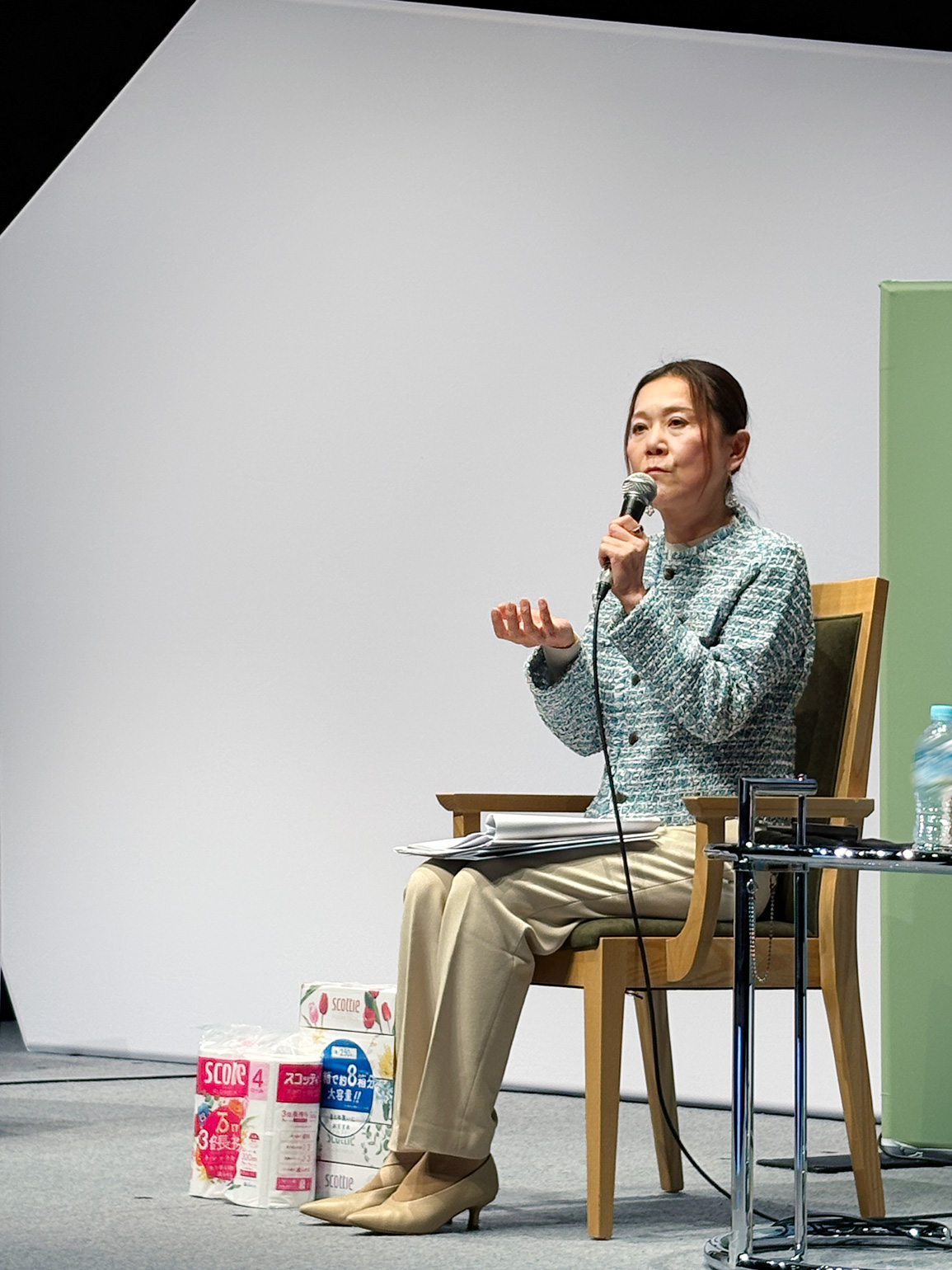
Mr. Takatsu, Nippon Paper Crecia
To turn awareness into action, clearly demonstrate your vision, process, and “unique value”
――Oisix, the membership-based food delivery service operated by Oisix La Daichi, places a strong emphasis on initiatives to reduce waste for producers. They have developed numerous upcycled products that repurpose “parts that would normally be discarded,” such as non-standard vegetables, burst baked sweet potatoes, and plum vinegar. These products have been very well received. We asked him to share his insights on the values of consumers who resonate with these efforts and continue to use the service.
Kanno: Oisix has launched new upcycled products, such as chips made from broccoli stems. What kind of customers have shown interest in these items?
Shirakawa: Since we are a membership-based service, our initial target audience is Oisix members. Many of them are relatively “food-conscious,” so initially, these products tended to be purchased primarily by that demographic. However, rather than buying them because they were “sustainable,” many customers were drawn to the “interesting” or “unique value” of the products—such as “Broccoli snacks are so unusual” or “I’ve never seen a design like this”—and purchased them for those reasons.
After selling upcycled products for about three years, we’ve noticed something new: customers who purchase upcycled products are more likely to continue their membership. In other words, our data shows that while these products may not be the direct reason someone joins, they do become a reason to stay. This is also proof that customers see value in the products. I believe this helps prevent churn because they feel a sense of contributing to society through their continued purchases, creating a unique shopping experience they can’t get elsewhere.
Kanno: By the way, what is the price range for your products?
Shirakawa: Pricing is really a difficult challenge. As I mentioned earlier, the broccoli chips—due in part to the processing involved—end up costing in the high 300-yen range, which is expensive for a snack, making it a price point that’s hard for many customers to sustain.
We worked to lower the price of items like white shrimp and roasted sweet potato chips to 168 yen, and we’ve finally reached a point where many people are willing to pick them up. I feel that prices need to be kept at 1.3 times or less the cost of standard products to be accepted by customers.
Oisix Ra Daichi, Mr. Tokai
Challenges of Sustainable Marketing in the Digital Age
Kanno: What kind of people do you envision as supporters who will back your company and take action alongside you? Could you also explain a bit more specifically how to find them?
Takeshima: The definition of a supporter needs to be determined by each company. Until now, I think the focus has been primarily on data such as corporate image, brand awareness, and favorability. However, to define supporters,
・What kind of society the company aims to create ・What social issues the company aims to solve
and then establish “new metrics” such as “Do they agree with this direction?” and “Are they willing to work with us?”
Furthermore, rather than simply aiming to increase the number of supporters indiscriminately, each company needs to define the “scale” of its supporters—that is, how many people are willing to take action together and spread the word to the outside world.
Kanno: Could you tell us what kind of marketing communications are effective for increasing the number of supporters?
Takeshima: Messages regarding sustainability and corporate advertising tend to rely on abstract expressions like “for the future” or “for the next generation.” However, this makes it difficult to convey “what kind of company we are,” and it rarely leads to consumer support or participation. Going forward, it will be crucial to deliver a clear narrative explaining what kind of society the company aims to create, what actions it will take to achieve that, and what kind of cooperation it seeks from consumers.
Excerpt from materials by Mr. Takeshima of Dentsu Inc.
・First, clarify “what kind of society the company aims to create” ・Define who the supporters are and determine the necessary scale (new metrics are required) ・Create action programs that allow consumers to participate ・Establish mechanisms and platforms for sharing results ・Use data to nurture relationships so that the system itself becomes sustainable
I believe that clearly articulating these “promises and requests” in this manner will be crucial for building a community of supporters moving forward.
Kanno: Thank you. Going forward, it will be even more important for companies to clearly communicate to consumers exactly what they want them to do.
This will be my final question: Regarding today’s central theme—the disconnect between consumer awareness and behavior—where do you think this gap is occurring?
Takatsu: Based on text mining data, there are actually still few customers who say, “I’ll buy it because it’s sustainable.” However, as manufacturers, “quality” and “convenience” are essential values. I believe that as we continue to improve and refine those values, “sustainability” will become the next factor influencing purchasing decisions. Since we know retailers already have a high level of interest, we also need to increase our points of contact with them.
Shirakawa: I agree; I also feel that sustainability isn’t yet a primary reason for purchase. Until now, we’ve focused solely on families, who are at the center of our target market. However, as a new challenge, we’re launching upcycling initiatives in collaboration with students, who are likely the most interested in sustainable practices.
Takatsu: Since we have the strength of being able to recycle, we’re trying to increase the number of supporters by offering incentives to those who recycle paper boxes and cores.
Kanno: From what everyone has said, I feel that in order for companies to “gently nudge” consumer behavior, it is crucial to flip the “switch” that triggers that behavior. To flip that switch, we must first get consumers to resonate with the brand’s purpose and philosophy. Furthermore, it is essential to appeal to emotions, not just reason. Consumers are unlikely to take action unless they feel a sense of enjoyment or excitement.
Furthermore, the benefits to the consumers themselves are crucial. Altruistic values—such as doing good for society—are not enough on their own; they must be linked to personal meaning and benefits for the individual. Additionally, designing and building relationships is vital. Rather than acting alone, companies need to find partners—whether consumers or other businesses—to collaborate with, and create spaces where people can connect. I felt it was particularly important to create spaces that connect not only with highly conscious consumers but also with those who have a moderate level of awareness.
Department of Market Strategy, School of Business Administration
Professor
My areas of expertise are consumer behavior and brand management. My primary research themes include the relationship between brands and consumers, fan psychology, brand platform strategy, sustainable marketing, and influencer marketing. I serve as a board member of the Japan Society for Consumer Behavior Research and the Japan Marketing Association. I am the editor of “Sustainable Marketing: Consumer Behavior and Market Responses in the SDGs Era” (Yuhikaku, November 2025).
Naoko Takatsu
Nippon Paper Crecia Co., Ltd.
Managing Director
General Manager, Integrated Marketing Planning Division
She developed products focused on environmental sustainability and reducing household chores, turning “Scotty 3x Longer Lasting” and “Reusable Paper Towels” into hits. These products gained widespread acceptance not only for their benefits to manufacturers, retailers, and consumers, but also as “win-win-win-win products” that excel both functionally and environmentally through reduced CO₂ emissions and plastic usage. In 2020, she became the company’s first female director. She currently serves as General Manager of the Integrated Marketing Planning Division and promotes SDG initiatives at CSVPJ.
Sonoko Tokai
Oisix Ra Daichi Co., Ltd.
Corporate Planning Division, Green Strategy Office
Department Manager
At “Upcycle by Oisix,” a food loss solution brand launched in July 2021 by the company—which is a leader in addressing social issues related to food—he has developed over 130 original products. He was appointed Executive Officer in May 2022. He was appointed Specially Appointed Professor at Tohoku University in November 2022. He was appointed Expert Member of the Council for Agricultural, Forestry and Fisheries Technology in December 2023.
Rie Takeshima
Dentsu Inc.
Sustainability Consulting Office
エグゼクティブ・プランニング・ディレクター
I am involved in communication planning for products and services across a wide range of genres, from strategy and campaign development to web, events, and store development. As an SDGs consultant, I support various stakeholders in formulating sustainability-driven strategies, communications, and business transformation. Together with the Dentsu Group Sustainability Office, I am working to promote decarbonization in the advertising and media industries. Dentsu Team SDGs Project Leader
After completing her graduate studies at the Graduate School of Sociology at Keio University, she joined Dentsu Inc.
She worked in the Social Planning Bureau before being assigned to the Creative Planning Bureau. Since then, leveraging her experience working with numerous clients on advertising projects as a copywriter, as well as her authentic insights as a mother of two, she is currently expanding her focus into the sustainability sector. Her work spans a wide range of activities, from providing hands-on support for internal communication development and business development to mass advertising production.

 【Global】Accelerating Sustainability & Circular Economy [34/34]