Category
Theme

Note: This website was automatically translated, so some terms or nuances may not be completely accurate.

In this series, Tamami Koga, a senior researcher at Dentsu Inc., explores seniors' awareness and intentions through quantitative and qualitative surveys. She shares the real needs and trends revealed by these findings, along with future business possibilities.

According to Dentsu Inc.'s "Senior Trends Survey" ( survey overview here ), the top concern among seniors today is measures for "brain health."

This time, we introduce the "Tecocoro" project being advanced by Dentsu Inc. and All About LifeWorks, focusing on this theme where, despite its importance, sufficient measures are not being taken.

About All About Life Works:
Guided by the corporate philosophy "Turn Your Passion into Your Work," this company trains instructors in "crafting" activities like handicrafts and floristry. Certified instructors then provide locally rooted learning experiences that foster enjoyment. For several years, All About Life Works has collaborated with the Tokyo Metropolitan Health Longevity Medical Center on proof-of-concept research. Their goal is to develop lifelong learning programs that enable coexistence with individuals with dementia, intervene in cognitive function, and prevent dementia through crafting activities.

https://corp.allabout.co.jp/corporate/press/2022/230130_01.html
https://about.allabout.co.jp/hito/leaders/220311_01

Increasing Dementia Cases and Growing Need for Countermeasures

According to estimates by the Ministry of Health, Labour and Welfare, the number of people living with dementia is projected to increase to approximately 7 million by 2025. Preventing dementia and fostering a society where people with dementia can live together have become social challenges.

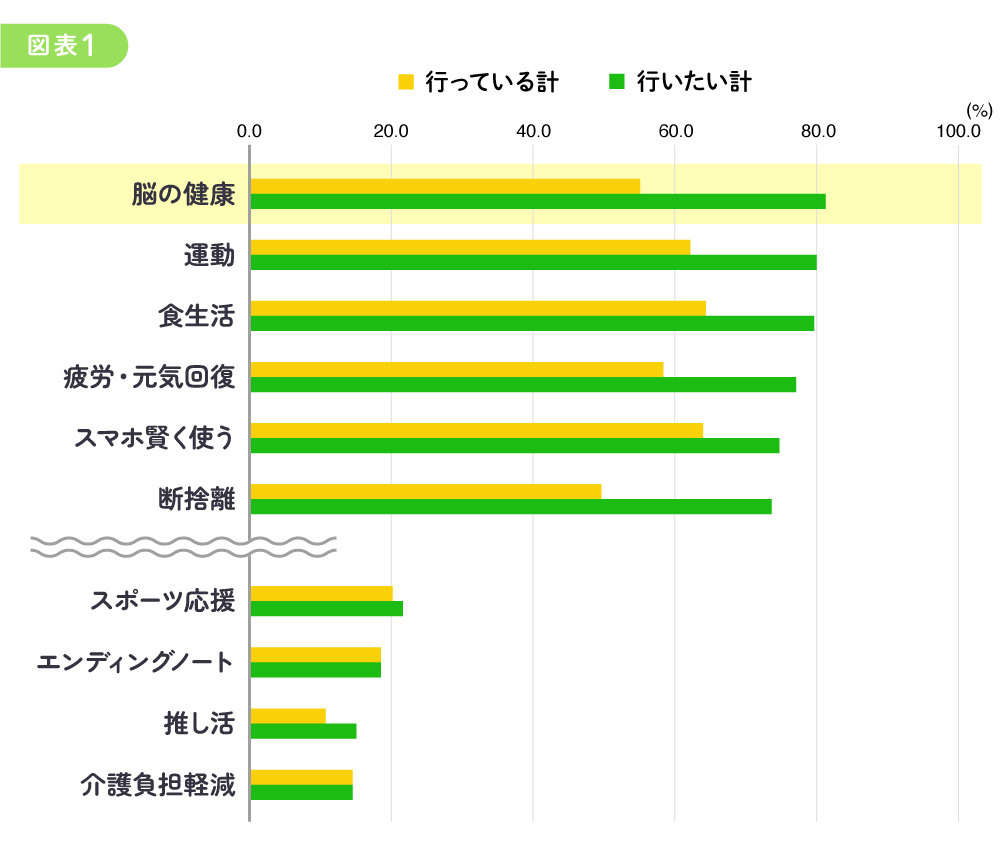
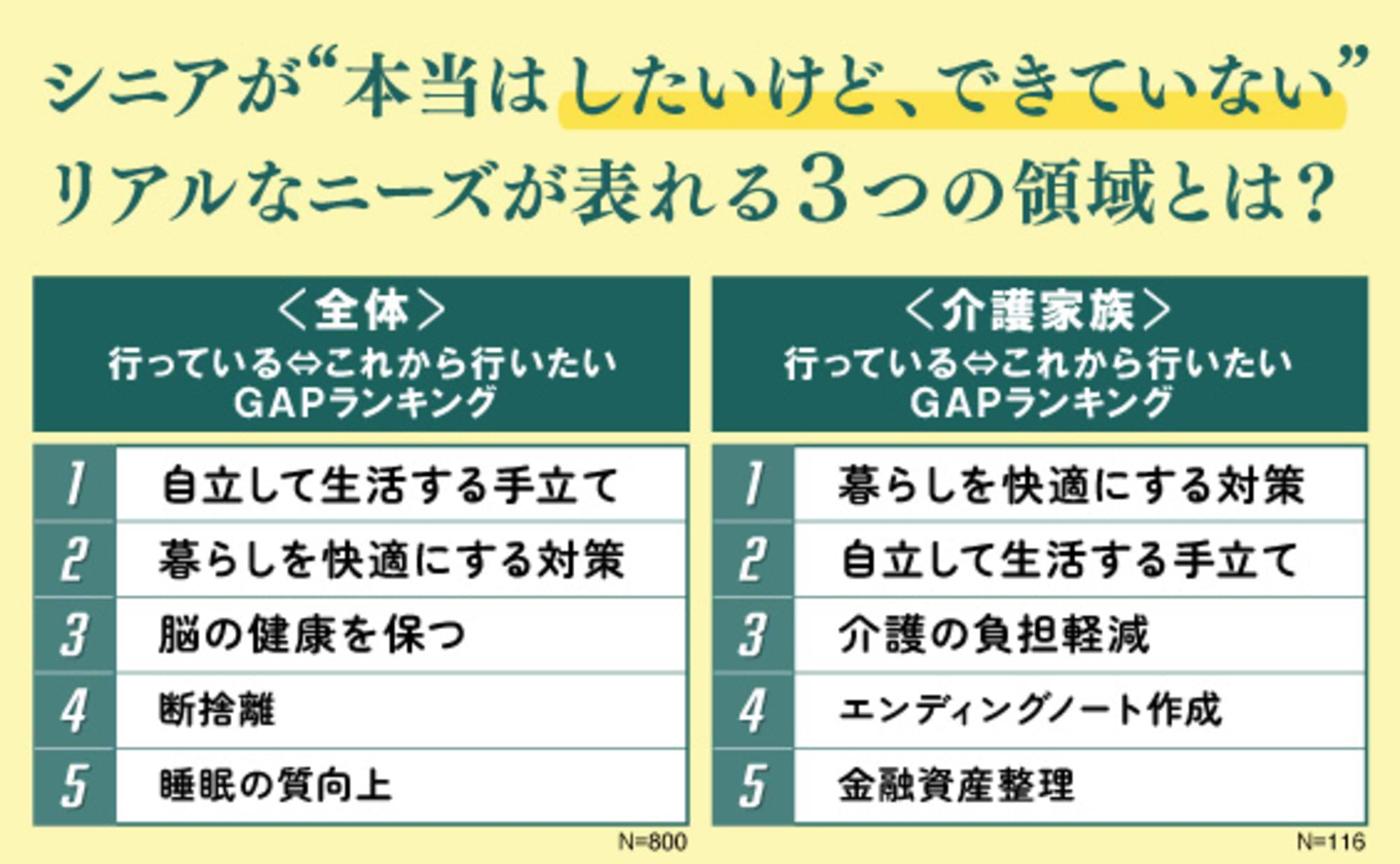
In the "Senior Signs Survey" conducted in July 2022, when asked about "things they are interested in and want to do, "81.3% of respondents in their 60s and 70s selected "maintaining brain health to avoid dementia." This ranked first among 17 items they wished to pursue. This indicates significant demand for countermeasures among the elderly themselves.

However, when considering what specific measures to take, beyond diet and exercise, there are currently few solutions with effective evidence for cognitive approaches like intellectual activities. In the same survey, only 54.9% of respondents answered that they were "taking steps to maintain brain health" when asked about current preventive actions.

Considering the future increase in the elderly population and the growing number of people developing dementia close to people's daily lives, the need for countermeasures is expected to rise even further.

シニアの兆し#3_図表01
Comparison of Seniors' "Things They Want to Do Going Forward" vs. "Things They Are Currently Doing"

Five Key Ways "Making Things" Contributes to Cognitive Function

Amidst this situation, companies are emerging that are working to verify the effectiveness of "crafting" as a dementia countermeasure.

While it has long been said that crafts are good for the brain because they use the fingertips, there was no clear evidence. According to Manabu Miyake, Vice President and Representative Director of All About Life Works, which has long operated a business training craft instructors, a joint empirical study with the Tokyo Metropolitan Health Longevity Medical Center verified the following effects:
                     
[Hobby Workshops for MCI (Mild Cognitive Impairment) and Dementia]

  • Method: Participation in hobby workshops held once every two weeks for three months (six sessions total)
  • Participants: 44 men and women with MCI or mild dementia
  • Verification Results: A significant difference was observed in reducing self-efficacy (anxiety about failure), positively impacting the participants' QOL maintenance.

【Cognitive Decline Suppression Effect Verification】

  • Verification Method: Participation in hobby workshops once a week for 3 months (12 sessions total)
  • Participants: 49 healthy men and women aged 65 and over
  • Verification Results: Contribution to cognitive function (intervention effect on TMT-B※1 executive function)
         Contribution to QOL improvement
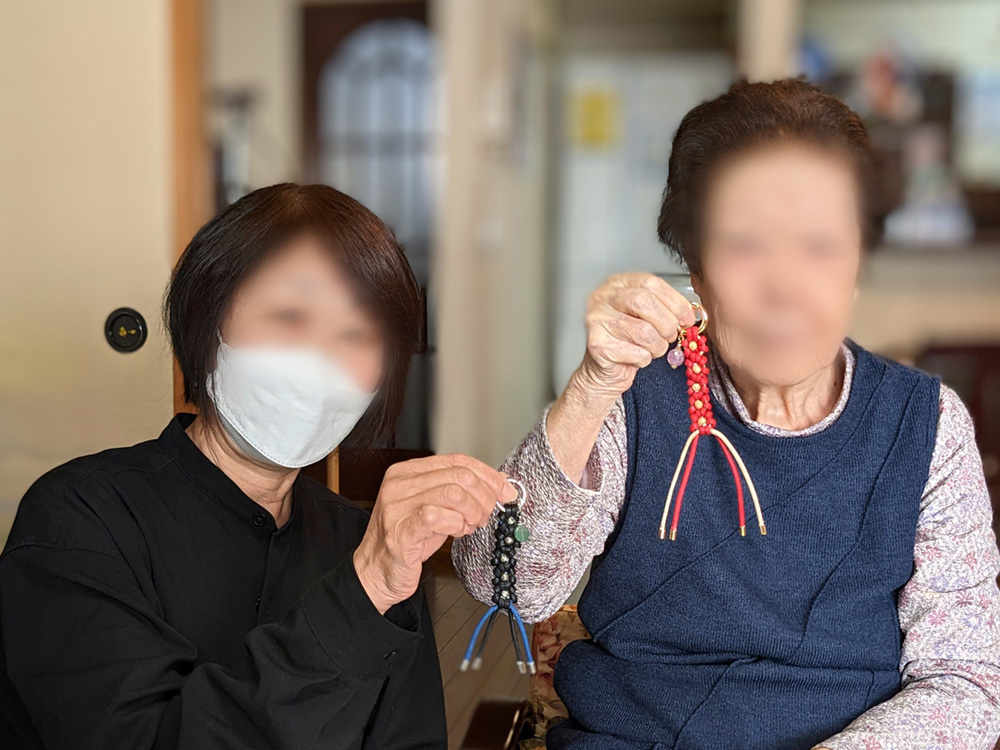
シニアの兆し#3_図表02
Scene from the "MCI (Mild Cognitive Impairment)/Dementia-Specific Hobby Workshop" conducted with the Tokyo Metropolitan Health and Medical Center for Longevity
※1 = TMT-B: Trail Making Test Part B is an assessment measuring neurocognitive function. It measures the time taken to connect alternating numbers and hiragana characters with lines.
 

Based on these proven results, craft activities are said to have the following five characteristics:

  1. 【Brain Activation】Satisfaction from moderate workload and new learning
    Moderately moving hands and eyes while thinking through procedures. Additionally, learning new things brings satisfaction from the sense of accomplishment ("I did it!").
  2. 【Recognition】The joy of the making process and the pleasure of being acknowledged
    Being able to immerse oneself in making, enjoying conversations with instructors and peers, and receiving mutual recognition.
  3. 【Appreciation】The enjoyment after creation
    Enjoying the creation long after, such as displaying it, giving it as a gift, or receiving praise from family.
  4. 【Achievement】The sense of accomplishment from accommodating diversity
    Anyone can achieve a sense of accomplishment by selecting materials with difficulty levels suited to their health condition or experience level.
  5. 【Community】Connecting through shared interests
    Finding like-minded friends, having enjoyable plans to chat, and discovering places to go become a source of purpose.

Toward Prevention and Realizing a Coexistence Society


Launching the "Tecocoro" Project: Supporting Social Connections Through Crafting

In August 2023, Dentsu Inc. collaborated with All About Life Works to launch the 'Tecocoro' project, which supports social connections through hands-on crafting.

Research suggesting a link between a lack of social connections and the incidence of dementia has begun. Additionally, another survey conducted by Dentsu Inc. revealed that becoming reluctant to participate in society can trigger a negative spiral, leading to a decline in physical strength and energy, and increasing feelings of loneliness.

The "Tecokoro" project aims to help seniors find joy and a sense of purpose in society by maintaining social connections through the enjoyment of "making things."

シニアの兆し#3_図表03
"Tecocoro" Project Logo

The core "Tecocoro" program features the following characteristics:

  1. Evidence-based kits
    The "making" kits used are scored for work hours and difficulty level by a review committee including occupational therapists specializing in dementia who participated in the aforementioned empirical research. This ensures kits are individually tailored and designed to prevent boredom even with continued use.
  2. Programs adaptable to specific needs
    Programs can be designed and kits selected to match specific objectives and client characteristics, such as maintaining brain health, activities for elderly individuals with MCI, or countermeasures for social withdrawal.
  3. Instructors with skills including dementia care
    We train and introduce instructors as "Crafting Companions" who possess skills in supporting not only healthy seniors but also those with MCI or dementia. The term "Companion" signifies a "supporting partner" – embodying our aspiration for specialists who stand alongside participants, offering support and sharing enjoyable experiences, rather than adopting a teacher-student dynamic. We also support local businesses, facilities, and community members in participating as instructors.
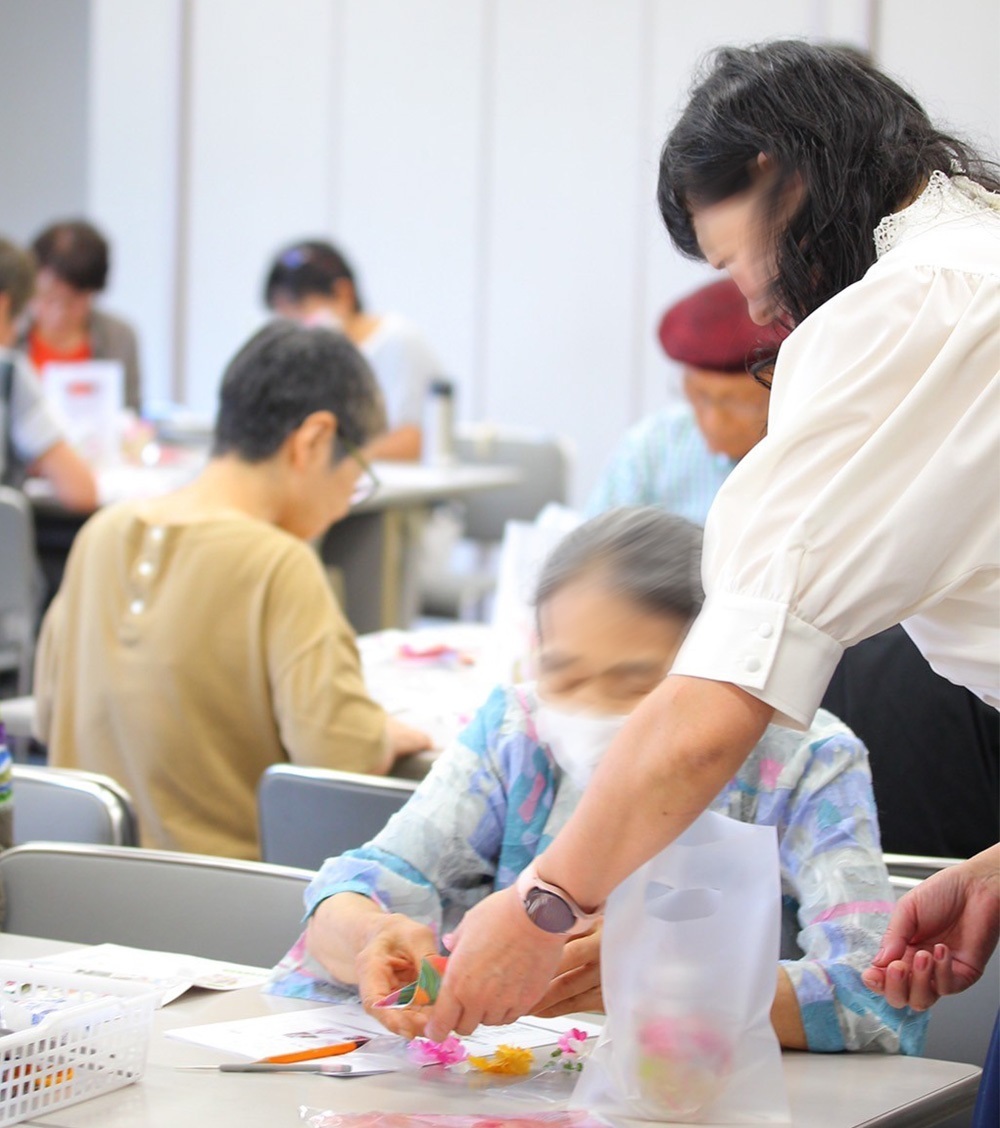
シニアの兆し#3_図表04
Scene from a workshop utilizing the "Tecocoro" program

Launching activities through the "Tecocoro" project to prevent dementia and realize a society where people with dementia can live together

Through the Tekokoro Project, we aim to contribute to society by collaborating with those working to support seniors' social connections through craft activities, prevent dementia, and foster a society that lives alongside people with dementia. We plan to achieve this through the following activities:

  1. Collaboration with Hospitals and Care Facilities
    Cooperation in creating enjoyable gathering places, starting with craft workshops accessible to both healthy seniors and those with mild cognitive impairment
  2. Collaboration with Community Organizers
    Using craft workshops as a starting point, we support initiatives to prevent social withdrawal and promote coexistence with dementia
  3. Collaboration with Lifelong Learning Providers
    Supporting the expansion of lifelong learning services from healthy seniors to those with MCI in settings offering hobbies and learning

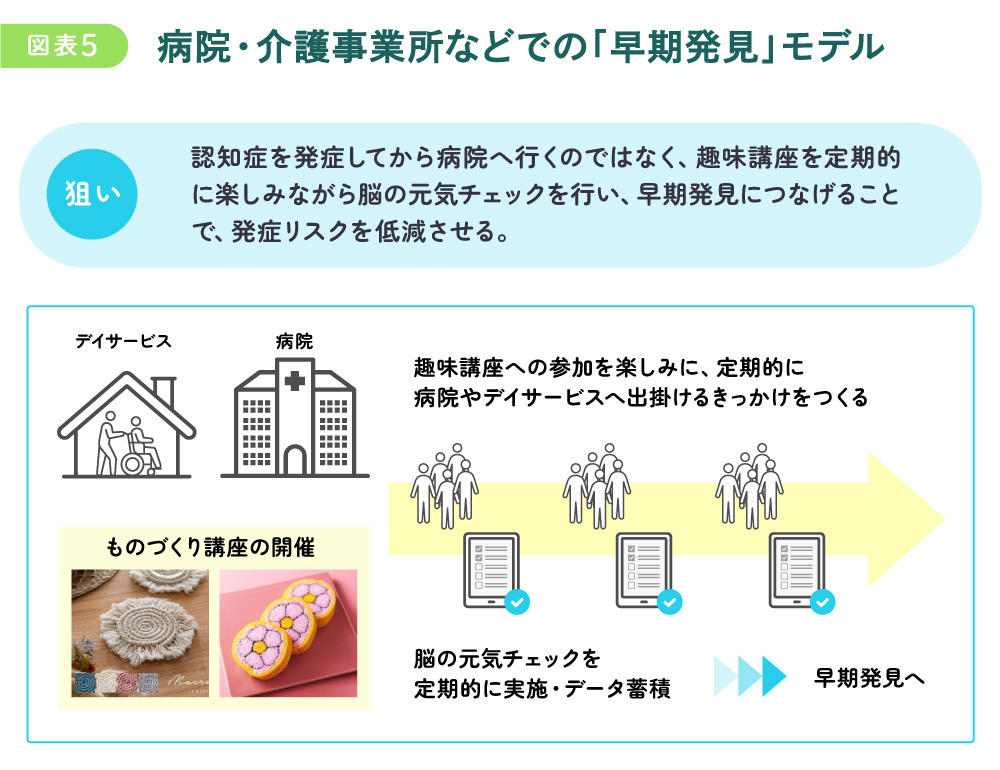
Figure 5 shows the "Early Detection" model under consideration for collaboration with hospitals, care facilities, etc. This model aims to connect to early detection of dementia and reduce the risk of onset by having individuals regularly enjoy hobby workshops while still healthy and voluntarily undergo brain health checks.

シニアの兆し#3_図版05

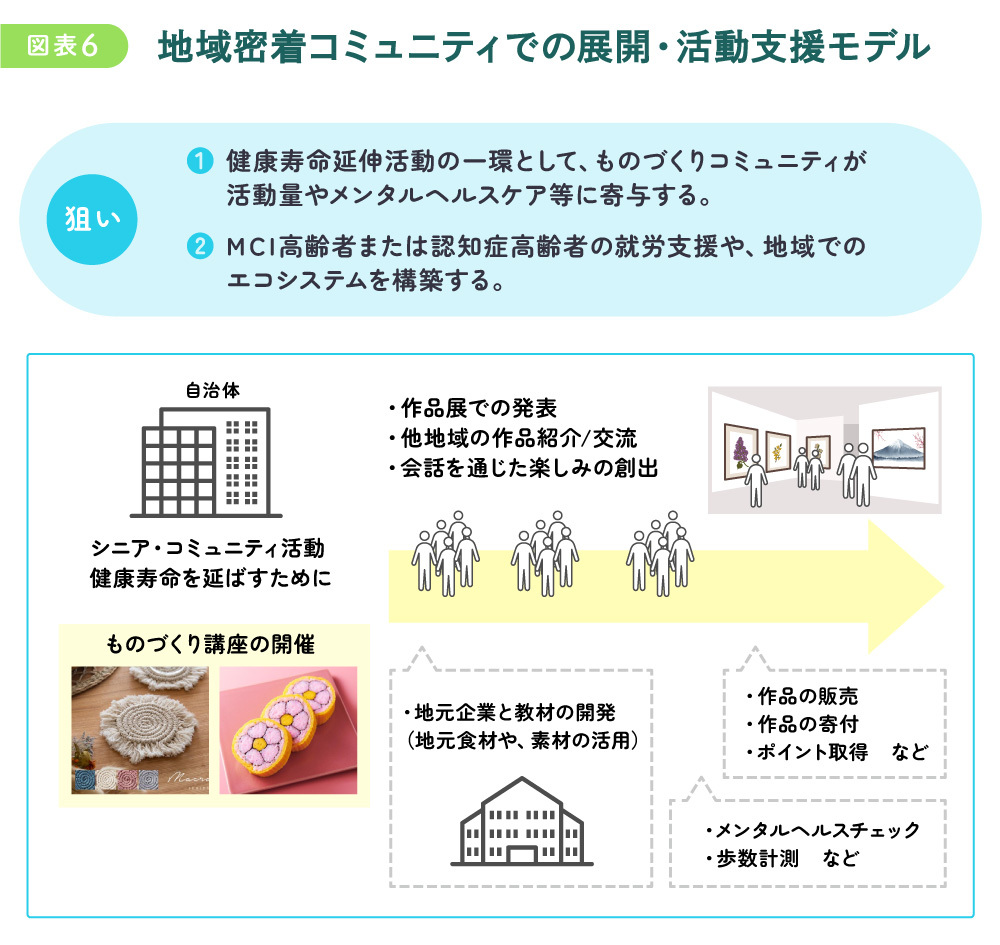
Figure 6 shows a model for supporting activities and expansion within community-based organizations. Here, we aim for initiatives focused on the following two points:

  • Increasing activity levels within craft-making communities and contributing to mental health care
  • Supporting employment for individuals with MCI or dementia and building local ecosystems
シニアラボ#3_図版06

Currently, centered around the Tokyo Metropolitan Health and Medical Center for Longevity, we are initiating Proof of Concept (PoC) in collaboration with local governments and other entities.
For details on specific initiatives, please feel free to contact us at:

【Contact Information】
Dentsu Inc. ( senior-lab@dentsu.co.jp): Contact: Koiso / Koga
 
【Survey Overview】
"Signs of Aging Survey 2022"
Subjects and Sample Size: Men and women aged 60-70 nationwide; Screening: 9,825 ss, Main Survey: 800 ss
Eligibility: Individuals owning and using smartphones, PCs, or tablets at least once daily
Survey Method: Internet survey
Survey Period: July 2022
Survey Management: Dentsu Inc.
 

Twitter

Was this article helpful?

Share this article

Author

Tamami Koga

Tamami Koga

Dentsu Inc.

First Integrated Solutions Bureau

Solution Director

Since joining Dentsu Inc., I have dedicated myself solely to strategic planning. To fulfill client companies' visions and commit to their business growth, I provide diverse solutions grounded in societal and consumer insights. At Dentsu Senior Lab, I serve as a founding member and lead solutions director. In my personal life, I have one son. I am an aromatherapy instructor and an industrial counselor.

Also read