
Note: This website was automatically translated, so some terms or nuances may not be completely accurate.
 How to Build New Japanese Strength [2/4]
Considering the meaning of "club society" and "club wealth"
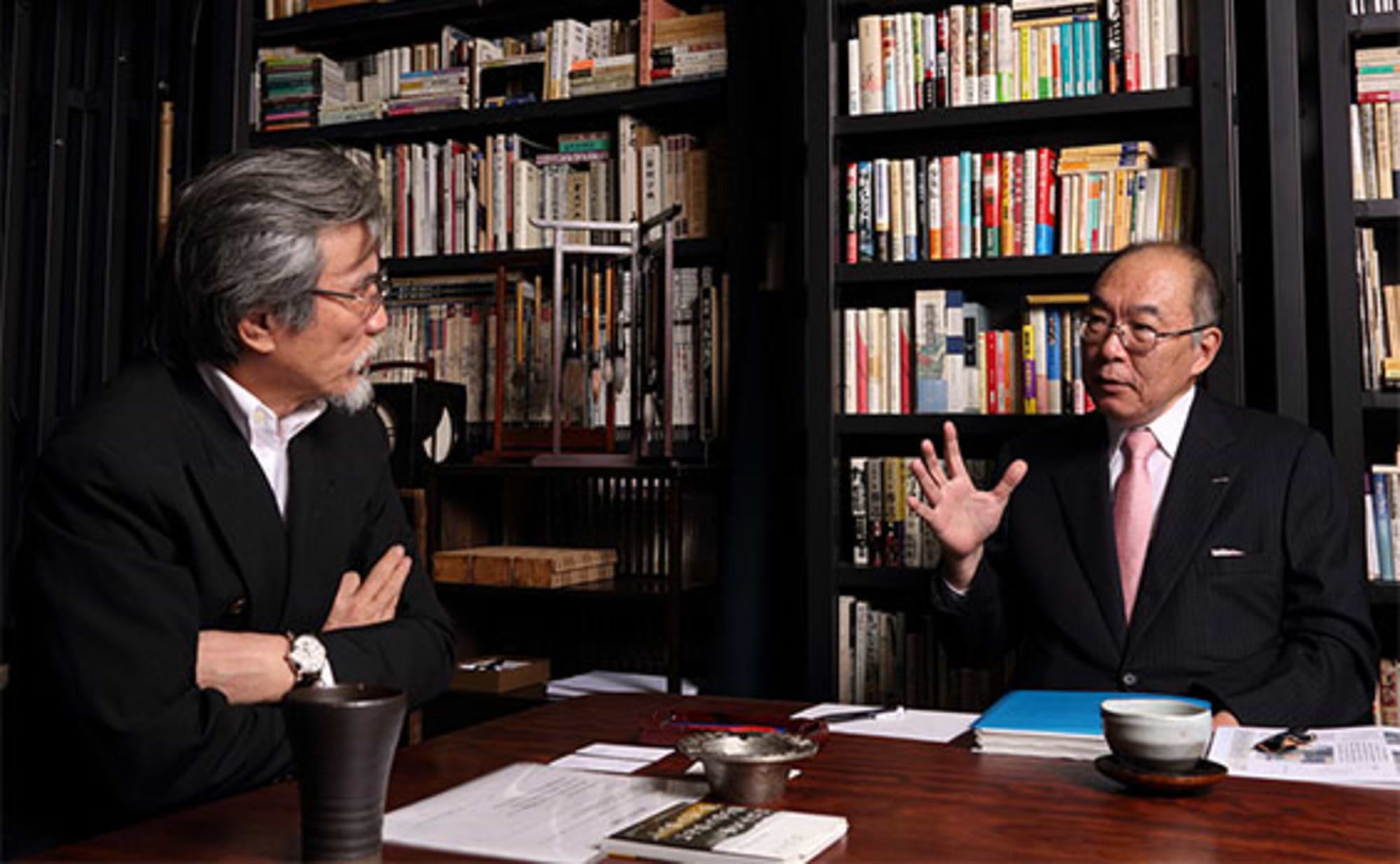
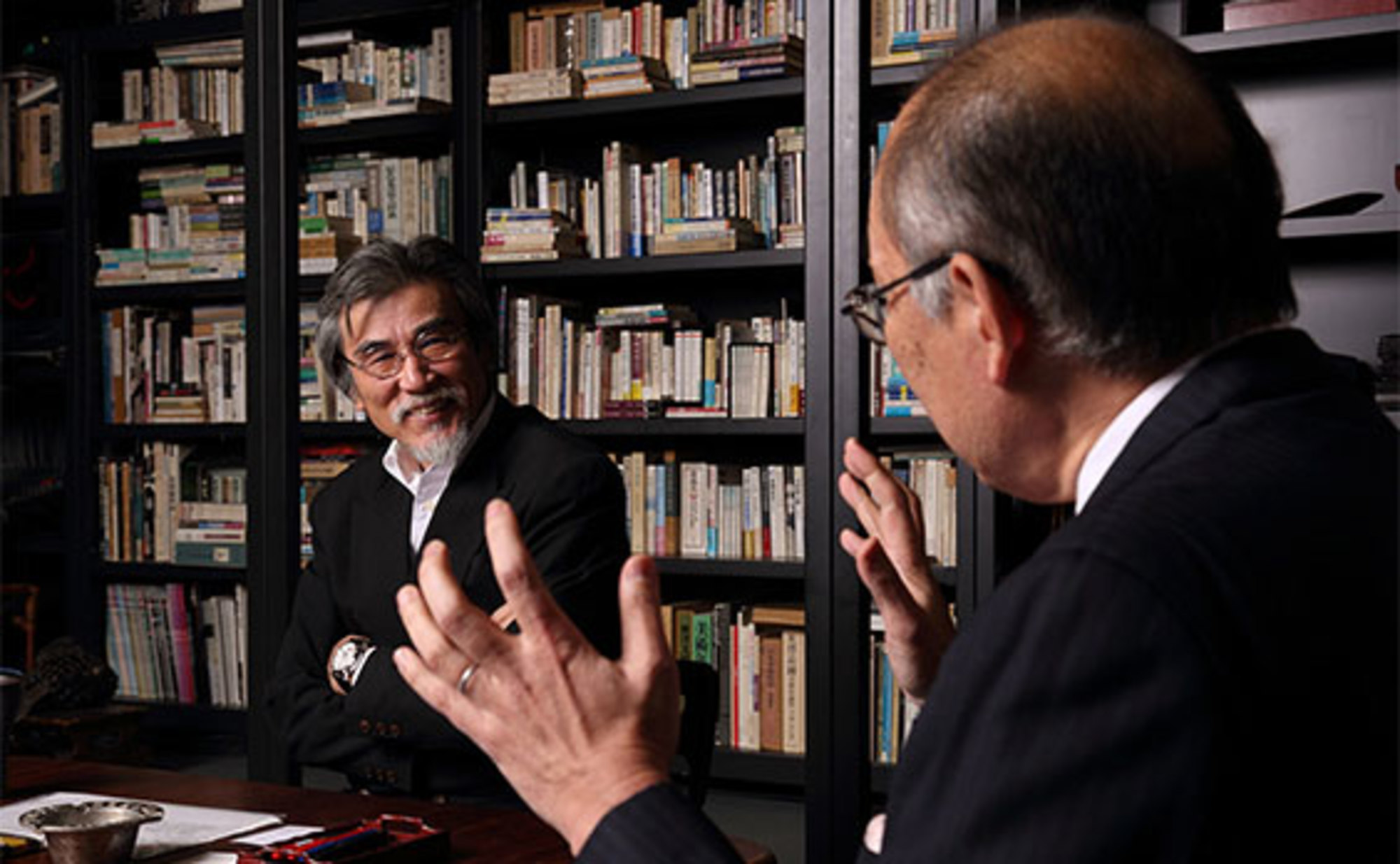
With the tailwind of hosting the 2020 Tokyo Olympic and Paralympic Games, Japan's underlying strength is now being put to the test. How can we leverage Japan's unique strengths and restore its vitality? Mr. Seigo Matsuoka, Director of the Institute of Editing Engineering, an expert in history and culture from all eras and regions and a leading authority on Japanese cultural studies, and Mr. Jun Hamano, former Vice-Minister of the Cabinet Office and current Senior Fellow at DENTSU SOKEN INC., discussed the form of a "New Japanese Strength" that should be reaffirmed in this era. The discussion was moderated by Mr. Jun Nakao, Director of DENTSU SOKEN INC. This discussion will be presented in four parts.

Establish a maturation period to add value before exposing it to market competition
Nakao: Special zone systems have existed before, but the reality is that what was done there hasn't been very successful. Professor Matsuoka mentioned the term "testing ground" last time. Do we need to fundamentally change our thinking about the function and system of these testing grounds?
Matsuoka: I believe regions designated as testing grounds require the resolve to create entirely new social systems, encompassing everything from currency regimes to education systems. For instance, establishing "club goods" as quasi-public goods, distinct from consumer goods or pure public goods. In Europe, take cheese, wine, or beer—originally, they were all club goods. Goods held by specific club societies were introduced to the global market once they reached a certain level of maturity. Actually, Japan has had such club-like elements since ancient times. For instance, during Sen no Rikyū's era, Murata Jukō and Takeno Jōō encountered renga poetry and incorporated its aesthetic realm into the tea ceremony. This was a concept entirely absent in China and elsewhere.
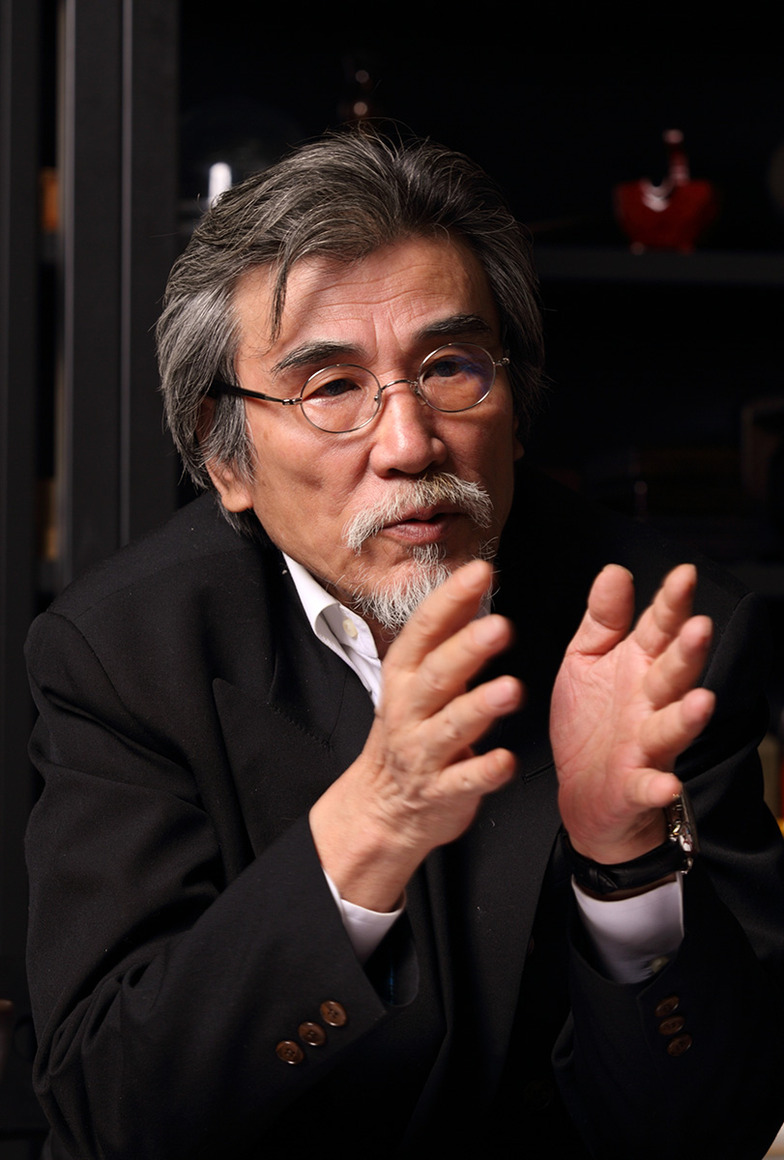
Moreover, they gradually shifted tea ceremonies from large halls to smaller rooms, then to four-and-a-half-mat, three-mat, and two-mat spaces, creating the world of one-on-one communication and establishing tea ceremony as a club good. The manga "Heugemono," featuring the warrior-tea master Furuta Oribe as its protagonist, became popular. However, Oribe only presented his uniquely original tea bowls, dubbed "heugemono," at his Fushimi residence two or three times a year. The astonished reactions of wealthy merchants—"What on earth is this?" "Amazing!"—became the talk of the town, spreading to other wealthy merchants. Rumor begat rumor, and Oribe's reputation soared. Then, about a year and a half to two years later, the tea bowls Oribe had selected would begin circulating in the wider world. This period of one and a half to two years was the maturation time needed for a club asset, initially valued only among a very select group of wealthy merchants, to gain broader public recognition. During this time, the purchase price also skyrocketed. Early Raku tea bowls by Rikyu, Oribe tea bowls, and tea caddies, for instance, would command prices tens of thousands of times higher—or at the very least several hundred times higher—the moment they hit the Kyoto market. In other words, prices weren't determined by market competition. Instead, value was added as they circulated within the shared circle of club goods, emerging into the wider market as items of high worth at commensurate prices. This mechanism existed in Japan since ancient times. However, in modern society, where free market competition and a certain fairness take precedence, there is no period for goods to mature as club goods. Instead, products flood the market all at once. To meet consumer demand, manufacturers are forced down a path of relentlessly producing goods that are ever cheaper and ever better. It's no wonder manufacturers become exhausted. Japan, for better or worse, has been too fair. Reflecting on this, if we are to create a "New Japanese Strength" now, I believe we must re-recognize the value of the club society and club goods.
Unique Symbolization, Coding, and Ranking: Essential for "New Japanese Strength"
Nakao: If we were to look for seeds of club assets, where should we focus our attention?
Matsuoka: For instance, Japan lacks book clubs. In the US, Germany, or France, book clubs exert significant influence on the publishing world; bestsellers are often determined by their evaluations. Publishers, large and small, publish according to these book clubs' assessments and values. Of course, this applies beyond publishing—to rice, brewed goods, jeans, or anything else.
Hamano: Regarding the image of such a club, I feel one possible approach might be a structure akin to a nonprofit organization, existing somewhere between a corporation and the government.
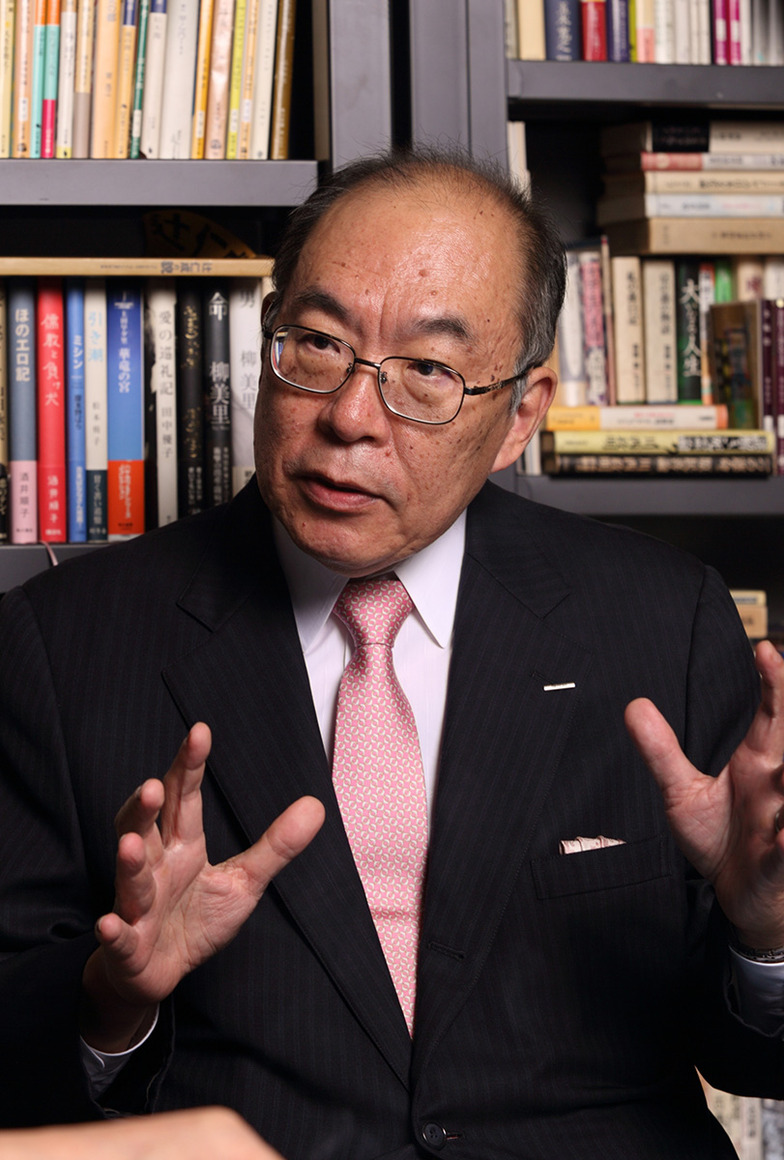
Matsuoka: Even if we were to create something like a Nonprofit Center, as I mentioned earlier, I believe we must establish a mechanism that functions within a special accounting system and economic framework, including the issuance of time-limited currency. One reason the Anglo-Saxons were able to strengthen capitalism to this extent was their development of double-entry bookkeeping. In the coastal trade of Venice and Genoa, they credited the expenses of loading goods and debited the return of gold, silver, treasures, and spices. They also recruited investors with limited liability. Building ships required substantial capital. When setting sail, ships could sometimes be wrecked, wiping out investments. In such cases, losses were dispersed. This was called a "compagnia," which later evolved into the "company limited." The Dutch, learning from this, established companies in places like Amsterdam. Later, the Anglo-Saxons transferred all these functions to the City of London, creating the East India Company, which also came to Dejima in Nagasaki. Even in modern Japan, the most crucial element for experimental sites is a special accounting system—essentially, creating unique bookkeeping methods—to sustain operations like non-profit centers. Bookkeeping is a form of notation, but the current notation actually doesn't align with Japanese business practices or values. Consider the shamisen: it uses cultural notation, entirely distinct from the Western musical scores used for Western compositions. While such uniquely Japanese notation persists in certain fields, the current reality is that accounting systems rely on bookkeeping imported from the West. When contemplating a new Japanese strength, I believe there should be room for uniquely Japanese symbolization, coding, or ranking systems.
[Continued in Part 3]
Was this article helpful?
Share this article


Newsletter registration is here
We select and publish important news every day
For inquiries about this article

Author
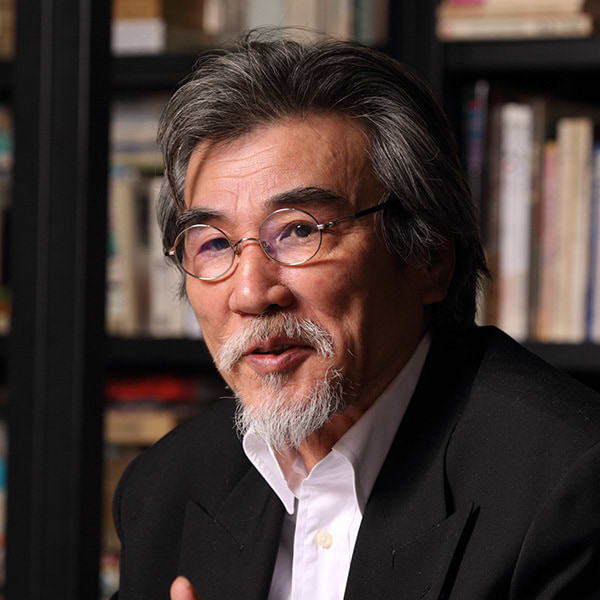
Masatake Matsuoka
Editing Engineering Research Institute
Director
Jun Hamano
Dentsu Inc.
DENTSU SOKEN INC.
Senior Fellow
Jun Nakao
Dentsu Inc.
2020 Production Center