
Note: This website was automatically translated, so some terms or nuances may not be completely accurate.
 How to Build New Japanese Strength [4/4]
When adapting external codes to our mode, the crucial thing is
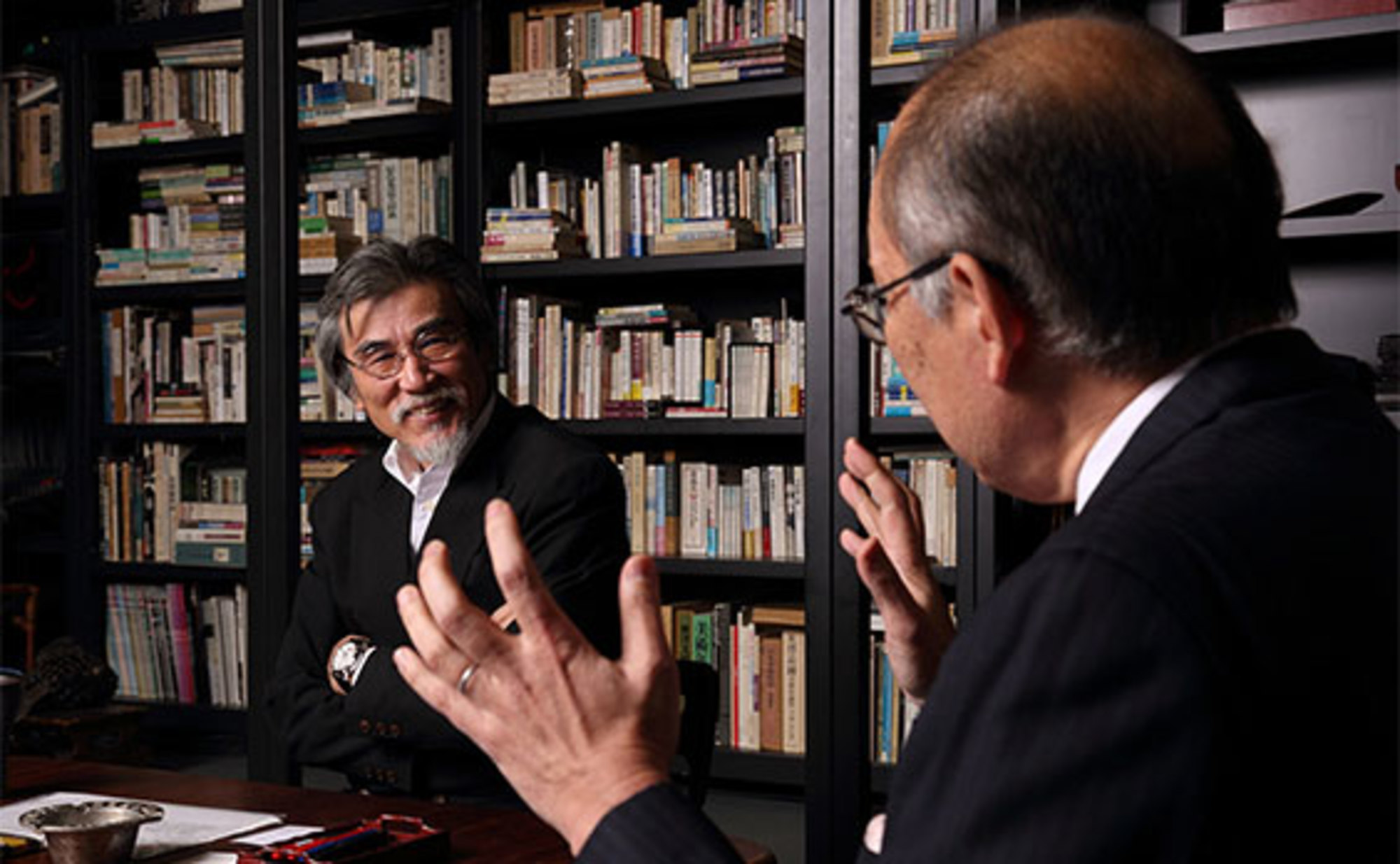
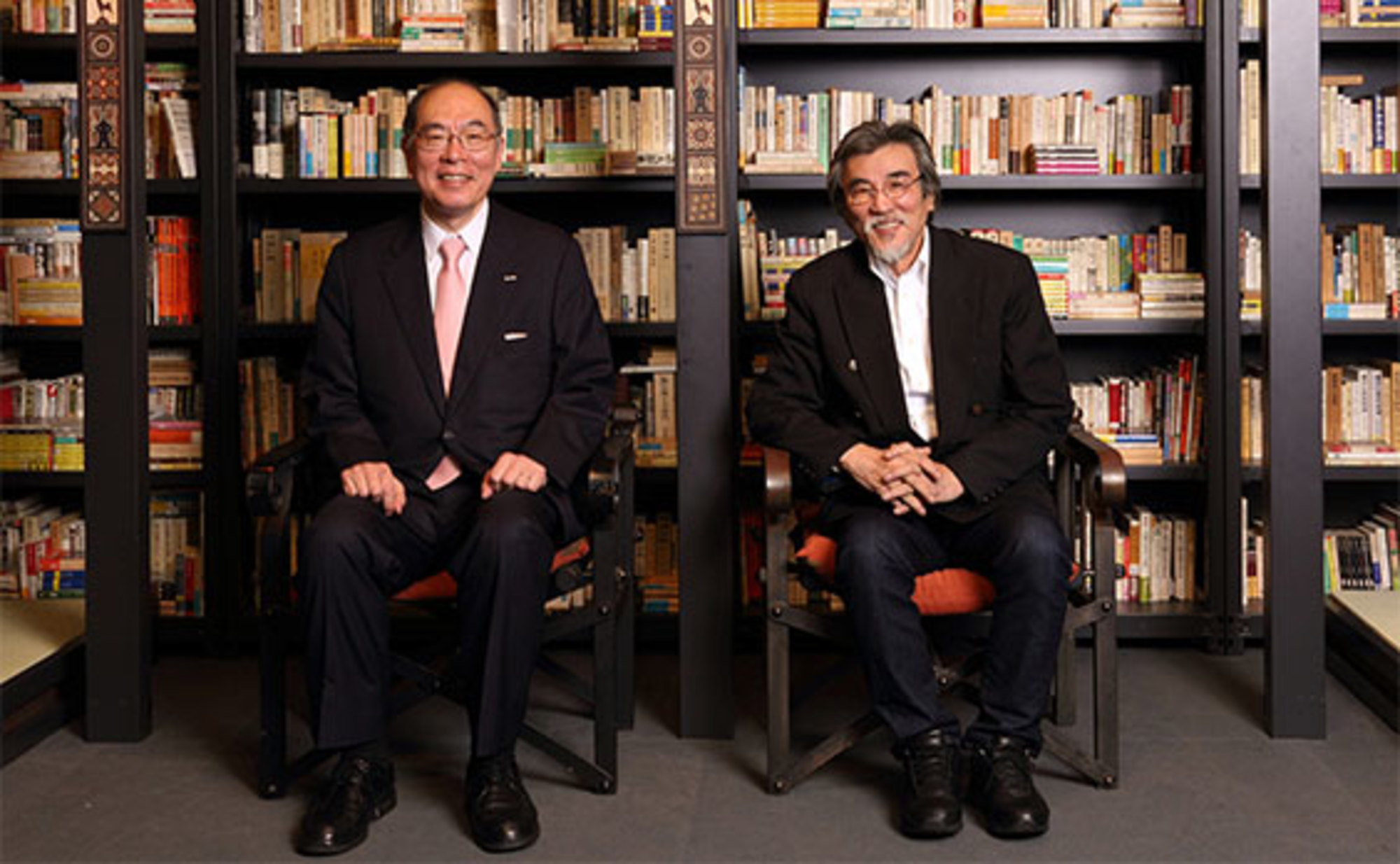
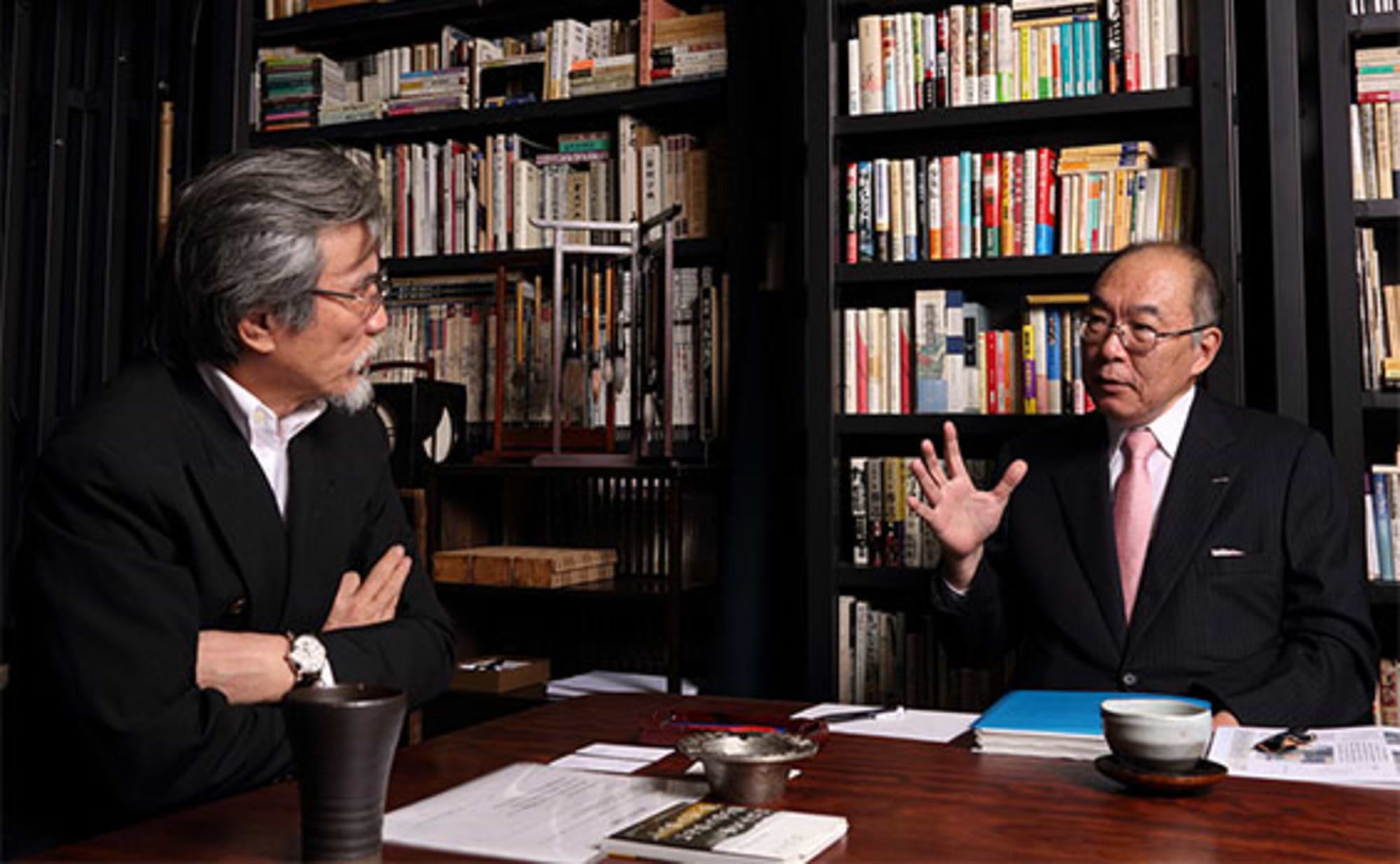
With the tailwind of hosting the 2020 Tokyo Olympic and Paralympic Games, Japan's underlying strength is now being put to the test. How can we leverage Japan's unique strengths and restore its vitality? Mr. Seigo Matsuoka, Director of the Institute of Editing Engineering, an expert in history and culture from all eras and regions and a leading authority on Japanese cultural studies, and Mr. Jun Hamano, former Vice-Minister of the Cabinet Office and current Senior Fellow at DENTSU SOKEN INC., discussed the nature of the "New Japanese Strength" that should be reaffirmed in this era. The discussion was moderated by Mr. Jun Nakao, Director of DENTSU SOKEN INC. This discussion will be presented in four parts.
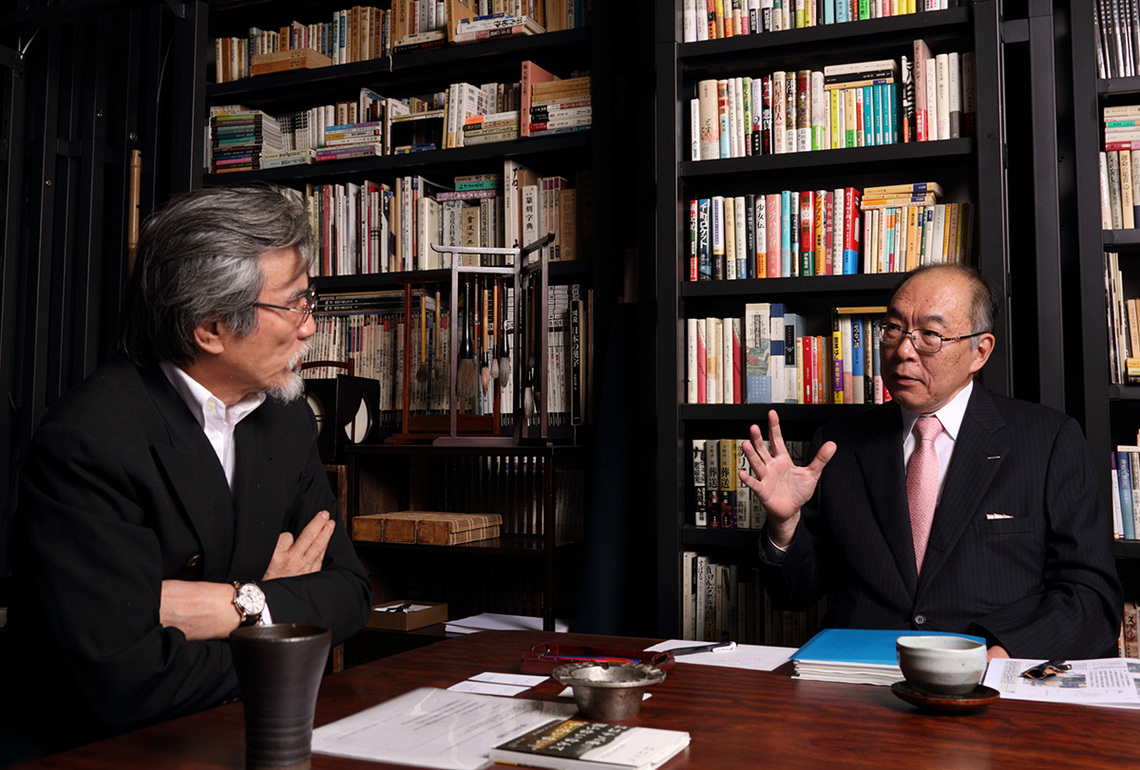
Don't Apply Global Filters to Special Codes
Nakao: Professor Matsuoka has long stated that Japanese people excel at transforming imported codes (symbols, conventions) into modes (styles), and that this is not mere processing technology but editing power. Do Japanese people still possess this editing power today? Or has it declined due to some constraining factors?
Matsuoka: That's a crucial point. To conclude, I don't believe it has diminished. For instance, when the code of kanji characters arrived in ancient Japan from China, they created professionals who could master its use. Soon, many people could read Chinese poetry, and figures like Sugawara no Michizane emerged who composed their own Chinese-style poetry. However, the Japanese common language itself did not become Sinicized. Instead, they adapted it to native Japanese words, creating Man'yōgana. They also developed Hiragana and Katakana from Chinese characters, establishing the unique mode of kanji-kana mixed writing. I believe this fundamental ability itself still remains in modern Japanese people.
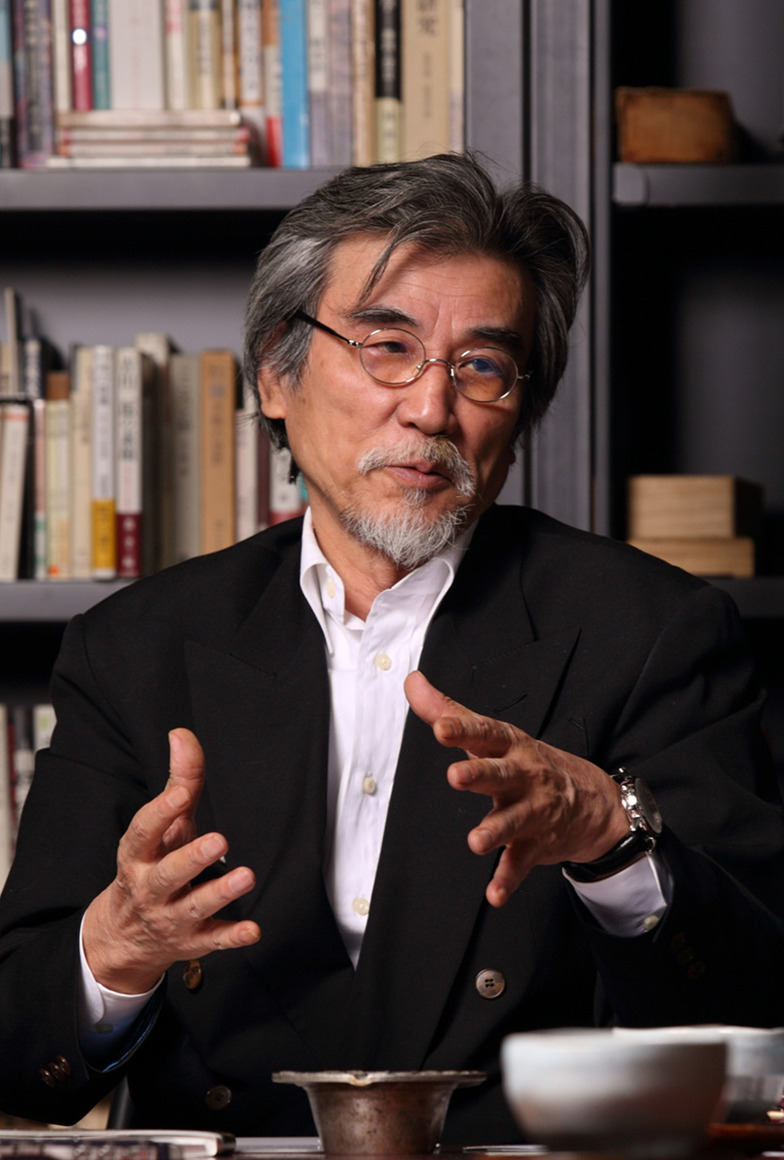
However, today, codes imported from overseas struggle to adapt to the Japanese mode. Why? Because we convert what should be unique codes into global codes ourselves. Whether sourced from Finland, Poland, or Myanmar, we apply a global filter to everything. So even if we exercise editing skills, the result becomes a mode found anywhere in the world. The crucial thing is the receptivity to first accept unique codes as they are. Take technical algorithms, for example. Instead of immediately dismissing them as unusable on Japanese computers, we should try them first. That's precisely where Japanese people excel at reverse engineering. Doing so might lead to completely unexpected modes of adaptation. Japan today flattens the codes it accepts far too much.
Nakao: So the problem lies in how we acquire codes. And when transforming them into modes, is there also a need for some consideration regarding the wisdom or timing involved?
Matsuoka: Japanese people excel at combining elements. You could call this hybridization, or more broadly, association. Association carries both the meaning of "linking ideas" and "combining elements." Or, "associate" can mean "forming connections." From an organizational management perspective, when assigning mode switching to internal personnel, you must allow freedom in team formation, combinations, and associative thinking. In other words, the team's composite power is what decides the outcome. It's crucial to create an environment where both the ability to combine ideas and the capacity to associate are fully realized. Beyond that, you need to boldly allocate budgets. Moreover, rather than half-year or single-year budgets, mid-term budget measures spanning multiple years will likely be necessary.
To build a Japan that stirs the soul
Nakao: To wrap up, I'd like to ask each of you for a final comment.
Hamano: This has been extremely enlightening. Professor's insights clearly show that an intellectual hub—a kind of intellectual collective—holds the key to creating "New Japan Power." DENTSU SOKEN INC. aims to become such an intellectual collective and serve as a catalyst for Japan's revival. We sincerely hope Professor will continue to offer us guidance.
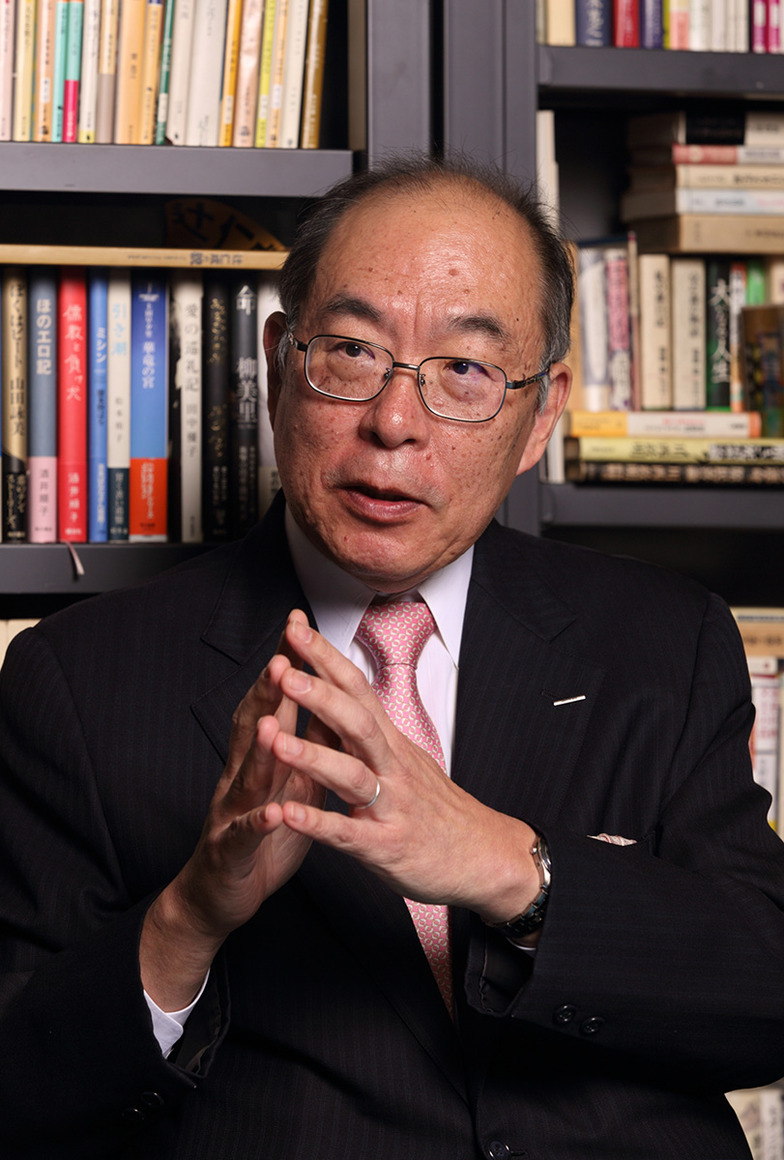
Matsuoka: I too have long believed that Japan cannot succeed without the emergence of a think tank that could be called "Japan's Lab." The era focused on high growth and building large-scale systems is over. What is now essential is creating mechanisms that turn soft power, creativity, and associative thinking into experimental tools. In particular, I strongly urge DENTSU SOKEN INC. to focus its efforts on the processes of modeling, editing, and transforming for the creation of New Japanese Power. People with the ability to break free from conventional frameworks exist across industries and in regional areas. While they may be engaged in practical business, their minds are free to roam. I hope you'll also create mechanisms for interacting with such individuals. It doesn't need to be a full-fledged club; even something like a salon would be ideal. As Mr. Hamano mentioned earlier, it's literally an intellectual Liangshan Marsh. We must somehow draw out that Japan that makes your heart ache, that Japan that stirs something passionate within us. I truly look forward to it.
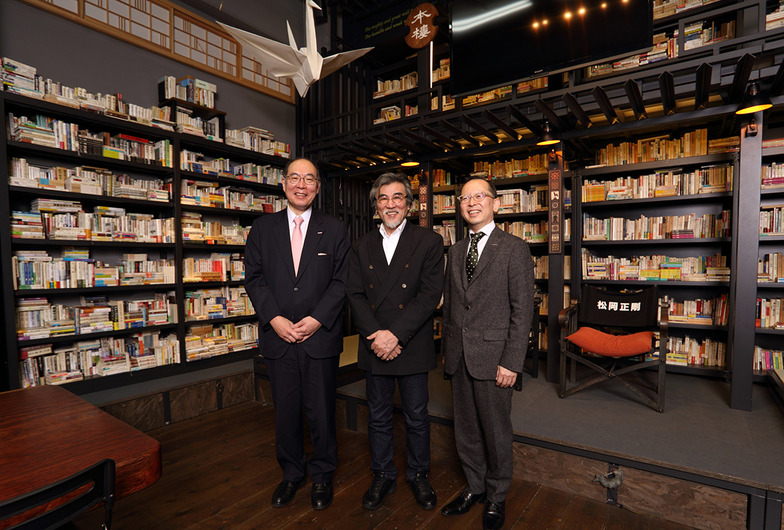
Nakao: For the new Japan Power, we need to unite people with the power to break free from their constraints, create a space like Dejima, and establish a timeline to make it function. I now clearly understand that this is the model for a successful experimental ground. Thank you very much for today.
[End]
Was this article helpful?
Share this article


Newsletter registration is here
We select and publish important news every day
For inquiries about this article
Back Numbers
Author
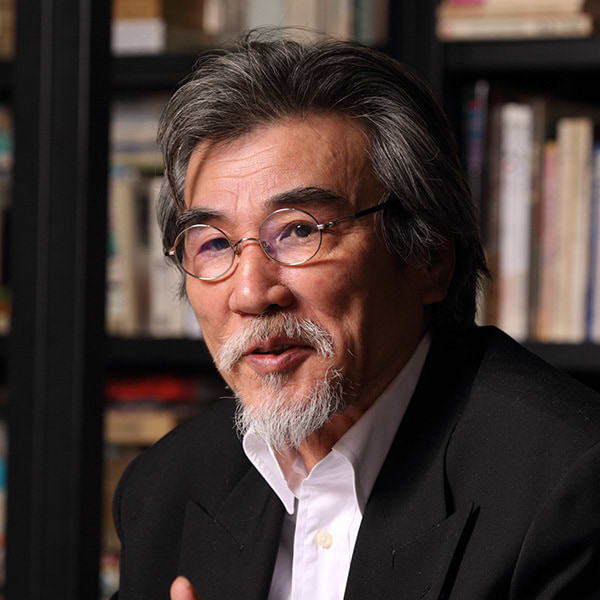
Masatake Matsuoka
Editing Engineering Research Institute
Director
Jun Hamano
Dentsu Inc.
DENTSU SOKEN INC.
Senior Fellow
Jun Nakao
Dentsu Inc.
2020 Production Center