
Note: This website was automatically translated, so some terms or nuances may not be completely accurate.
 The Potential of "Social Sourcing" to Obtain Resources from Society [9/11]
Crowdfunding Workshop Report "Communication Tips Seminar in Kamaishi"

Toshiaki Hasamura
Dentsu Inc.
※Glossary
【Social Sourcing】
A mechanism for co-creating with society by obtaining necessary resources—such as ideas, funding, and skills—from the community.
【Crowdfunding】
A mechanism for raising funds broadly from individuals via the internet. Various methods exist, including "donation-based," "reward-based," "lending-based," and "investment-based."
【Fundraising】
The act of raising money for a specific purpose.
◆ What is the "Communication Tips" Seminar?
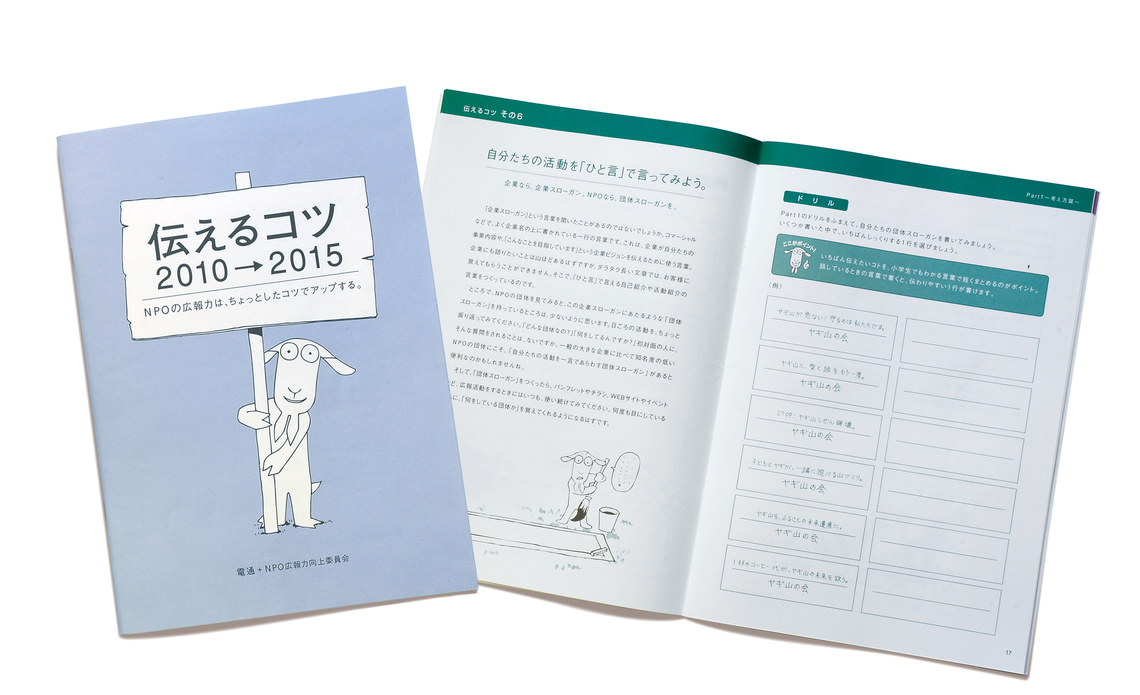
This time, I participated in the " Communication Tips " seminar, which Dentsu Inc. has been holding for 11 years as a social contribution activity for NPOs and social entrepreneurs. It is a workshop where instructors, primarily Dentsu Inc.'s creative staff, use original materials to teach tips for effectively communicating and gaining understanding of each organization's activities as part of their public relations efforts. To date, it has been held over 100 times across the nation, with participants exceeding 4,200 (as of March 2014). For this "Communication Tips in Kamaishi" session, we consulted in advance with local intermediary support organizations, the "@Rias NPO Support Center" and the "Iwate Collaboration and Reconstruction Center." We decided to focus on "crowdfunding" as a practical theme for gathering empathy and cooperation in public relations activities. I participated as one of the instructors.
◆ Essence of "Communication Tips"
At the seminar, Yoshinobu Yokoo, Senior Creative Director at Dentsu Inc.'s Creative Planning Division 1, first explained the fundamental concepts of "Communication Tips" that are also applicable to crowdfunding. Drawing on his own experience, he introduced the essence of these communication tips, sharing numerous anecdotes.
Particularly crucial for crowdfunding was his explanation that the most vital step in communicating effectively is to clearly define the fundamental elements of your organization: "Where do we come from? Who are we? Where are we going?"—referencing the title of Gauguin's famous work. He emphasized the importance of clarifying why your group exists, who you are, and what you aim for, sharing this with your team, and communicating it consistently to the outside world.
□ Why do you need to raise funds through crowdfunding?
□ Who are you, the one raising funds?
□ What do you want to do once the funds are raised?
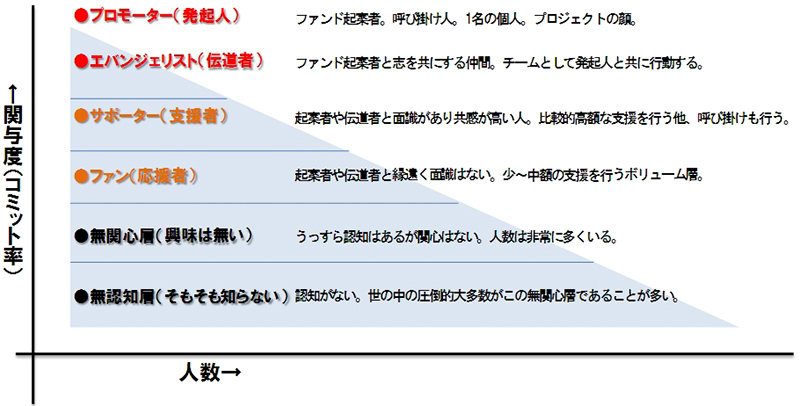
If even one of these fundamental questions remains unanswered, you will never raise funds. Most successful crowdfunding campaigns share common traits: the creator uses their real name and displays their photo, shares their personal background and story connected to the fund, and clearly states how the funds will be used. This approach builds both trust and empathy.
◆ Crowdfunding: Let's Try Planning a Project Workshop
This seminar featured the first "Crowdfunding Exercise" (workshop) in the "Communication Tips" series. First, we analyzed several examples from "READYFOR"—a crowdfunding service featuring many disaster relief campaigns—using the "communication techniques" perspective gained in the seminar's first half. Next, we distributed a "Crowdfunding Template" and asked participants to envision what kind of project their own organization might launch. They first brainstormed individually, then collaborated in groups to fill out large sheets of paper.
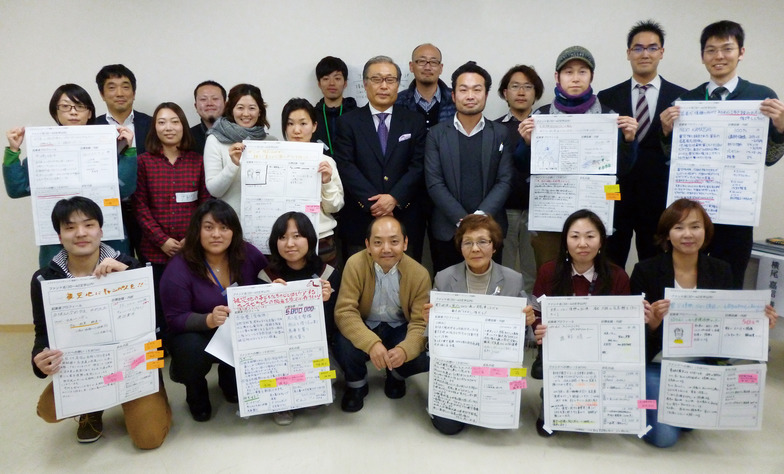
Using the large-format paper you filled out, each participating group presented their funding plan. Participants then voted and discussed among themselves, and finally, Mr. Yokoo provided feedback on each proposal one by one.
We explained in the final summary, while projecting the previous series from Dentsu Inc.'s previous series onto the screen, that exercises using templates are merely simple simulations. In reality, setting accurate profit and loss figures, preparing images and videos, finding anglesto expand the fund,team building, legalconfirmations, and recognizing and preparing for risks are all necessary.
◆ Utilize it as a public resource for society
Many participants shared that the workshop was highly valuable. Crowdfunding is ultimately a tool, utilized not only for supporting social contribution activities but also in various fields like product development and film production. Some reports estimate that the US crowdfunding market size exceeded ¥1 trillion in 2014. We would be delighted if crowdfunding could spread in Japan as well, serving as a public asset for society.
Was this article helpful?
Share this article


Newsletter registration is here
We select and publish important news every day
For inquiries about this article
Back Numbers
Author
Toshiaki Hasamura
Dentsu Inc.
Business Development & Activation Division
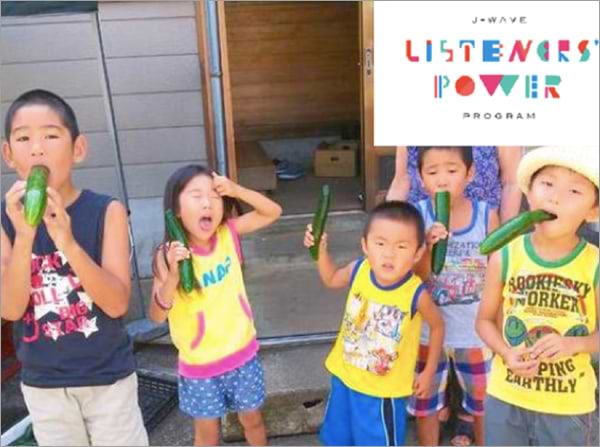
During my student years, I incorporated a photography business (started a company). I covered approximately 40 countries. Subsequently, I joined Dentsu Inc. with the goal of launching a social business within an organization capable of significant social impact. While working on new business development led by Dentsu Inc., I also engaged in PRE/PFI consulting, such as advisory services for PFI concession bidding projects like airport privatization, and consulting for new commercial facility development project planning. Examples of business development include: - 2013: Conceived and participated in launching Japan's first crowdfunded mass media broadcast project, "LISTENERS' POWER PROGRAM." - 2016: Conceived and participated in establishing Japan's first FinTech industry hub, The FinTech Center of Tokyo "FINOLAB Inc.", where I remain active daily as part of the operational team. - 2018: Left Dentsu Inc.